Should you add Heiðmörk to a Reykjavík day?

Yes, add Heiðmörk when you want a low-pressure nature break close to Reykjavík. Skip it when your spare day should go toward one of Iceland’s larger first-trip routes.

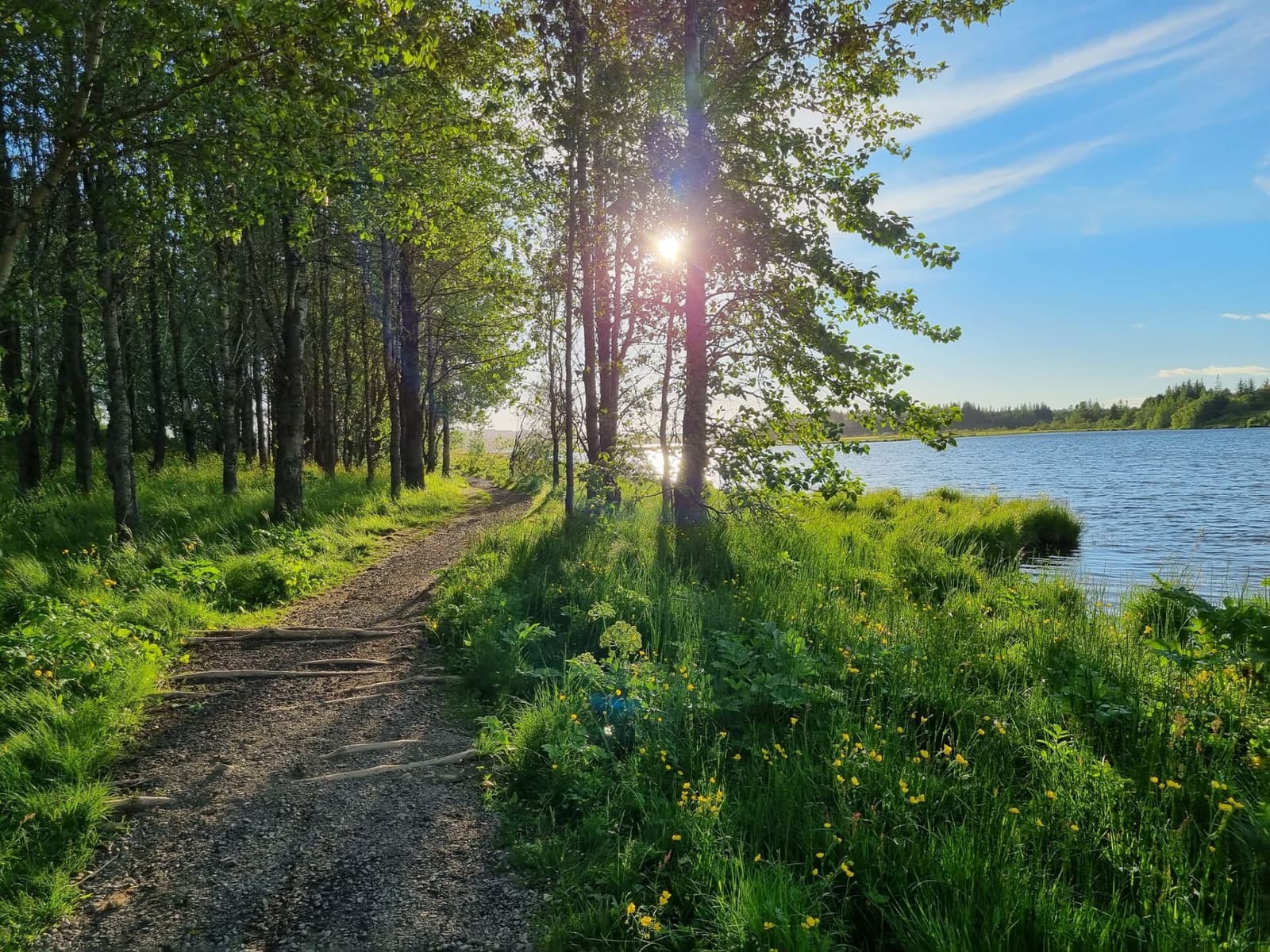
Heiðmörk is not a single lookout. It is a broad mix of forest, lava, lakes, picnic groves, short paths, riding routes, and protected land southeast of the city. That makes it useful when you want to step out of Reykjavík’s streets without turning the day into a long drive.

A local Iceland travel editor would add Heiðmörk to a Reykjavík-based day when the trip needs fresh air, family space, gentle walking, or a quiet pause between city stops. The same editor would skip it when the traveler has only one open day and still has not chosen between Þingvellir, the South Coast, or another major first-trip anchor.

Worth the stop?

When this stop makes sense

Good match for

  • Reykjavík-based travelers who want nature without a full day trip
  • families looking for picnic areas, gentle paths, and space to slow down
  • repeat visitors comparing city-edge walks with bigger sightseeing routes
  • travelers with a rental car and a flexible half day near the capital

Think twice if

  • first-time visitors with one spare day who still need a major route such as the Golden Circle
  • travelers expecting one famous viewpoint or dramatic single landmark

Pair it with

ReykjavikPerlanHallgrímskirkja5-Day Iceland Itinerary

Which part of Heiðmörk should you choose first?

Start by choosing the experience, not by trying to see the whole area. Heiðmörk works best when you pick one focus and leave room to slow down.

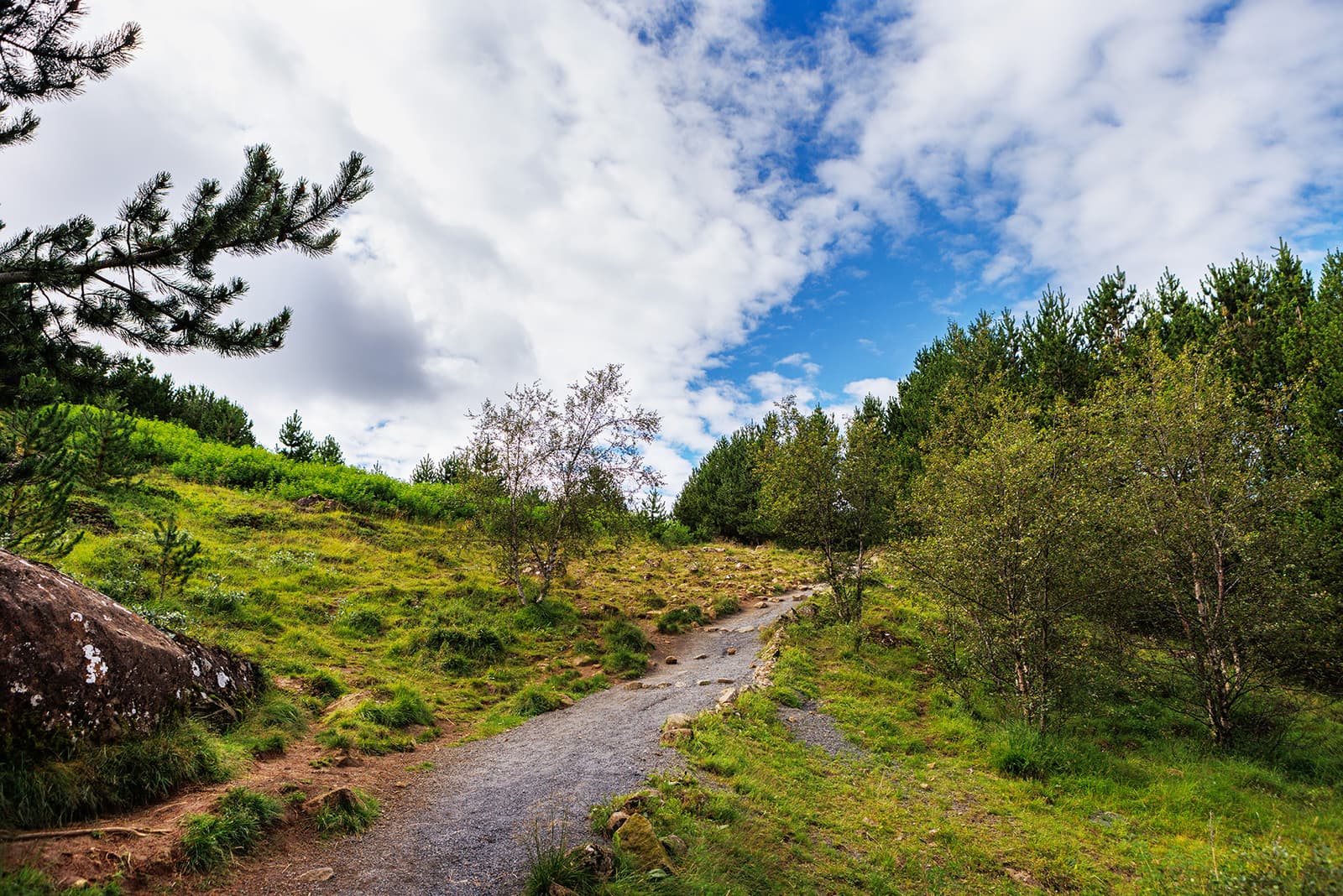
For a simple walk, choose a marked forest loop or lake-edge path near Elliðavatn. For volcanic color and geology, put Rauðhólar first. For a family pause, look for the named groves with parking, benches, picnic tables, play areas, or barbecue facilities. For a longer walk, the educational trail gives the day more structure.

Heiðmörk is large enough that choosing one sub-area matters more than trying to cover everything.
How to choose a first stop in Heiðmörk
If you wantStart withPlanning note
A short forest walkA marked loop near a parking areaGood for a 45-90 minute break when the rest of the Reykjavík day is already planned.
Volcanic textureRauðhólarBest when you want red pseudocraters and lava-field context rather than deep forest.
Lake-edge quietElliðavatn-side pathsUseful for birds, water views, and a softer nature stop near the city.
A family picnicFurulundur, Grenilundur, Hjallaflatir, or another named groveChoose by facilities and parking instead of adding more scenic stops.
A longer walkThe educational trail from the Elliðavatnsbær areaAllow about 2-2.5 hours and treat the route as a proper walk, not a photo stop.

How much time do the trails and picnic stops need?

Most visitors should allow one to three hours. The short version is one parking area plus a walk; the slower version is a loop, picnic, and lake or lava-field pause.

The Icelandic Tourist Board lists the Forest Circle as an easy, marked loop of about 3.3 to 3.5 kilometers, with a 30-60 minute walking time and no service on the trail. That is a good model for the simplest visit: easy, useful, and still dependent on surface, footwear, and weather.

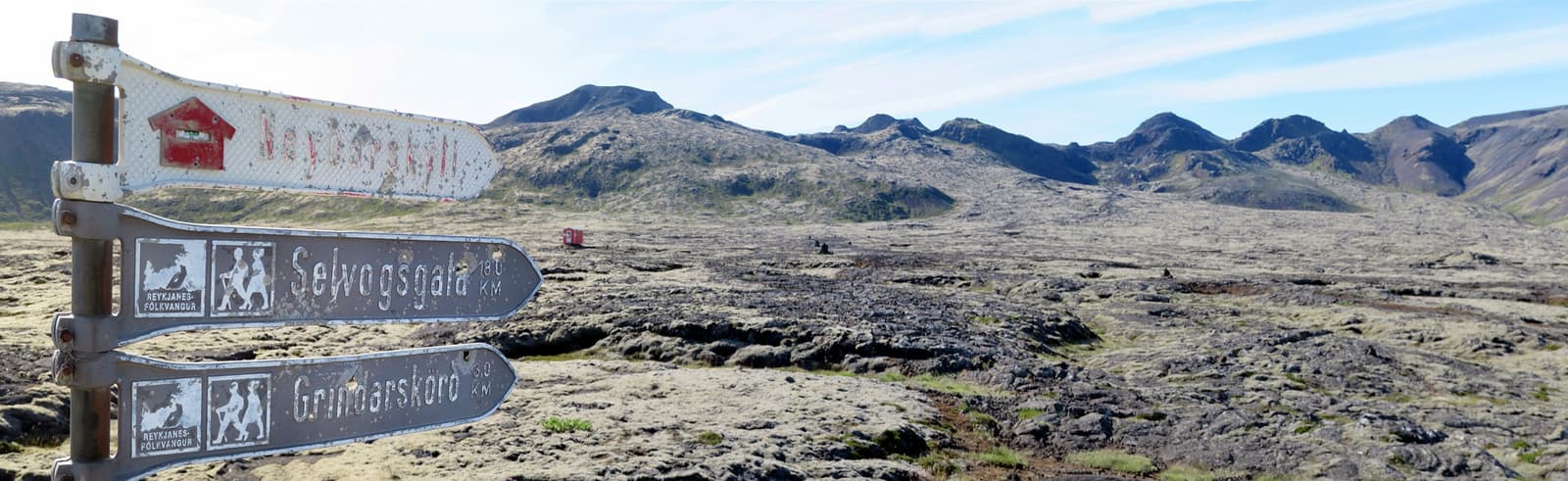
The open lake and lava-field edges make Heiðmörk feel different from central Reykjavík parks.

If you are traveling with children or using a picnic area, budget more time than the walking distance suggests. The value is not speed. It is having a place near Reykjavík where the group can move, eat, look at trees and lava, and return to the city without a full sightseeing loop.

How do you get there without overcomplicating the day?

A car is the cleanest option because Heiðmörk has multiple access roads and parking areas. Public transport can get you near the area, but it is not the same as arriving inside the reserve.

Reykjavík City lists car access from Rauðhólavegur off Highway 1, Hraunslóð from the east, and Hlíðarvegur from Vífilsstaðir on the west. It also notes that Heiðmörk has eight stopping points with parking and facilities, while no public transport serves the reserve itself.

Visit Reykjavík’s Green Belt guidance is a little more flexible for car-light travelers: public transport is limited, but route 5 can get you to Selvað with a walk from there. That can work for determined walkers in good conditions, but it is not the relaxed version of Heiðmörk for most visitors.

Heiðmörk is close to Reykjavík, but winter surfaces and the spread-out layout still affect how easy the visit feels.

What rules matter in the water-protection area?

Treat Heiðmörk as protected working landscape, not only a city park. The area includes important drinking-water sources, so small visitor choices matter.

Heiðmörk’s managing association asks visitors to enjoy the area with respect for nature and the environment. Its posted rules include picking up litter, using fire with caution, keeping dogs leashed, keeping horses to marked riding paths and rest areas, avoiding plant damage, leaving the area clean, and not staying overnight in tents.

The water context is real. Veitur and Reykjavík Energy describe Heiðmörk as part of the capital area’s water-protection system, with major water sources and conservation areas where pollution from waste, oil, sewage, or other substances can threaten groundwater. If signs or fences restrict access, respect them even if a path looks tempting.

What nearby Reykjavík stops pair well with Heiðmörk?

Pair Heiðmörk with city stops that benefit from contrast. It is strongest beside a viewpoint, church, museum, or easy urban walk rather than a packed long-drive day.

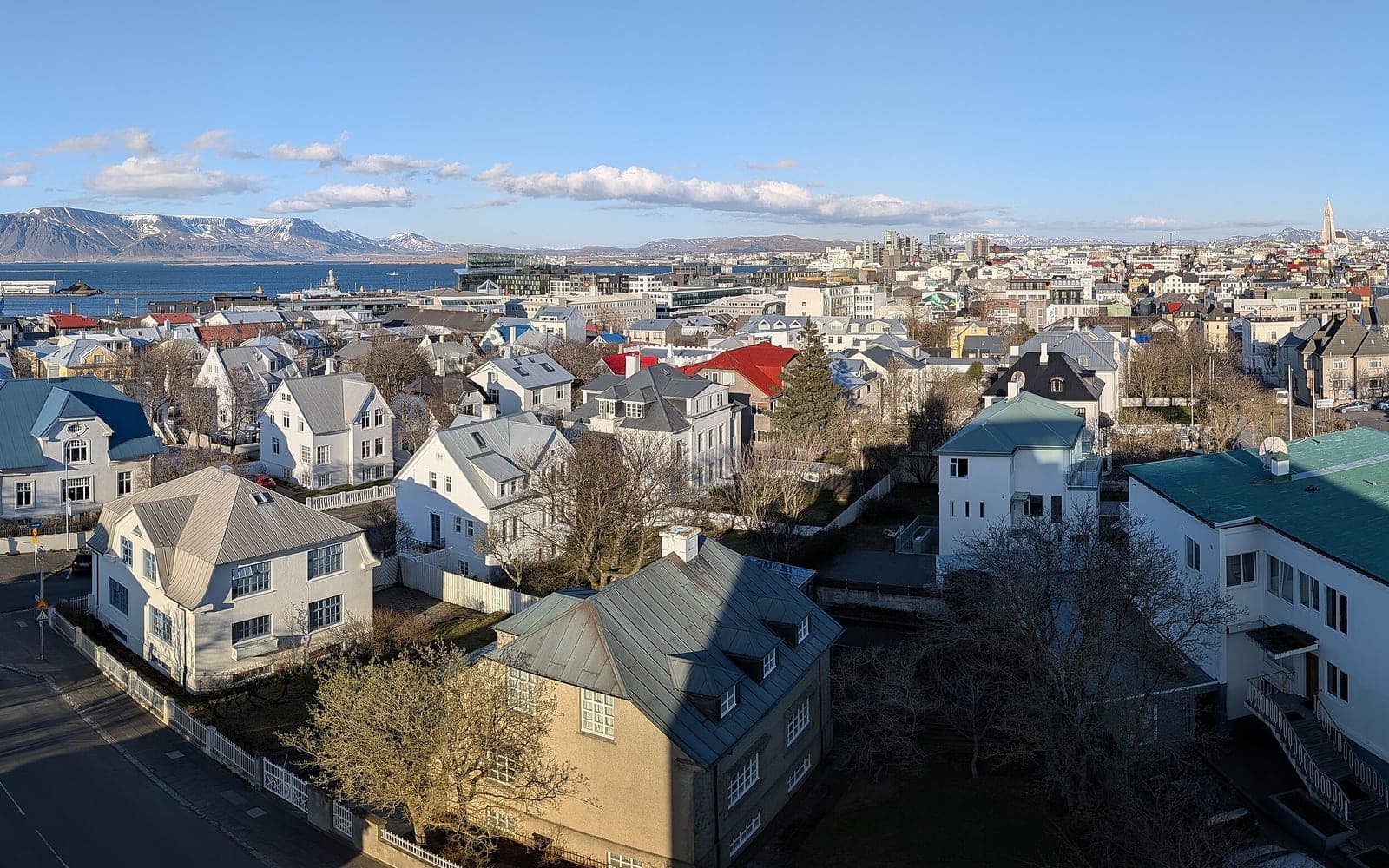
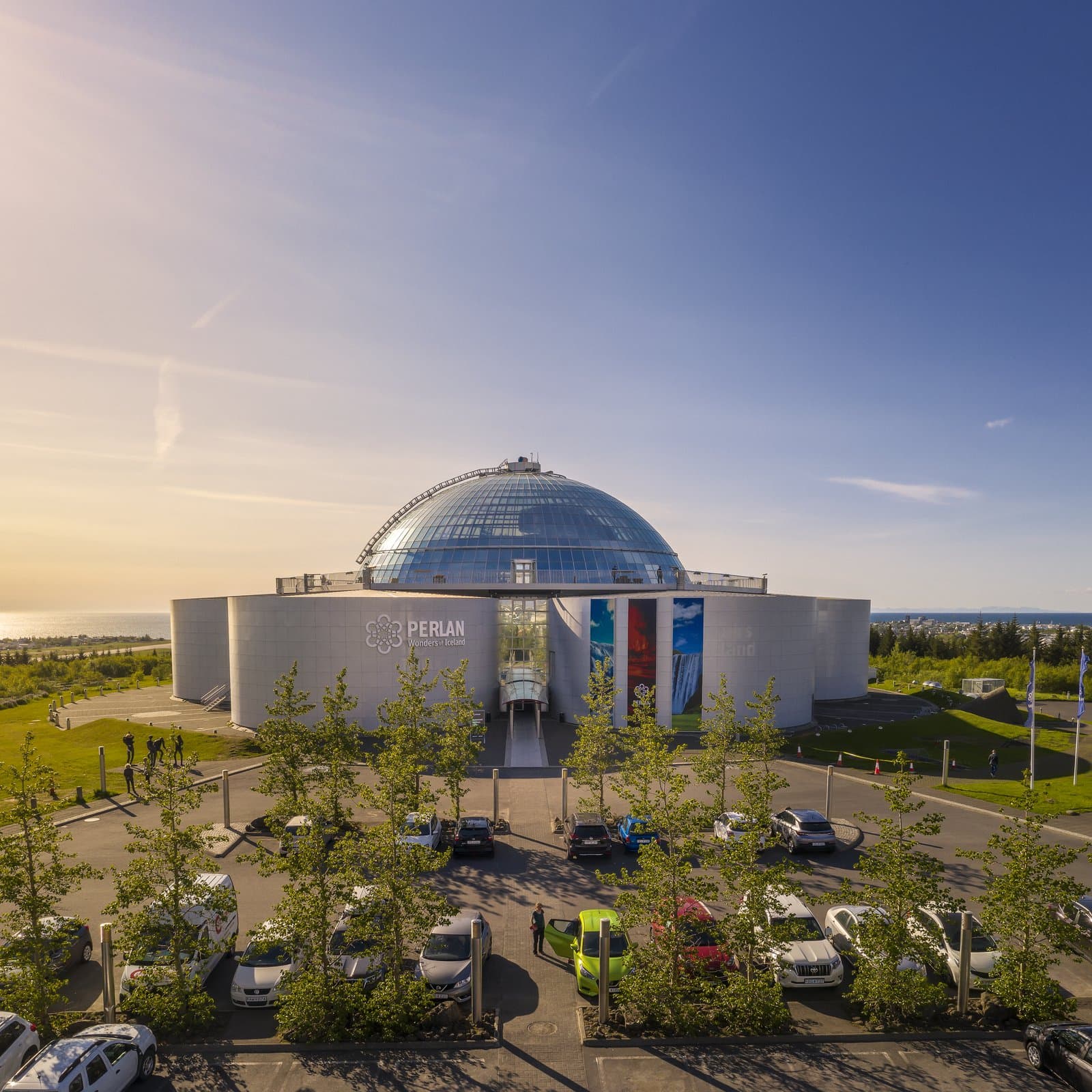
Perlan is the cleanest pairing if you want a Reykjavík day that moves from city views and exhibitions into real outdoor space. Hallgrímskirkja works when the day starts with a central landmark and then shifts outward to forest, lava, and lake edges.

Inside and around Heiðmörk, Rauðhólar and Elliðavatn are the most natural anchors to compare. Rauðhólar gives the day volcanic color; Elliðavatn gives it a softer lake-and-birdlife rhythm. If the group wants culture nearby, Árbæjarsafn can make the day feel more rounded than another viewpoint.

The planted forest is part of Heiðmörk’s identity, especially for visitors used to Iceland’s more open landscapes.

What should you check before you go?

Check current access, weather, daylight, and official rules before treating Heiðmörk as fixed. The place is close to the city, but it is still outdoor terrain.

Use the official Reykjavík and Heiðmörk pages for access points, rules, maps, and any current notices. Use weather forecasts for wind, snow, ice, and daylight, especially in winter. If you plan to use a picnic or barbecue area, check whether fire caution or local notices change what is sensible that day.

Useful current sources

Common questions about Heiðmörk

These are the questions that usually change whether Heiðmörk is an easy add-on or a poor use of limited Reykjavík time.

Is Heiðmörk worth visiting without a car?

Usually only if you are happy to walk extra from the nearest bus-served edge. A car makes Heiðmörk much easier because the main parking areas and sub-stops are spread across the reserve.

Is Heiðmörk good for families?

Yes, Heiðmörk can be very good for families when you choose a short loop, picnic grove, or play-area stop instead of trying to cover the whole reserve.

Can you visit Heiðmörk in winter?

Yes, but winter changes the comfort level. Check weather, daylight, snow, ice, and trail surface before assuming a summer-style walk will feel easy.

Are dogs allowed in Heiðmörk?

Dogs can visit, but the posted park rules say they should be kept leashed and that owners should clean up after them.

Why does Heiðmörk have water-protection rules?

Heiðmörk includes important drinking-water areas for the capital region, so visitors need to avoid litter, pollution, off-path damage, and restricted water-source zones.