Experience fit
- Ways to visit
- Guided tours or self-drive
- Near Reykjavík
- Þingvellir and Þjórsárdalur
- North Iceland
- Mývatn, Siglufjörður and Húsavík
- East Iceland
- Walter Mitty’s Seyðisfjörður
- Supergirl
- Iceland confirmed; exact sites unverified
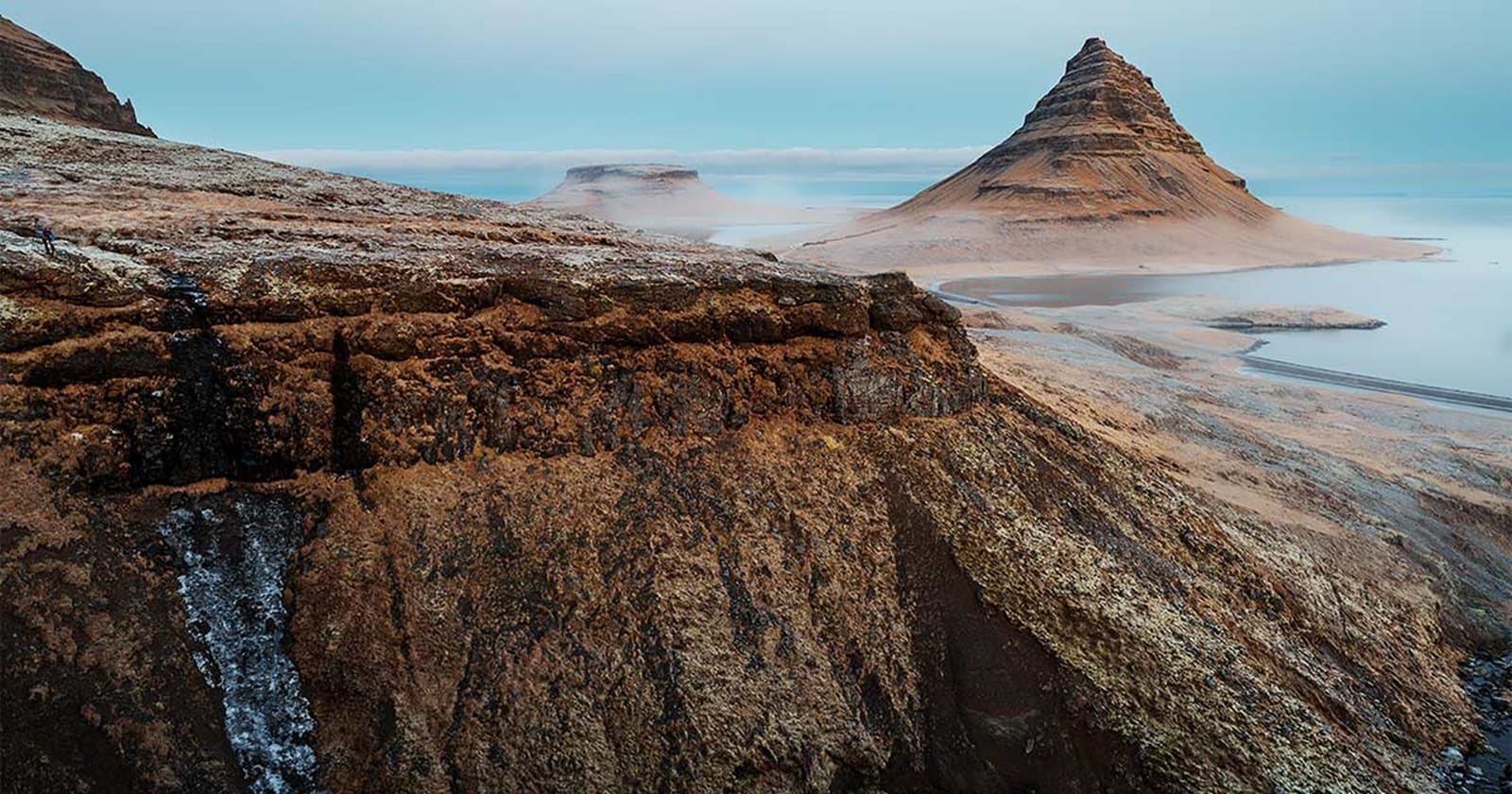
Iceland’s filming locations range from Game of Thrones lava fields to the fjord road in Walter Mitty. Some are easy stops on a road trip; others make more sense with a guide. Find a few places you will enjoy, whether you know every scene or simply love the scenery.
Experience fit
You do not need to build an entire holiday around a film to enjoy seeing where it was made. Þingvellir, Kirkjufell and the South Coast already belong on many Iceland itineraries. Knowing their screen roles gives you another reason to stop and look.
Start with the region you are visiting. Þingvellir combines Game of Thrones scenery with the site of Iceland’s early parliament. Around Mývatn, a day among lava formations and geothermal landscapes gives fans and non-fans plenty to enjoy.
For Christopher Nolan’s film, our Odyssey filming locations guide covers Iceland’s role in the production and what visitors can actually see. Supergirl also filmed in Iceland; the section below explains what the production team has confirmed.
Photo guide
1 / 8
A traveler pauses beside a car with Kirkjufell behind her.
Good to know
Yes. Iceland helped create Barenton, one of Supergirl’s alien worlds. In an August 2026 interview with The Art of VFX, production visual-effects supervisor Geoffrey Baumann describes Iceland’s volcanic terrain, black sand and lakes as the starting point for the planet.
Visual effects extended those landscapes. Baumann names the Scottish Highlands as the basis for Holzherr, while Den of Geek’s set visit places the constructed Argo City on a Leavesden backlot in England. The film combines several countries and sets.
The production sources reviewed here do not name individual Icelandic beaches, lakes or viewpoints. If the film has inspired a visit, explore the South Coast for its black sand and glacier scenery. We have not verified Reynisfjara as a Supergirl filming location, so it should not be added to a route on that basis.
Iceland’s role in creating Barenton.
Iceland is among the filming countries.
A first-hand visit to the Leavesden sets.
Use these places as a starting point. A location may appear only briefly, and sets, snow or visual effects can make it look quite different on screen.
| Production | Places to consider | Trip fit |
|---|---|---|
| Game of Thrones | Þingvellir and Þjórsárdalur | A southwest day; Þjórsárdalur needs extra time beyond the Golden Circle. |
| Game of Thrones | Dimmuborgir and Grjótagjá near Mývatn; Kirkjufell in Snæfellsnes | Choose the north or west according to your route. These are separate regions. |
| Rogue One: A Star Wars Story | Mýrdalssandur and Reynisfjara | South Coast scenery, subject to beach access. |
| Interstellar | Svínafellsjökull | Southeast Iceland; check glacier-area access before planning a visit. |
| The Secret Life of Walter Mitty | Seyðisfjörður | An Eastfjords stop, including the approach over the mountain road. |
| Trapped | Siglufjörður | A town visit in North Iceland. |
| Eurovision Song Contest: The Story of Fire Saga | Húsavík | A North Iceland stay with time for the harbor and town. |
For Game of Thrones near Reykjavík, start with the Golden Circle. If you are heading west, Kirkjufell fits a Snæfellsnes Peninsula trip. There is no need to join every filming region into one itinerary.
Many filming locations are ordinary visitor attractions. You can see them independently where access allows, or pay for a guide who can explain what was filmed and help you find the relevant views.
The Viking Village film set at Stokksnes is a constructed village within the managed Vestrahorn visitor site. It is not an ancient settlement. Its turf-roofed buildings and mountain backdrop offer a different experience from recognizing a landscape used in a film.
A guided day is most useful when the guide adds context and keeps one production interest inside a sensible region. These three formats suit different bases and levels of fandom.
Choose between a private southwest day, a North Iceland outing around Mývatn, and a customizable private itinerary spanning several regions. Recheck the exact route and operating details with the provider.
Fun Iceland
Best forA private group based around Reykjavík that wants scene narration across Þingvellir, waterfalls, and Þjórsárdalur country.
Keep in mindA substantial day follows one production lens, so the southwest scenery and history should interest the non-fans too.
Check firstConfirm the vehicle, pickup area, planned stops, walking, and how access or conditions may change the route.
The Traveling Viking
Best forAkureyri-based travelers who want Mývatn's lava and geothermal landscapes interpreted through the series.
Keep in mindThe advertised day combines screen locations with a lagoon finish, so both parts need to suit the group's priorities.
Check firstConfirm pickup, the route, walking conditions, the lagoon component, and any site-access changes.
Arctic Adventures
Best forStrong fans who want a private driver-guide to shape a multi-region itinerary around selected locations.
Keep in mindCovering several regional clusters can take time away from the wider Iceland trip.
Check firstConfirm the chosen regions, number of days, vehicle, walking, access, and what changes with road or weather conditions.
Rogue One used South Iceland’s black-sand landscapes, while Interstellar filmed at Svínafellsjökull. These places are spread along the coast, so choose stops that fit the distance you actually want to drive.
Visit South Iceland identifies Mýrdalssandur and Reynisfjara among the Rogue One locations. You can combine the region’s film connections with waterfalls and a stay near Vík on a South Coast road trip.
At Reynisfjara, sneaker waves and falling rocks are serious hazards. Access can be restricted to the viewing area even when the wave warning is below red. Check SafeTravel before visiting, follow closures and signs, and stay well away from the water. A photograph in a guide is not evidence that the same spot is accessible today.
Svínafellsjökull and Skaftafellsjökull are different glaciers. For a land-based glacier view, the park describes a visitor trail at Skaftafellsjökull; the photograph below shows that destination, not an Interstellar filming spot. Check park guidance before setting out, and use a guided glacier activity if you want to walk on the ice.
Mývatn’s lava fields and caves helped give Game of Thrones its northern landscapes. The stops are close enough to combine during a stay in the area, with time to enjoy the geology as well as the screen connections.
Dimmuborgir is a maze of lava pillars, arches and passages with marked walking routes. Nearby Grjótagjá is a small cave with a pool beneath the rock. Both appear in the regional tourism board’s Game of Thrones location material.
Do not plan to bathe at Grjótagjá. The regional visitor guidance describes how volcanic activity raised the water temperature and ended its use as a bathing place. Follow local access signs, and keep to the marked paths at Dimmuborgir.
A guide is useful if you want the production story explained at each stop. If you are driving independently, leave room for the wider lake area instead of rushing between photo stops. Summer greenery and winter snow can make the same lava formations feel very different.
Photographed in July 2019; resized and compressed for this guide.
License for the Grjótagjá photograph above.
Some of Iceland’s most enjoyable film stops are towns where you can stay for lunch, walk along the harbor and explore beyond the location you came to see.
The winding descent into Seyðisfjörður appears in The Secret Life of Walter Mitty’s longboarding sequence. It is a working mountain road, so keep driving until you reach a proper stopping place. In town, the colorful buildings, art and fjord views are worth taking time over.
Siglufjörður was the main filming town for the first series of Trapped. Its enclosed fjord and harbor may look familiar, but a visit also gives you a chance to explore the town’s fishing history.
Húsavík is the hometown of the central characters in Eurovision Song Contest: The Story of Fire Saga and features in the film. Walk by the harbor or build a longer stay around the town. The film connection is a good introduction; the real place has plenty of its own character.
Filming permission does not mean public access. Crews may have used private land, temporary sets or specialist support that ordinary visitors cannot use.
Use the regional overview to place screen interests inside a South Iceland route.
Use the park for visitor information, paths, rules, history, and geology.
Current beach restrictions, wave warnings and rockfall guidance.
Use the park for the Skaftafellsjökull visitor destination and related glacier guidance.
Use the direct site for access and visitor details for the constructed village and managed landscape.
Cave visitor information and bathing history.
The Walter Mitty road and things to see in town.
The first series’ main filming town.
The town’s Fire Saga connection.
Regional Game of Thrones locations (PDF).
By ThorPublished Updated
Where to do it
Plan the driving, photography, cultural stops or glacier experience around your filming-location visit.
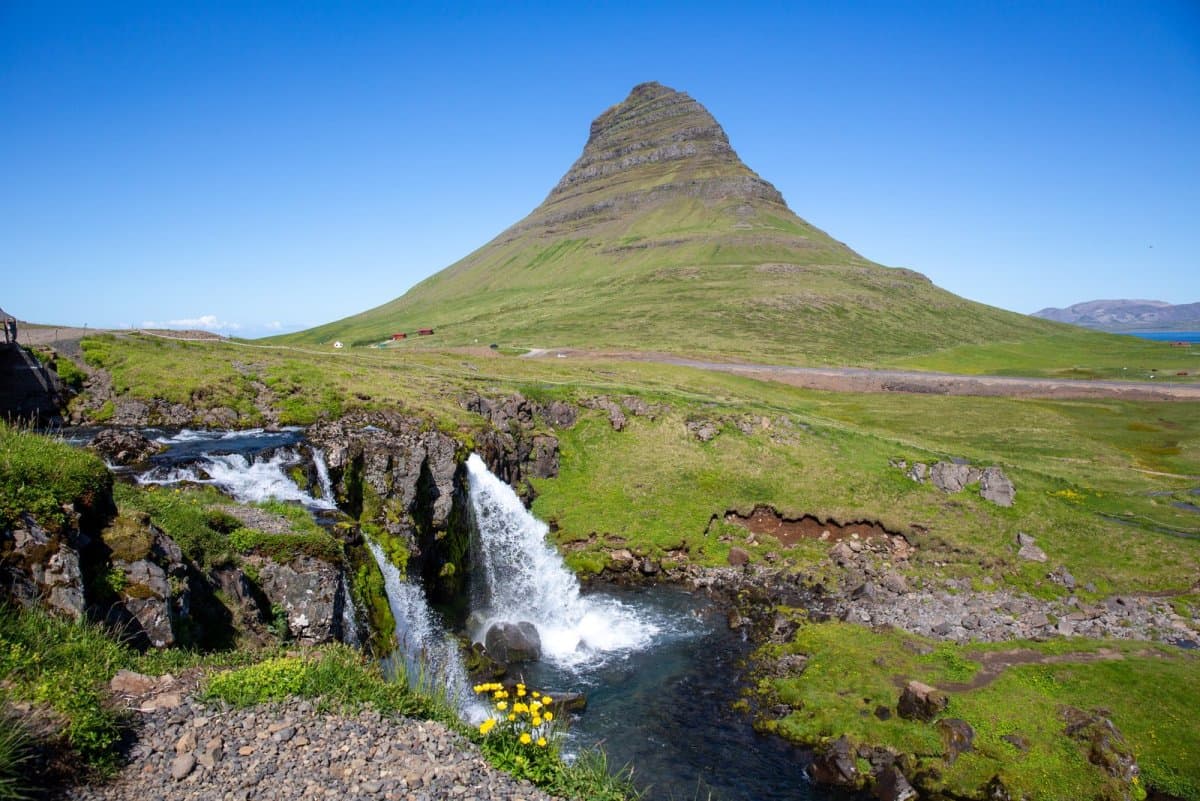
Kirkjufell is the steep, isolated mountain beside Grundarfjörður that forms one of Snæfellsnes's clearest landmarks. Most visitors come for the view, not to climb it, and stay only as long as visibility rewards them.
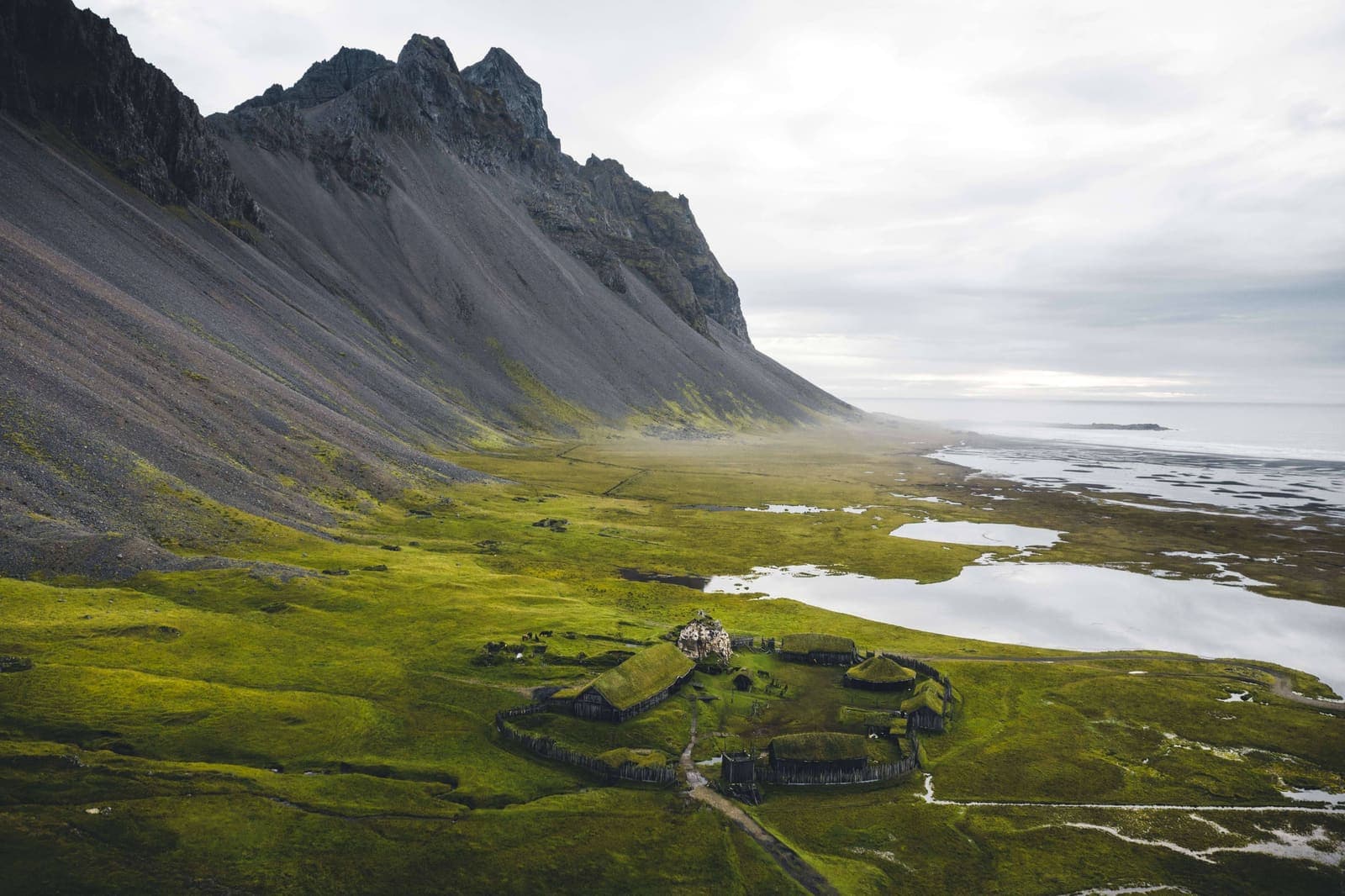
The Viking Village Film Set helps Ring Road travelers decide whether a crafted movie-set stop near Vestrahorn is worth adding to a Stokksnes visit, especially when time, weather, and expectations need managing.
Regions
See which part of Iceland is most convenient for this experience and what else you can visit nearby.
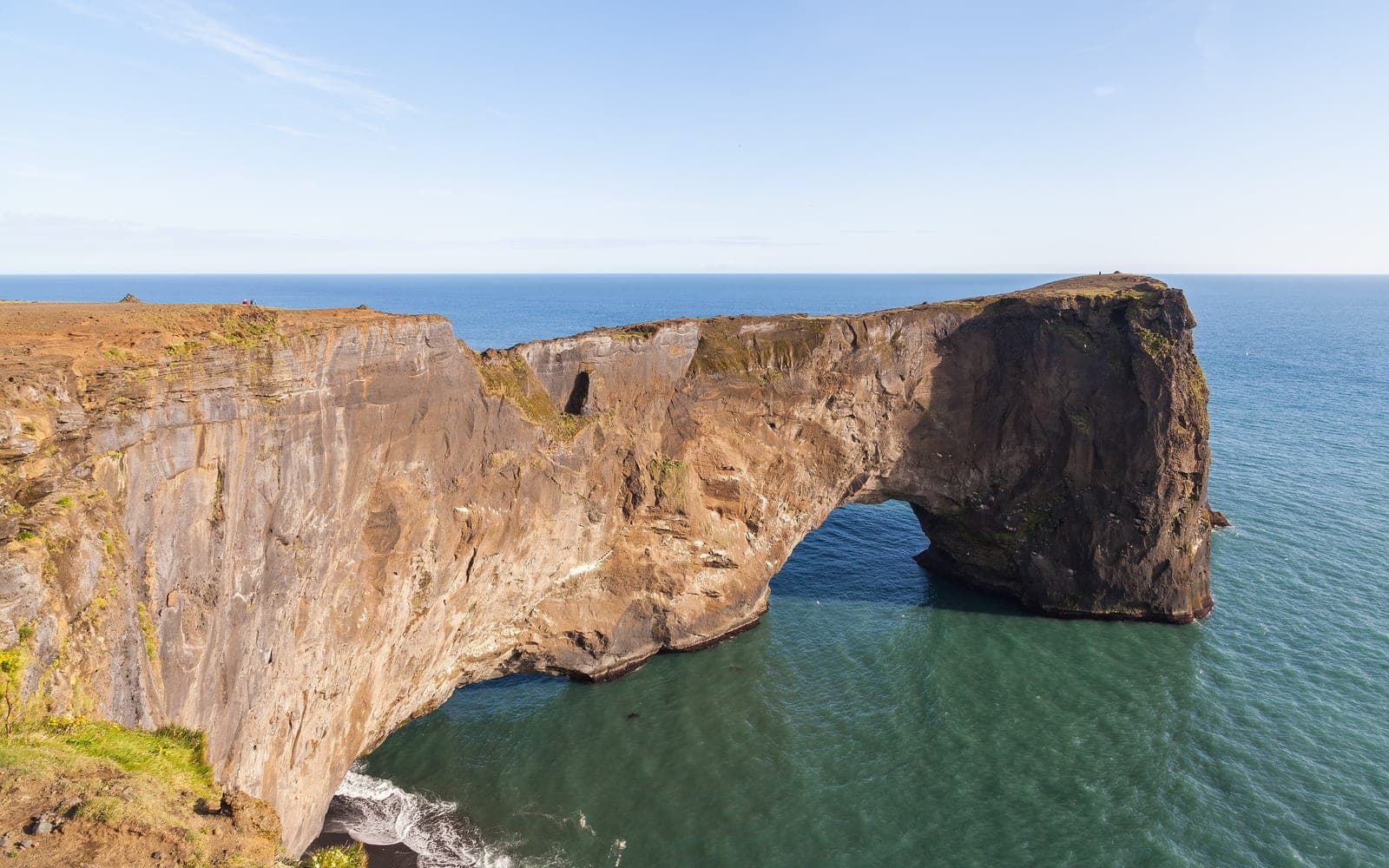
Build a first-trip route around waterfalls, black-sand coast and glacier country, but allow two to four days if Jökulsárlón is part of the plan.
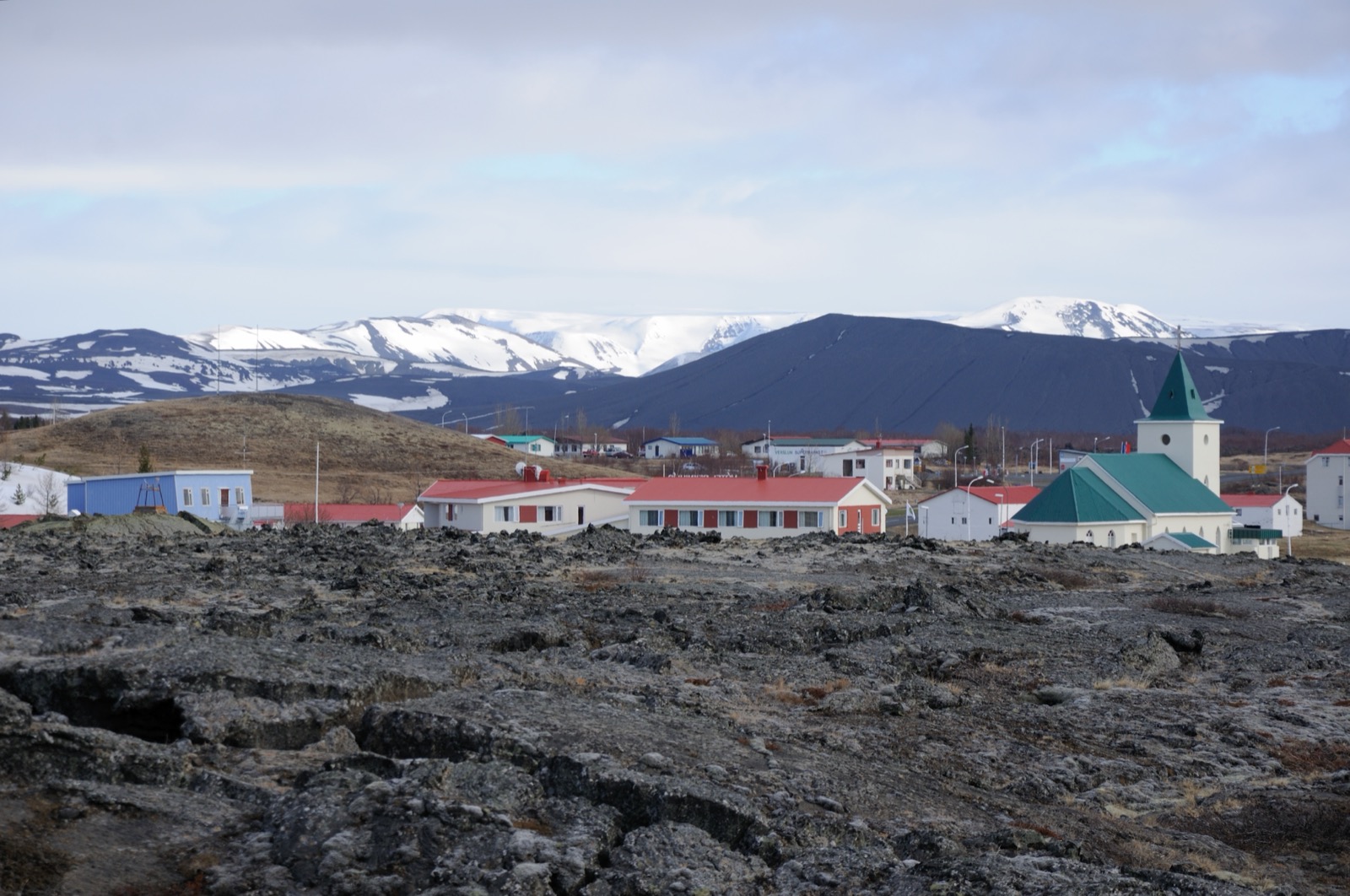
Choose North Iceland when you can spare several days for Akureyri, Mývatn, Húsavík, and canyon country; one rushed overnight barely reaches the region.
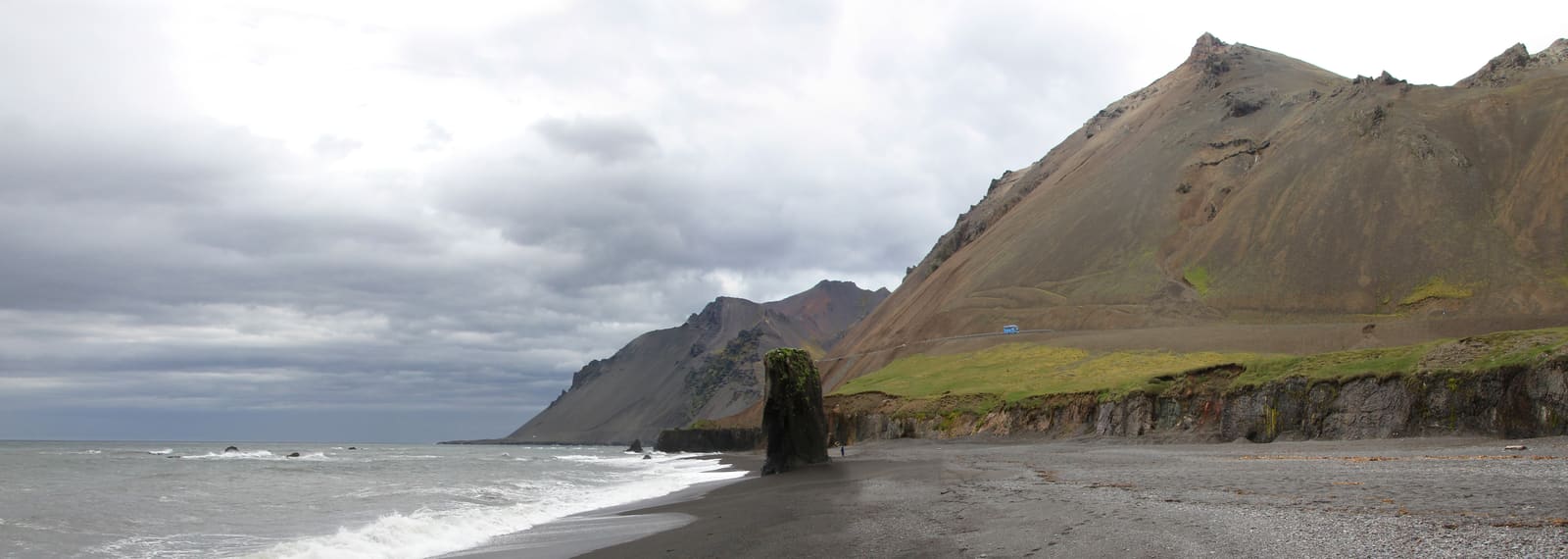
A Ring Road region for travelers who will trade headline density for fjord villages, hiking bases, and inland detours—and can protect at least two nights.
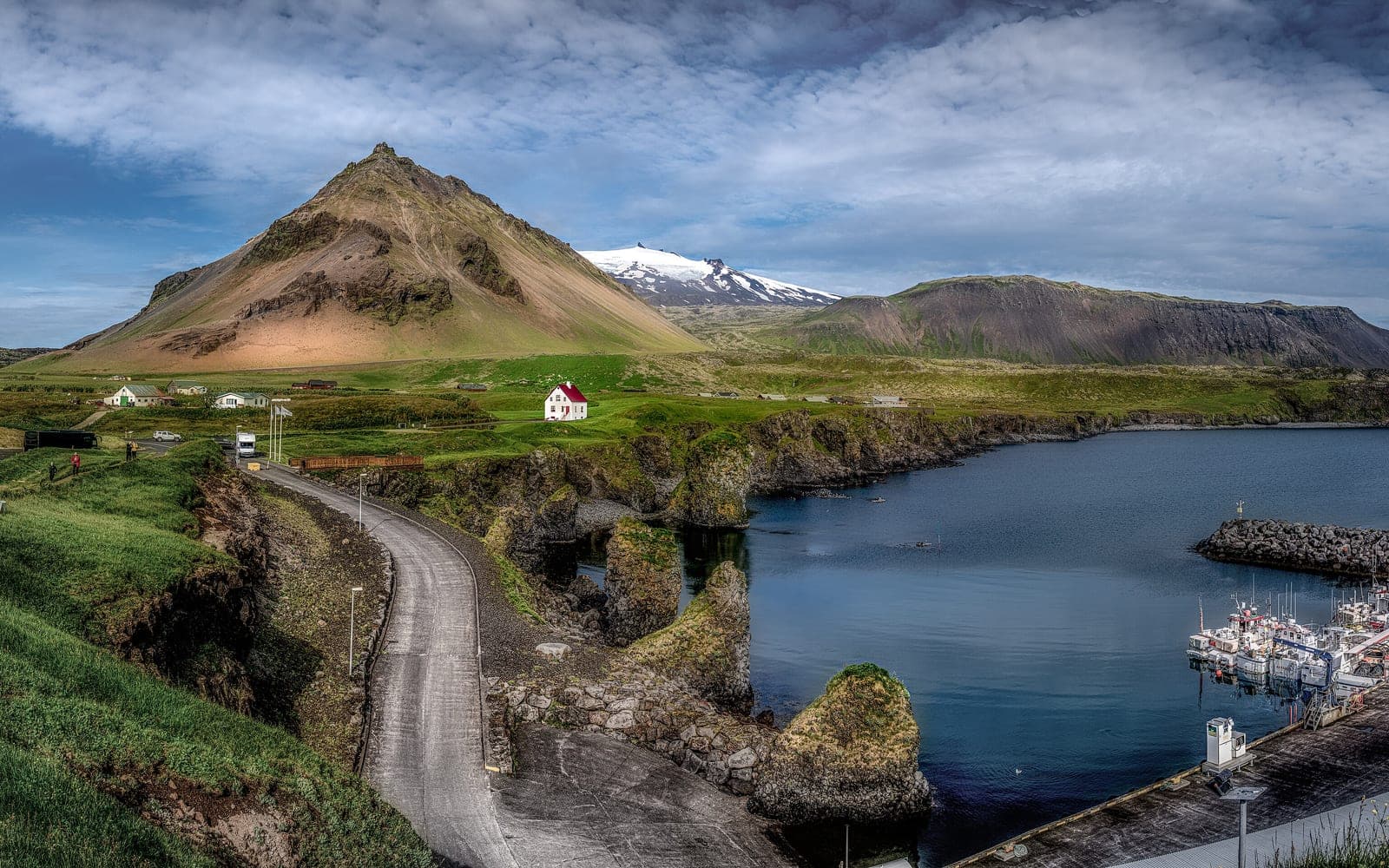
Choose the Snæfellsnes Peninsula for a compact West Iceland glacier-and-coast loop that rewards an overnight; a Reykjavík day trip needs firm cuts.
More things to do
See other activities that may suit the same day, season, or part of Iceland.
Plan your day
These guides help with the driving and activities between filming locations.