Experience fit
- Fixed bookings
- One per driving day
- Meeting point
- Check the exact pin
- Count in full
- Arrival through car return
- Final recheck
- Road, weather, provider
The most rewarding self-drive activities begin where the rental car stops being useful. Add one guided experience to a corridor you already want to drive, find its exact meeting point, count the full sequence from check-in to your return to the car, and leave the surrounding sightseeing loose.
Experience fit
At Gullfoss, you can leave the rental car beside the café and climb into a super-truck bound for Langjökull. The familiar waterfall stop becomes the doorway to a glacier ride that the car could never provide.
That handover is what makes a self-drive activity worth its fixed time. You bring yourself to the right base; a guide, boat, horse, kayak, snowmobile, or set of specialist equipment takes you farther. Instead of spending the whole day looking through a windscreen, you get close to the ice, water, animals, or terrain that made you choose the road in the first place. For a lighter fandom layer, compare Iceland film and TV location experiences before adding a guide or detour.
For most driving days, one such experience is enough. Pick the one you would regret reducing to a roadside view, then let waterfalls, beaches, short walks, and cafés fill whatever time remains. This keeps the booking special and gives the road around it room to change.
Photo guide
1 / 7
A gentle horse ride can earn fixed time because the guide, tack, and moving landscape create the experience.
Good to know
Reserve time for an experience that changes what you can reach or do. A booking should add skill, equipment, access, or interpretation—not simply place another scenic stop on a clock.
Glacier travel is the clearest example. The rental car can reach a public viewing area, but it cannot safely take you onto the ice, supply crampons or a drysuit, or replace a qualified guide. The same principle applies to a horse ride from a farm, a river trip with safety equipment, a boat leaving a harbor, or a guided cave whose entrance and terrain require supervision.
A guided activity does not have to be extreme. Quiet lagoon paddling, an easy-paced horse ride, or a small-boat outing can justify a reservation because the guide and equipment make the setting accessible. The useful question is simple: after you park, does the booked experience begin something the car cannot?
A tour can use the name of a famous region while meeting somewhere much more precise. Open the provider's pin before deciding that an activity sits naturally on your route.
| Driving corridor | Meeting-point test | Count as booking time | Leave free afterward |
|---|---|---|---|
| Golden Circle | Is the café, park, farm, or activity base on the loop you already chose? | Check-in plus any gear fitting, briefing, or provider transfer | One nearby sight that can be shortened or dropped |
| South Coast toward Vík | Does the exact glacier, stable, beach, or river base sit on this section of the coast? | Arrival, changing time, instruction, activity, and return to the car | A flexible waterfall, beach, or meal on the same corridor |
| Southeast Ring Road | Is the lagoon or glacier base near the overnight route, not an extra out-and-back drive? | Parking, walk to reception or boarding, activity, and the walk back | Enough daylight and energy to reach the planned overnight base |
| West or North Iceland | Would you still drive this road if the booked activity could not operate? | Local access, equipment, guide time, and the full return sequence | An independent stop close to the same town or valley |
The strongest answer connects all four columns. A Golden Circle snowmobile outing can work because the meeting point is already a major stop and the provider handles the glacier transfer. A South Coast activity can work when its base sits beside the section you are driving and you have counted the time spent changing or walking. A southeast lagoon booking is sensible when the overnight plan already brings you that far.
A two-hour label, where one appears, rarely means two hours from closing the car door to opening it again. The useful number is the complete meeting-to-return sequence.
At a glacier base, you may need to check in, find the correct group, change into a drysuit or protective equipment, listen to a briefing, and move from reception to the activity area. A snowmobile outing can include an onward vehicle transfer. A lagoon boat can begin with a walk over gravel and end only after everyone is back ashore. None of this is wasted time; it is part of the access and guidance you came for.
This matters most with children, several equipment sizes, limited mobility, cold-weather clothing, or a long drive afterward. Read the provider's participant and meeting details for every person in the group. A short activity that begins with the wrong footwear, a rushed change, or an uncertain meeting pin will not feel short.
These examples show three different transitions after you arrive. Choose the experience and meeting sequence that suit the corridor; the car has already done its job by getting you there.
Look at what happens after parking: a transfer from Gullfoss, a gear-led kayak start at Sólheimajökull, or a gravel approach to a small boat at Fjallsárlón.
Mountaineers of Iceland
Best forGolden Circle drivers meeting at Gullfoss before a provider-led transfer to guided Langjökull snowmobiling.
Keep in mindThe glacier transfer makes the experience much larger than a quick waterfall add-on.
Check firstRecheck the Gullfoss meeting instructions, transfer sequence, participant requirements, clothing guidance, operation, and cancellation terms.
Icelandia
Best forSouth Coast drivers wanting a guided Sólheimajökull lagoon kayak with drysuit and safety equipment supplied.
Keep in mindChanging, instruction, and time beside the lagoon make this a real activity stop, not a brief glacier viewpoint.
Check firstRecheck the exact base, participant limits, what to wear under the drysuit, current operation, and cancellation terms.
Fjallsárlón
Best forSoutheast Ring Road travelers comfortable walking over gravel before boarding a guided small open lagoon boat.
Keep in mindThe approach and open-boat format deserve more attention than the roadside location alone suggests.
Check firstRecheck the meeting instructions, gravel approach, mobility and clothing needs, current operation, and cancellation terms.
The calmest road day has one fixed time and several independent possibilities. If the activity takes longer, the weather turns, or the group needs food and warmth, nothing else important has been lost.
Pair the booking with a sight you can enjoy without another check-in: a marked viewpoint, a waterfall seen from its public path, a beach walk when local conditions allow, or a meal near the meeting area. Stay on the same corridor. Crossing the region for a second headline attraction usually adds more pressure than variety.
On the Golden Circle, the route itself already contains major landscapes; use the Golden Circle road-trip guide to order those stops. Along the South Coast, its road-trip guide helps you choose the wider drive. Farther east, the Ring Road guide can show whether the overnight progression is realistic. Keep the activity decision narrow: make one fixed experience fit, and leave the rest of the route flexible.
A confirmed booking does not confirm the drive, and a passable road does not confirm the activity. Look at each source close to departure and be ready for the answers to differ.
The official road map tells you about the route and its reported conditions. Met Office alerts add regional weather context. SafeTravel brings current warnings and travel guidance together. The provider is responsible for its own meeting instructions, participant rules, equipment, operation, and cancellation process.
Check the whole route, including the return or onward leg, not only the road beside the meeting point. If the drive no longer suits the vehicle or driver, contact the provider instead of forcing the booking. If the road remains usable but the operator changes the activity, follow the operator's instructions and keep the independent nearby stop available. The driving in Iceland guide covers vehicle, road, and driving choices in more depth.
Review current road notifications, reported conditions, and available cameras for the whole drive.
Check regional weather warnings alongside the route and provider's own update.
Use current safety guidance and alerts before setting out.
A good self-drive activity changes how you experience Iceland, not merely how many pins you collect. It gives you a reason to step away from the car and trust a guide, a piece of equipment, or a specialist route for part of the day.
Begin with the road you genuinely want to travel. Find one activity whose exact meeting point sits naturally on it, count everything from arrival to the return to the car, and keep the next stop free of appointments. That is enough structure to protect the experience without turning a drive through Iceland into a race between reservations. For the activity itself, compare glacier experiences, kayaking in Iceland, glacier-lagoon boat tours, or snowmobiling before settling on the one moment that deserves fixed time. If fixed time is the wrong trade-off, compare free activities in Iceland that can bend around the route.
By ThorPublished
Regions
See which part of Iceland is most convenient for this experience and what else you can visit nearby.
More things to do
See other activities that may suit the same day, season, or part of Iceland.
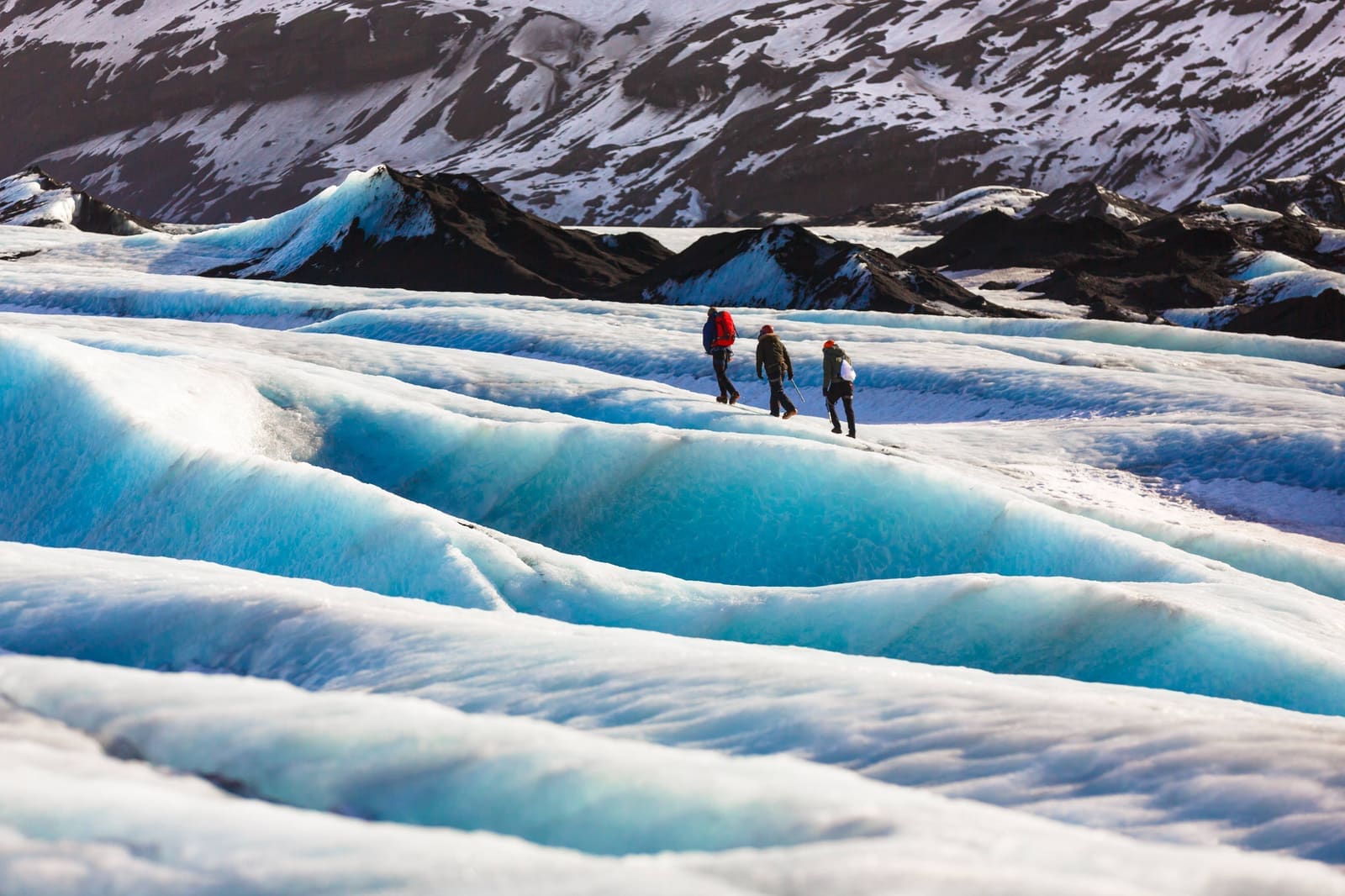
Glacier activities work best when you choose the right version first: guided ice walking, cave or tunnel access, snowmobiles, lagoon boats, kayaking, or a lower-effort viewpoint. Use the route, season, guide need, and comfort tradeoffs before booking anything.
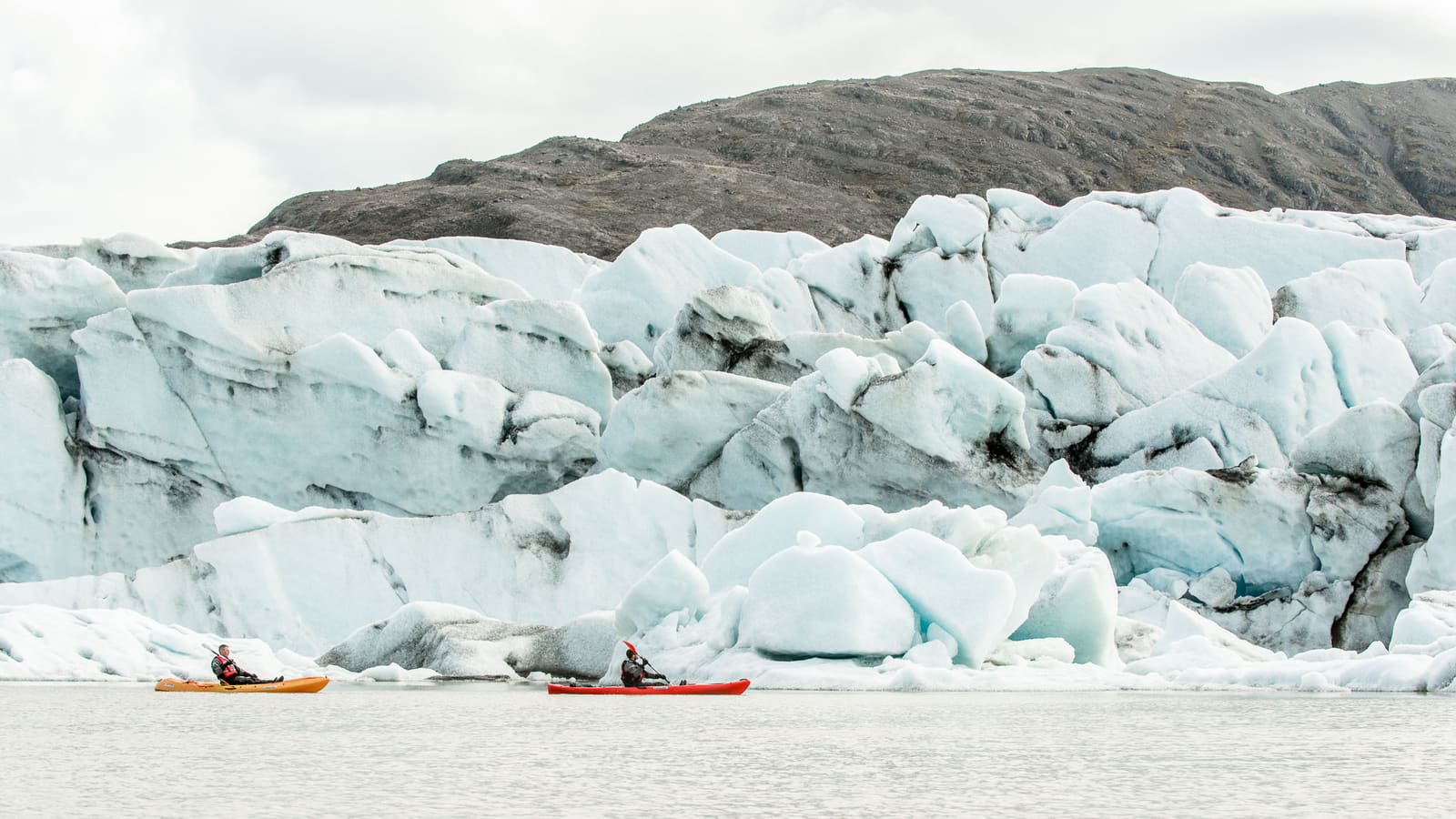
Kayaking in Iceland can mean paddling between lagoon ice, following a sheltered fjord shore, or bringing real whitewater skills to a river. Choose the water first, then test the trip against experience, cold-water gear, wind, age rules, and the time needed to reach the launch.
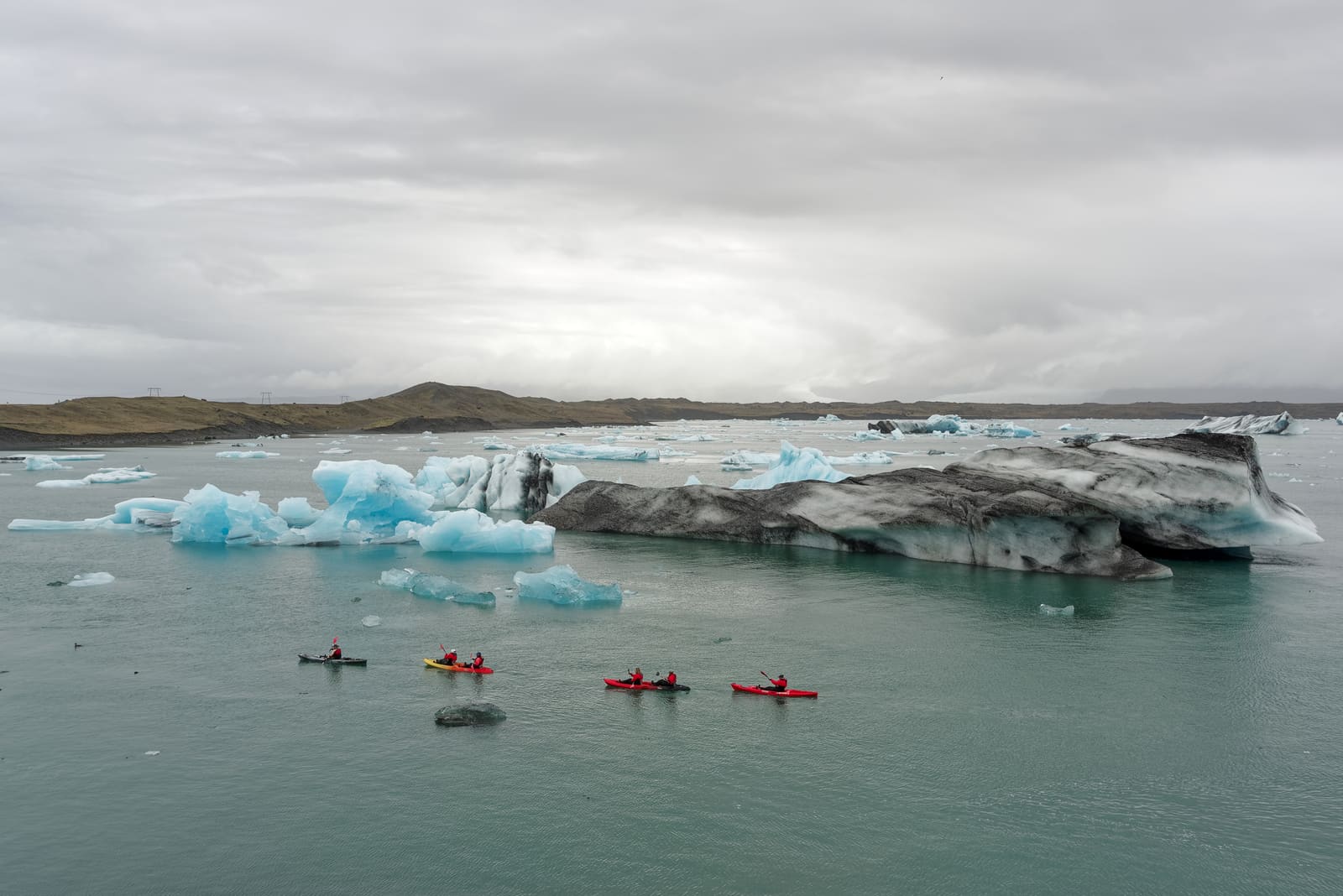
A glacier-lagoon outing is not one standard boat ride. Choose between a larger amphibian boat, a smaller Zodiac, and a guided kayak by looking at the lagoon, route, cold exposure, participant rules, and how much of the South Coast day the activity can honestly take.
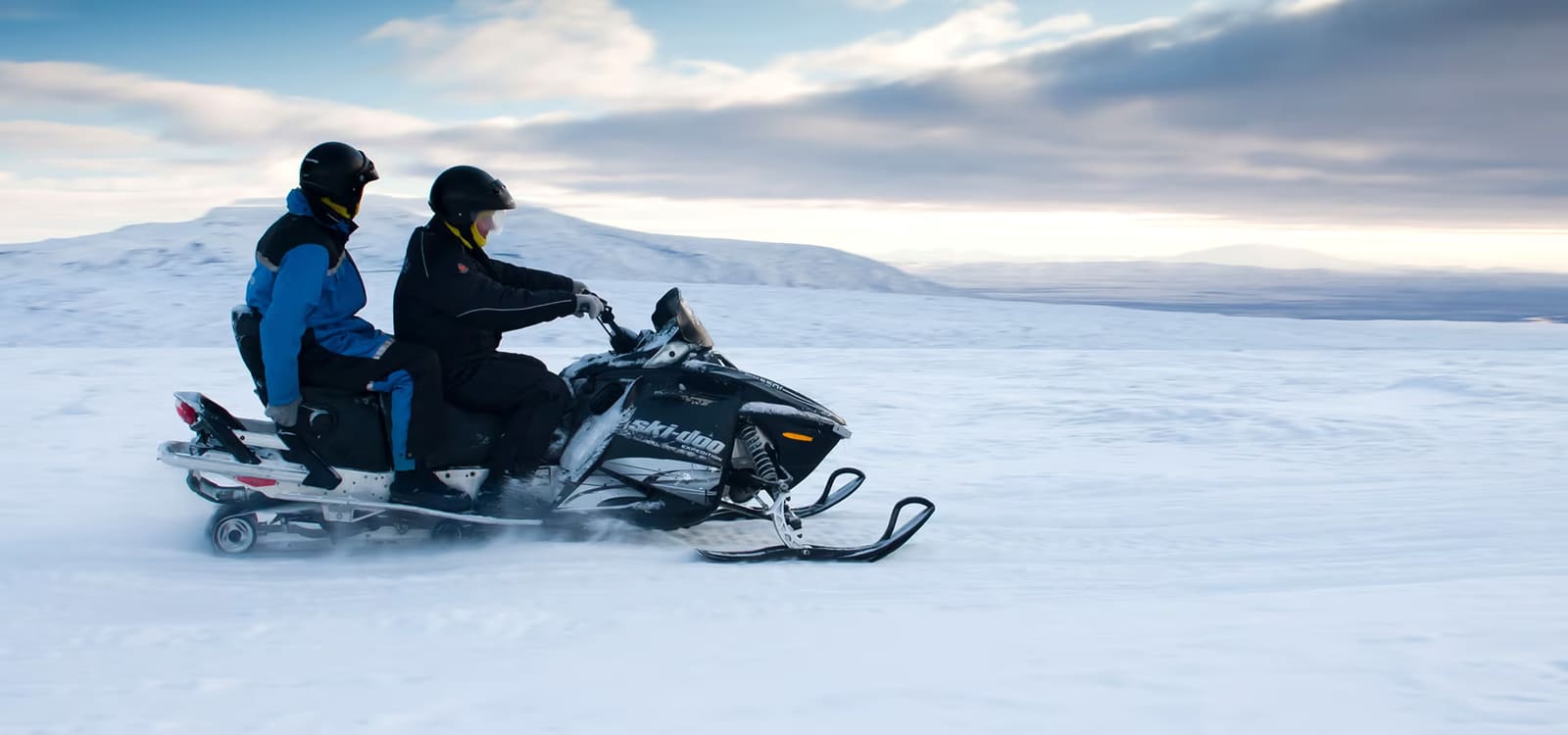
Snowmobiling can put you high on an Icelandic ice cap, but the ride is only one part of the outing. The best choice depends on where you are staying, how you will reach the glacier, and whether you want to drive, share a machine, or travel as a passenger.
Next self-drive decision
Use a route or driving guide for road order, vehicle choices, and the wider journey around your one fixed activity.