Experience fit
- First verb
- Look, listen, taste, make
- Lowest energy
- Objects, art, or manuscripts
- Most social
- Pool, tasting, or host
- Live detail
- Program, language, and access
- Route test
- Explains the place around it
Icelandic culture becomes easier to choose when you start with a verb: look at objects, listen to a story, taste with a host, make something, join everyday life, or talk after a performance. Pick the level of participation first, then match the setting and the people in your group.
Experience fit
The most memorable cultural stop may begin with a spoon passed across a table, a story told beside a fire, or one small object that makes the landscape outside easier to read. Those are very different hours, even when a search page calls them all culture.
Start with the part you want to play. You can look quietly, listen to a host, taste with other people, make something with your hands, join an everyday routine, or stay for the conversation around a live event. Once that verb feels right, the list of places becomes much shorter.
For a first trip, choose one participatory experience and one quieter companion. A food or farm stop beside a museum gives the day a change of pace without turning it into a long venue checklist. In Reykjavík, the pair can fit into one neighborhood or short bus ride; on a road trip, it should sit naturally beside the drive you already planned.
Photo guide
1 / 8
The hot-water pools at Laugardalslaug are part of a busy municipal swimming complex.
Good to know
In Reykjavík between September 24 and October 4, 2026? Reykjavík International Film Festival, usually called RIFF, gives you a reason to leave an evening free. Its main cinemas are Háskólabíó and the Nordic House, with international and Icelandic features, documentaries and shorts on the programme.
One unusual announcement takes the cinema out of town: RIFF plans to show Raiders of the Lost Ark on September 26, 2026 inside Raufarhólshellir lava tunnel, in collaboration with The Lava Tunnel. The cave’s lit walkways and broad rock walls make it a very different setting from a cinema. Check RIFF’s event listing for your screening time, arrival arrangements and transport details before building your day around it. A regular cave-tour booking is a separate experience.
For a city screening with a guest appearance, RIFF has announced the Nordic premiere of Wicker at Háskólabíó on Tuesday, September 29 at 19:00. Alexander Skarsgård is scheduled to give a short address before the film and receive the festival’s award for Outstanding Artistic Achievement. Check the screening listing again before booking, as guest appearances and programmes can change.
If you only want one evening at the festival, start with a single screening. RIFF’s FAQ says a festival pass covers ordinary screenings but excludes special events, so check the cave event separately. The organiser says films have English subtitles, except YouthRIFF screenings, which have Icelandic subtitles; read the individual listing for the film you choose. For a screening at the Nordic House, buy ahead: RIFF says it does not sell tickets at that venue.
Choose the film first, then plan dinner and the journey back around its finishing time. For the cave event, ask RIFF about the specific access arrangements if steps or uneven ground are a concern. The photograph below shows the venue during a cave visit; it does not show the festival’s seating or screen setup.
Festival dates, main cinemas, subtitles and the difference between ordinary screenings and special events.
Check the specific cave event with RIFF before arranging transport or buying a ticket.
RIFF’s announcement of the September 29 screening at Háskólabíó.
Each role asks for a different amount of attention and contact with other people. The same traveler may want a quiet exhibition after a long drive and a talkative tasting the next evening.
| Start with | Typical experience | Participation | Often suits | Check |
|---|---|---|---|---|
| Look | Artifacts, art, or manuscripts | Quiet and self-paced | Low-energy days and independent visitors | Exact exhibition, interpretation, and access |
| Listen | Storytelling, a guided museum, or folklore walk | Hosted; seated or walking | Travelers who want a human voice | Language, length, and walking conditions |
| Taste | Food, farm, or drink tasting | Guided or conversational | Curious eaters and social groups | Dietary needs, alcohol, and transport |
| Make | Wool, design, or craft workshop | Hands-on | Families and practical learners | Booking, language, materials, and skill level |
| Join | Municipal pool or community program | Shared everyday routine | Travelers comfortable learning local rules | Etiquette, privacy, child, and access details |
| Talk | Host visit, small performance, or discussion-led event | Most social | Travelers who value exchange | Date, language, venue, and group format |
A label does not guarantee the same level of contact at every venue. A craft shop may be for browsing, while a workshop asks you to use the material. An open-air museum may have guides and demonstrations on one day and a quieter self-paced visit on another.
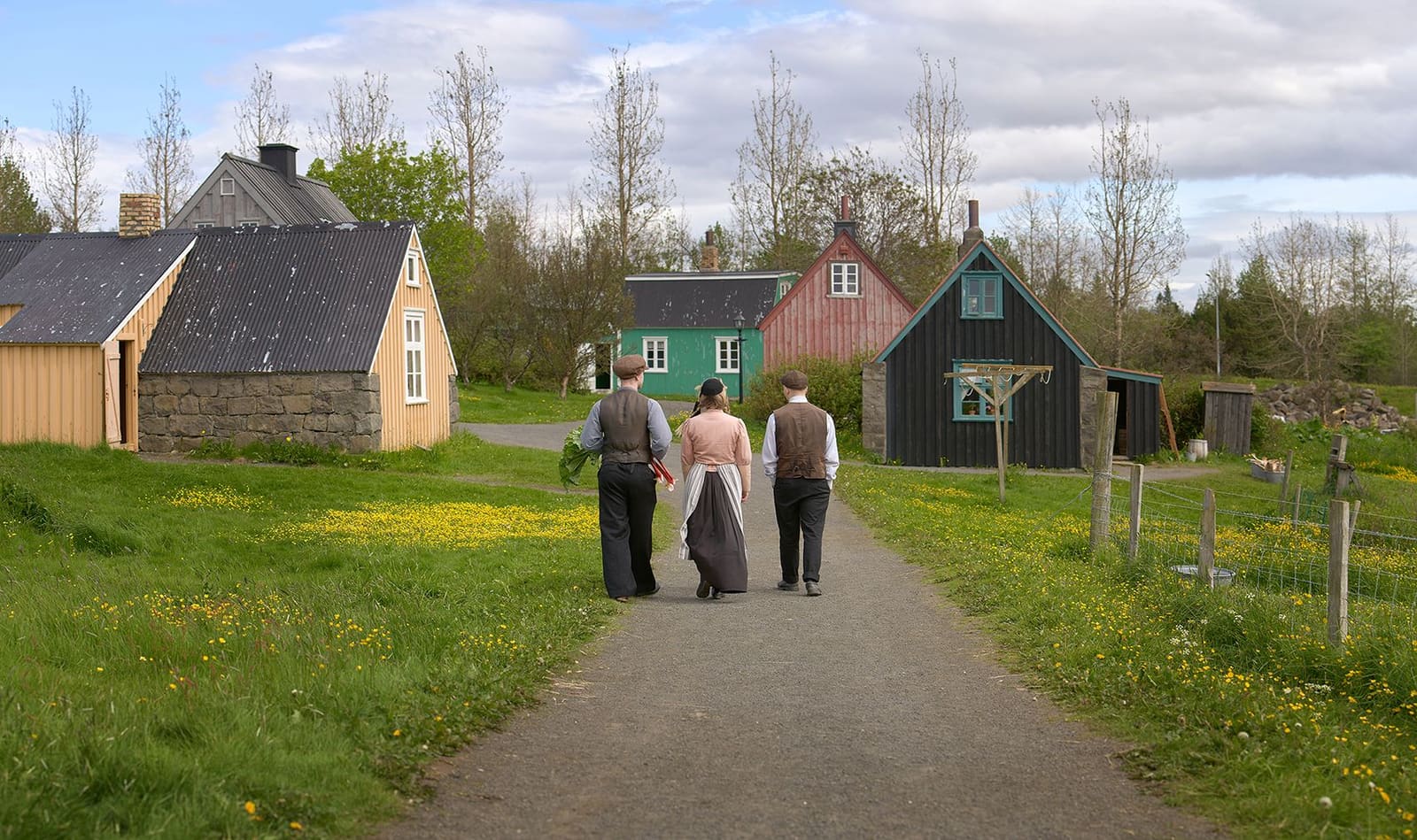
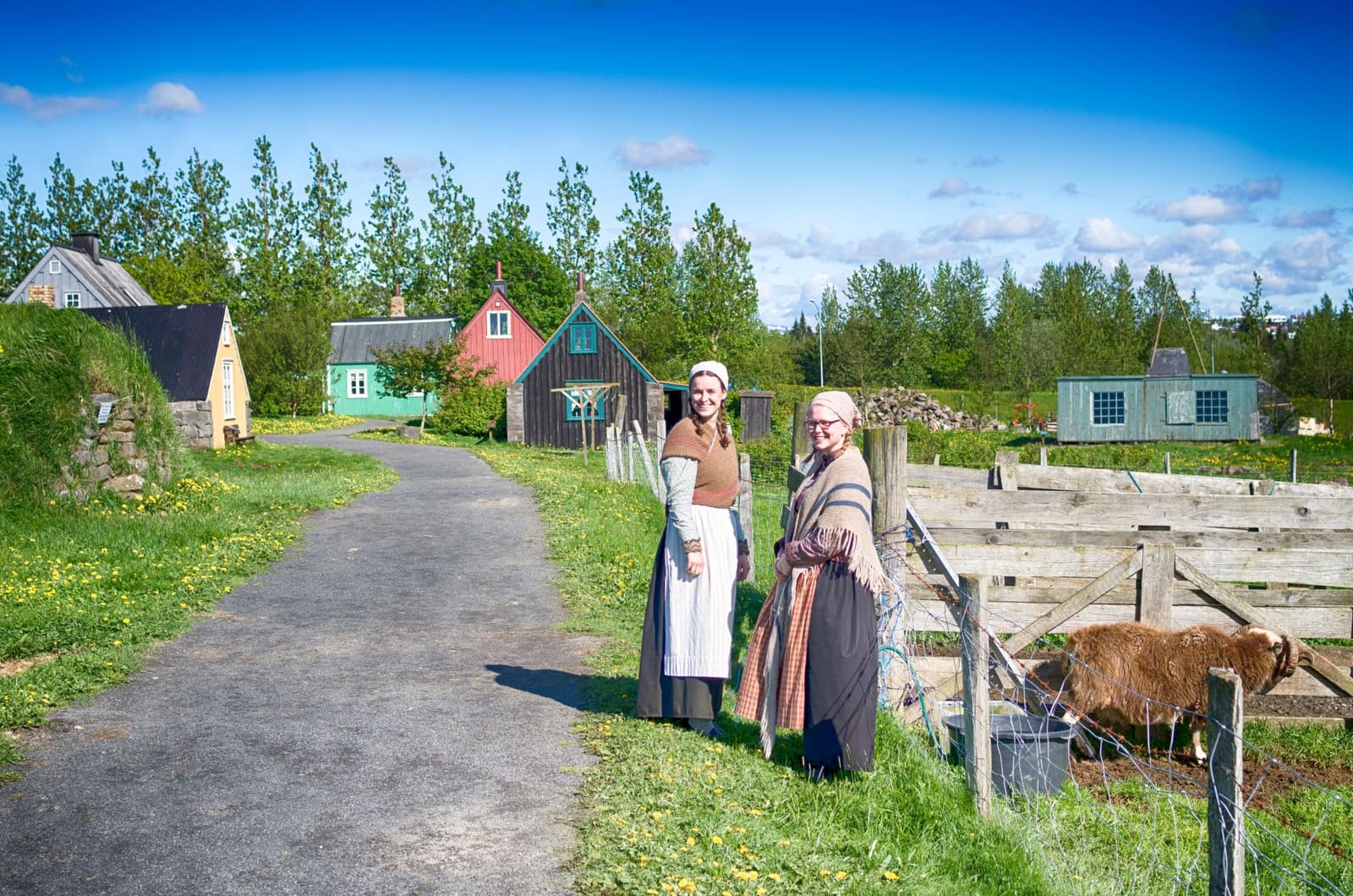
A broad museum gives you objects, labels, and time to follow your own curiosity. Living history adds voices, reconstructed rooms, movement, and questions, which can make a smaller subject feel more immediate.
Choose the quiet version when the group wants control over pace. One good object or room can be enough: a manuscript page, a fishing boat, a domestic interior, or a piece of contemporary art. The museum and exhibition guide separates national collections, art, interactive displays, open-air sites, and regional museums without asking you to visit them all.
Choose a host when questions matter as much as objects. At a reconstructed longhouse or open-air museum, the building, tools, clothing, and spoken story can work together. Programmed guides, animals, demonstrations, and language support can vary, so choose the format first and then verify what is actually offered on your date.
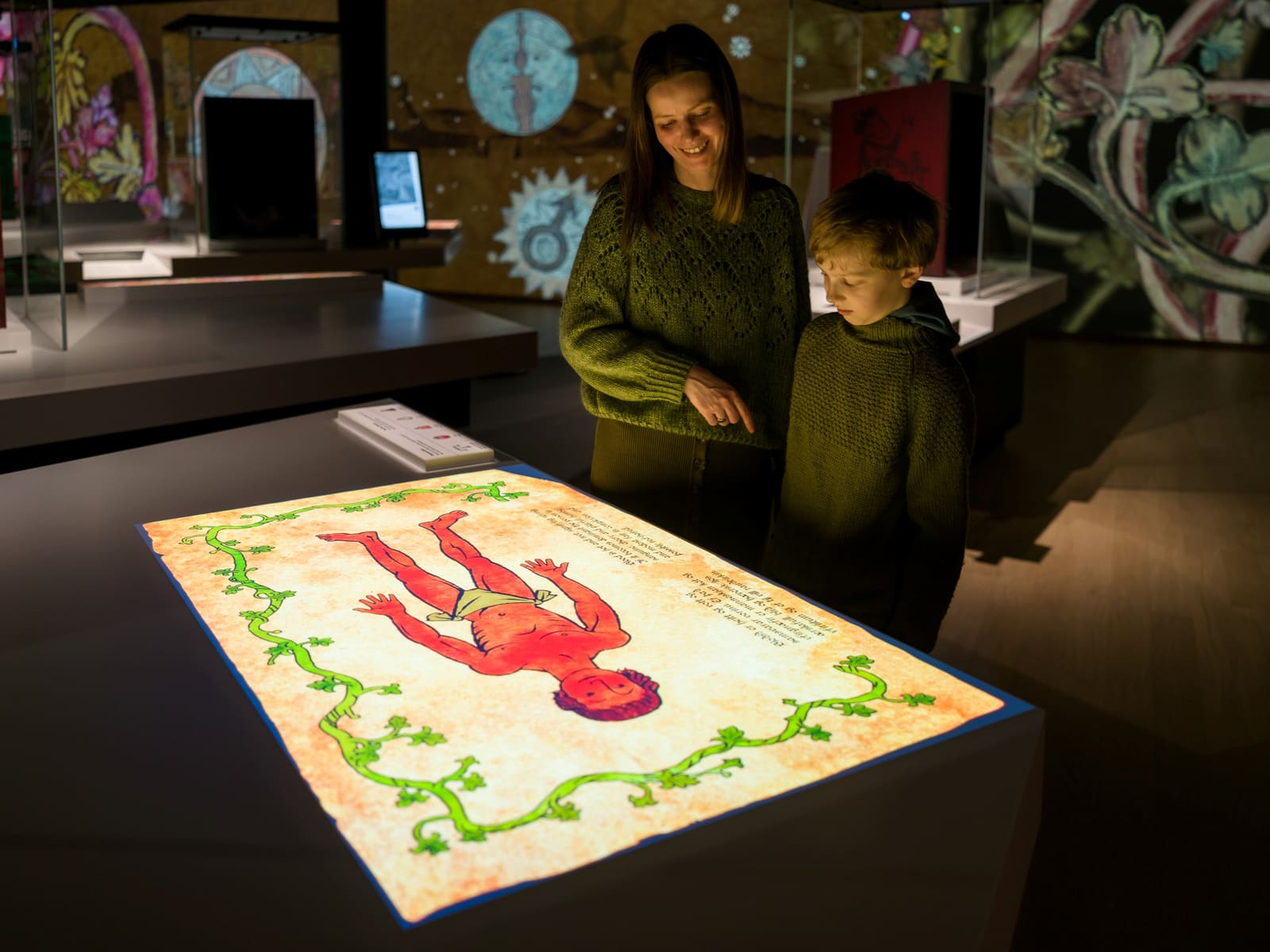
Sagas offer three different kinds of attention. A manuscript exhibition rewards close looking; a storyteller changes the mood of the room; a folklore walk uses streets and landscape as part of the telling. The saga and folklore guide compares those experiences in more detail.
Not every cultural experience needs a stage or display case. A municipal hot tub, a working cowhouse, or food shared around a table can reveal ordinary habits, ingredients, work, and conversation.
Icelandic swimming-pool culture is recognized by UNESCO as a living community practice. For a visitor, the useful part is modest: choose a public pool already near the day's route, learn the changing-room and shower routine, and use the space respectfully. The Icelandic pool culture guide explains etiquette, facilities, privacy, and family considerations.
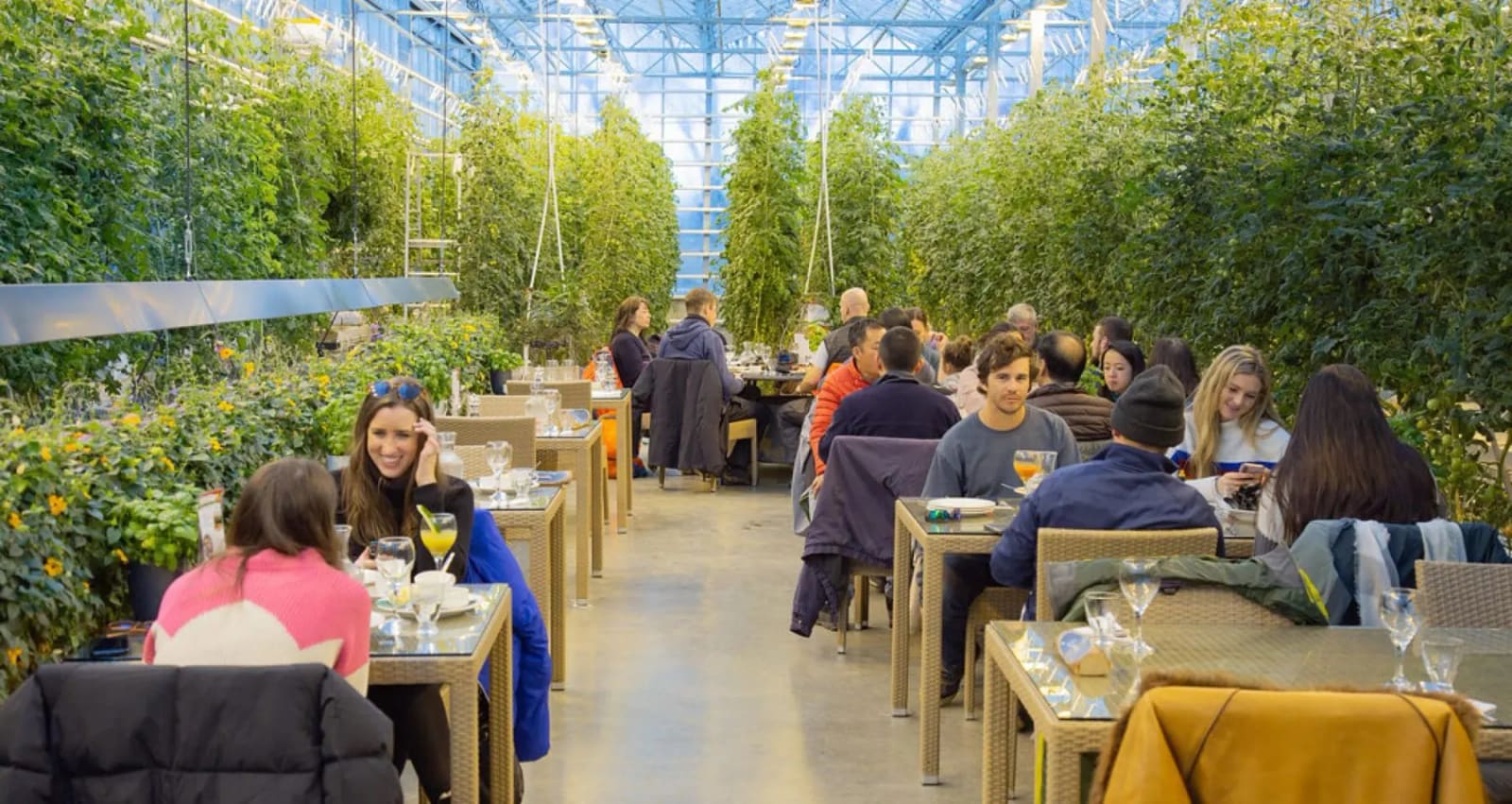
Food can carry a similar everyday thread, but a dish alone does not explain much. Look for a tasting, market walk, bakery visit, hosted meal, or farm stop where ingredients and place are part of the conversation. The food and drink guide helps separate these formats, while brewery and distillery visits cover alcohol-led production and transport questions.
At a farm, decide whether you want to taste, meet animals, see production, or spend time with a host. A café window into a cowhouse is different from an arranged visit, and seasonal work still follows the farm rather than a visitor schedule. Use the farm experience guide before making a special detour.
Outside Reykjavík, the strongest cultural stop often makes the next hour of driving more interesting. A turf building can explain shelter and materials; a fishing museum can change the way you see the harbor; a wool centre can connect sheep, craft, and local work.
This is where a small regional museum may beat a famous institution far from the route. In Skagafjörður, Glaumbær belongs to its farm landscape. In Borgarfjörður, Snorrastofa connects a named writer and medieval story world with Reykholt. The value comes from returning outside with a sharper eye.
Craft needs one extra question: are you browsing, watching, or making? A shop can introduce local material and design, but it is not automatically a workshop. If using wool, clay, paper, or another material is the main reason to stop, verify the session, language, age fit, and whether booking is required.
Keep the route simple. One place-specific stop, a meal, and time in the town usually give the region more room than three unrelated attractions reached by separate detours. If the stop does not help you understand the place around it, it may belong on another day.
A family-friendly description does not tell you where a child can move, touch, listen, search, or make. Ask what the child will actually do during the hour and how much waiting sits around that activity.
For younger or restless visitors, a building to walk through, an object hunt, animals, water, a short story, or a simple making task often lands better than a long chronology. Older children may enjoy an interactive manuscript display, a guided craft, or a story attached to a place they will see later.
Check the practical detail behind the activity: language, age guidance, tool use, adult participation, breaks, and access. A photograph of children at an event proves only that the event happened; it does not guarantee the same program on your date.
The family activity guide is the better next step when age, weather, toilets, mobility, and attention span shape the entire day rather than one cultural stop.
Live music, theatre, readings, workshops, and guided events can offer the most direct contact with contemporary Icelandic culture. They also depend on a real date, venue, language, ticket source, and access arrangement.
Choose the event only after reading what will happen in the room. Architecture alone does not tell you whether a concert, rehearsal, lecture, or exhibition suits the group. In Reykjavík, Harpa is a useful venue anchor, but its program is the part that decides the evening.
Nightlife is a different evening. If it is mainly about bars, live venues, late transport, and neighborhood atmosphere, use the Reykjavík nightlife guide. A cultural calendar can help you discover an event, but the venue or organizer should confirm the final details.
Use the museum's visitor and exhibition information for an object-led historical visit.
Use the venue information to distinguish restored buildings and open-air interpretation from a conventional gallery.
Use the inscription record for the community and everyday-life context of Icelandic pool culture.
Use the national directory to find a pool near the route, then verify details with the local facility.
Use the culinary initiative for regional food, ingredients, and cultural context.
Use the regional overview to see how stories, farms, pools, museums, and craft can sit on one West Iceland route.
Use the calendar to discover performances, exhibitions, workshops, readings, and tours for the actual travel date.
The best result is not a completed list. It is one idea that keeps appearing after the visit: the way turf walls hold a room, how a place name preserves a story, why a harbor town grew where it did, or how one ingredient moves from farm to table.
Choose that thread early enough to notice it elsewhere. A manuscript or story can lead into Eiríksstaðir or Reykholt. A farm meal can make the next greenhouse or dairy stop more legible. A pool visit can turn an ordinary municipal building into part of the place instead of a break from sightseeing.
Before committing, gather the smaller checks in one pass: exact program, language, age fit, access, indoor and outdoor movement, dietary needs, alcohol and driving, booking terms, and the local source for any changing detail. These checks should refine a good choice, not rescue a stop that never suited the group.
A useful conclusion is simple: choose one cultural experience for what you will do there, not for how many famous names appear in its description. Then leave enough time for the place around it.
By ThorPublished Updated
Where to do it
Move into the specialist guide for museums, stories, food, or swimming-pool culture when one format becomes the main reason to go.
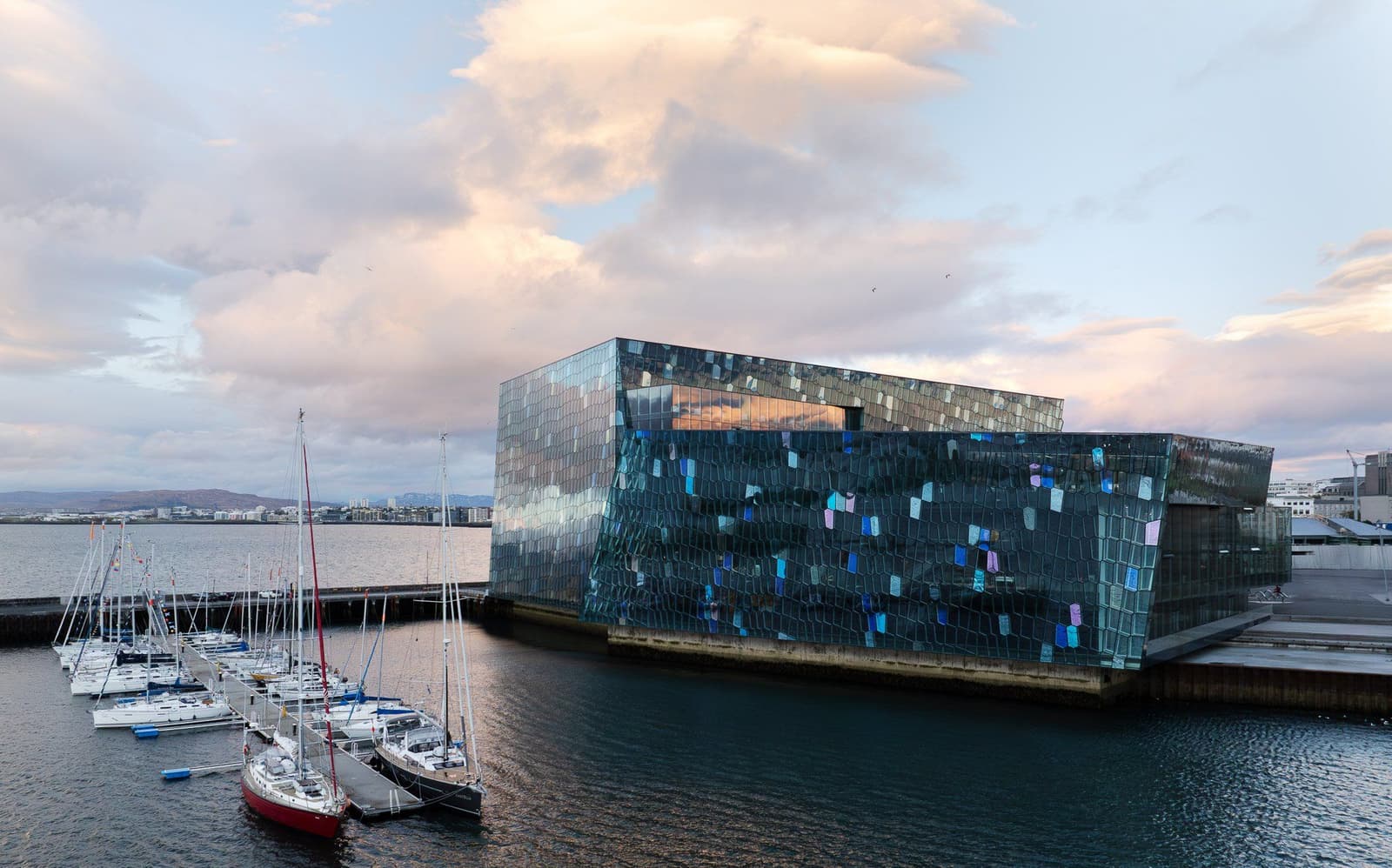
Harpa is Reykjavík's waterfront concert hall and one of the city's defining contemporary buildings, known for its geometric glass facade, luminous interior and active cultural program beside the old harbor.
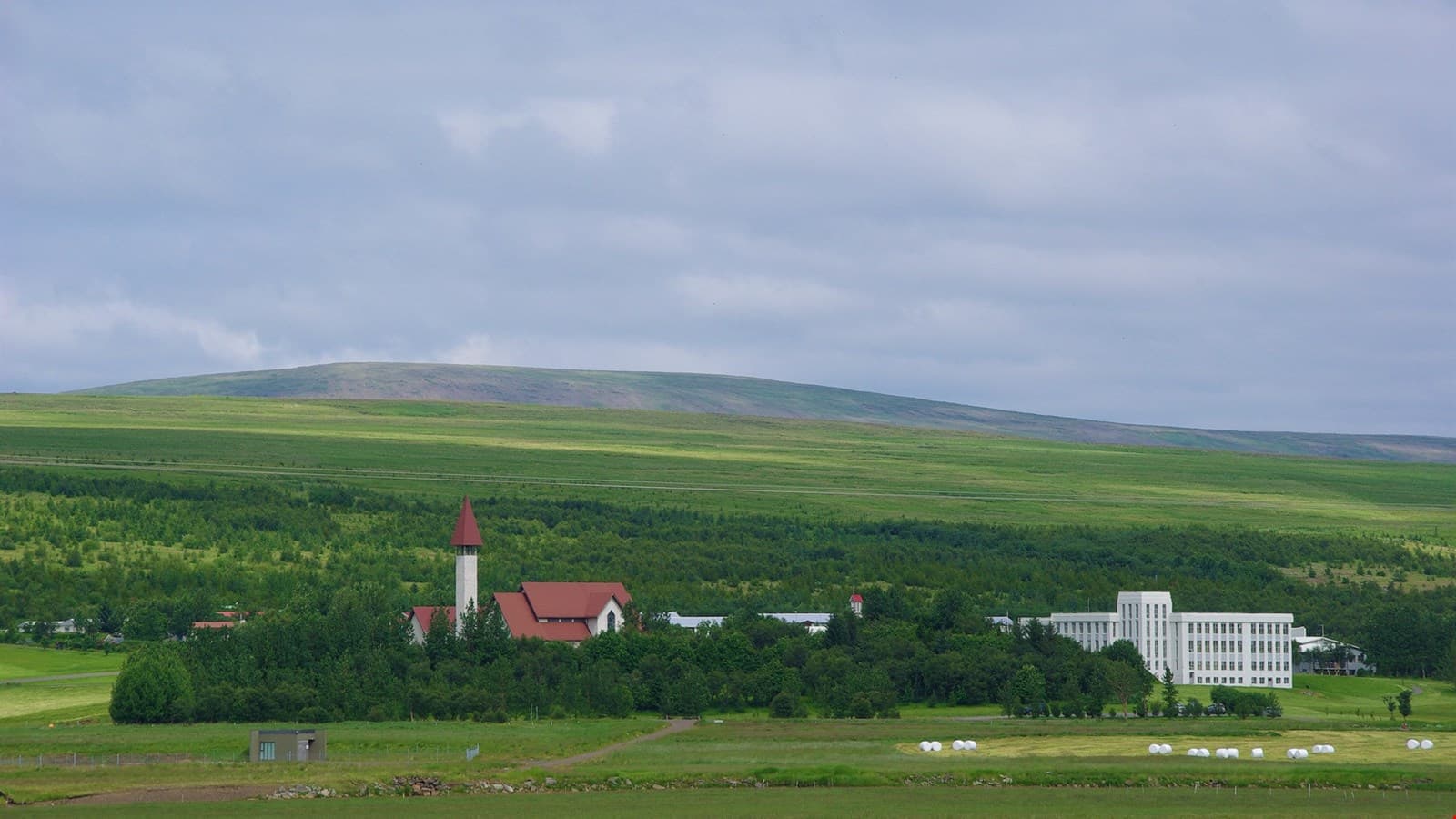
Snorrastofa is a medieval cultural and research centre in Reykholt, best added when West Iceland needs saga history, a short indoor pause, and nearby waterfall or geothermal pairings.
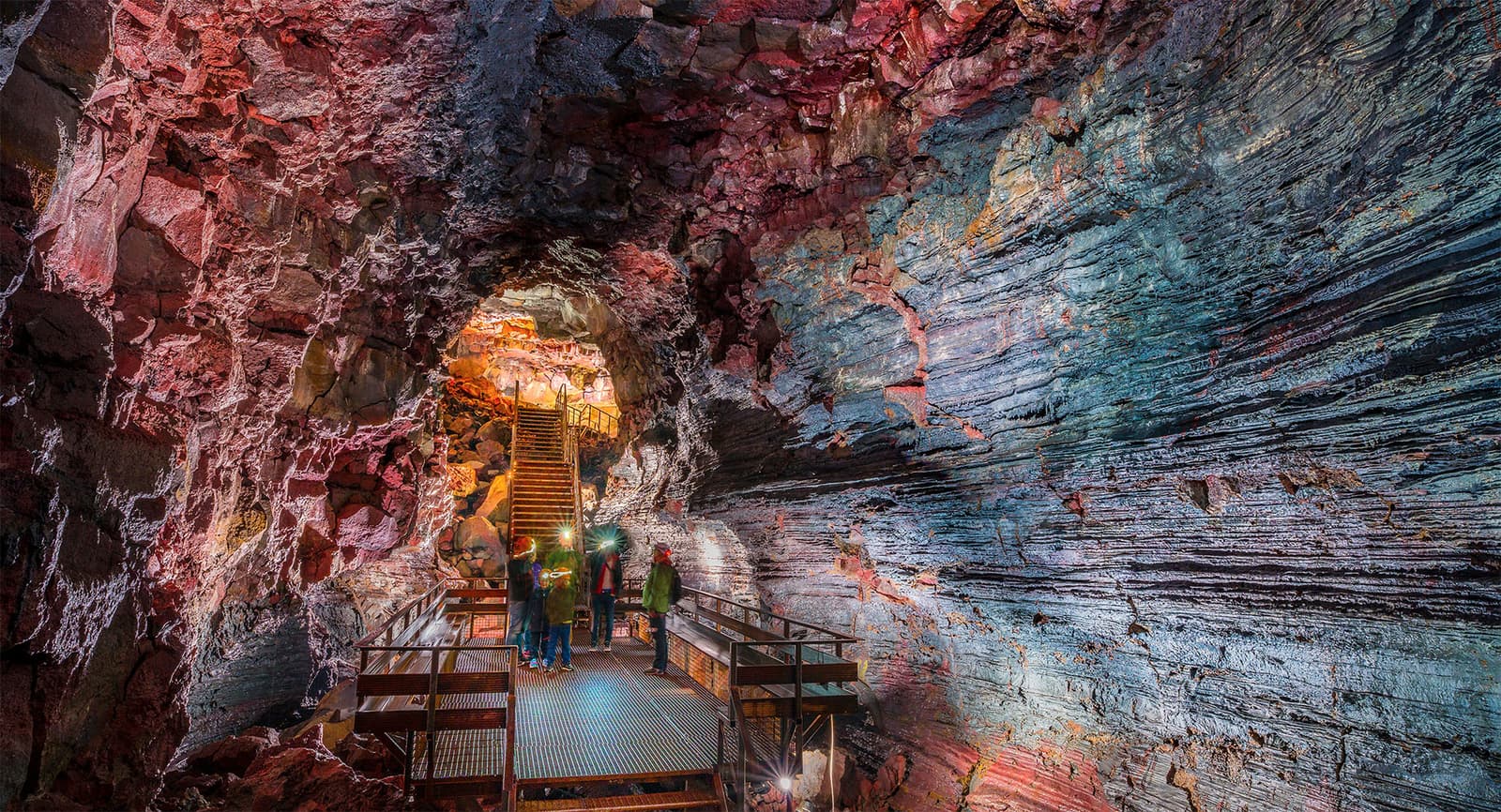
Raufarhólshellir is a lava tube formed about 5,200 years ago in South Iceland. Its guided standard tour takes around an hour through illuminated rock passages, with stairs and uneven ground to consider before visiting.
Regions
See which part of Iceland is most convenient for this experience and what else you can visit nearby.
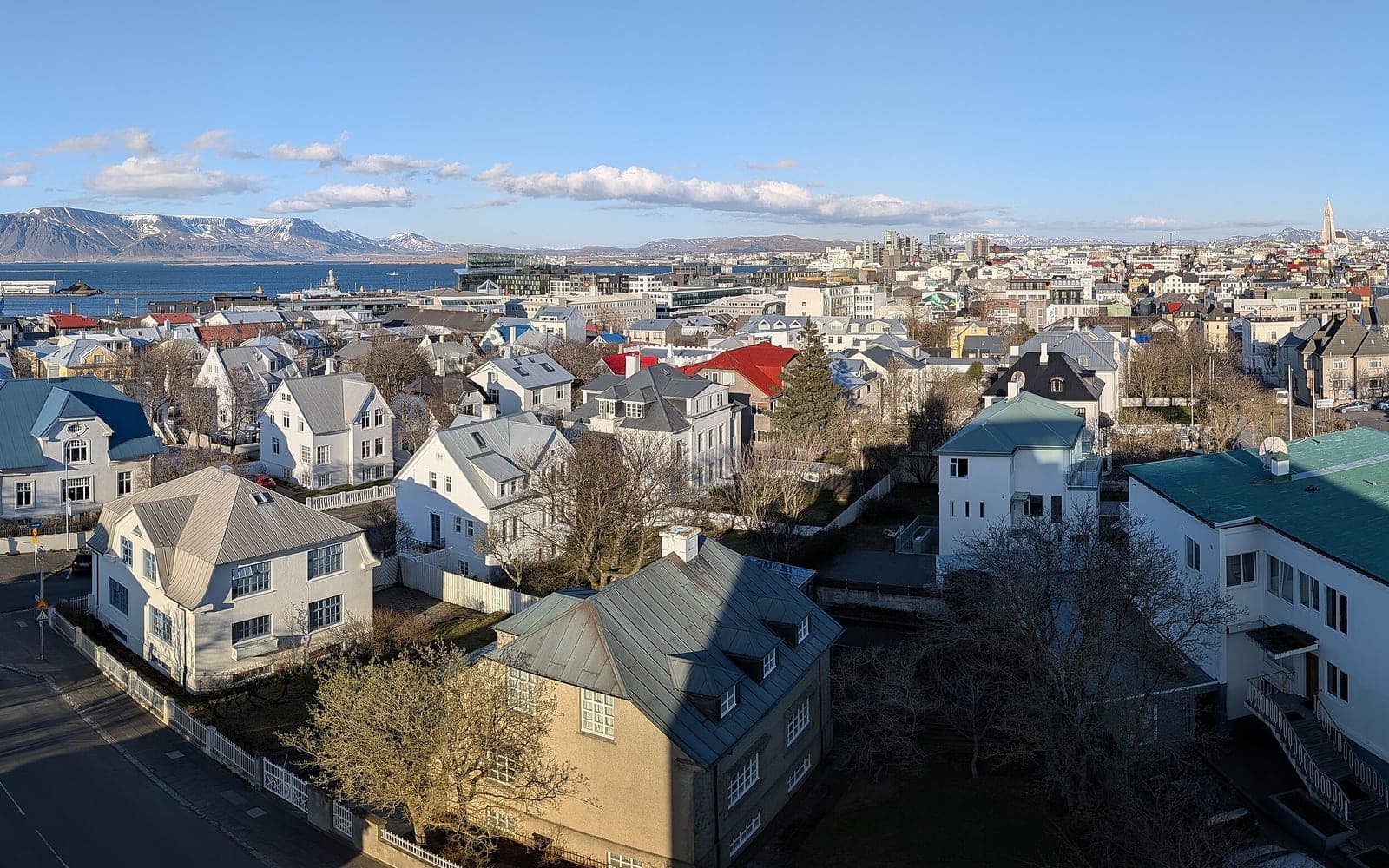
Choose Reykjavík for one or two car-free city days, a short break or a weather buffer—not as the default base for every long day trip.
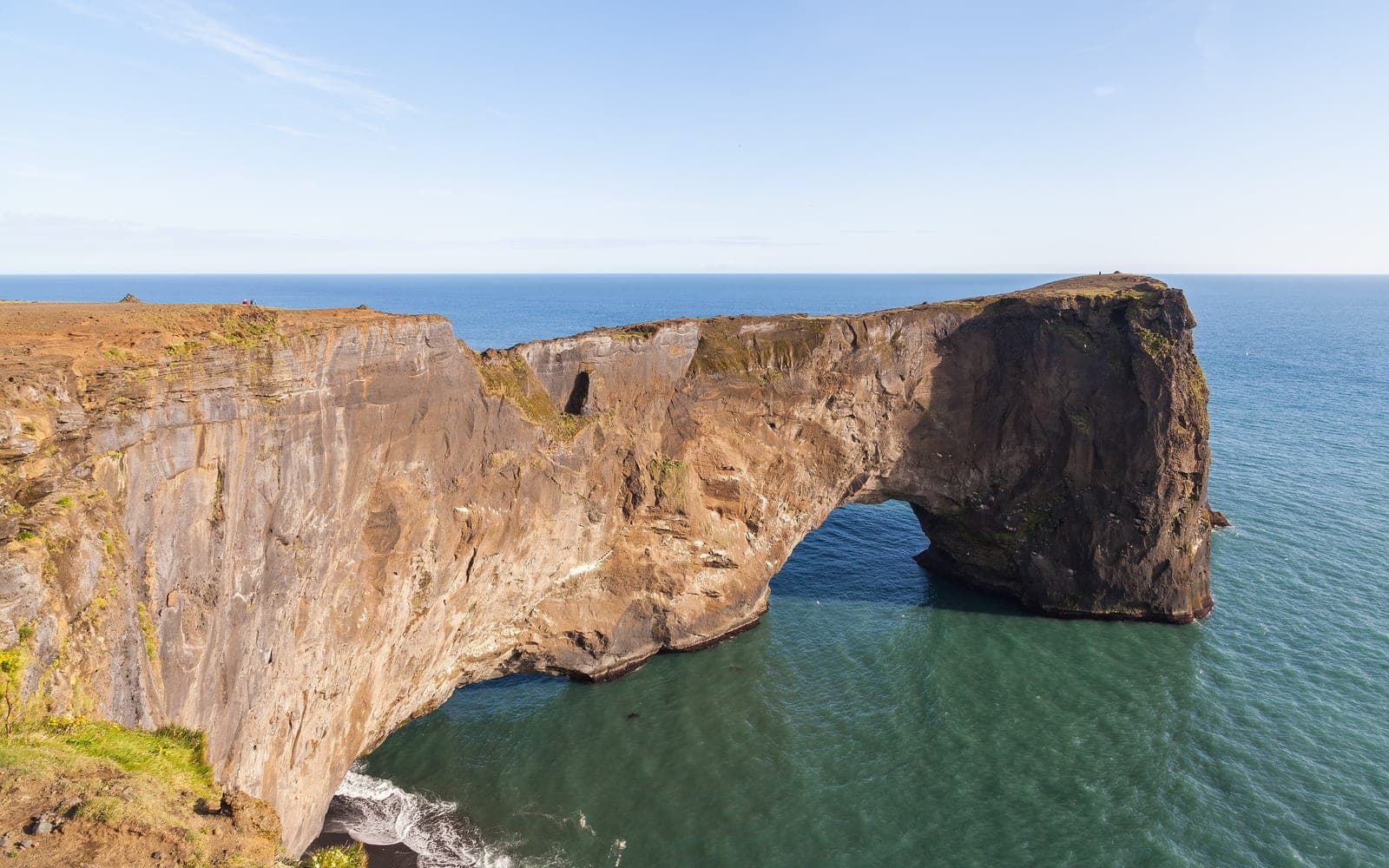
Build a first-trip route around waterfalls, black-sand coast and glacier country, but allow two to four days if Jökulsárlón is part of the plan.
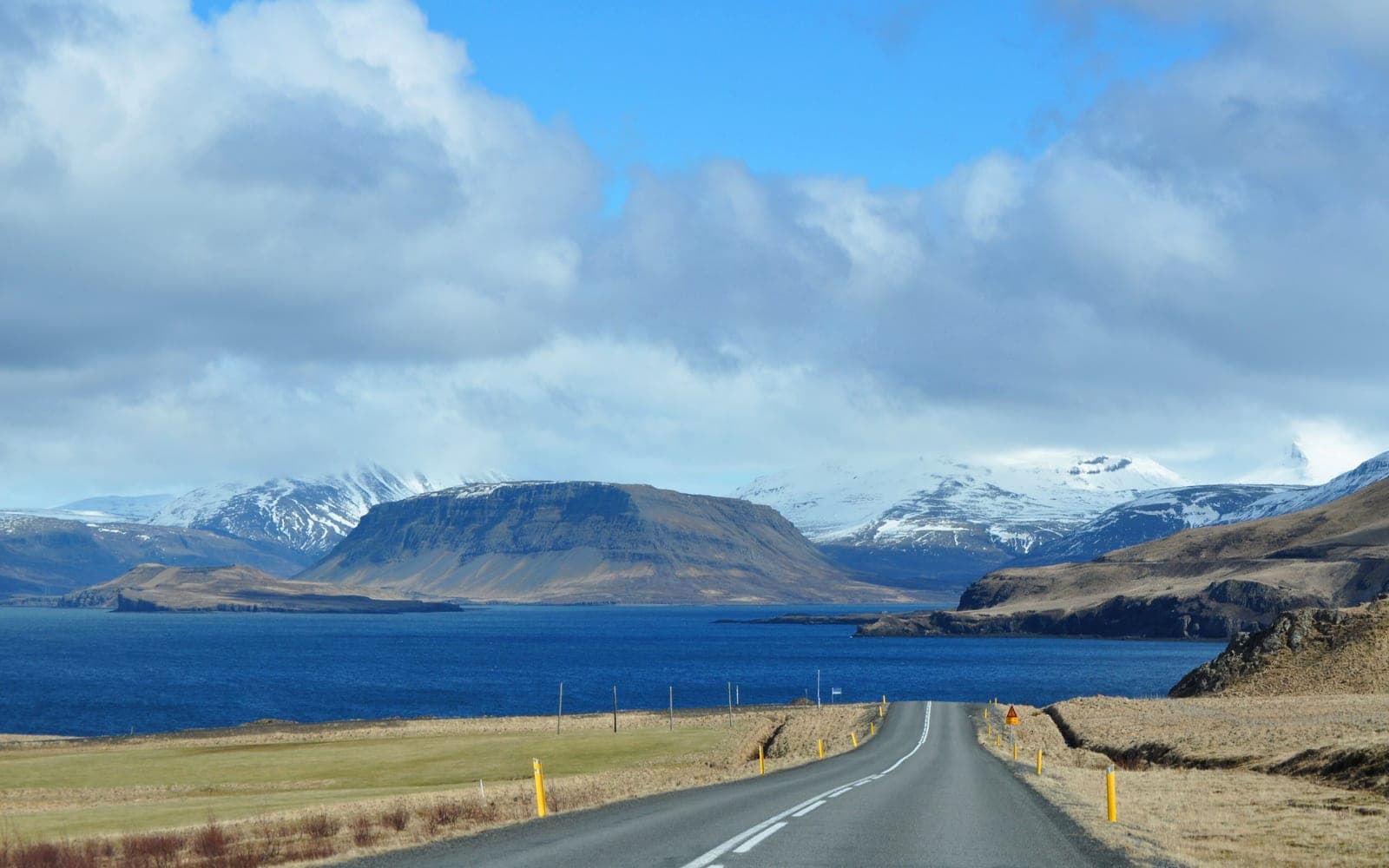
Choose West Iceland for a Borgarnes-based mix of waterfalls, geothermal stops, and caves; skip it if Snæfellsnes already fills your spare westbound day.
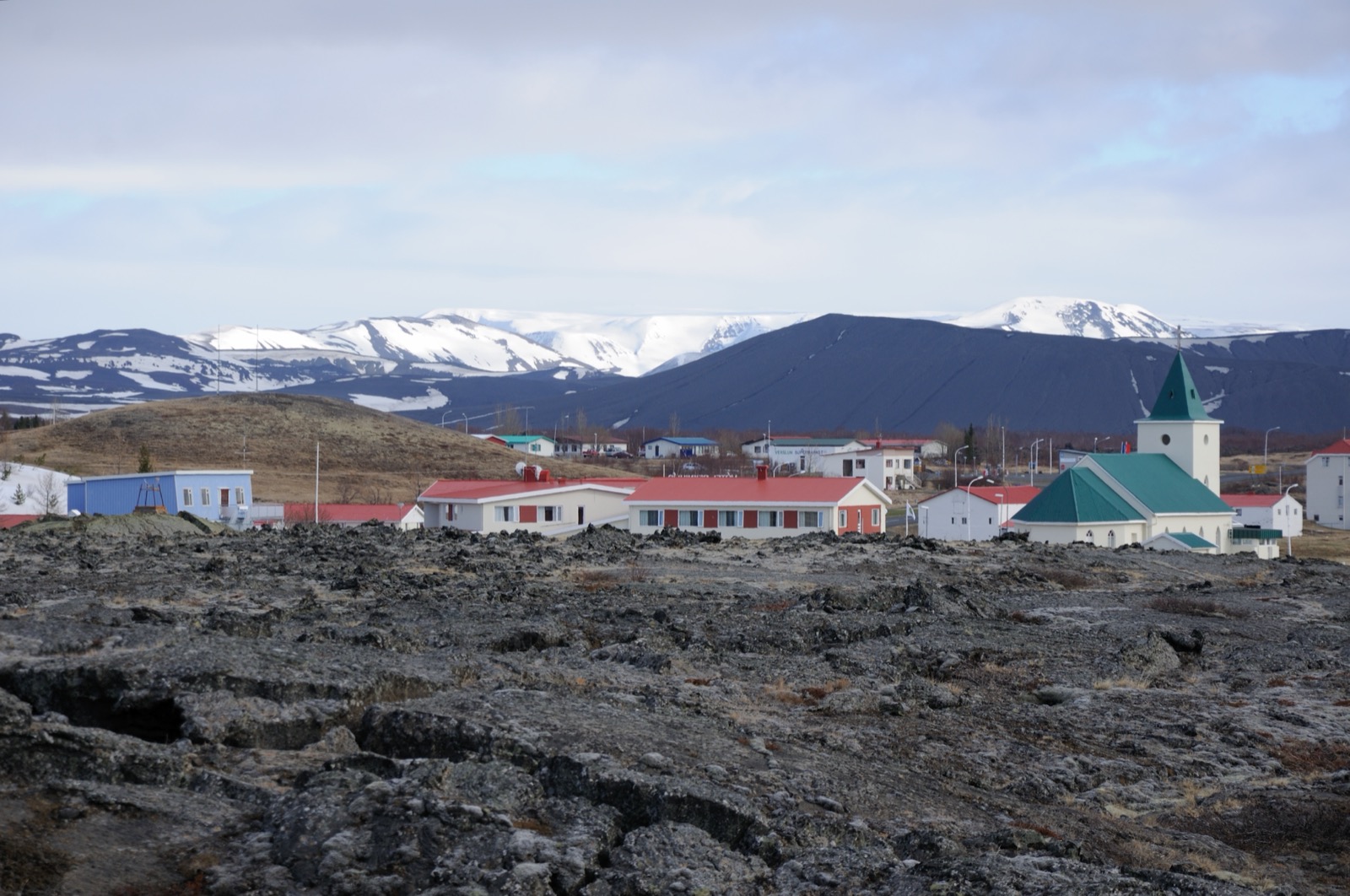
Choose North Iceland when you can spare several days for Akureyri, Mývatn, Húsavík, and canyon country; one rushed overnight barely reaches the region.
More things to do
See other activities that may suit the same day, season, or part of Iceland.
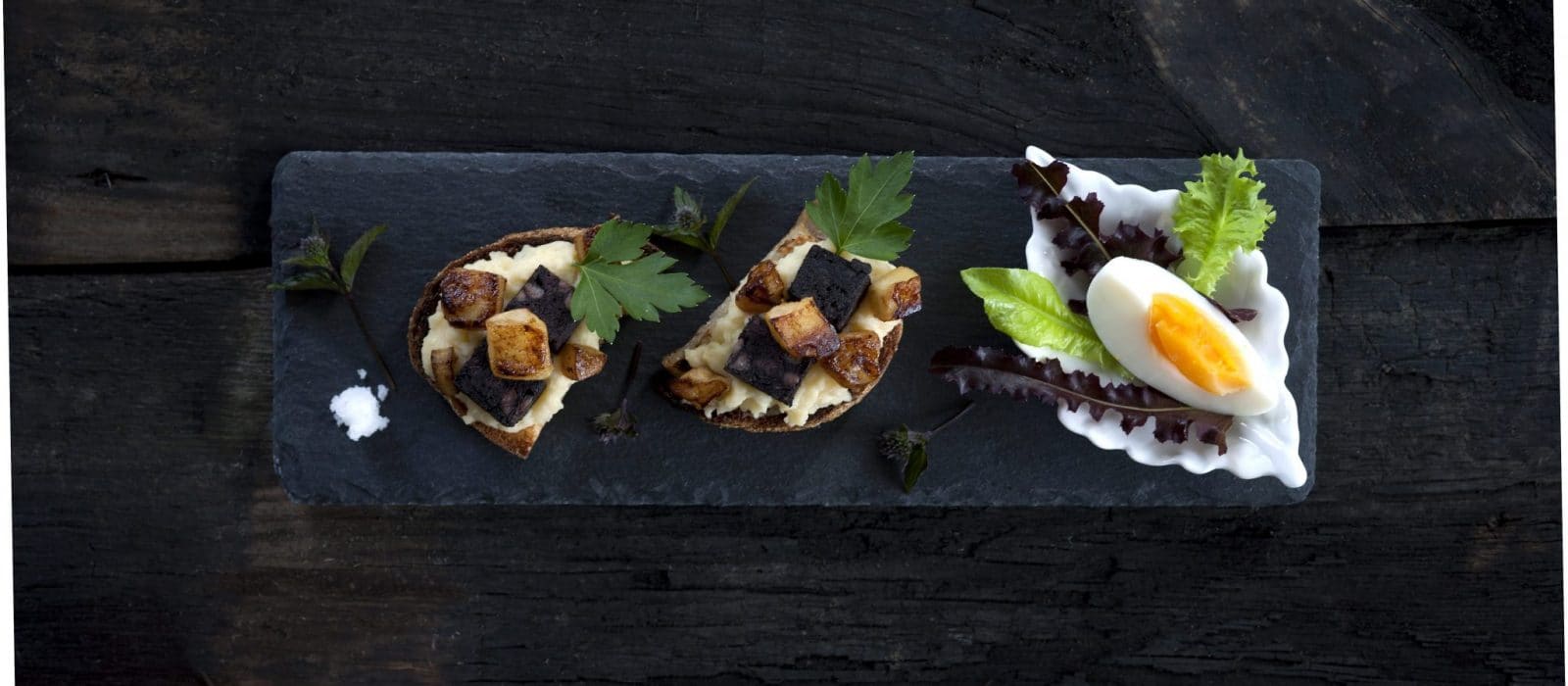
Icelandic food can shape the day in several very different ways: a Reykjavík food walk, self-guided food hall stop, bakery break, greenhouse meal, seafood lunch, or simple casual plan that does not distort the route.
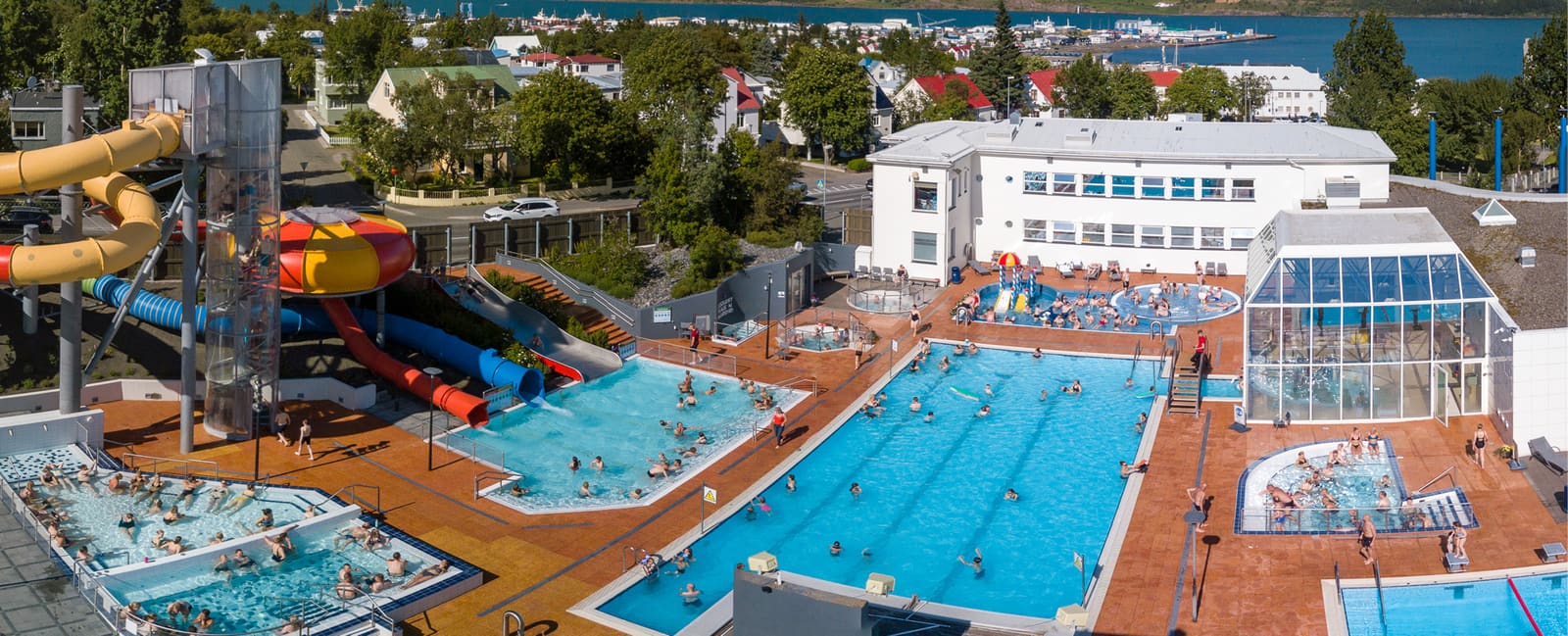
Iceland’s municipal pools bring lap swimming, family play, warm outdoor water, and hot-tub conversation into one everyday outing. Pick a pool by the facilities you will actually use, learn the short changing-room routine, and verify privacy, access, and child rules with the municipality before you arrive.
Choose your next format
Continue with the specialist guide that matches how you want to spend the time: looking, listening, tasting, or joining in.