Lúdentarborgir is a quiet crater row southeast of Lake Mývatn, useful for geology-minded self-drivers deciding whether a rougher volcanic side stop adds enough context beside easier Mývatn sights.
Geology snapshot
Type
Crater row, lava field, and volcanic landscape
Region
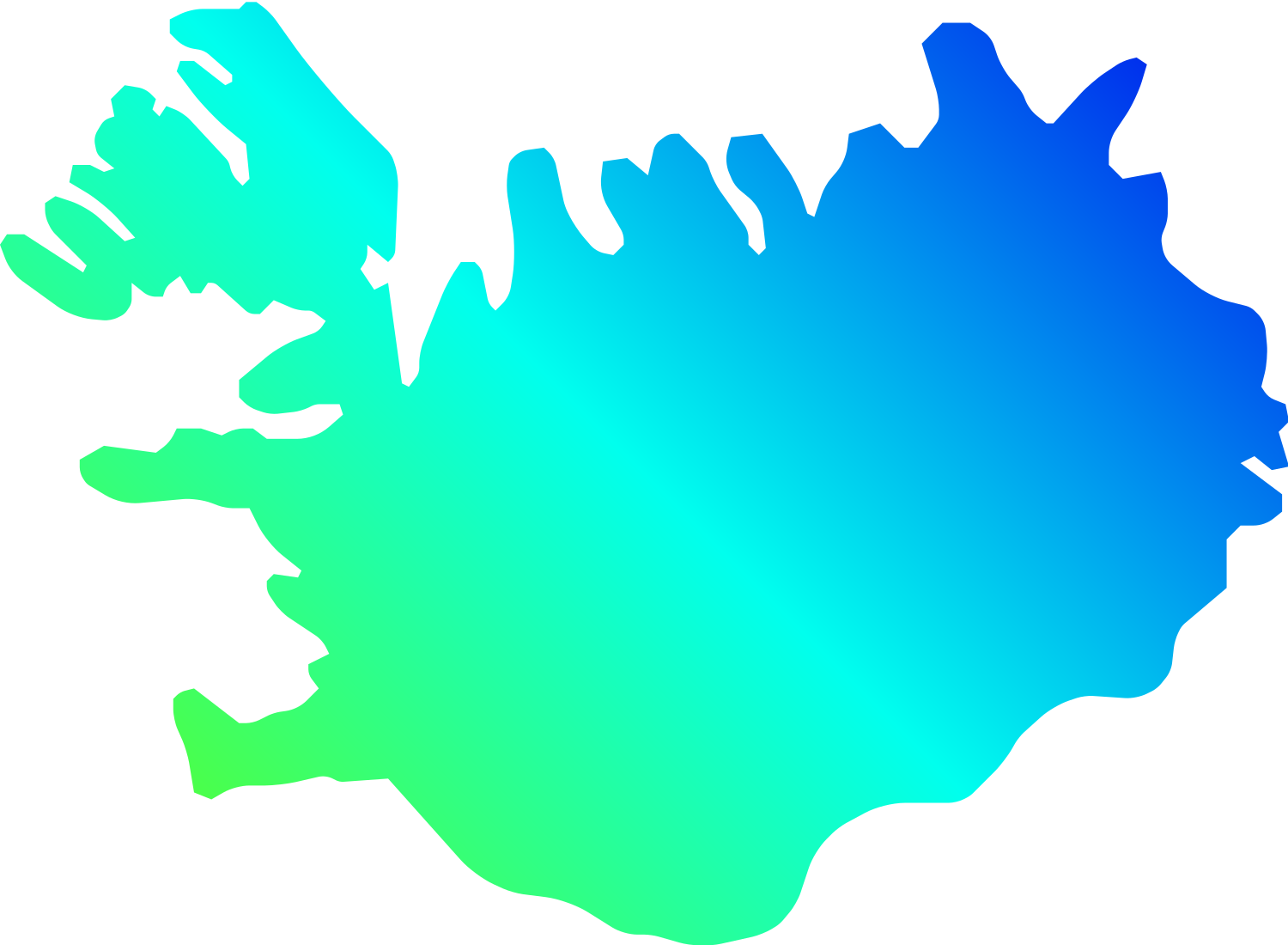
North Iceland, southeast of Lake Mývatn
Route context
Optional Mývatn-area side stop on a Diamond Circle or Ring Road self-drive
Time to allow
30-60 minutes if access is straightforward; longer if you walk slowly or stop for photos
Best experience
Use it to understand the volcanic source landscape behind Mývatn, Dimmuborgir, and the pseudocraters
In this guide
Lúdentarborgir is worth a short detour if you are already spending real time around Lake Mývatn and want the volcanic source landscape behind some of the area's better-known stops
Lúdentarborgir is worth a short detour if you are already spending real time around Lake Mývatn and want the volcanic source landscape behind some of the area's better-known stops. It is easy to skip if your day is already tight.
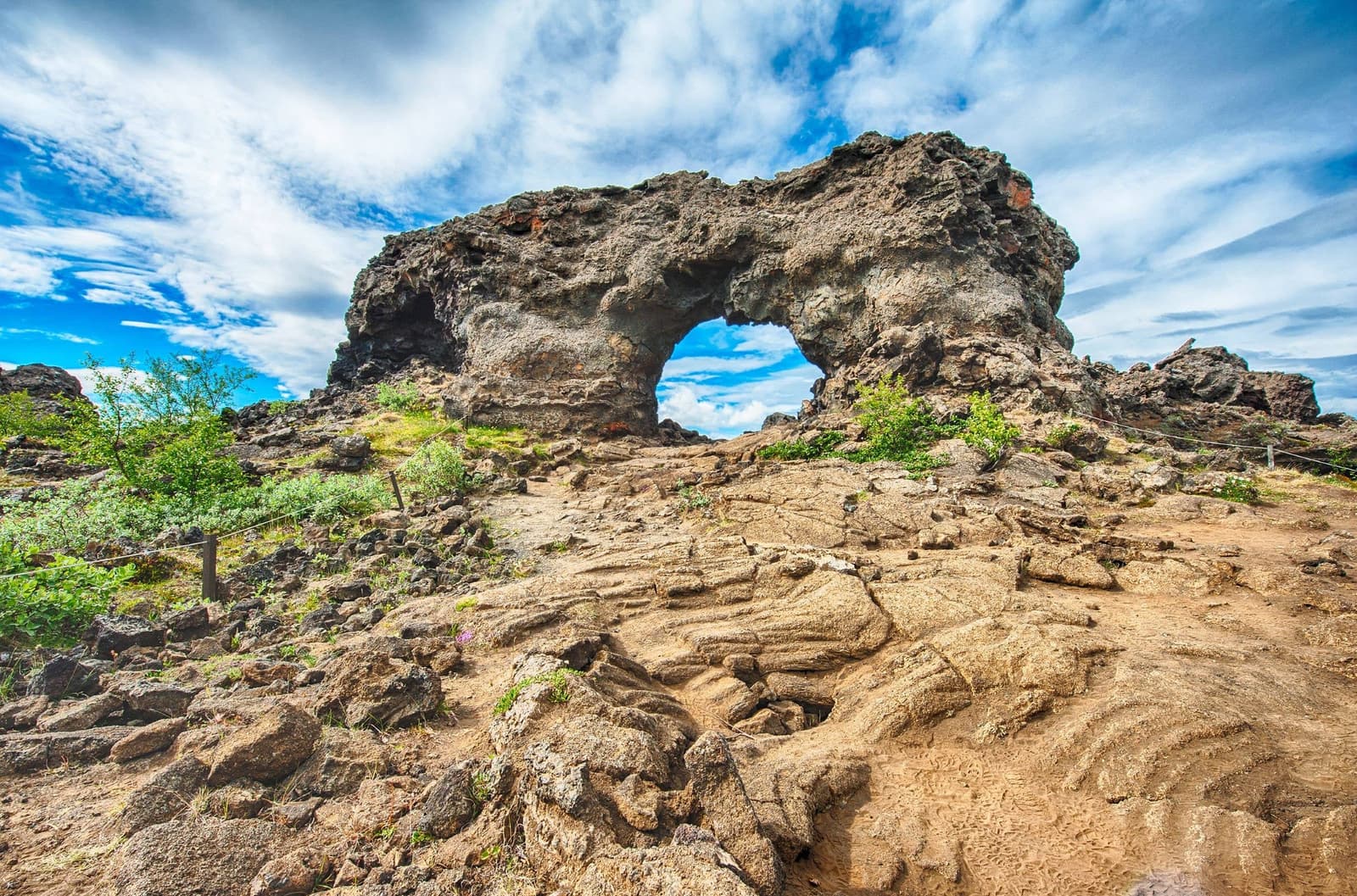
The stop is not a big serviced viewpoint in the way Dimmuborgir or Lake Mývatn can be. Its value is quieter: a crater row, rough lava, low shapes in the landscape, and the sense that the famous Mývatn lava scenery began out here rather than at the car parks most visitors use.
Add Lúdentarborgir when a self-drive day has spare room and the traveler enjoys volcanic landforms for their own sake. Skip it on a first North Iceland pass that still has to choose between Dimmuborgir, Hverir Geothermal Area, Krafla, Dettifoss, and Goðafoss.
Use this decision before turning off the main Mývatn loop
Go if
You have a flexible Mývatn day, dry enough conditions, and a real interest in craters, lava fields, and quieter landscapes.
Skip if
You are trying to make a short North Iceland day work with Dettifoss, Goðafoss, Hverir, and the main Mývatn stops.
Check before committing
Road conditions, local access, weather, SafeTravel guidance, and any on-site signs should decide whether the detour makes sense.
What are you actually looking at?
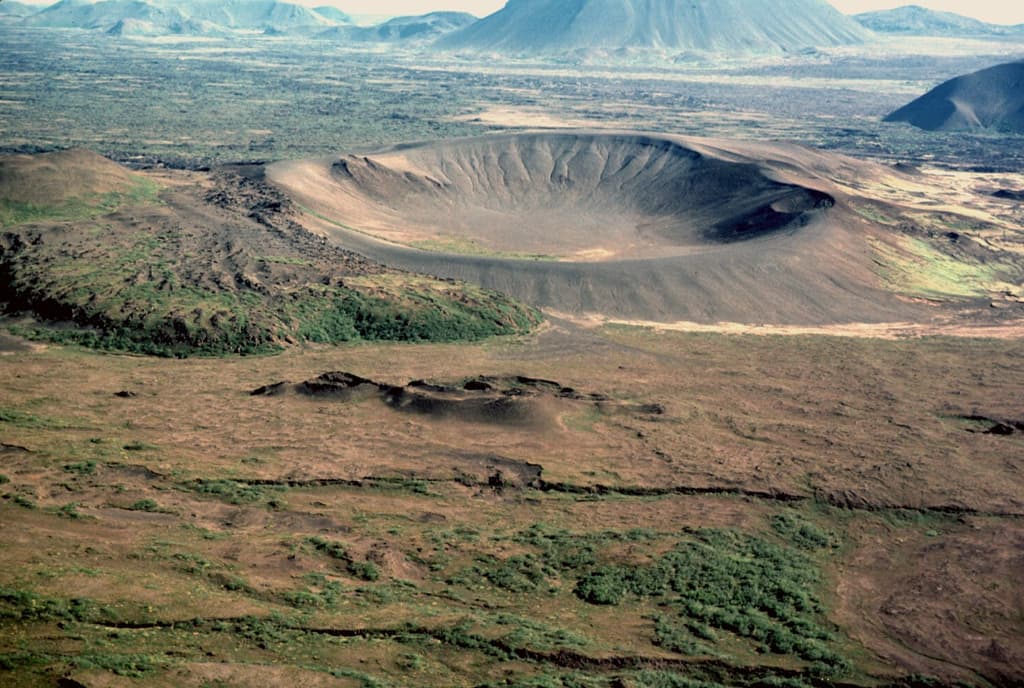
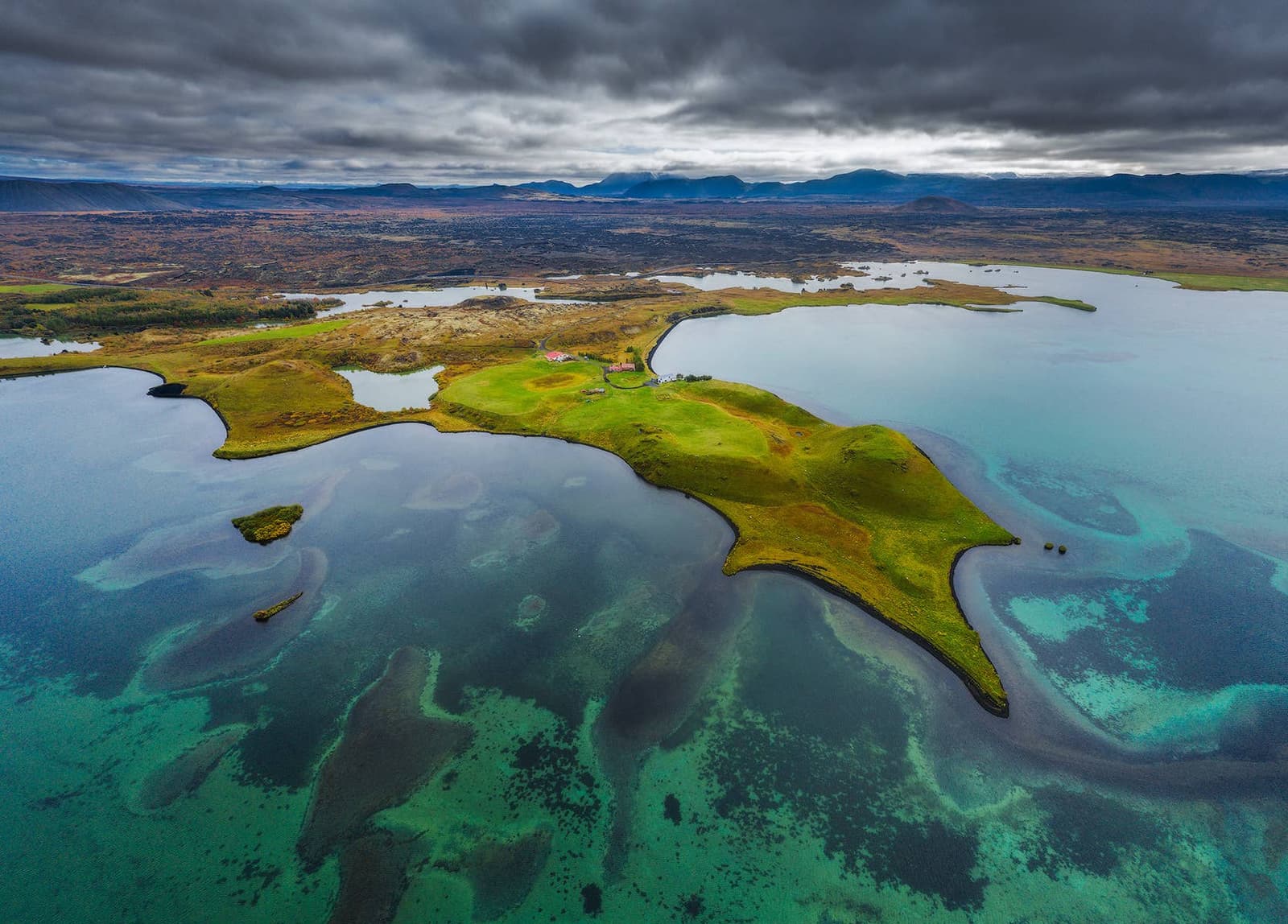
You are looking at part of the volcanic story that shaped the Mývatn area, not a single neat crater with a built viewpoint. Official protected-area geology describes Lúdentarborgir as a crater row formed on a fissure south of Hverfjall.
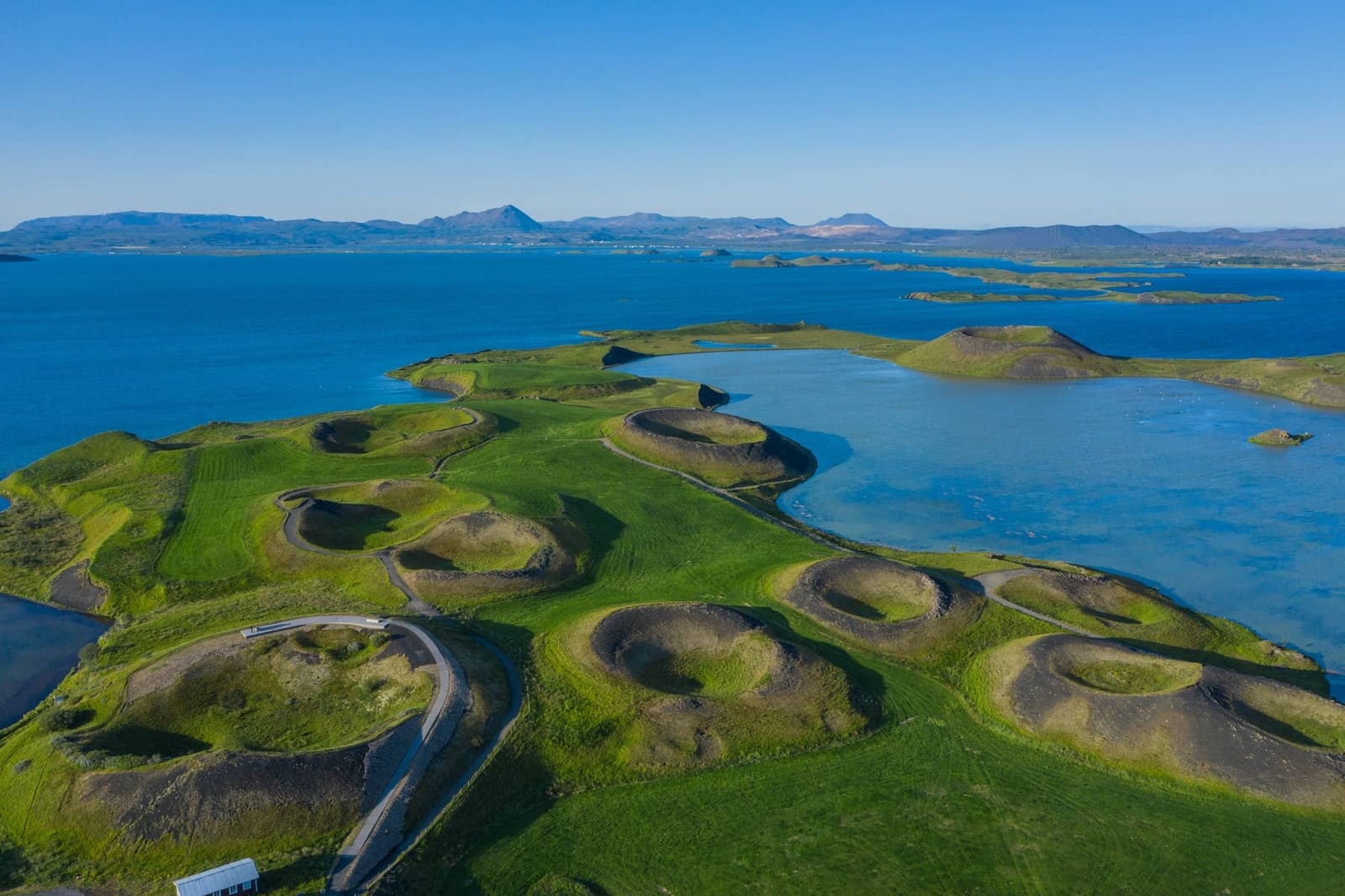
The important planning point is that Lúdentarborgir helps explain nearby sights. The eruption that formed the Younger Laxárhraun lava field is tied to the landscape around Mývatn, the pseudocraters at Skútustaðagígar, and the lava formations at Dimmuborgir.
Lúdentarborgir makes more sense when you see it as part of the wider Mývatn volcanic landscape, not as an isolated crater.
That is why the stop is more satisfying after you already know what you are comparing it with. If you have just walked Dimmuborgir or looked across the lake from Skútustaðagígar, Lúdentarborgir adds source-area context. If you have not, it can feel like rough ground without much explanation.
How should you fit it into a Mývatn day?
Fit Lúdentarborgir into a Mývatn day as a short optional add-on, not as the anchor. It works best after you have already protected time for the easier, more legible stops around the lake.
Quick version: pair it with Lake Mývatn and one nearby lava or crater stop, then continue before the day becomes too scattered.
Balanced version: visit Dimmuborgir, Skútustaðagígar, or Hverir first, then add Lúdentarborgir if the weather and access still feel sensible.
Slow version: use it as one quiet piece of a full Mývatn geology day with Hverfjall, Grjótagjá, Krafla, and lake viewpoints.
Skip version: choose Dettifoss, Goðafoss, or the main Mývatn loop if the route is already carrying too much driving.
For many travelers, the Diamond Circle Road Trip will be a better planning frame than treating Lúdentarborgir as a standalone destination. The crater row is useful when it strengthens the Mývatn portion of that drive; it weakens the day if it pushes the route into rushed, low-value detours.
What does the stop feel like on the ground?
Expect a quieter, less interpreted volcanic landscape. The appeal is shape, texture, and context rather than a dramatic single viewpoint that tells you exactly where to stand.
The ground can feel open, rough, and exposed, especially compared with the more established visitor rhythm around Dimmuborgir or Hverir Geothermal Area. That is part of the attraction for some travelers and the reason others should use their time elsewhere.
Photography is usually about reading low volcanic forms in the wider landscape. Clear weather helps because the relationship between the crater row, Mývatn, Hverfjall, and the surrounding lava fields is easier to understand when visibility is good.
The wider Laxárhraun and Mývatn landscape is the reason a small crater-row detour can add context for geology-focused travelers.
Lúdentarborgir becomes most useful when it is compared with nearby stops instead of added blindly
Lúdentarborgir becomes most useful when it is compared with nearby stops instead of added blindly. Choose the stop that answers the day you are actually building.
Nearby choices
Choose Dimmuborgir
when you want marked walking, dark lava formations, and the Mývatn lava story in a more visitor-friendly form.
Choose Skútustaðagígar
when you want lake-edge pseudocraters and a clearer connection between lava, water, and the present Mývatn landscape.
Choose Hverir
when geothermal color, steam, and sulfur ground are more important than crater-row quiet.
Choose Krafla
when you have more time for a broader volcanic area and can handle a less compact day.
If your route continues beyond the lake, use Lúdentarborgir as a small add-on rather than a competitor to Dettifoss or Goðafoss. Those waterfalls change the scale of a North Iceland day; Lúdentarborgir changes the geology texture.
Grjótagjá can also pair with the crater row if you want a short lava-and-cave sequence near Mývatn. Keep expectations modest: both are brief stops unless you are deliberately building a slow geology day.
Check conditions before you make Lúdentarborgir the reason for a detour
Check conditions before you make Lúdentarborgir the reason for a detour. The stop is close to the Mývatn cluster on a map, but local access, wind, snow, visibility, and daylight can change whether it is worth the effort.
Use official road conditions before relying on smaller local roads, especially outside easy summer conditions. If weather is deteriorating or daylight is short, the better choice is usually to keep the day around the main Mývatn stops or move on through North Iceland.
Treat protected-area guidance and on-site signs as the authority for where to walk. The Mývatn district includes sensitive landscapes and wildlife areas, so a quiet-looking track or slope is not automatically a good place to wander.
Lúdentarborgir FAQ
Is Lúdentarborgir a must-see near Mývatn?
No, Lúdentarborgir is not a must-see for most first-time visitors. It is best for travelers who already have time around Lake Mývatn and want a quieter volcanic landscape beyond the easier headline stops.
How long do you need at Lúdentarborgir?
Most travelers should think in the 30-60 minute range if access is straightforward. Give it more time only if you are deliberately slowing down for volcanic landforms and photography.
Can you visit Lúdentarborgir in winter?
Only treat it as a winter possibility after checking road, weather, and safety guidance. If access or visibility is uncertain, keep the day around easier Mývatn stops.
What should you combine with Lúdentarborgir?
Pair it with Lake Mývatn, Dimmuborgir, Skútustaðagígar, Hverir, Grjótagjá, or Krafla depending on how much volcanic context you want. Do not force it into a day already built around distant waterfalls.