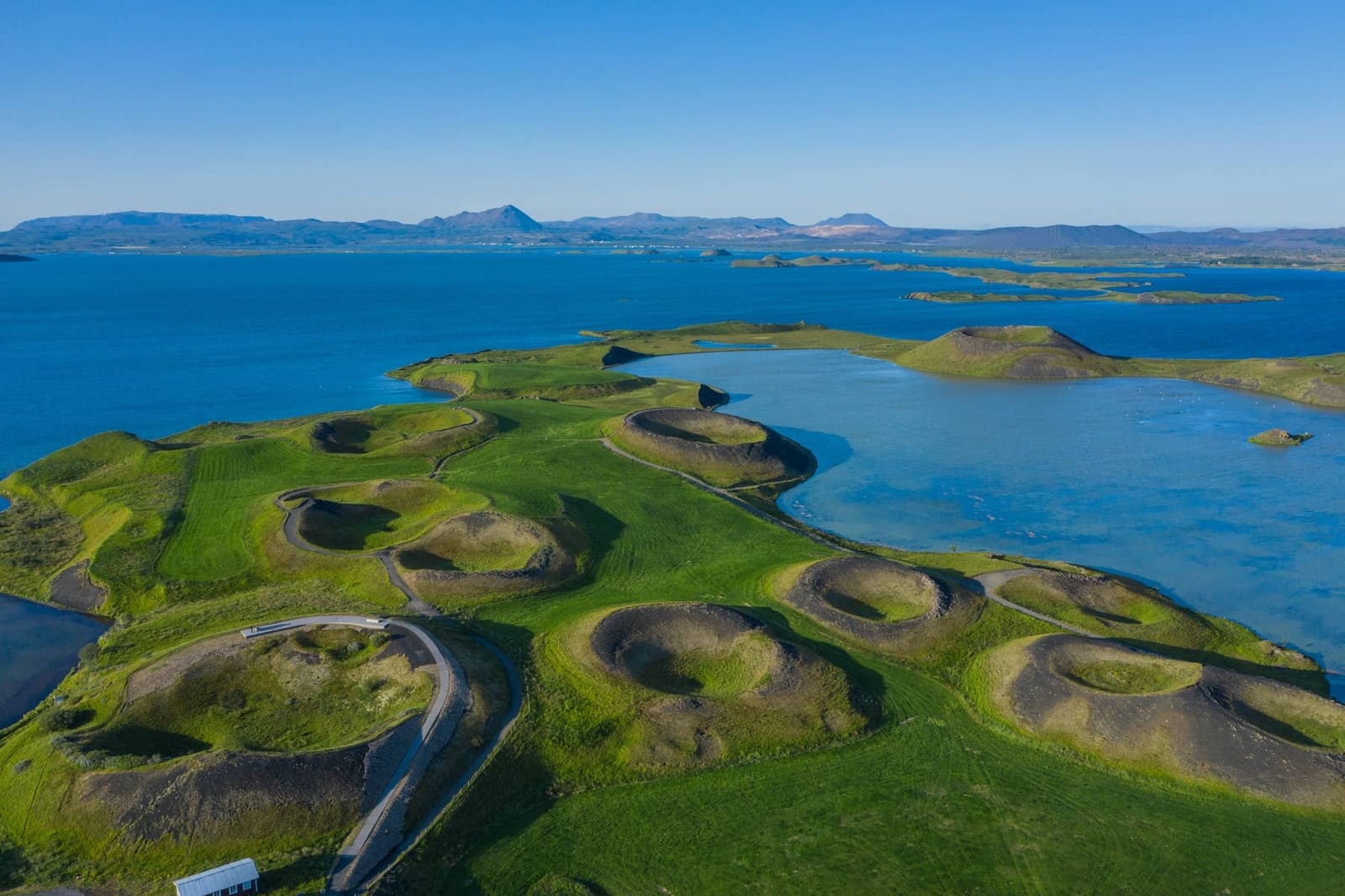
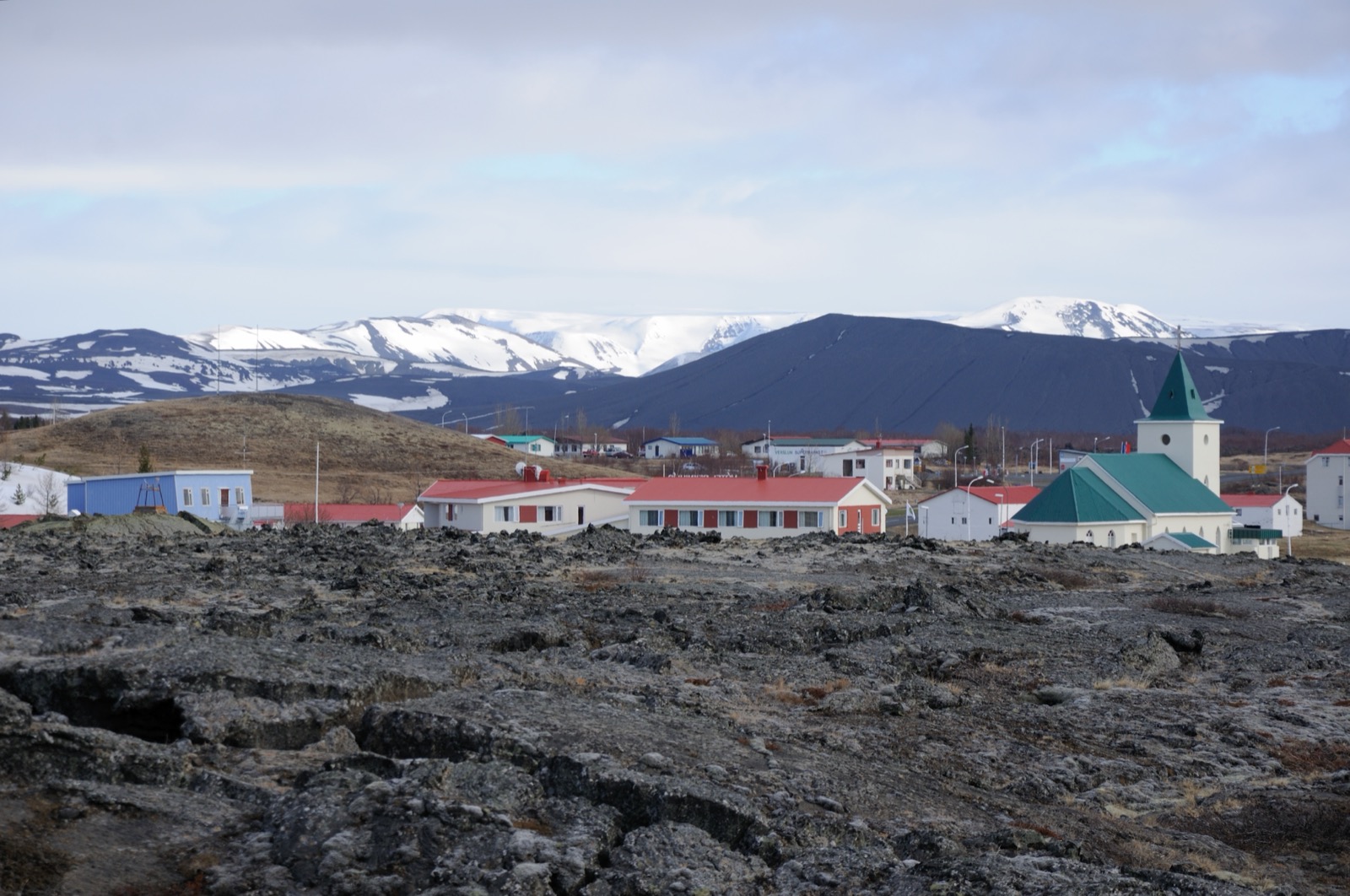
Skútustaðagígar is a protected group of grassy pseudocraters on the south side of Lake Mývatn, worth adding when you want an easy volcanic walk, birdlife, and a calmer North Iceland stop.
Coast snapshot
Type
Protected pseudocraters, rootless cones, wetlands, and short walking paths
Region
South side of Lake Mývatn, North Iceland
Route context
Best as a Mývatn stop on a Diamond Circle or slower Ring Road north-coast day
Time to allow
20-30 minutes for a quick look, or about 1 hour for a fuller walk
Best experience
Walk the marked paths slowly enough to see the crater bowls, lake views, birds, and volcanic texture
In this guide
Skútustaðagígar is worth stopping for when your day already includes Lake Mývatn and you want an easy walk with volcanic shape
Yes, Skútustaðagígar is worth stopping for when your day already includes Lake Mývatn and you want an easy walk with volcanic shape, lake views, and birdlife.
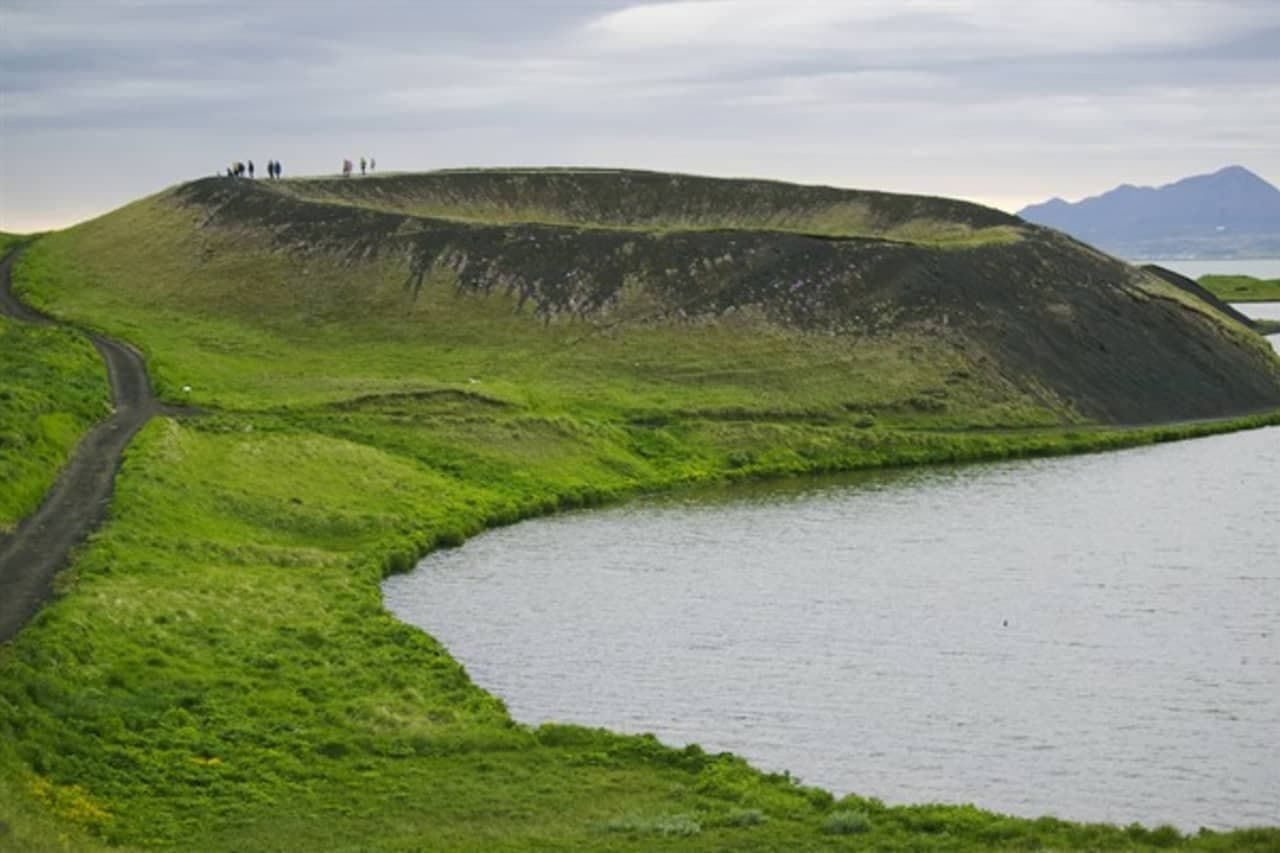
The stop is not the most dramatic crater in North Iceland. Its value is quieter: grassy bowl-shaped pseudocraters, black scoria slopes, views across Lake Mývatn, and a short marked walk that breaks up a day of geothermal steam, lava formations, and waterfalls.
Add Skútustaðagígar when a Mývatn day needs a gentle outdoor stop before or after Dimmuborgir. Skip it when the day is already stretched between Goðafoss, Dettifoss, and a long drive, because the craters need walking time to make sense.
Skútustaðagígar stop decision
Choice
Use it when
Watch out for
Go
You are already around Mývatn and want an easy marked walk.
Protect the site by staying on marked paths.
Keep optional
Weather, daylight, or group pace may shorten the walk.
Use official road and weather checks before committing.
Skip
Your north day is only a fast transfer between bigger route anchors.
Do not force it if the stop becomes a rushed photo pause.
Which walk should you choose at Skútustaðagígar?
Choose the short western loop for a quick crater-field taste, or the longer Stakhólstjörn walk when you want lake edges, birdlife, and a better feel for the landscape.
Visit Mývatn describes a shorter circular route that usually suits a 20-30 minute stop, plus a longer walk around Stakhólstjörn that takes about 1 hour. UST lists two marked paths at the site, so the practical decision is not whether to cover everything; it is how much of the lake-and-crater rhythm your day can hold.
The marked paths make Skútustaðagígar easy to sample without turning it into a long hike.
The short version works well for families, arrival days, and travelers who still need time for Lake Mývatn or Dimmuborgir. The slower version works better if you enjoy birds, quiet lake views, and the small changes in crater shape that only appear when you walk past more than one rim.
What are the pseudocraters beside Lake Mývatn?
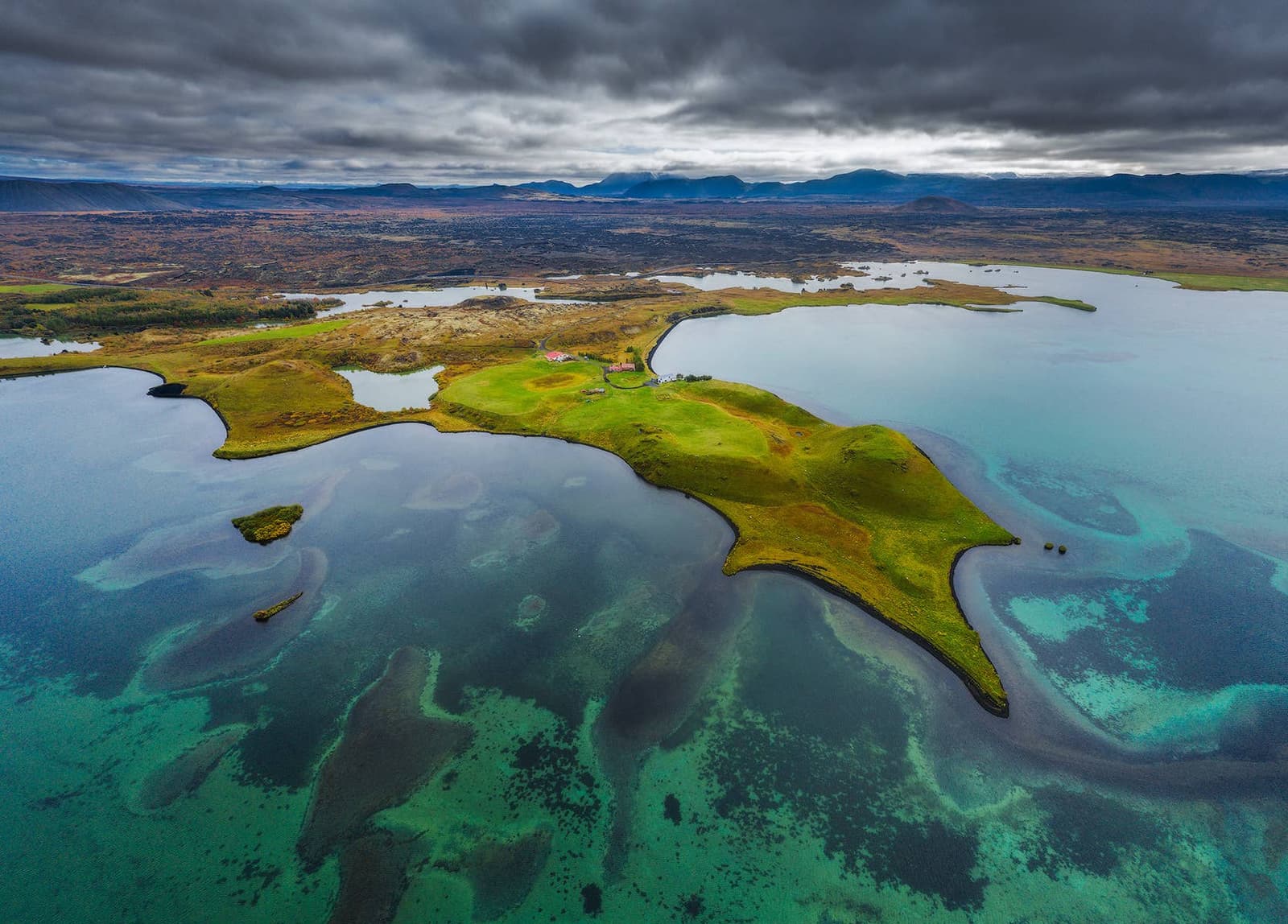
Skútustaðagígar looks like a row of volcanic craters, but the formations are pseudocraters, also called rootless cones, shaped by steam explosions rather than a direct eruption vent.
UST explains the process clearly: thin-flowing lava moved over wet ground, lakes, or wetlands; trapped water turned to steam under pressure; and explosions left crater-like cones behind. That is why the bowls look volcanic while not behaving like true eruptive craters.
On the ground, this means you see soft green rims, darker volcanic slopes, ponds, birds, and Lake Mývatn in the same view. The place is more interesting if you know what you are looking at before you arrive: not a summit hike, but a compact example of how lava and wetland water can reshape a lakeshore.
How does it pair with other Mývatn and North Iceland stops?
Skútustaðagígar pairs best with the Mývatn cluster, then with the Diamond Circle if your North Iceland day has enough space for a real walk.
Use Lake Mývatn as the wider decision page: it helps you decide whether this area deserves a quick pass-through or a slower base. Within that area, Skútustaðagígar gives the easy crater-and-lake walk, while Dimmuborgir gives a denser lava-field walk with darker formations and arches.
Skútustaðagígar is most useful as a lake-and-crater stop within the wider Mývatn area.
On a bigger north route, Goðafoss Waterfall is the easier headline waterfall, Dettifoss is the larger canyon-scale waterfall, and Ásbyrgi Canyon changes the day into a longer Diamond Circle shape. Skútustaðagígar belongs when you want the Mývatn portion of the route to feel slower and more varied.
If you are comparing broader routes, the Diamond Circle road trip is the natural planning page. If you are still deciding whether the north belongs in your itinerary at all, compare it with the North Iceland region guide or the Ring Road or South Coast route decision before adding more stops.
Weather, nesting birds, and trail conditions at Skútustaðagígar
Check official visitor information, weather, road conditions, and on-site signs before relying on the walk, especially when snow, wind, nesting birds, or low light could affect the route.
Skútustaðagígar is protected because the geological forms, vegetation, and wildlife are sensitive. The most important visitor rule is simple: stay on marked paths, follow local signs, and do not treat the crater rims or wetlands as open terrain.
Marked paths are part of the experience here because the protected craters and bird habitat are sensitive.
For road and weather decisions, use official road conditions and the Icelandic weather forecast rather than assuming an easy summer-style stop. If facilities, visitor services, step-free access, or local guidance matter to your group, verify official visitor information before building the stop into a tight day.
In winter or rough weather, also read winter driving guidance before treating any Mývatn stop as fixed. The walk itself is short, but the value of the stop depends on whether you can see the lake, keep footing, and move calmly through the marked area.
Skútustaðagígar: use official and regional sources for facts that can change, especially road conditions, weather, visitor details, and protected-area guidance
Use official and regional sources for facts that can change, especially road conditions, weather, visitor details, and protected-area guidance.
Travel-safety guidance for Iceland route decisions.
Skútustaðagígar FAQ
These are the questions that most often change whether the stop belongs in a real Mývatn day.
Are Skútustaðagígar real volcanic craters?
No. They are pseudocraters, or rootless cones, formed by steam explosions when lava moved over wet ground rather than by a direct eruption vent.
How long should I spend at Skútustaðagígar?
Allow 20-30 minutes for a quick look, or about 1 hour if you want the longer lake-and-crater walk. Add more time if you stop often for birds, photos, or weather breaks.
Is Skútustaðagígar good with children?
Yes, it can work well for families who are comfortable staying on marked paths. Skip or shorten the walk if footing, wind, low light, or group pace makes the crater rims feel awkward.
Can I walk anywhere on the crater rims?
No. Stay on marked paths and follow on-site signs because the protected craters, vegetation, and bird habitat are sensitive.
Should I choose Skútustaðagígar or Dimmuborgir?
Choose Skútustaðagígar for an easier lake-and-pseudocrater walk, and choose Dimmuborgir for darker lava formations, arches, and a more enclosed lava-field feel.
Map
See where this stop sits
Use nearby places and useful bases before opening directions.
Region
North Iceland
Works well with
Diamond Circle / Ring Road
Useful base
Akureyri
Interactive planning map for Skútustaðagígar
Interactive map
Load the map when you need it
Place context and external map links remain available without loading it.
Nearby coast
Compare nearby coastal stops
Use nearby places to balance scenery, safety, wildlife seasons, and how much time the coast deserves.