Brúarjökull is Vatnajökull’s vast northeastern outlet glacier, best treated as a remote Highlands landscape seen from Snæfell-area viewpoints or specialist trips, not a casual stop unless access and weather line up.
Glacier facts
Type
Remote outlet glacier of Vatnajökull
Region
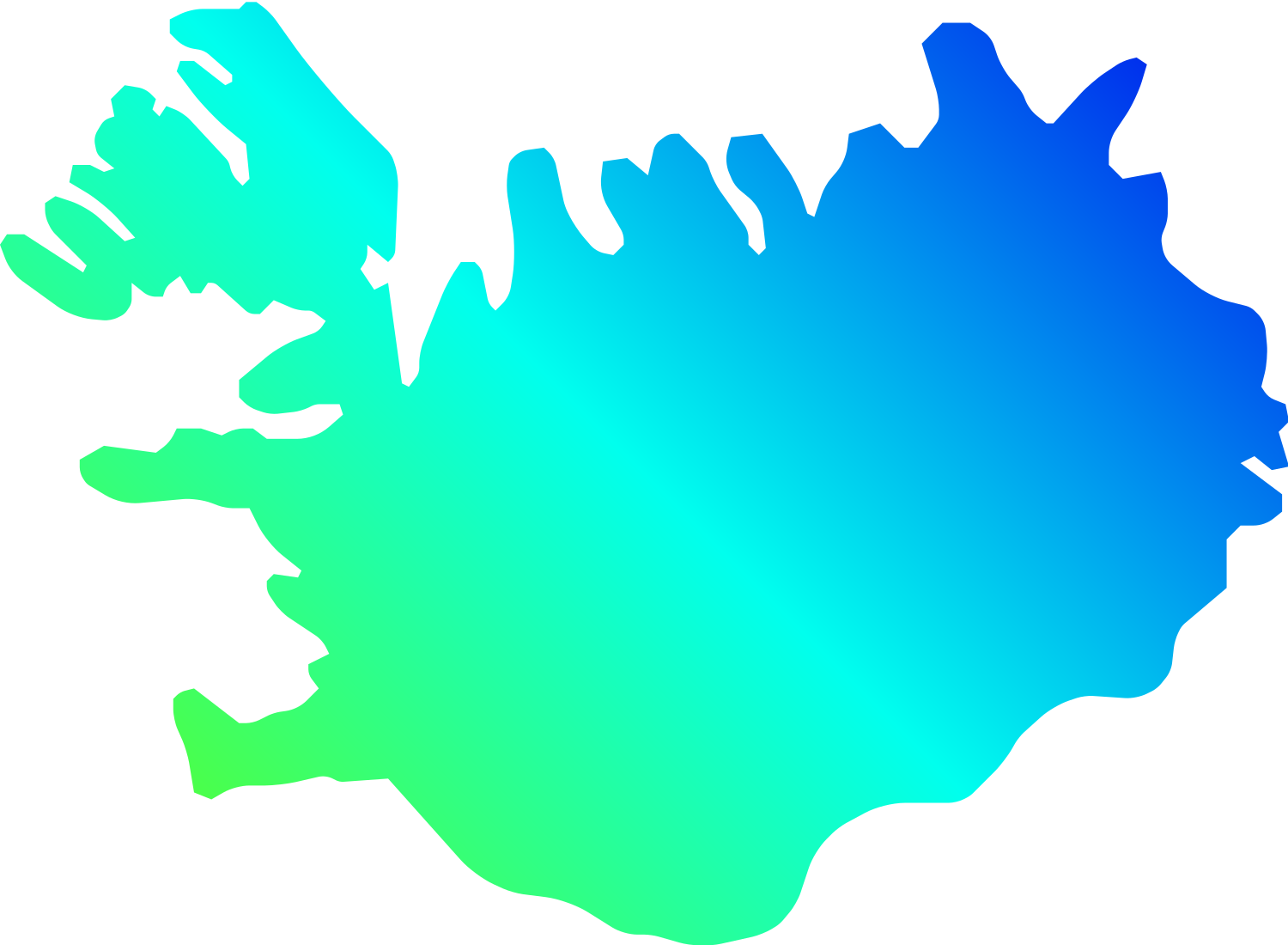
Northeastern Vatnajökull and the Highlands
Route context
Best considered with Snæfell, Kverkfjöll, Askja, or other Highlands F-road plans
Typical visit style
Viewpoint or specialist-access context, not a simple roadside glacier stop
Time to allow
A viewpoint stop can be short; building the glacier into a highland day needs generous margin
In this guide
Is Brúarjökull worth adding to your Iceland trip?
Brúarjökull is worth considering if your trip is already reaching the northeastern Highlands. It is not the right glacier stop for most first-time visitors who want an easy view from a paved route.
The appeal is scale. Brúarjökull is a huge outlet of Vatnajökull, and the surrounding Snæfellsöræfi and Kverkfjöll landscapes make the glacier feel like part of a much larger highland system rather than a single viewpoint.
The tradeoff is effort. If you are already comparing Askja, Holuhraun, Kverkfjöll, or other highland stops, Brúarjökull can deepen the route. If your route is built around easy South Coast glacier views, it will usually add more friction than value.
Photo guide
Brúarjökull in photos
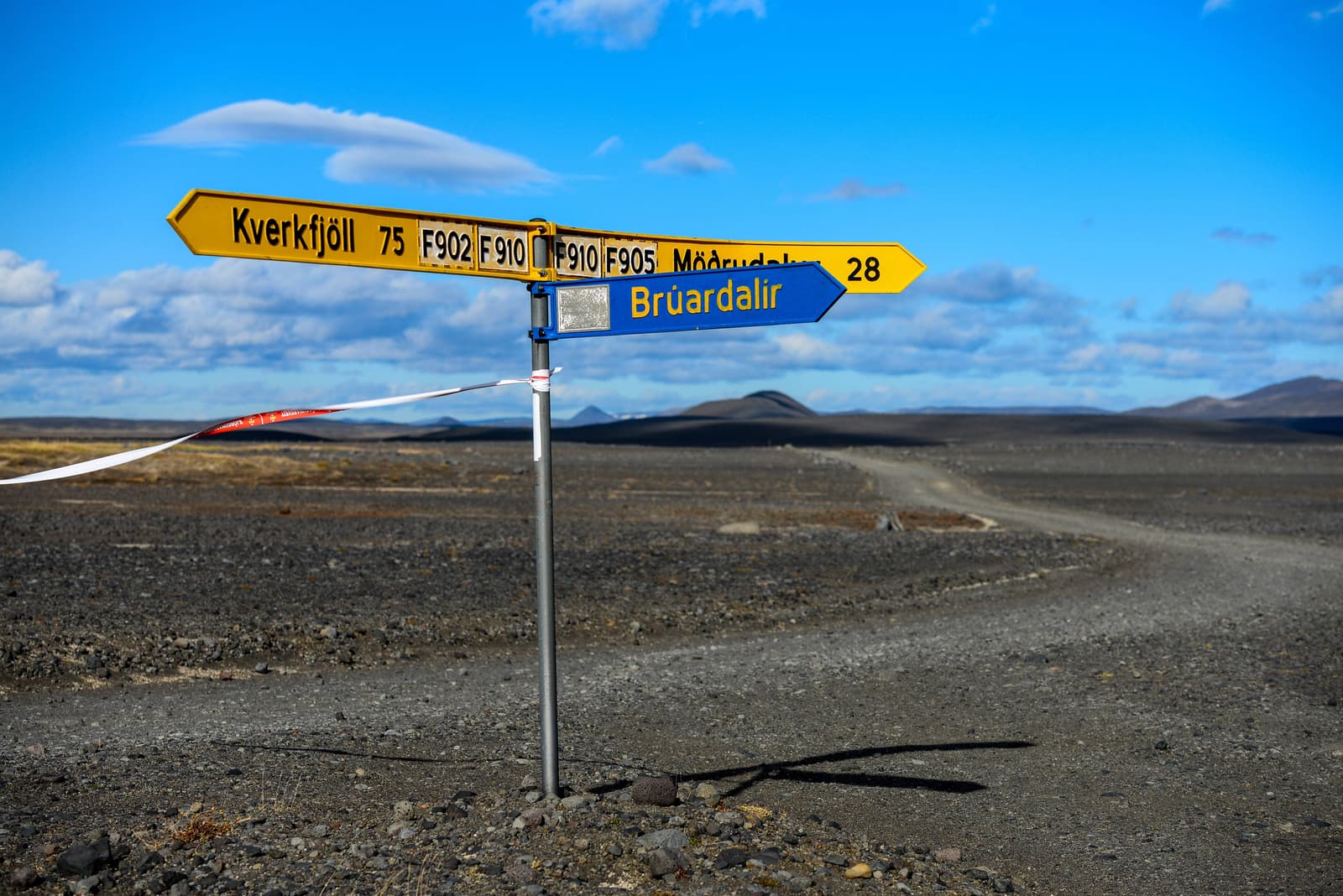
Vehicle scale helps show why Brúarjökull belongs in a specialist or well-planned highland context.
Brúarjökull is an outlet glacier flowing from Vatnajökull on the northeastern side of the ice cap
Brúarjökull is an outlet glacier flowing from Vatnajökull on the northeastern side of the ice cap, in the highland landscape around Snæfell, Eyjabakkar, and Kverkfjöll.
Vatnajökull National Park describes Brúarjökull as Vatnajökull’s largest glacier tongue and places it along the southern edge of Snæfellsöræfi. From the traveler’s perspective, that matters because the glacier is tied to a remote plateau of rivers, wetlands, moraines, and mountain views.
This is not the same planning problem as Jökulsárlón, Skaftafellsjökull, or other better-known south-side glacier stops. Brúarjökull sits deeper in the interior, so the question is less “can I stop for a quick look?” and more “does this highland area belong in my route?”
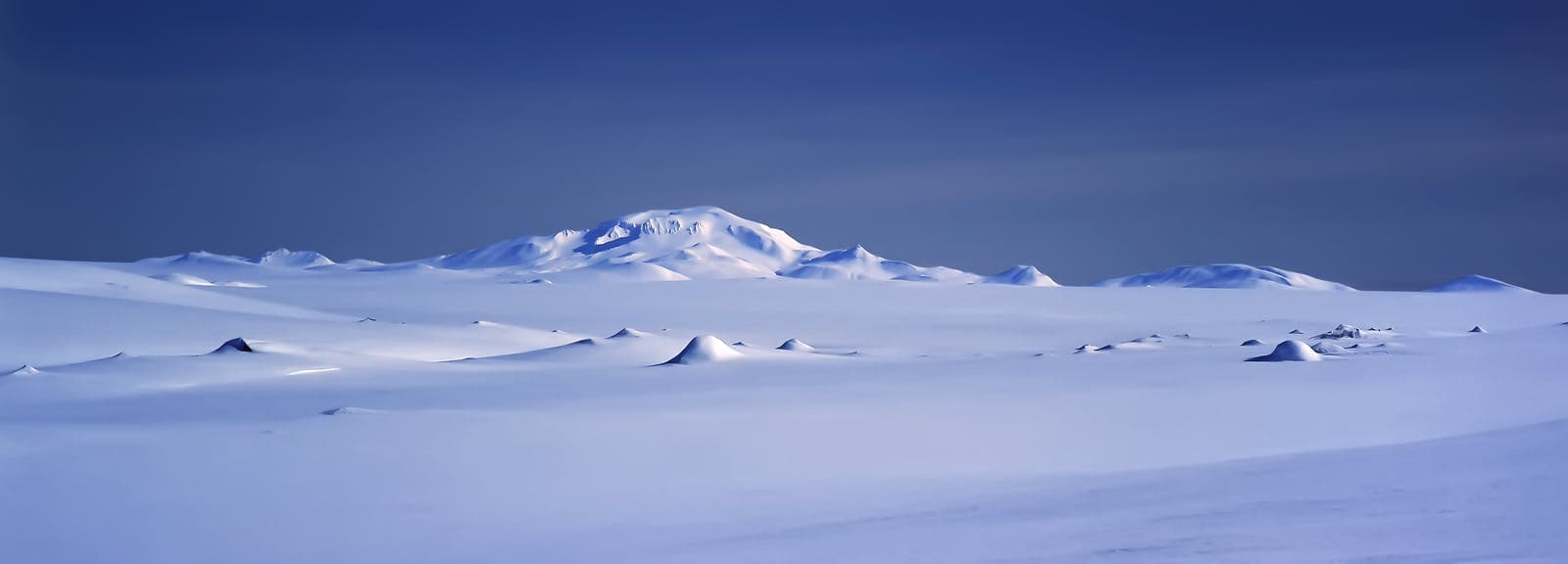
Brúarjökull is best understood through scale: broad ice, exposed sky, and a remote Vatnajökull setting.
Brúarjökull: the strongest impression is distance
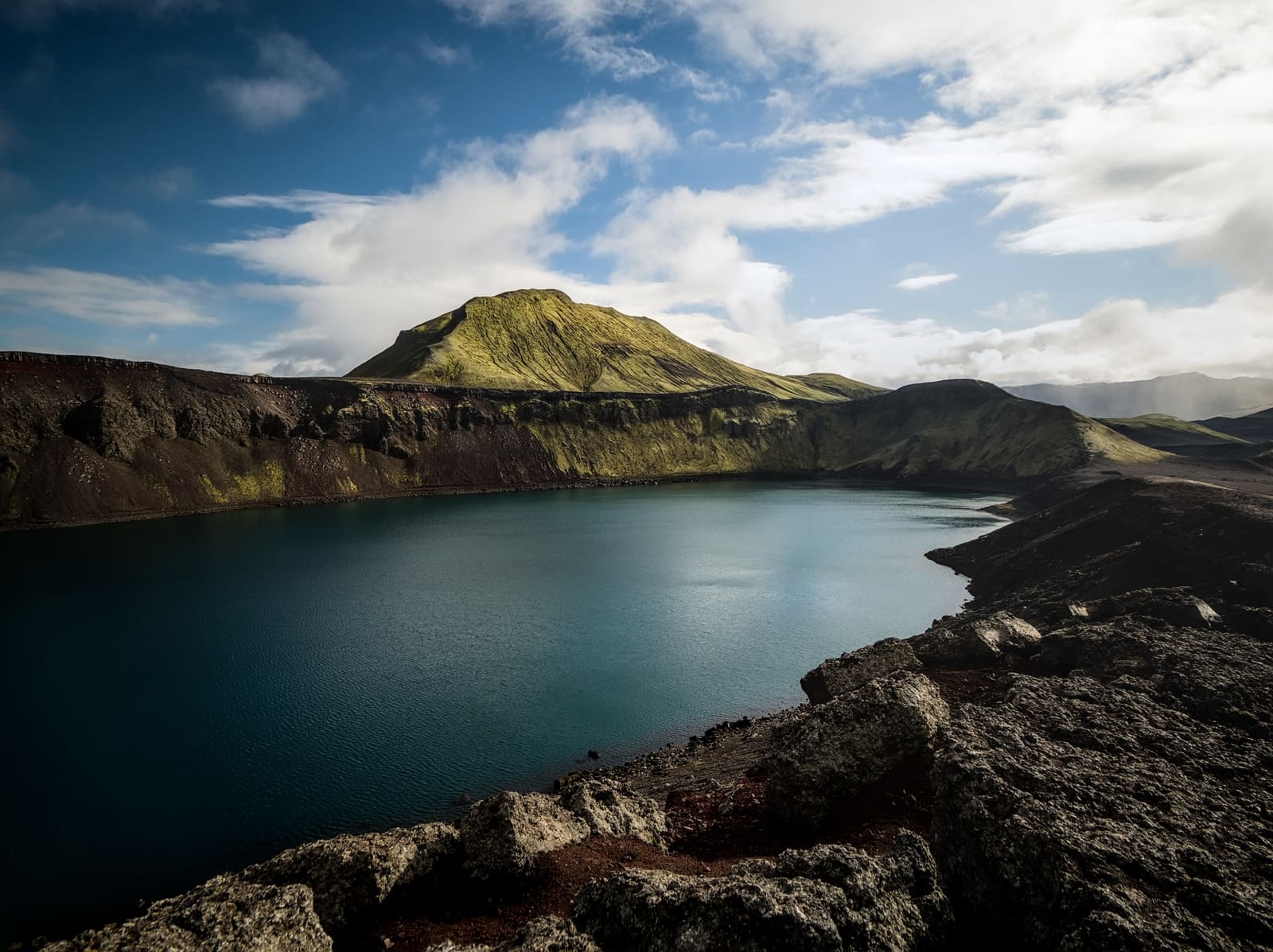
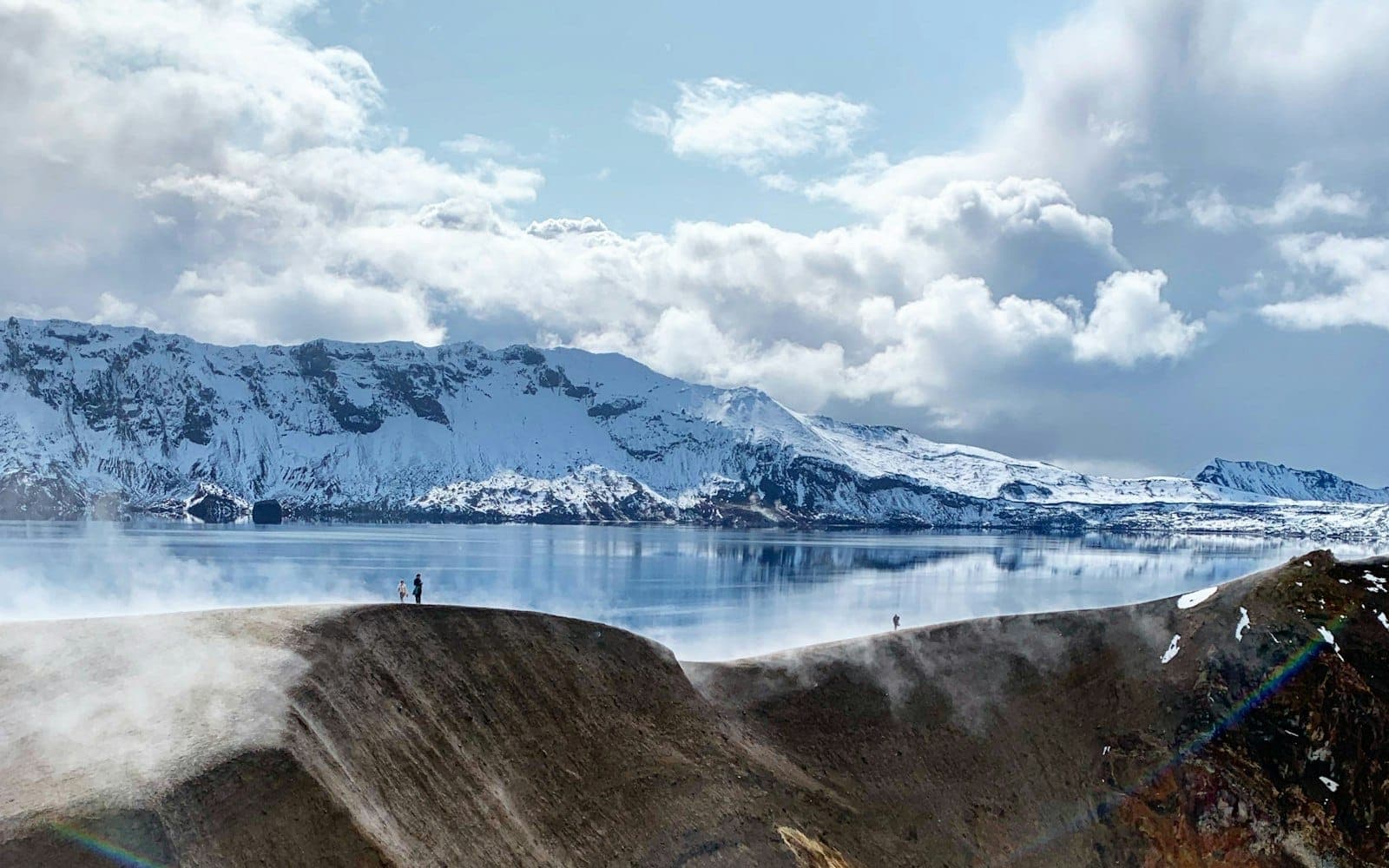
The strongest impression is distance: white glacier surfaces, dark volcanic peaks, broad highland emptiness, and a sense that the ice is shaping the whole landscape around you.
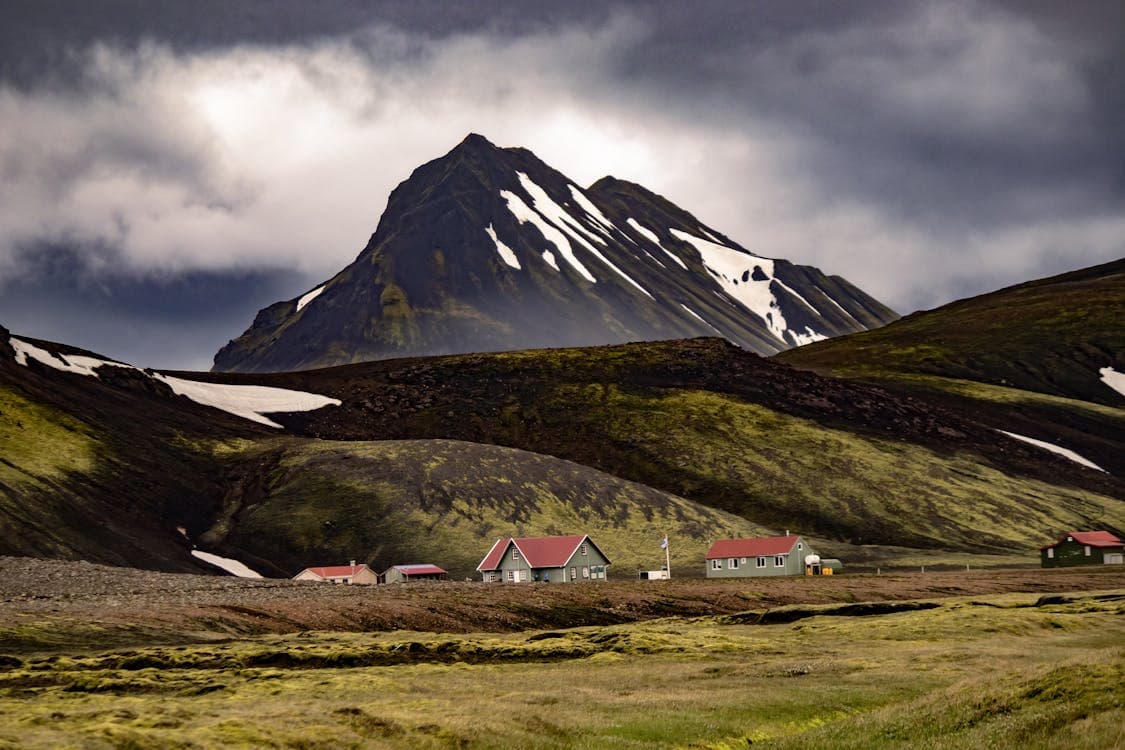
From surrounding highland viewpoints, the glacier reads as a horizon and a landform rather than a neat roadside attraction. The foreground may be gravel, snow patches, moraine, wetland, or river-fed terrain, depending on where you are in the Snæfell and north Vatnajökull area.
Close ice terrain is a different matter. Ice caves, glacier edges, snow bridges, and meltwater channels can look inviting in photographs, but they are not casual walking terrain. Treat any close-access plan as specialist territory that needs qualified local judgement.
Close glacier scenes are powerful, but they should not be treated as normal self-guided terrain.
How do access and viewpoints shape the decision?
Access is the main planning filter. For most travelers, Brúarjökull works as a highland viewpoint or route-context stop, not as a guaranteed close-up glacier walk.
The official National Park material around Snæfell and Vestari-Sauðahnjúkur points to views over Brúarjökull, Kverkfjöll, and the highland area north of Vatnajökull. That is the practical lens: choose a viewpoint or surrounding route first, then let Brúarjökull be part of what gives the landscape its scale.
Highland roads, river-fed terrain, snow remnants, and remote weather can all change what is sensible. Check Umferðin, SafeTravel, the Icelandic Meteorological Office, and Vatnajökull National Park visitor details before building the stop into a tight day.
Brúarjökull planning reality check
Plan type
When it makes sense
Main caution
Viewpoint context
You are already in the Snæfell or north Vatnajökull highland area and want glacier scale without forcing close ice access.
Views depend on weather, road access, and choosing the right surrounding route.
Highlands self-drive
Your vehicle, route plan, daylight, and backup options all support a remote interior day.
A map pin can hide slow roads, limited help, and changing surface conditions.
Close glacier terrain
You have qualified local guidance and a plan that treats glacier hazards seriously.
Do not treat visible tracks, old photos, or calm weather as permission to walk onto ice.
Brúarjökull pairs best with other northeastern Highlands places, especially when the route is already built around volcanoes, glacier edges, and remote interior roads
Brúarjökull pairs best with other northeastern Highlands places, especially when the route is already built around volcanoes, glacier edges, and remote interior roads.
Askja is the strongest nearby planning anchor if you want a destination with a clearer visitor rhythm. Holuhraun adds recent lava-field context, while Víti by Askja gives a more defined crater stop inside the same broad Highlands route family.
Kverkfjöll is the most natural landscape comparison because the National Park places Brúarjökull to its east. Grímsvötn and Bárðarbunga are better treated as volcanic context than casual stops, while Nýidalur-Jökuldalur can matter if your plan crosses the interior.
If this starts to feel too complicated, use Landmannalaugar, Kerlingarfjöll, or Þórsmörk as comparison points. They are still highland choices, but they may give a clearer visitor payoff for many travelers.
Brúarjökull: check official visitor details late enough that they still matter for your travel day
Check official visitor details late enough that they still matter for your travel day, especially if you are relying on highland roads, exposed weather, or any close glacier plan.
Official road conditions before any highland approach.
Official weather guidance and alerts for wind, visibility, cold, and precipitation.
SafeTravel guidance for remote travel, river crossings, and travel-plan discipline.
Vatnajökull National Park visitor details for Snæfell, Kverkfjöll, and protected-area guidance.
Local guidance before approaching glacier margins, ice caves, snow bridges, or meltwater terrain.
Specialist overview and place-specific visual context.
Brúarjökull FAQ
Use these questions to decide whether Brúarjökull belongs in your route or should stay as context for a broader Highlands plan.
Can you visit Brúarjökull on a normal Ring Road trip?
Usually no, not in a practical way. Brúarjökull belongs to the remote northeastern Vatnajökull and Highlands context, so most Ring Road travelers are better served by easier glacier stops unless their route already includes highland access.
Is Brúarjökull good for a first Iceland trip?
Usually only if the first trip is already focused on remote highland travel. For most first-time visitors, South Coast and southeast Vatnajökull glacier viewpoints give a clearer payoff with less access friction.
Can you walk onto Brúarjökull by yourself?
Do not treat Brúarjökull as self-guided glacier terrain. Glacier margins, caves, snow, meltwater, and crevasse hazards require specialist judgement, and conditions can change quickly.
What is the best nearby place to pair with Brúarjökull?
Askja is the best planning anchor for many travelers because it has a clearer destination rhythm. Kverkfjöll, Holuhraun, and the Snæfell area make sense when your route is already a northeastern Highlands plan.