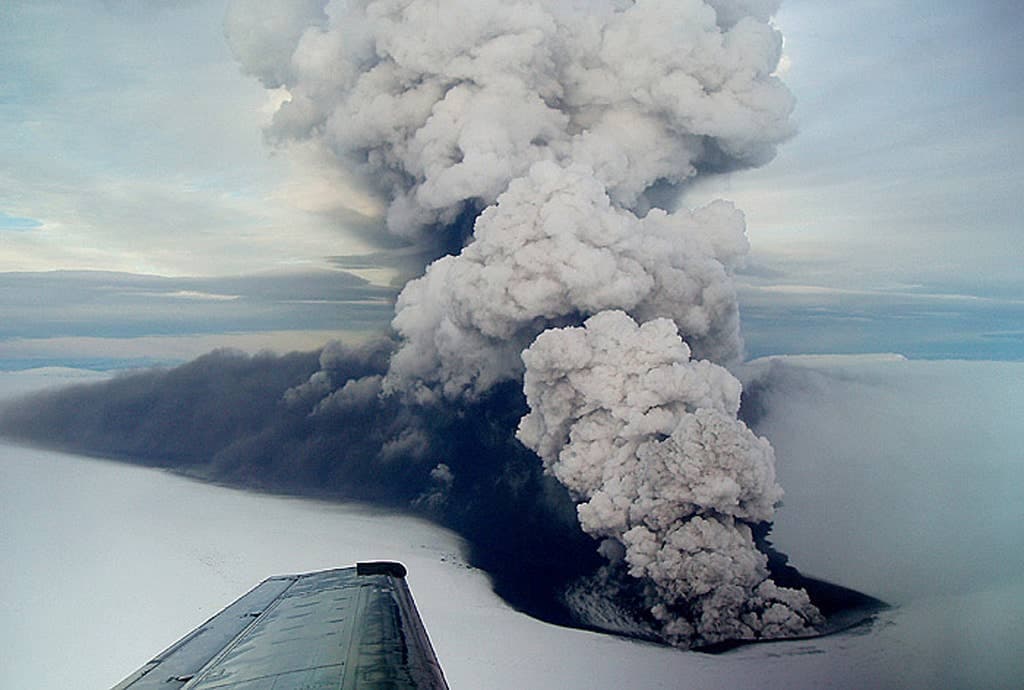
Is Grímsvötn worth planning around?

Grímsvötn is worth understanding, but it is rarely worth forcing into a normal sightseeing itinerary. The value is volcanic scale, glacier context, and specialist-route judgement, not an easy viewpoint.

Grímsvötn lies beneath western Vatnajökull, where volcano, ice, meltwater, ash, and highland weather overlap. For many travelers, the most useful way to use this page is to understand what the place is before choosing safer, more accessible volcanic stops such as Askja, Lakagígar, Eldgjá, or Landmannalaugar.

A local Iceland travel editor would add Grímsvötn only for experienced travelers with specialist glacier or Highlands support, flexible time, and a serious reason to focus on subglacial volcanism. They would skip it for first trips, tight Ring Road plans, and any group that mainly wants visible scenery from a marked roadside stop.

Worth the stop?

When this stop makes sense

Good match for

  • travelers researching Iceland's active subglacial volcanoes
  • experienced Highlands travelers using specialist guidance around Vatnajökull
  • photographers and geology-focused travelers comparing volcanic landscapes
  • visitors who can let official road, weather, glacier, and volcanic-safety sources decide the plan

Think twice if

  • first-time visitors looking for an easy roadside viewpoint
  • self-drivers without a specialist glacier or highland access plan

Pair it with

HighlandsÞjórsárverAskja CalderaLandmannalaugar

What should you decide before reading further?

Decide first whether Grímsvötn is a research interest, a specialist objective, or a place you should replace with a more practical volcanic stop.

Use this decision table before adding Grímsvötn to a route.
QuestionGo deeper ifChoose another stop if
PurposeYou want subglacial-volcano context or have a specialist Vatnajökull plan.You mainly want visible scenery, short walks, and predictable route timing.
AccessOfficial conditions, guidance, transport, and glacier or highland expertise all line up.The plan depends on old trip reports, map distance, or ordinary rental-car confidence.
TimeYou can protect a full-day or expedition-style window with a backup plan.You are trying to fit it between South Coast or Ring Road highlights.
Risk toleranceYour group is comfortable letting official sources cancel or reshape the day.Your itinerary needs certainty, easy access, or fixed facilities.

If the table points toward a replacement, compare Grímsvötn with Askja Caldera for a remote volcanic day, Víti by Askja for a crater-and-lake focus, or Þjórsárver and Hofsjökull for broader interior glacier context.

What is Grímsvötn, exactly?

Grímsvötn is not one simple cone you drive to. It is an active volcanic system and caldera area beneath Vatnajökull, with subglacial lakes, geothermal heat, explosive eruption history, and meltwater hazards.

The Icelandic Meteorological Office describes Grímsvötn as Iceland's most active volcanic system, with many explosive eruptions centered around the caldera. Vatnajökull National Park places it among the active central volcanoes hidden by the ice cap, where ice and magma interaction can create ash, hyaloclastite formations, and jökulhlaups.

That matters for travelers because the visible place is partly hidden. You are not visiting a neat crater rim like Kerið or a marked lava field like parts of the South Coast. You are dealing with a glacier-covered volcanic system where the safest planning decision often happens before you get anywhere near the ice.

Grímsvötn is a glacier-covered volcanic system, so eruption imagery often explains the place better than normal sightseeing photos.

What does the place feel like for travelers?

For most visitors, Grímsvötn feels less like a destination with a viewpoint and more like the hidden engine behind a vast ice-and-volcano landscape.

The attraction is scale: Vatnajökull above, volcanic heat below, weather moving fast across the ice, and a sense that the landscape is active even when it looks still. If a specialist visit is possible, the experience is shaped by snow, ice, visibility, guide decisions, and the seriousness of being far from ordinary help.

If you only see Grímsvötn from afar through research, flights, scientific imagery, or a broader Vatnajökull plan, it can still sharpen the route. It explains why nearby glacier and highland places feel different from easier coastal stops such as Diamond Beach or Skaftafell.

Satellite imagery makes the scale clear: Grímsvötn can affect far more than the hidden caldera itself.

How hard is access to Grímsvötn?

Access is the main issue. Grímsvötn should be treated as a remote glacier and Highlands objective where official conditions, protected-area guidance, specialist operators, and on-site judgement matter more than map distance.

The wider central Highlands around Vatnajökull include rough roads, sparse services, unbridged rivers, fast weather changes, and long distances between help. On the glacier itself, crevasses, snow bridges, visibility, volcanic activity, and route knowledge make independent sightseeing the wrong mental model.

If a Grímsvötn approach is part of a serious trip, build it from official volcanic status, SafeTravel alerts, weather warnings, road conditions, national-park guidance, and qualified local advice. If those sources do not support the plan, choose a more accessible volcanic landscape instead.

Where does Grímsvötn fit in an Iceland route?

Grímsvötn fits best as a specialist layer inside a Highlands or Vatnajökull plan. It does not fit well as an extra stop on a first-time South Coast or Ring Road day.

Use the Highlands road trip guide first if you are thinking about the interior. That page helps decide whether your trip can handle remote roads and backup planning before you narrow the focus to a glacier-covered volcano.

For many travelers, nearby comparisons will make the decision easier. Askja gives a more visible remote volcanic basin, Landmannalaugar gives a hiking-led highland landscape, Lakagígar and Eldgjá give volcanic history with more conventional access checks, and Þjórsárver or Hofsjökull help frame the interior glacier environment.

On short itineraries, Grímsvötn is usually background knowledge rather than a practical stop. A 5-Day Iceland Itinerary is better spent on strong, reachable anchors unless the trip is specifically built around specialist glacier or highland access.

What should you check before committing?

Check live-condition categories, not old anecdotes. Grímsvötn planning depends on volcanic monitoring, weather, roads, glacier travel judgement, and protected-area guidance.

  • Official volcanic status and Icelandic Meteorological Office updates for Grímsvötn and Vatnajökull.
  • SafeTravel alerts and travel-condition guidance for remote Iceland travel.
  • Official weather forecasts and warnings before any glacier or highland plan.
  • Official road conditions for any approach through the central Highlands.
  • Vatnajökull National Park guidance, ranger advice, permits, signs, and protected-area instructions.
  • Qualified operator or local specialist guidance if the plan involves glacier travel.

Official planning references

Common questions about Grímsvötn

These answers are planning guidance, not live safety confirmation. Official sources should decide access, roads, weather, volcanic activity, and operator details.

Can ordinary travelers visit Grímsvötn?

Usually not as an ordinary sightseeing stop. Treat it as a specialist glacier or Highlands objective that needs qualified guidance, official condition checks, and a flexible backup plan.

Is Grímsvötn a good first-trip attraction?

No, most first trips should choose more practical volcanic or glacier stops. Askja, Lakagígar, Eldgjá, Skaftafell, and Diamond Beach are easier to compare within normal route planning.

How much time should I allow if a visit is possible?

Allow a full-day or expedition-style window, not a quick stop. The real time depends on guidance, road conditions, weather, glacier travel, and the chosen access plan.

What makes Grímsvötn important?

Its importance comes from active subglacial volcanism beneath Vatnajökull. The system helps explain ash, meltwater, jökulhlaups, and the fire-and-ice character of Iceland's interior.

What should I do if conditions do not support the plan?

Choose a lower-friction alternative. Askja, Landmannalaugar, Lakagígar, Eldgjá, Hofsjökull viewpoints, or a Vatnajökull-area stop can preserve the volcanic or glacier theme with fewer access problems.