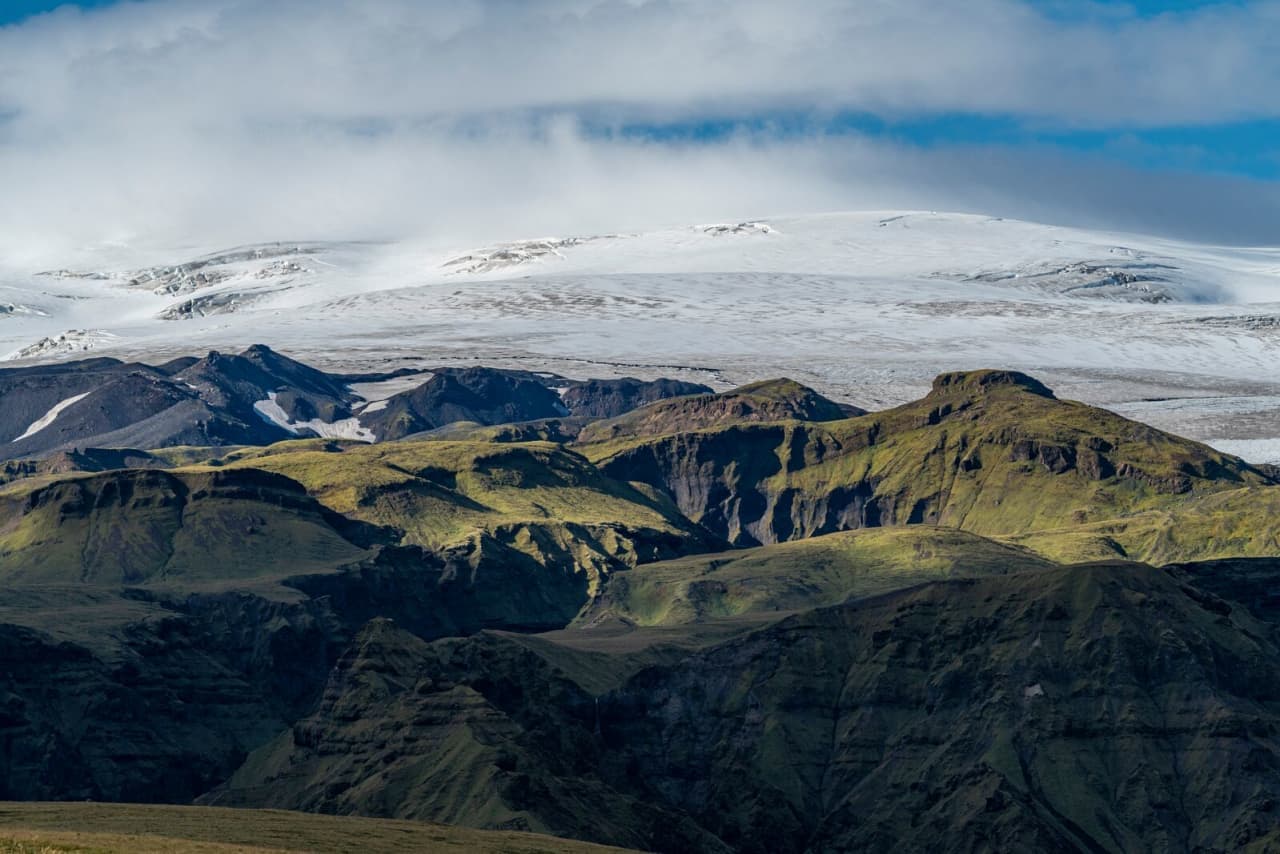
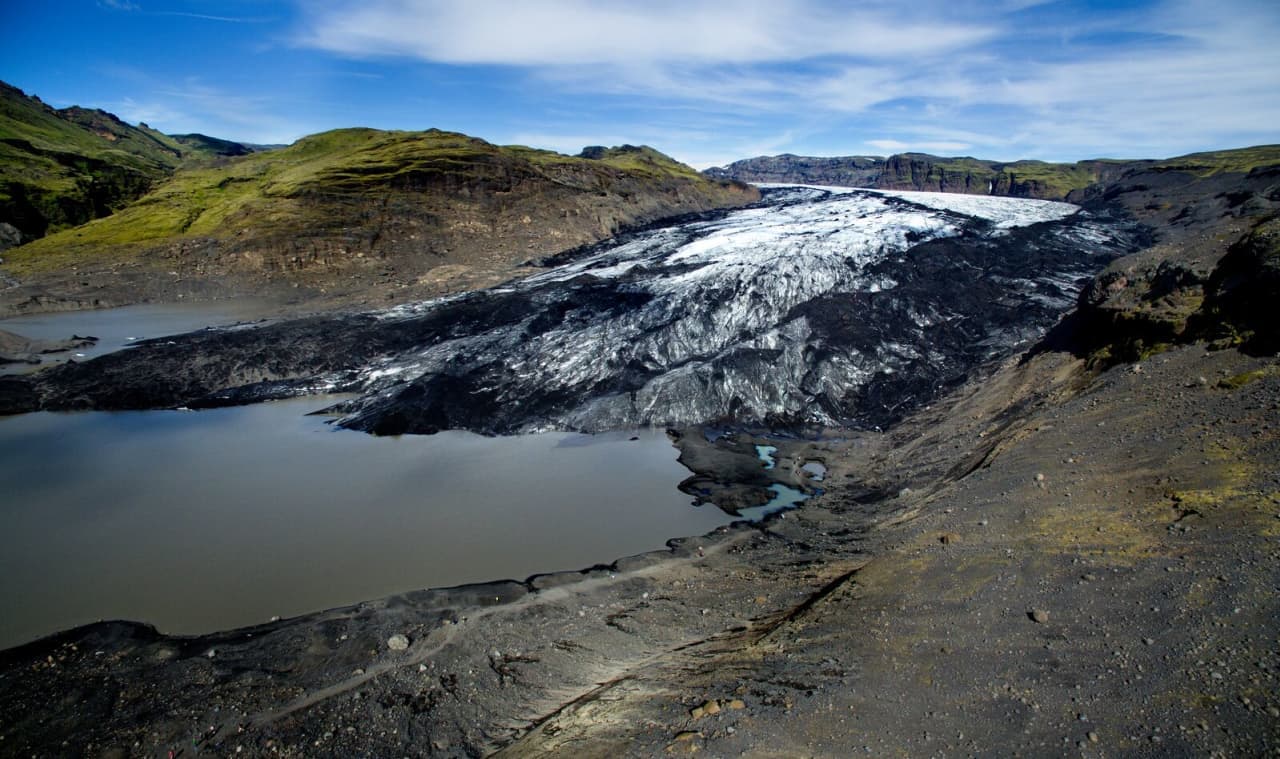
Use this guide to decide whether an Iceland ice cave belongs in your trip, which style fits your dates and route, and what to verify before booking.
Best first decision
Decide whether you want a natural winter blue cave, a Katla-style volcanic ice cave, a man-made ice tunnel, or a glacier hike that may include cave-like ice features.
Guide need
Natural glacier ice caves should be visited with qualified guides and appropriate equipment because ice roofs, crevasses, meltwater, and weather can change conditions.
Main season
Many natural blue ice caves are winter-focused, while Katla-style trips and man-made ice experiences may offer broader seasonal options that still need current checks.
Best bases
Vik, Skaftafell, and Jökulsárlón are easier bases for many South Coast cave trips; Reykjavik departures can work but often create a long structured day.
Experience fit
Best first decision
Decide whether you want a natural winter blue cave, a Katla-style volcanic ice cave, a man-made ice tunnel, or a glacier hike that may include cave-like ice features.
Guide need
Natural glacier ice caves should be visited with qualified guides and appropriate equipment because ice roofs, crevasses, meltwater, and weather can change conditions.
Main season
Many natural blue ice caves are winter-focused, while Katla-style trips and man-made ice experiences may offer broader seasonal options that still need current checks.
Best bases
Vik, Skaftafell, and Jökulsárlón are easier bases for many South Coast cave trips; Reykjavik departures can work but often create a long structured day.
What to wear
Plan for cold and wet conditions: warm layers, waterproof shell, gloves, hat, and sturdy hiking boots that work with the operator's traction gear.
Booking caution
Confirm the current cave, meeting point, age rules, footwear requirements, cancellation policy, and weather or access updates with the operator before committing the day.
Should an ice cave be a main plan or a bonus?
An ice cave can be one of the most memorable Iceland experiences, but it is a poor place for wishful planning. Natural glacier caves change, weather matters, and the cave that looks perfect in a photo may not be the cave that is safe or accessible on your date.
Make it a main plan if you are visiting in a good season, can join a reputable guided trip, and are happy with the wider experience: the drive, the gear, the cold air, the glacier setting, and whatever safe cave or ice formation your guide can use that day.
Keep it as a bonus if your itinerary is very tight, your group dislikes slippery footing or enclosed spaces, or the whole day depends on getting the exact glowing blue chamber from a booking photo. Iceland is generous with ice, but it is not a studio.
Photo guide
Ice Caves in photos
1 / 6
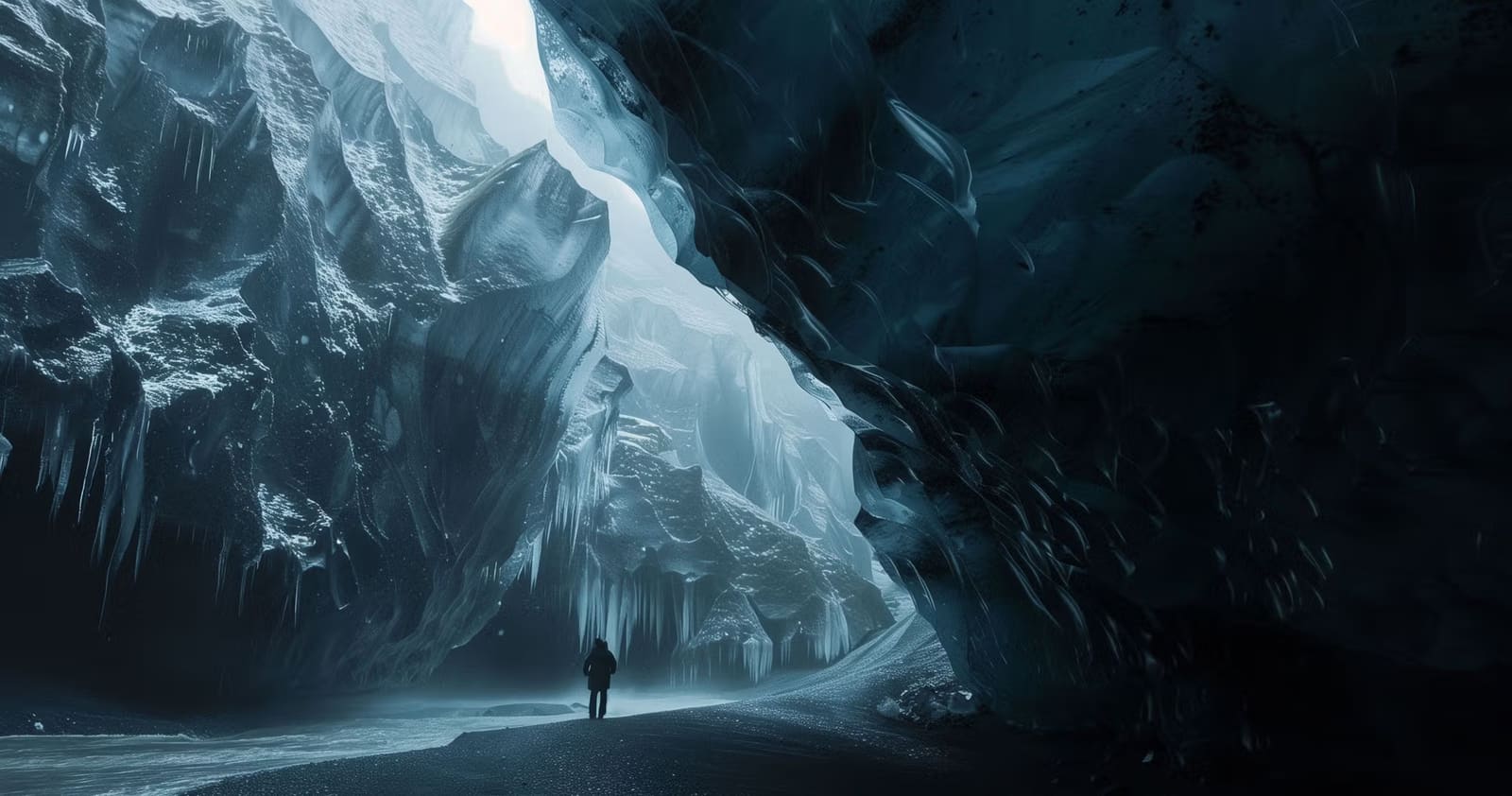
Natural blue caves are usually a winter-first idea, while other ice experiences may work across more of the year.
Worth adding?
When this fits your plan
Best for
Travelers who want a guided ice experience rather than only viewing a glacier from the road
Winter visitors comparing blue ice caves around Vatnajökull with easier South Coast cave options
South Coast travelers who can give the activity enough route time and weather flexibility
Photographers who understand that natural caves change and the exact photo is never guaranteed
Think twice if
Travelers who want to enter a natural glacier cave independently
Visitors who need guaranteed bright-blue chambers, exact cave names, or fixed current access from an evergreen guide
Natural blue cave, Katla-style cave, or man-made ice tunnel?
The phrase ice cave hides several different experiences. Sorting those out early prevents the most common disappointment: booking one kind of ice day while imagining another.
How the main Iceland ice-cave styles differ
Ice experience
Best fit
Watch out for
Natural winter blue cave
Travelers with winter dates who want the classic glacier-cave look around Vatnajökull, Skaftafell, or Jökulsárlón-style routes
Season, cave stability, weather, current access, and the fact that cave names and shapes can change
Katla-style volcanic ice cave
South Coast travelers near Vik who want a dramatic ash-striped ice cave and often broader seasonal possibilities
The look can be darker, wetter, and more volcanic than the bright-blue cave many travelers picture
Man-made ice tunnel or indoor exhibit
Travelers who want a more controlled ice experience, families, rough-weather days, or trips outside the strongest natural-cave window
It may be easier and more reliable, but it is a different experience from a natural glacier cave
Glacier hike with cave-like ice features
Active travelers who care more about being on the glacier than standing in a specific chamber
The cave element may be brief, unavailable, or replaced by crevasses, ridges, moulins, or blue ice walls
This is where the page should save you money and mood. If you want the classic winter blue-ice feeling, prioritize season and Southeast Iceland routing. If you are based near Vik or traveling outside winter, Katla-style options may make more sense. If reliability matters more than wildness, Perlan or another controlled ice experience may honestly be the better day.
The classic blue-cave look is only one version of an Iceland ice-cave day.
When can you visit ice caves in Iceland?
For many natural blue glacier caves, winter is the clearest planning window. Colder weather can make caves more stable, daylight is shorter, and tours are built around the limited safe access that guides can assess at the time.
That does not mean every ice experience disappears in summer. Katla-style volcanic ice-cave trips are often marketed with broader seasonal access, and man-made tunnels or indoor exhibits can be useful outside the natural-cave window. The important distinction is this: broader access does not remove the need for current safety, weather, and operator checks.
Winter: best for classic natural blue-cave expectations, but also short daylight and stronger demand.
Spring and autumn: more variable; verify exactly what the operator expects to visit.
Summer: think Katla-style or controlled ice experiences rather than assuming a classic blue winter cave.
Any season: wind, rain, melt, roads, and guide judgment can change the plan.
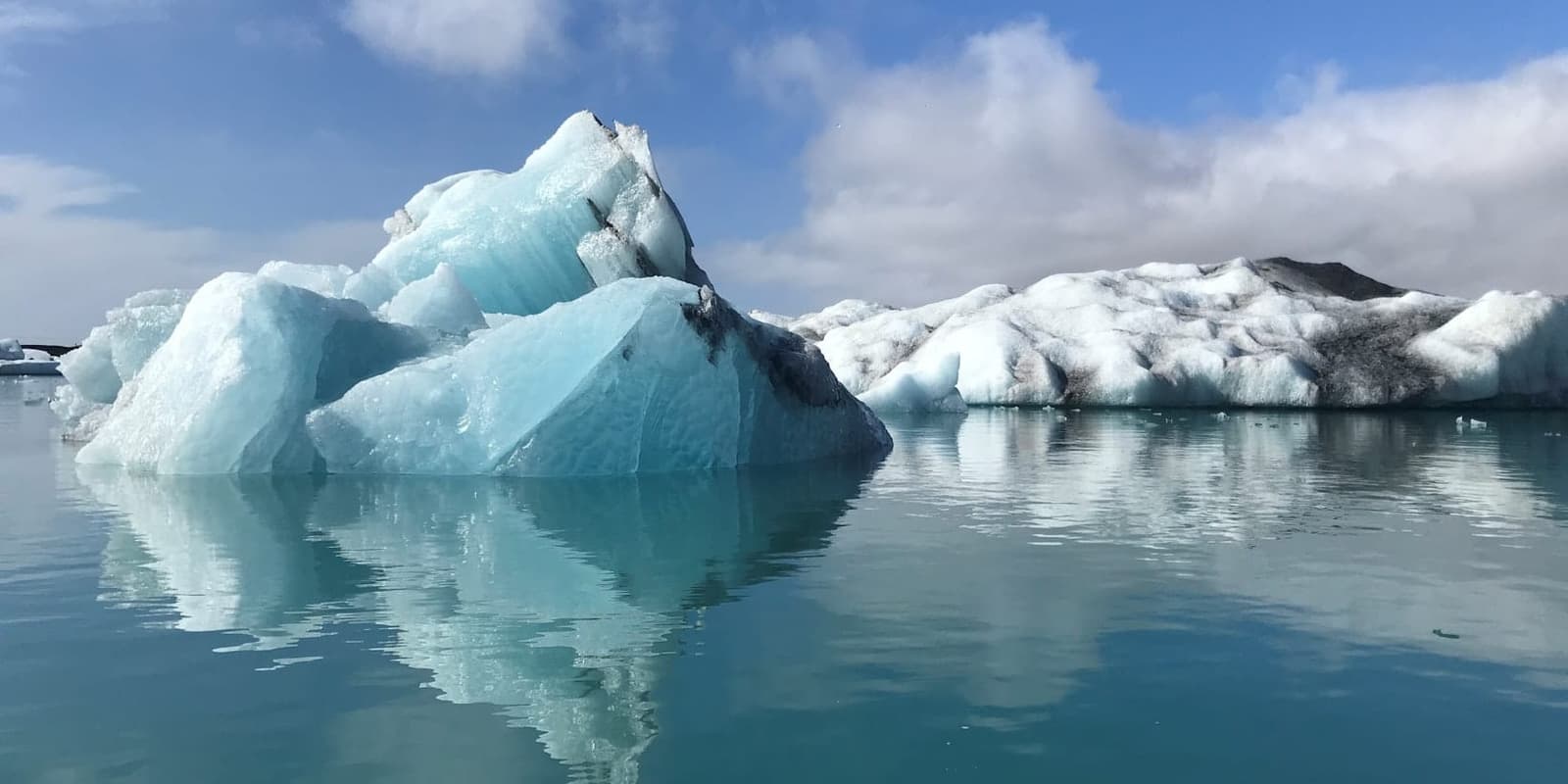
Natural blue caves are usually a winter-first idea, while other ice experiences may work across more of the year.
Where do ice-cave trips usually start?
Most travelers are choosing between a long Reykjavik-based day, a Vik/South Coast start, or a Southeast Iceland base near Skaftafell and Jökulsárlón. The best answer is usually the one that makes the rest of your day less silly.
Reykjavik departures can work if you want transport handled and accept a long, structured day. They are less graceful if you already plan to drive the South Coast yourself or if winter daylight makes the return feel rushed.
Vik is the practical base for many Katla-style tours and pairs naturally with South Coast stops such as waterfalls, black-sand coast, and glacier viewpoints. Skaftafell and Jökulsárlón-area starts usually suit travelers already going farther east or staying overnight in Southeast Iceland.
Short Reykjavik trip: consider whether a controlled ice exhibit or a guided departure is more realistic than self-driving deep into winter roads.
South Coast overnight: Vik or Skaftafell-area trips usually fit with less stress.
Ring Road or Southeast Iceland route: Jökulsárlón and Vatnajökull-area options become easier to justify.
No-car traveler: use operator transport, but read the total day length carefully.
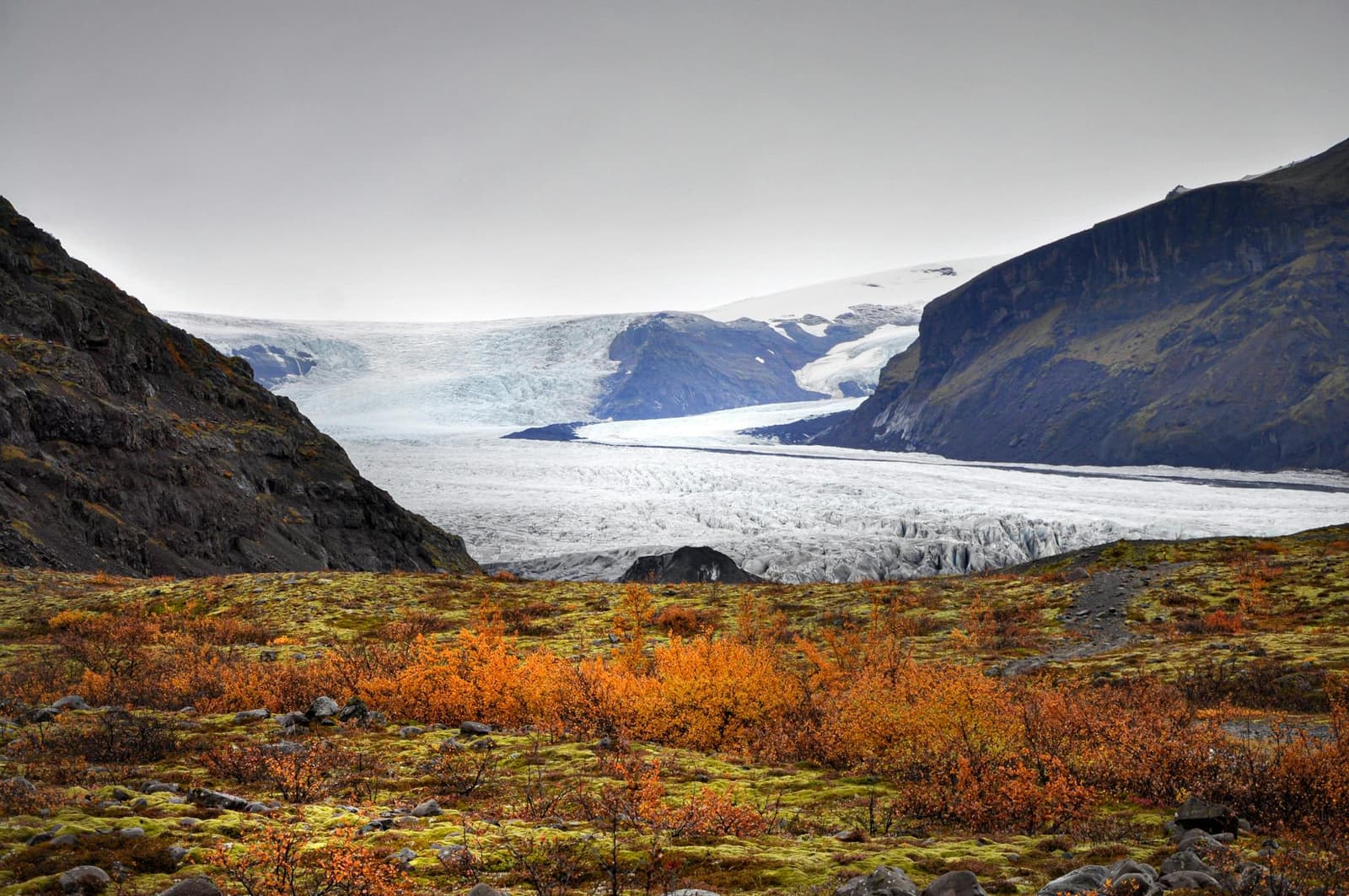
Southeast Iceland cave trips often make more sense when Jökulsárlón or Skaftafell already belongs in the route.
Do you need a guide for an ice cave?
For natural glacier ice caves, yes: plan on a guided trip. This is not about making the day fancy. It is about moving ice, hidden cracks, meltwater, falling ice, weather, and the fact that a cave can be safe one period and wrong later.
Official Vatnajökull National Park guidance after its 2024 review emphasized that under-ice formations can be dangerous and that guide qualifications, group management, registration, and equipment matter. That is the level of seriousness to bring to the decision.
A good guide does more than point at blue walls. They decide where to go, when not to go, how to move on ice, what gear is needed, and when the safer choice is a different cave, a shorter visit, or no cave at all. That last answer can be annoying. It can also be the right answer.
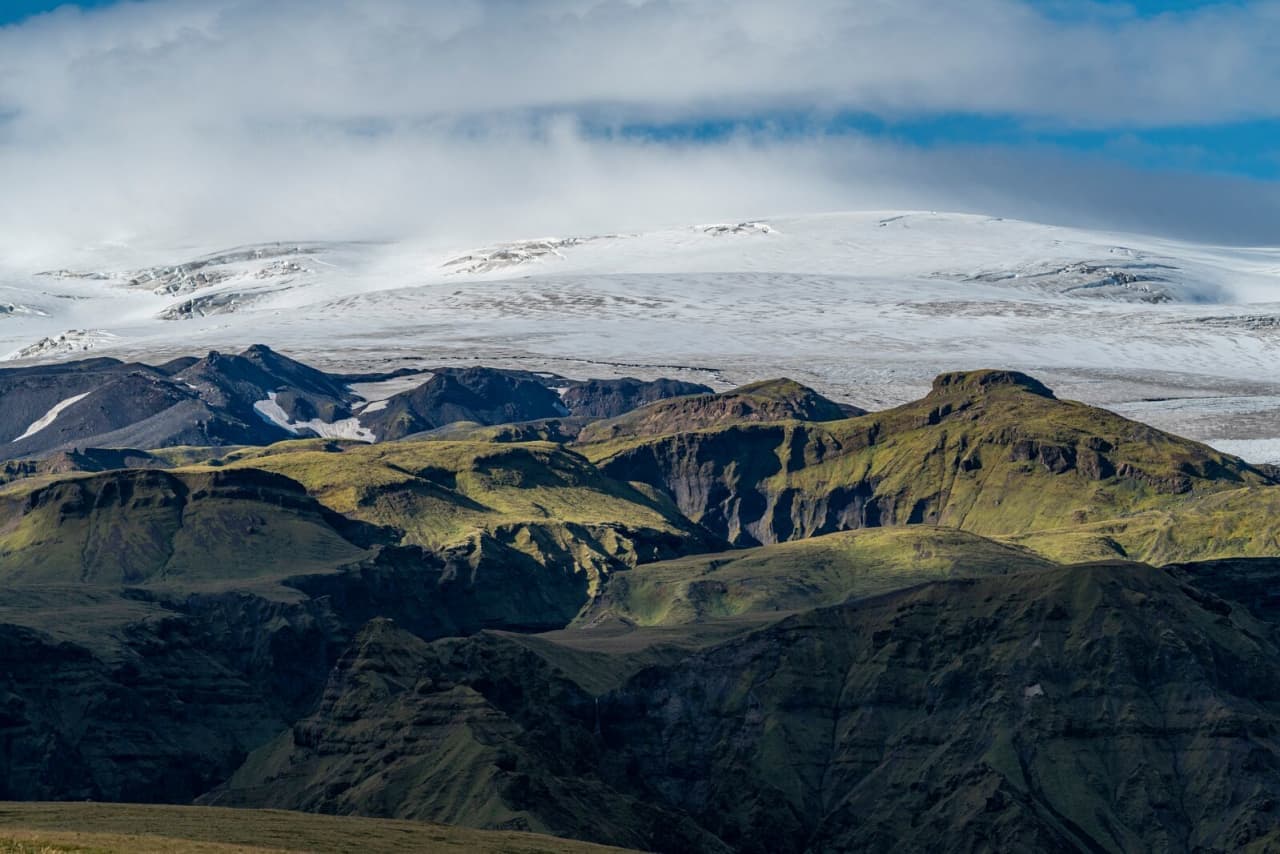
A guide matters because glacier terrain, safe access, and the right route can change with conditions.
What to wear and what gear is usually provided
Expect cold, wet, and slippery conditions even when the rest of the day feels mild. Ice caves can drip, boots can get wet, and standing still for photos feels colder than walking around town.
Wear warm base layers and an insulating mid-layer.
Use a waterproof and windproof outer shell rather than a city coat.
Bring gloves and a hat that fit under or around a helmet.
Wear sturdy hiking boots; confirm whether your boots work with the operator's crampons or microspikes.
Avoid cotton next to skin because it stays cold when wet.
Use a small bag only if the operator allows it inside the cave.
Operators commonly provide specialist safety gear such as helmets and traction equipment, but inclusions vary. Confirm footwear rules, rental options, age limits, and whether the tour includes a glacier walk, super jeep approach, or only a short cave visit.
Warm layers, waterproof outerwear, gloves, sturdy boots, and operator gear all matter once you are standing on ice.
What should you check before booking?
Ice-cave details are exactly the kind of travel facts that age badly. Do not rely on an old blog post for the current cave, route, meeting point, access rules, or weather call.
Check what cave or ice feature the operator currently expects to visit.
Confirm whether the tour is natural cave, Katla-style cave, man-made tunnel, glacier hike, or a combination.
Read age, mobility, footwear, and fitness requirements.
Check total duration, meeting point, pickup options, and winter daylight.
Read cancellation, weather, and safety-change policies.
Verify road and weather conditions if you are driving to the meeting point yourself.
This is especially important if the cave is the centerpiece of a short trip. A cancelled cave can be disappointing; a cancelled cave that also strands your whole South Coast day is worse. Keep a nearby backup: glacier viewpoints, Jökulsárlón, Diamond Beach, Perlan, a pool, a museum, or a shorter guided glacier activity.
When should you choose a different ice activity?
Sometimes the better Iceland ice day is not an ice cave. That is not settling. It is matching the activity to the group, season, weather, and route you actually have.
Pick glacier hiking if you want to move across the ice and learn the landscape rather than stand in a chamber. Pick glacier snowmobiling if the goal is speed, views, and a more machinery-led adventure. Pick an indoor or man-made ice experience if your group includes younger kids, nervous walkers, or travelers who want a more controlled environment.
Pick a scenic glacier stop if the day is already full. Jökulsárlón, Fjallsárlón, Skaftafell, Sólheimajökull viewpoints, and South Coast waterfalls can make a brilliant day without forcing a guided cave into a weak slot.
A controlled ice exhibit can be the better answer when a natural cave is too weather-sensitive for the group.
Ice cave FAQ
These are the questions worth answering directly before you book.
Can you visit ice caves in Iceland in summer?
Yes, some ice experiences are possible in summer, but classic natural blue glacier caves are usually winter-focused. Summer travelers should look closely at Katla-style volcanic caves, man-made tunnels, or indoor ice exhibits and verify the current offering.
Can you visit an ice cave without a guide?
No, natural glacier ice caves should not be visited independently. Use a qualified guide because glacier ice, roofs, crevasses, meltwater, and access conditions can change.
Are ice caves safe for beginners?
Guided beginner-friendly trips can be suitable for many first-timers, but the activity still involves cold, slippery, uneven, and sometimes enclosed conditions. Check the operator's age, fitness, footwear, and mobility rules before booking.
Will the cave look like the photos?
Not always. Natural caves change by season, weather, light, melt, ash, and safety decisions, so book for the whole guided glacier experience rather than one exact blue-room image.
Is Katla or Vatnajökull better?
Neither is automatically better. Katla-style caves can be easier for Vik/South Coast timing and broader seasons, while Vatnajökull-area caves are often the classic winter blue-ice dream when your route reaches Southeast Iceland.
Official resources for current checks
Use evergreen advice for the shape of the decision, then let current sources decide the day.