Use this guide to decide whether glacier snowmobiling belongs in your Iceland trip, where it fits best, and what to check before committing.
Best planning use
Use snowmobiling as the main adventure of the day, then keep nearby sightseeing simple.
Common bases
Langjokull works best with Reykjavik, the Golden Circle, or Husafell; South Coast and southeast options fit different road-trip days.
Licence check
Drivers usually need a valid driving licence, while passengers may not; exact age and licence rules belong with the operator.
Gear
Operators commonly provide helmets and insulated riding gear, but you still need warm layers and sturdy footwear.
Experience fit
Best planning use
Use snowmobiling as the main adventure of the day, then keep nearby sightseeing simple.
Common bases
Langjokull works best with Reykjavik, the Golden Circle, or Husafell; South Coast and southeast options fit different road-trip days.
Licence check
Drivers usually need a valid driving licence, while passengers may not; exact age and licence rules belong with the operator.
Gear
Operators commonly provide helmets and insulated riding gear, but you still need warm layers and sturdy footwear.
Biggest variable
Weather, visibility, snow surface, and glacier access can change the ride, timing, or whether the tour runs.
Best alternative
Pick a glacier hike, ice cave, snowcat ride, or glacier viewpoint if you want slower, cheaper, less driving-focused, or more sheltered ice time.
Should you plan a day around glacier snowmobiling?
Glacier snowmobiling is best when you want the glacier to feel wide, exposed, and a bit wild without learning technical glacier travel. It is not the cheapest or most flexible ice activity, but it can be a brilliant day when the timing and group are right.
The useful question is not whether snowmobiling sounds exciting. Of course it does. The better question is whether your trip can give it enough space. A snowmobile ride often sits inside a larger guided outing: pickup or self-drive, transfer toward the glacier, gear fitting, safety briefing, the ride itself, and the return. If your day is already crowded, the ride can start to feel like a rush to reach the fun part.
It works well for travelers who want a guided adventure with a clear beginning and end. You get scale, cold air, wide views, and the odd little thrill of realizing that the white surface under you is a moving glacier, not a ski field. It works less well if you want slow photography time, low cost, full schedule freedom, or a quiet nature walk.
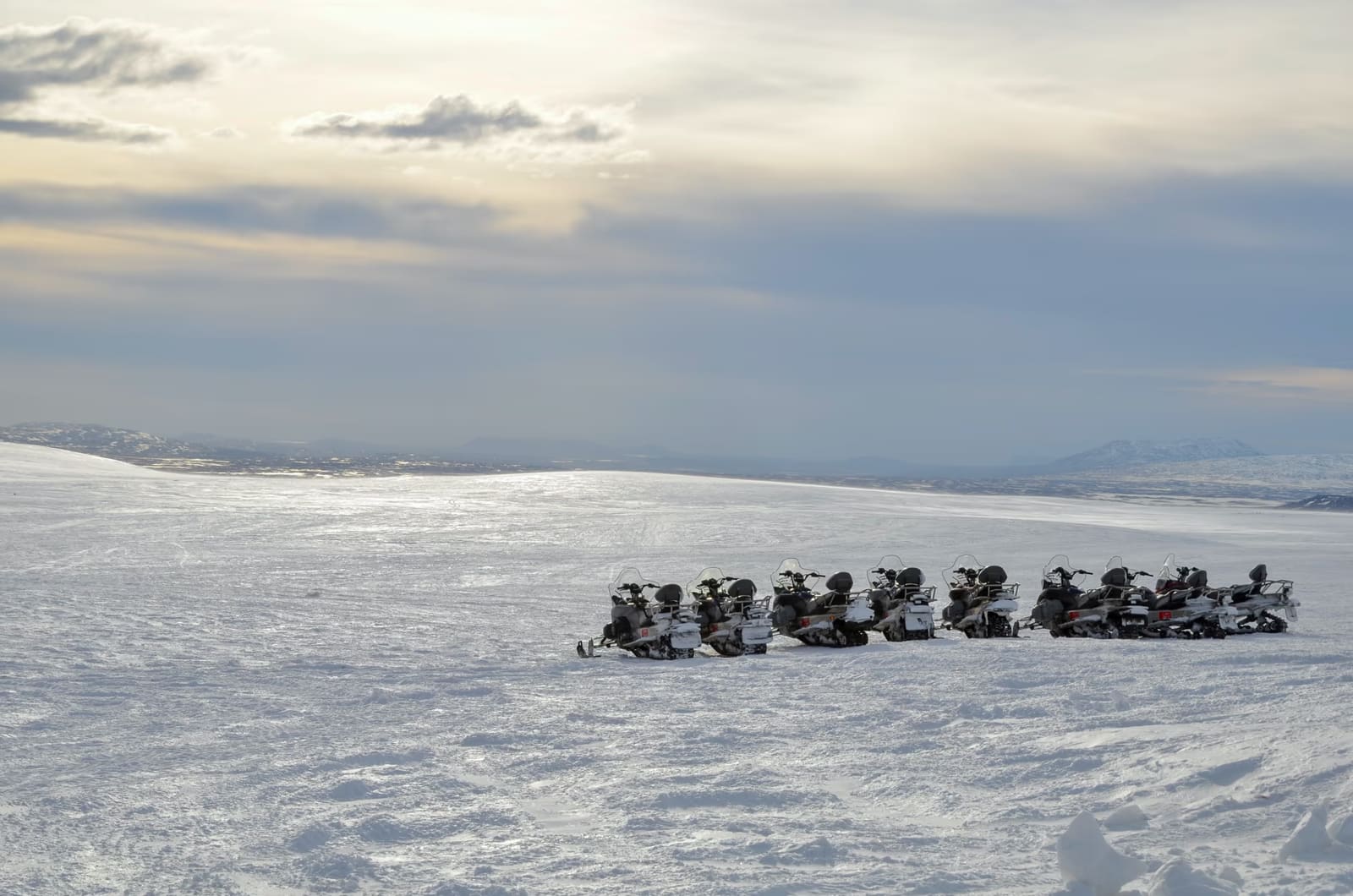
Glacier snowmobiling deserves room in the day because the ride sits inside a larger guided glacier outing.
Photo guide
Glacier Snowmobiling in photos
1 / 7
Supplied outer gear helps, but warm layers and sturdy footwear underneath still decide how comfortable the ride feels.
Worth adding?
When this fits your plan
Best for
Travelers who want a guided glacier activity with speed, scenery, and a clear briefing before the ride
Golden Circle or Reykjavik-based trips that can spare a half or full day for Langjokull access
South Coast travelers comparing a snowmobile ride with glacier hiking, ice caves, or a scenic glacier stop
Groups where at least one person is comfortable driving and can meet the current operator licence rules
Think twice if
Travelers who want a cheap, flexible, no-booking activity
Groups without a qualified driver unless everyone is happy to ride as a passenger where allowed
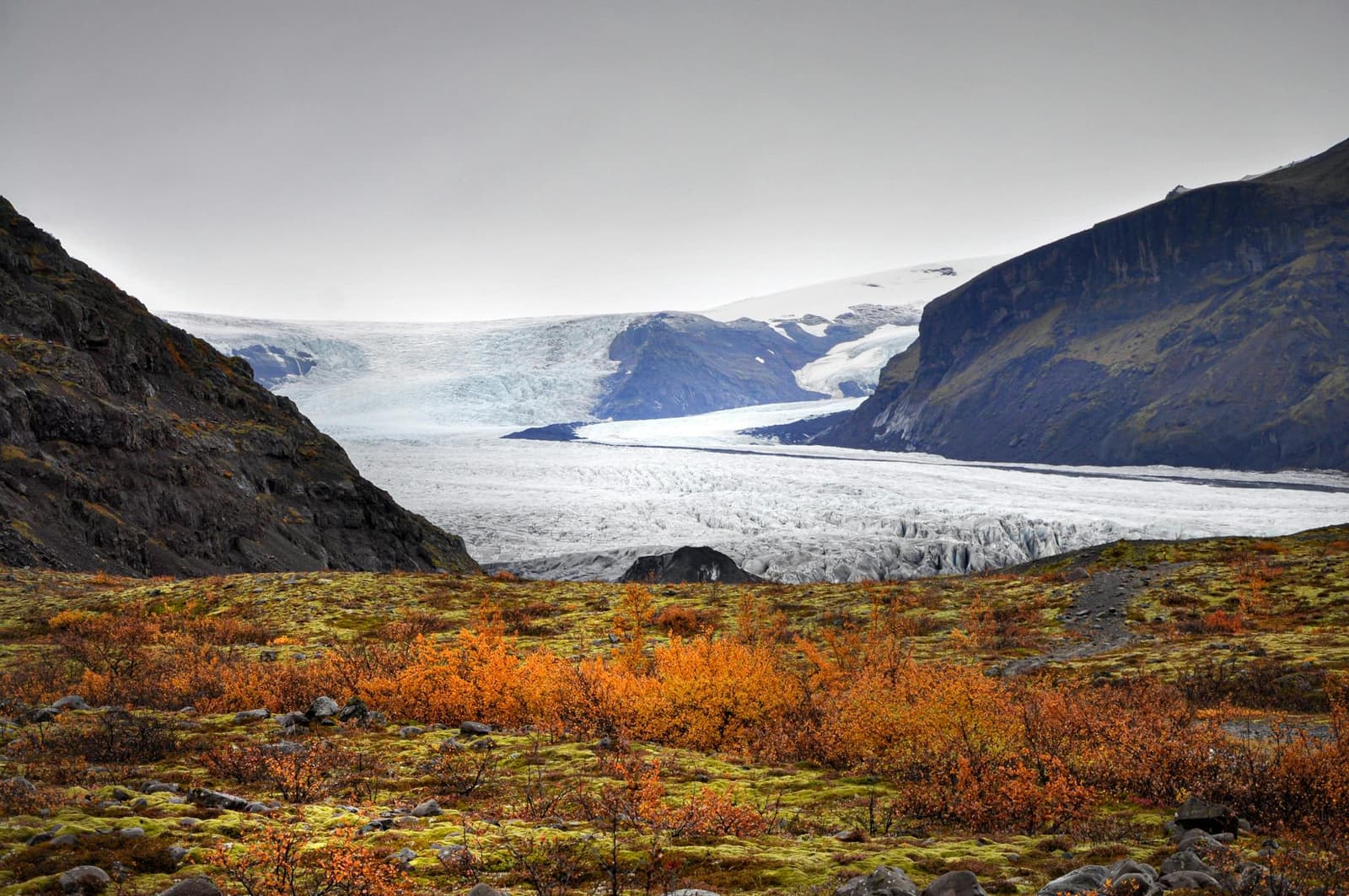
Most visitor-friendly snowmobiling happens as a guided glacier activity, not as an independent rental. The common planning zones are Langjokull, the South Coast glacier-volcano area, and southeast Iceland around Vatnajokull.
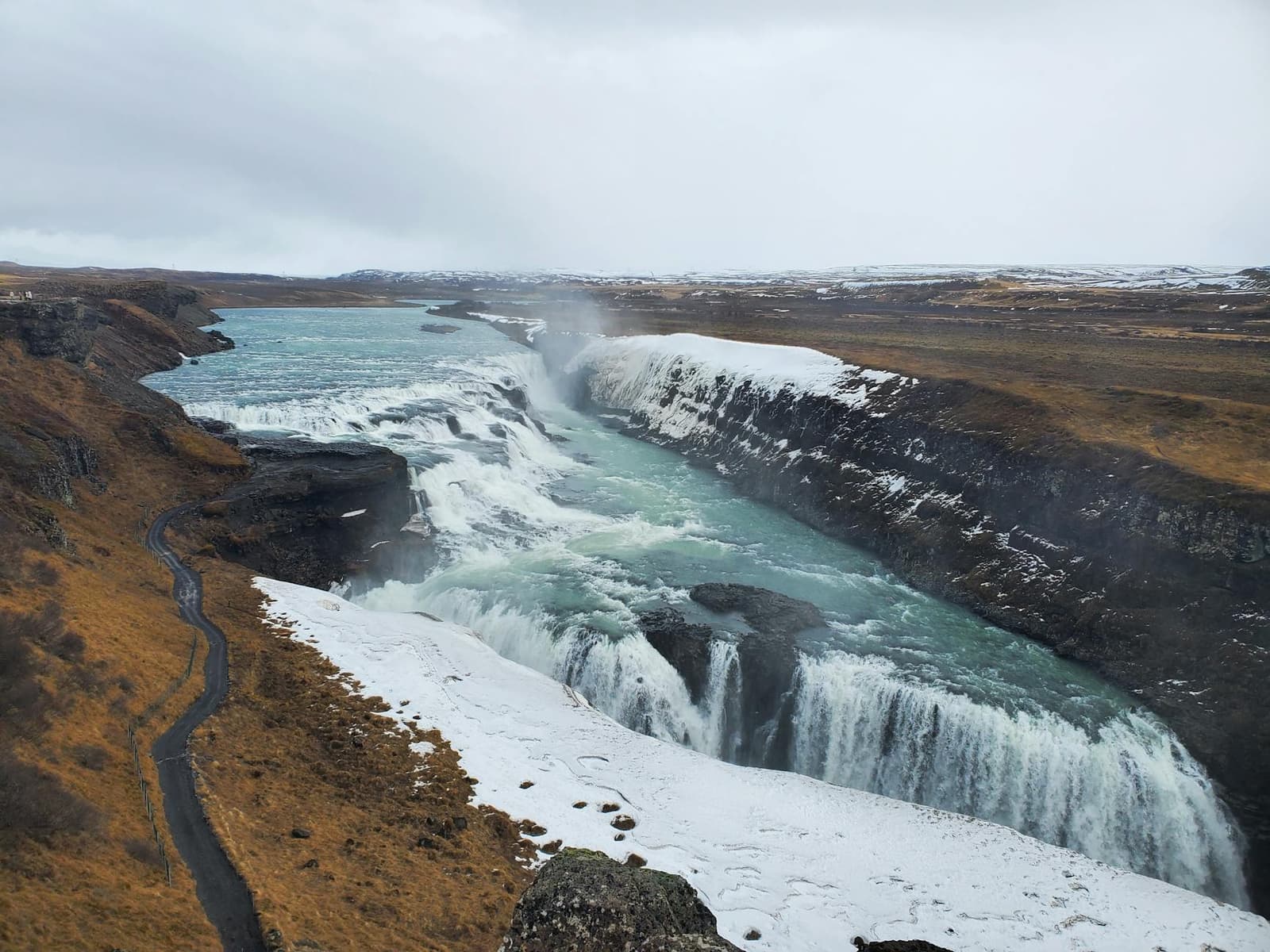
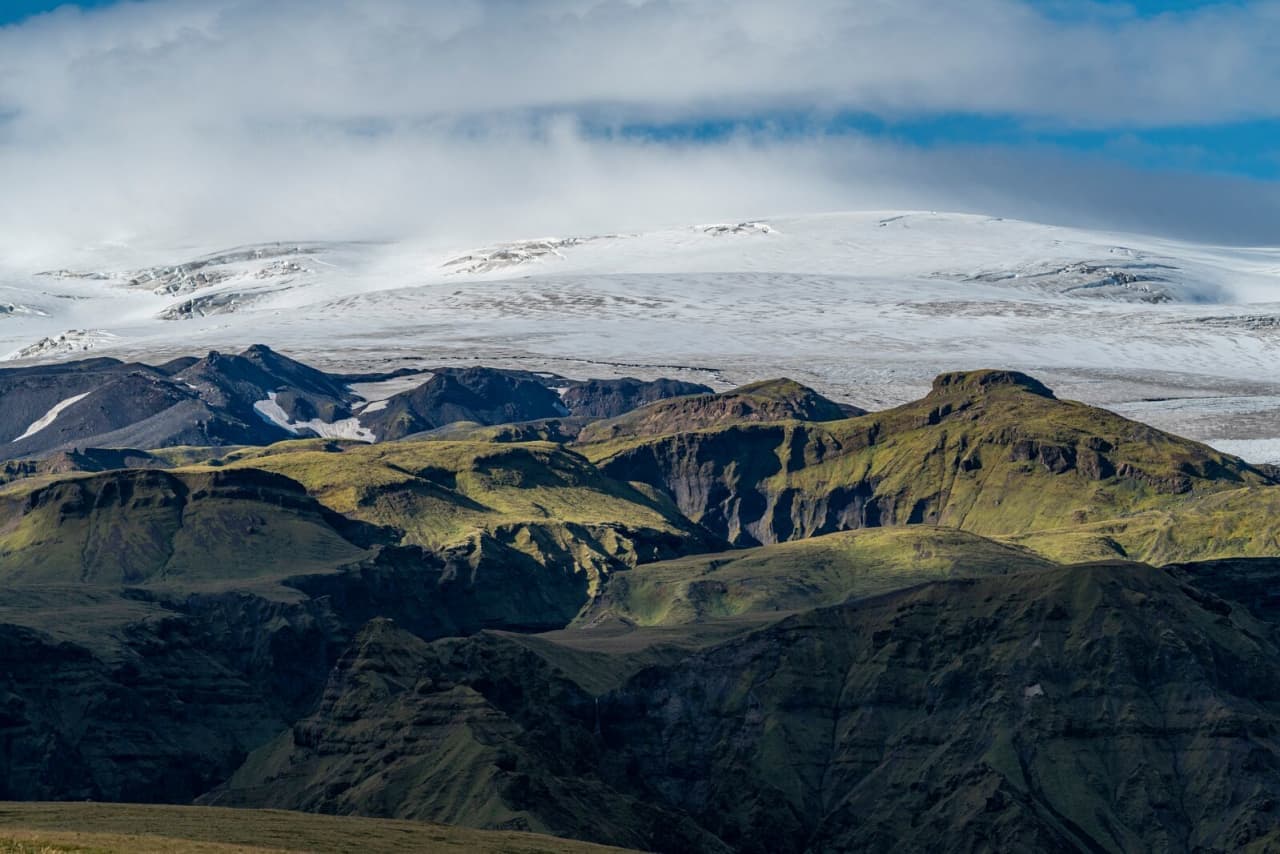
Langjokull is the easiest name to recognize for many travelers because it pairs naturally with the Golden Circle, Gullfoss, Husafell, or a long Reykjavík pickup day. South Coast options around Eyjafjallajokull or the Myrdalsjokull area can suit travelers already heading toward waterfalls, black-sand coast, and Vík. Southeast options near Vatnajokull and Jokulsarlon-style routes are more natural for Ring Road or South Coast trips that already reach the glacier-lagoon area.
The important part is the base, not the brochure adjective. A glacier that looks close on a map may still require specialist vehicles, guide coordination, weather checks, and a fixed meeting point. Treat the operator’s current meeting instructions as the final word, especially if you are self-driving.
Reykjavik or Golden Circle day: start by comparing Langjokull access and pickup options.
South Coast day: compare Eyjafjallajokull or Myrdalsjokull-area operators with the rest of your stops.
Southeast/Ring Road day: compare Vatnajokull-area snowmobiling with glacier hikes, ice caves, and lagoon time.
Highlands-style day: expect access, weather, and meeting-point rules to matter more than simple distance.
Snowmobiling happens through guided glacier access, so the base and transfer matter as much as the glacier name.
Langjokull, Eyjafjallajokull, or Vatnajokull?
This is the comparison most travelers need. The best answer depends on where you are sleeping, how much of the day you can give up, and whether snowmobiling is the main event or an add-on.
How the main snowmobile areas usually differ for trip planning
Area
Best planning fit
Watch before booking
Langjokull
Reykjavik, Golden Circle, Gullfoss, or Husafell-based days where the snowmobile ride is the main adventure.
Long transfer time from Reykjavík, fixed meeting instructions, weather decisions, and whether you want pickup or self-drive.
Eyjafjallajokull / South Coast
Travelers already building a South Coast day and wanting glacier-volcano scenery without continuing all the way southeast.
Seasonal windows, South Coast weather, and whether the day is already too full with waterfalls and Vík-area stops.
Vatnajokull / southeast
Ring Road and southeast Iceland travelers who are already near Jokulsarlon, Hofn, or glacier-lagoon country.
Current operating season, meeting point, road conditions, and whether a glacier hike or ice cave is a better use of the same area.
If you are only in Iceland for a short Reykjavík-based trip, Langjokull is usually the cleanest place to start your research. If you are already driving the South Coast, do not add a Reykjavík pickup-style snowmobile day without checking the backtracking. And if your route reaches the southeast, compare snowmobiling with the excellent glacier-hike and glacier-lagoon choices already competing for your time.
What does the tour day actually feel like?
The ride is only one part of the day. A good snowmobile outing also includes the build-up: the drive toward the ice, the switch into cold-weather gear, the safety talk, and the moment the glacier opens up around you.
Most tours start calmly, then become more serious as you move toward the glacier. You may transfer by super jeep, monster truck, snow vehicle, or operator transport depending on the area. At base, guides fit or check gear, explain the controls, set the riding order, and make sure drivers understand the rules. Two people often share one machine, with solo driving sometimes available as an upgrade.
The actual ride can feel easy and intense at the same time. The machine does much of the work, but cold, wind, visibility, noise, and the exposed surface make the environment feel bigger than a normal sightseeing stop. If conditions are clear, the views can be enormous. If the weather is moody, the experience can feel more Arctic than postcard. Both can be memorable; neither should be treated casually.
The time reality
Ride time
The snowmobile portion is often shorter than the total tour day, so check how much time is actual riding.
Transfer time
Reykjavik pickups and glacier access roads can turn a short ride into a half-day or full-day plan.
Weather time
Delays, rerouting, slower transfers, or operator cancellations are possible when glacier conditions change.
A snowmobile day includes gearing up, guide instructions, group pacing, and pauses as well as the riding itself.
Do you need a driving licence?
Usually, yes if you want to drive the snowmobile. Passengers often do not need a licence, but age, driver, passenger, and sharing rules vary by operator and product.
Operator pages commonly state that drivers need a valid driving licence, while passengers can ride without one. Some operators set a minimum age for drivers, a different minimum age for passengers, and special rules for children, solo riders, or odd-numbered groups. Do not rely on a generic article for those details. Check the exact product before paying.
This matters most for groups where only one person drives, families with children, travelers with licence uncertainty, and anyone assuming a passenger can simply switch into the driver seat halfway through. If switching drivers matters to you, confirm it before booking.
Driver rules matter because operating the snowmobile is different from joining as a passenger.
What to wear and what gear is usually provided
Snowmobile operators commonly provide the specialized riding gear, but your base layers still decide whether you are comfortable. Icelandic glacier weather has a way of finding every optimistic clothing choice.
Expect operators to provide items such as helmets, insulated suits or overalls, gloves, boots or overshoes, and sometimes balaclavas. The exact gear varies, so read the current inclusion list. Under that, dress like you will be standing around in cold wind before and after the ride: thermal layers, warm socks, weatherproof outerwear, headwear, gloves, and sturdy winter or hiking footwear.
Wear warm base layers rather than relying only on the supplied outer suit.
Use sturdy shoes or boots that work before and after the snowmobile section.
Bring sunglasses or eye protection if the operator recommends it, especially in bright snow.
Pack snacks or lunch if the tour day is long and food is not included.
Avoid cotton layers that stay damp and cold.
If you are coming from a mild city day, this is the activity where you should over-prepare slightly. Being warm does not make the ride less adventurous. It just keeps your face from quietly filing a complaint.
Supplied outer gear helps, but warm layers and sturdy footwear underneath still decide how comfortable the ride feels.
Is glacier snowmobiling safe for beginners?
It can be suitable for beginners when it is guided, conditions are acceptable, and everyone follows the briefing. Beginner-friendly does not mean casual or independent.
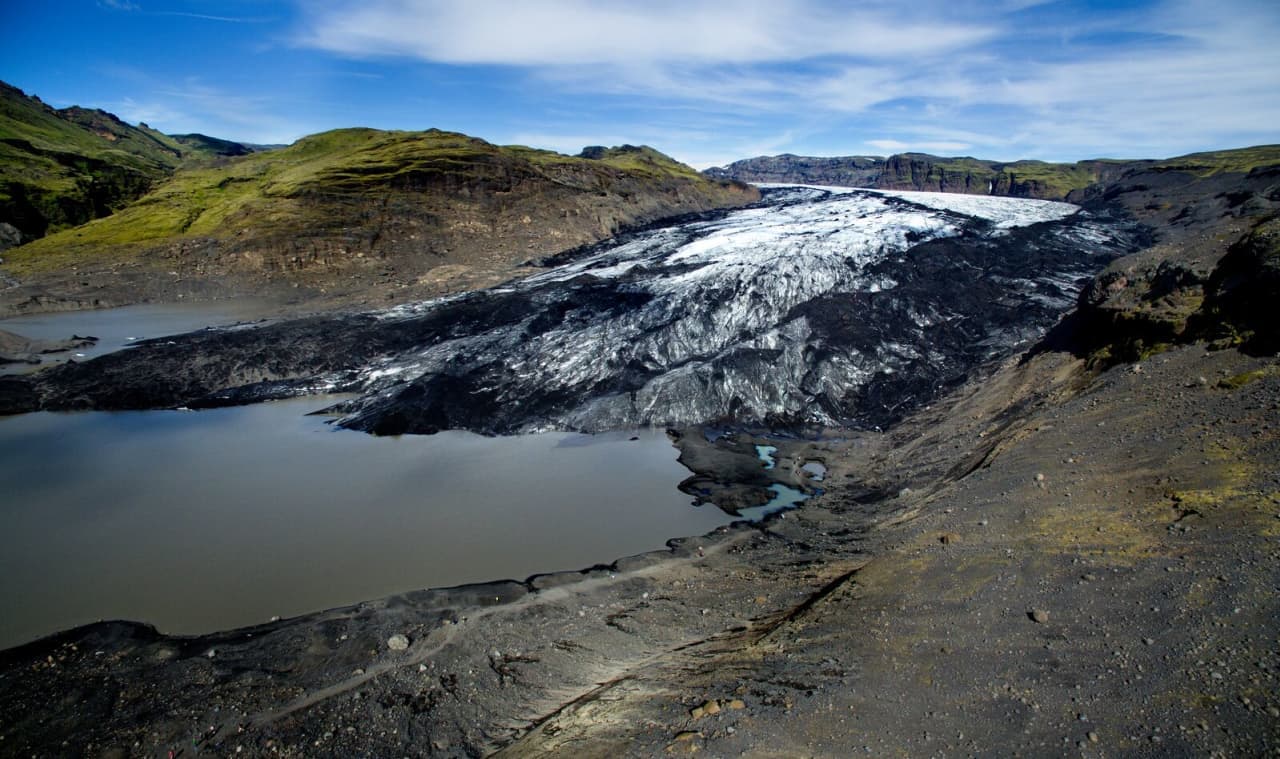
The normal visitor version of glacier snowmobiling is built around guides, marked or managed riding areas, supplied gear, and group pacing. That structure is the point. Glaciers move, hide crevasses, and can have harsher weather than surrounding lowlands. SafeTravel’s glacier guidance is blunt for a reason: do not go onto glaciers without experience, proper equipment, and qualified local knowledge.
For beginners, the safer question is not “Can I operate the machine?” but “Can I listen, stay in line, keep the speed controlled, handle cold wind, and accept that the guide may change the plan?” If that sounds fine, snowmobiling can be a very approachable adventure. If your group dislikes rules, exposure, or cold, pick a different ice experience.
Beginner-friendly still means guided, weather-aware, and respectful of the glacier surface.
When should you choose a different glacier activity?
Snowmobiling is not the universal glacier answer. Sometimes the better choice is slower, cheaper, warmer, quieter, or easier to fit into the route you already have.
Pick a glacier hike if you want to spend more time learning about ice underfoot and do not need engine speed. Pick an ice cave if the seasonal cave experience is the reason you are excited, and the current cave conditions support it. Pick a snowcat, monster-truck, or glacier-view tour if your group wants glacier scale with less driving responsibility. Pick a glacier lagoon boat or viewpoint if you want scenery more than a powered ride.
Also skip snowmobiling when the day around it is already too complicated. A timed glacier activity after a long winter drive, followed by more major stops, is how good plans get brittle. If the snowmobile tour is the thing you will remember, protect it. If it is just one more item on a crowded list, cut it or change the day.
Choose glacier hiking for slower, more physical time on ice.
Choose an ice cave when seasonal cave access is the main reason for the day.
Choose a snowcat or monster-truck glacier ride for lower-effort glacier scale.
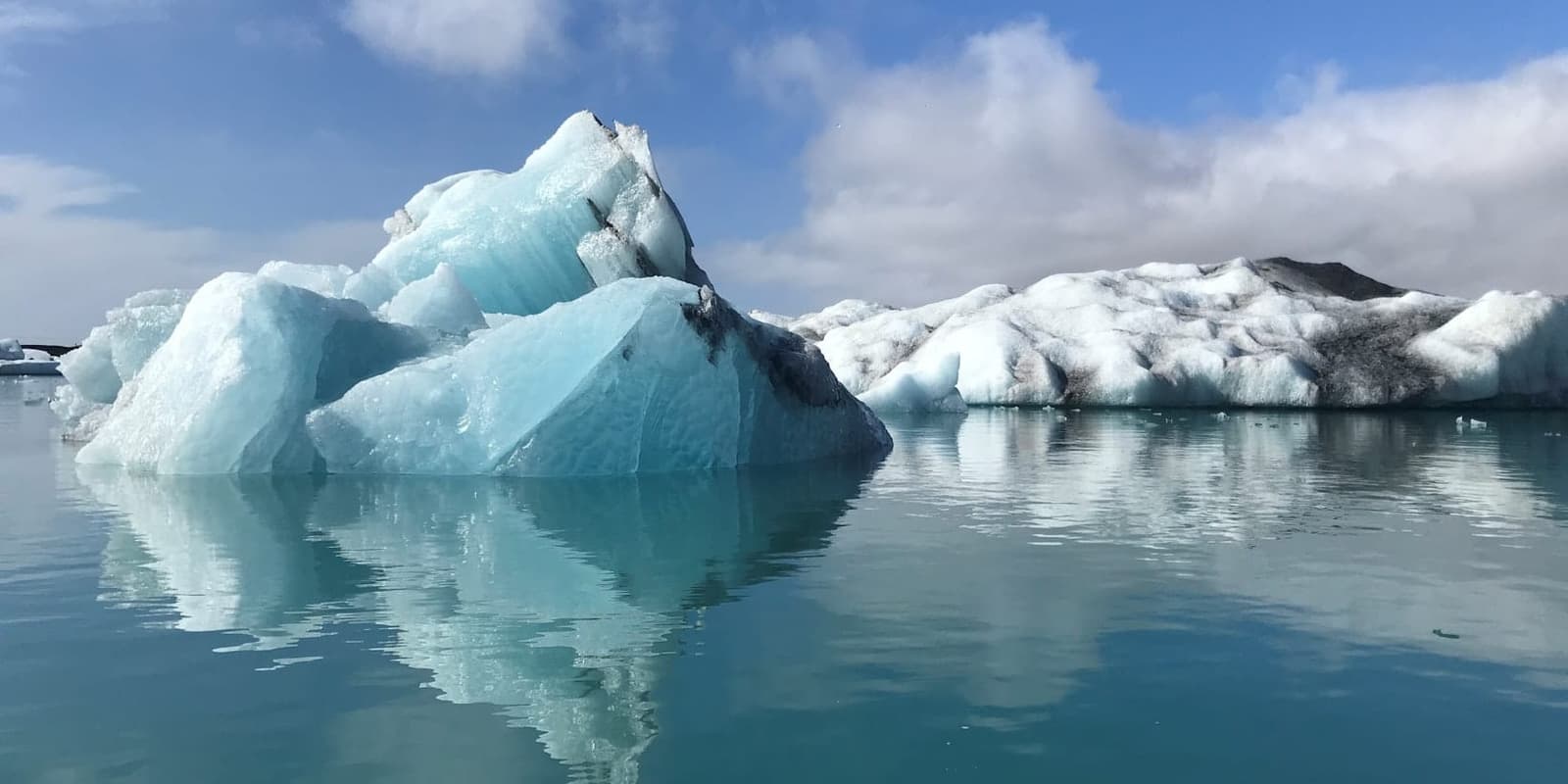
Choose Jokulsarlon or a glacier viewpoint when scenery matters more than driving a machine.
Choose a simpler plan when weather, licence rules, age rules, or timing make snowmobiling awkward.
A glacier hike is the better swap when you want slower time on the ice instead of a powered ride.
Glacier snowmobiling questions
These are the questions that usually decide whether snowmobiling stays in the plan or gets replaced with another glacier experience.
Can beginners go glacier snowmobiling in Iceland?
Yes, many guided glacier snowmobile tours are designed for beginners who meet the operator requirements. You still need to follow the guide, dress for cold conditions, and accept weather-based changes.
Do I need a licence to drive a snowmobile in Iceland?
Usually yes, the driver needs a valid driving licence. Passengers may not need one, but age, licence type, and driver-switching rules vary, so check the exact operator page before booking.
Is Langjokull the best place for snowmobiling?
Langjokull is often the easiest snowmobile option for Reykjavik, Golden Circle, Gullfoss, and Husafell-based plans. It is not automatically best for South Coast or southeast Iceland routes, where other glacier activities may fit better.
What should I wear for glacier snowmobiling?
Wear warm base layers, sturdy winter or hiking shoes, warm socks, gloves, headwear, and weatherproof outerwear unless the operator says otherwise. Supplied riding gear helps, but it does not replace dressing well underneath.
Is snowmobiling better than a glacier hike?
Snowmobiling is better if you want speed, wide glacier views, and a guided powered ride. A glacier hike is better if you want slower time on the ice, more explanation, and a more physical close-up experience.
Sources to check before you book
Use current official and operator sources for anything that changes: weather, glacier safety, road access, departure times, age rules, licence rules, included gear, and cancellation decisions.