Experience fit
- Quietest format
- Manuscripts or seated stories
- Most movement
- A guided folklore walk
- Hands-on choice
- Reconstructed living history
- Place-first route
- West or South Iceland
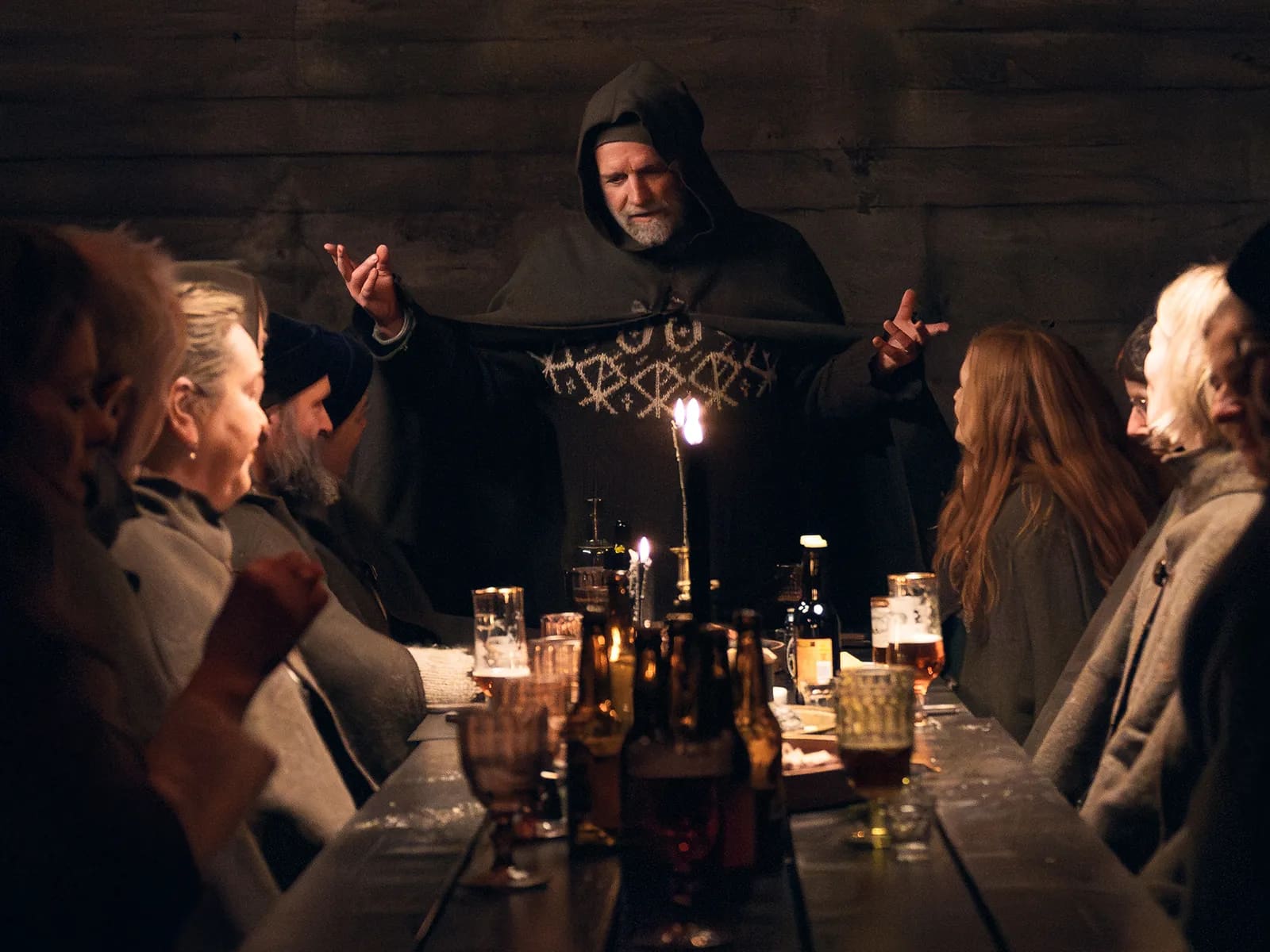
Saga and folklore experiences in Iceland range from candlelit storytelling and guided city walks to reconstructed longhouses and manuscript exhibitions. The most useful first choice is not a famous Viking name. It is the role you want: listener, walker, questioner, handler, viewer, or performer.
Experience fit
A storyteller pauses, the table goes quiet, and a name from an Icelandic saga suddenly belongs to the farm, mountain, or valley outside. In a reconstructed longhouse, the same shift can happen through firelight, timber, questions, and the weight of a replica object in your hands.
That is the appeal of a saga or folklore experience: it gives a place a human voice. You do not need to know the family lines in Njál’s Saga or arrive with a list of Norse gods. A clear guide, one vivid episode, and the right setting can be enough to make the story stay with you.
Start by choosing your part in the encounter. A quiet listener may love an evening around a table. Someone who gets restless in a lecture may prefer a folklore walk, a longhouse with objects, or an interactive exhibition. The word “Viking” alone tells you very little about which of those you are buying.
Photo guide
1 / 7
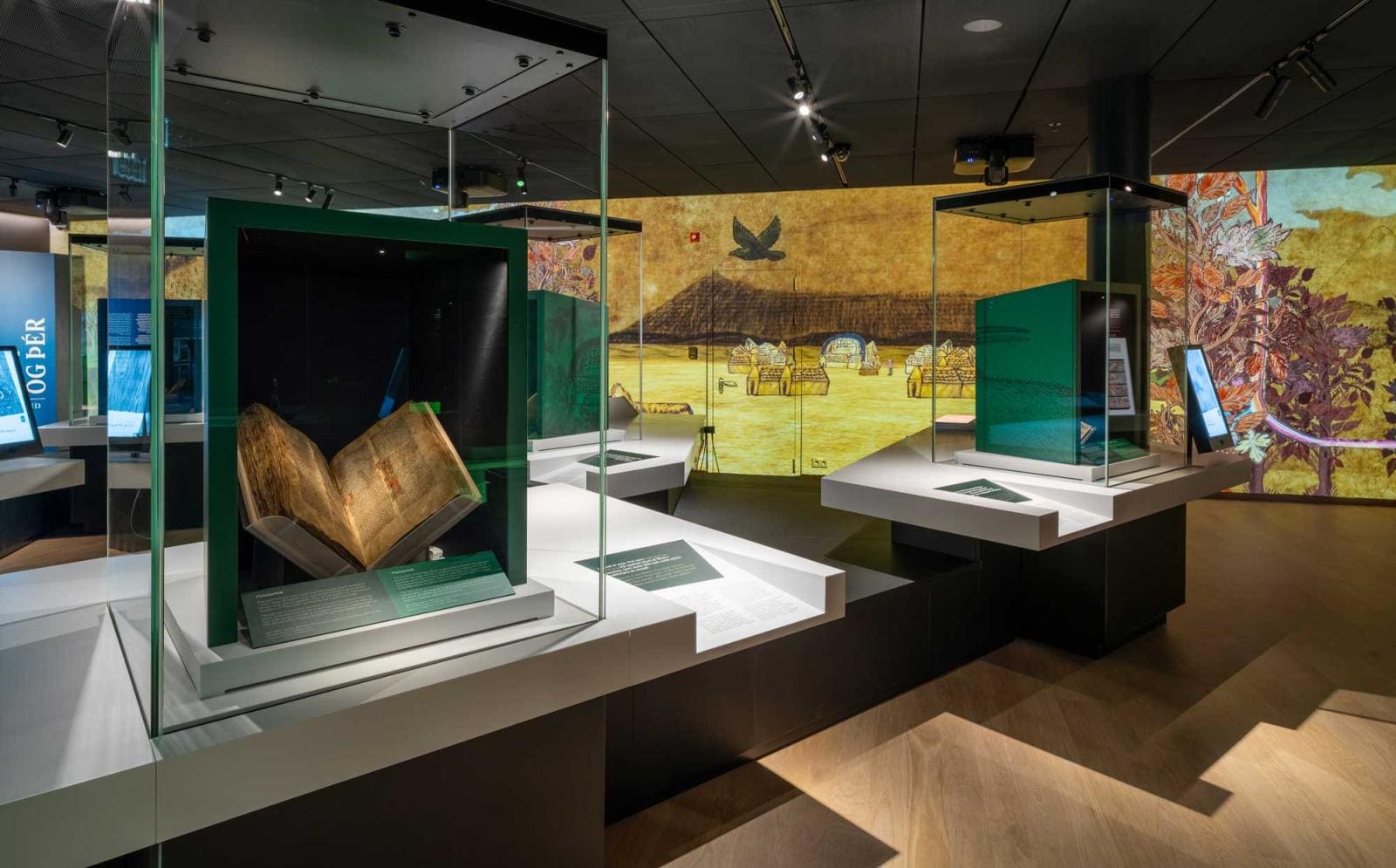
An adult and child use an illuminated manuscript table inside World in Words in Reykjavík.
Good to know
The subject may be Viking-age settlement, a medieval saga, trolls, ghosts, or Norse mythology. The format decides how the hour actually feels.
| Story format | What you do | Setting | Audience it tends to suit |
|---|---|---|---|
| Seated live storytelling | Listen, watch the storyteller, and often ask questions | Farm table, small room, or intimate performance space | Travelers happy to settle into one sustained story |
| Guided folklore walk | Walk, pause, listen, and attach stories to real streets | Reykjavík centre or another place-led route | People who enjoy movement and do not mind outdoor conditions |
| Reconstructed living history | Listen, ask, inspect, and sometimes handle replica objects | Longhouse, farmstead, or recreated working space | Questioners, families, and visitors who learn through objects |
| Manuscript or multimedia exhibition | Read, look closely, and use interactive displays at your pace | Museum or compact cultural exhibition | Mixed interests, quieter visitors, and flexible attention spans |
| Costume or performance session | Dress, pose, act, or join a staged scene | Studio, festival, theatre, or themed attraction | Social groups who want participation or a photograph |
None of these formats is automatically more historical or more meaningful than another. Decide whether you want a story, an object, a place, or a performance to lead. If the photograph is the main result, choose a costume session knowingly; if the words matter most, protect enough quiet time to hear them.
Setting is more than scenery. It changes what the storyteller can point to and how much of the experience happens through your own movement.
A Reykjavík folklore walk is the easiest place-led option without a car. Corners, graveyards, old houses, and public spaces become the stage while the group keeps moving. It pairs naturally with a wider day of Reykjavík activities, but the weather, walking surface, darkness, and story mood still need to suit the group.
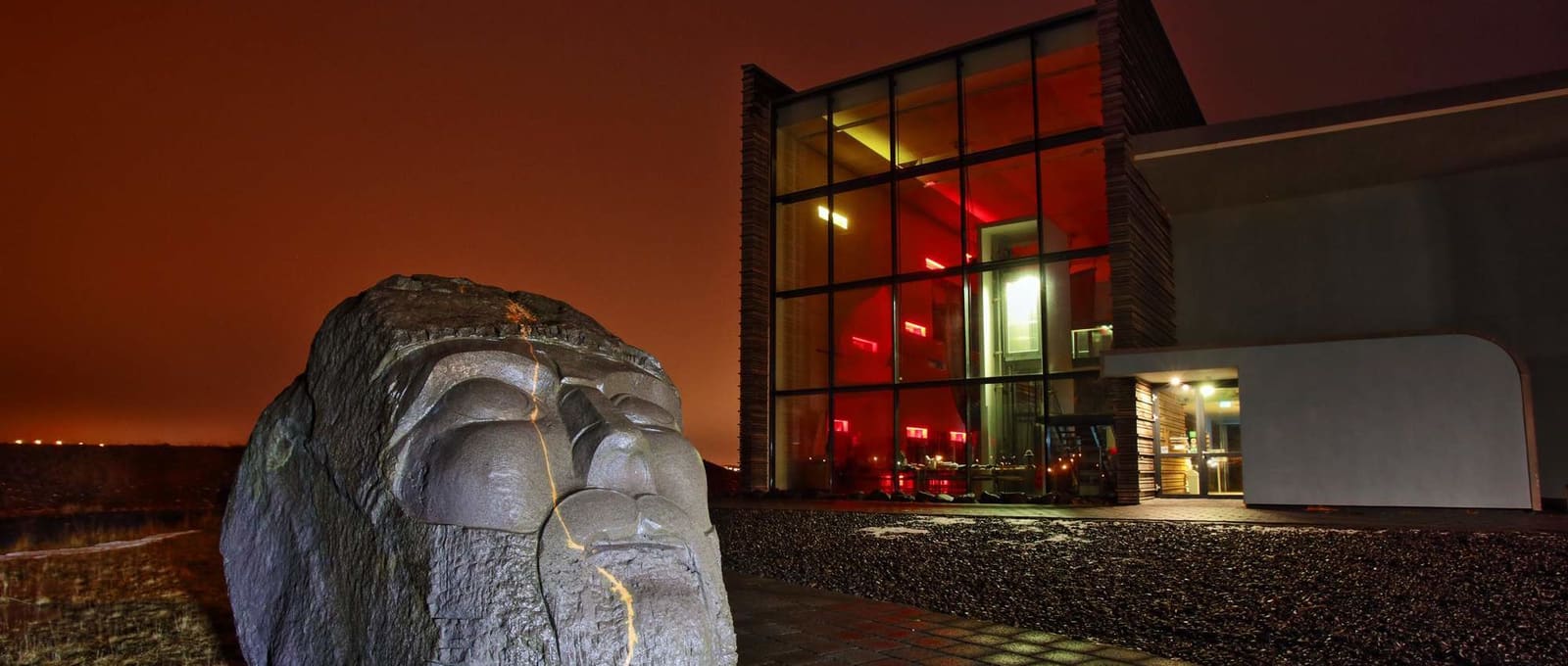
At Eiríksstaðir, the reconstructed longhouse supplies scale, material, and a place for questions. This is a stronger choice for travelers who want to see how people might have shared one room and who enjoy interpretation through replica objects as well as words. The nearby remains also separate reconstruction from archaeology.
A farm evening in South Iceland is slower and more social. The group sits with one storyteller and one regional thread instead of collecting sights. It can be a memorable counterpoint to a scenery-heavy day, but only when a talk-led evening sounds appealing and the rural arrival is sensible for the route.
Visitor pages often place sagas, mythology, folklore, ghosts, and Viking themes in one basket. They can share characters and settings, but they do not give you the same evidence or the same kind of experience.
Icelandic saga texts survive in manuscript collections, so a place such as World in Words can put the written tradition in front of you. Manuscript cases, large illustrations, games, and multimedia suit travelers who want to inspect the source material and move at their own pace. The Settlement Center takes another route, using staged scenes and audio to carry settlement history and Egils Saga.
Folklore also lives through collected oral traditions. A walking guide may tell stories of hidden people, trolls, or ghosts; the Museum of Icelandic Sorcery and Witchcraft uses objects and displays tied to Strandir’s darker material. Enjoy the strangeness without turning one story into a claim about what every Icelander believes.
Age labels are less useful than knowing what the child or teenager will do for the next hour. Movement, objects, questions, screens, darkness, and one long spoken story ask for very different kinds of attention.
A reconstructed longhouse can work well for children who want to touch, ask, or picture daily life. A manuscript exhibition offers a quieter escape valve because the group can move between displays. A city walk gives the body something to do, although rain, wind, uneven surfaces, and the distance still count.
For a whole day governed by naps, weather, food, or a teenager’s appetite for adventure, use the broader family-friendly activities guide. This page can choose the story format; it should not make promises about every child or reconstruct the rest of the day.
These experiences ask you to occupy the story in three different ways. Compare the pace and setting first, then open the direct page for the details that can change.
Choose between moving through Reykjavík, settling around a South Iceland table, or entering a reconstructed West Iceland longhouse.
Your Friend in Reykjavík
Best forTravelers who want a city walk where Reykjavík becomes the scenery between stories.
Keep in mindThe group stays outdoors and moving, so weather, surfaces, pace, and darker folklore may matter more than they do indoors.
Check firstConfirm the meeting point, language, walking demands, age guidance, accessibility, departures, and story content directly.
Mr Iceland
Best forTravelers who want a slow social evening led by one storyteller at a farm table.
Keep in mindIt is a rural, seated, talk-led format and may not suit a restless group or a day already stretched by driving.
Check firstConfirm the programme, language, rural arrival, food details, age guidance, access, departures, and booking terms directly.
Eiríksstaðir
Best forQuestioners and families who want a guide, a reconstructed room, and replica objects to support the story.
Keep in mindIt makes most sense on a West Iceland route with enough time to listen; a rushed exterior glance misses the participatory part.
Check firstConfirm the live guide format, language, interaction, access, age guidance, visitor operation, and admission directly.
The most satisfying cultural stop often leaves you with one name or episode that belongs to the country outside. You do not need to collect every saga site for that to happen.
West Iceland is the clearest place to build a route around saga context. Eiríksstaðir supplies the longhouse and farmstead setting, the Settlement Center gives Borgarnes a settlement and Egils Saga thread, and Reykholt connects Snorrastofa with Snorri Sturluson’s home ground. Pick the one already close to the road instead of turning all three into a checklist.
In South Iceland, Njál’s Saga gives the Hvolsvöllur and Fljótshlíð area a different layer. The Saga Centre is a useful visual introduction when the places and characters are unfamiliar. A live story evening offers more human contact, but it also needs a confirmed programme and a deliberate evening stop.
If self-paced objects and displays sound better than a guide, move into the museum and exhibition chooser. That is also the cleaner home for Viking World, where a ship replica and exhibitions lead the visit, rather than live storytelling.
The durable choice is how you want to meet the story. The live details decide whether a particular walk, longhouse visit, farm evening, or exhibition will work on your date.
Open the direct page and confirm whether the experience is guided or self-paced, which language is offered, how much walking or sitting is involved, and whether the content suits the group. Ask directly about step-free access, uneven ground, darkness, food needs, toilets, breaks, and handling opportunities when any of those details matter.
For an outdoor folklore walk or a rural arrival, check the regional forecast again close to the outing. Keep an indoor manuscript or museum option in mind when wind and rain would make the chosen setting unpleasant.
UNESCO context for the manuscript collection that includes Icelandic saga texts.
Background on manuscript research and the ethnographic audio archive of oral traditions.
Official regional context for linking stories with West Iceland places and cultural sites.
Official regional overview of live, guided, and interactive storytelling formats.
Check outdoor conditions before a city walk or a rural evening arrival.
By ThorPublished
Where to do it
Continue into an exhibition, a wider Reykjavík day, or a family outing where age and attention lead the choice.
Regions
See which part of Iceland is most convenient for this experience and what else you can visit nearby.
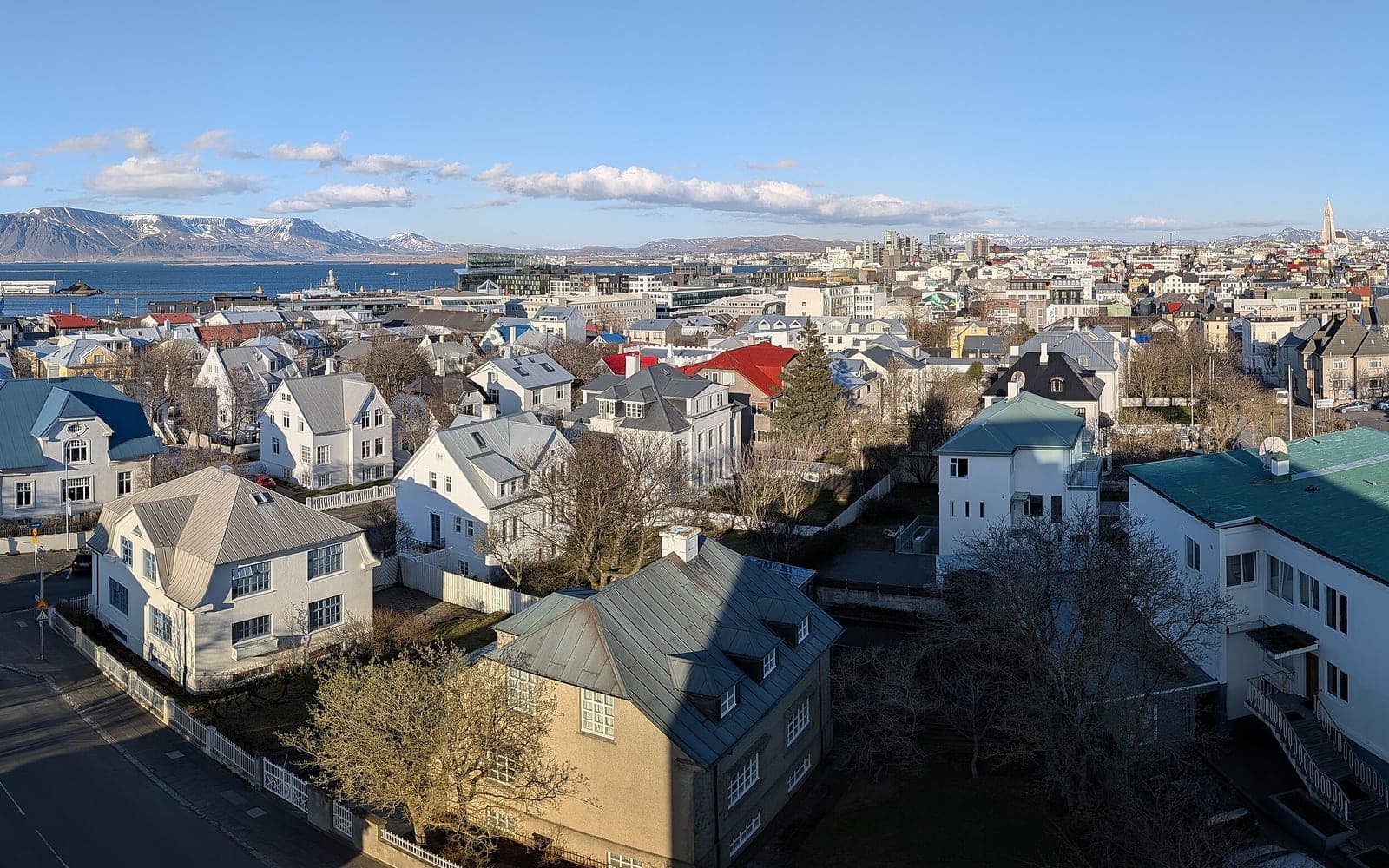
Choose Reykjavík for one or two car-free city days, a short break or a weather buffer—not as the default base for every long day trip.
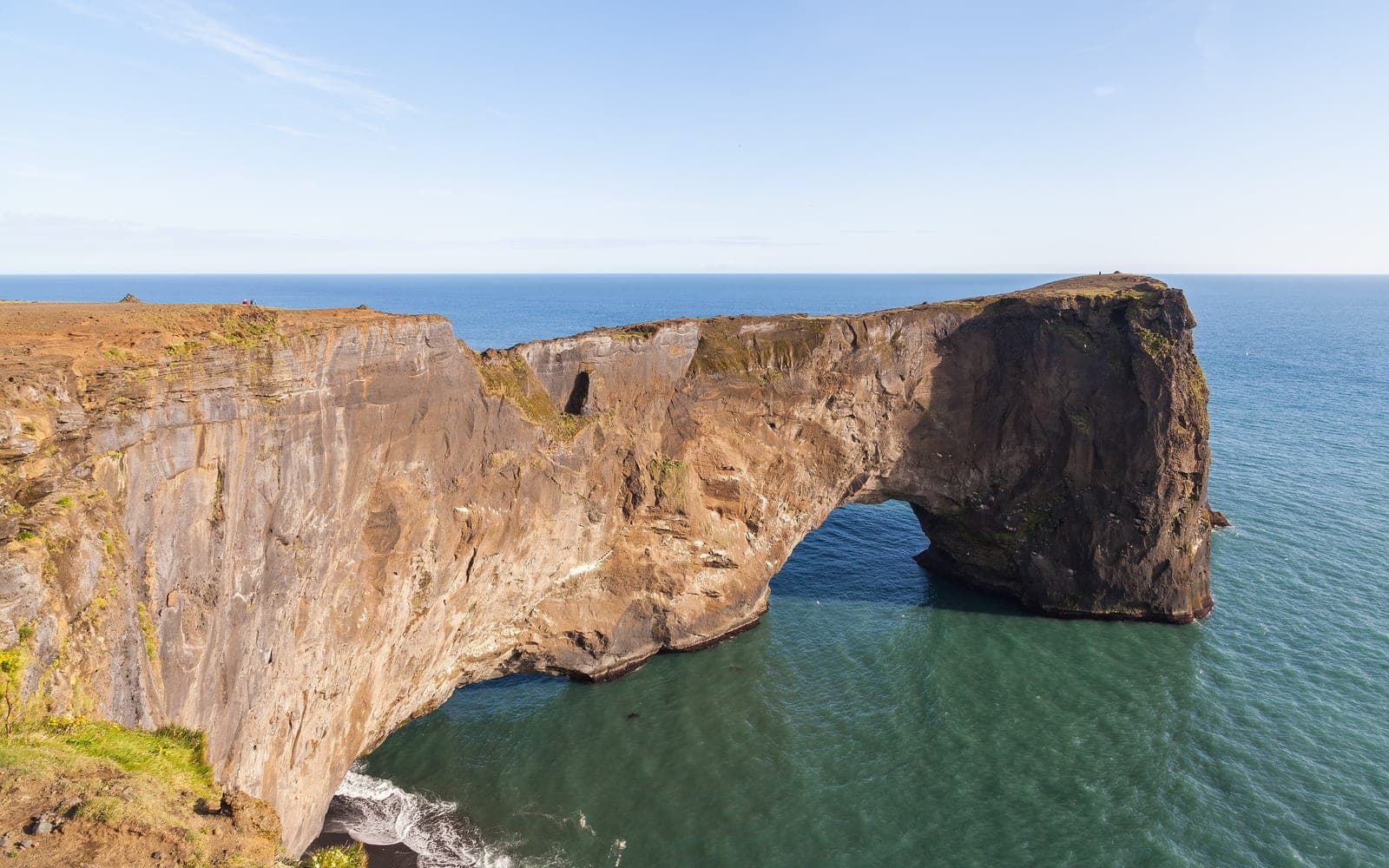
Build a first-trip route around waterfalls, black-sand coast and glacier country, but allow two to four days if Jökulsárlón is part of the plan.
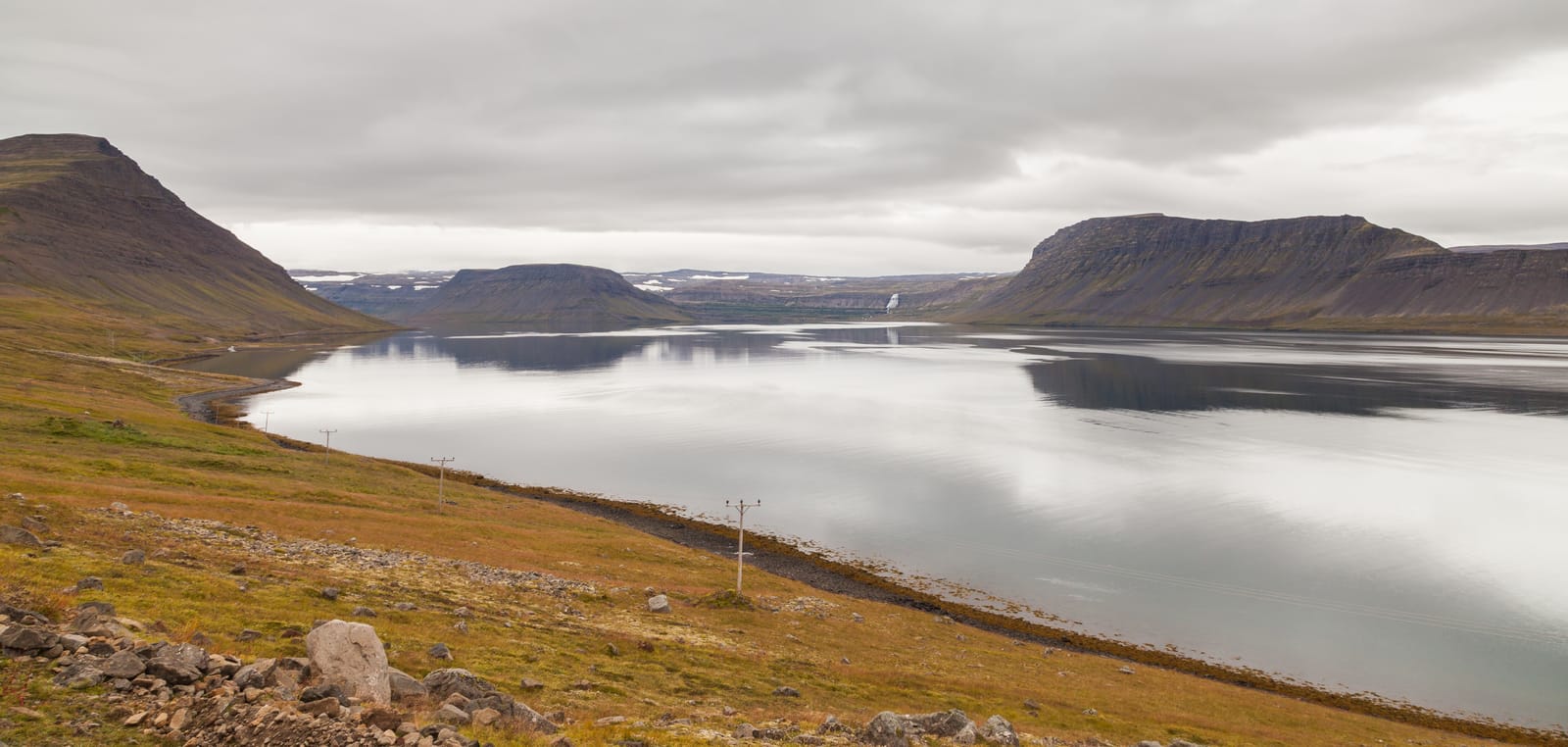
A separate multi-day commitment for travelers who value cliff roads, remote villages, and long scenic links enough to leave the Ring Road and keep weather slack.
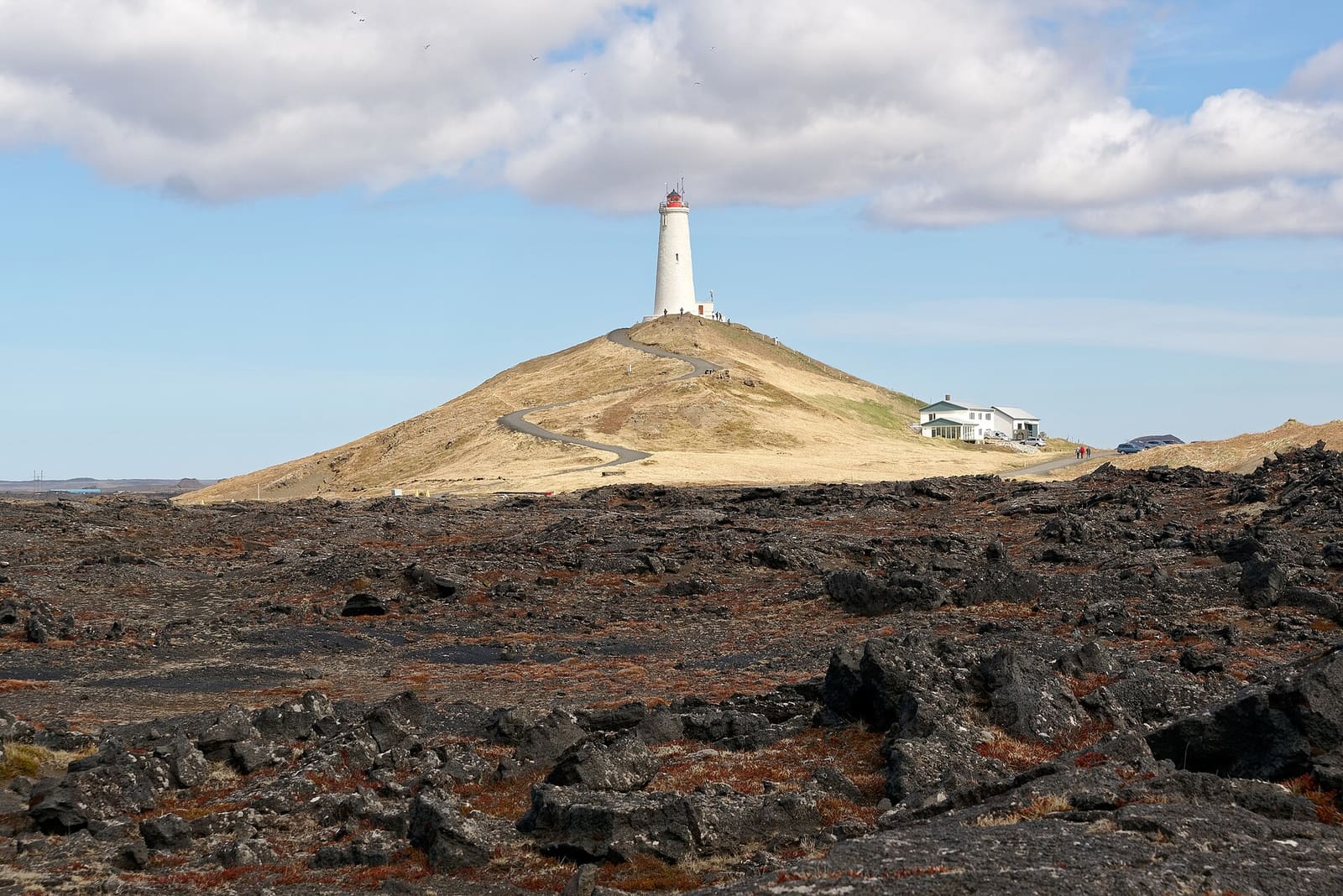
Use this volcanic peninsula for a careful half- or full-day route near KEF, but keep eruption sites, Grindavík and Blue Lagoon plans conditional.
More things to do
See other activities that may suit the same day, season, or part of Iceland.
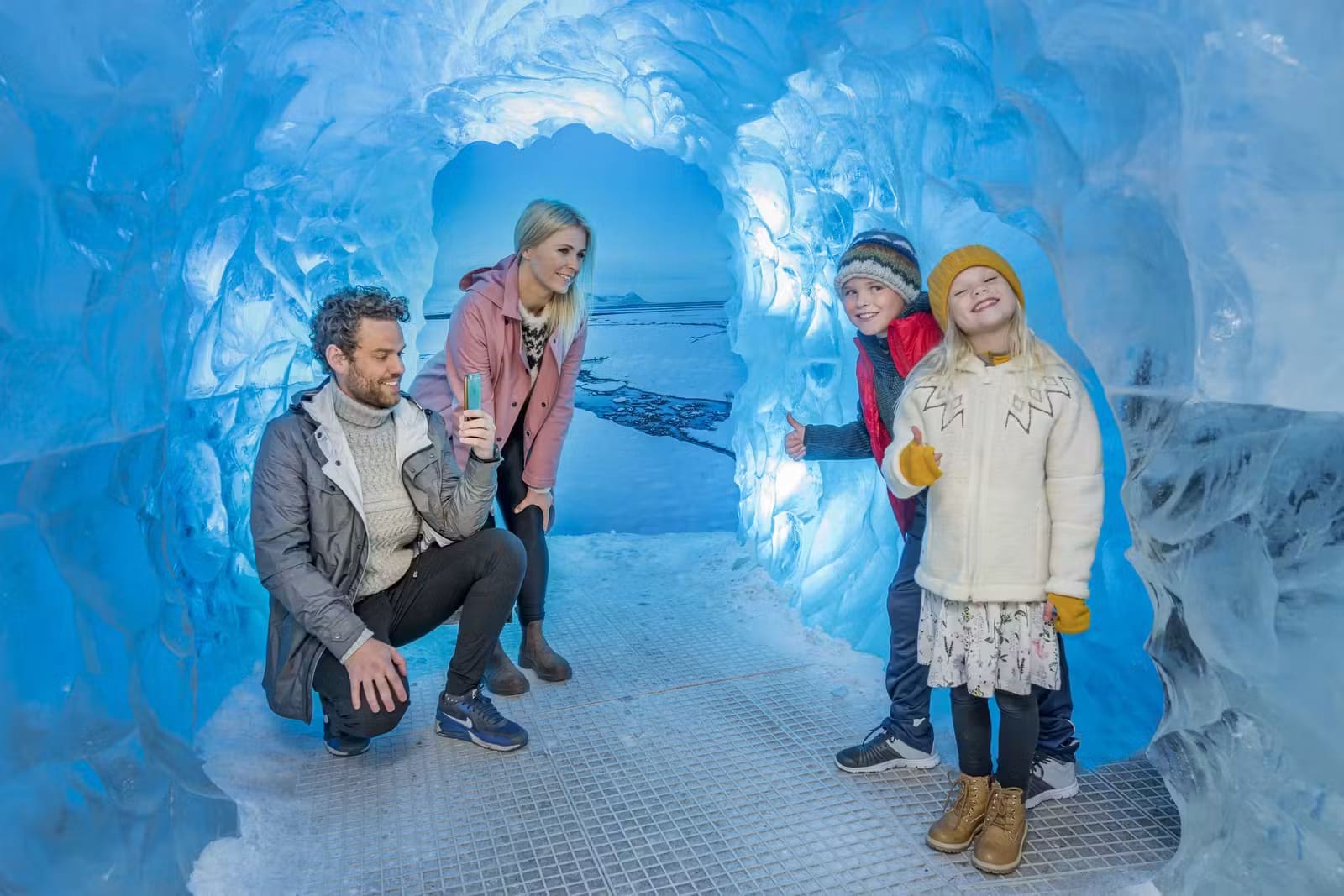
A good Iceland museum does more than fill an indoor hour. It can make turf walls, harbour towns, lava fields, family objects, or contemporary Reykjavík easier to notice afterward. Choose by the story you want, the attention you have, and whether your group prefers looking, moving, or trying things.
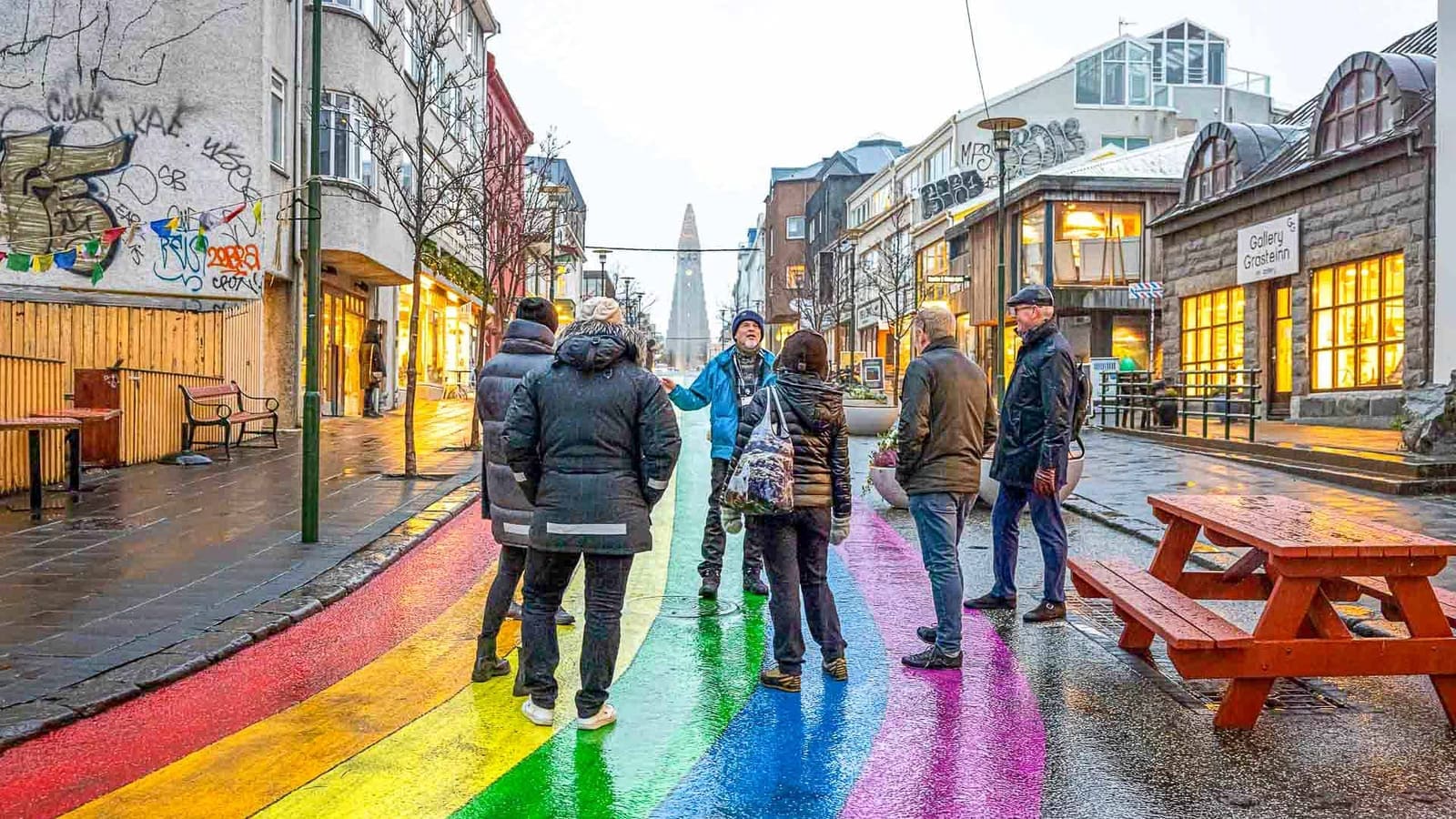
The best Reykjavík day starts with the hours you can really use, the weather, and how far you want to travel. Choose one main activity—a central walk, museum, local pool, food experience, or harbour stop—then add one flexible piece and keep an indoor backup.
Keep exploring
Move from the format chooser to a manuscript exhibition, a West Iceland setting, or a whole family day.