Experience fit
- Best test
- Explain its Icelandic connection
- Wool clue
- Material, yoke, method, maker
- Maker trail
- Name, label, signature, directory
- Small-bag pick
- Book, print, food, or wool
- Final check
- Receipt, forms, destination rules
A good Icelandic souvenir is something you will still use, read, wear, share, or enjoy at home—and whose Icelandic connection you can explain. Compare wool, craft, design, books, food, and playful gifts by origin evidence, named maker, budget, luggage space, and the journey home.
Experience fit
A patterned wool yoke, a ceramic cup shaped by a named maker, or a novel by an Icelandic author can carry a place home without becoming clutter. The pleasure is in finding something you already want to wear, use, read, taste, or share.
The clearest recommendation is simple: choose the smallest object you genuinely like whose material, maker, or story you could explain in one sentence later. That may be a full sweater, but it can just as easily be a wool hat, a slim print, a translated book, or packaged food for someone at home.
An Icelandic motif can still be a cheerful reminder of the trip. It just does not tell you where the object was designed, made, or sourced. If that distinction matters to you, turn the item over, read the label, and ask one friendly question before paying.
Photo guide
1 / 7
A visible making process gives an object a clearer trail back to its designer.
Good to know
There is no single authenticity test for every shelf. Wool has material and construction clues, art has a signature or artist biography, design has a creative origin, and food has ingredients and a place of production.
The product type tells you which evidence matters. “Made in Iceland,” “designed in Iceland,” “made with Icelandic material,” and an Iceland-themed object can all describe honest products, but they describe different connections.
| Product type | Strongest Icelandic connection | Maker check | Budget and luggage trade-off |
|---|---|---|---|
| Full lopapeysa | Protected-name criteria covering wool, lopi, yoke, construction, and hand knitting in Iceland | Look for the protected name and ask who knitted it | A statement purchase that needs room and a fit you will wear |
| Wool accessory | Icelandic wool plus a clear place of making | Read the label and look for a maker or producer | Smaller commitment, easy to pack, useful in cold weather |
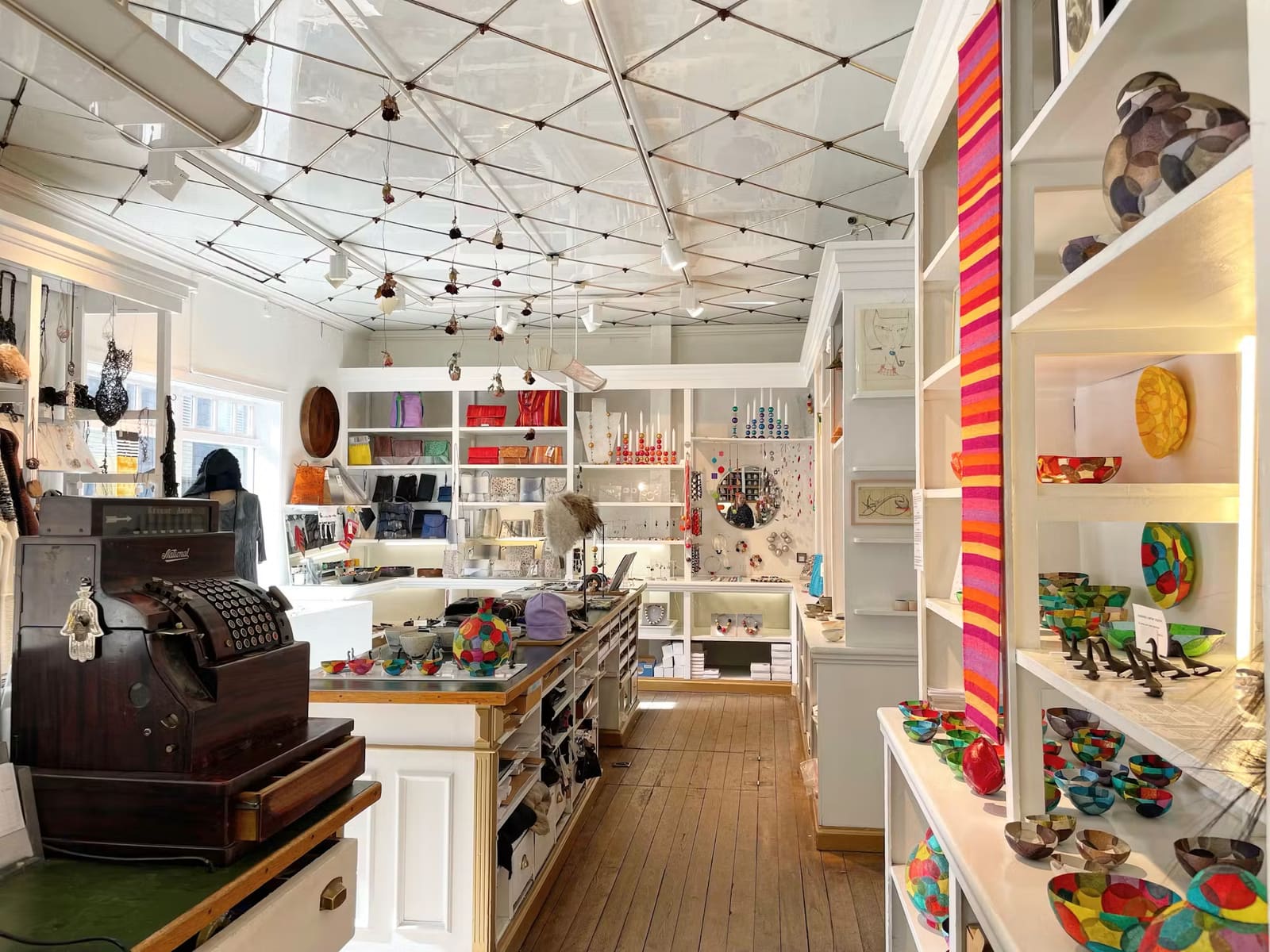
| Craft, design, or art | Named Icelandic maker, studio, or designer and an honest making claim | Find a signature, biography, maker card, or directory entry | Small prints and pieces pack easily; ceramics and glass need protection |
| Book or print | Icelandic author, artist, subject, or publisher | Read the credit line rather than relying on the cover image | Good for a modest budget; weight rises quickly with large books |
| Packaged food | Clear Icelandic production, ingredient, or recipe story | Read the producer and origin information | Easy to share, but liquids, weight, and destination rules matter |
| Playful motif item | A clear and honestly stated design or manufacture claim | No maker is required if local making is not promised | Often the easiest small gift; choose it because it makes you smile |
Price can reflect material, labor, design, retail location, or brand, but it cannot prove origin on its own. A clear label and an identifiable maker tell you more than a high price tag.
The Icelandic lopapeysa is unusual among souvenirs because its protected product name comes with specific criteria. That gives you a stronger check than judging the pattern from across a shop.
For the protected Icelandic name, the sweater must use new Icelandic sheep wool spun as lopi, have a patterned circular yoke, be hand-knit in Iceland, and use circular construction without seams. The protection covers both pullovers and cardigans.
A machine-knit sweater, a garment made elsewhere from Icelandic wool, or an Iceland-designed knit can still be warm and appealing. The useful question is whether its label describes that connection plainly. If a full sweater feels too expensive, bulky, or warm for home, a clearly labeled hat, scarf, mittens, or yarn gives you a smaller way into Icelandic wool.
With ceramics, jewelry, textiles, prints, and small art objects, the most satisfying detail is often a name. It lets you learn who made or designed the piece and gives you a story more precise than a flag on the packaging.
Start with the label, signature, or card beside the work. A short maker biography can establish where the person works, what material they use, and whether the object was made by hand, produced in a small series, or designed in Iceland for manufacture elsewhere.
The Handverk og hönnun maker directory is useful for checking names and craft categories. A directory entry is not a certificate for every item sold under that name, so keep the maker check attached to the actual object in front of you.
A meaningful souvenir does not need to be the largest purchase of the trip. Iceland's literary culture makes a translated novel, poetry collection, children's book, or artist's publication a particularly good choice for readers.
Follow the creator as well as the manufacturing label. An Icelandic author's book may be printed abroad and still offer a direct creative connection. The same principle works for a print by an Icelandic illustrator or a small piece from a named craft maker.
For an experience instead of an object, the cultural experiences guide compares workshops, museums, food, farms, pools, and storytelling by how actively you want to take part. The food and drink experiences guide is better when tasting and meeting producers matter more than carrying a package home.
Central Reykjavík is the easiest place to compare wool, books, design, art, and food within a short walk. A regional stop may offer fewer choices, but the maker, material, or landscape story can sit closer to the place that produced it.
The Laugavegur street guide and Austurstræti guide help with the layout of downtown browsing, while the broader Reykjavík activities guide can place shopping beside museums, pools, food, and harbor time. Compare products, not storefront claims: two nearby shops may use the same Iceland motif for objects with very different origins.
On a self-drive trip, a maker studio, farm shop, museum shop, or craft center can make more sense when it is already on the route. The Icelandic Textile Center guide gives textile work a specific Blönduós setting. If you mainly need familiar retail and indoor comparison, the Kringlan and Smáralind place guides explain those separate mall visits without turning this page into a shop ranking.
Budget is only half of the choice. A large book adds weight, ceramics need protection, food may face border rules, and a sweater earns its space only if the size and warmth make sense at home.
Give one object permission to be the main purchase, then keep the rest small. This leaves room for affection and judgment: you can spend more on a maker or material you understand without filling the suitcase with weaker reminders.
A receipt is useful even when you are not claiming a tax refund. Keep it with any maker card, care instructions, and fragile-item packing so the story and practical details travel together.
Loose stone, moss, bones, feathers, and other natural finds can look like free souvenirs. They belong to an ecosystem, a landowner, or a protected place, and their collection or export can be restricted.
The Environment Agency says stone collection may be prohibited in protected areas and exporting rocks or minerals requires a permit. Rules can also depend on the place and material, so a made object with a traceable source is the calmer keepsake.
A few small checks at the counter are easier than sorting them out at the airport. Ask whether the purchase qualifies for tax-free shopping, keep the receipt and form together, and follow the official departure process.
Pack fragile objects so they can be inspected without being unwrapped completely. Food, animal products, plants, and natural materials can face destination-specific controls, so the authority in the country you are entering has the final answer.
Use the official instructions for eligibility, documents, and the departure process.
Check protected-area collection and rock or mineral export questions.
Review the protected product name and its material and making criteria.
By ThorPublished
Where to do it
Continue with culture, food, farms, or Reykjavík activities when meeting the maker, tasting the product, or exploring the city matters more than the purchase.

Kringlan belongs in a Reykjavík plan when city errands, casual food, cinema, library context, or child-friendly indoor time would otherwise interrupt a busy or weather-disrupted day in central Reykjavík.
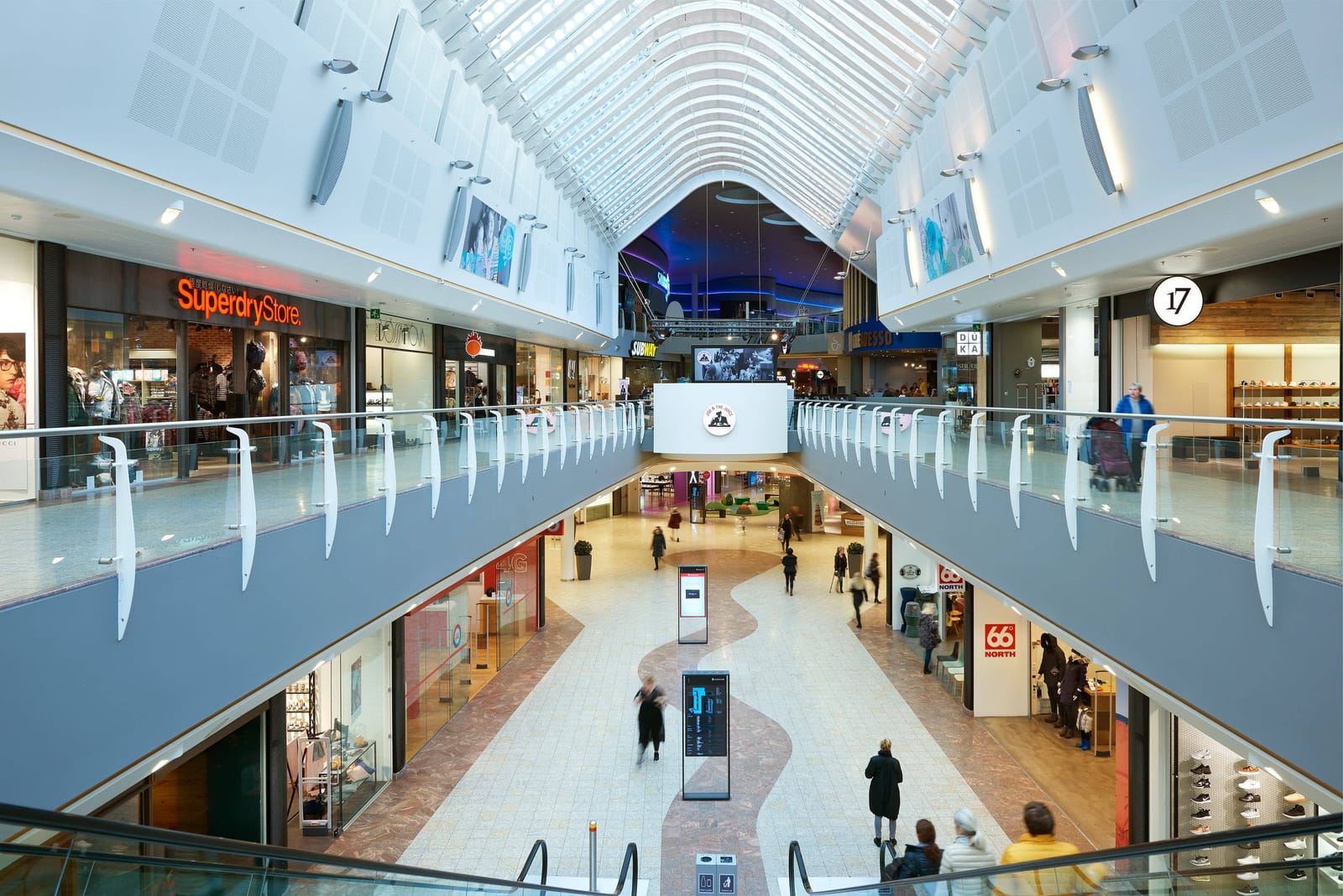
On a Kópavogur day, Smáralind earns a slot only when indoor shopping, food, family downtime, cinema, gym context, or errands would simplify a busy or weather-disrupted city plan.
Regions
See which part of Iceland is most convenient for this experience and what else you can visit nearby.
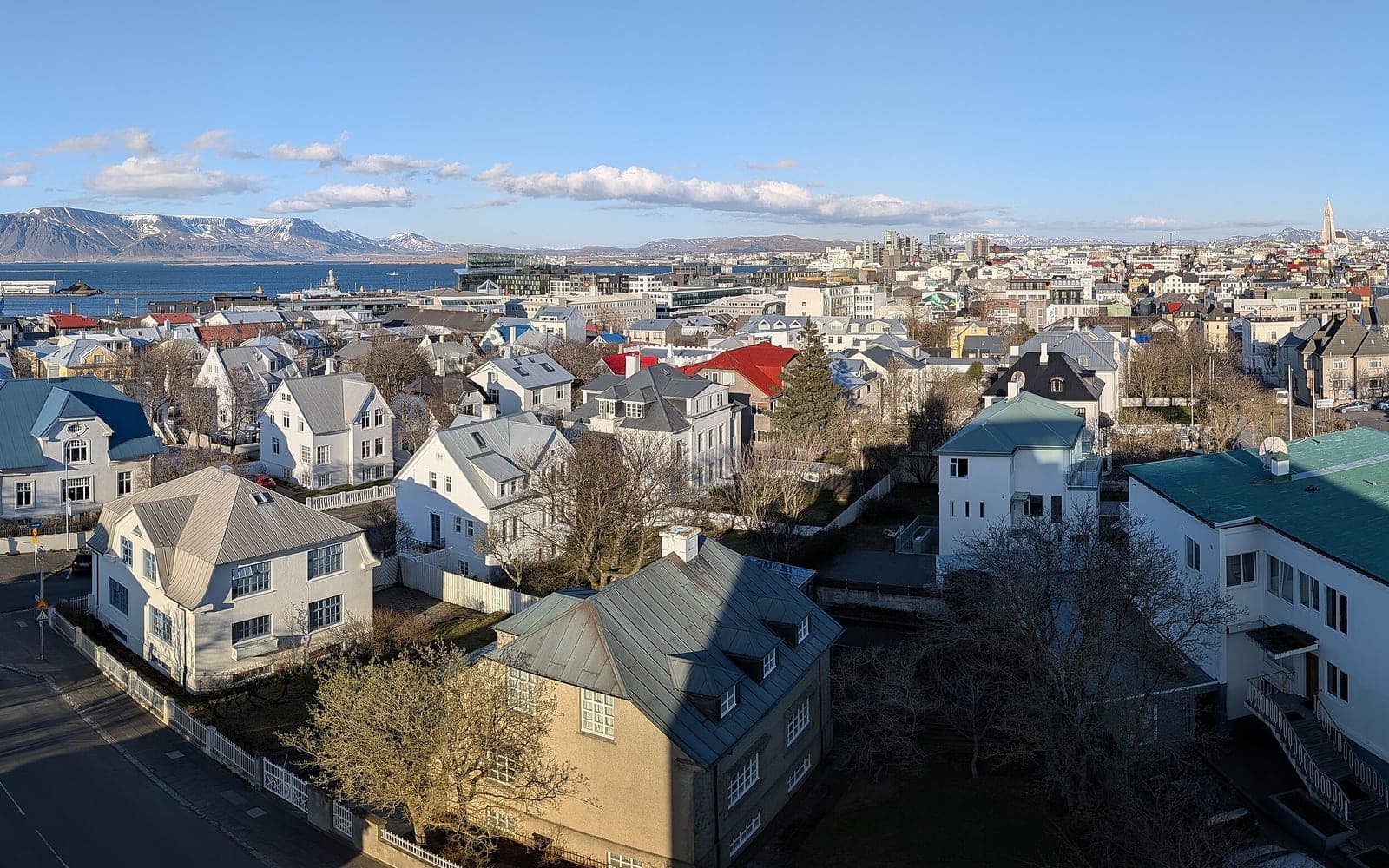
Choose Reykjavík for one or two car-free city days, a short break or a weather buffer—not as the default base for every long day trip.

Build a first-trip route around waterfalls, black-sand coast and glacier country, but allow two to four days if Jökulsárlón is part of the plan.
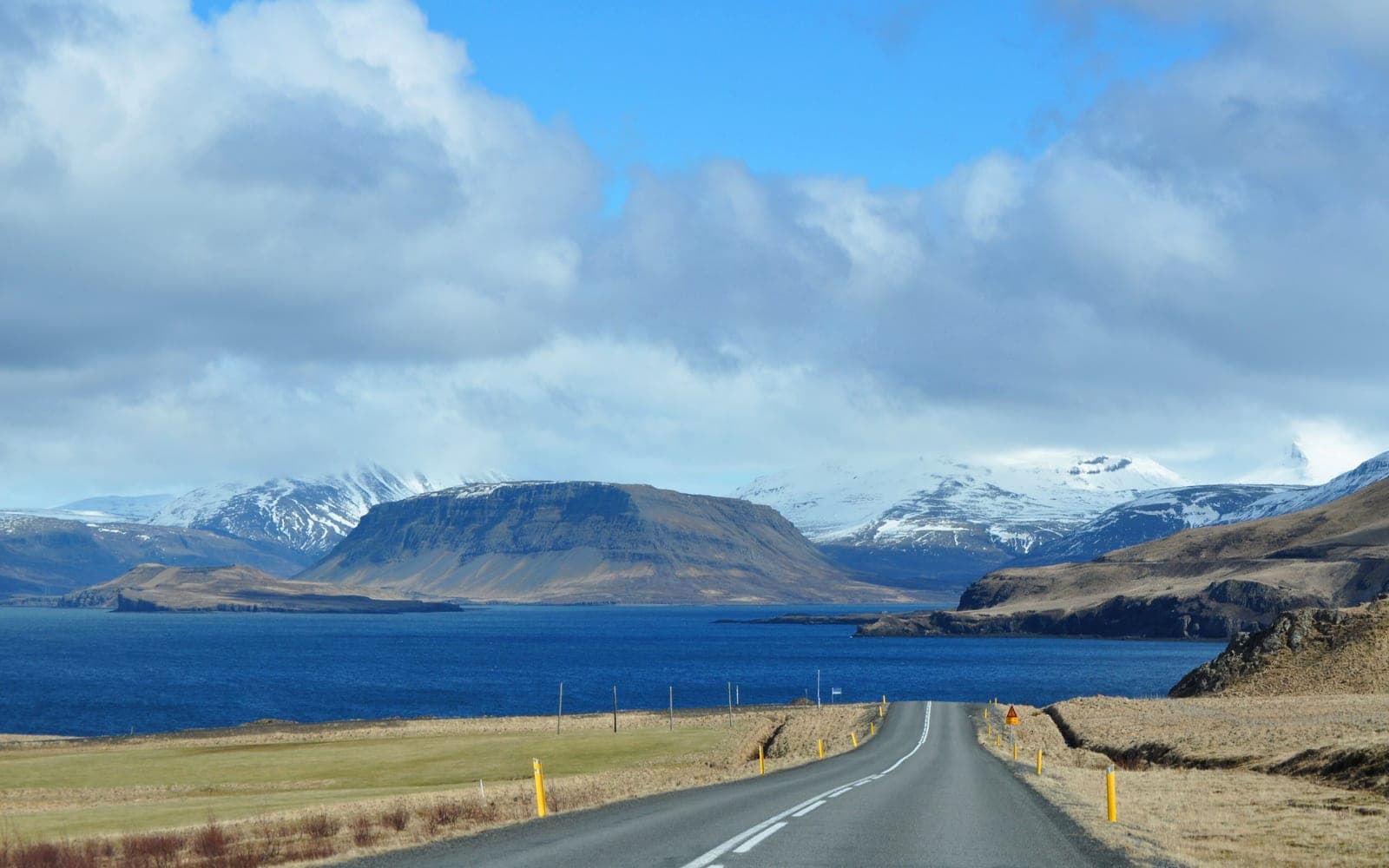
Choose West Iceland for a Borgarnes-based mix of waterfalls, geothermal stops, and caves; skip it if Snæfellsnes already fills your spare westbound day.
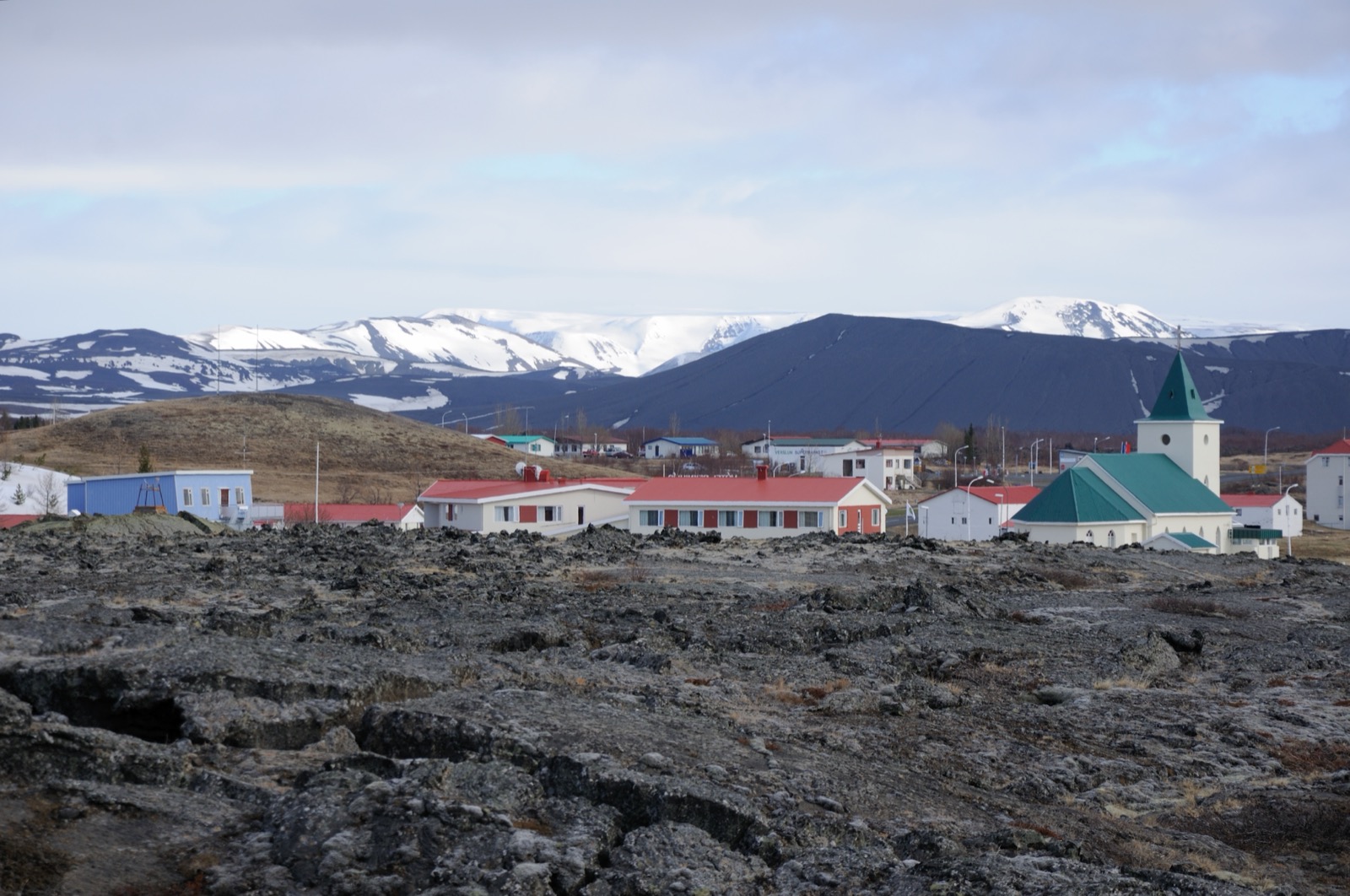
Choose North Iceland when you can spare several days for Akureyri, Mývatn, Húsavík, and canyon country; one rushed overnight barely reaches the region.
More things to do
See other activities that may suit the same day, season, or part of Iceland.
Choose what comes next
Follow the maker, ingredient, or neighborhood that made your souvenir feel connected to the trip.