Experience fit
- First choice
- Brewery, distillery, or tasting
- Closest look
- Hosted production visit
- Access style
- Appointment, contact, or private group
- Tasting age
- 20; bring photo ID
- After tasting
- Use a non-driving journey
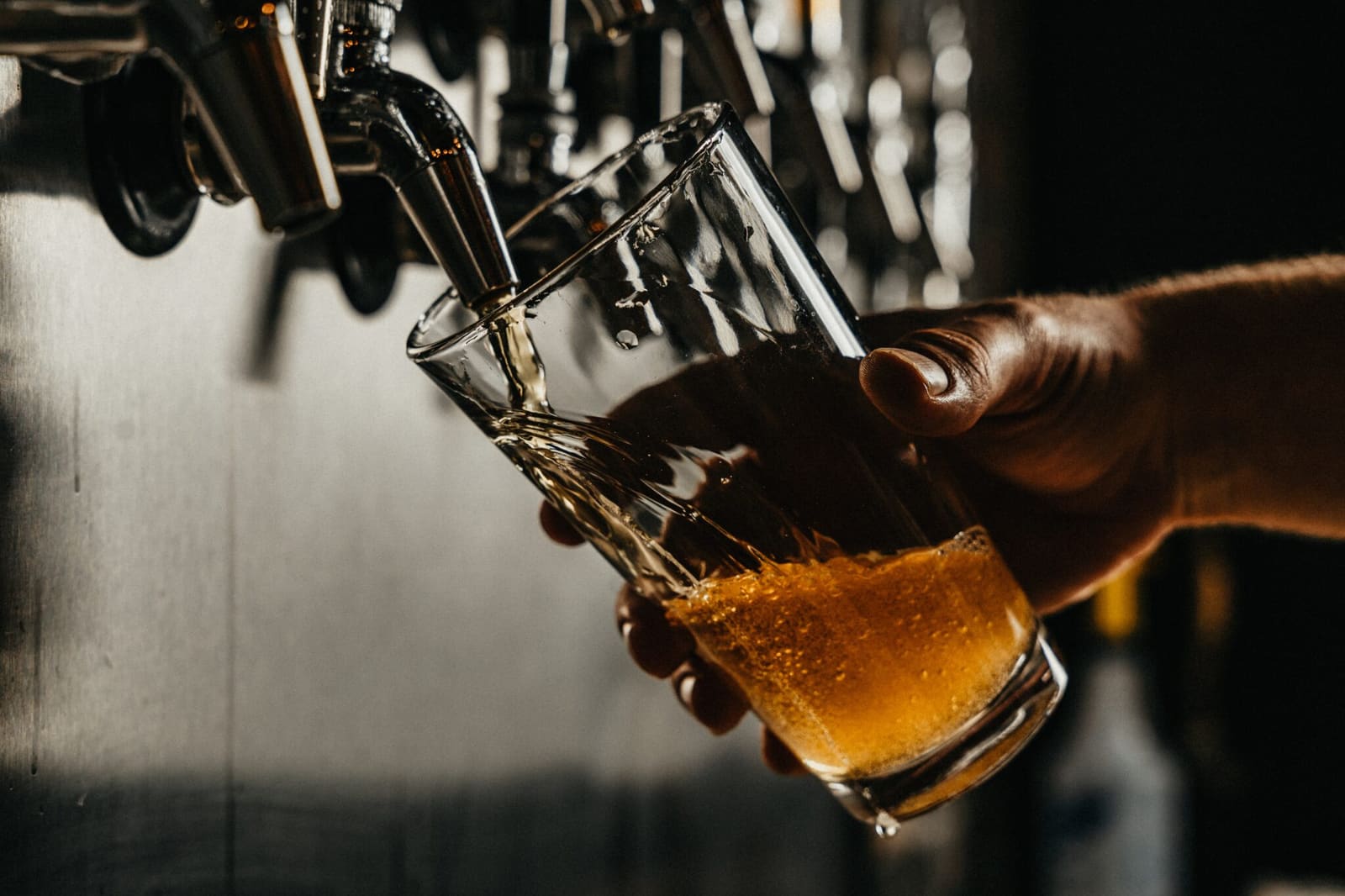
Inside an Icelandic brewery or distillery, the memorable part may be wet grain beneath steel tanks, copper stills, or a host explaining how barley and botanicals become a finished drink. Choose by production access and tasting style, then make the location and non-driving onward journey part of the plan.
Experience fit
A production visit begins before the first taste. There may be warm malt in the air, damp grain beside a steel tank, or a still whose pipes make the route from raw ingredient to clear spirit suddenly easier to understand.
That change of scale is the appeal. A bottle presents the result; a working producer gives you the process, the equipment, and a host who can explain why one batch starts with barley while another leans on botanicals. Even beginners leave with better questions and a clearer sense of what they like.
For most travelers, one well-chosen visit is enough. Book it when somebody in the group is genuinely curious about making beer or spirits, and keep it near the day you already planned. If the group mainly wants dinner, a pub, or a lively evening, the food and drink guide or Reykjavík nightlife guide will be more useful.
Photo guide
1 / 7
A structured flight gives you something to compare; ask whether the host explains the styles or simply serves the samples.
Good to know
These labels can lead to very different hours. A production tour explains the making; a structured tasting compares drinks; a taproom may simply be a pleasant place to order one.
| Visit format | What you learn | Tasting shape | Transport and route | Often suits |
|---|---|---|---|---|
| Brewery production visit | Malt, mash, fermentation, tanks, and the brewer's choices | Beer flight or selected brewery tastes | Capital-area stop or regional route town; arrange the onward journey | Beer-curious beginners and process enthusiasts |
| Whisky-led distillery visit | Barley, fermentation, distillation, and maturation | Several spirits with an explained sequence | Often appointment-led; do not plan to drive after tasting | Travelers interested in grain and spirit making |
| Mixed-spirit distillery visit | Still operation, botanicals, and differences between products | A range such as gin, brennivín, or other spirits | Direct contact and group terms may shape the day | Small groups wanting variety and host time |
| Tasting room or taproom | The drinks, with production detail varying by venue | Flight, guided samples, or one casual order | Easiest when walkable from the base; not automatically a tour | Mixed-interest groups and shorter stops |
Choose the brewery or distillery when the process itself sounds interesting. Choose the lighter tasting-room version when conversation and sampling matter more than seeing tanks or stills. The Icelandic producer scene includes all of these formats, so the word “brewery” on a map is not enough to tell you what happens inside.
Some visits keep the group in a tasting room while the host explains what happens beyond the glass. Others walk past tanks, valves, barrels, or a working still. Neither is automatically better.
A production-floor visit suits travelers who want to see machinery and ask detailed questions. It may also mean tighter spaces, standing, industrial floors, stairs, noise, or boundaries around working equipment. If mobility, hearing, or long periods on your feet matter, ask what parts of the visit are seated and which areas the group enters.
A hosted tasting can be the friendlier choice for a mixed-interest pair. One person can follow the process story while the other focuses on flavor, ingredients, or the setting. Do not assume that a “tour” includes hands-on brewing or that a taproom visit includes production access; read the direct description and ask what the host actually shows.
Beer makes its changes visible quickly: grain becomes sweet wort, hops add bitterness and aroma, and tanks hold the fermentation. Spirits continue through a still, and whisky adds time in wood.
A brewery visit is often the easiest entry point if you enjoy ingredients, fermentation, or tasting several styles side by side. The brewer can connect malt, hops, temperature, and yeast to what is in the glass without requiring specialist knowledge. A good host should make the explanation clearer, not turn it into a test.
A distillery gives more room to talk about the still, cuts, botanicals, grain, and maturation. Eimverk's Icelandic-barley focus makes the raw material part of the story, while a mixed-spirit producer can show how the same equipment leads toward different drinks. Choose that format when the mechanics and ingredients of spirits interest you as much as the tasting.
Non-drinkers can still enjoy equipment, local enterprise, and conversation, but the selected producers do not all promise the same substitute or tasting arrangement. Ask what the visit includes before paying for a place. If the answer is mostly drinks and little production, it may be kinder to the group to choose a different activity.
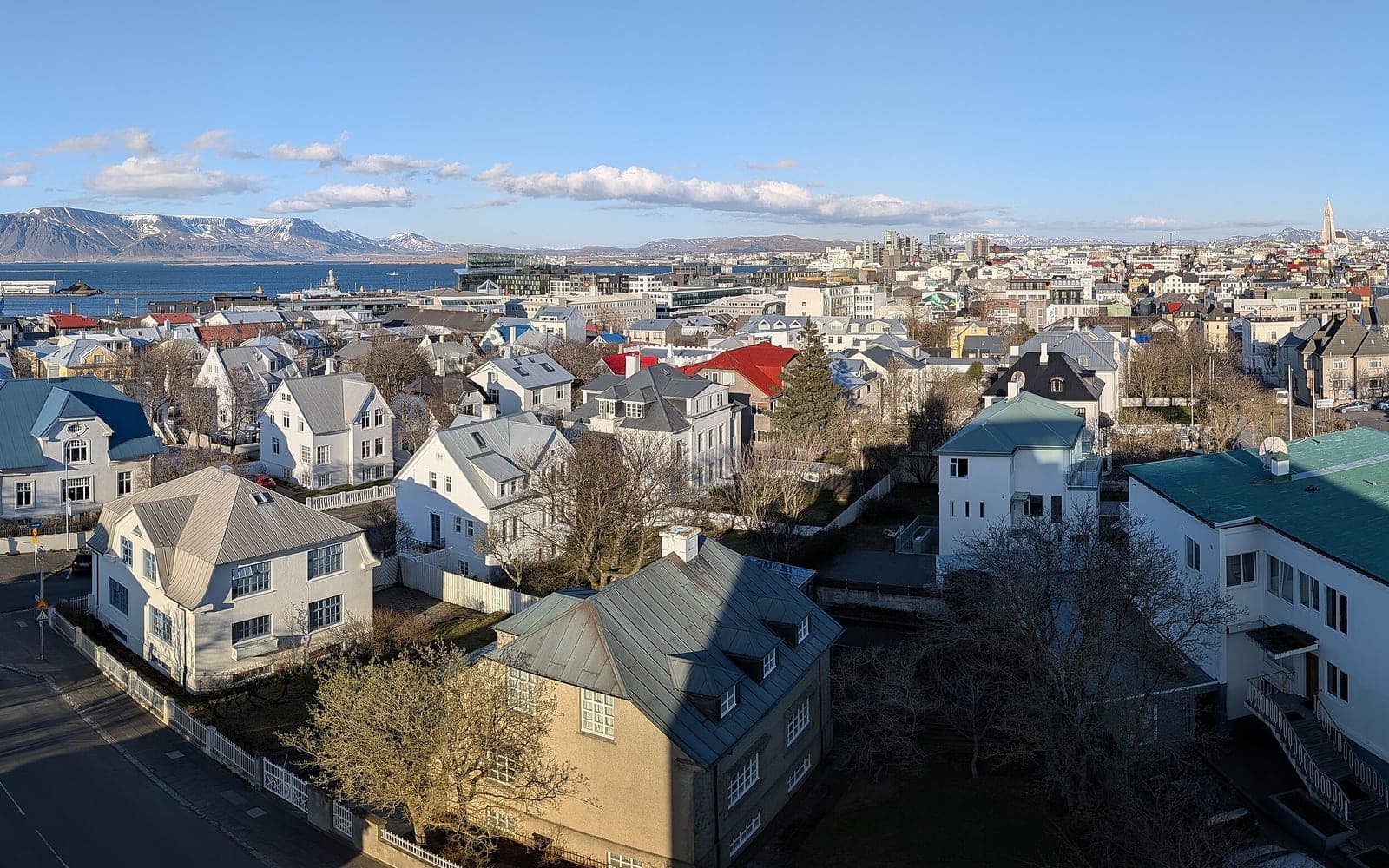
The capital area gives you more ways to separate a tasting from a driving day. Garðabær and Hafnarfjörður sit near Reykjavík, while Siglufjörður and Höfn make more sense as planned regional stops.
Near the capital, build the visit around a taxi, pickup, public transport that you have checked, or a companion who will not taste. Start with the Reykjavík region guide if you want the rest of the day to stay urban. Being close to the city does not make driving after a tasting acceptable.
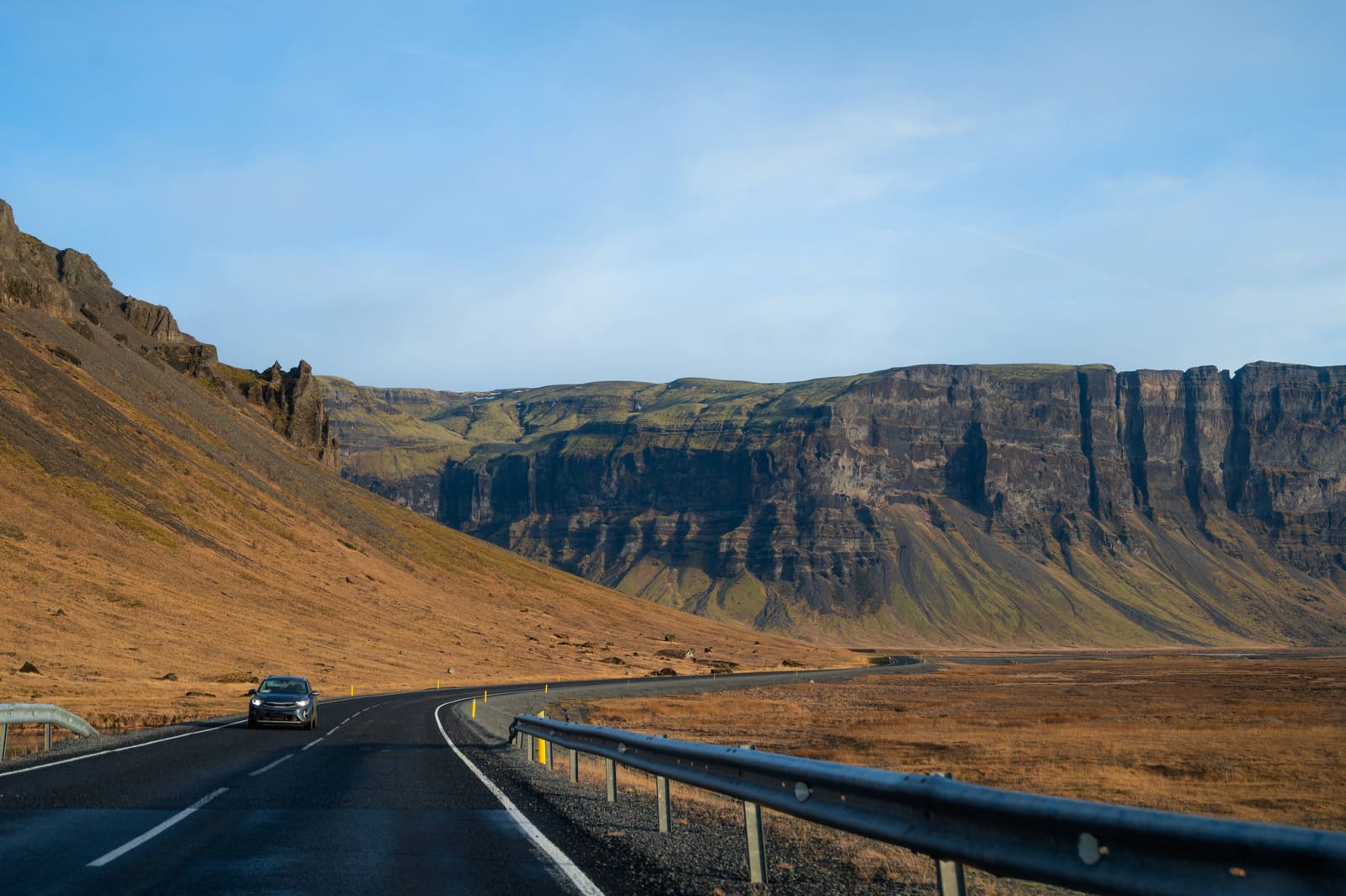
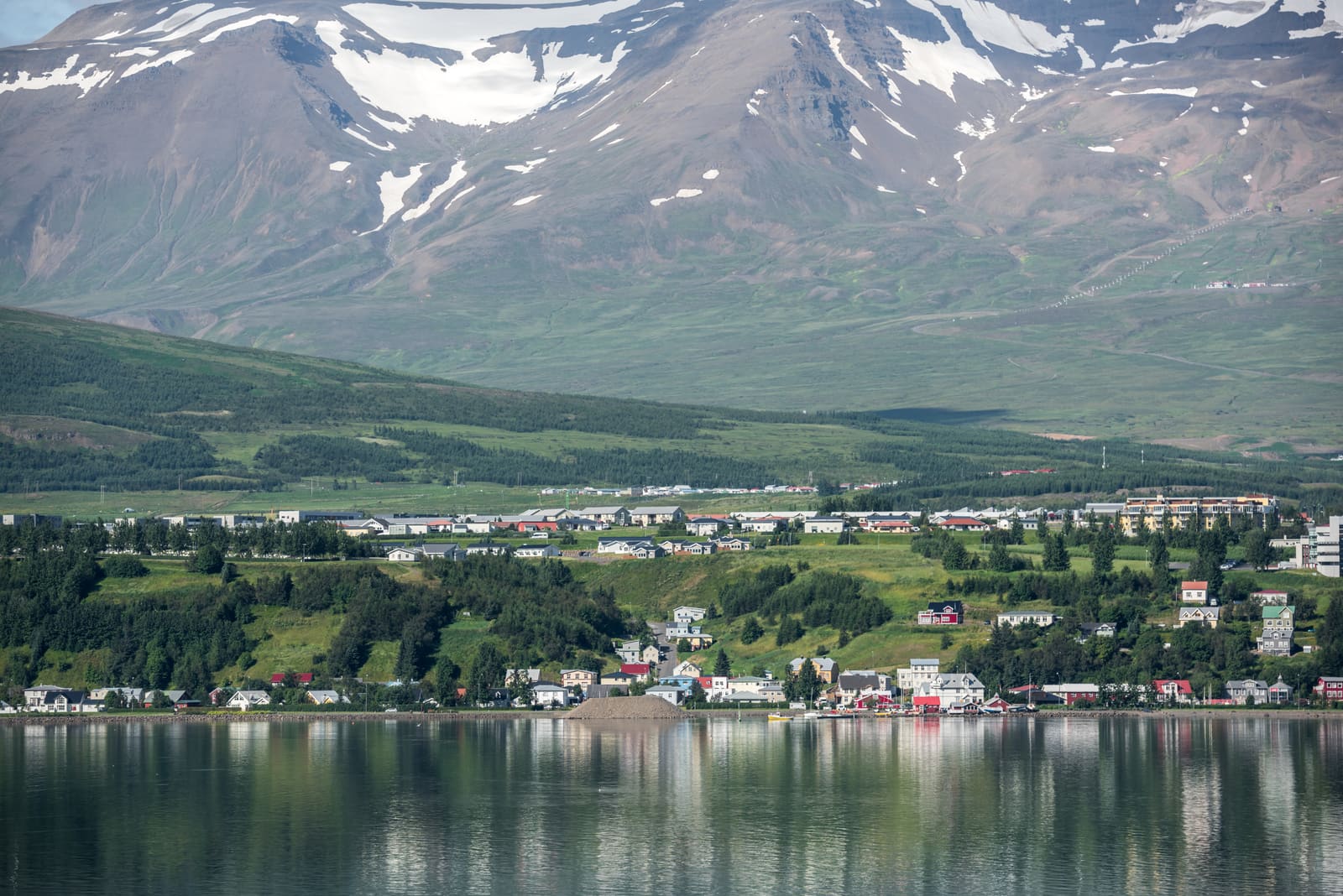
On a road trip, the cleaner choice is a producer already beside the route and an overnight or onward plan that does not put the taster back behind the wheel. Siglufjörður can belong to a slower North Iceland stay; Höfn can sit naturally on the Ring Road. Skip the detour when it adds pressure to an already long driving day.
The useful differences are not a ranking. They are the drink being made, how the host receives visitors, the group shape, and where the stop belongs in Iceland.
Look at the production focus first, then the access arrangement and location. Open the direct page for the details that can change.
Eimverk Distillery
Best forTravelers near Reykjavík who want an appointment-led explanation of Icelandic-barley whisky and other spirits.
Keep in mindThe visit requires advance arrangement and suits people interested in a spirits-led production story.
Check firstConfirm the appointment, visit content, tasting arrangement, accessibility, and non-drinker options.
Hovdenak Distillery
Best forSmall groups who want to walk through mixed-spirit production in Hafnarfjörður and taste a range.
Keep in mindIt is arranged by direct contact, so do not treat it as a walk-in public departure.
Check firstConfirm the group size, date, production access, tasting contents, and any mobility needs.
Segull 67
Best forPrivate groups visiting Siglufjörður who want brewing equipment, beer tasting, and an old fish-factory setting.
Keep in mindThe private-group format is a poor match for an individual traveler expecting to drop in.
Check firstConfirm the group boundary, date, duration, tasting arrangement, and private booking terms.
Horn Brugghús
Best forSoutheast road trippers who want a brewer-led grain-to-glass visit in Höfn.
Keep in mindThe location only helps when Höfn already fits the route and the onward journey is settled.
Check firstConfirm the tour date, meeting details, tasting and restaurant elements, duration, and transport plan.
Enthusiasm helps, but expertise is unnecessary. The better test is whether the group wants to listen, look closely, ask questions, and compare a few tastes without rushing.
A non-drinker or cautious taster is not automatically out of place. Production rooms can be fascinating, and tasting is not a contest. The honest limit is that alternatives and reduced-tasting arrangements differ, so the right time to ask is before booking, not when the glasses arrive.
Families need a separate check. Iceland's alcohol rule applies to sale and service to anyone under 20, but that does not prove that every producer excludes younger visitors from every non-tasting part. Ask the operator about admission, supervision, production-floor safety, and what the younger person would actually do.
A short final check should cover the visit, the group, and the journey home. It is much easier to change the producer than to rescue a road day built around access that was never confirmed.
Confirm the booking or contact method, meeting place, group boundary, production areas entered, tasting format, likely standing or stairs, language, and what a non-drinker receives. Ask about age conditions for the visit itself as well as the tasting. Alcohol may not be sold or served to anyone under 20, and photo ID can be requested.
Recheck the transport at the same time. A designated driver should not take part in the alcohol tasting, and nobody should rely on a guessed wait before driving. For wider road rules and conditions, use the driving in Iceland guide.
Article 18 covers the age-20 alcohol rule and proof of age.
Use the Transport Authority guidance for alcohol limits and other road rules.
Use the association map to distinguish breweries, taprooms, beer spas, and bookable tours.
By ThorPublished Updated
Regions
See which part of Iceland is most convenient for this experience and what else you can visit nearby.
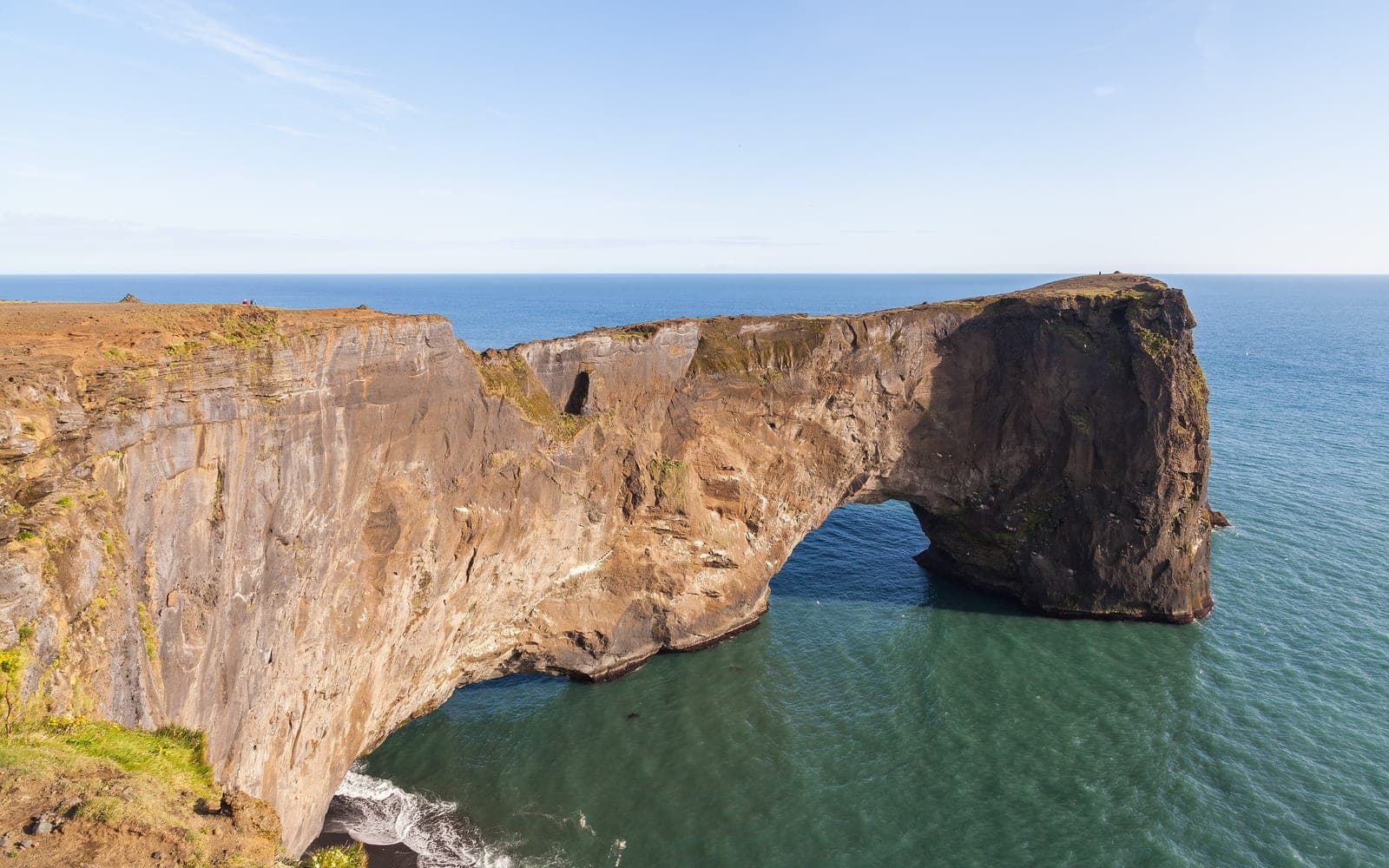
Build a first-trip route around waterfalls, black-sand coast and glacier country, but allow two to four days if Jökulsárlón is part of the plan.
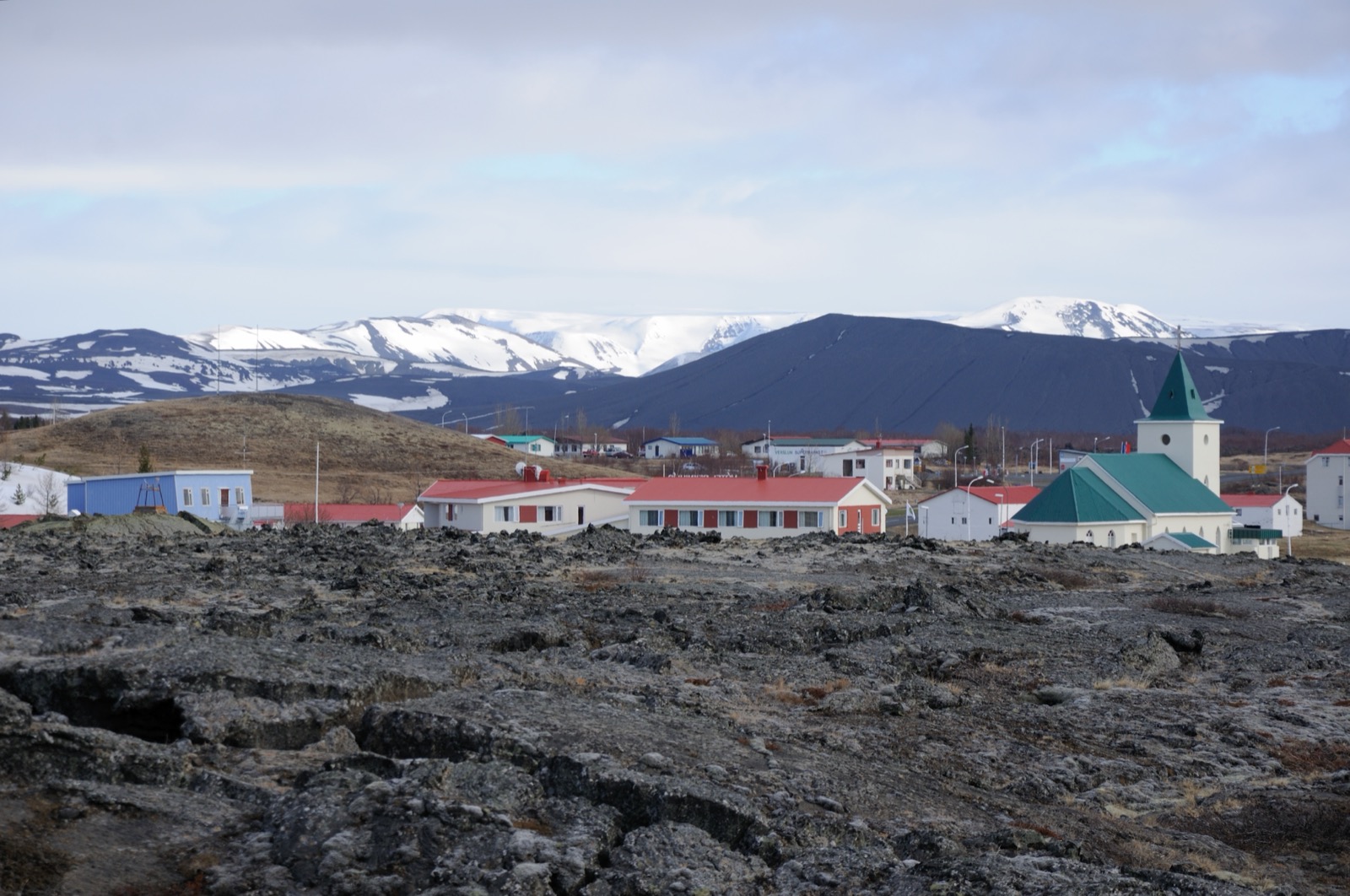
Choose North Iceland when you can spare several days for Akureyri, Mývatn, Húsavík, and canyon country; one rushed overnight barely reaches the region.
More things to do
See other activities that may suit the same day, season, or part of Iceland.
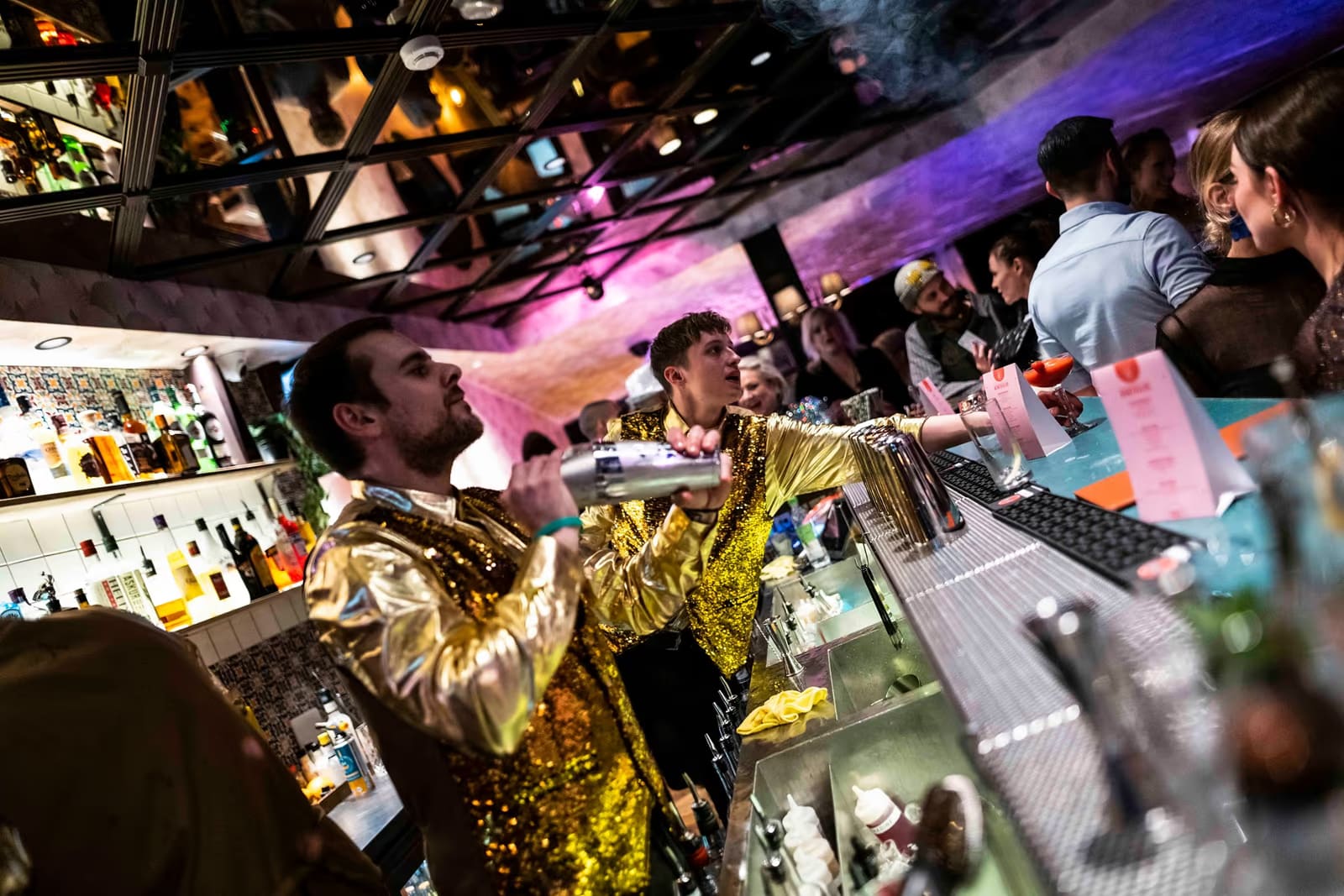
Reykjavík’s compact centre can hold several different nights: a quiet drink, a live set, comedy, bar-hopping, dancing, or late food. Choose the atmosphere first, match it to the downtown streets and day of week, then check what is actually on and decide how you will get home.
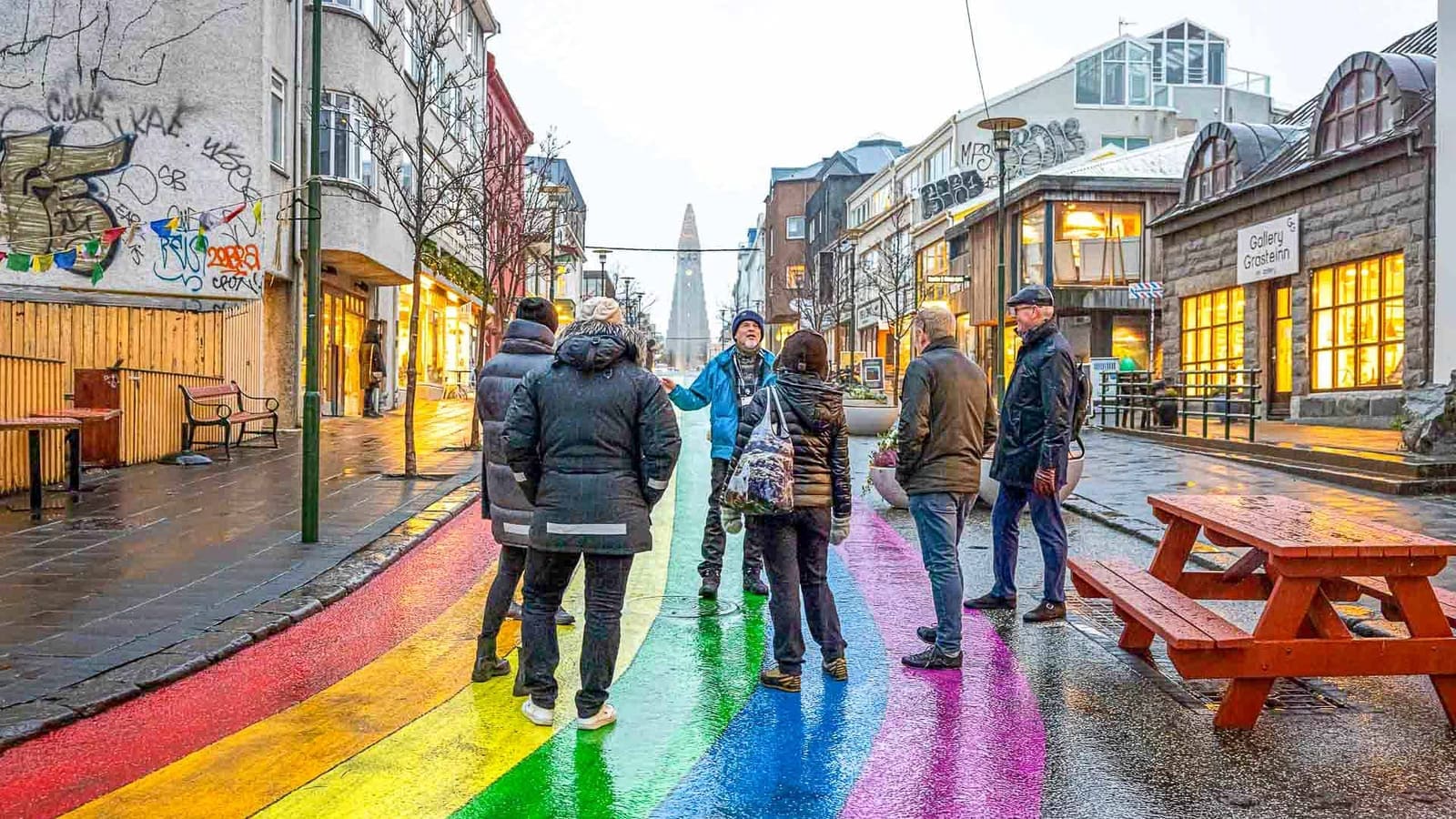
The best Reykjavík day starts with the hours you can really use, the weather, and how far you want to travel. Choose one main activity—a central walk, museum, local pool, food experience, or harbour stop—then add one flexible piece and keep an indoor backup.
Travel advice
Read more about driving, weather, safety, and other details that may affect your trip.
Build the rest of the day
Keep production as the focus, make food or nightlife the focus instead, or place one regional stop on the Ring Road.