Glaumbær is a turf-farm museum in Skagafjörður, worth adding when North Iceland plans need cultural context, indoor-leaning flexibility, and official visitor-detail checks before arrival, with enough flexibility for conditions and nearby route choices.
Culture snapshot
Type
Historic turf farm and regional museum
Region
Skagafjörður in North Iceland, near Varmahlíð and Sauðárkrókur
Route context
Short cultural stop near the Ring Road corridor through Northwest and North Iceland
Time to allow
About 45-90 minutes, depending on opening, exhibits, and cafe time
Best experience
Walk the turf-house rooms slowly and use the site to understand rural life in Skagafjörður
In this guide
Is Glaumbær worth stopping for on a North Iceland route?
Yes, Glaumbær is worth stopping for if your North Iceland route needs culture, weather backup, or a slower Skagafjörður pause. It is not a scenery blockbuster; it is strongest when you want to understand how rural Icelandic life looked inside the turf houses that shaped the landscape.
The visit works because the buildings are specific. Low turf walls, grass roofs, timber gables, narrow passages, and small furnished rooms make the farm feel different from a normal museum display. You are not only reading about old farm life; you are stepping through the kind of spaces where people cooked, slept, stored goods, and moved through winter.
For a Ring Road trip, Glaumbær is most useful between bigger driving decisions. It gives Skagafjörður a clear cultural anchor before you continue toward Varmahlíð, Sauðárkrókur, Hólar, Hofsós, Siglufjörður, or the wider North Iceland route.
Photo guide
Glaumbær in photos
1 / 3
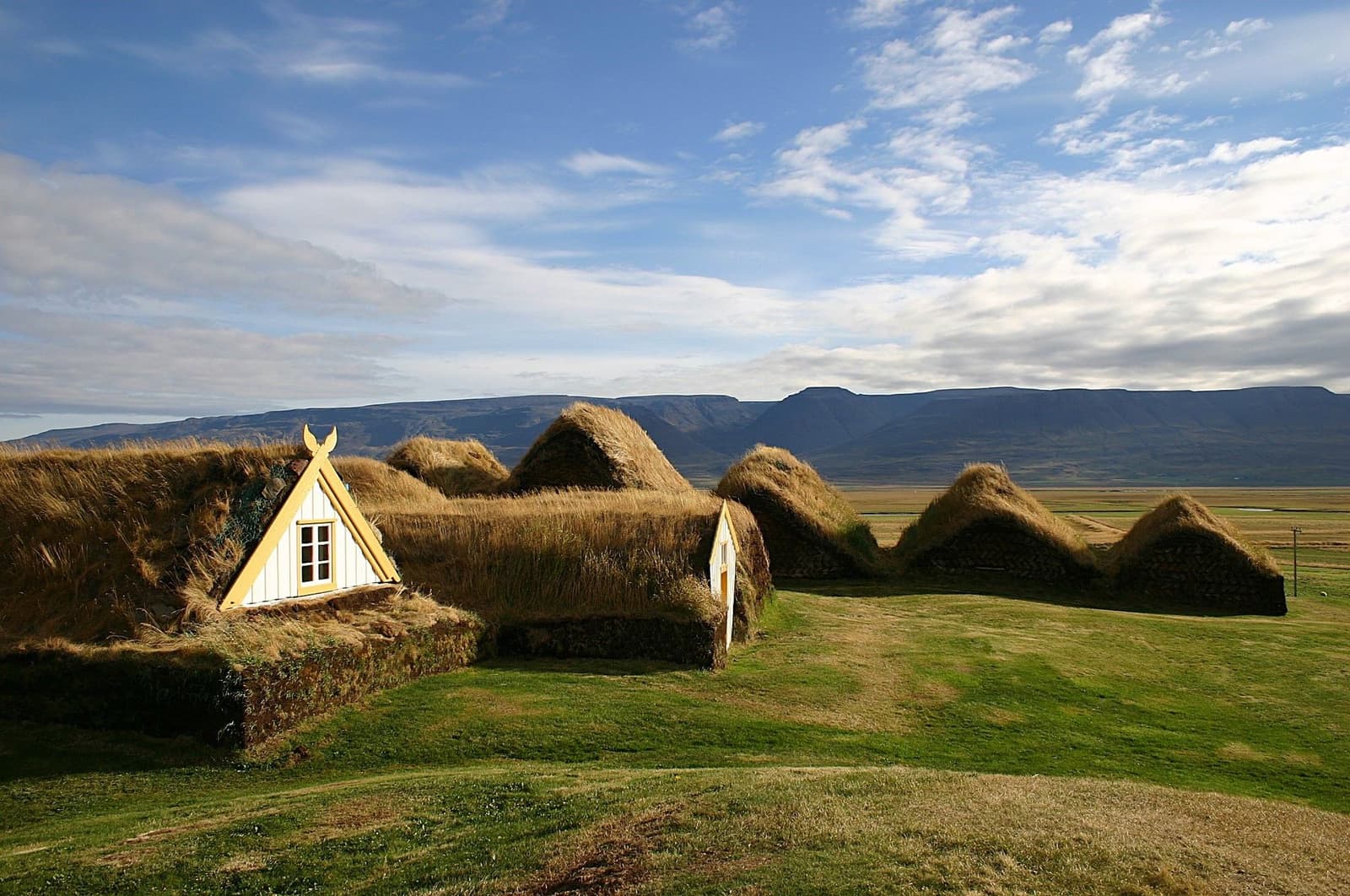
The grass roofs and gabled fronts are the site's clearest visual signature.
What makes the turf farm feel different from a normal museum?
Glaumbær is memorable because the architecture does much of the storytelling. The turf walls and roofs are not decorative props; they show how farm buildings used local materials, insulation, and linked rooms to handle a northern climate.
The official museum describes Glaumbær as an old manor farm that now belongs to the National Museum of Iceland's historic buildings collection, while Skagafjörður Heritage Museum operates the site. That split matters for travelers because it explains both the heritage value and the need to follow museum access rules.
The best way to visit is to slow down before you enter. Look at the outside first: the line of turf mounds, the white gables, the grass roofs, and the farm's position in open Skagafjörður. Then go inside with that exterior logic in mind.
What should you notice inside the old farm rooms?
Inside, the visit becomes intimate. The rooms are small, practical, and connected in a way that makes daily life feel close rather than abstract.
Pay attention to scale. Doorways, sleeping spaces, storage areas, household objects, and work rooms help explain why a turf farm was not a romantic cottage but a working home. The value is in the details: how people shared space, where warmth mattered, and how the building protected daily routines from weather.
This is also why Glaumbær can work for families. Children often understand the place quickly because the rooms are physical and concrete. Adults get more from reading the context, but the site does not depend only on long panels.
Small gables, turf walls, and grass roofs make the historic farm readable before and after the indoor visit.
Glaumbær: most travelers should allow about 45-90 minutes
Most travelers should allow about 45-90 minutes. Use the shorter end for a focused look at the turf farm and the longer end if you want the exhibits, shop, cafe, photos, or a slower family pace.
Do not schedule it like a large city museum. Glaumbær is compact, but it rewards attention. A rushed 15-minute stop will show you the grass roofs, but it will miss the reason the place belongs in a North Iceland plan.
Simple timing choices for Glaumbær
Visit style
Time
Best when
Quick exterior and selected rooms
30-45 minutes
You are passing through Skagafjörður with a tight day
Balanced museum visit
45-75 minutes
You want the turf farm, room details, and a few photos
Slow cultural stop
75-90 minutes
You add the wider museum context, cafe, shop, or children moving slowly
Glaumbær fits best as the cultural anchor of a Skagafjörður segment
Glaumbær fits best as the cultural anchor of a Skagafjörður segment. It is close enough to the Ring Road corridor to be practical, but it works better when the surrounding valley and towns are part of the plan.
Glaumbær belongs naturally with Skagafjörður stops such as Varmahlíð, Sauðárkrókur, Hólar in Hjaltadalur, Grettislaug, Hofsós, and Siglufjörður. That local grouping is more useful than forcing the museum into a generic North Iceland checklist.
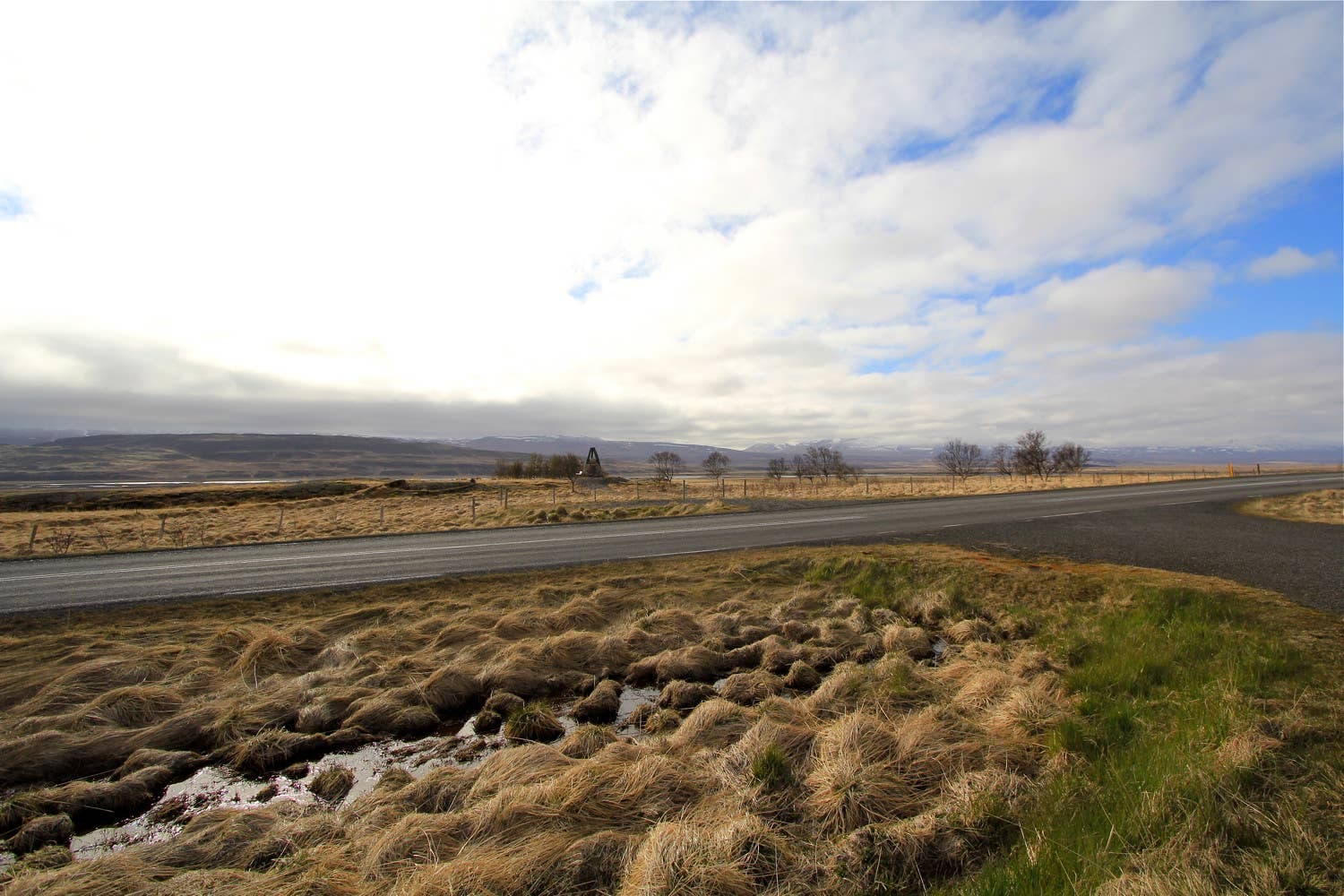
Glaumbær makes most sense when Skagafjörður is treated as a real route segment.
If you are driving west to east, the stop can break up the transfer before Akureyri and the better-known North Iceland nature stops. If you are moving more slowly, it pairs naturally with Sauðárkrókur, Hólar, Hofsós, and Siglufjörður for a culture-and-coast day.
Glaumbær: the strongest pairings keep you in the same northwest rhythm instead of pulling you into a completely different part of Iceland
The strongest pairings keep you in the same northwest rhythm instead of pulling you into a completely different part of Iceland.
Varmahlíð is the closest practical route anchor for drivers moving through the Skagafjörður valley.
Sauðárkrókur works well when you want a town stop, food break, or overnight base in the area.
Hólar in Hjaltadalur adds church, school, and settlement history for travelers who want more culture.
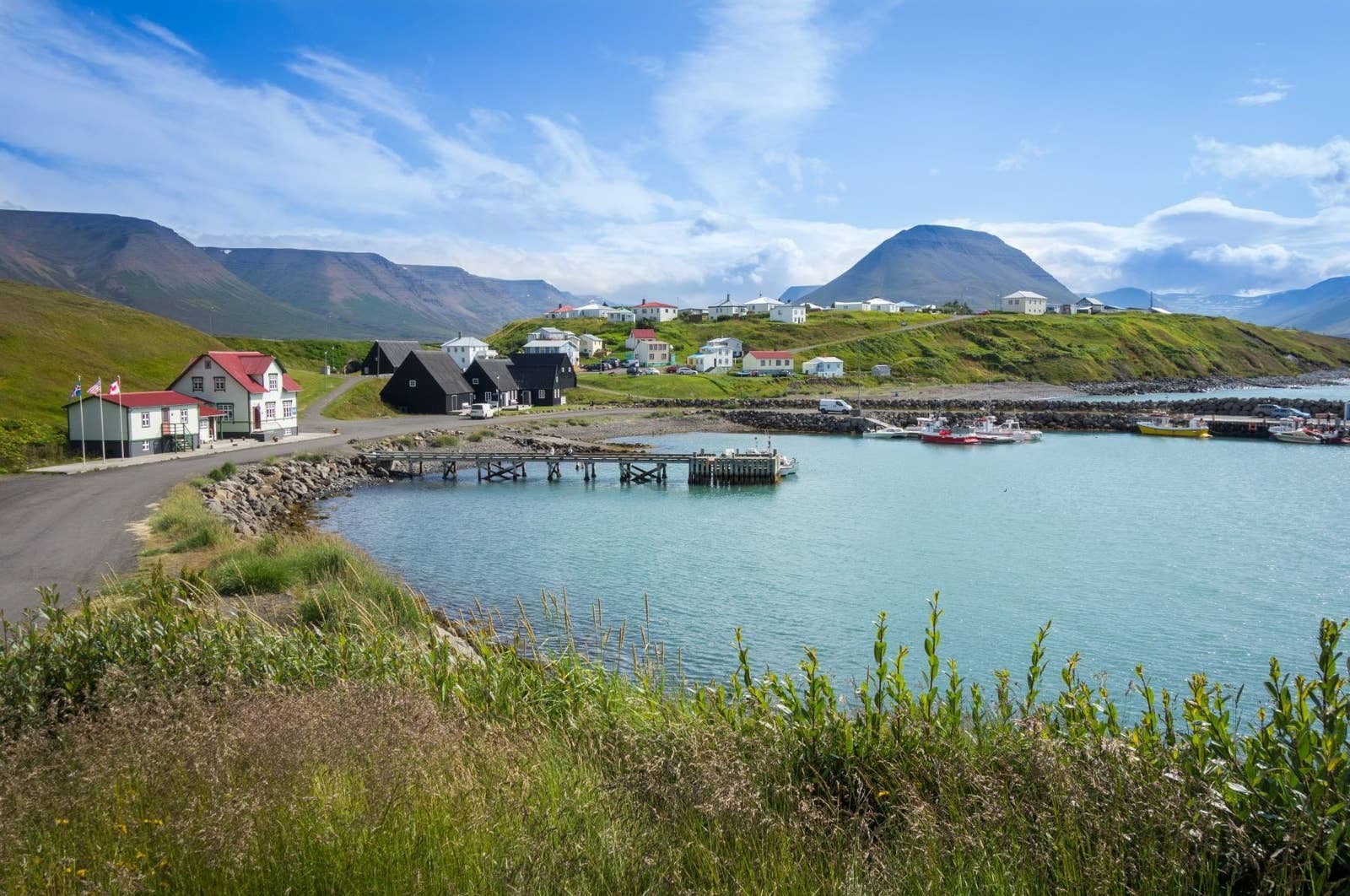
Hofsós adds a coastal village feel and a scenic pool stop if time and opening details work.
Grettislaug is a more rustic hot-spring pairing, but check local access and conditions before relying on it.
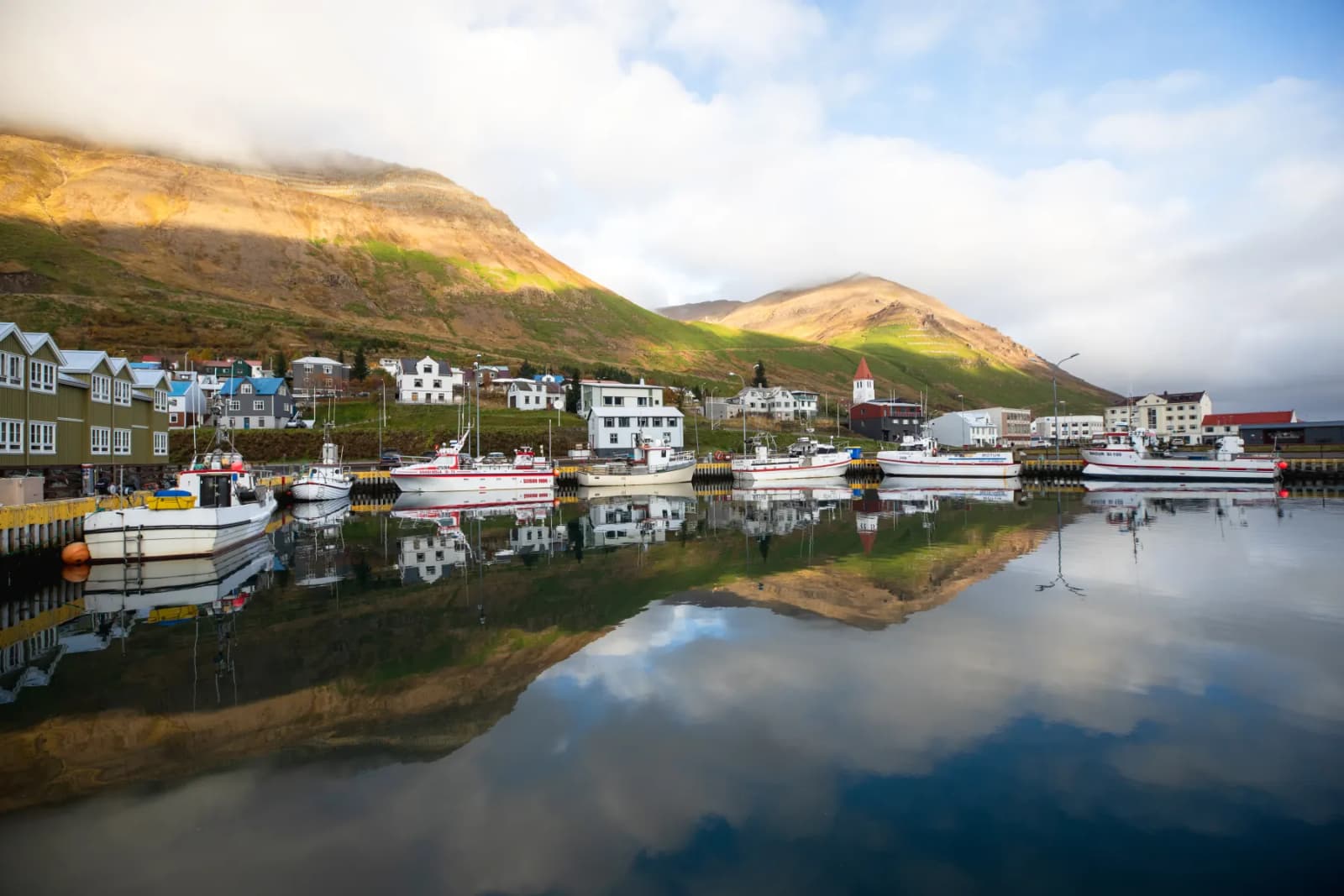
Siglufjörður is a larger north-coast extension when the day has room for a fjord-town finish.
Keep the list modest. Glaumbær loses value if it becomes one rushed item in a long transfer day. Choose two or three Skagafjörður stops and let the region feel coherent.
What changes with season, weather, and museum rules?
The site is easier than many remote North Iceland attractions, but it still depends on museum access and sensible weather planning.
Because Glaumbær is a historic building museum, official opening information matters more than old blog reports or map snippets. Seasonal hours, admission, cafe service, group visits, and building access can change. Check the museum site close to the visit, especially in shoulder season and winter.
Weather also changes the experience. Rain and wind make the outdoor part shorter, while snow or icy surfaces can affect walking around old buildings. The indoor rooms can still make it a useful poor-weather stop, but it is not a reason to ignore road and forecast checks on a longer North Iceland drive.
Official weather source for wind, precipitation, visibility, and winter conditions.
Glaumbær FAQ
These are the questions most likely to change whether Glaumbær is a quick pause or a worthwhile cultural stop.
How long do you need at Glaumbær?
Most travelers need about 45-90 minutes at Glaumbær. A focused visit can be shorter, but the turf rooms and local-history context are better when you are not rushing.
Is Glaumbær good for kids?
Yes, Glaumbær can work well for kids because the historic rooms and turf buildings are physical and easy to understand. Keep expectations realistic for narrow rooms, uneven surfaces, and museum rules.
Can you visit Glaumbær year-round?
Do not assume seasonal or weather-dependent access without checking the official museum site. Opening, admission, cafe service, and building access can change by season or event.
What should you pair with Glaumbær nearby?
The best nearby pairings are Varmahlíð, Sauðárkrókur, Hólar in Hjaltadalur, Hofsós, Grettislaug, and Siglufjörður. Choose based on how much Skagafjörður time your route can support.