Experience fit
- First decision
- Watching, tasting, or joining in
- Most hands-on
- Hosted working-farm visit
- Food-led option
- Farm restaurant or dairy stop
- Non-rider pick
- Guided stable visit
- Before detouring
- Check the visit arrangement
Farm experiences in Iceland can mean tomato vines in warm greenhouse air, ice cream beside a cow stable, a quiet goat encounter, or a hosted look at working farm life. Choose by hands-on level first, then check the season and visit arrangements with the farm.
Experience fit
A farm stop can begin in warm greenhouse air among tall tomato vines, beside a cow stable with ice cream in hand, or at a gate where the host is ready to introduce the animals. The pleasure is in getting close to one small part of rural Iceland and understanding it properly.
For a first visit, decide how involved you want to be. Watching and listening gives you the growing or breeding story with little physical demand. Tasting brings the farm to the table. Meeting animals is more personal, while a hosted working-farm visit may let you see or join a task that makes sense that day.
| Farm format | Season pattern | Often suits | Hands-on level | Main reward |
|---|---|---|---|---|
| Greenhouse interpretation | Growing continues indoors; visitor terms can change | Curious adults, mixed ages, poor-weather days | Watch, listen, ask | How Icelandic crops are grown |
| Farm-food stop | Food service and products change through the year | Shorter stops, food lovers, mixed groups | Taste and observe | A direct link between farm and plate |
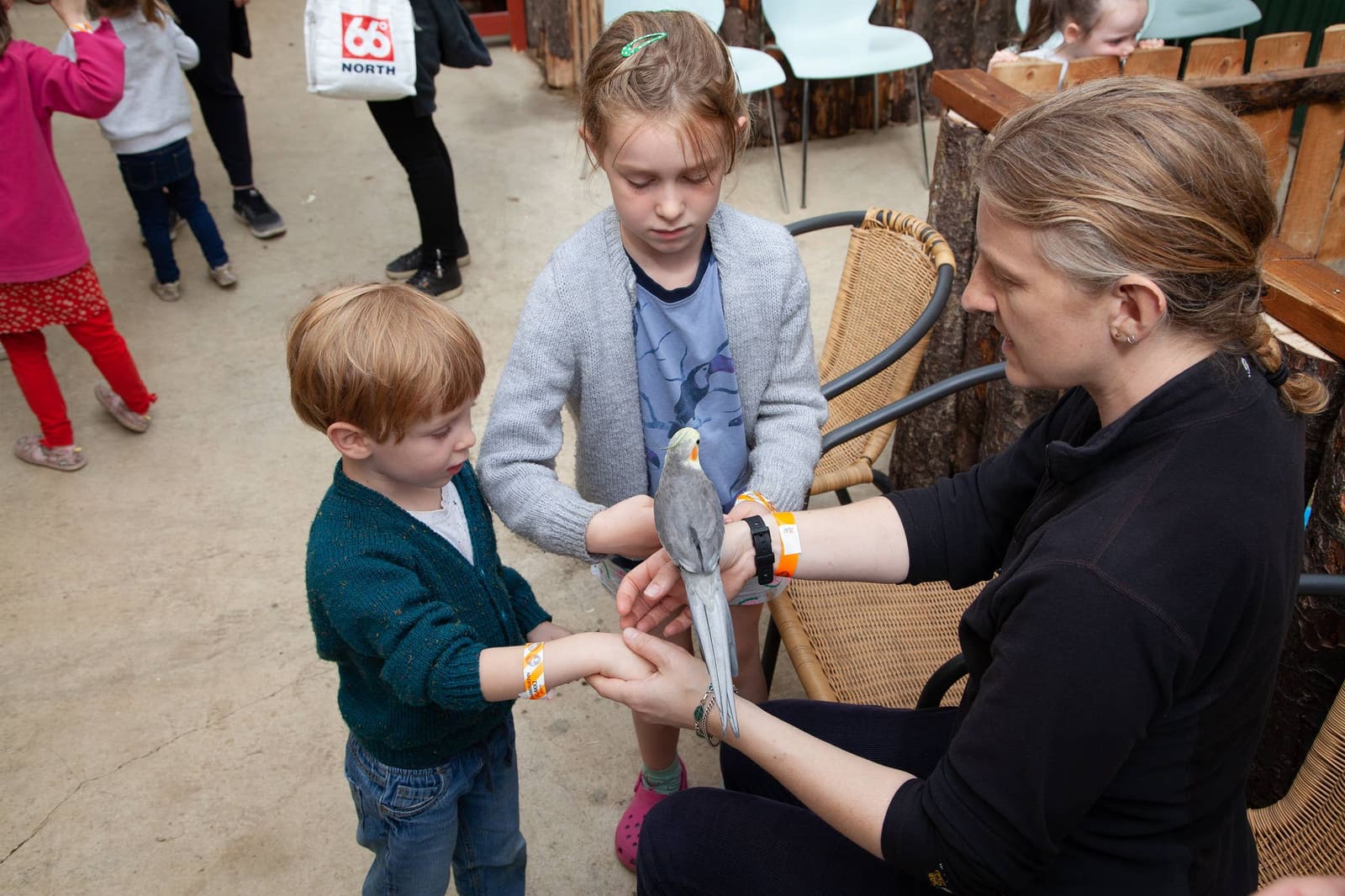
| Animal or breed encounter | Animals and outdoor time vary by season | Families, photographers, animal lovers | Observe or meet | Close attention to one Icelandic breed |
| Non-riding stable visit | Indoor content is steadier; other animals may vary | Non-riders, horse-curious visitors, colder days | Meet, listen, ask | Breeding, care, and stable life |
| Hosted working-farm visit | Tasks and animal moments are strongly seasonal | Travelers who want local conversation | Observe or sometimes join in | The rhythm of a real working place |
The clearest recommendation is simple: pick the level of contact first, then look for a farm that actually offers it. A famous name is no help if you wanted to meet animals and booked only a meal, or expected a casual stop at a farm that receives visitors by arrangement.
Photo guide
1 / 8
In a greenhouse visit, the growing rows and the meal belong to the same story.
Good to know
Step into an Icelandic greenhouse and the first surprise is physical: humid air, long green rows, and the contrast with the wind outside. An interpreted visit adds the part you cannot see—the choices that keep vegetables growing in a cold, dark climate.
Friðheimar is the best-known example, but it is useful because the farm clearly separates its greenhouse talk, food experience, and stable visit. The interpreted greenhouse visit explains horticulture and uses an advance-arranged group format. Eating among tomato plants can be enjoyable in its own right, but it does not automatically include that explanation.
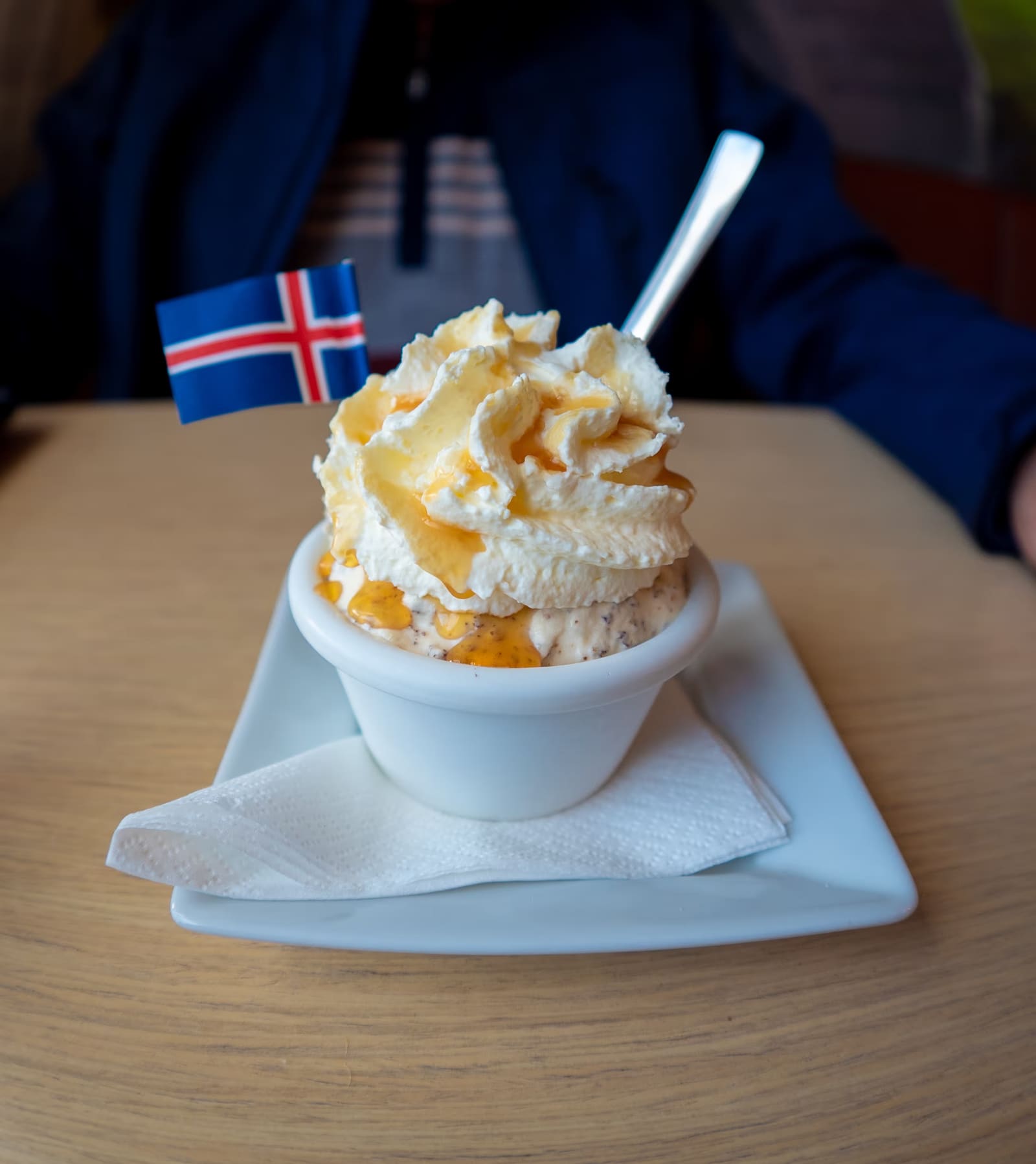
Choose greenhouse interpretation when someone in the group genuinely wants to know how food is grown. Choose a farm restaurant when the shared meal matters more than a guided talk. Efstidalur, for example, connects beef and dairy from the farm with a restaurant beside the cow stable; it is a food-led stop, not a promise of a production tour.
This distinction also keeps the food and drink guide useful. Open that page when you want a tasting, food walk, market, bakery, or meal. Stay here when the growing, animals, or daily farm story is the reason for the stop.
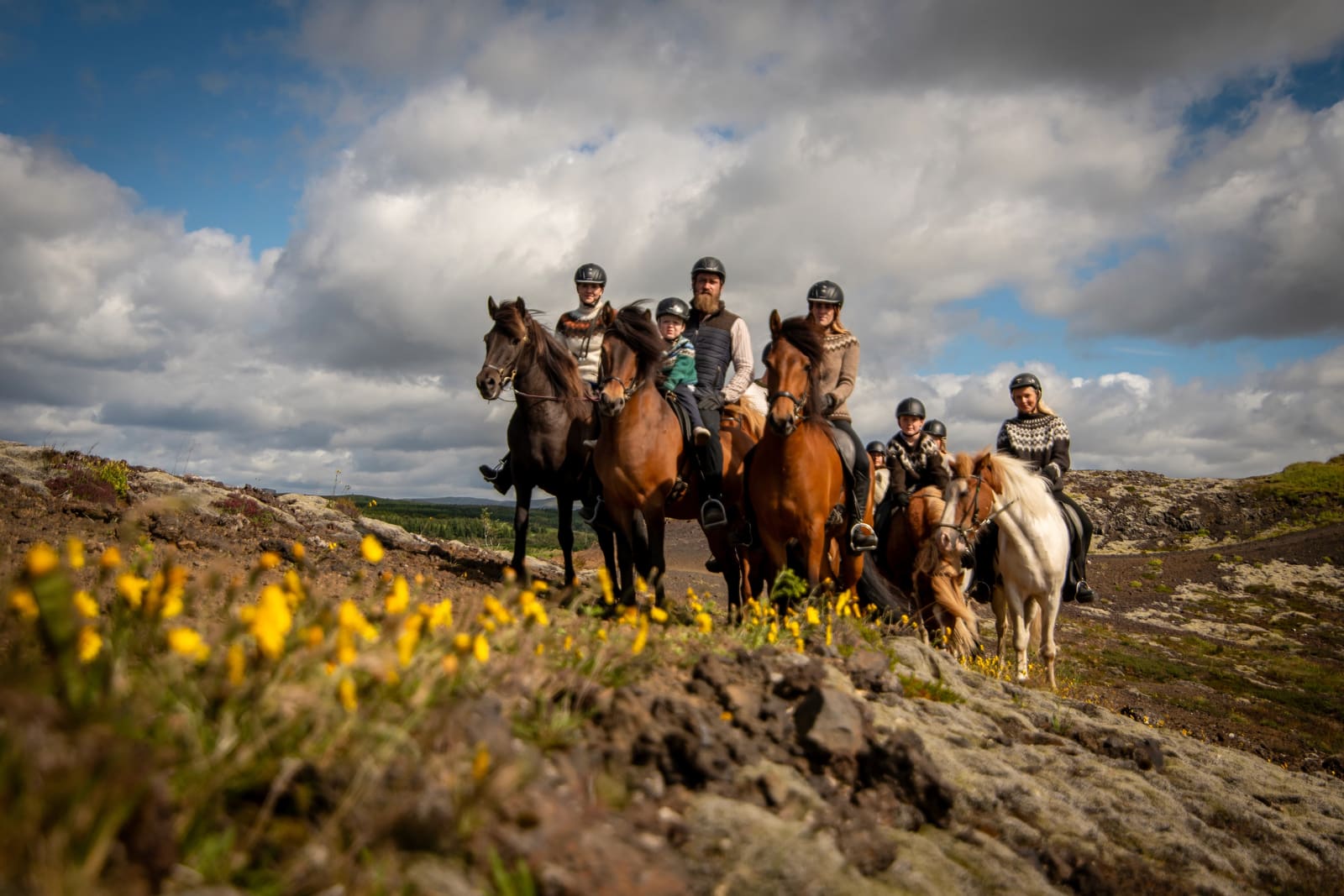
Icelandic horses draw attention quickly, but riding is only one way to meet them. A stable visit can be quieter: the host talks through breeding, training, care, and the horses in front of you while everyone stays on the ground.
That version suits non-riders, companions who do not share the same confidence, and anyone more interested in the breed than the trail. Vorsabær II describes its farm visit as a guided, mainly indoor stable experience and explicitly separates it from riding. If the saddle is the attraction, compare beginner rides and regional choices in the horse-riding guide.
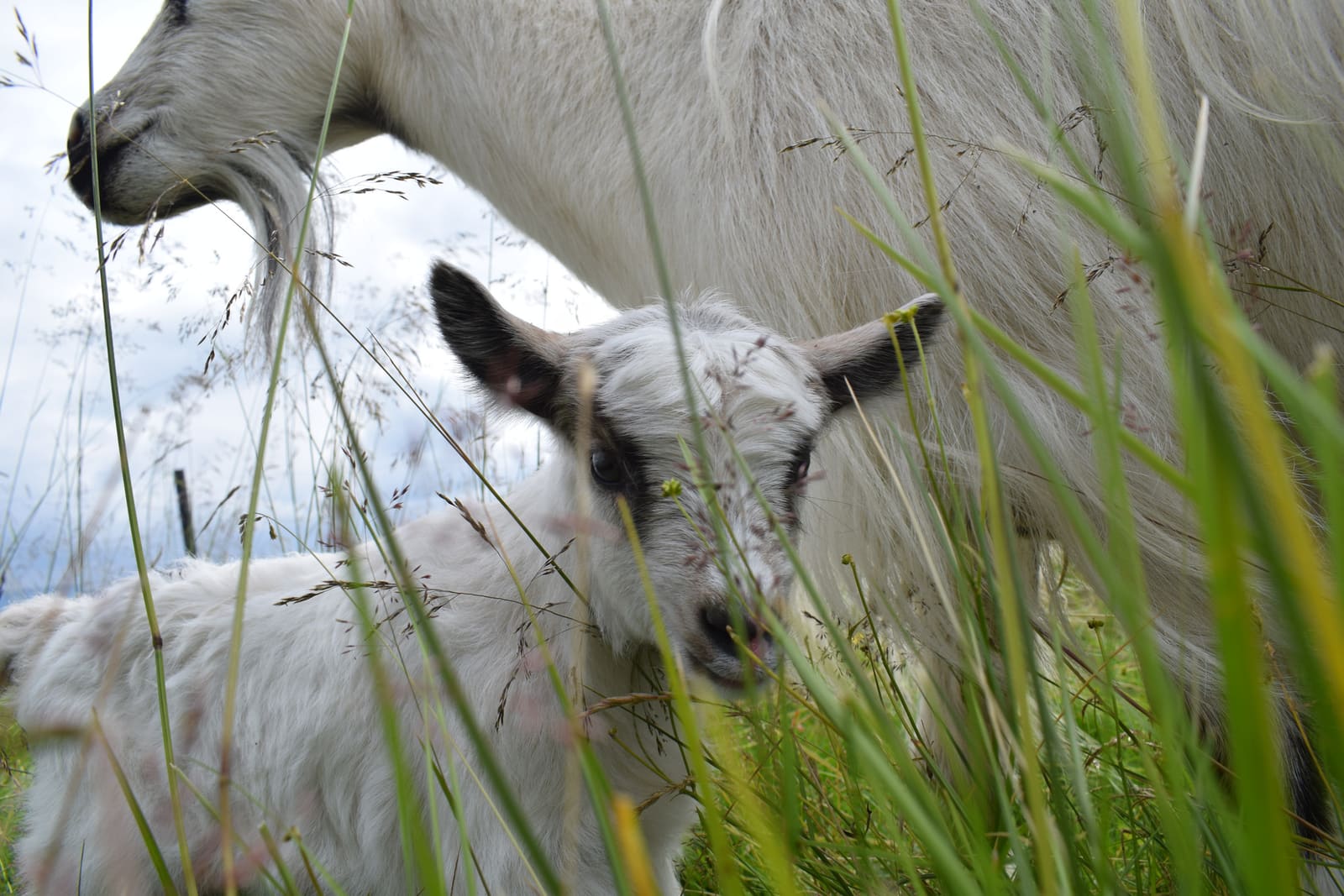
Háafell Goat Farm is the clearest animal-led example in West Iceland: the Icelandic goats and their story are the point. Bjarteyjarsandur has a different character, centered on a working sheep farm, local hosts, food, and activities that can vary with the season.
Hands-on sounds like a fixed promise, but farms move to the calendar of animals, weather, crops, and necessary work. Lambs, shearing, outdoor grazing, feeding, harvest tasks, and time in the yard cannot be treated as a permanent menu.
A good host may offer a richer visit by showing what is real that day instead of staging the moment you pictured. Bjarteyjarsandur says seasonal farm activities may form part of its guided group tours. Vorsabær notes that sheep and goats may be seen depending on the season. Both are useful reminders to ask what the visit includes on your date.
Summer often gives farms more outdoor possibilities, but an indoor greenhouse or stable can be the more rewarding choice in colder or wetter weather. The Sheep Farming Museum is another useful alternative when the history and practice of sheep farming matter more than joining a live farm task.
For a family, make the choice by attention and comfort as well as animals. Young children may be delighted by one close encounter and finished soon after. The family activities guide helps when weather, age, warm breaks, and drive length need to shape the whole outing.
In autumn, the sheep that have grazed away from the farms are gathered and sorted back to their owners. The work brings families and neighbours together, and watching from a suitable spot can give you a close view of Icelandic farming life.
Réttir is the name visitors will see for the roundups and sorting. Göngur refers to the gathering work out on the grazing land; the sorting happens in pens divided into smaller enclosures. Sheep roundups are mainly a September tradition. Horse roundups, called stóðréttir, have their own dates, including some in early October. Check which animals and which part of the work a listing describes.
Bændablaðið’s 2026 roundup calendar lists these examples. These are sorting dates, not the start dates of multi-day riding tours. Confirm the date and visitor arrangements locally before travelling:
Watching is the simplest way to visit. Ask the local visitor centre or organiser whether spectators are welcome and where to park and stand. Joining the gathering, entering a pen or handling an animal needs the farmers’ agreement. A horse-riding trip with a roundup can involve long days and require experienced riders; it is a different commitment from watching the sorting.
Choose a roundup near the route you already plan to travel. South Iceland and North Iceland offer quite different travel days, so a date alone is not a reason for a long detour. If no roundup fits, arrange a farm visit or check the Sheep Farming Museum for its current visitor season. Neither promises the same experience as a live roundup.
These three visits show how different the same farm label can feel. Compare the activity you will actually do, then open the direct page for the details that can change.
Decide whether you want an explanation of growing, a meal tied to the farm, or a guided animal-and-breeding visit.
Friðheimar
Best forGroups who want the greenhouse growing story and time to ask how the horticulture works.
Keep in mindThe interpreted visit is an arranged group experience, not the same thing as eating in the greenhouse.
Check firstConfirm the group arrangement, visit content, and whether you are booking greenhouse interpretation or food.
Efstidalur II
Best forTravelers who want farm beef or dairy in a relaxed meal setting beside the cow stable.
Keep in mindThis is a food-led stop; do not expect a guided production or animal visit with the meal.
Check firstCheck the restaurant details, food choices, group arrangements, and any dietary needs directly.
Vorsabær II
Best forNon-riders who want a host-led introduction to Icelandic horses, breeding, training, and stable life.
Keep in mindThe horse focus is stronger than the wider farm story, and other animals can depend on the season.
Check firstConfirm the visit date, indoor and outdoor parts, animal content, and accessibility needs.
A working farm is not a viewpoint with a parking bay. The host may need to leave other work, gather the group, open a stable, or choose the part of the farm that is sensible to show.
Before leaving the main road, find out whether the stop welcomes casual visitors, takes bookings, or arranges visits by message. Friðheimar's greenhouse interpretation is pre-booked for groups. Bjarteyjarsandur frames its tours for groups, while Sölvanes asks visitors to arrange a suitable time. A farm restaurant can be more flexible, but its food service still has its own visitor details.
This is where the visit often becomes memorable. A host can connect the animal, crop, wool, milk, or meal in front of you with the work behind it. That conversation is difficult to squeeze into an overfilled driving day, so give the farm a clear purpose on the route.
Four plain questions prevent most mismatched expectations: Do we need to arrange the visit? What will we actually do? How much is indoors? What changes with the season?
Open the host's page again close to the visit and check the experience you selected. Look for the booking or contact method, group boundary, indoor and outdoor setting, food-versus-tour distinction, animal content on your date, clothing, and any accessibility information your group needs.
Compare the greenhouse visit, food experience, and stable visit before making an arrangement.
Check the direct farm-restaurant details when the food-led stop is the part you want.
Use the direct visit page for the stable setting, non-riding boundary, and visitor requirements.
Check the visitor arrangements for your dates when the Icelandic goats are your reason to go.
Use the regional listing for South Iceland context and the distinction between farm formats.
Check the working-farm, group, and seasonal context before asking the host about a visit.
Published sheep and horse sorting dates, listed separately. Recheck locally before making a journey.
Background on gathering, sorting and respectful visits. The event dates in this older article are for 2024.
The label can cover a greenhouse talk, a stable visit, an animal encounter, a meal using farm products, or a hosted look at working farm life. Read what you will actually do before choosing.
Yes. Some farms offer stable visits focused on meeting horses, breeding, training, and care. Check that the exact product is non-riding rather than assuming every horse visit stays on the ground.
Some visitor farms offer animal encounters, but the animals, level of contact, supervision rules, and season vary. Ask the host what children can do on your date.
Usually not unless the farm states that clearly. A meal, greenhouse interpretation, stable visit, and working-farm tour may be separate experiences at the same place.
Choose by the experience rather than one month. Greenhouses and indoor stables can be rewarding in poor weather, while animals, outdoor work, and hands-on tasks change more with the farming season.
Sheep roundups are mainly in September, while horse sorting has separate dates that can extend into early October. There is no single national roundup weekend. Use the current year’s local calendar and confirm before travelling; the same pens may host sheep and horses on different days.
Watching may be possible where the organisers welcome visitors. Joining the gathering, entering pens or handling animals requires the farmers’ permission. A guided roundup ride is a separate activity with its own riding-experience requirements and booking arrangements.
By ThorPublished Updated
Where to do it
Continue into Icelandic food, horse riding, family activities, or a named rural stop with clearer visitor details.
Regions
See which part of Iceland is most convenient for this experience and what else you can visit nearby.
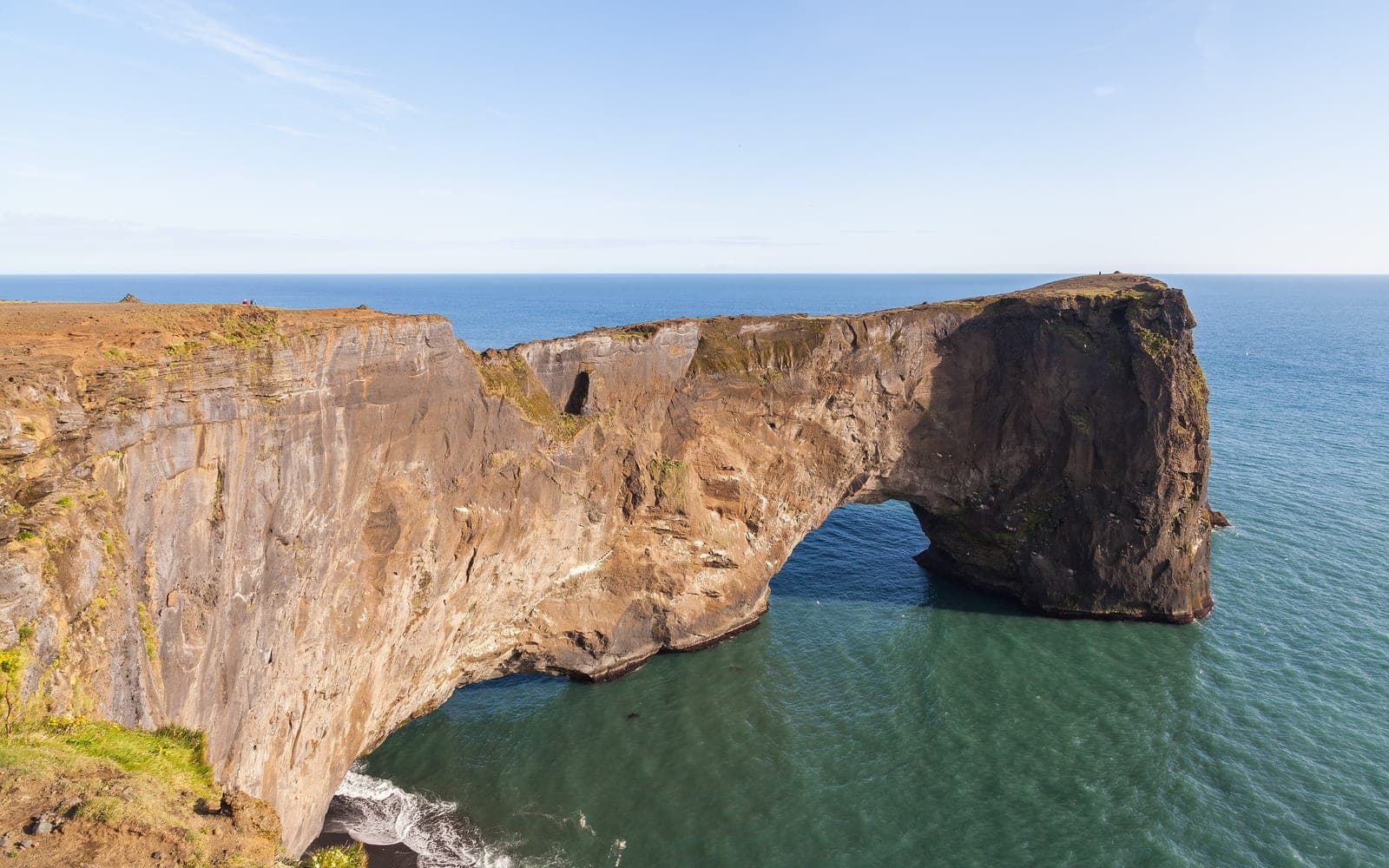
Build a first-trip route around waterfalls, black-sand coast and glacier country, but allow two to four days if Jökulsárlón is part of the plan.
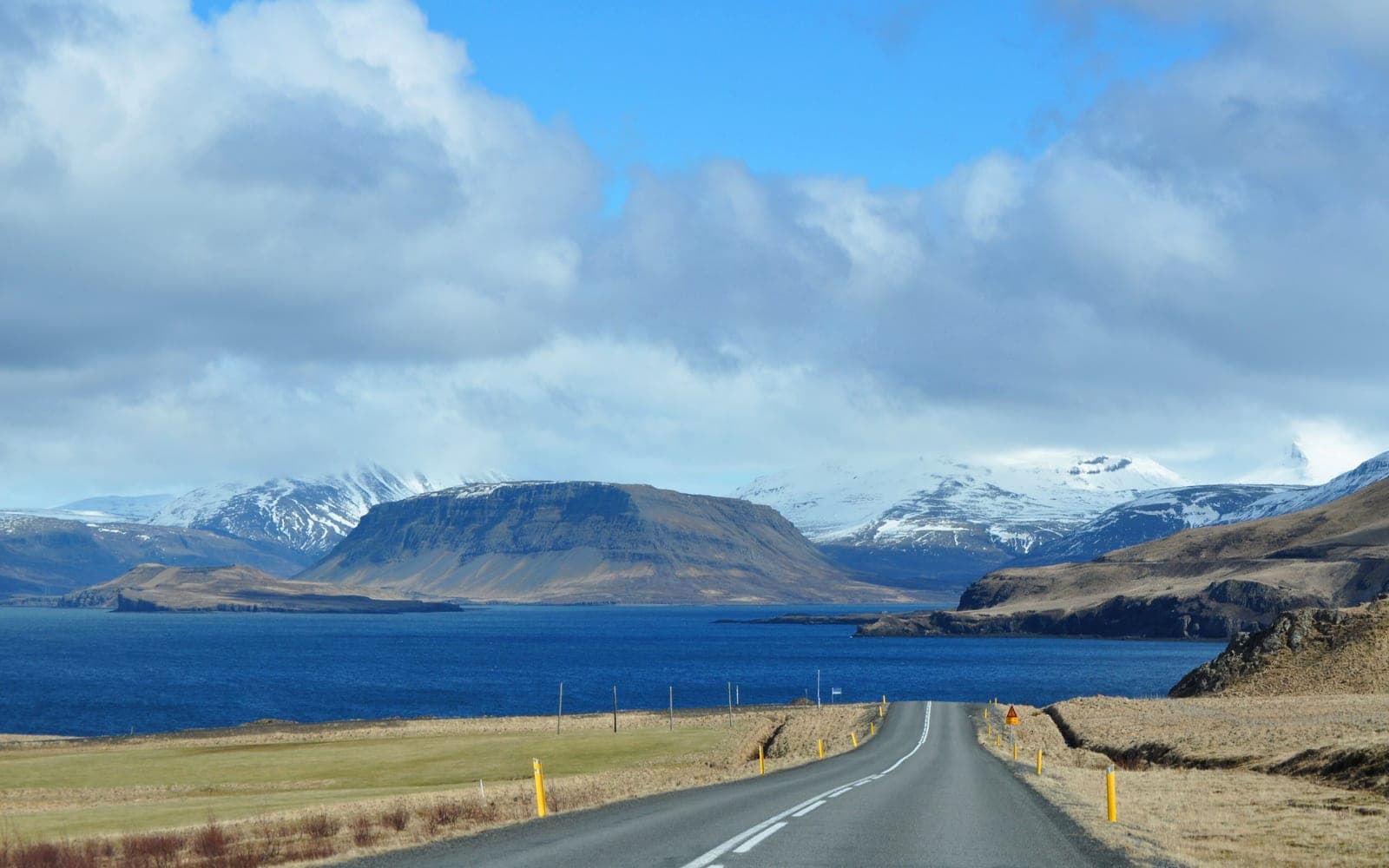
Choose West Iceland for a Borgarnes-based mix of waterfalls, geothermal stops, and caves; skip it if Snæfellsnes already fills your spare westbound day.
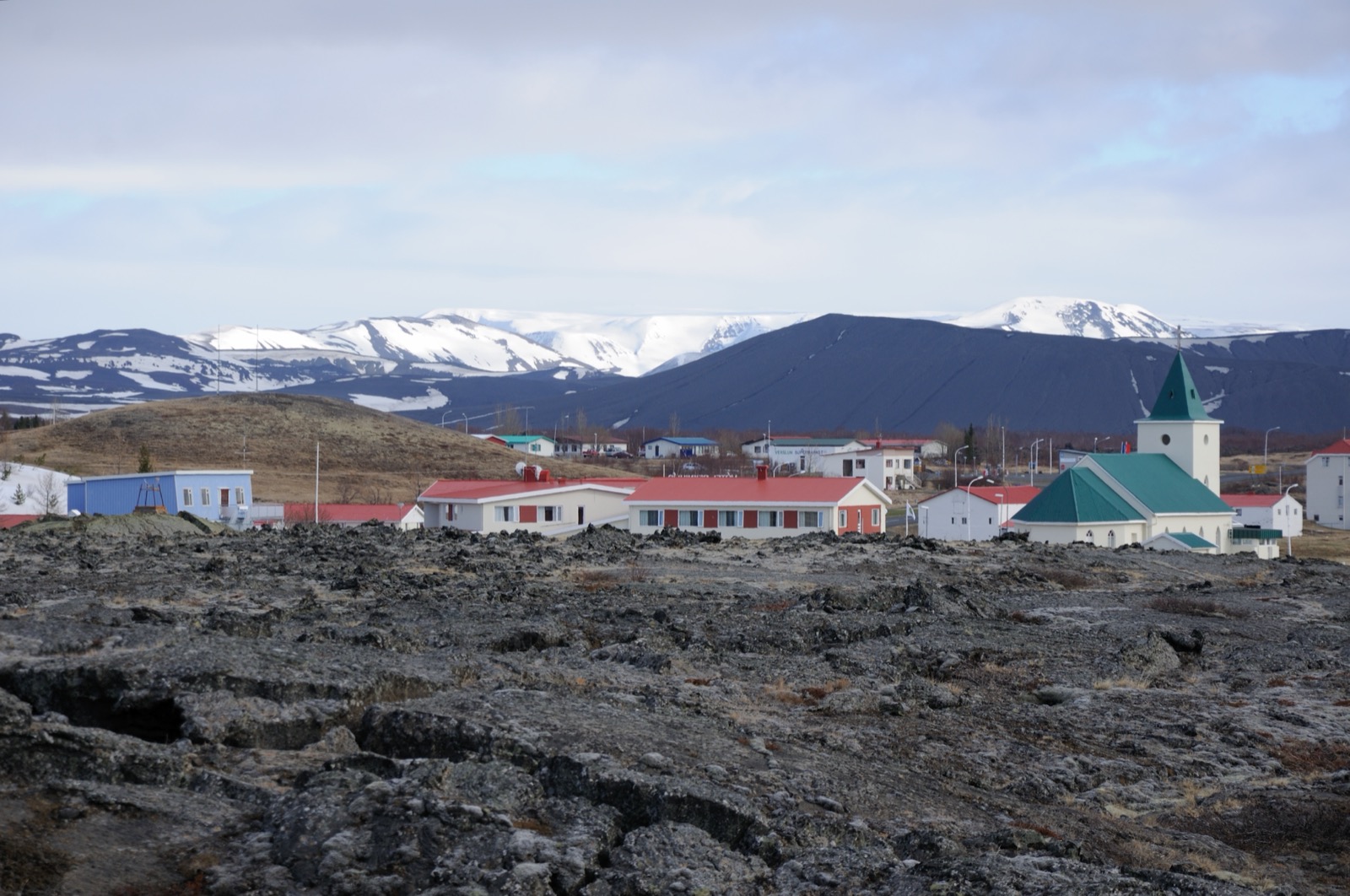
Choose North Iceland when you can spare several days for Akureyri, Mývatn, Húsavík, and canyon country; one rushed overnight barely reaches the region.
More things to do
See other activities that may suit the same day, season, or part of Iceland.
Keep exploring
Follow the food, animals, or Golden Circle setting that made the farm experience worth choosing.