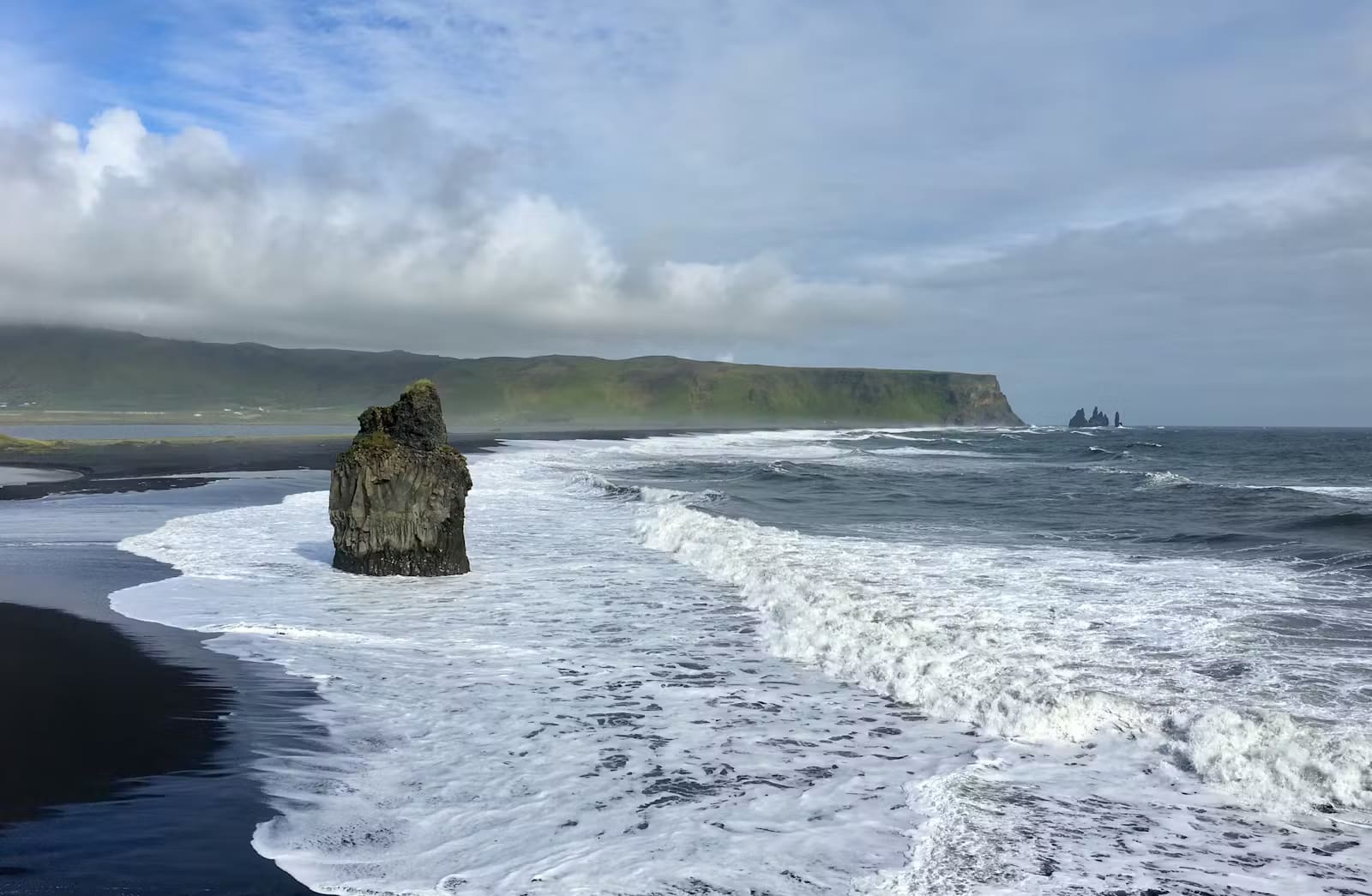
Which black sand beach experience should you choose?

Start with the kind of coast you want, not the most repeated name on social media. Iceland's black-sand beaches can mean basalt cliffs, sea stacks, glacier ice, bird cliffs, empty outwash plains, or quick roadside contrast.

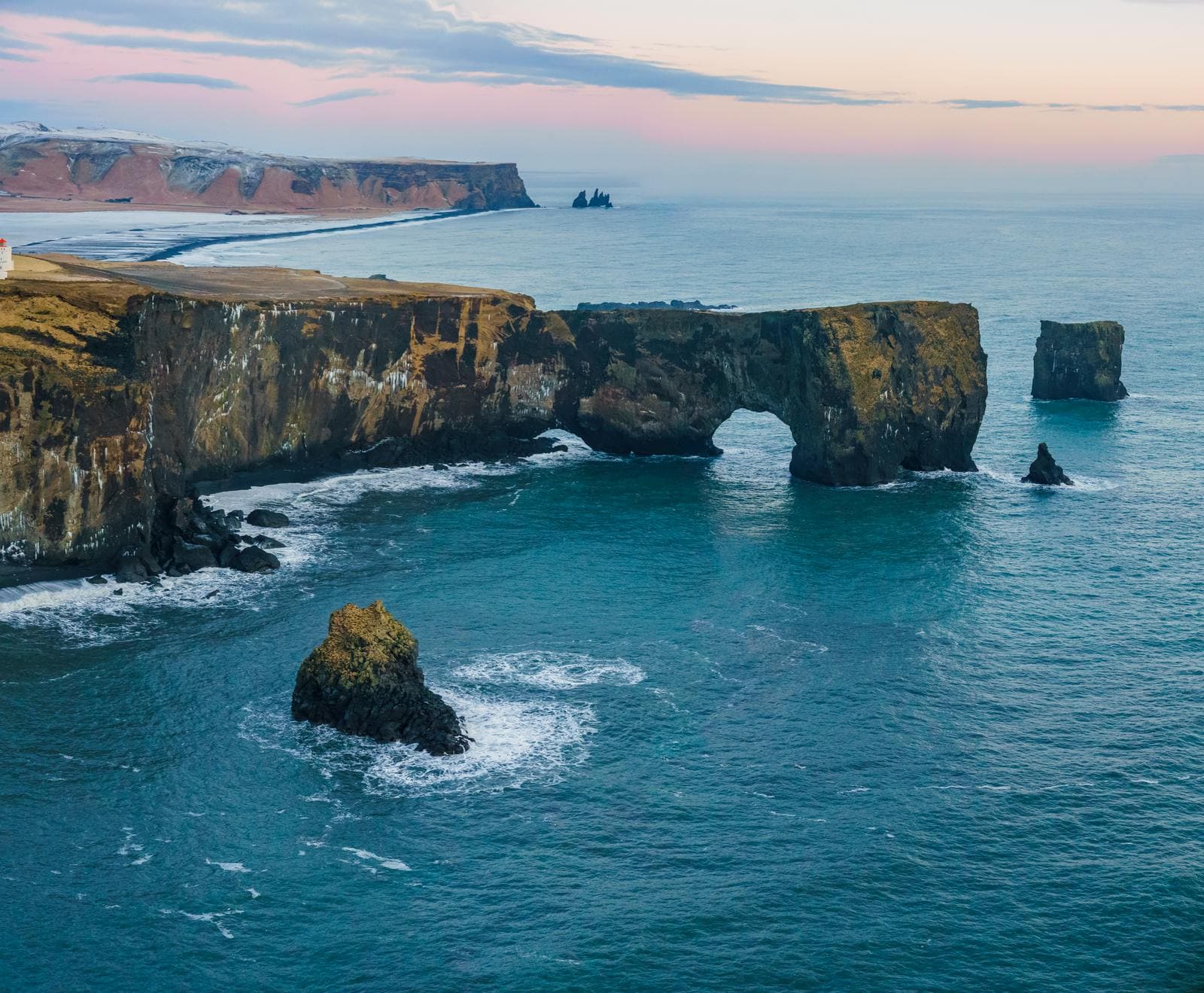
Reynisfjara is the famous one for a reason: black sand, basalt columns, sea stacks, Atlantic surf, and a huge sense of drama. It is also the beach where the safety decision matters most. Diamond Beach is a different experience: black sand with changing pieces of glacier ice near Jokulsarlon. Dyrholaey gives higher coastal viewpoints and cliff scenery. Snaefellsnes and the west can feel slower, rougher, and less dominated by one stop.

The useful question is not "which beach is best?" It is which beach matches your day. A short South Coast route may only need one safe viewpoint and a few photos. A southeast overnight can make Diamond Beach feel natural. A west Iceland road trip may be happier with a quieter black-pebble beach than a long detour to the south.

Match the black-sand coast to the day you are planning
ExperienceBest forWatch out for
Reynisfjara-style surf and basaltClassic South Coast drama, sea stacks, basalt columns, and strong first-trip scenerySneaker waves, warning lights, crowds, rockfall zones, and visitors standing too close to the water
Diamond Beach and glacier iceSoutheast routes, Jokulsarlon pairing, ice-on-sand photos, and slower Ring Road daysLong distance from Reykjavik, changing ice conditions, winter daylight, and slippery or wave-washed ice
Dyrholaey and cliff viewpointsTravelers who want coastal scale, puffins in season, and a safer raised view when beach time is questionableWind, cliff edges, seasonal bird closures, and road or access updates
Snaefellsnes or west coast black-pebble stopsSlower self-drives, photographers, and travelers who prefer mood and space over the most famous beachLonger route commitment, uneven footing, fewer services, and weather exposure
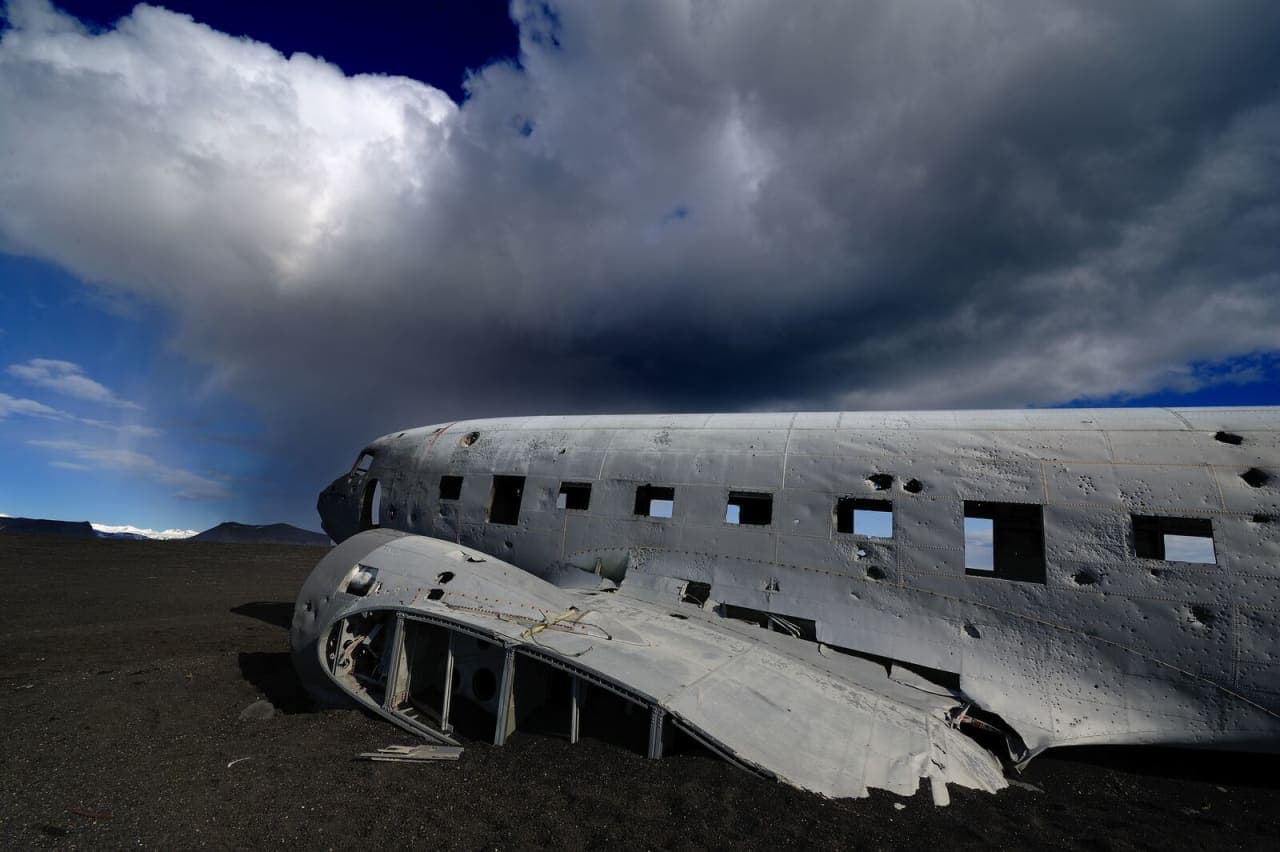
Black sand plains such as SolheimasandurTravelers interested in emptier volcanic landscapes and scale rather than a surf beachLong exposed walks, wind, no shelter, and a stop that can feel bleak if the group only wants a quick beach

Worth adding?

When this fits your plan

Best for

  • First-time visitors deciding whether Reynisfjara, Diamond Beach, Dyrholaey, or a quieter black-sand coast belongs in the route
  • Self-drive travelers who want a scenic coastal stop without accidentally building an unsafe or overlong day
  • Photographers who care about black sand, basalt, sea stacks, ice, cliffs, and safe places to stand
  • Families and mixed-comfort groups that need clear safety boundaries before adding a beach stop

Think twice if

  • Travelers looking for live parking fees, exact opening details, restroom availability, or current access status
  • Visitors who want to swim, paddle, or stand close to the surf at Reynisfjara or other exposed Atlantic beaches

Pair it with

DyrhólaeyJökulsárlón Glacier LagoonFjallsjökull GlacierSólheimasandur

Is Reynisfjara safe to visit?

Yes, Reynisfjara can be visited safely, but only if the ocean gets more respect than the photo. The danger is not theoretical: powerful surf and sneaker waves can reach farther up the beach than visitors expect.

At Reynisfjara, the Atlantic is the main character. Sneaker waves can arrive after smaller waves, rush far up the beach, knock people down, and pull them toward the sea. The beach has warning signs and a light system; use them as the minimum, not as decoration.

The safest visit is simple: stay high and far back, keep children close, avoid the wet sand near the waterline, do not climb around slippery basalt for a better angle, and never turn your back on the ocean. If the red warning light is active or the beach feels chaotic, enjoy the view from safer ground and move on.

  • Do not swim, paddle, or pose at the edge of the surf.
  • Do not copy other visitors who cross ropes, warning zones, or wet sand.
  • Use a zoom lens or a wider crop instead of walking closer to waves.
  • Watch for rockfall risk near cliffs and caves, especially after rough weather.
  • If traveling with children, make the beach a supervised viewpoint, not a free-running play area.
At Reynisfjara, the safe viewing distance matters more than the photo angle.

How is Diamond Beach different from Reynisfjara?

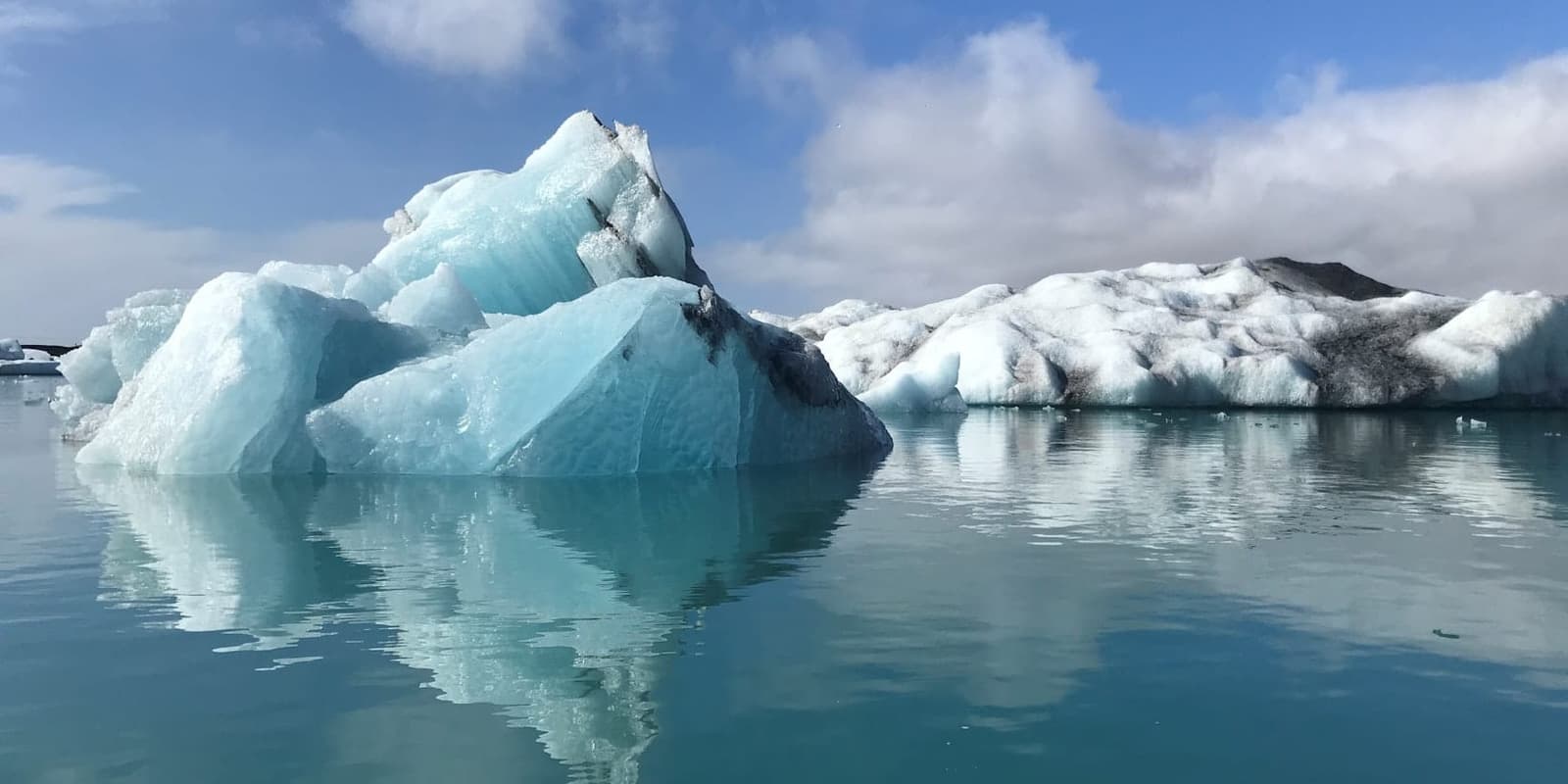
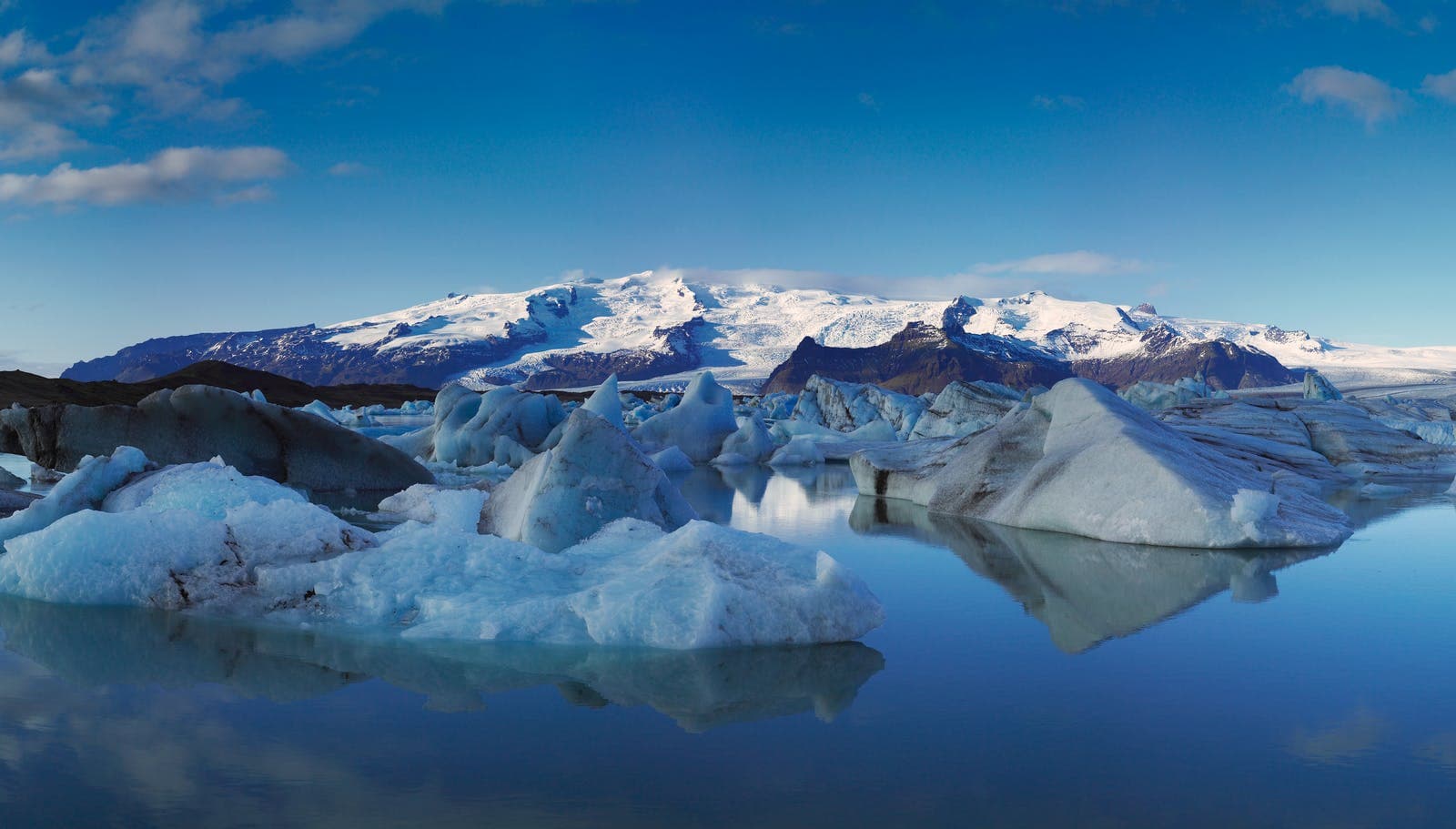
Diamond Beach is not just "another black sand beach." It is the beach side of the Jokulsarlon glacier-lagoon area, where pieces of ice may wash onto dark sand before the ocean takes them away again.

That makes the experience more changeable than many photos suggest. Some visits have dramatic chunks of blue or clear ice on the sand. Some have smaller pieces, different light, rougher surf, or very little that looks like the image you saved. It is still a memorable stop, but it should be part of a southeast route, not a promise that the beach will look exactly like yesterday's photo.

The route decision is the bigger difference. Reynisfjara sits near Vik on the classic South Coast. Diamond Beach sits much farther east, beside Jokulsarlon. If you are already staying near Skaftafell, Jokulsarlon, Hofn, or moving along the Ring Road, it can be easy. From Reykjavik as a same-day out-and-back, it becomes a very long plan for a beach whose ice and weather can change by the hour.

Reynisfjara or Diamond Beach?

Choose Reynisfjara
When Vik and the western South Coast are already in the day, and your group can follow strict surf safety.
Choose Diamond Beach
When Jokulsarlon or the southeast is already part of an overnight or Ring Road plan.
Choose Dyrholaey
When you want black-sand coast views from higher ground, especially if beach conditions make the shoreline less appealing.
Choose a quieter west coast stop
When you are already on Snaefellsnes or a west Iceland route and prefer a slower coastal mood.
Diamond Beach is a southeast glacier-lagoon pairing, and the ice on the sand changes with the ocean and lagoon.

Where do black sand beaches fit in an Iceland route?

Most travelers should place black-sand beaches inside an existing route instead of building the route around every beach name. The coast is powerful, but it should not wreck the day.

For a first trip, South Iceland is the easiest fit. A day or overnight around Seljalandsfoss, Skogafoss, Dyrholaey, Vik, and the black-sand coast gives the beach a natural place in the sequence. If the route continues east, glacier-country stops can lead toward Jokulsarlon and Diamond Beach.

Reykjavik day trips need more restraint. Reynisfjara can be part of a long guided or self-drive South Coast day, but the plan becomes weaker if you add too many waterfalls, hikes, glacier stops, meals, and photo detours. In winter, shorter daylight makes the same list feel much less casual.

On Snaefellsnes or west Iceland routes, black sand and black-pebble coastlines usually work as quieter scenic stops. They are less about one famous parking lot and more about giving the route time to breathe: cliffs, lava, sea birds, fishing villages, and changing weather.

  • Short Reykjavik trip: pick one managed South Coast beach or viewpoint, not the whole coast.
  • One-night South Coast: use Vik or nearby lodging to make Reynisfjara and Dyrholaey less rushed.
  • Southeast route: pair Diamond Beach with Jokulsarlon, Fjallsarlon, Skaftafell, or a Ring Road overnight.
  • West Iceland route: use Snaefellsnes or peninsula coast stops instead of backtracking south.
  • Winter route: check roads, wind, daylight, and surf before committing to distant beaches.
Black-sand beach stops work best when they sit inside a realistic South Coast or Ring Road day.

What changes by season, weather, and daylight?

Black sand looks good in many moods, but the practical experience changes fast with wind, waves, daylight, and winter roads.

Summer gives long daylight, easier pacing, and more room to wait for light. It also brings more visitors at famous stops, so the safest and calmest experience may come early, late, or from a viewpoint rather than the busiest patch of sand.

Winter gives low light, snow contrast, darker skies, and a wilder feeling on the coast. It also reduces the margin for long drives. A beach that feels like a quick stop in July may become a serious timing decision in January if wind, icy paths, and road conditions are poor.

Rain is not automatically a problem. Wet black sand can look beautiful, and a short viewpoint may still work. Strong wind, high surf, poor visibility, official warnings, or a tired driver are different. That is when the beach plan should shrink or disappear.

Winter can make black-sand coast stops more dramatic, but daylight, wind, surf, and roads get more important.

What should you wear and bring?

Dress for wind, spray, uneven ground, and a short stop that may feel colder than the map suggests. The coast can be sharp even on a bright day.

A windproof outer layer matters more than looking beachy. Add warm layers, gloves in cooler seasons, and footwear with enough grip for wet sand, pebbles, paths, and parking-area slush. If you are photographing the coast, bring a lens cloth and keep your camera or phone secure when gusts arrive.

Do not plan on bare feet, swimming, or casual wave play. Iceland's exposed black-sand beaches are for looking, walking at a safe distance, and taking in the scale. If you want water as the activity, pick a managed geothermal pool or lagoon instead.

  • Wear windproof and waterproof layers rather than beach clothes.
  • Use grippy shoes or boots; wet sand and pebbles can be awkward.
  • Keep children within arm's reach near exposed surf or cliffs.
  • Bring a dry cloth for glasses, phones, or camera lenses.
  • Check official safety, weather, and road sources before leaving, especially in winter.
Windproof layers and grippy shoes matter more than anything that sounds like normal beachwear.

When should you choose a different activity?

Sometimes the best black-sand beach decision is to skip the beach. That is not failure; that is Iceland doing its weather-and-ocean thing.

Choose a different activity when surf warnings are high, the group will not respect distance from the water, wind is making doors and walking difficult, daylight is too short for the return drive, or the route has already become a race. The beach will not be improved by arriving tense and late.

Good alternatives are still very Icelandic. Use Dyrholaey-style viewpoints when beach access feels poor. Use photography-friendly stops if you mainly wanted texture and light. Use a warm pool or lagoon if the group is cold. Use a shorter South Coast route if the real problem is distance.

Better backups

Bad surf
Use a higher viewpoint, a waterfall, or a town stop instead of walking toward waves.
Cold and wet group
Switch to geothermal bathing, a cafe break, or a shorter indoor-and-outdoor day.
Too much driving
Cut the farthest beach and keep the route around Vik, Skaftafell, or your actual overnight.
Photo disappointment
Change the subject: cliffs, waterfalls, harbor streets, ice, steam, or low-light city scenes may work better.
If the South Coast beach plan is too exposed or too far, a quieter west Iceland coast may be the better day.

FAQ: black sand beach planning

These are the questions that decide whether the stop belongs in the plan at all.

Can you swim at black sand beaches in Iceland?

No, you should not swim at exposed black sand beaches such as Reynisfjara. Cold water, powerful surf, sneaker waves, and currents make the coast dangerous even when it looks calm.

Is Reynisfjara suitable for children?

Reynisfjara can work for families only when children stay close and adults treat it as a supervised viewpoint. If your group wants free beach play, choose a different stop.

Can I visit Reynisfjara and Diamond Beach in one day from Reykjavik?

It is usually too much for a comfortable self-drive day, especially outside long summer daylight. Reynisfjara can fit a long South Coast day; Diamond Beach belongs better with a southeast overnight or Ring Road plan.

Are black sand beaches free to visit?

Many black-sand coastal stops do not require an attraction ticket, but parking, facilities, access rules, and local management can change. Check the official or local page before building the day around a specific stop.

Official resources to check before you go

Use current sources for anything that can change: surf warnings, weather, roads, access, parking, facilities, and local instructions.

Current checks