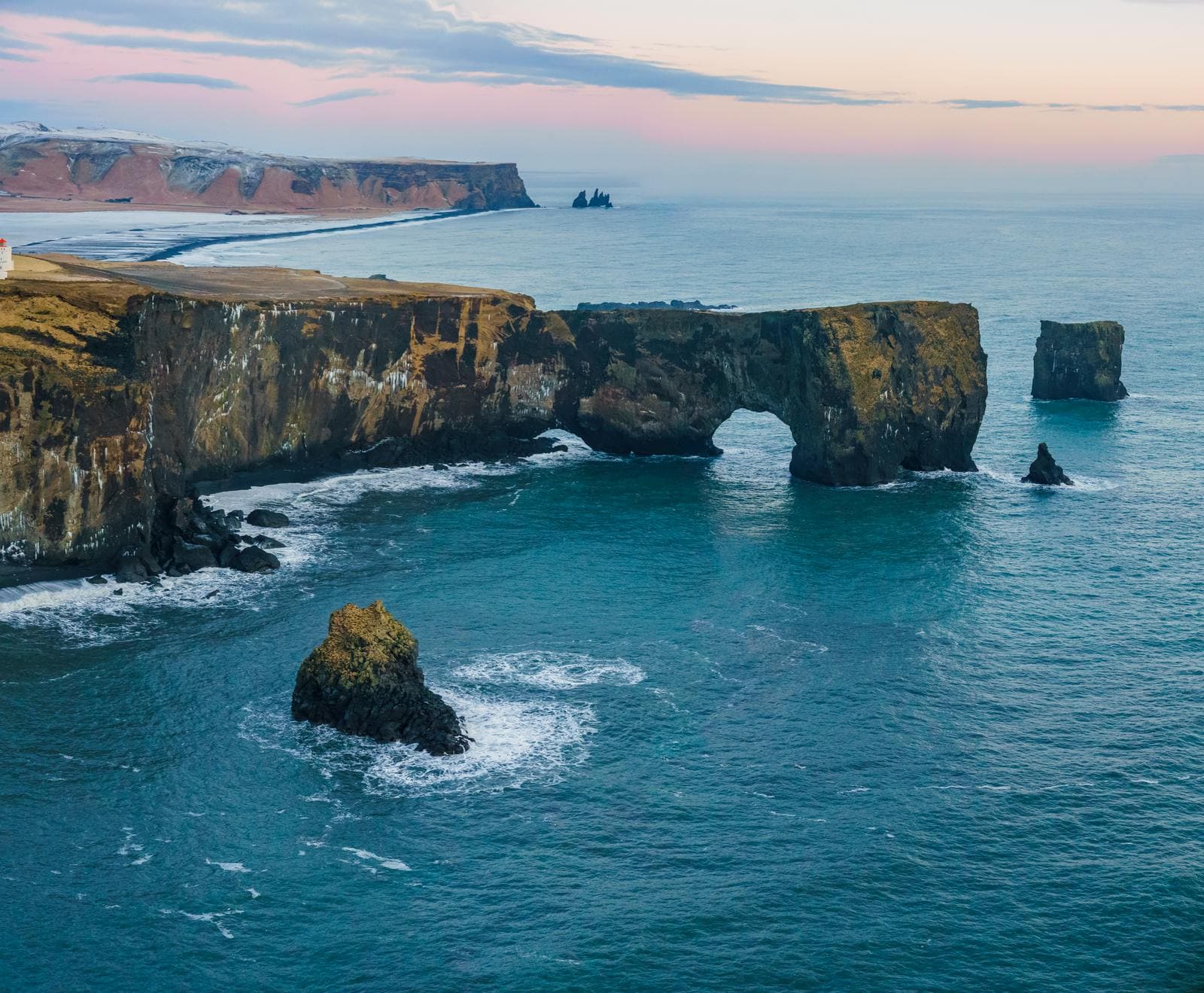
Use this guide to pick Iceland photo stops that suit your route, subject, light, weather, safety comfort, and energy instead of chasing every famous view.
Best first decision
Pick the subject first: waterfall, coast, ice, mountain, city, geothermal steam, or night sky.
Easiest base
Reykjavík, the Golden Circle, South Iceland, and Snæfellsnes give the simplest mix of high-reward stops.
Biggest safety caveat
Black-sand beaches, cliffs, winter roads, and exposed aurora stops need current warnings and extra distance.
Best light rule
Low light is usually kinder than midday glare, but Icelandic weather can make a soft overcast hour work beautifully.
Experience fit
Best first decision
Pick the subject first: waterfall, coast, ice, mountain, city, geothermal steam, or night sky.
Easiest base
Reykjavík, the Golden Circle, South Iceland, and Snæfellsnes give the simplest mix of high-reward stops.
Biggest safety caveat
Black-sand beaches, cliffs, winter roads, and exposed aurora stops need current warnings and extra distance.
Best light rule
Low light is usually kinder than midday glare, but Icelandic weather can make a soft overcast hour work beautifully.
Packing priority
Bring waterproof layers, dry lens cloths, warm gloves, and a plan that can survive wind.
Current checks
Use official weather, road, SafeTravel, beach, and local operator or attraction pages before committing the drive.
What makes a stop photography-friendly?
A photography-friendly stop is not just a beautiful place. It gives you a clear subject, somewhere safe to stand, enough time to slow down, and a way to leave if the weather stops cooperating.
Iceland is generous with dramatic scenes, which is lovely until your day becomes a frantic hunt for every famous angle on the internet. The better question is simpler: does this stop give you one strong subject without wrecking the rest of the day?
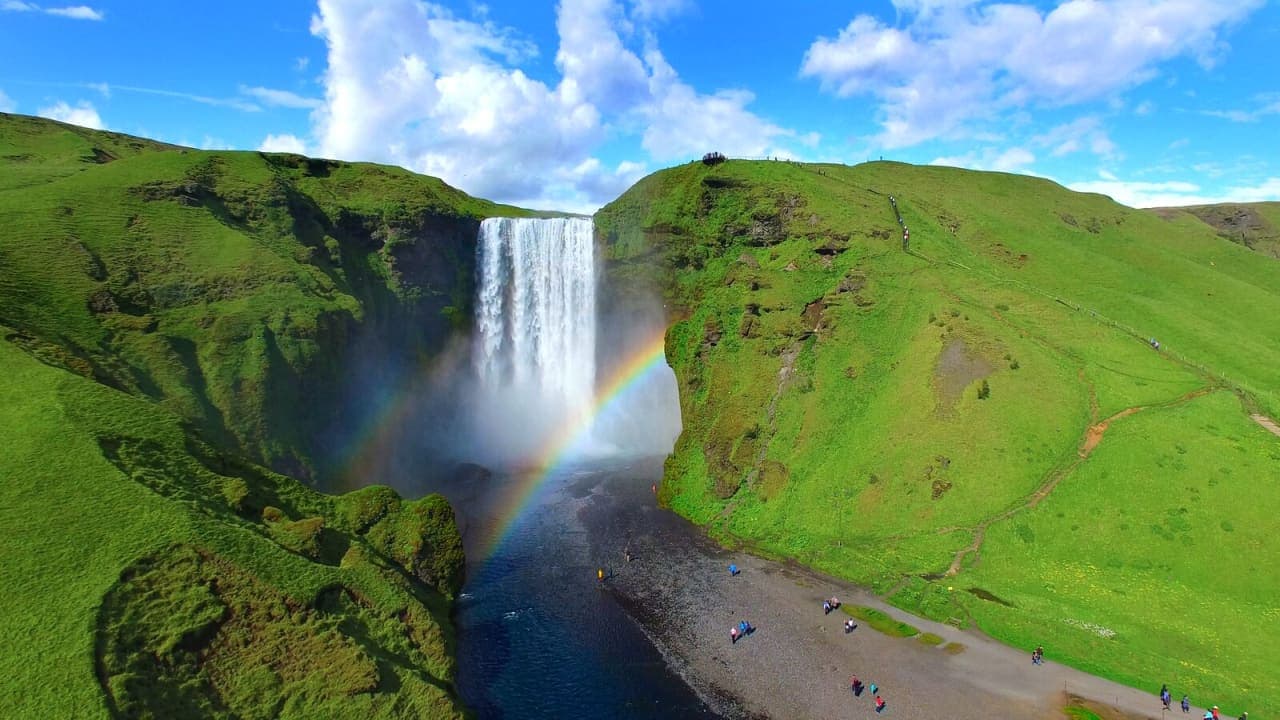
Good photo stops usually have four things in common: the subject is obvious, the foreground is workable, the walking or waiting time is honest, and the safe boundaries are clear. Skógafoss works because the waterfall is immediate and powerful. A mountain reflection works only if the wind, tide, or surface water cooperates. Aurora stops need darkness, patience, and a safe place to wait, not just a pretty pin on a map.
Photo guide
Photography-Friendly Stops in photos
1 / 4
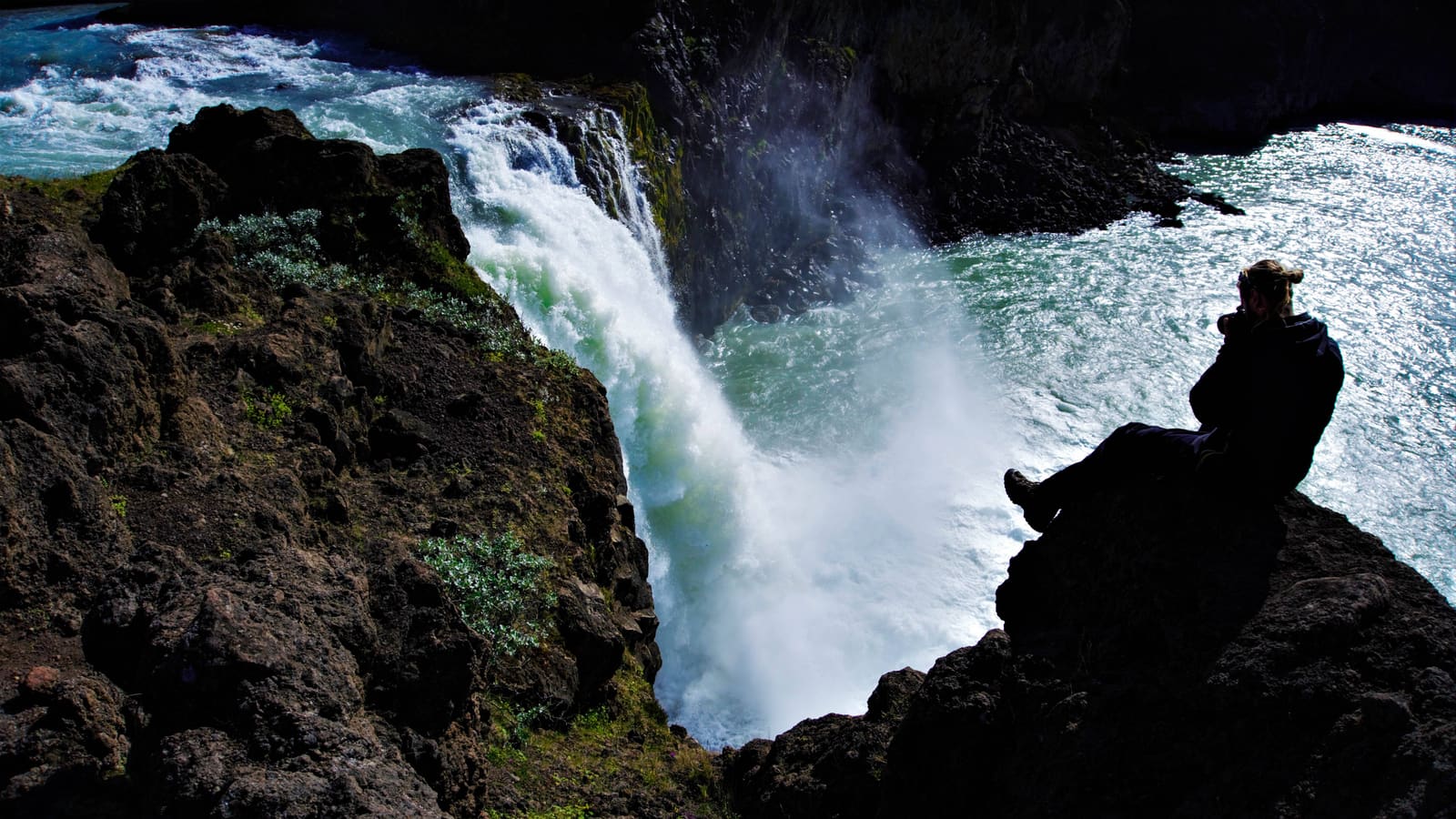
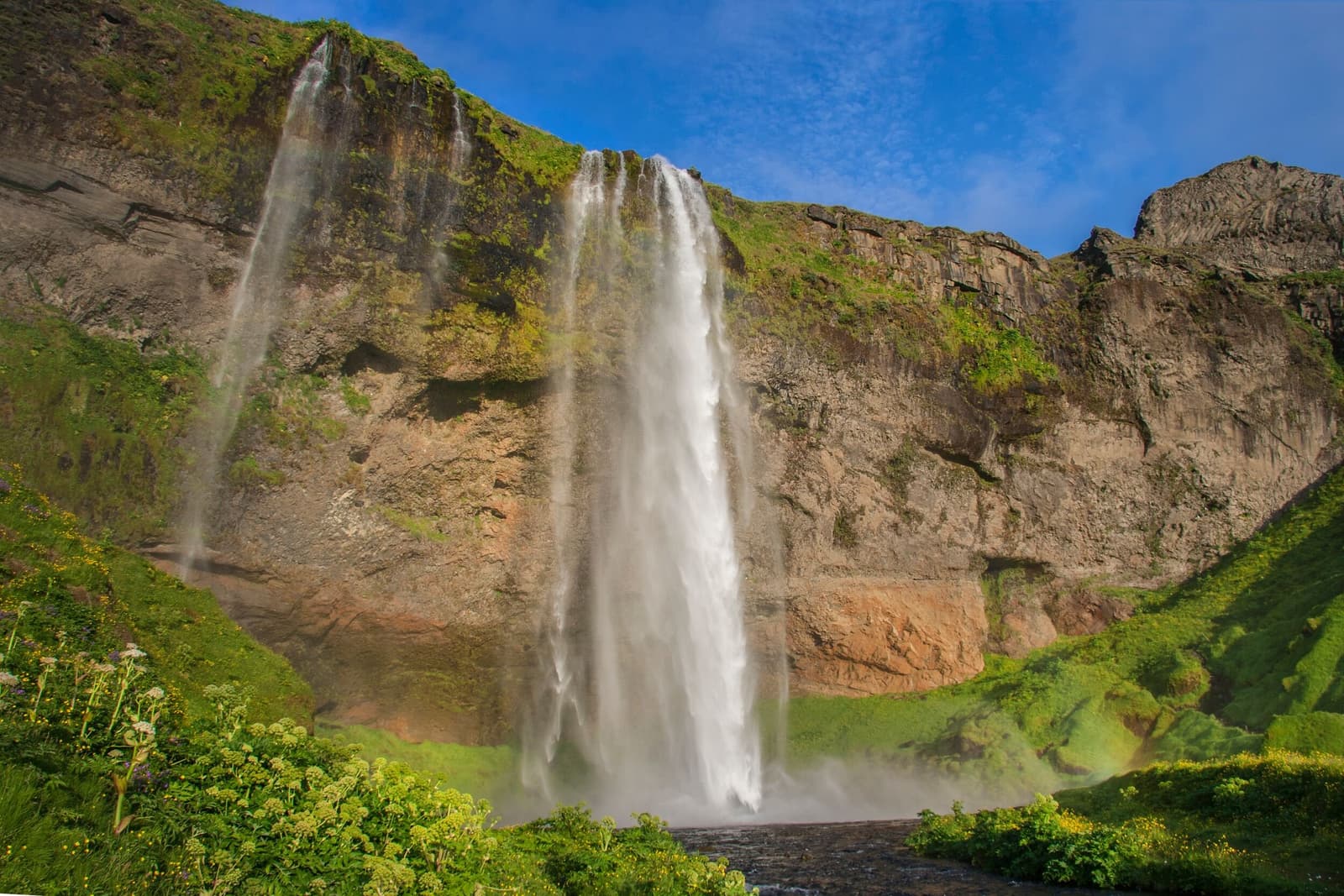
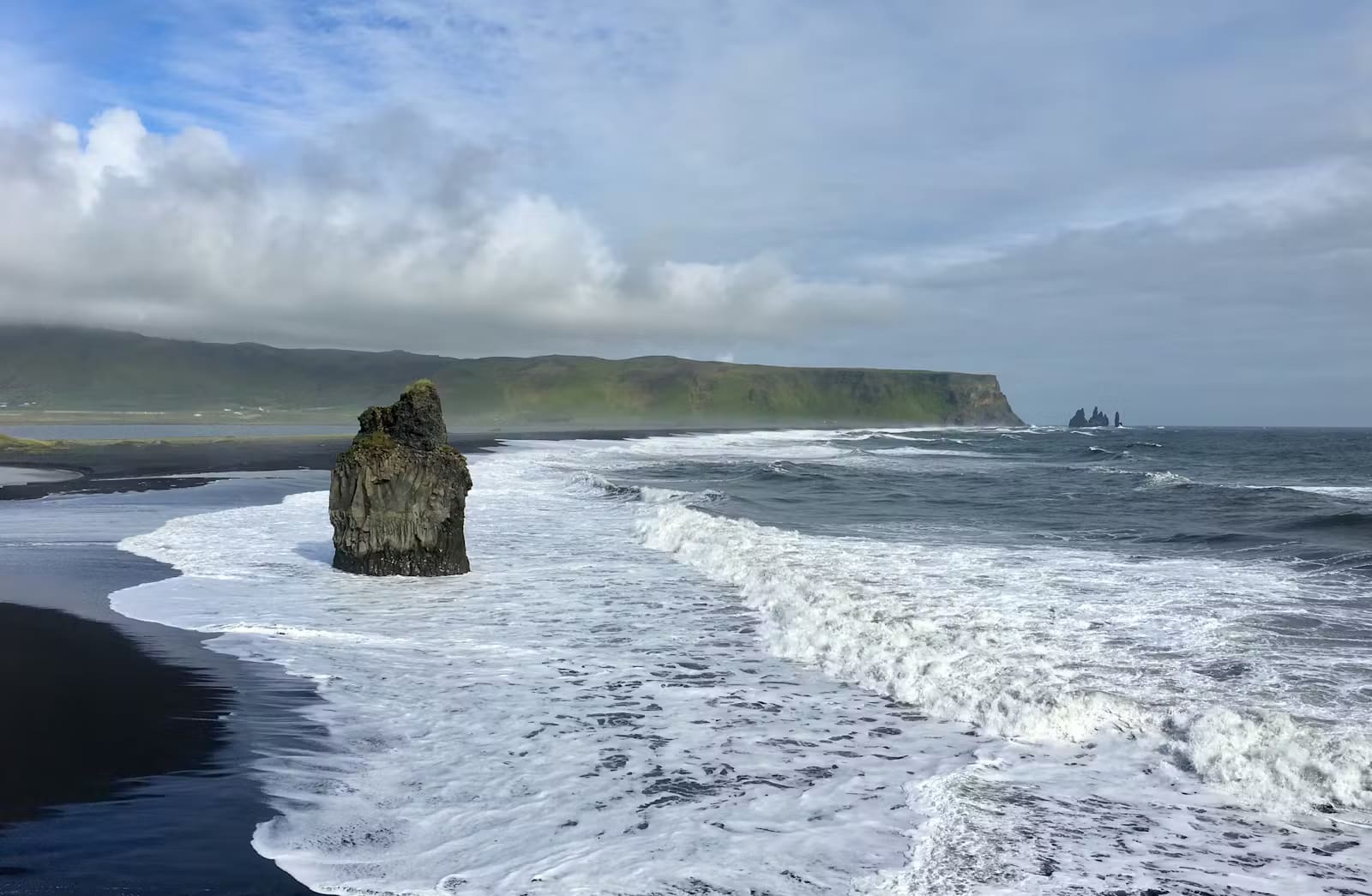
Water, basalt, black sand, ice, steam, wildlife, and city scenes all reward different lenses, weather, and patience.
Worth adding?
When this fits your plan
Best for
Travelers who want memorable Iceland photos without turning the whole trip into a technical shoot
First-time visitors deciding which waterfalls, beaches, ice scenes, city views, and mountain stops deserve time
Smartphone users and camera users who care more about good light, safe space, and a clear subject than gear talk
Self-drive travelers building scenic stops into Reykjavík, the Golden Circle, South Iceland, or Snæfellsnes days
Think twice if
Travelers looking for exact camera settings, editing presets, or a full photography course
Drone pilots who need current legal guidance for every location
Which Iceland photo subjects should you choose first?
Start with the subject, then pick the place. Waterfalls, black sand, ice, mountains, Reykjavík views, geothermal steam, and northern lights all ask for different timing and patience.
Match the photo subject to the kind of day you are planning
Often needs calmer wind or a slower day; the reward drops fast if you arrive in harsh light and rush away.
City and culture
Reykjavík rooftops, Hallgrímskirkja, Harpa, Perlan views, harbor streets
Useful in poor weather or short trips because you can mix indoor breaks, food, and blue-hour walks.
Night sky
Aurora stops away from bright city lights when forecasts and clouds cooperate
Never guaranteed; build it as a flexible evening option, not the only emotional reason for the trip.
This keeps the plan honest. If you want water movement, waterfalls and coastlines are the point. If you want scale, a person near a glacier tongue or waterfall may work better than another wide landscape. If you want mood, city lights, steam, fog, rain, or blue hour can beat a packed viewpoint under flat midday sun.
Choosing by subject type helps: mountains, waterfalls, ice, coast, wildlife, and city scenes each need different timing.
Where are the easiest high-reward photo stops?
For most travelers, the easiest wins sit near Reykjavík, the Golden Circle, South Iceland, and Snæfellsnes. These areas have strong subjects without needing a full Highlands plan.
Reykjavík is better than many visitors expect for photography. Hallgrímskirkja, colorful rooftops, Harpa, harbor streets, mountain views, pools, cafés, and Perlan-style viewpoints give you options when the weather is doing Iceland weather. It is also the easiest place to stop, warm up, and try again later.
The Golden Circle is useful for variety in a compact day: Þingvellir for fissures and lake views, Geysir/Strokkur for steam and motion, and Gullfoss for power and spray. South Iceland is the classic first-trip photo route because waterfalls, black sand, cliffs, glacier views, and lagoon ice sit along a broadly understandable travel line.
Snæfellsnes works when you want slower coastal variety: Kirkjufell, lava fields, sea cliffs, fishing villages, black-pebble beaches, and mountain weather that can change the whole mood of the day. It is less about ticking off one superstar stop and more about giving yourself time to notice what the light is doing.
Easy first-trip photo shapes
City day
Use Reykjavík for blue hour, rooftops, architecture, harbor scenes, indoor breaks, and weather flexibility.
Classic loop
Use the Golden Circle when you want varied subjects in a shorter driving day.
Big landscape day
Use South Iceland when waterfalls, black sand, cliffs, and glacier scenery are the main goal.
Slow coastal day
Use Snæfellsnes when mountain, sea, lava, and village scenes matter more than speed.
Water, basalt, black sand, ice, steam, wildlife, and city scenes all reward different lenses, weather, and patience.
How do light, season, and weather change the shot?
Light is the quiet boss of photography in Iceland. Season decides how much of it you get, weather decides whether you can use it, and wind often gets a vote whether invited or not.
Summer gives long days, late light, green landscapes, and easier road logistics. It also brings brighter midday light, more visitors, and very late golden-hour rewards. Winter gives low sun, snow, ice, blue-hour mood, and aurora potential, but daylight is short and driving decisions need more care.
Shoulder seasons can be excellent because you still get real darkness, softer light, changing weather, and fewer daylight extremes. Rain is not automatically bad for photography: wet black sand, misty waterfalls, shiny streets, and steam can look wonderful. Strong wind, poor visibility, icy paths, high surf, or weather warnings are different. That is when the plan should shrink.
Use low sun for waterfalls, coastlines, mountains, and city edges when you can.
Use overcast weather for waterfalls, black sand, moss, and glacier ice where harsh contrast can be awkward.
Use rain only when the stop is safe, short, and easy to leave.
Use aurora plans as flexible evenings after checking cloud cover, forecast, roads, and fatigue.
Keep one backup subject nearby so the day still works if the main light window disappears.
Some high-reward photo stops are easy pull-ins; others need a real walk, weather margin, or a slower route day.
What should you bring for Iceland photo stops?
You do not need to travel like a professional photographer to come home with strong images. You do need dry hands, dry glass, warm layers, and enough battery for the moment you almost gave up on.
For most travelers, the practical kit is simple: waterproof outer layers, warm gloves you can operate a phone or camera with, a small cloth for lens spray, a dry bag or pouch, sturdy shoes, and a spare battery or power bank. Waterfall spray, sea wind, cold fingers, and sudden rain cause more frustration than not owning a fancy lens.
A tripod helps for aurora, blue hour, long exposures, and slower landscape work, but it is not magic. If wind is strong or the stop is crowded, you may get a better result by staying mobile, looking for a clean foreground, and waiting for a small break in the crowd.
Which photo stops need extra caution?
The most dramatic subjects often come with the clearest boundaries. Beaches, cliffs, winter roads, glacier edges, river canyons, and aurora pull-offs are places to be stricter, not braver.
Reynisfjara and other exposed black-sand beaches deserve special respect. Sneaker waves can run much farther up the shore than ordinary waves, and SafeTravel explicitly tells visitors to stay well back from the water, never turn their back on the sea, watch children closely, beware of rockfall, and respect warning lights or closures.
Cliffs and headlands can also feel deceptively easy because the view is right there. Keep to marked areas, avoid stepping backward for a frame without looking, and do not let a tripod, phone screen, or crowd pressure pull you toward an edge. In winter, treat icy paths and dark drives as part of the photo decision, not an afterthought.
Stay well away from surf zones and never turn your back on the sea.
Use marked viewpoints when beaches or cliffs are under warnings or closures.
Avoid icy, narrow, or exposed paths if the image depends on pushing beyond your comfort.
Do not stop on road shoulders or private access just because the light looks good.
Let official warnings, local signs, and operator guidance overrule the shot.
Night photography needs more than a forecast: safe waiting places, road confidence, cloud cover, and energy all matter.
When should you skip the famous photo stop?
Skip it when the famous stop makes the day worse. That sounds obvious until a cloud breaks somewhere far away and everyone suddenly believes they are one detour from greatness.
A famous photo stop is easy to justify and hard to enjoy when you arrive tired, late, hungry, in bad light, or with a long drive still ahead. The plane wreck, distant glacier lagoons, Stokksnes, remote waterfalls, and aurora pull-offs can all be brilliant in the right plan and disappointing when squeezed into the wrong one.
Use a simple test: if the stop needs a long walk, a paid access decision, a risky road, a narrow light window, or a late-night drive, it should earn that effort. If it does not, trade it for a closer subject and enjoy having more patience when the moment appears.
When to keep or cut a photo stop
Situation
Keep it if
Cut it if
Long detour
It is the main subject of the day and conditions look workable.
It steals time from a safer, closer stop you also care about.
Crowded viewpoint
You have time to wait, move around, or use people for scale.
You need a clean frame quickly and the group is already done.
Bad weather
Rain is light and the stop is marked, close, and easy to leave.
Wind, warnings, surf, ice, or visibility make the stop uncomfortable or unsafe.
Aurora chase
Forecast, clouds, roads, fatigue, and parking all look reasonable.
You are turning a good next day into a dangerous late-night drive.
What should you check before you go?
Use this page for the shape of the decision, then use current sources for the final yes or no. Iceland changes too quickly for a static article to promise today's access, weather, waves, or roads.
Before driving for a photo stop, check the Icelandic Meteorological Office for weather and warnings, Umferðin for road conditions, SafeTravel for visitor-safety updates, and any local attraction, park, beach, or operator page that controls access. This is especially important for winter roads, black-sand beaches, cliffs, glacier areas, remote viewpoints, aurora nights, and drone use.
If your plan depends on exact parking rules, paid access, shuttle availability, drone permission, paths, current closures, tides, or facilities, verify that directly before you leave. The photo is nicer when you are not trying to solve logistics from a windy parking lot.
Check weather and warnings before exposed coast, mountain, winter, or aurora plans.
Check roads before adding distant sunrise, sunset, or night stops.
Check SafeTravel and local signs before black-sand beaches and cliffs.
Check official or operator pages for current access, paid entry, shuttle details, and drone restrictions.
Keep a closer backup so a failed light window does not ruin the day.
Photography-friendly stops FAQ
Short answers for the questions that usually come up once the camera or phone is already in the bag.
Can I get good Iceland photos with just a phone?
Yes, a phone can work very well in Iceland if you use a clear subject, clean the lens often, hold steady in wind, and avoid forcing shots in unsafe places.
What is the best region for a first photography-focused trip?
South Iceland is the easiest first choice because waterfalls, black sand, cliffs, glacier views, and lagoon ice sit along a practical route from Reykjavík.
Are black-sand beaches safe for photography?
They can be safe only when you keep well back from the water, follow local signs and warnings, watch children closely, and never turn your back on the sea.
Should I plan a night around northern lights photos?
Plan it as a flexible option, not a promise; aurora photography depends on darkness, solar activity, cloud cover, roads, safe parking, and your energy.
Can I fly a drone at Iceland photo stops?
Only if current rules, local signs, airspace restrictions, wildlife concerns, and weather allow it; check official guidance before flying anywhere.
Official resources for safer photo planning
Use these sources for facts that change, especially when the photo plan depends on weather, roads, beaches, access, or safety.
A good photo day in Iceland usually comes from one clear visual goal, a few flexible backups, and enough patience for the weather to do something interesting.