Experience fit
- Ticket rule
- Free entry is not zero cost
- Easiest base
- Central Reykjavík on foot
- Hidden cost
- Transport, parking, clothing, time
- Live check
- Weather, road, site rules
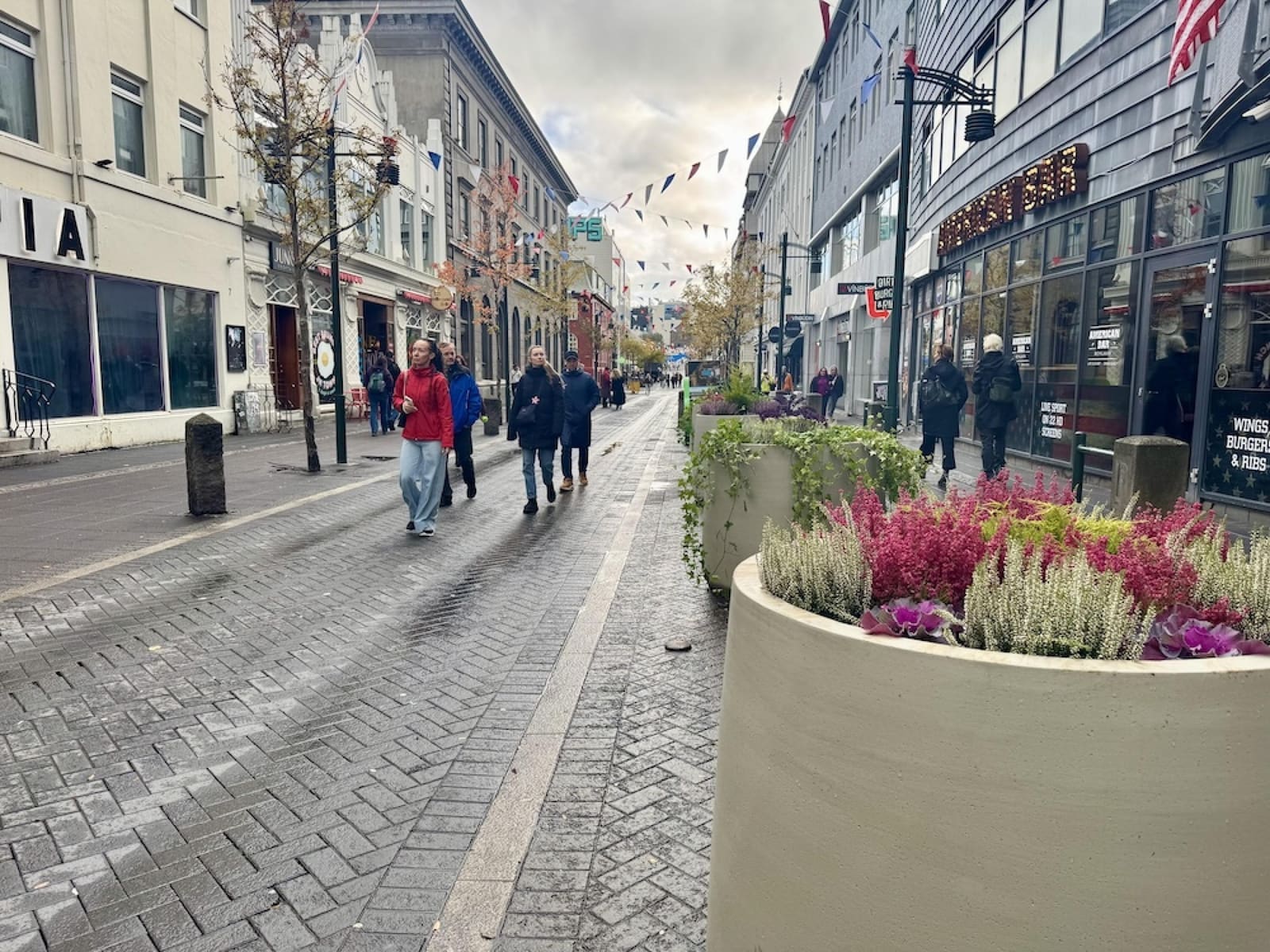
Some of Iceland’s most memorable hours need no admission ticket: a Reykjavík walk, a waterfall already beside the road, a marked trail, or a patient wait beneath a dark sky. The honest comparison includes fuel, parking, clothing, time, and weather alongside the price at the entrance.
Experience fit
Reykjavík can be quiet early in the day: gulls above the roofs, wind moving along the waterfront, and streets that reveal their murals, gardens, old houses, and mountain views at walking pace.
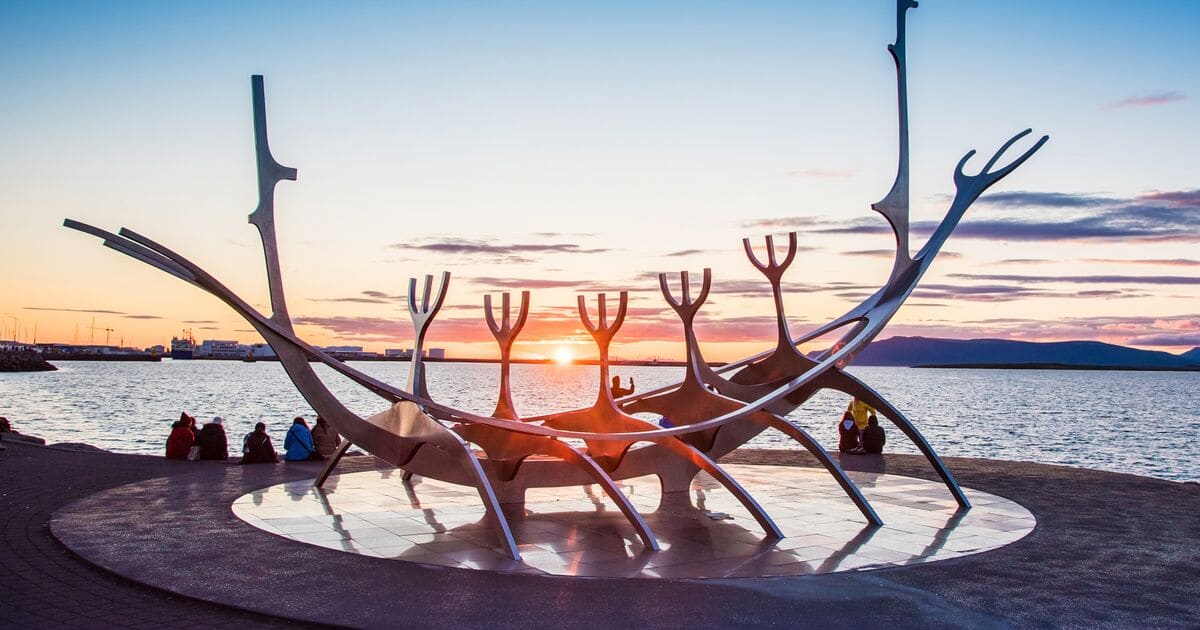
That kind of hour is genuinely easy on the budget. You can walk from Hallgrímskirkja toward the water, pause beside the Sun Voyager, and turn back whenever the weather or your appetite says so. No new journey has to be invented around it.
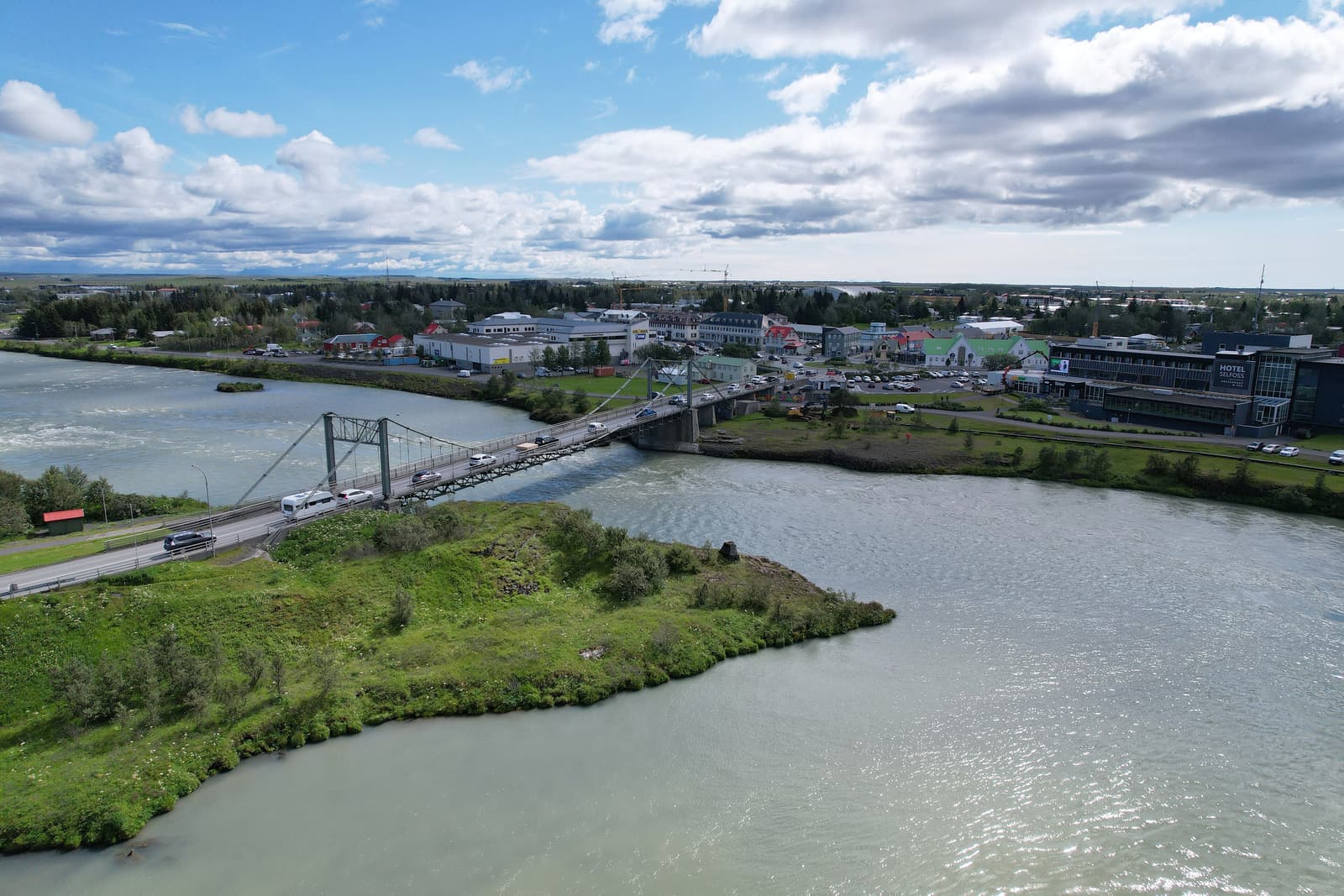
A famous waterfall can also have no admission ticket, yet ask much more of the day. A rental car, fuel, parking where charged, warm waterproof clothing, and several hours on the road all belong in the real cost. The waterfall may still be excellent value—especially when it is already on your route—but the entrance price does not tell the whole story.
The best free activity is usually close, flexible, and satisfying even if you stay for less time than expected. Start with where you are, how exposed you want to be, and what transport is already paid for. That approach produces better days than collecting distant pins simply because each one appears on a free-attractions list.
Photo guide
1 / 7
Pedestrians pass a painted building on a central Reykjavík street.
Good to know
A no-ticket experience can spend money, time, or energy in very different proportions. This grid makes those differences visible before you commit to a place.
| Experience shape | Likely extra cost | Weather exposure | Time and transport test |
|---|---|---|---|
| City walk and public space | Low when you are already in town; food or local transport is optional | Easy to shorten, shelter from, or move indoors | Strongest from a walkable base with one or two nearby interests |
| Waterfall, beach, or viewpoint | Fuel and sometimes parking; food and warm layers may follow | Can be very exposed to wind, rain, surf, or ice | Best when the stop is already beside a safe route you want to drive |
| Self-guided marked trail | Footwear, clothing, food, and transport to the trailhead | Higher as distance, elevation, and remoteness grow | Allow the full walk, turnaround time, and the least experienced hiker's pace |
| Aurora or long summer light | Little near your base; more if you add a dedicated drive | Entirely dependent on cloud, wind, darkness, and comfort | Wait close to where you are staying and accept that the sky owes you nothing |
Each shape serves a different traveler. A city walk gives the most freedom to a no-car visitor. A route-side nature stop gives a self-driver a great experience without another booking. A trail spends more energy but can become the main event, while sky watching asks for patience and accepts an uncertain result.
The cheapest choice is often the one that uses a cost you have already accepted. If the car is already taking you past Skógafoss, stopping is different from driving there and back solely because the waterfall is free to enter.
Central Reykjavík rewards small detours. A mural appears between familiar shopfronts; a harbour view opens at the end of a street; a bench gives you Esja across the water when cloud lifts.
Give the walk one direction and keep the checklist short. Hallgrímskirkja to the waterfront has a clear downhill pull, while the old harbour and Grandi make a slower route around working boats, public art, and sea air. Grótta belongs to the wider city edge, so only add it when the extra walk, bus, bike, or drive suits the day.
Public buildings and cultural spaces can add warmth or context, but current access and event use can change. Reykjavík City Hall is one useful civic example; check its direct information if going inside matters. A self-guided city walk is still complete when the pleasure comes from streets, shore, architecture, and stopping for as long as you like.
For a broader mix of neighbourhoods, indoor stops, pools, food, and evenings, use the Reykjavík activities guide. This page's simpler recommendation is to leave enough blank space to notice the city between named sights.
Waterfalls, beaches, lava fields, cliffs, and broad viewpoints can make Iceland feel generous. Their value is clearest when the road to them already belongs to the trip.
On the South Coast, Skógafoss can be a short look from below or a longer climb beside the falls. Reynisfjara is not a casual beach stroll: the shore needs full attention to current warnings, waves, and marked guidance. The admission question is less important than whether the stop, weather, and behaviour make sense.
The same distinction appears around the Golden Circle. Þingvellir has public paths through a landscape with national and geological importance, while its official visitor information also explains designated parking charges. “No attraction ticket” should never be translated into “no local cost.”
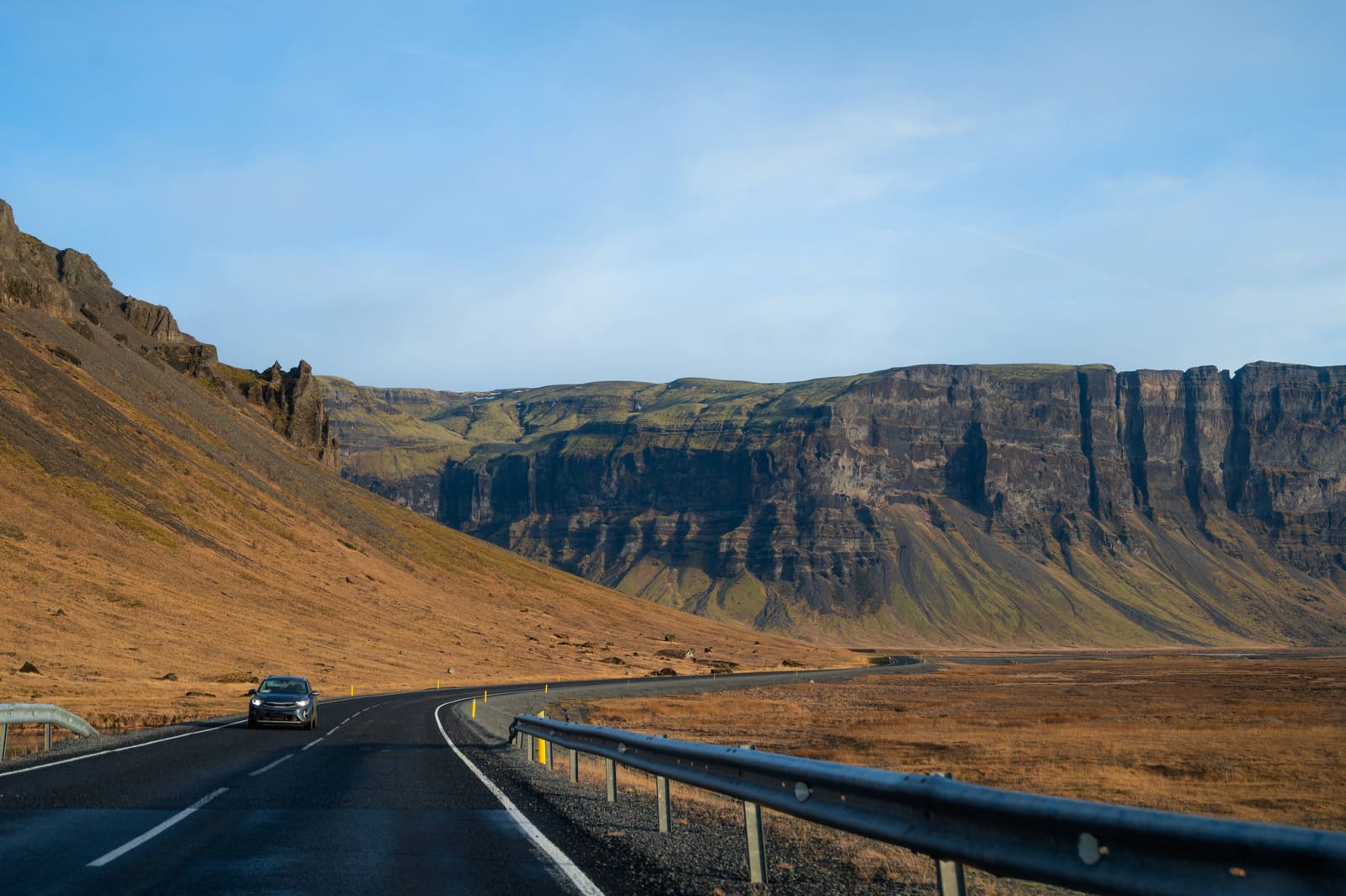
Before adding a detour, compare it with the place already ahead. A modest viewpoint that takes ten minutes from the road can leave more time to walk and look than a celebrated site reached by a long out-and-back drive. If weather or roads make the drive doubtful, the free place is not a bargain that day.
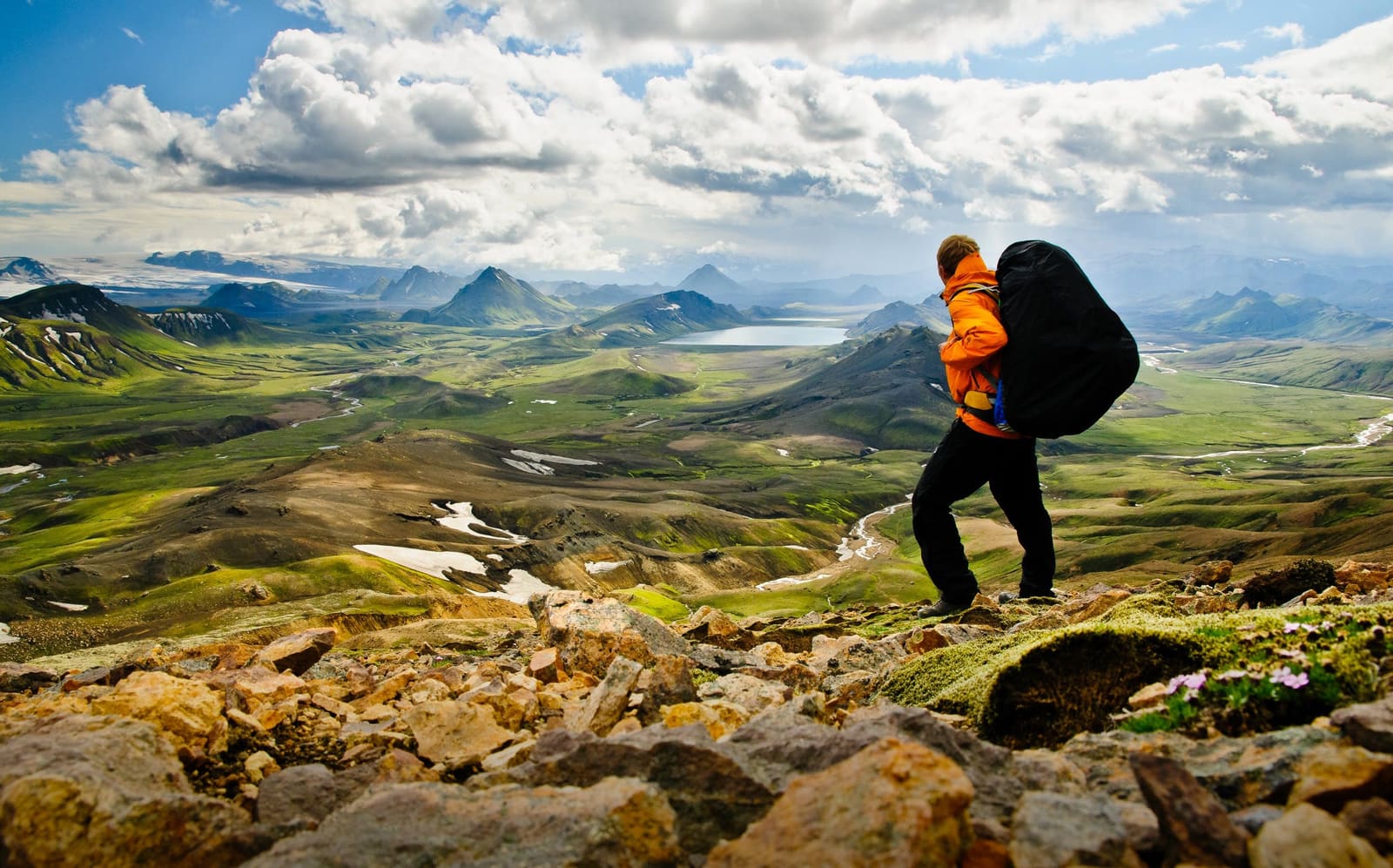
A marked Icelandic path can lead from birch and moss to open slopes, falling water, or a glacier view. It can also turn wet, icy, windy, or tiring much faster than a city loop.
Public access does not remove the duty to care for land or follow restrictions. Iceland's Environment Agency explains that access rights are conditional: respect closures and signs, stay on marked routes where directed, avoid damaging vegetation, and do not drive off-road. Private land, protected sites, nesting areas, and local hazards can narrow where you may go.
For an ordinary self-guided walk, choose a marked route that fits the least experienced person, then bring the footwear, layers, food, and daylight it needs. The Iceland hiking guide goes deeper into trail choice. National-park areas such as Skaftafell have official visitor information that should make the final call on current access and local rules.
A glacier viewpoint and a glacier walk are not the same free experience. Looking from an established path can be independent; stepping onto ice demands knowledge and equipment that a scenic pull-off does not provide. Geothermal ground deserves the same restraint because thin crust, hot water, and steam can sit beyond an inviting-looking edge.
A green aurora above the mountains can become the most vivid hour of a winter trip. The same evening can also be cloudy, bright with moonlight, windy, or entirely quiet.
The low-cost version is patient and local. Check the Icelandic Met Office aurora forecast, look for breaks in cloud, step outside near your accommodation, and wait somewhere safe and legal. A dedicated drive adds fuel, winter-road exposure, and a tired return without making the lights appear.
Darkness and clearer sky are necessary, but neither is a guarantee. The northern lights guide compares independent waiting with guided formats. For this budget decision, the useful rule is simpler: enjoy a sighting if it comes, and do not let one cloudy night take value from the rest of the trip.
Summer offers the opposite free experience. Long, low light can stretch an evening walk along Reykjavík's water or warm the edge of a waterfall already on the route. It still depends on cloud, and it still asks a tired driver to stop. The midnight-sun guide helps choose between a gentle local evening and a larger booked outing.
Whether the sky is dark or bright, waiting is part of the experience. Bring warmth, stay clear of roads and private property, and choose a place that remains worthwhile even when the color never arrives.
A zero on the ticket line can hide a social expectation, a legal requirement, or a real safety boundary. These three cases deserve different answers.
The common thread is respect for what creates the experience. A guide contributes work, fishing is governed by rights, and hazardous terrain needs a safety margin. A budget guide is more useful when it protects those distinctions than when it stretches the word “free” as far as possible.
A free day does not have to become a test of how little you can spend. One thoughtful cost can make the rest of the day calmer, safer, warmer, or more meaningful.
Pay for local transport when it replaces an unnecessary rental-car day. Pay for parking when the designated visitor area protects the landscape and gives you the proper access. Pay for a museum or pool when weather has made several outdoor hours unpleasant. Pay for a guide when equipment, navigation, ice, water, animals, or difficult terrain is central to the experience.
Then let the no-ticket parts breathe around that anchor. Walk the neighbourhood before an indoor visit, pause at a route-side waterfall after it, or watch the evening light close to where you sleep. The strongest budget choice is not always the smallest receipt; it is the experience that uses your place, time, and conditions well.
If only one recommendation stays with you, make it this: choose the free experience already within reach. Iceland offers enough beauty beside ordinary streets, roads, paths, and skies that a good day rarely needs a special detour just to prove it cost nothing.
Use direct official sources for the facts that move: public-access rules, weather, roads, safety alerts, and place-specific parking or restrictions.
Read the national guidance on responsible public access, local restrictions, fishing rights, and off-road driving.
Check current travel alerts and safety information before an exposed or condition-sensitive outing.
Use the official regional forecast before walks, viewpoints, coasts, and long periods outside.
Compare darkness, cloud cover, and aurora activity before deciding whether to wait outside.
Check official road conditions and notifications before turning a free nature stop into a drive.
Use the park's direct page for current designated-parking information rather than assuming a no-ticket visit has no charge.
Many waterfalls, viewpoints, beaches, and marked paths have no separate admission ticket, but parking, transport, equipment, or local services may cost money. Check the direct place or park page because access rules and charges vary.
Walk the central streets, waterfront, old harbour, public-art routes, and parks. Hallgrímskirkja's exterior, Sun Voyager, and coastal views can anchor a walk, while entry to towers, museums, pools, events, food, and transport may cost extra.
Yes. You can wait from a safe, legal, dark place near your accommodation, but darkness, clear sky, and aurora activity never guarantee a display. A dedicated self-drive chase adds cost and road exposure.
Many marked trails have no admission fee. The full outing may still require transport, parking, food, clothing, or equipment, and current closures or local restrictions always apply. Glacier travel and difficult remote terrain may need qualified guidance.
Tip-based walking tours usually have no fixed ticket price, but the guide's work is supported by voluntary tips. Treat that as a different format from an independent self-guided walk.
By ThorPublished
Where to do it
Open the city, walking, sky, or driving guide that owns the next practical choice instead of stretching this page into an itinerary.
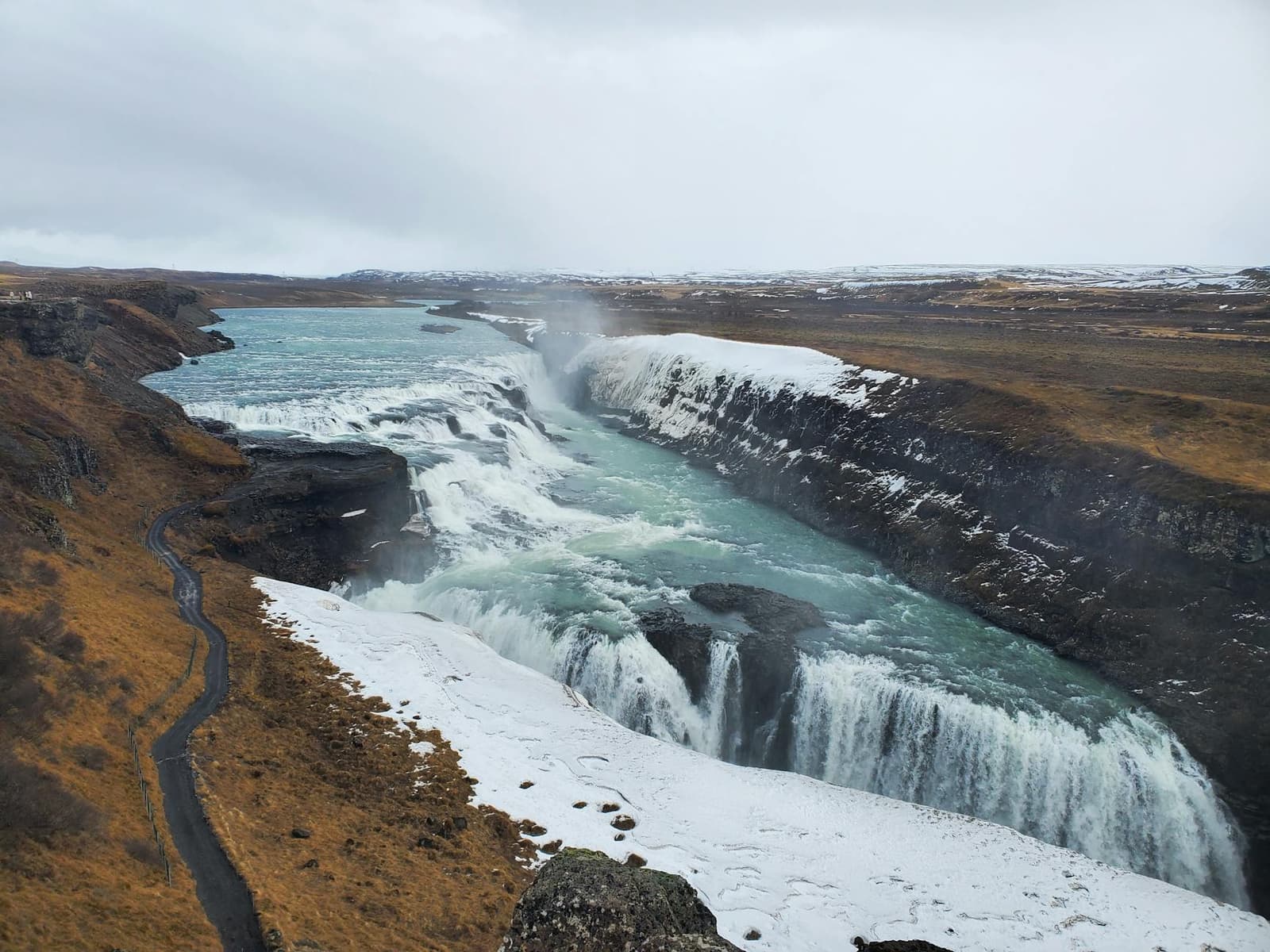
Gullfoss is a two-stage waterfall where the Hvítá river turns sharply and drops into a narrow canyon, creating a powerful view that changes noticeably between its upper and closer paths.
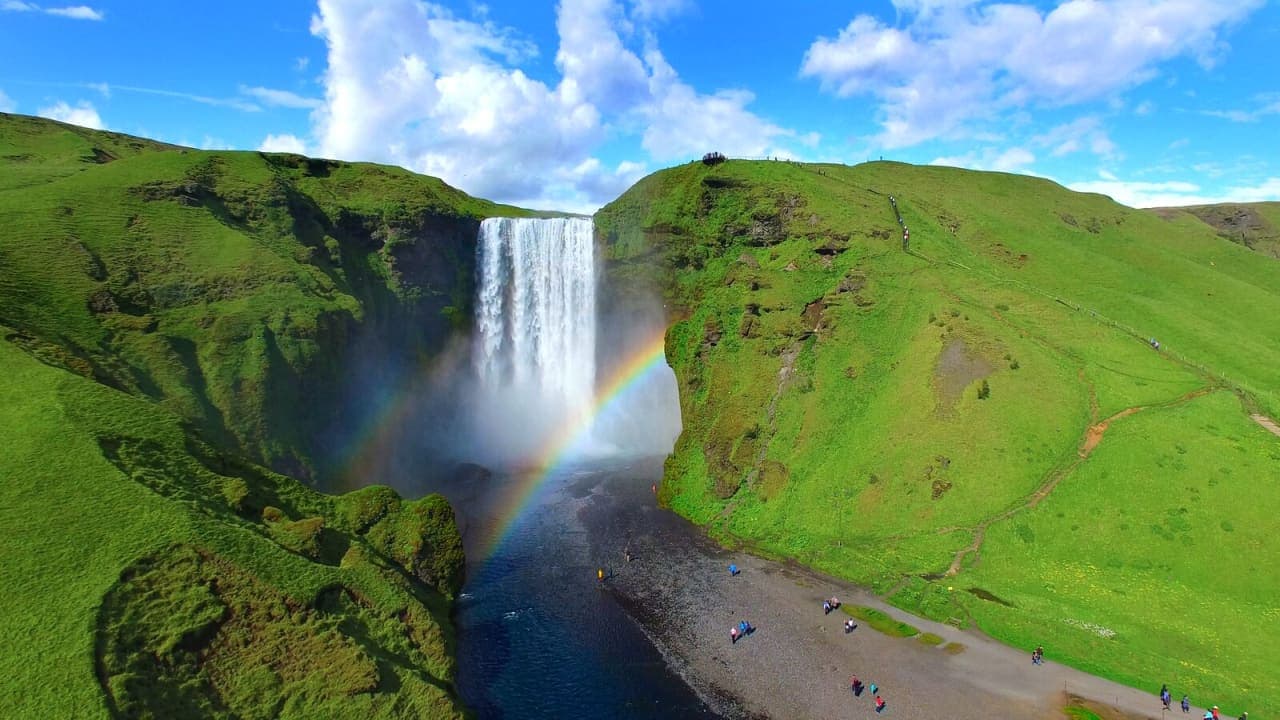
Skógafoss is a 60-meter waterfall on the South Coast, with a powerful base view, a stairway to the top and a protected series of smaller falls continuing above it.
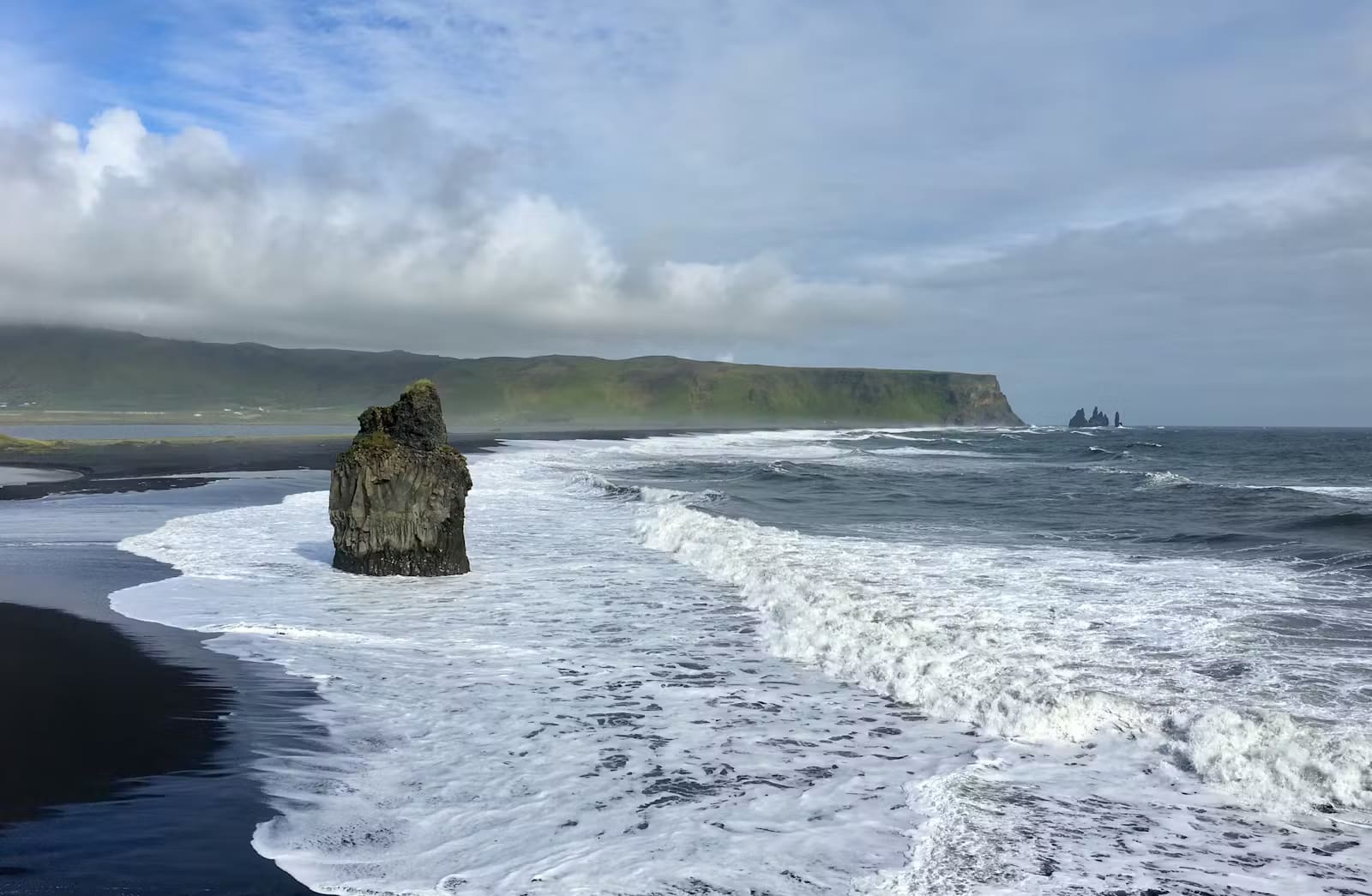
Reynisfjara is a black-sand beach near Vík where basalt columns and offshore sea stacks meet dangerous Atlantic surf. The view is exceptional, but current warnings decide how the beach can be visited.
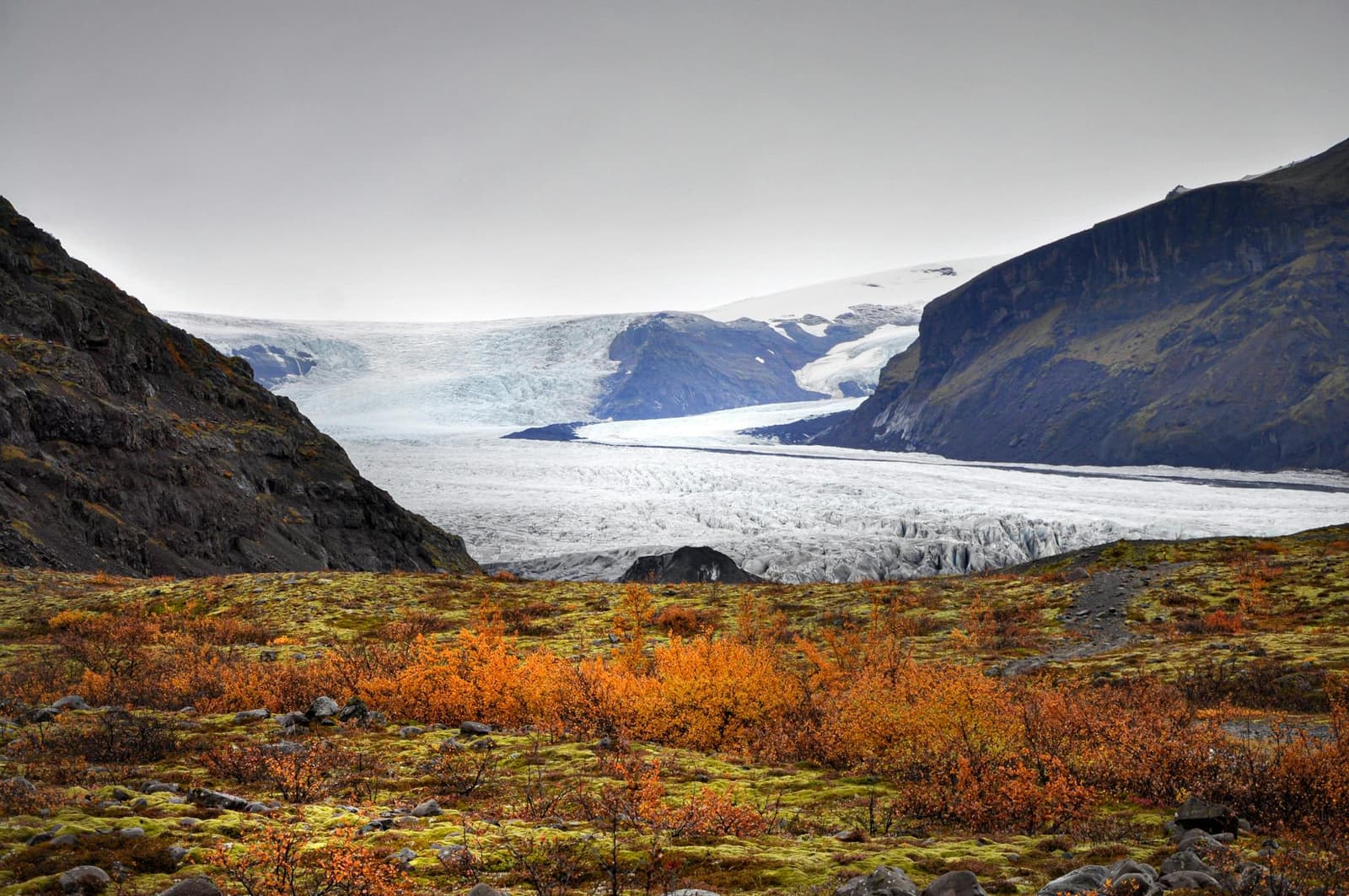
Skaftafell is a hiking area within Vatnajökull National Park, not one single sight. Trails lead from its visitor centre through birch-covered slopes to Svartifoss, glacier viewpoints and longer mountain routes.
Regions
See which part of Iceland is most convenient for this experience and what else you can visit nearby.
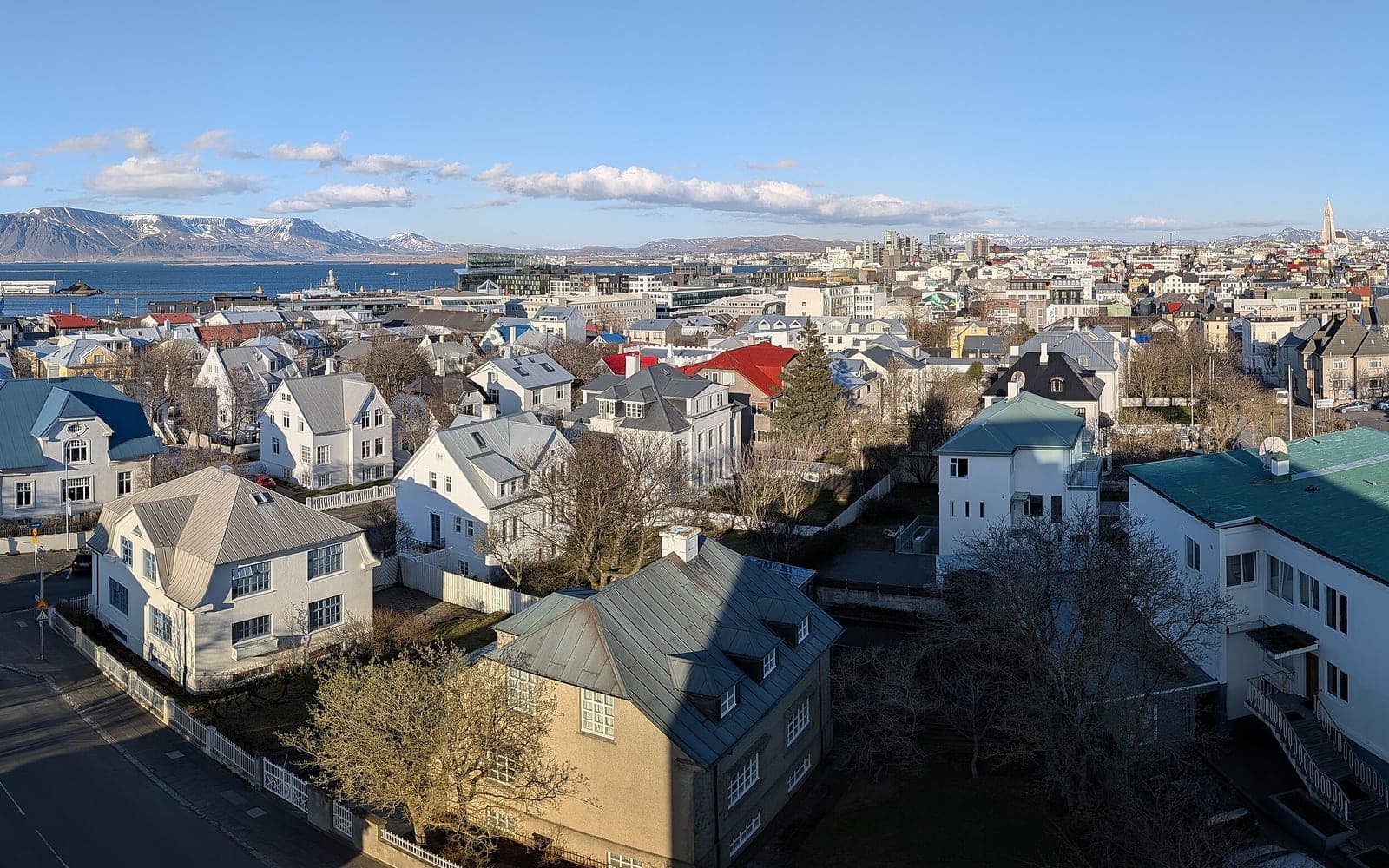
Choose Reykjavík for one or two car-free city days, a short break or a weather buffer—not as the default base for every long day trip.
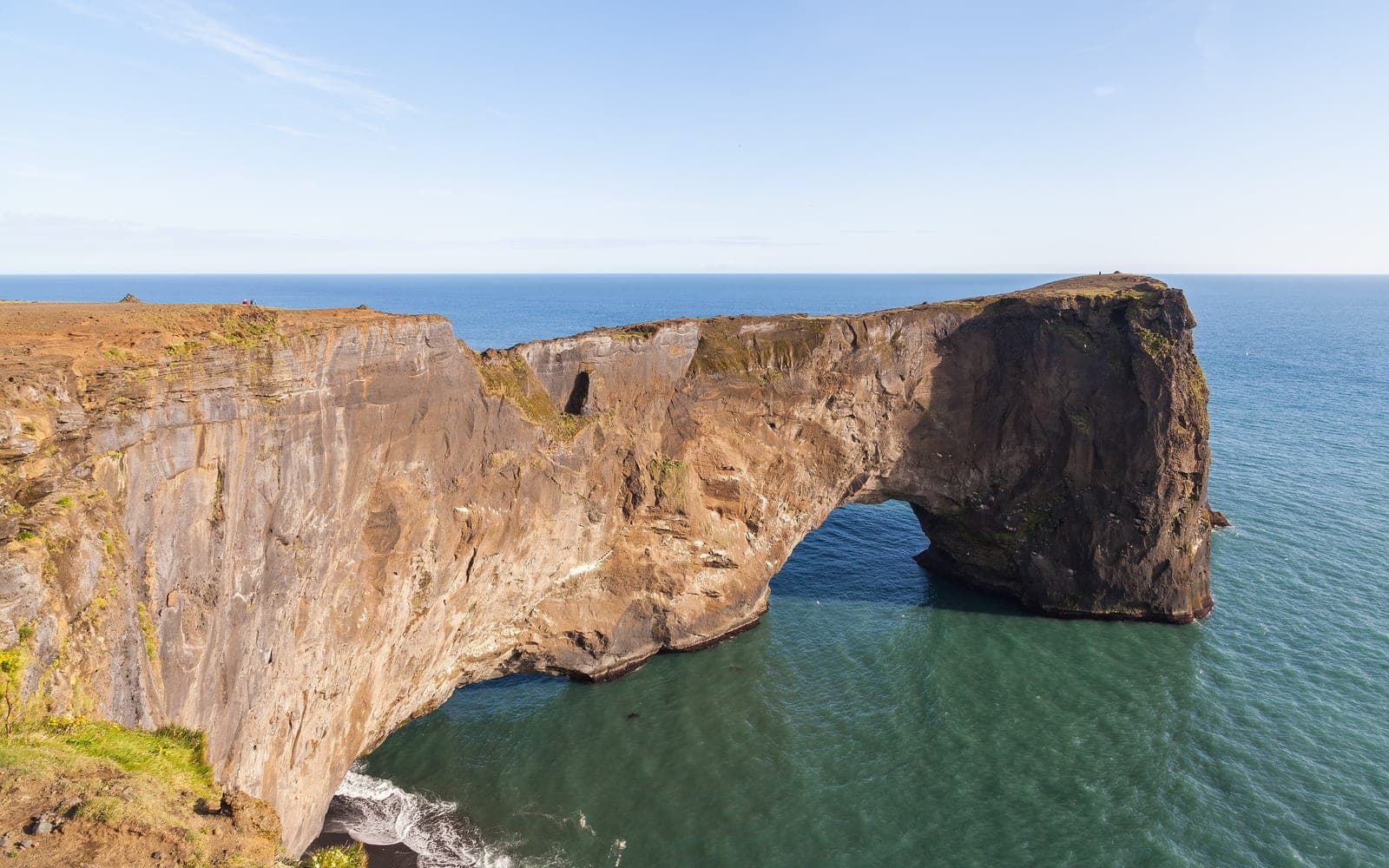
Build a first-trip route around waterfalls, black-sand coast and glacier country, but allow two to four days if Jökulsárlón is part of the plan.
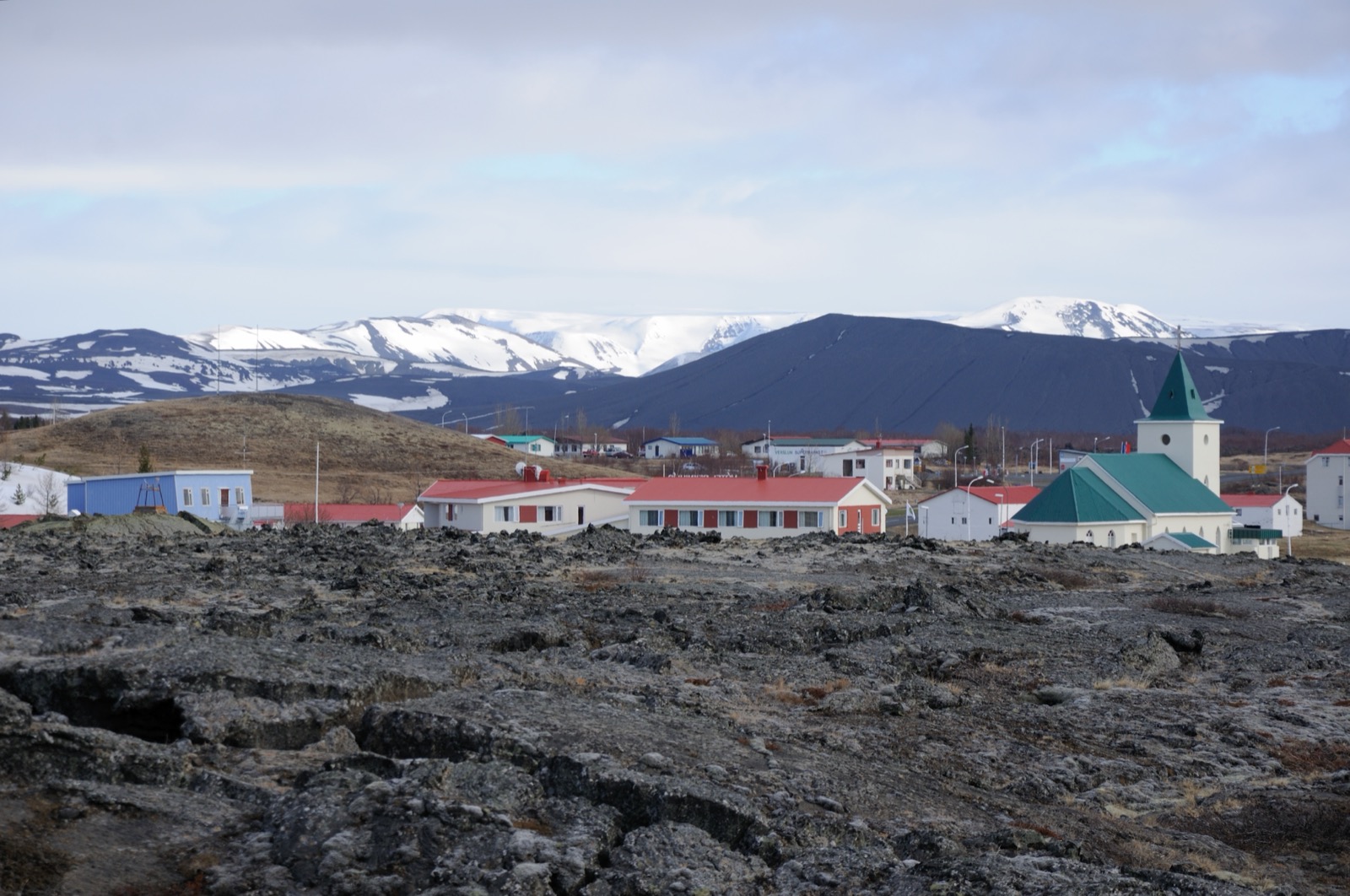
Choose North Iceland when you can spare several days for Akureyri, Mývatn, Húsavík, and canyon country; one rushed overnight barely reaches the region.
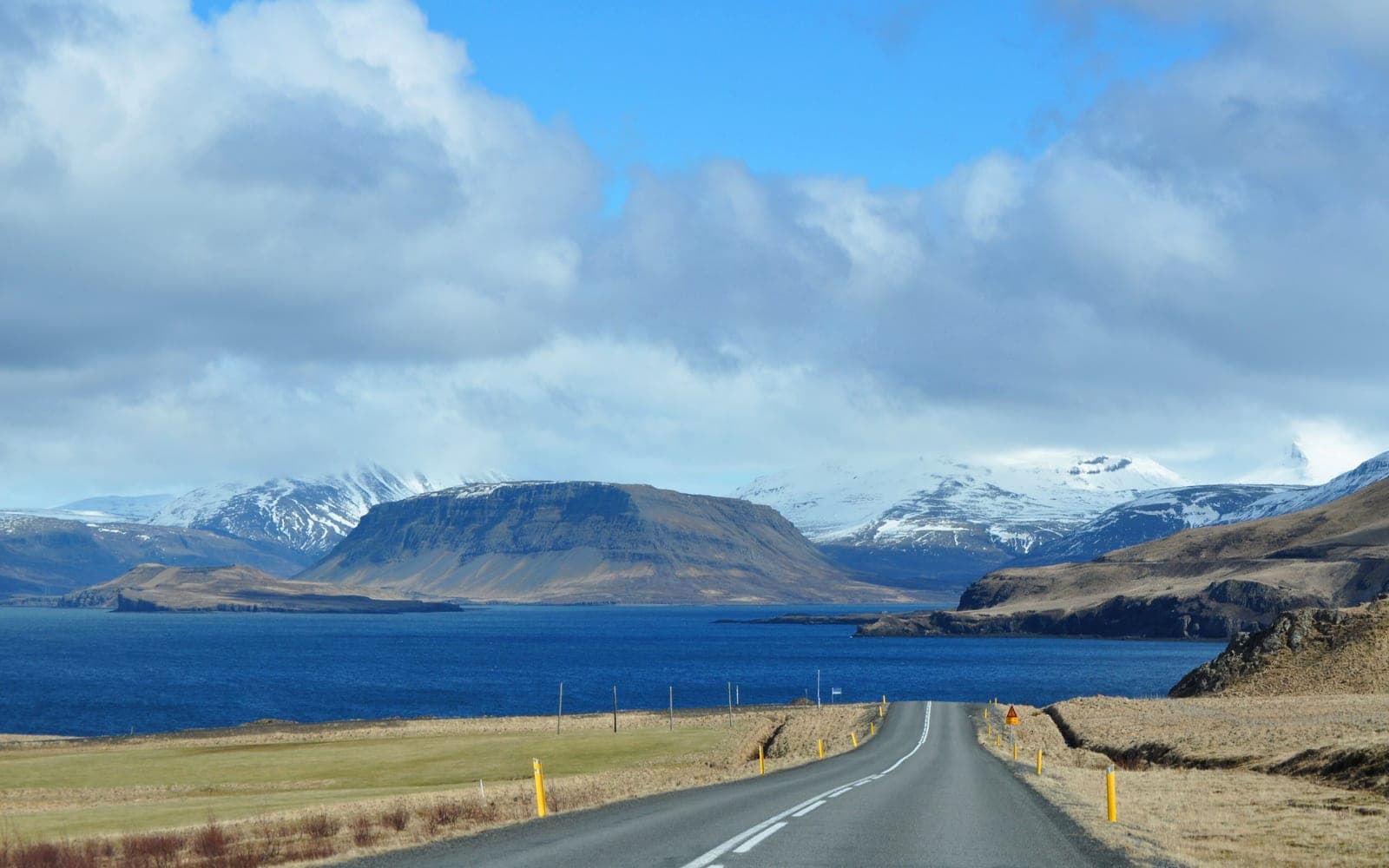
Choose West Iceland for a Borgarnes-based mix of waterfalls, geothermal stops, and caves; skip it if Snæfellsnes already fills your spare westbound day.
More things to do
See other activities that may suit the same day, season, or part of Iceland.
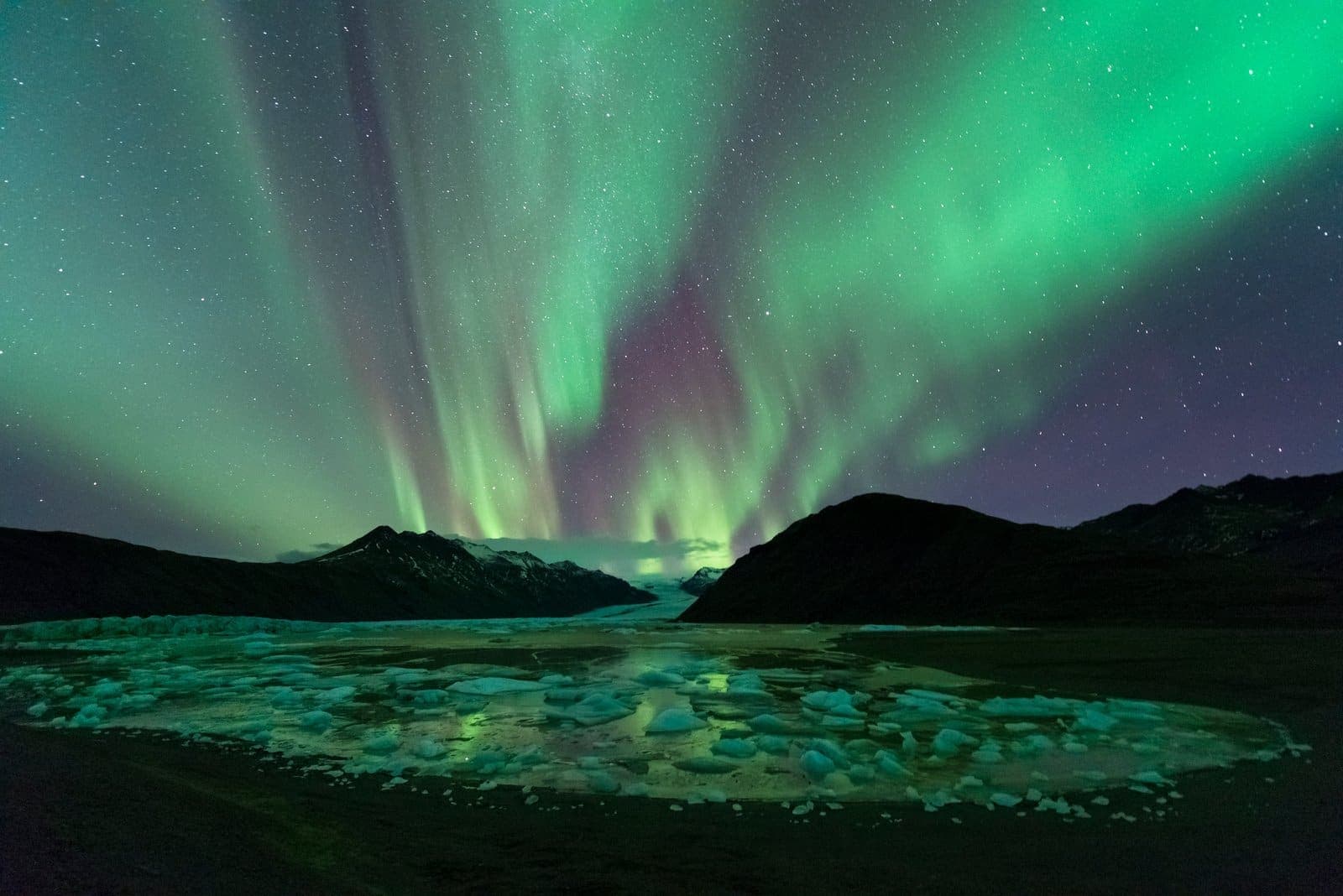
Northern lights plans work best when you choose the format before chasing the sky. Compare guided tours, self-drive attempts, Reykjavik viewing, countryside bases, boat options, and indoor backups by weather risk, car need, comfort, route fit, and how much the night can bend.
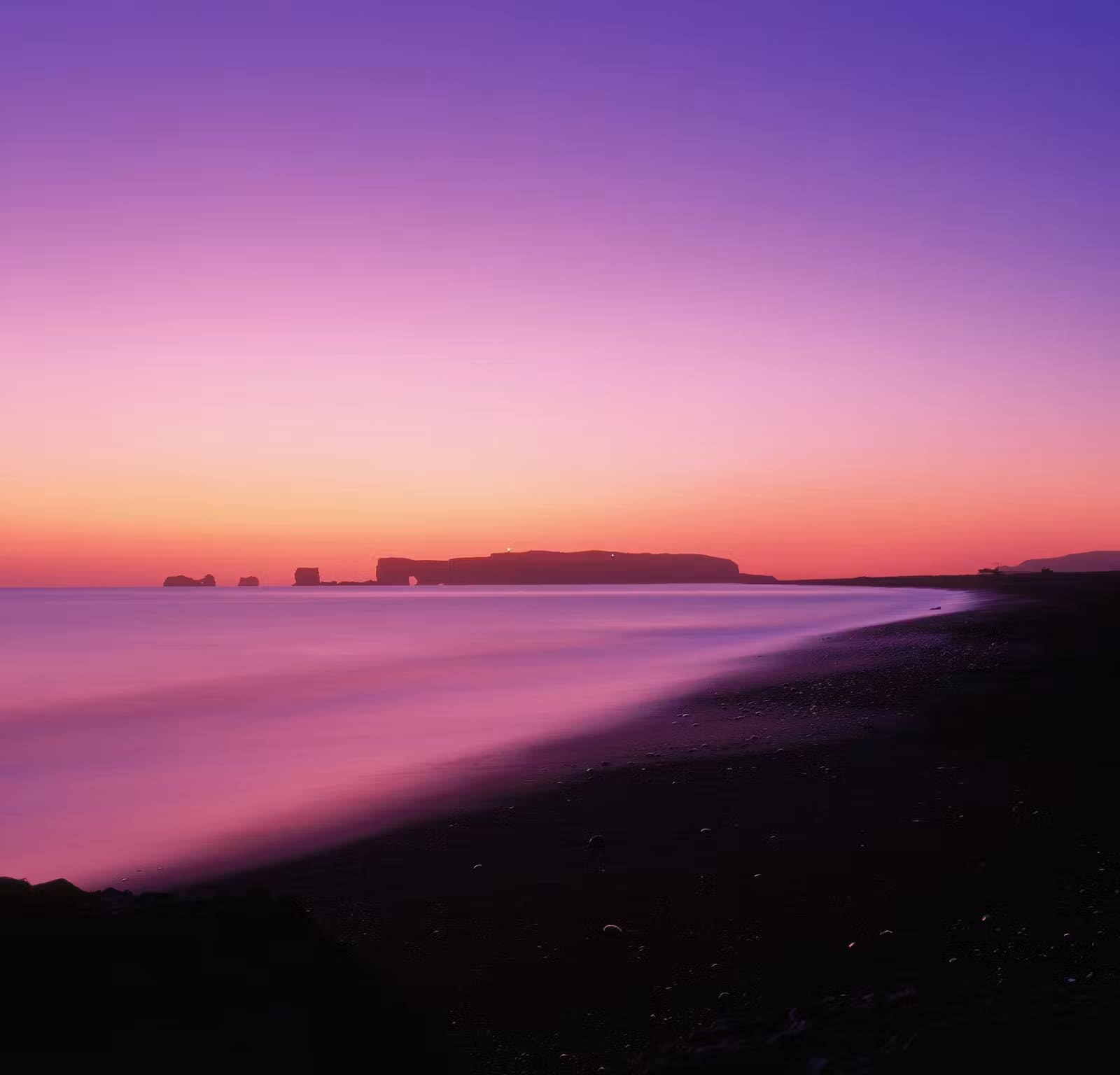
Iceland’s midnight sun turns the hours after dinner into soft golden light instead of true darkness. Use this guide to choose a waterfront walk, warm soak, wildlife boat, active tour, or early night by the light available, the energy you have left, and where you’re already staying.
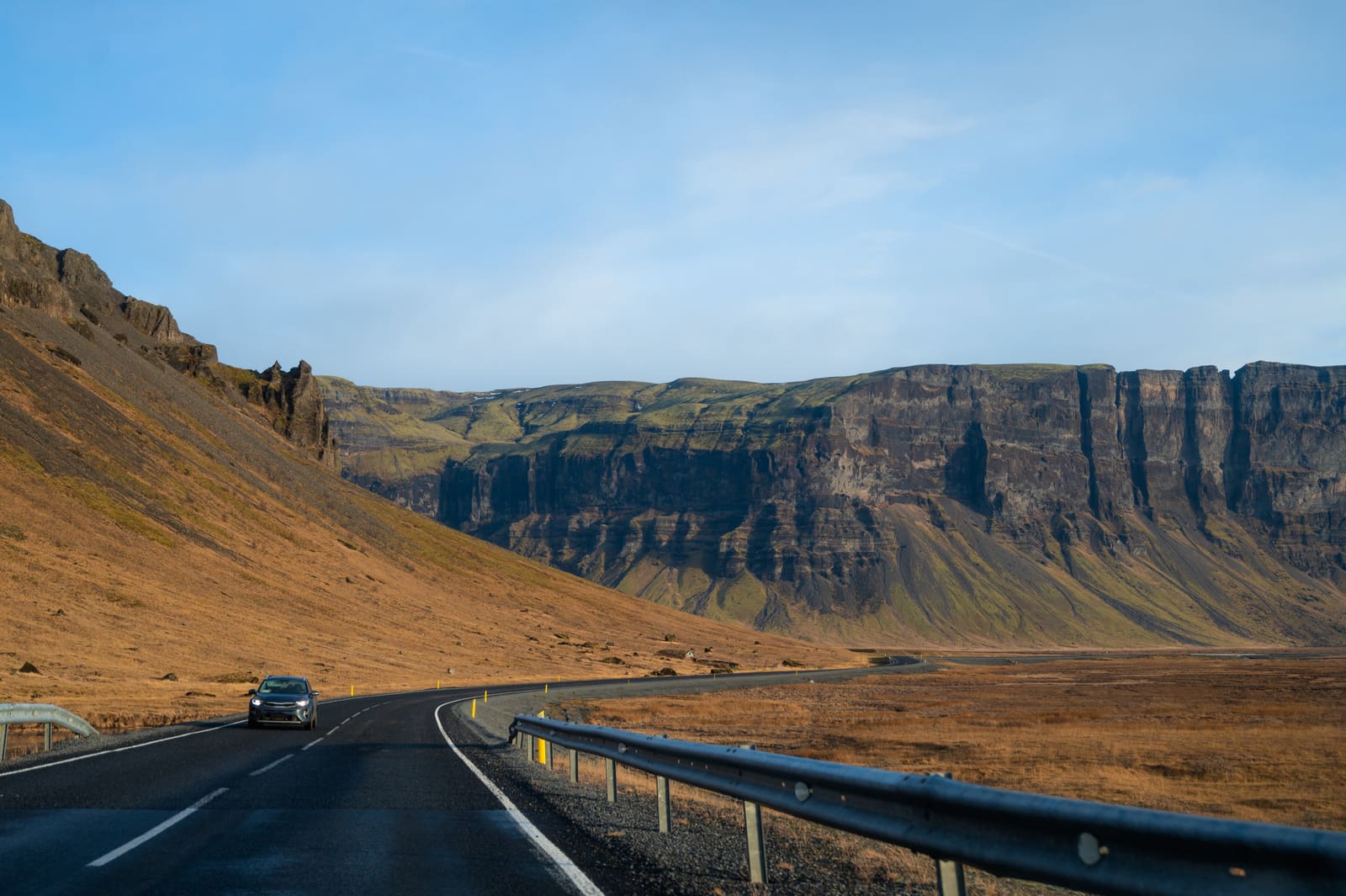
The most rewarding self-drive activities begin where the rental car stops being useful. Add one guided experience to a corridor you already want to drive, find its exact meeting point, count the full sequence from check-in to your return to the car, and leave the surrounding sightseeing loose.
Travel advice
Read more about driving, weather, safety, and other details that may affect your trip.
Keep planning
These pages take the three most useful next steps: a compact city day, a prepared walk, or an honest road check.