Is Sólheimasandur worth the walk?

Sólheimasandur is worth it if you actively want the exposed walk and the DC-3 wreck photo scene. It is easy to skip if your South Coast day is already full.

The useful decision is not whether the wreck is famous. It is whether two hours or more of flat, open black-sand travel improves the day more than extra time at Skógafoss, Sólheimajökull, Reynisfjara, or Dyrhólaey.

A local Iceland travel editor would add Sólheimasandur for travelers who want a deliberate photo walk, have a clear weather window, and are not rushing east or west. They would skip it when the day already depends on making Vík, a glacier stop, and several waterfalls feel unrushed.

Worth the stop?

When this stop makes sense

Good match for

  • South Coast self-drivers who want a deliberate photo walk
  • travelers with enough weather and daylight margin for an exposed stop
  • photographers who understand the walk is part of the visit
  • visitors comparing the plane wreck with nearby waterfalls, glacier views, and Vík-area coast

Think twice if

  • packed South Coast days with no spare time beyond the famous anchors
  • travelers expecting a quick roadside viewpoint

Pair it with

South IcelandSkogafossKvernufossSólheimajökull Glacier

What is Sólheimasandur beyond the plane wreck?

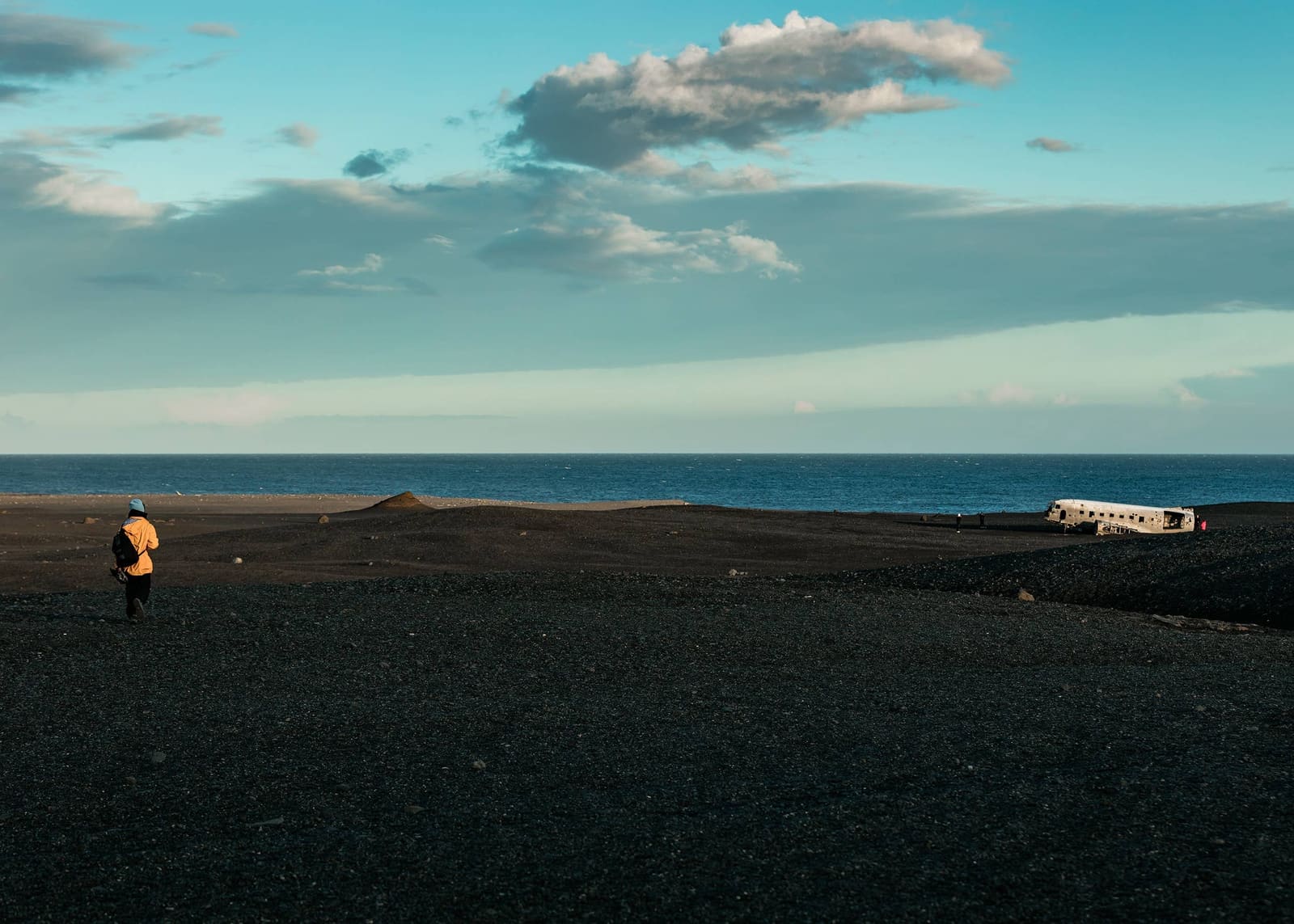
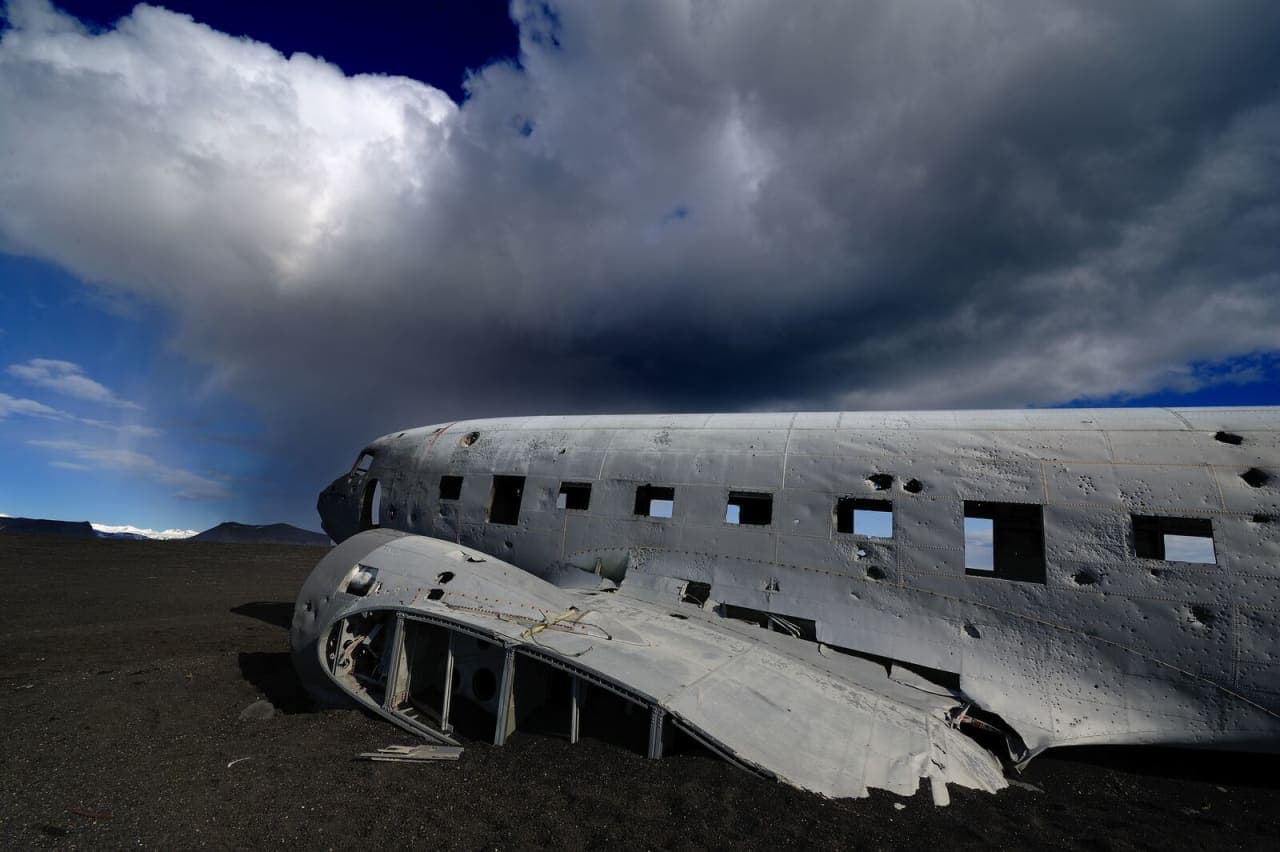
Sólheimasandur is a broad sandur: a black outwash plain shaped by glacial floods from the Katla and Mýrdalsjökull system, with the DC-3 wreck acting as the landmark most visitors recognize.

That wider setting matters. The wreck looks stark because it sits in an almost empty plain, with dark volcanic sand underfoot and the South Coast mountains and glacier country behind it. The attraction is partly the object, partly the emptiness around it.

The wreck is photogenic because the plain around it is so open and spare.

The story is simple enough for planning purposes: a US Navy aircraft landed on Sólheimasandur in 1973, everyone survived, and the stripped fuselage became the visual draw. The nearby DC-3 Plane Wreck page is the better next step if the aircraft history is the main reason you care about the stop.

Should the plane-wreck detour be a walk or a verified shuttle?

Most travelers should choose one of three versions before reaching the parking area: walk deliberately, verify a shuttle option, or skip the detour and protect the rest of the South Coast day.

Three practical ways to handle Sólheimasandur
ChoiceUse it whenWatch for
WalkYou want the exposed plain to be part of the experienceWind, fog, snow, rain, daylight, and the return leg
Verify shuttleThe wreck matters, but the walk would crowd the dayOperator details, departure fit, return timing, and weather changes
SkipYour day already has stronger stops and little slackRegret is lower when Skógafoss, Sólheimajökull, or Reynisfjara get the saved time
In winter or poor visibility, the flat walk needs a stronger daylight and weather margin.

The walking version is not technically complex, but it is exposed and monotonous. That is exactly why it can surprise people: the map looks simple, while the wind, surface, visibility, and return timing decide whether the stop feels rewarding or wasteful.

How does it fit with Skógafoss, Sólheimajökull, and Vík?

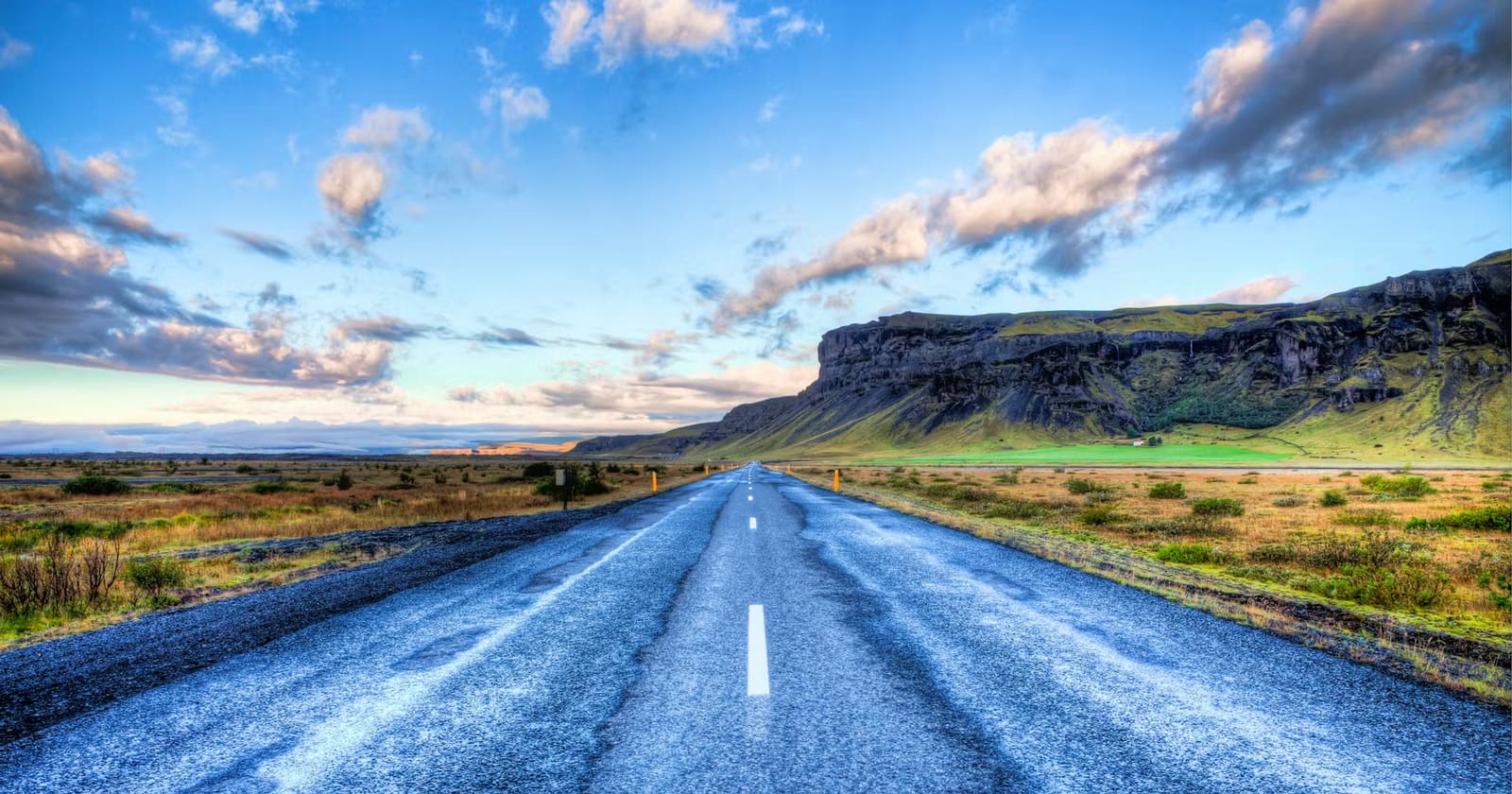
Sólheimasandur sits in a crowded South Coast stretch, so it should win time from a real comparison rather than being added automatically.

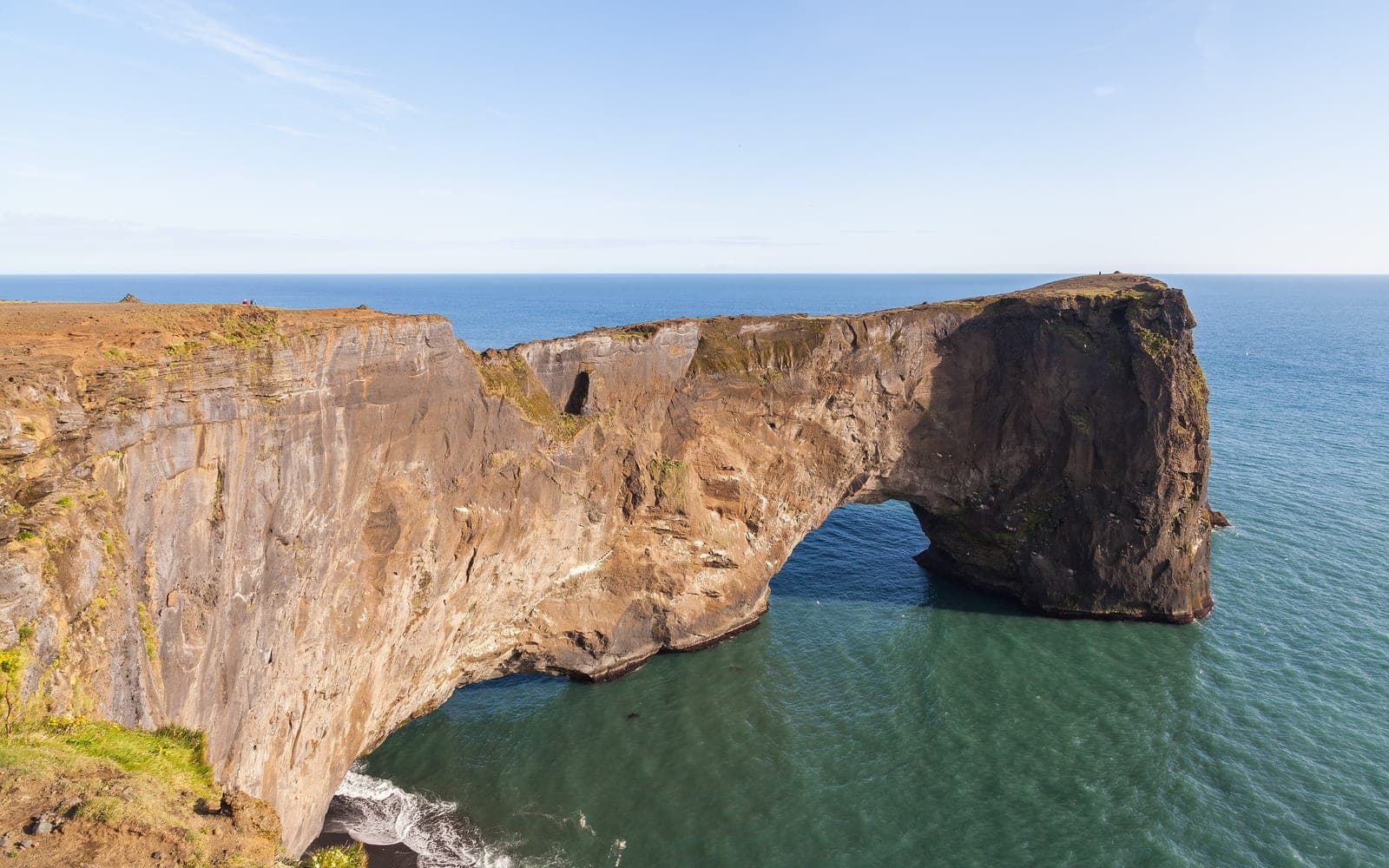
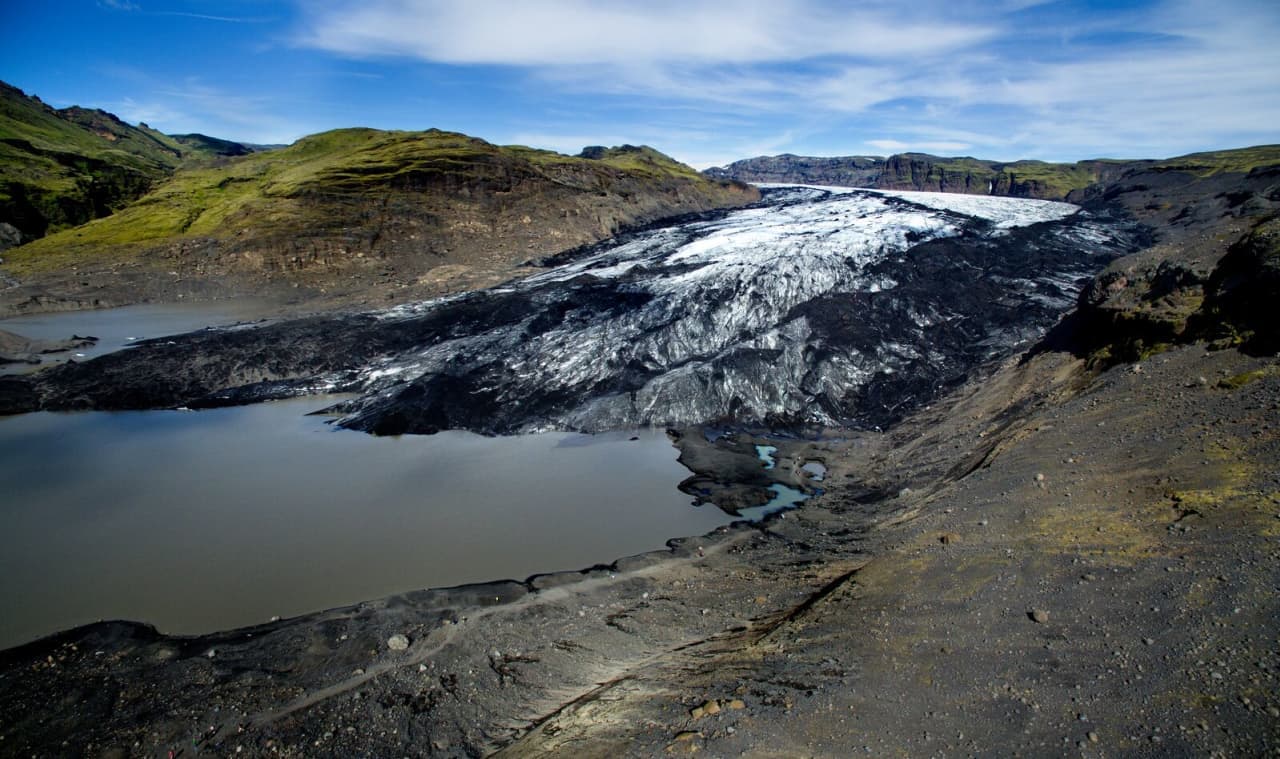
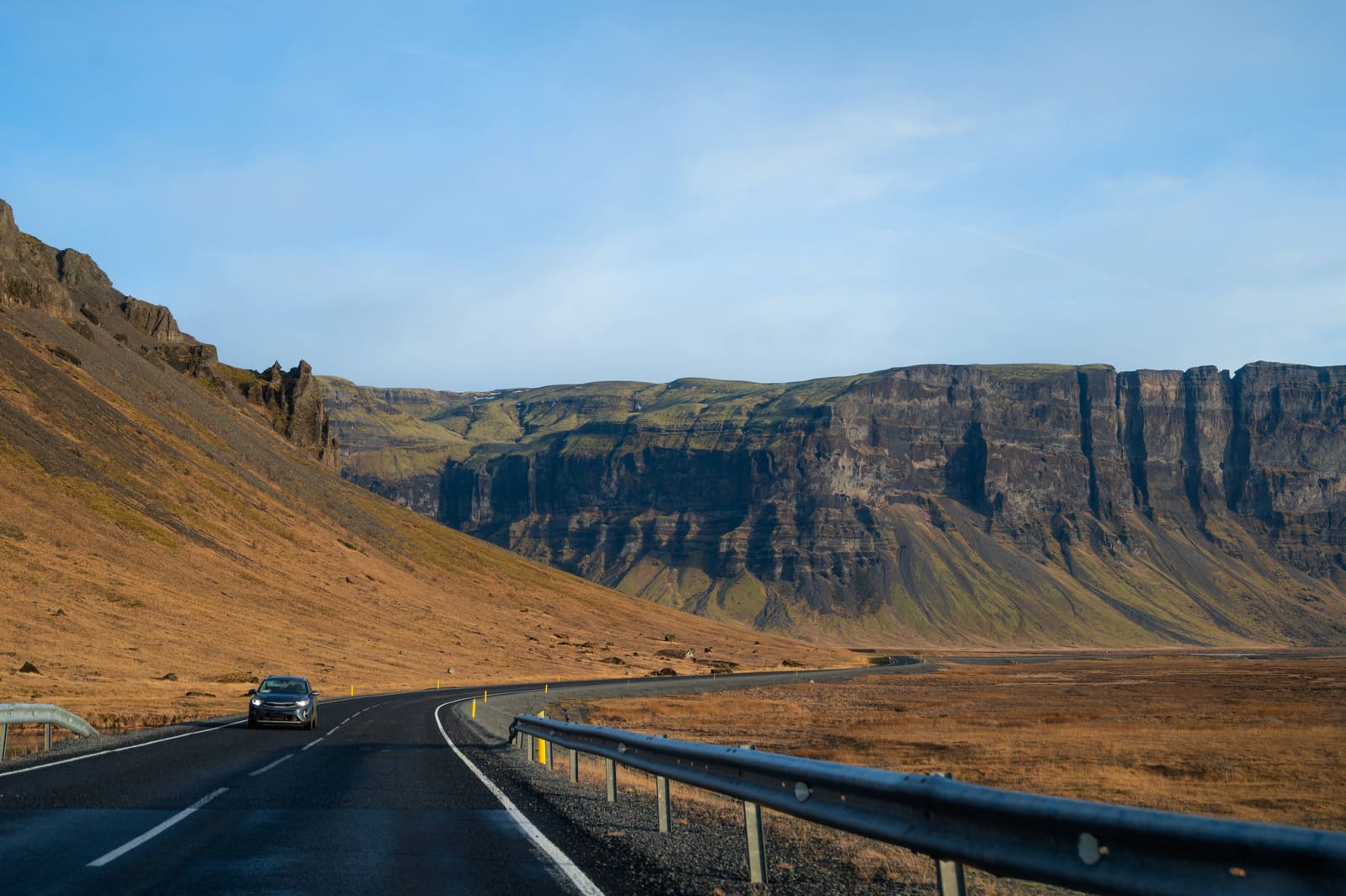
If your day is waterfall-led, Skógafoss and Kvernufoss usually give more immediate reward. If it is ice-led, Sólheimajökull is the clearer glacier choice. If it is coast-led, Reynisfjara and Dyrhólaey may matter more than a long inland walk across black sand.

The stop has scale and atmosphere, but it competes with several high-value South Coast anchors.

The best South Coast road trip plans make that tradeoff explicit. Add Sólheimasandur when you want a sparse, unusual photo stop between Skógar and Vík. Skip it when the day needs cleaner movement, safer weather margins, or more time at the Vík-area coast.

Nearby coast and glacier stops often decide whether the plane-wreck walk belongs in the route.

What should you check before leaving Route 1?

Check the conditions that can change the value of the stop: weather, daylight, road conditions, on-site signs, and any operator details if you are not walking.

Visit South Iceland gives the essential stable warning: the area is easy to underestimate in winter because daylight is limited and weather can change quickly. That advice also applies in fog, strong wind, heavy rain, or any day when your route already has little slack.

This page is editorial planning guidance, not live confirmation of access or services. Let official road, weather, safety, on-site, and operator information decide the final call before you spend time away from Route 1.

Official checks before you commit

Common questions about Sólheimasandur

These are the questions that most often change whether the stop belongs in a real South Coast day.

Is Sólheimasandur the same as the DC-3 Plane Wreck?

No. Sólheimasandur is the wider black-sand outwash plain, while the DC-3 Plane Wreck is the specific landmark most visitors walk or shuttle toward.

Can you drive to the plane wreck?

Do not plan on driving across the sand plain to the wreck. Use official visitor information, on-site signs, and approved access options before deciding how to reach it.

How much time should Sólheimasandur get?

Plan roughly 2-3 hours for the walking version once you include photos and the return. If that crowds your day, compare a verified shuttle option or skip the stop.

Is Sólheimasandur worth it in winter?

It can be worth it in winter only when daylight, weather, visibility, and access details all support the stop. If those checks are weak, choose a less exposed South Coast stop.