Fjallsjökull is an outlet glacier above Fjallsárlón in southeast Iceland, best visited as a glacier-view stop or guided ice experience, not as a casual walk onto the ice.
Glacier facts
Type
Outlet glacier and glacier-view stop above Fjallsárlón
Region
Southeast South Iceland, in the Vatnajökull area
Route context
Best added to a South Coast or Ring Road day already reaching Fjallsárlón, Jökulsárlón, or Skaftafell
Time to allow
30-60 minutes for a viewpoint-style stop; 1.5-3 hours or more if adding a guided activity
Best experience
Use the stop to understand the glacier behind Fjallsárlón, then decide whether a guided ice experience is worth the extra time
In this guide
Is Fjallsjökull worth visiting, or should you just stop at Fjallsárlón?
Fjallsjökull is worth paying attention to if you are already visiting Fjallsárlón or driving the far South Coast, because the glacier is the reason the lagoon, icebergs, and close ice-front view exist. It is not a separate casual ice-walk stop.
The useful decision is simple: go for Fjallsjökull if you want to understand the glacier behind the scene, compare it with Jökulsárlón, or decide whether a guided glacier or lagoon experience deserves time. Skip treating it as a separate checklist stop if your day already has Fjallsárlón, Diamond Beach, and a long drive competing for daylight.
Add Fjallsjökull when the route already reaches the Vatnajökull area and the traveler wants a more grounded sense of the ice landscape. Skip naming it as an extra stop when the day is stretched from Reykjavík, road conditions are uncertain, or the traveler is likely to confuse safe viewing with independent glacier travel.
How to decide what Fjallsjökull should be in your day
Visit style
Use it when
Main caution
Quick glacier view
You are stopping at Fjallsárlón and want the glacier context
Do not add a long detour if the South Coast day is already full
Balanced lagoon stop
You want time for the icebergs, photos, and nearby Jökulsárlón or Diamond Beach
Leave room for weather, daylight, and slower driving
Guided ice experience
You want to step onto glacier terrain with the right guide and equipment
Verify operator details and conditions before building the day around it
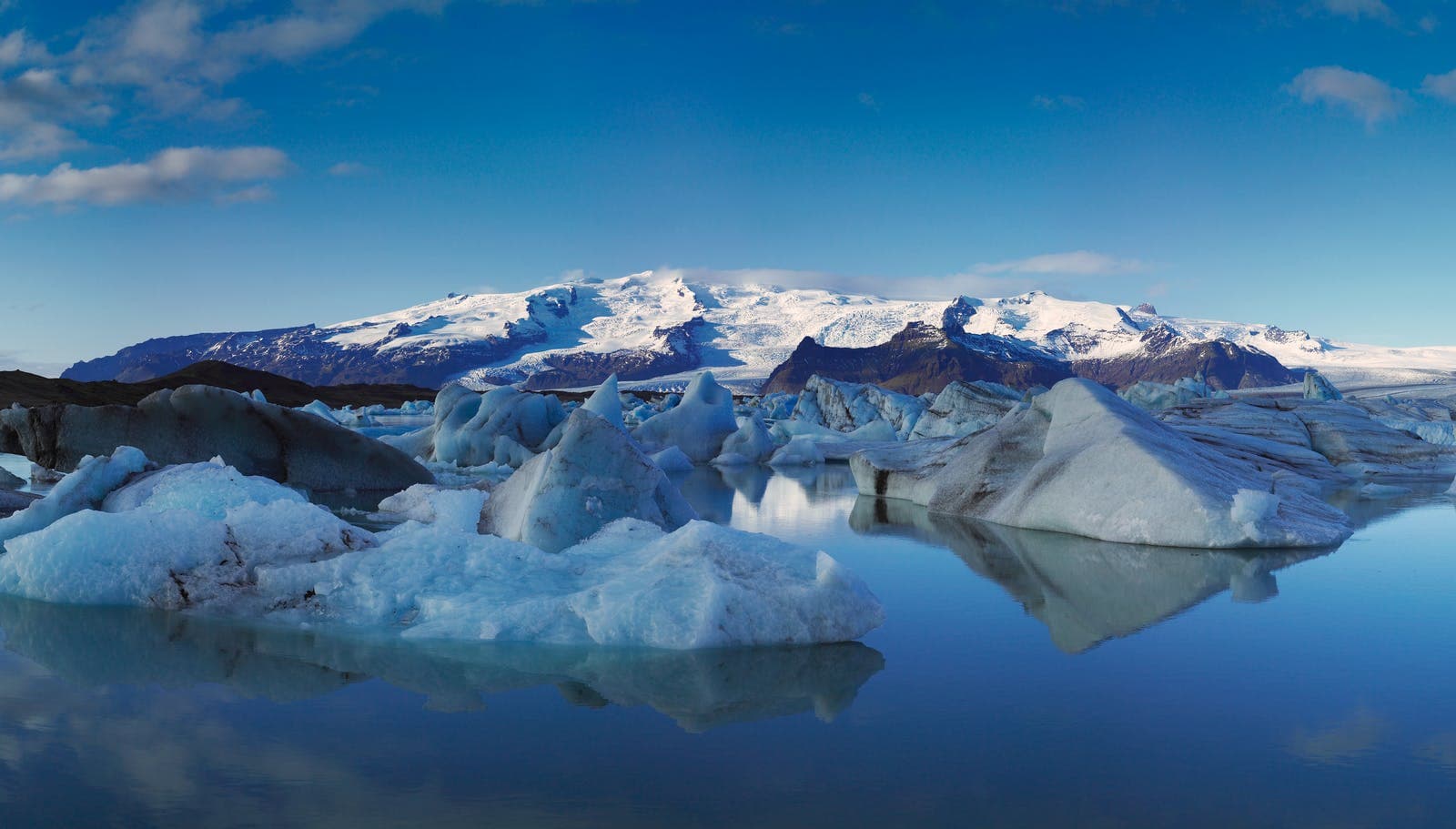
You are seeing an outlet glacier descending from the Öræfajökull side of Vatnajökull toward Fjallsárlón
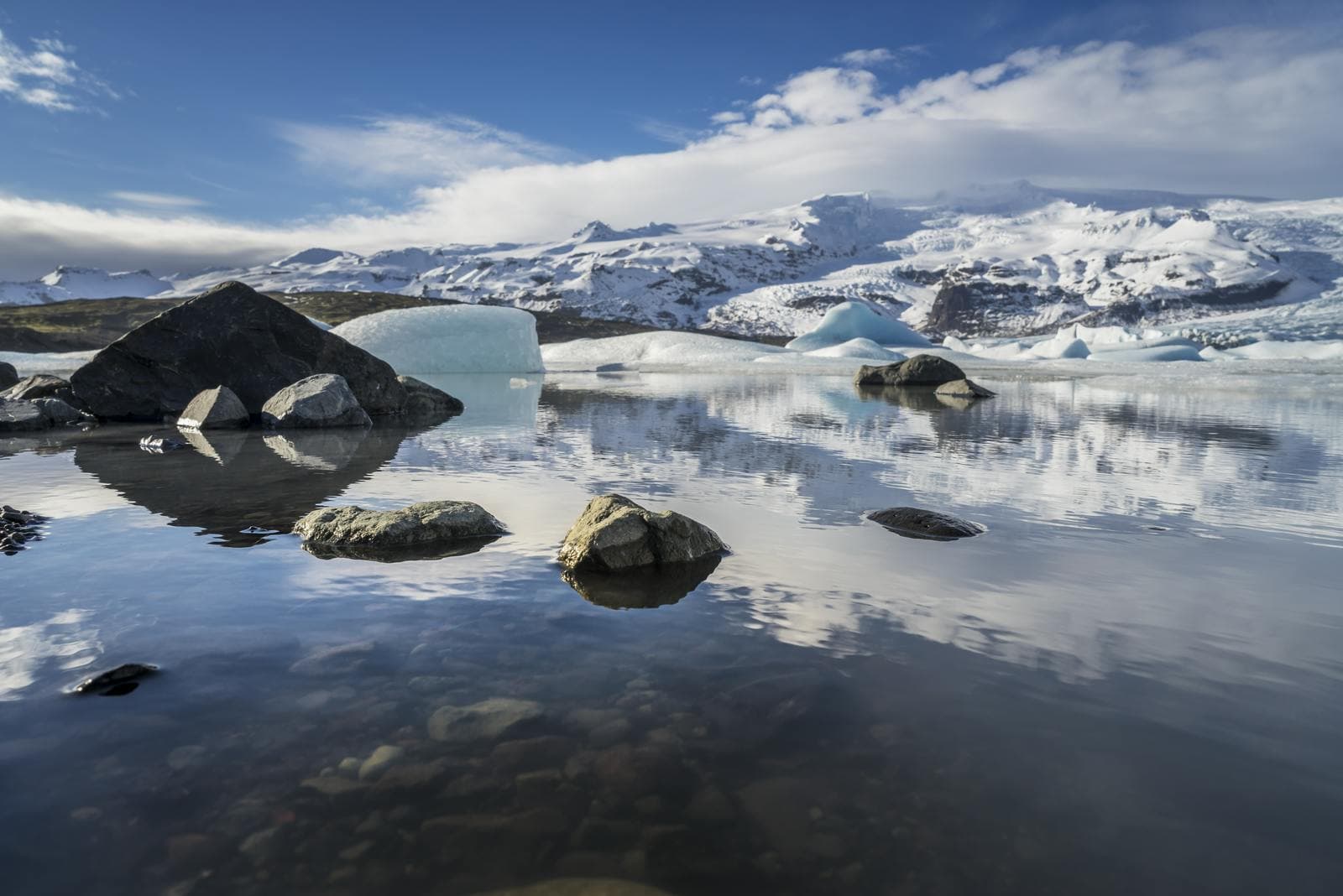
You are seeing an outlet glacier descending from the Öræfajökull side of Vatnajökull toward Fjallsárlón. The lagoon is the visitor setting; Fjallsjökull is the ice mass that gives the place its scale.
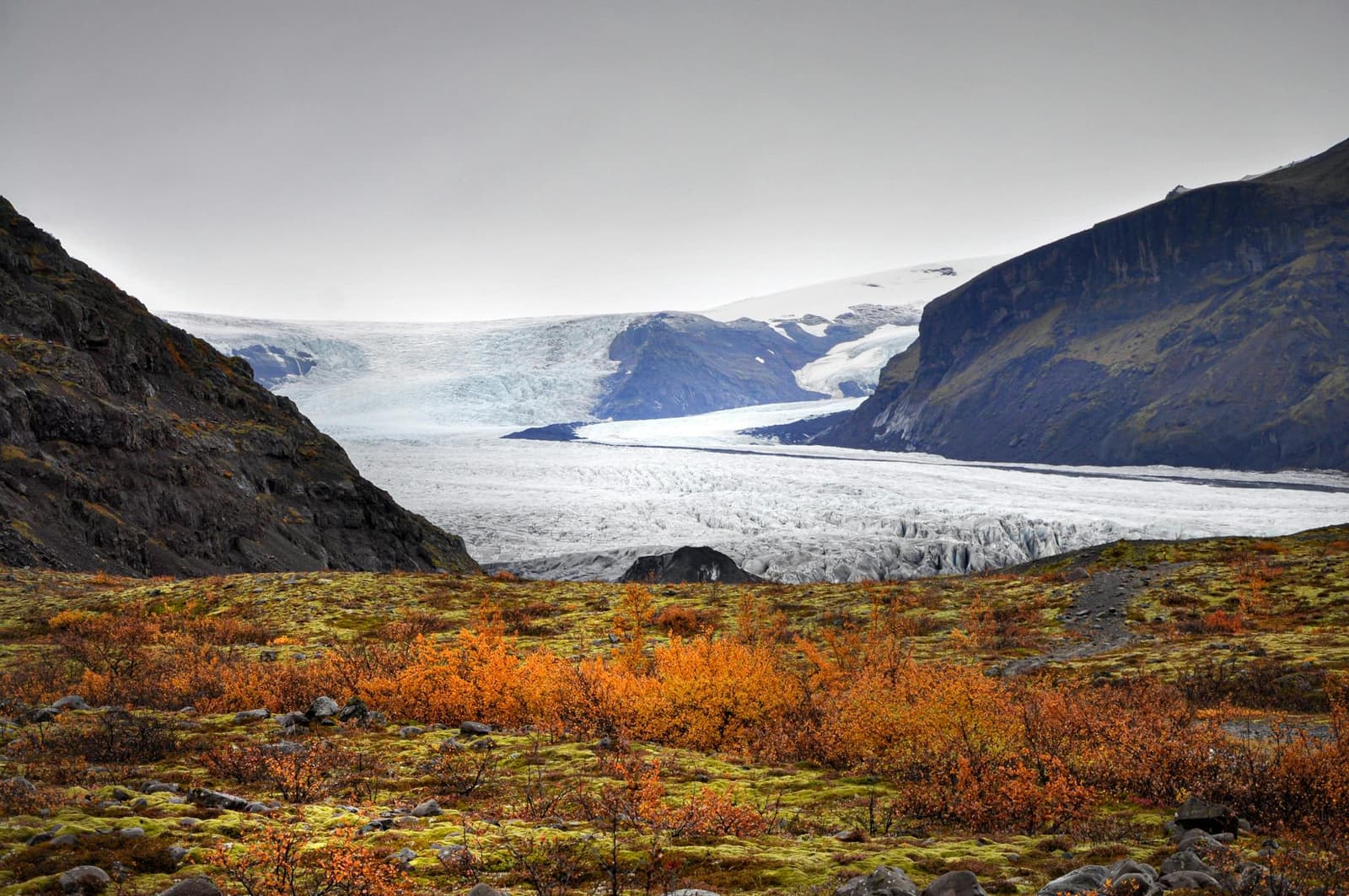
That distinction matters because the names can blur together on maps and in travel planning. Fjallsárlón is the lagoon stop. Fjallsjökull is the glacier tongue above it. Vatnajökull is the larger ice cap and national-park landscape that gives the area its wider geological context.
From the lagoon side, the glacier can feel close enough to study: broken blue-white ice, dark ash lines, steep icefalls, and icebergs that show how the frozen landscape keeps moving. That does not make the ice safe to enter independently. The close view is the point of the short visit.
Fjallsjökull is the glacier behind the Fjallsárlón view, which is why the stop feels more intimate than a distant ice-cap panorama.The glacier is part of a larger Vatnajökull and Öræfajökull landscape, not an isolated roadside sight.
How should you plan the visit?
Plan Fjallsjökull as either a short glacier-view layer on a Fjallsárlón stop or a longer guided-activity decision. Most self-drivers should not give it the same time budget as a full hiking objective unless they have verified the guided option they want.
For a quick version, allow 30-60 minutes around the lagoon area, watch the glacier front, take photos, and keep moving before the day becomes overloaded. This works well when your South Coast Road Trip already includes Jökulsárlón, Diamond Beach, or Skaftafell.
For a slower version, give the stop more breathing room and compare it with the rest of the Vatnajökull area. A 5-Day Iceland Itinerary has more room for this than a short out-and-back day, especially when the weather is unsettled or daylight is limited.
A close glacier experience is a guided-activity decision, not the default version of a Fjallsjökull stop.The glacier front gives dramatic scale, but calving ice and cold water are reasons to keep close-up experiences controlled.
When do safety and official checks matter most?
Safety and official checks matter whenever Fjallsjökull becomes more than a flexible viewpoint stop. Use official road, weather, safety, park, and operator information before committing to a long drive, glacier activity, boat experience, or winter route.
Use this guide for planning, not live safety confirmation. Road.is / Umferdin should decide road-condition confidence, the Icelandic Met Office should decide weather exposure, SafeTravel should guide preparation, and official park or operator information should decide access-sensitive details.
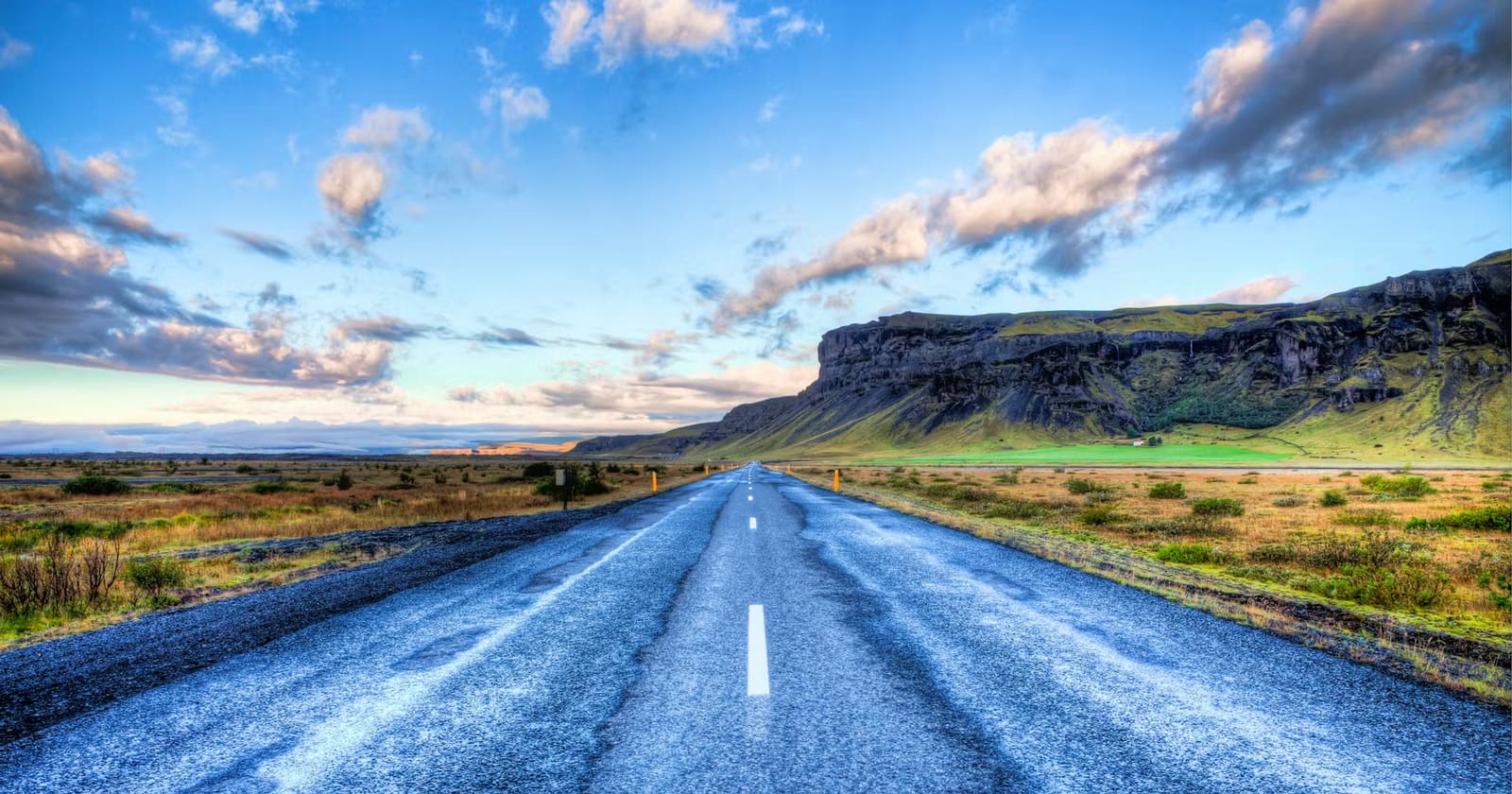
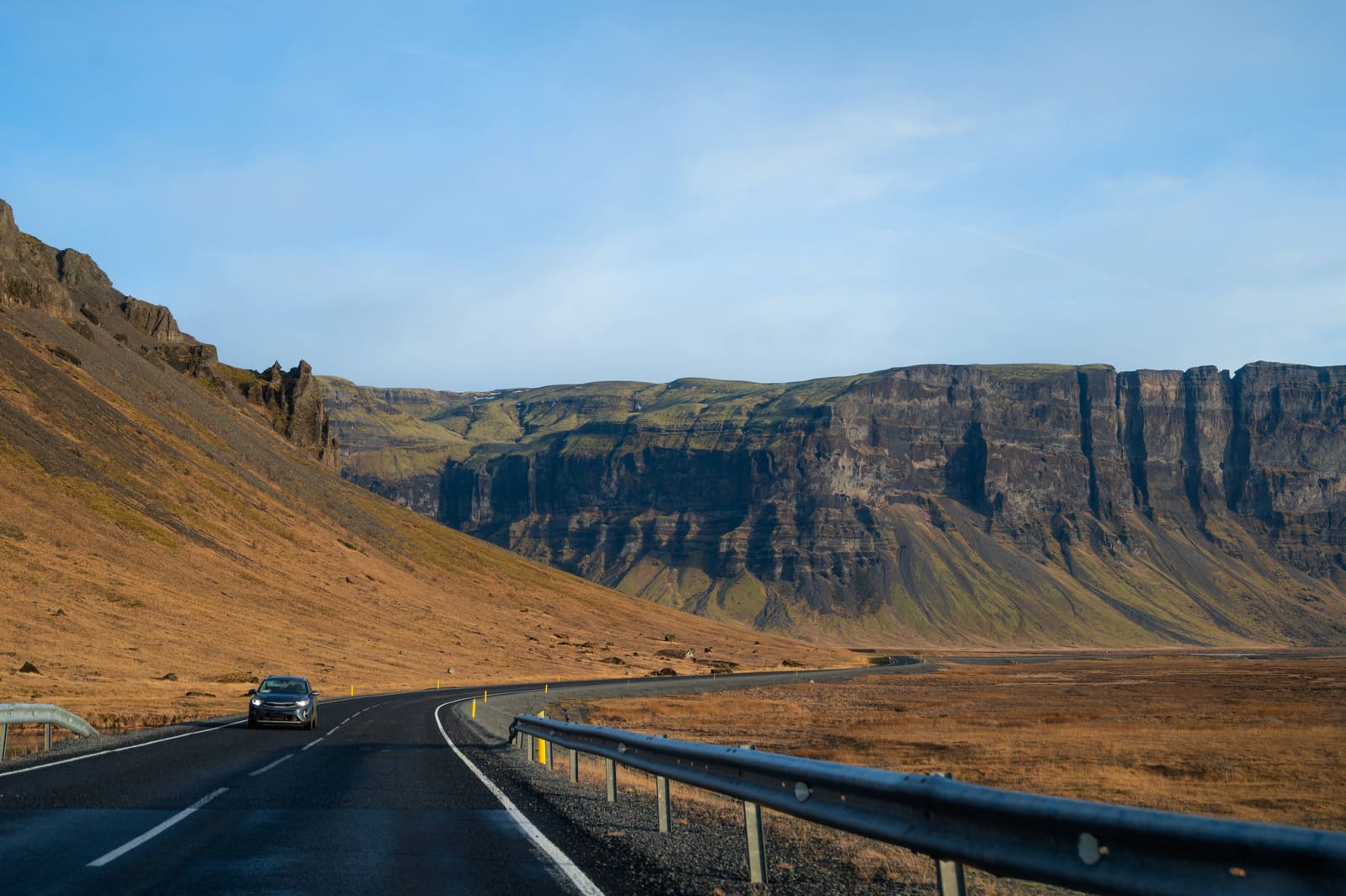
Winter Driving in Iceland is especially relevant if you are linking the glacier-lagoon area with Vík, Höfn, or a longer Ring Road day. The road may look simple on a map, but wind, ice, darkness, and slow stops can change the practical value of adding one more glacier viewpoint.
Use for wind, precipitation, visibility, and exposure decisions.
The cleanest pair is Fjallsárlón, because it is the place most travelers use to view Fjallsjökull safely
The cleanest pair is Fjallsárlón, because it is the place most travelers use to view Fjallsjökull safely. Jökulsárlón and Diamond Beach add the larger, more famous ice-and-ocean sequence, while Skaftafell gives the day a walking-focused alternative.
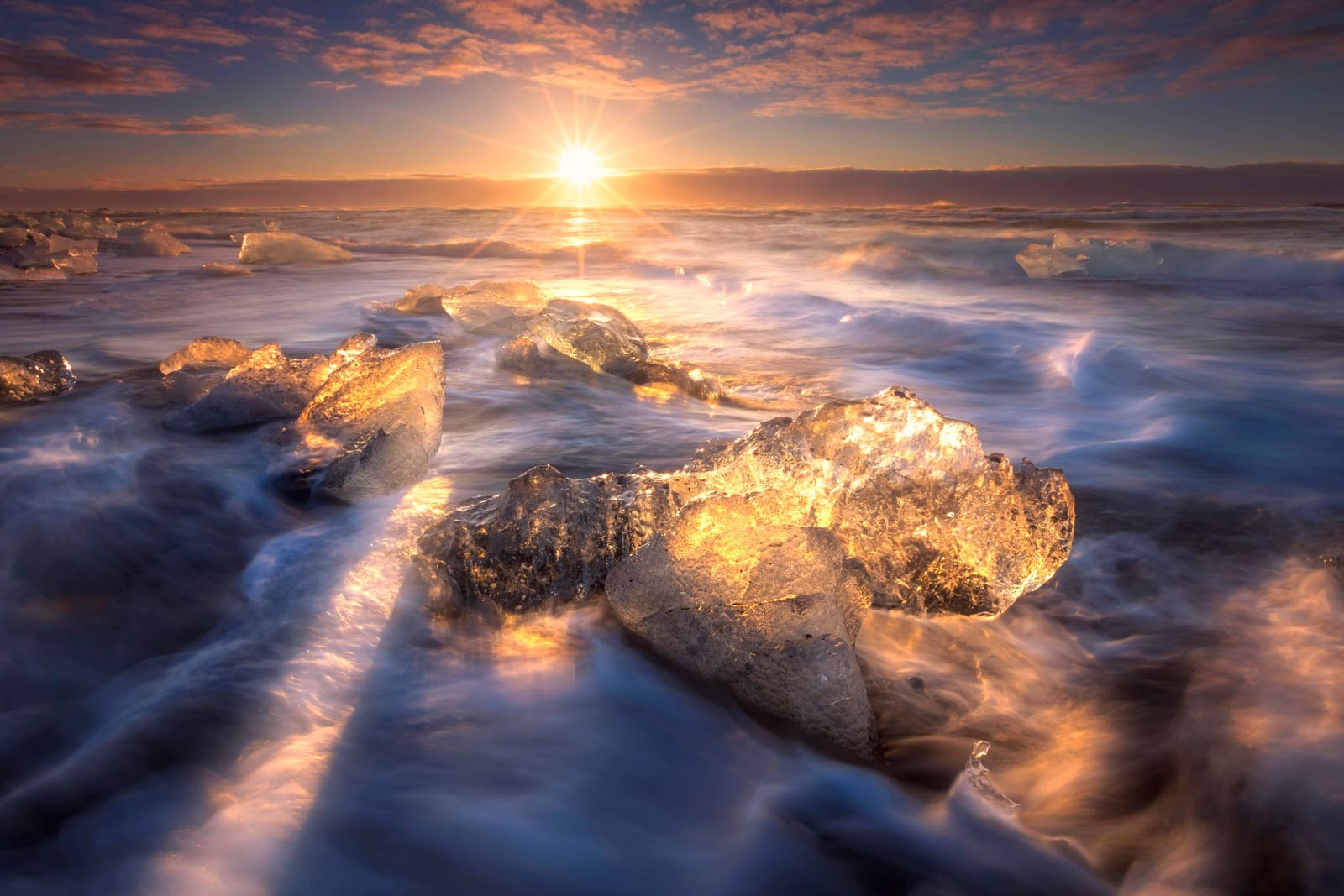
Use Fjallsárlón when you want the quiet, contained glacier-lagoon view. Use Jökulsárlón when you want the bigger lagoon spectacle. Use Diamond Beach when you want to see ice carried onto black sand. Those three stops can work together, but only if the day still has enough space for weather, photos, and slow movement.
Skaftafell and Vatnajökull are better when you want the broader national-park context rather than another lagoon. South Iceland helps you decide whether this far southeast cluster belongs in your trip at all, while Ring Road or South Coast? helps if you are choosing between a compact southern route and a longer loop.
The terrain around Fjallsjökull is part of a wider glacier-margin landscape, not just a roadside photo stop.
Go if the day already reaches Fjallsárlón, Jökulsárlón, or Skaftafell.
Skip if adding the name creates a rushed drive through the southeast South Coast.
Check before committing if winter roads, high wind, guided activity details, or daylight could decide the day.
Fjallsjökull Glacier FAQ
Most confusion comes from the names, the glacier-versus-lagoon distinction, and the difference between safe viewing and glacier travel.
Is Fjallsjökull the same place as Fjallsárlón?
No. Fjallsjökull is the glacier, while Fjallsárlón is the lagoon in front of it where most travelers view the ice safely.
Can you visit Fjallsjökull without a guide?
You can view Fjallsjökull from safe public areas around the lagoon, but going onto glacier ice should be done only with qualified guides and proper equipment.
How long should I allow for Fjallsjökull?
Allow 30-60 minutes for a viewpoint-style stop, and more time only if verified guided activities, boat plans, or slower photography are part of the day.
Should I choose Fjallsjökull or Jökulsárlón?
Choose Fjallsjökull and Fjallsárlón for a quieter, closer glacier-front feel; choose Jökulsárlón if you want the larger famous lagoon and easy Diamond Beach pairing.
What should I verify before building the stop into a tight day?
Verify road conditions, weather, safety guidance, park information, and operator details before relying on the stop, especially in winter or for guided activities.