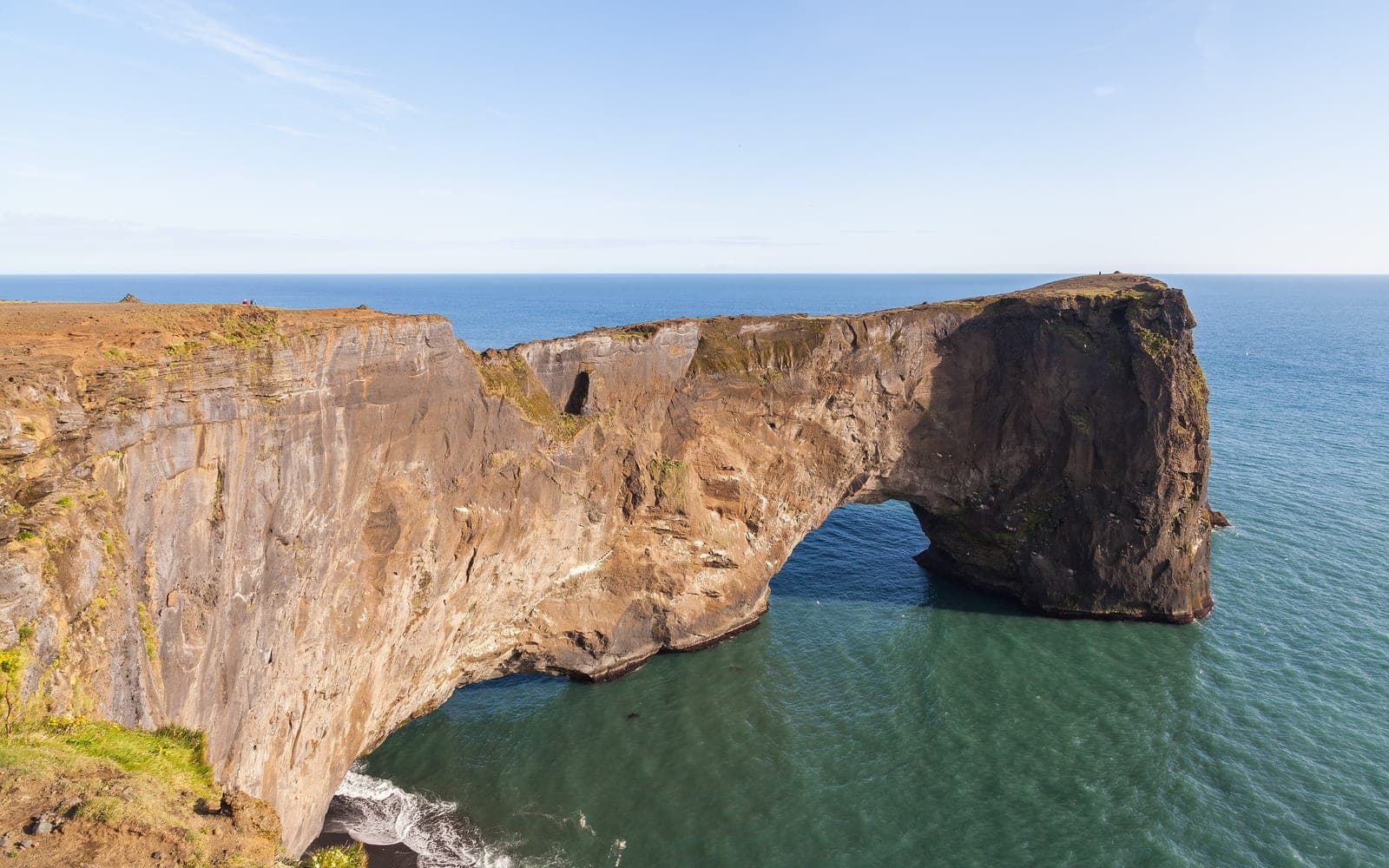
Coast snapshot
- Type
- Bird museum and lakeside stop
- Region
- Lake Mývatn, North Iceland
- Best for
- Birders, families, natural history
- Time
- About 30 to 60 minutes
- Nearby
- Neslandavík and Lake Mývatn
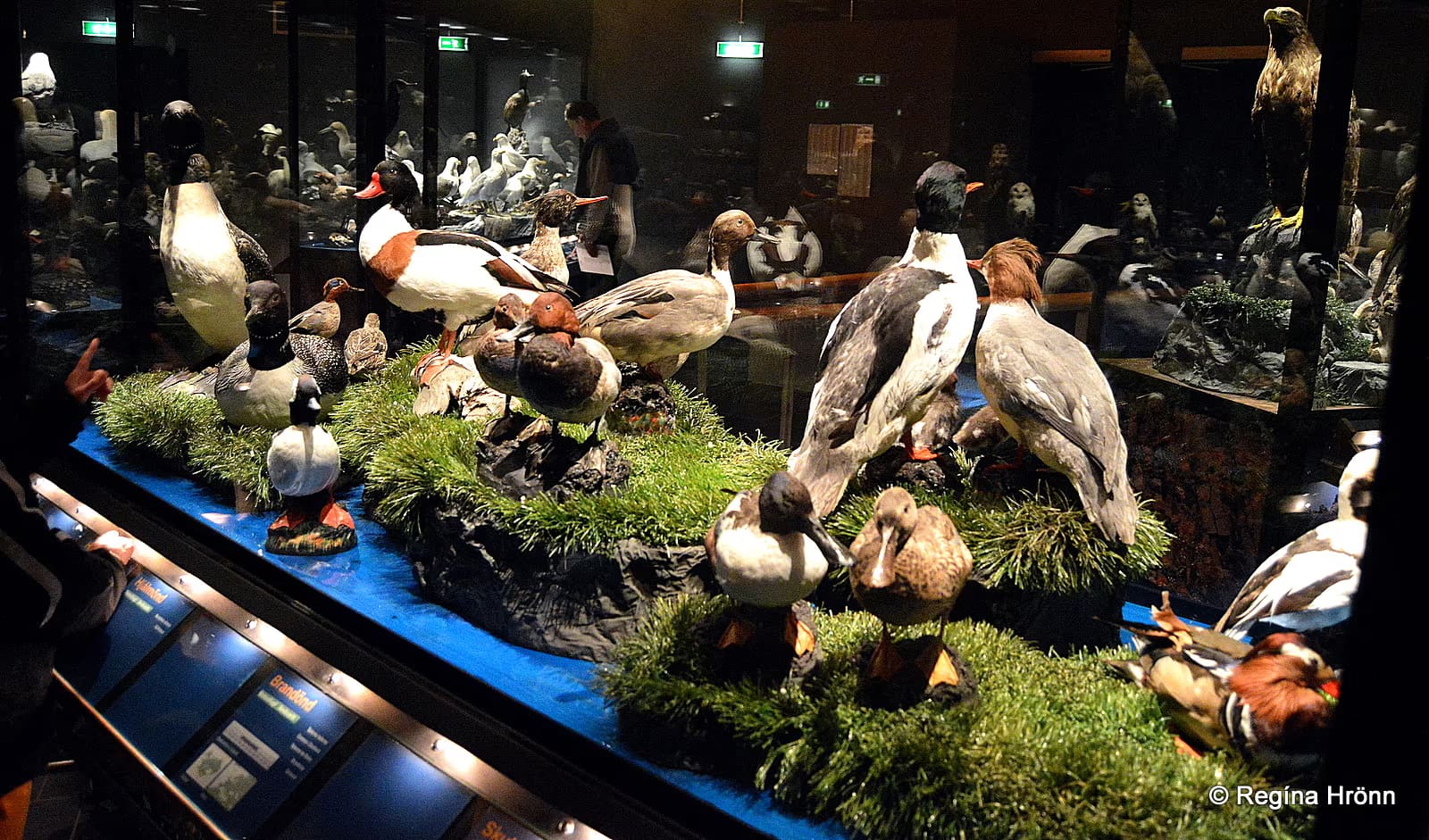
Sigurgeir's Bird Museum is a compact Lake Mývatn stop for birders, families, and curious travelers who want the area's famous birdlife explained before or after time by the water.
Coast snapshot
Yes, if Lake Mývatn birdlife is part of why you came north. No, if your day is already tight around bigger landscapes.
Sigurgeir's Bird Museum is most useful when it gives your Mývatn stop a sharper nature angle. The lake is famous for birds, especially ducks and other waterfowl, and the museum turns that reputation into something you can study at close range.
It is not the stop that should displace Lake Mývatn, Goðafoss Waterfall, or Dettifoss on a rushed first trip. It earns its place when your group likes birds, natural history, family-friendly exhibits, or a short indoor pause beside the lake.
Photo guide
Sigurgeir's Bird Museum is a compact lakeside stop at Ytri-Neslönd, making it an easy add-on to a Mývatn day focused on birdlife.
The museum is built around Sigurgeir Stefánsson's bird and egg collection, displayed in a dedicated lakeside building.
Official museum information describes a natural-history collection with hundreds of stuffed birds and eggs, including a broad display of Icelandic breeding birds. For travelers who do not know the difference between a diver, a grebe, and a duck at a glance, that context can make the surrounding lake feel less anonymous.
The visit is compact. Expect a museum rhythm rather than an adventure stop: cases, labels, bird forms, eggs, and enough local story to explain why a private collection became one of the clearer cultural stops around Mývatn.
The museum matters more because it sits beside real bird habitat, not because it is isolated from the landscape outside.
Visit Mývatn places the museum at Ytri-Neslönd by Neslandavík, one of the area's recommended birdwatching locations. That makes the stop more than an indoor collection: it is a way to understand what you may be seeing around the lake.
Keep the outdoor part respectful and flexible. Bird sightings vary, weather changes the mood quickly, and some places around Mývatn require care with land access, distance, and disturbance. Use the museum to learn, then watch the lake without turning wildlife into a checklist.
The museum works best as a small layer inside a Mývatn circuit, not as the main reason for a long North Iceland detour.
If your day is centered on the lake, pair the museum with Skútustaðagígar, Dimmuborgir, Grjótagjá, or Krafla depending on whether you want pseudocraters, lava formations, a cave stop, or volcanic context.
If the day stretches farther, be stricter. Húsavík, Mývatn Nature Baths, Goðafoss, and Dettifoss can all demand more energy than a map suggests. The museum belongs when it makes the day more balanced, not when it turns every hour into a transfer.
The practical checks are simple, but they matter because this is a small museum inside a bigger North Iceland route.
Check the museum's own visitor information before making it a fixed part of the day. Then check road and weather guidance if you are driving between Mývatn, Húsavík, Goðafoss, Dettifoss, or Akureyri.
Avoid building the plan around exact operating details you saw earlier in research. Facilities, staffing, access, and weather comfort can vary, so keep the stop flexible unless you have confirmed the details that matter to your group.
Use for visitor details before making the museum a fixed stop.
Use for Lake Mývatn birdwatching context and respectful route planning.
Use before driving longer North Iceland links.
Use before committing to exposed lake and road stops.
By ThorPublished Updated
Map
Use nearby places and useful bases before opening directions.
Interactive planning map for Sigurgeir's Bird Museum
Interactive map
Place context and external map links remain available without loading it.
Planning context
Open the region or practical guide that resolves the next planning decision.