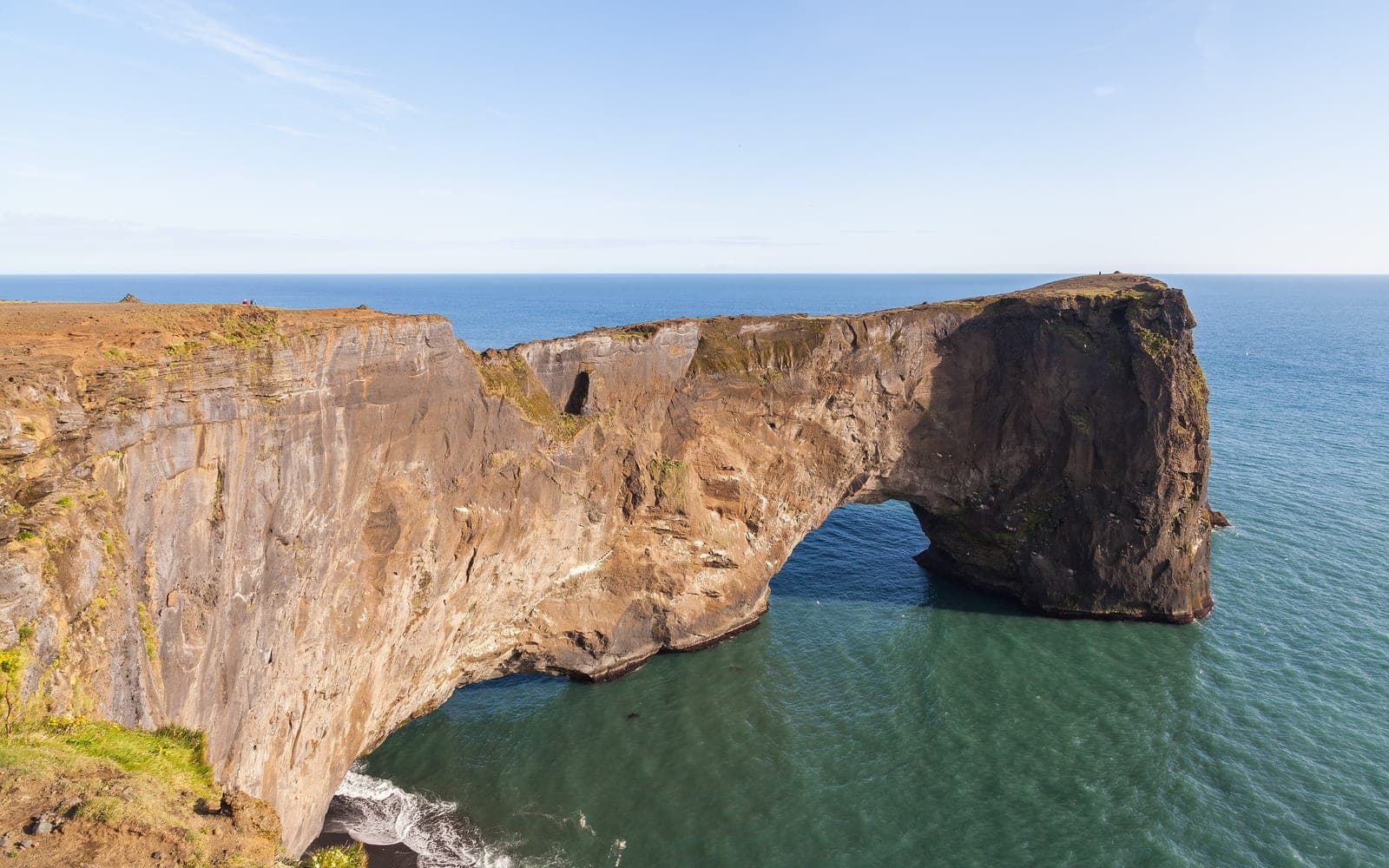
Coast snapshot
- Type
- Remote cape, cliffs, birds, old farms
- Region
- Northeast Iceland, near Þórshöfn
- Best for
- Slow Arctic Coast Way detours
- Time
- Half day or longer
- Access
- Remote gravel roads and wind
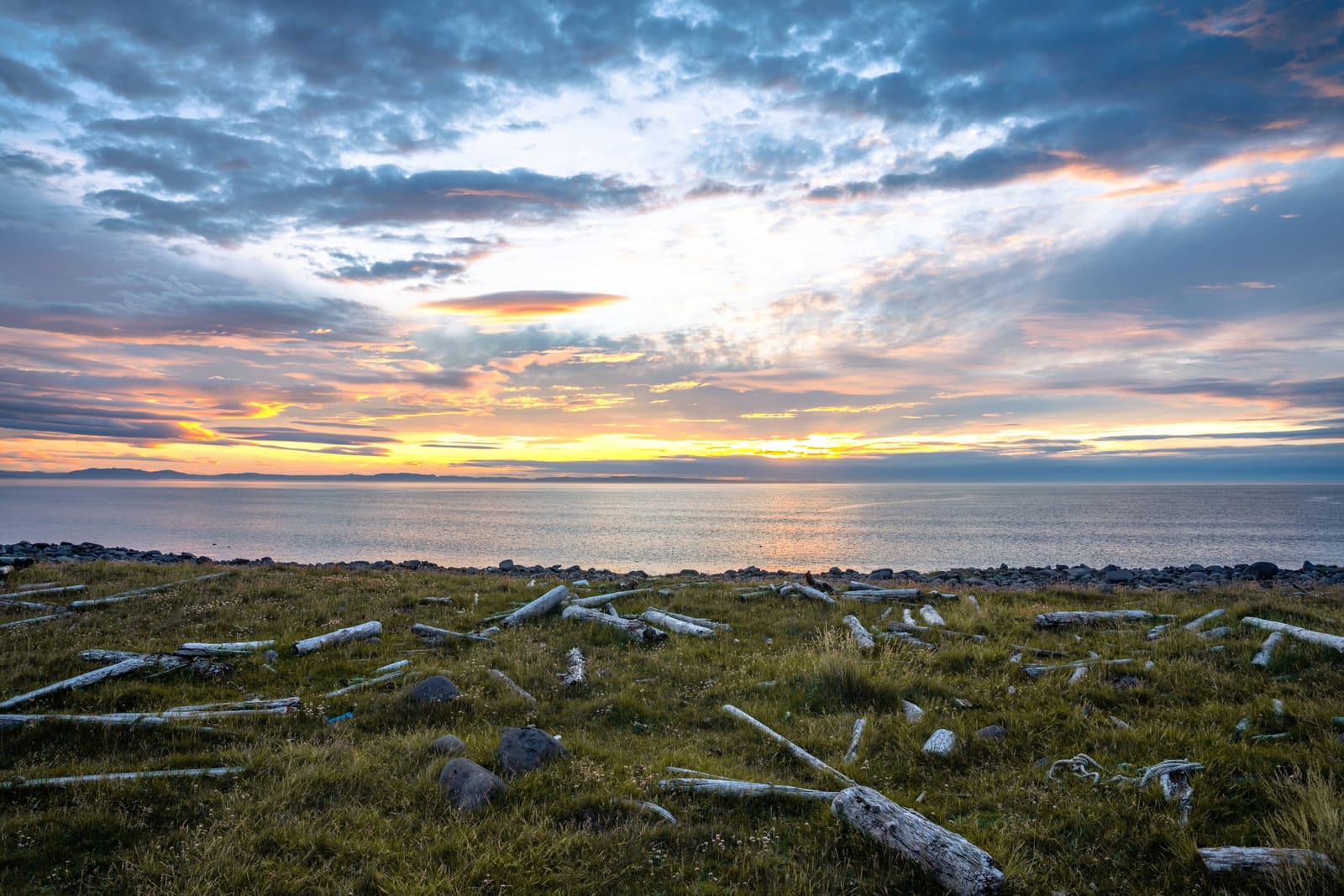
Langanes Peninsula is for travelers who want Iceland's far northeast to feel remote, bird-rich, and weather-shaped. This guide helps you decide when the long detour deserves real time and when to keep the day simpler.
Coast snapshot
Yes, when the far northeast is the point of the day. No, when the peninsula would be squeezed into a fast transfer just to add another pin.
Langanes is not a tidy roadside attraction. It is a long, exposed peninsula where the reward comes from the combination of rougher roads, open ocean, bird cliffs, old farms, and the feeling of reaching a quiet edge of Iceland.
Build the day around Langanes if Fontur, Skoruvíkurbjarg, Stóri Karl, Skálar, and the remote coast are the reason you are driving north. Leave it for another trip if the same day still needs to protect time for Egilsstaðir, Mývatn, or a long overnight move.
The drive is part of the attraction: sparse, windy, open, and much more memorable when you are not watching the clock.
The peninsula sits near Þórshöfn and Bakkaflói, away from Iceland's busier first-trip loops. Even before you reach the outer sights, the road gives you low hills, empty coastline, scattered farms, and long views that make the day feel slower.
That slow feeling is valuable only when the route has room for it. If you are coming from Bakkafjörður or linking the peninsula with Vopnafjörður, Langanes can become the main memory of the day. If you are chasing a full Ring Road-style checklist, the same drive can feel like pressure.
Langanes has a human story as well as a nature one, and that makes the peninsula more interesting than a simple lighthouse drive.
Skálar, Skoruvík, Sauðanes, and old farm remains give the peninsula a lived-in texture. You do not need to turn the day into a history tour, but the abandoned-settlement layer explains why the landscape can feel haunting rather than merely empty.
This secondary angle is useful if you normally lose interest in pure viewpoint driving. Langanes can work as a combined nature, birding, and local-history day, especially when you already planned a slower base near Þórshöfn or the far northeast coast.
Think in route margin, not just minutes at a viewpoint. The peninsula is most rewarding when you can slow down without making the rest of the day fragile.
Travelers who prefer a easier northeast day can keep closer to Selárdalslaug, Bakkafjörður, or Vopnafjörður instead. Travelers who enjoy slower landscapes may find that Langanes gives the day exactly the breathing room they wanted.
The best pairings keep the day coherent: quiet harbors, warm-water pauses, birding areas, or a wider East Iceland plan.
The closest logical pairings are Fontur for the tip, Bakkafjörður for a quiet harbor edge, and Selárdalslaug when a simple warm-water pause fits the same slower northeast rhythm.
For a wider route, use East Iceland to decide whether Langanes belongs in the trip at all. If the route is already rich with nature time, places like Húsey, Stórurð, or Seyðisfjörður may give a stronger payoff with less outer-peninsula commitment.
The place is durable, but the visit quality depends on road, wind, visibility, daylight, and local access details.
Before treating Langanes as fixed, check official road information, weather forecasts, travel-condition guidance, and local visitor information. That is especially important if the plan depends on the outer gravel sections, cliff viewpoints, or a late-day return.
Local place context for Fontur and the outer peninsula.
Regional bird-cliff and viewing-platform context.
Check road conditions before remote gravel driving.
Check forecasts and warnings for exposed coastal travel.
By ThorPublished Updated
Map
Use nearby places and useful bases before opening directions.
Interactive planning map for Langanes Peninsula
Interactive map
Place context and external map links remain available without loading it.
Planning context
Open the region or practical guide that resolves the next planning decision.