Is Þingvallavatn worth adding as its own stop?

Yes, if you want the lake to slow and deepen a Þingvellir visit. No, if your Golden Circle day already feels crowded.

Þingvallavatn is not a single viewpoint with one obvious finish line. It is the broad lake setting that makes Þingvellir feel larger, connects the rift landscape to Silfra, and gives the west side of the Golden Circle a quieter edge.

A local Iceland travel editor would add a deliberate Þingvallavatn pause when the traveler is already giving Þingvellir enough time to breathe. They would skip a separate lake stop when the same day is trying to hold Geysir, Gullfoss, Kerið, Brúarfoss, meals, and winter condition checks.

How to use Þingvallavatn without overloading the day
ChoiceGood fitWhat it means
Use it as sceneryYou are mainly visiting Þingvellir and only need the lake to frame the landscape.Keep the lake in the background and protect time for the park paths.
Make a short stopYou want a quieter view, photos, or a pause between Golden Circle anchors.Allow a modest buffer and avoid adding several extra detours.
Build around itYou care about lake ecology, fishing, diving context, or a slower southwest day.Check official details first and make the day less crowded.

Worth the stop?

When this stop makes sense

Good match for

  • travelers giving Þingvellir real time
  • Golden Circle self-drive plans with room to slow down
  • visitors comparing lake views, rift scenery, and Silfra
  • photographers who want wider landscape context

Think twice if

  • checklist Golden Circle days with no time buffer
  • travelers expecting one obvious staffed attraction point

Pair it with

South IcelandÞingvellir National ParkSilfraAlmannagjá

How should you use Þingvallavatn in a Golden Circle day?

Use the lake to pace the western side of the Golden Circle. It should make the day calmer, not longer for no reason.

The practical order is simple: decide how much time Þingvellir deserves, decide whether Silfra is only context or a guided activity, then see whether a lake viewpoint still improves the day. If the day is already tight, the lake can stay as the scenery around the drive.

For a balanced Golden Circle, Þingvallavatn pairs most naturally with Þingvellir and Almannagjá first. Geysir and Gullfoss give the day its geothermal and waterfall anchors, while Kerið and Brúarfoss are the extra-stop decisions.

Þingvallavatn often works best as a pause that adds scale, not as a rushed extra stop.
The lake makes more sense when it is tied to the rift paths and wider Þingvellir landscape.

Simple time choices

Quick version
Let the lake be a view from the Þingvellir approach and keep moving.
Balanced version
Add a short viewpoint or shoreline pause after the main park walk.
Slow version
Plan the lake, Þingvellir, and Silfra context as one southwest landscape day.

What do you actually see around the lake?

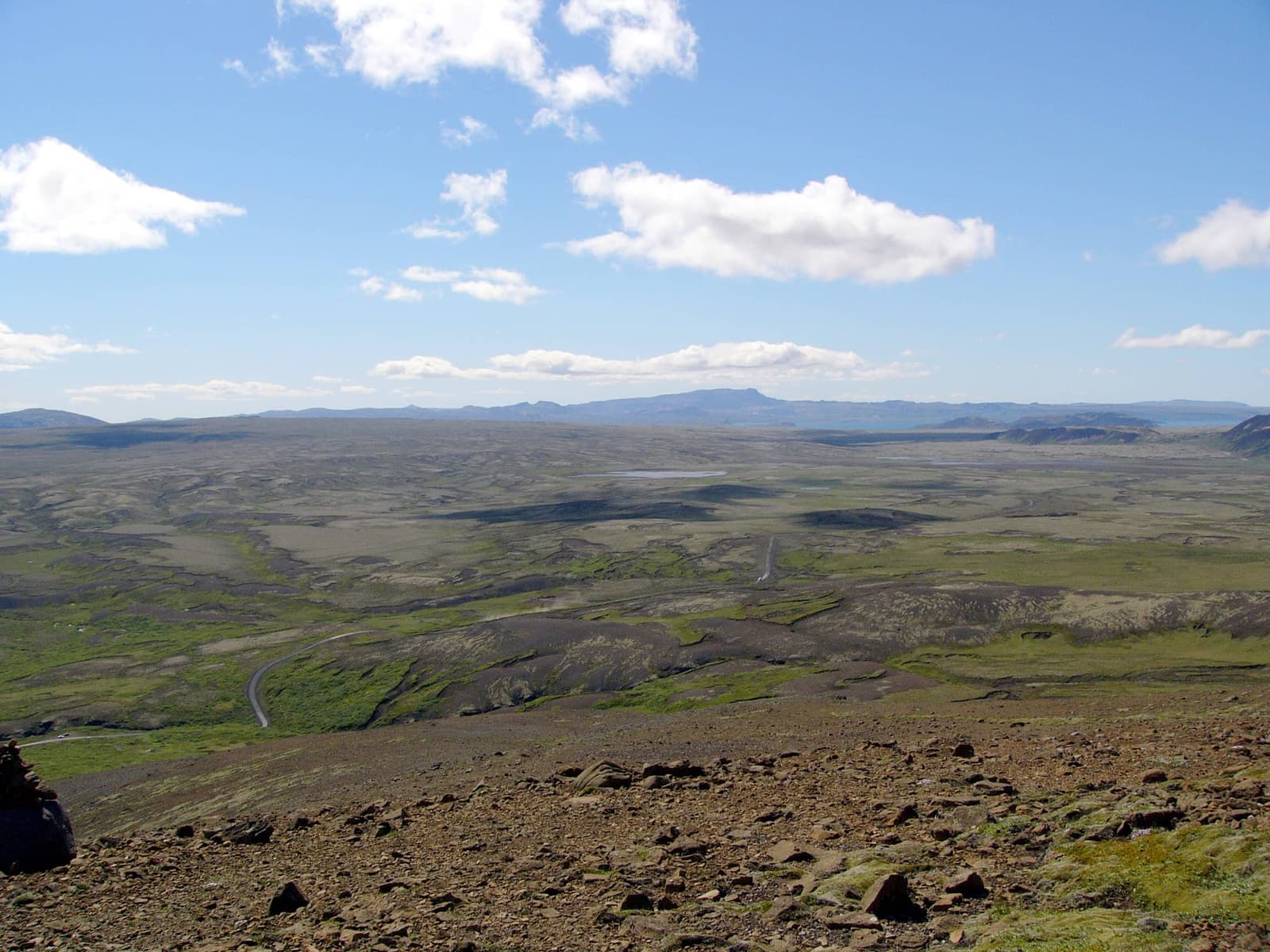
The experience is wide and quiet rather than concentrated. Expect water, low volcanic shorelines, rift textures, open sky, and changing weather.

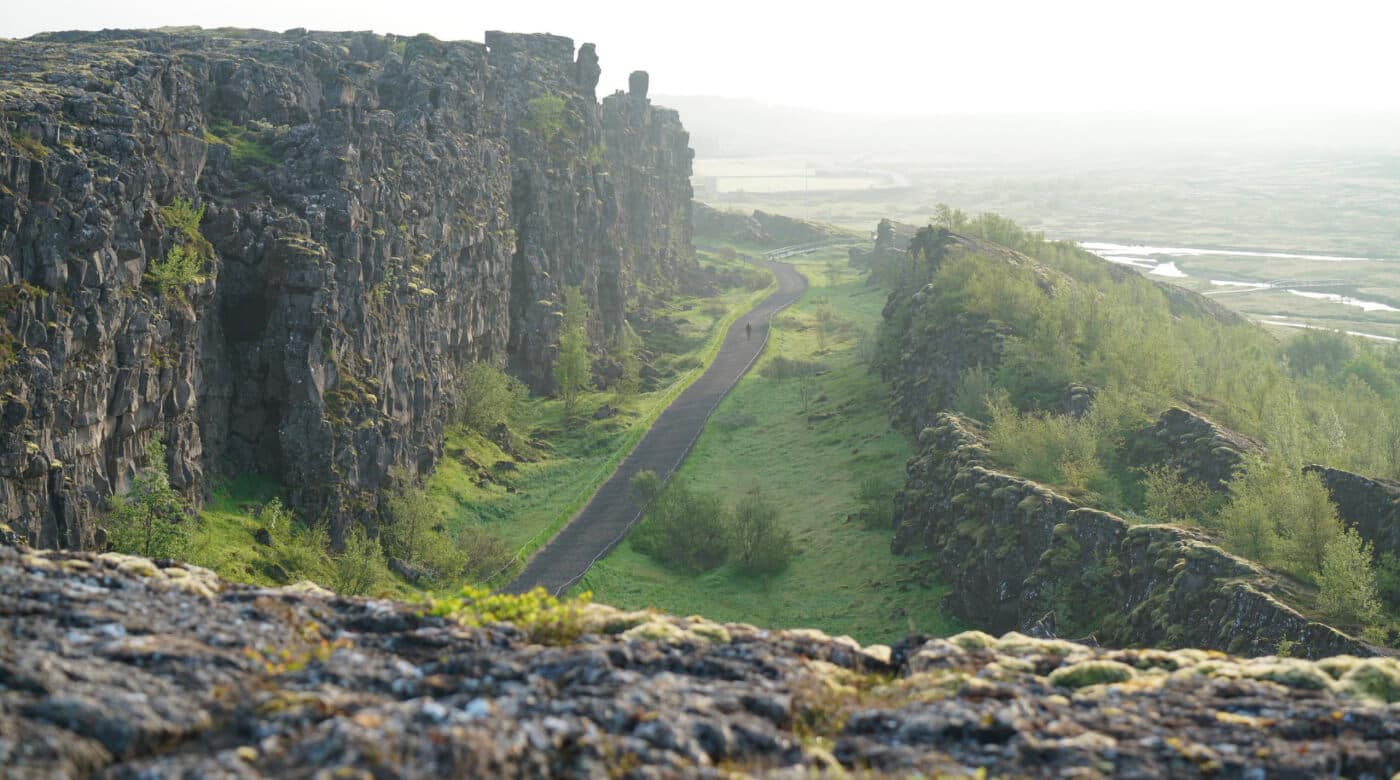
The lake gives Þingvellir its scale. From some angles it feels like a calm inland sea; from others it is a dark blue boundary between lava, low hills, fissures, and the national park's historic walking areas.

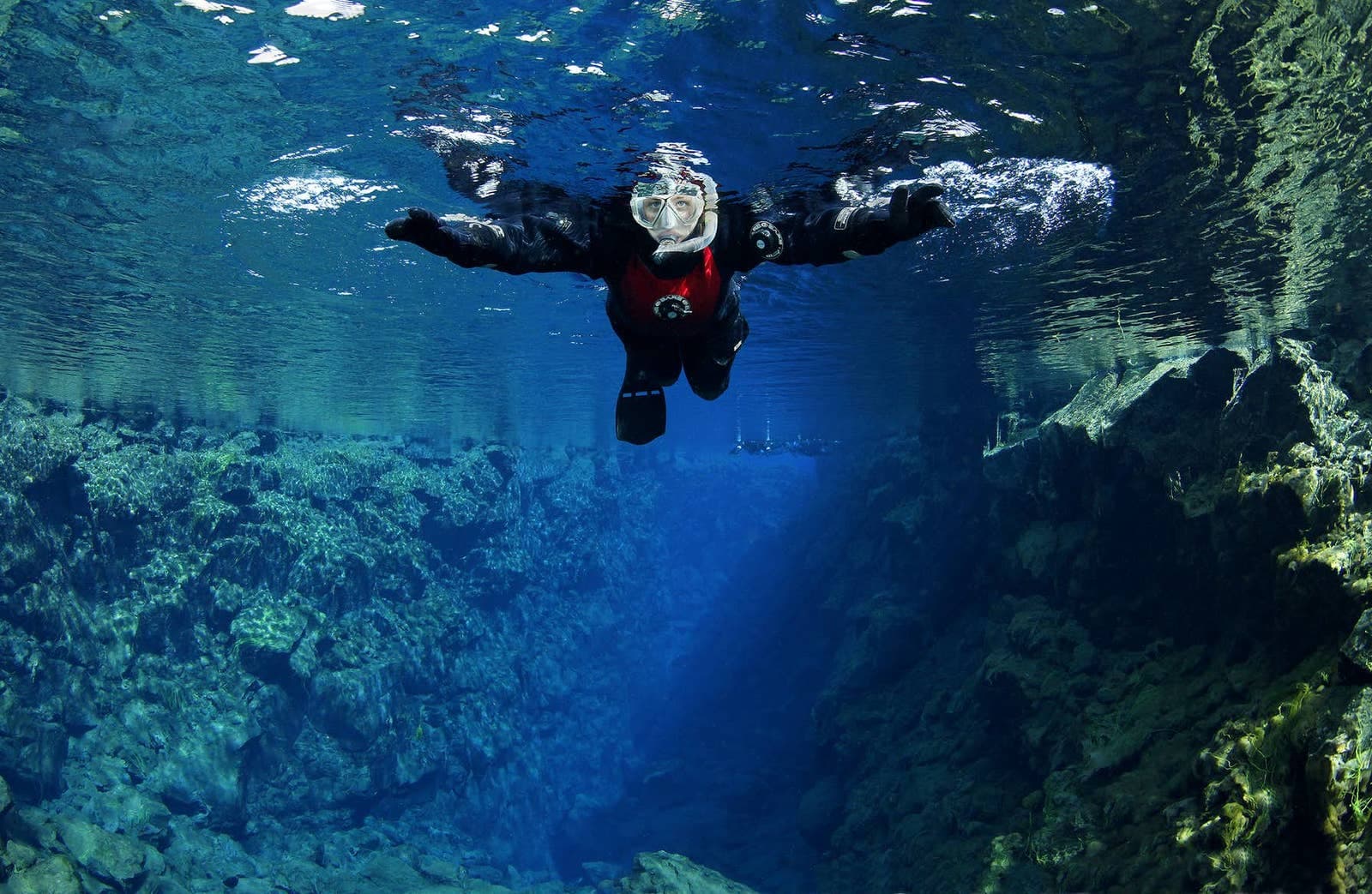
The water also explains why Silfra is such a specific decision. If you only want to understand the landscape, the lake and fissures may be enough. If you want the underwater version of that landscape, Silfra becomes a separate guided-activity choice.

Fissure water around Þingvellir helps connect the lake to the rift landscape.

The quieter value is ecological and atmospheric. Official park material describes vegetation and birdlife around the park and lake area, but sightings should be treated as a bonus rather than a promise.

The lake area is part of a wider rift, vegetation, and weather landscape, not just a roadside view.

Which nearby stops pair best with Þingvallavatn?

The strongest pairings are the stops that explain the lake rather than simply adding more names to the day.

Start with Þingvellir if you have not already planned it. Almannagjá gives the rift walk, Silfra gives the water-activity decision, and Þingvallavatn gives the larger lake setting that holds those ideas together.

After that, choose Golden Circle anchors by pace. Geysir is concentrated and easy to understand, Gullfoss is the major waterfall payoff, Kerið is compact, and Brúarfoss is better when you have extra time rather than a squeezed schedule.

Nearby stop comparison
StopWhat it addsBest use
ÞingvellirHistory, rift paths, and the main park visit.Make this the first lake-context pairing.
SilfraThe clear-water fissure and guided water activity decision.Use when the lake's water story matters.
Geysir and GullfossThe classic geothermal and waterfall anchors.Keep them if the day needs high-impact first-trip stops.
Kerið and BrúarfossCompact crater and extra waterfall options.Add only when time, weather, and daylight still work.

For a wider plan, use the South Iceland region guide, the Ring Road or South Coast comparison, or the 5-day Iceland itinerary to decide whether a slower Golden Circle day helps the whole trip.

What should you check before relying on lake access?

Check official sources before depending on shoreline access, water activity, fishing, winter driving, or any visitor-service detail.

The durable planning rule is to separate scenery from access. Seeing the lake as part of the Þingvellir landscape is one thing; building a plan around shore access, water activity, fishing, or winter stops needs stronger verification.

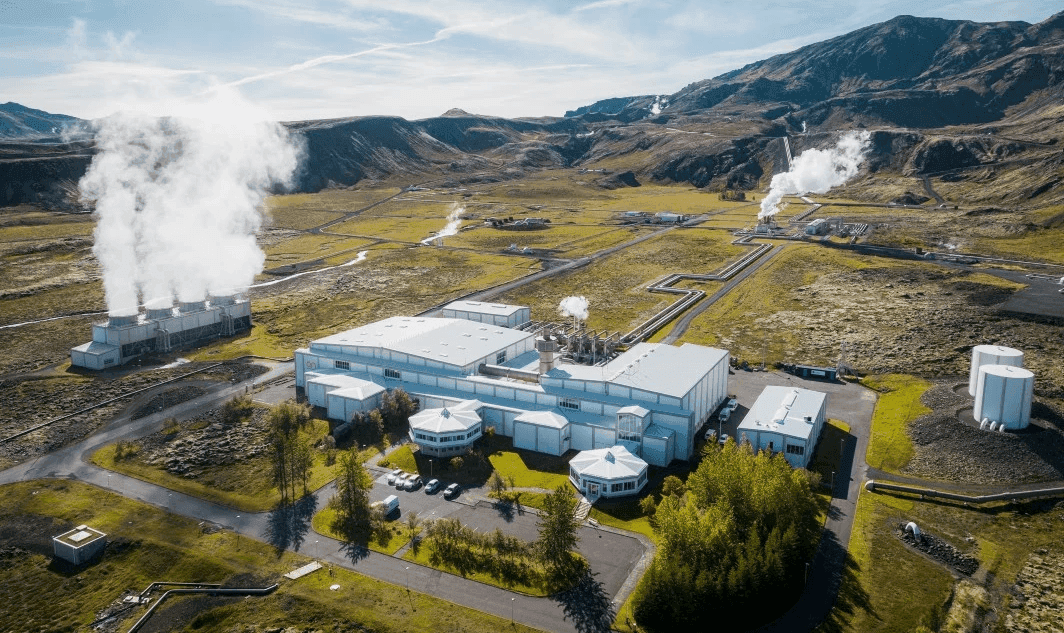
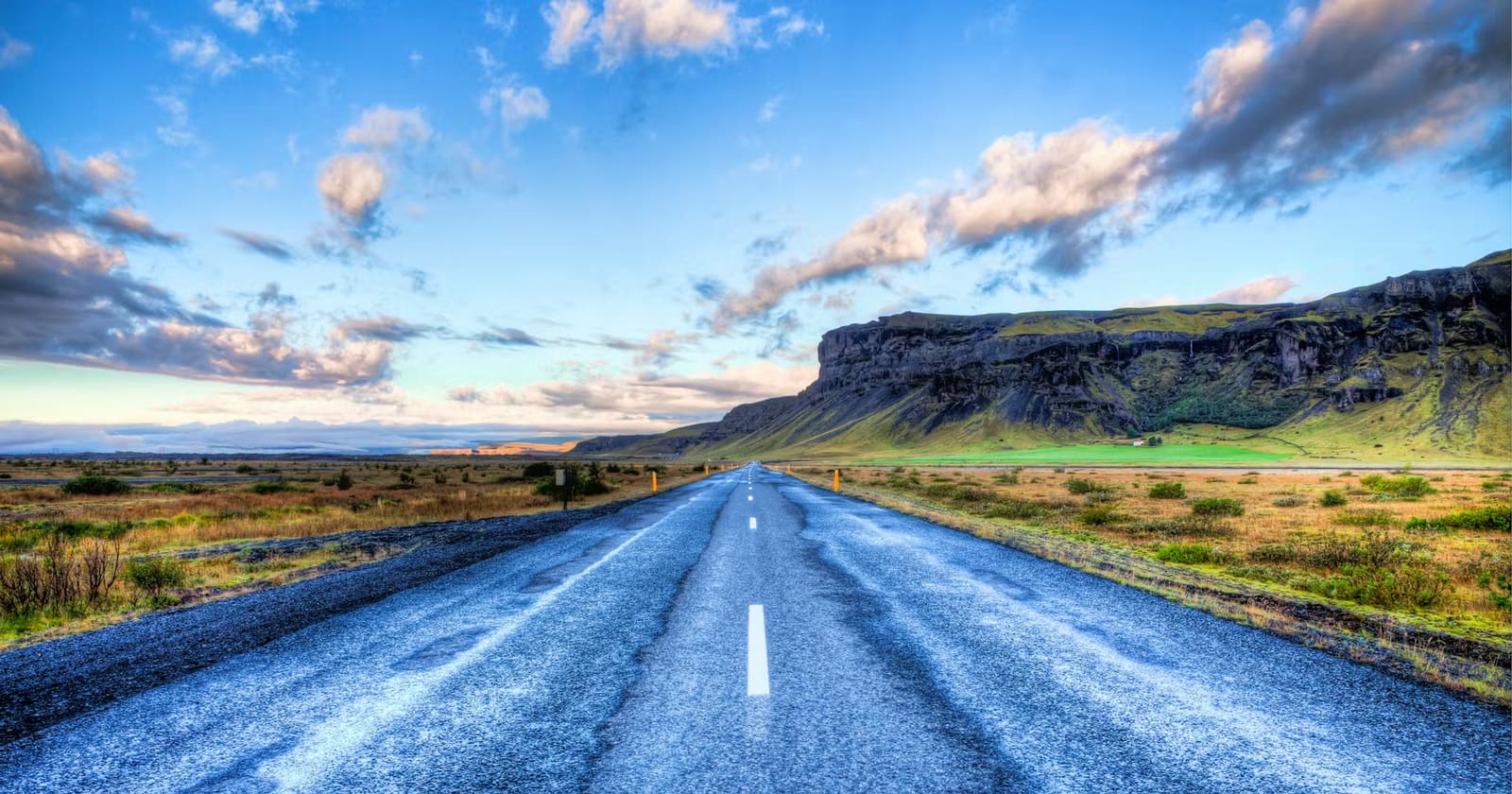
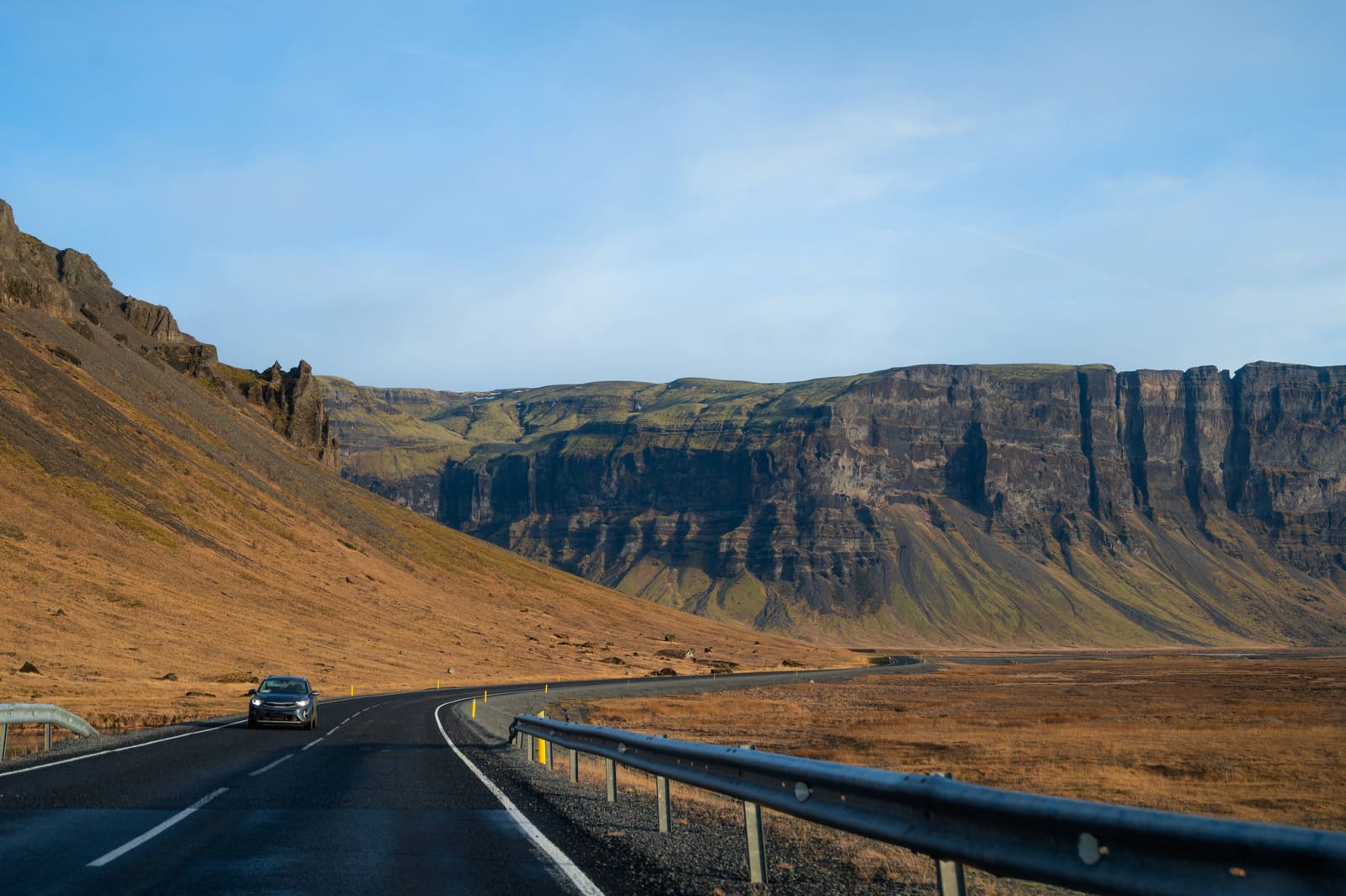
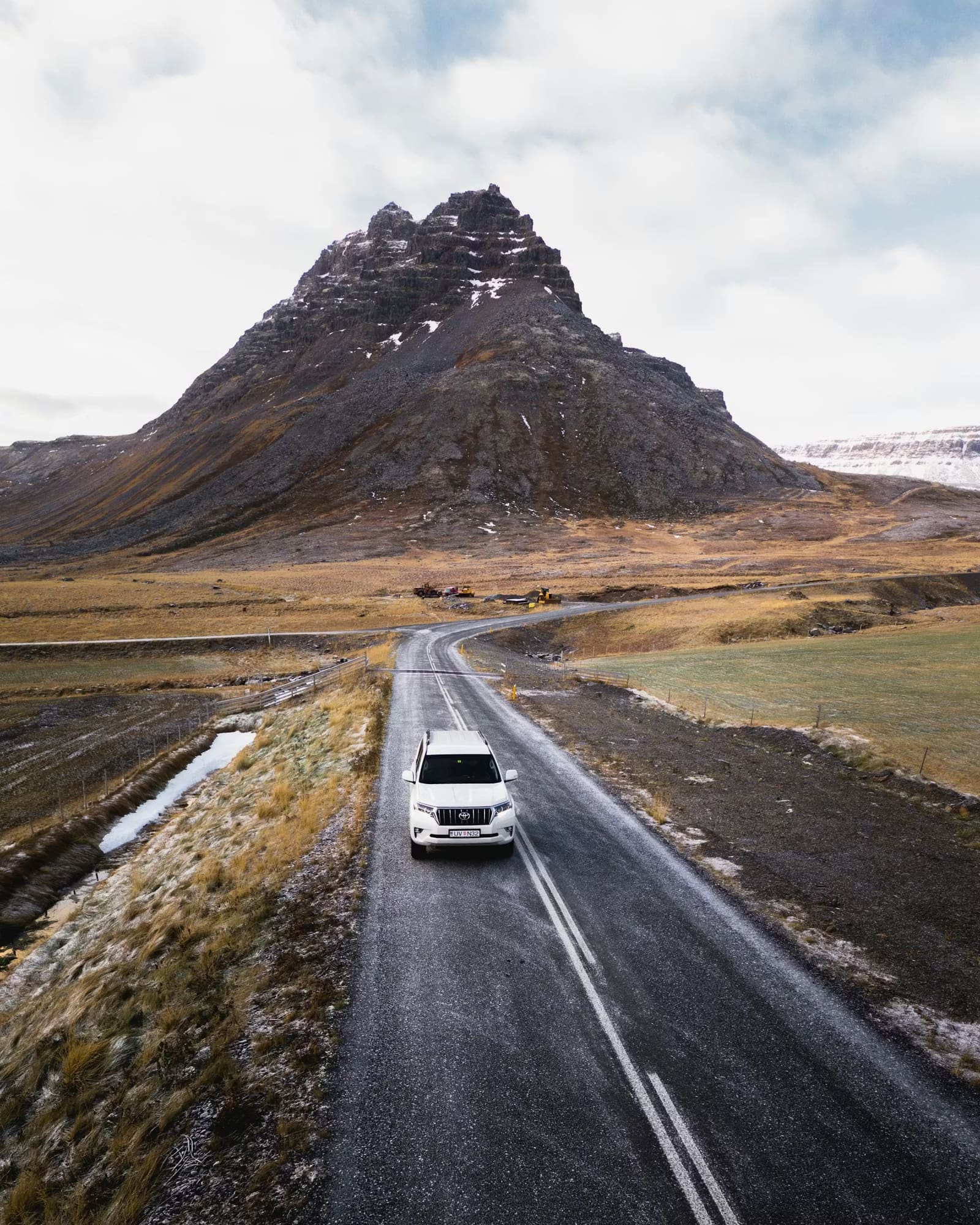
Weather and road conditions matter because the lake sits in an exposed southwest landscape. If wind, ice, visibility, or daylight make the route less forgiving, keep the plan simple and use winter driving guidance before adding side stops.

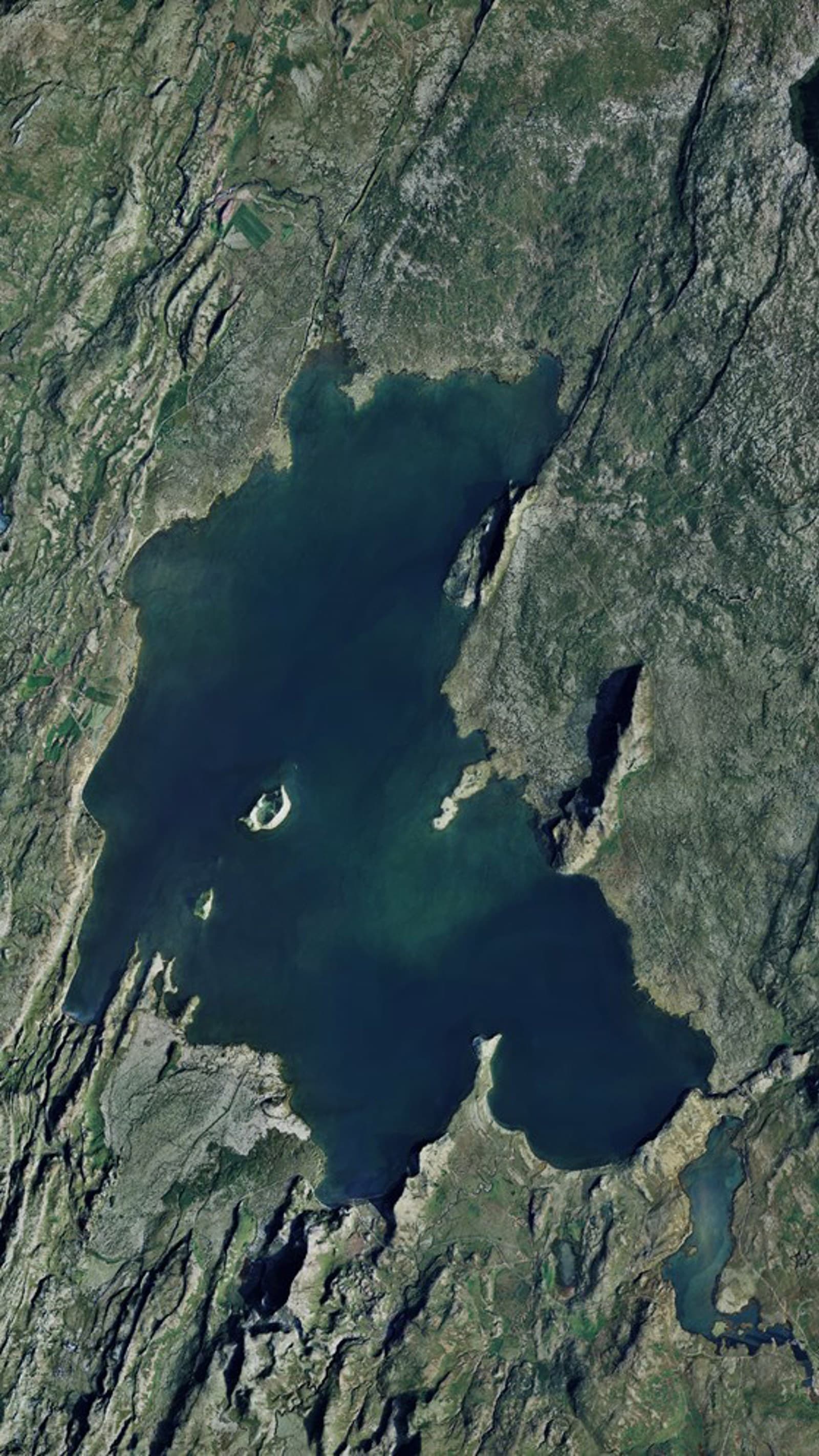
The aerial view shows why road, weather, and route choices matter around such a broad lake landscape.

Official checks before you commit

Common questions about Þingvallavatn

These are the questions that usually decide whether the lake becomes a stop or stays as context.

Is Þingvallavatn the same as Þingvellir?

No. Þingvallavatn is the lake, while Þingvellir is the national park and historic landscape beside it. Most travelers should plan Þingvellir first, then decide how much separate attention the lake deserves.

How much time should I allow for Þingvallavatn?

Allow 10-20 minutes if it is only a view, or 30-60 minutes if you want a deliberate pause around the lake. Longer plans need official access, activity, and weather checks.

Can I combine Þingvallavatn with Silfra?

Yes, but only if Silfra is part of the day for a clear reason. Treat guided water entry as a separate activity decision, then keep the rest of the Golden Circle lighter.

Is Þingvallavatn good in winter?

It can be useful in winter as a landscape view, but road, weather, daylight, and shore conditions should decide how much you add around it. Keep the route simpler when conditions reduce flexibility.

Should I plan facilities around the lake?

Do not rely on fixed facility assumptions. Verify official visitor details with the park or relevant operator before building a tight plan around services, water access, or activity logistics.