Is The Geothermal Energy Exhibition worth the detour?

Yes, if you want a compact explanation of Iceland's geothermal power before or after natural stops. Skip it if your day is already full of classic Golden Circle sightseeing and you only want outdoor scenery.

The Geothermal Energy Exhibition works best as a context stop. It sits at Hellisheiði Power Plant, close enough to Hveragerði and the southwest route to be useful, but specific enough that you should add it for geothermal curiosity rather than because every map pin nearby must be collected.

A local Iceland travel editor would add it when a group wants to understand the steam, pipes, volcanic heat, and energy story behind places like Geysir and Reykjadalur. The same editor would skip it on a rushed first Golden Circle day where Þingvellir, Gullfoss, Kerið, and food stops already fill the daylight.

Use this quick decision guide before adding the exhibition.
ChoiceUse the exhibition whenThink twice when
GoYou want geothermal energy explained in a real power-plant setting.The group mainly wants waterfalls, geysers, hikes, and outdoor scenery.
Keep optionalYou are passing Hellisheiði and can verify visitor details before the drive.The stop would make a Golden Circle day feel crowded.
SkipYour route needs the simplest possible sightseeing sequence.Hellisheiði weather or road checks make the drive less appealing.

Worth the stop?

When this stop makes sense

Good match for

  • travelers curious about geothermal energy and volcanic systems
  • self-drive days near Hveragerði or the Golden Circle
  • families who want a compact educational stop
  • mixed-weather plans that need an indoor-leaning attraction

Think twice if

  • travelers who only want wild natural scenery
  • packed Golden Circle loops with no spare time

Pair it with

South IcelandReykjadalurKerið CraterÞingvellir National Park

What do you actually learn inside Hellisheiði Power Plant?

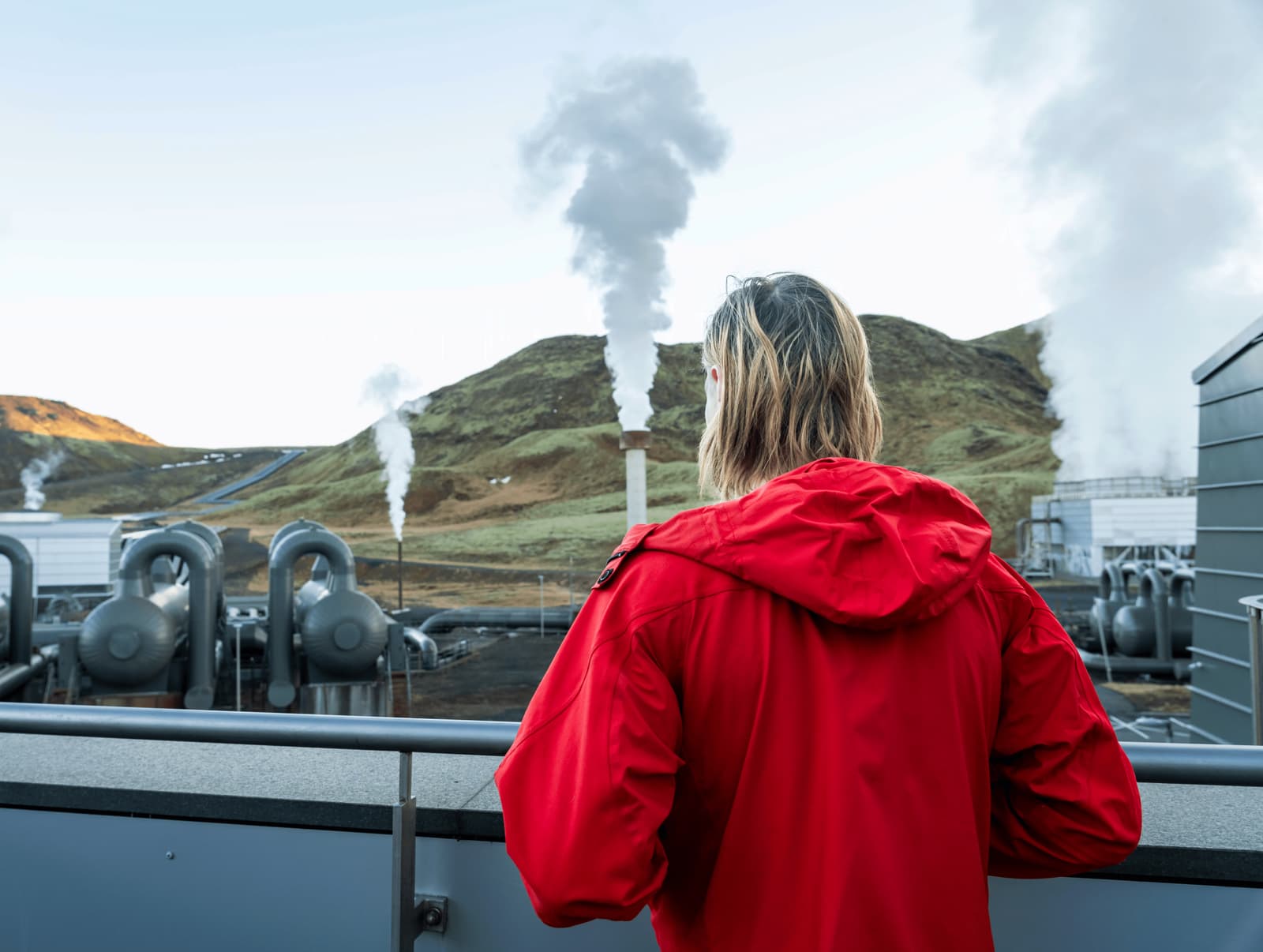
The visit is about how Iceland turns geothermal heat into usable power and how that engineered landscape relates to the steam, volcanic ground, and hot-water culture travelers see elsewhere.

This is the useful contrast with natural geothermal sights. Geysir shows geothermal force as a spectacle; Reykjadalur turns it into a valley walk; The Geothermal Energy Exhibition explains the industrial and everyday side. Pipes, displays, steam, and the power-plant setting make the landscape feel less mysterious and more connected.

The attraction is strongest when you want interpretation, not another roadside viewpoint.

That makes the stop especially good for families, science-minded travelers, and repeat visitors who have already seen the famous natural sights. It is less compelling if your group is trying to keep the day visually dramatic from start to finish.

How long should you give the exhibition?

Most travelers should treat it as a short stop to about 90 minutes, then add buffer if operator visitor details, group pace, weather, or the Hellisheiði drive affect the day.

The practical mistake is making the exhibition carry too much of the day. It works better as a smart pause between Reykjavík, Hveragerði, Kerið, or the first South Iceland leg than as the main reason to drive out.

  • Go if the group wants a low-effort stop with real geothermal context.
  • Keep it short if you still plan to reach Þingvellir, Geysir, Gullfoss, or Brúarfoss the same day.
  • Check operator visitor information if timing, group access, language, food, or step-light movement matters.
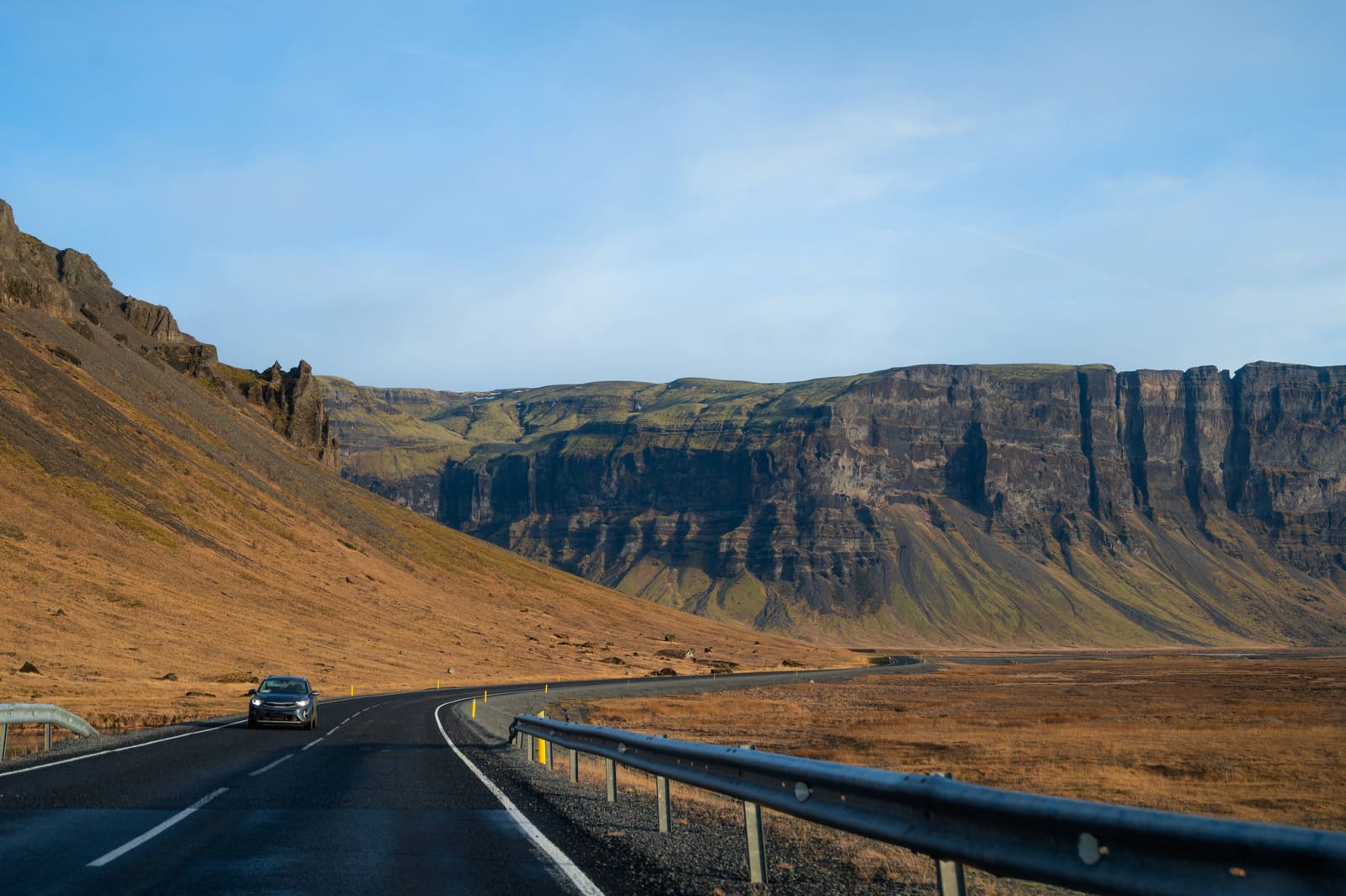
  • Leave route buffer when Hellisheiði weather could slow the drive.
The power-plant setting is the reason to come; plan it as context beside the route, not the whole day.

How does it fit with the Golden Circle and Hveragerði?

The best fit is a flexible southwest day, especially when you are already passing Hveragerði or comparing geothermal stops around the Golden Circle edge.

If your day is geothermal-themed, the exhibition pairs naturally with Reykjadalur near Hveragerði or with Geysir later on the Golden Circle. If your day is classic-first-time sightseeing, compare it against Kerið, Þingvellir, Gullfoss, and Brúarfoss before adding another stop.

Raufarhólshellir is the better nearby contrast if you want lava-tube geology rather than energy interpretation. For a larger trip shape, use South Iceland planning to decide whether Hellisheiði is an arrival-day pause, a Golden Circle add-on, or something to leave out before the South Coast Road Trip.

Nearby stop comparison
StopBest useTradeoff
The Geothermal Energy ExhibitionCompact geothermal-energy context.Less scenic than natural stops.
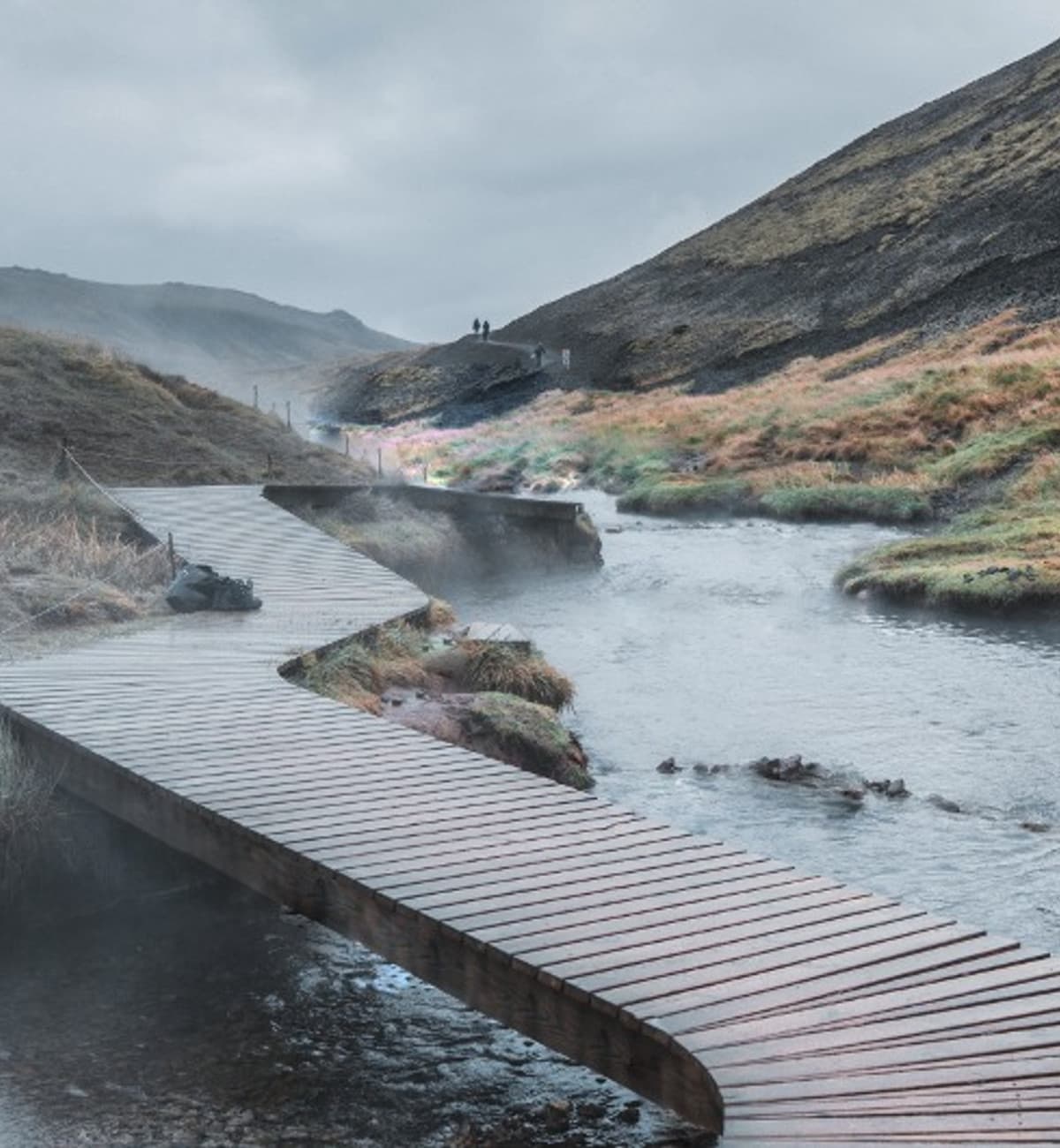
ReykjadalurA geothermal valley walk and warm-river experience.Needs more time, effort, and condition checks.
GeysirThe classic natural geothermal spectacle.Busier and less explanatory.
KeriðA quick crater-lake stop with simple route logic.Less geothermal interpretation.

What should you check before you go?

Check the operator page for visitor details, then check official road and weather guidance before treating Hellisheiði as a fixed part of a tight day.

This is especially important if you are traveling outside the simplest summer self-drive pattern, visiting with a group, depending on low-effort movement, or trying to fit the stop into a narrow window before a longer South Iceland leg.

Official visitor and route checks

Common questions about The Geothermal Energy Exhibition

Is The Geothermal Energy Exhibition a natural hot spring?

No. It is an exhibition at Hellisheiði Power Plant, so choose Reykjadalur or a lagoon-style stop if your main goal is bathing or a natural geothermal landscape.

Is it worth adding to a first Golden Circle day?

Only if geothermal energy context matters to your group. If you already plan Þingvellir, Geysir, Gullfoss, Kerið, and meal stops, keep the exhibition optional.

Can it work in bad weather?

It can be useful on mixed-weather days because the visit is indoor-leaning, but the Hellisheiði drive still depends on road and weather checks.

What is the best nearby geothermal comparison?

Reykjadalur is the best nearby natural comparison because it gives you a valley walk and warm-river context instead of power-plant interpretation.