Öskjuvatn is the deep caldera lake inside Askja in North Iceland’s Highlands, worth slowing down for only when the full Askja access, weather, vehicle, and safety picture makes sense.
Access reality
Type
Deep caldera lake inside the Askja volcanic system
Region
North Iceland Highlands, inside Vatnajökull National Park
Route context
A highland Askja stop reached through F-road planning, not a normal Ring Road pullout
Time to allow
Usually part of a full Askja day; add lake time only when the drive, walk, and return plan have margin
Best experience
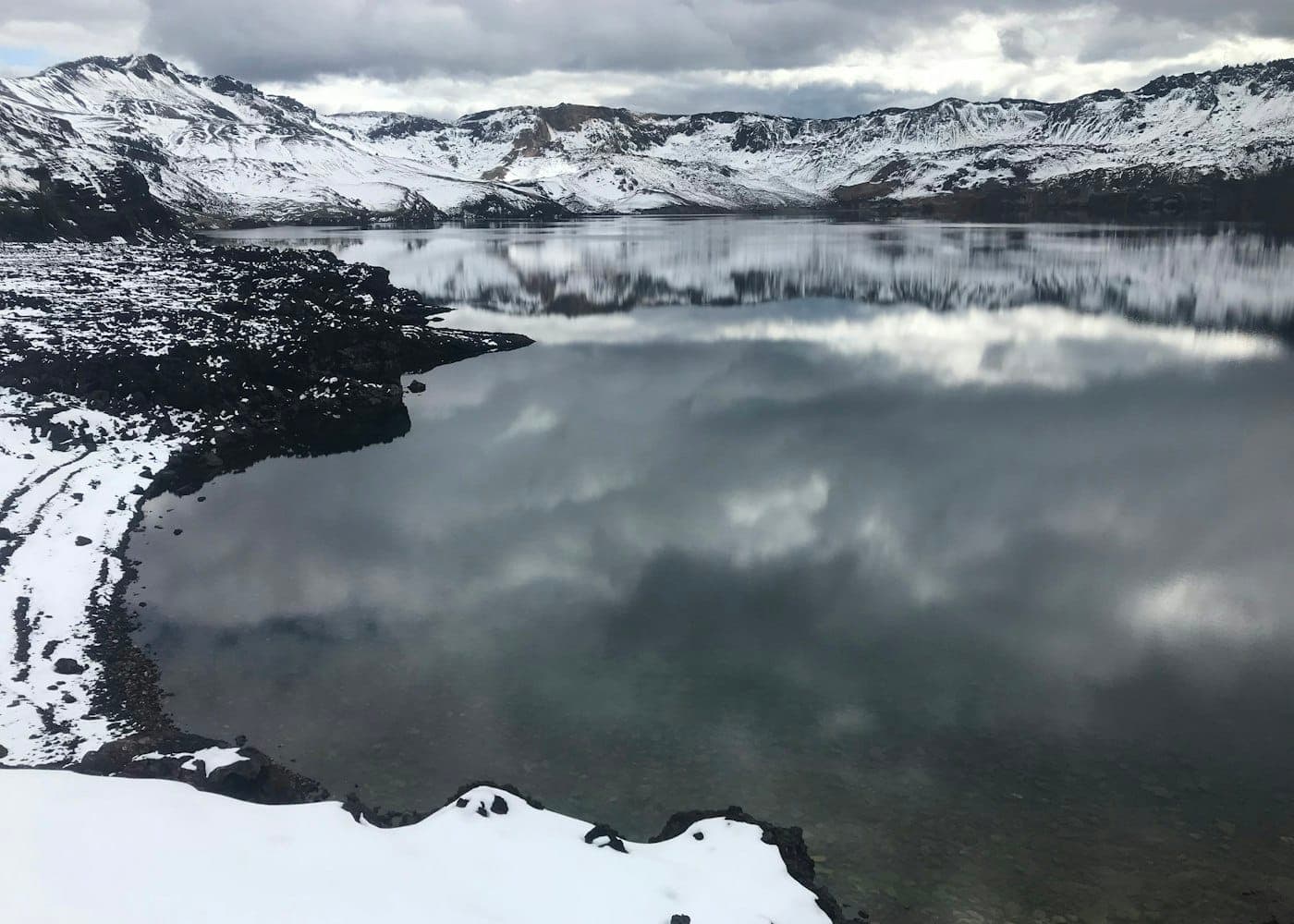
Quiet lake views with Víti, dark lava, snow-streaked caldera walls, and clear enough conditions to read the scale
In this guide
Is Öskjuvatn worth seeing on an Askja day?
Yes, Öskjuvatn is worth seeing when Askja is already the main highland objective and the day has enough margin. It is not worth forcing as a separate lake detour from a normal North Iceland route.
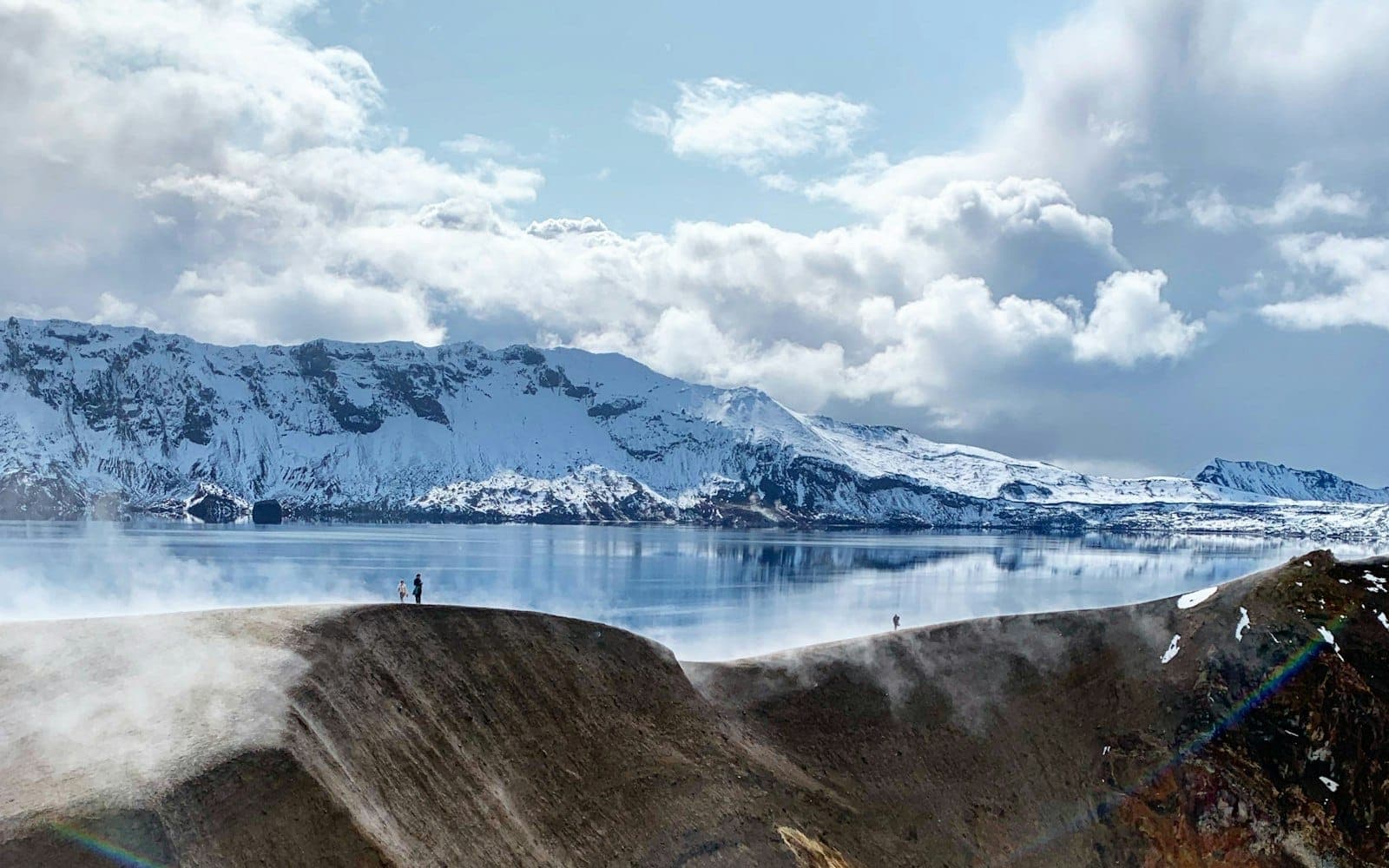
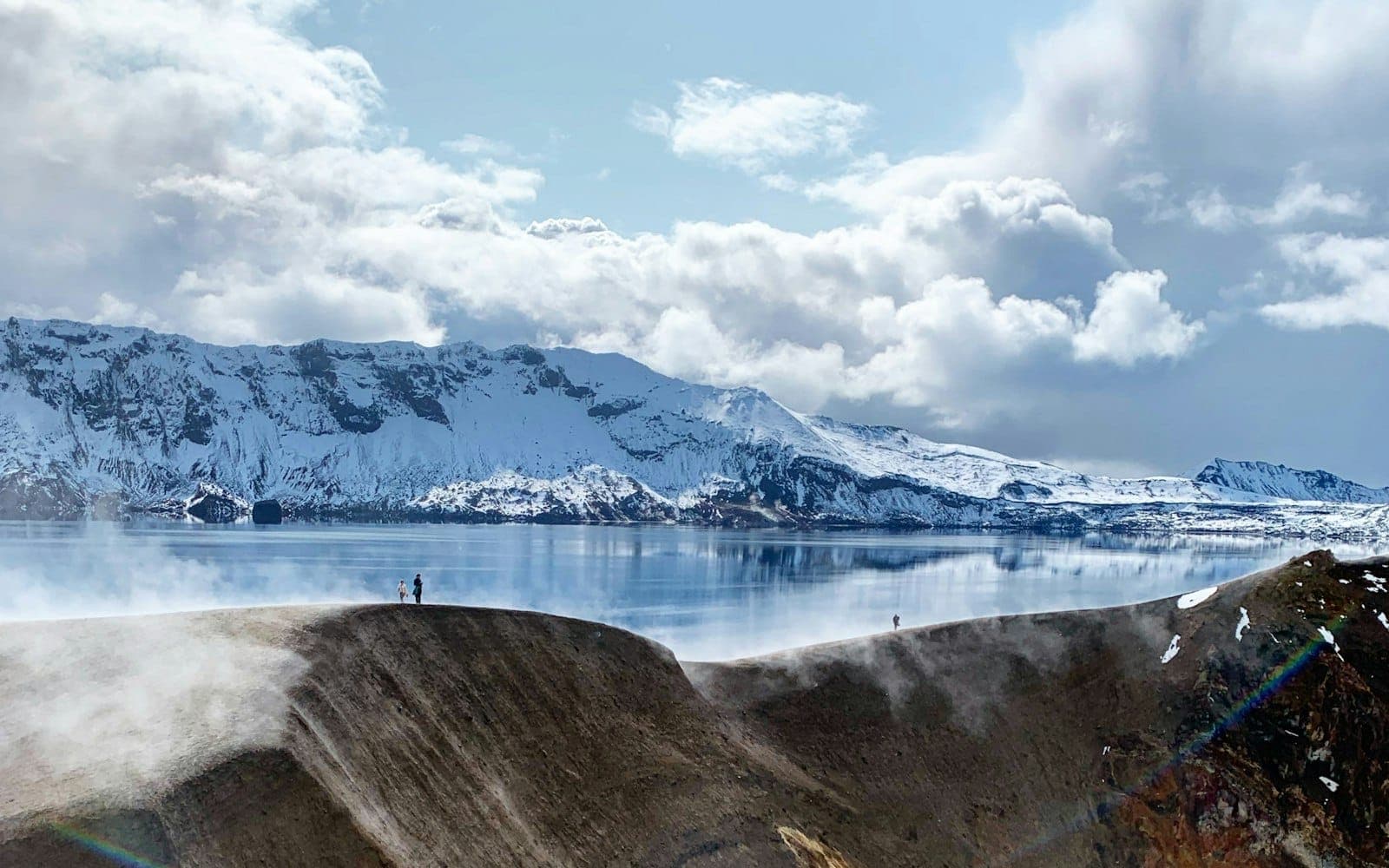
The lake is the scale of Askja. Víti gives the close crater moment, but Öskjuvatn gives the wide, quiet view: dark shore, still water, snow-streaked Dyngjufjöll walls, and a sense that you are inside a volcanic basin rather than beside a roadside sight.
The practical answer is conditional. If your plan already supports Askja Caldera with the right vehicle, weather window, daylight, road checks, and group confidence, slowing down for Öskjuvatn makes the visit stronger. If you are adding the lake to rescue a rushed Ring Road or Diamond Circle day, easier stops such as Lake Mývatn, Dettifoss, or Goðafoss are usually the better choice.
In this guide
Go for
Lake scale, Askja context, photography, and a slower highland day
Skip for
A short stop, uncertain F-road conditions, marginal vehicle fit, or a packed North Iceland route
Check first
Umferðin, SafeTravel, the Icelandic Meteorological Office, and Vatnajökull National Park information
Photo guide
Öskjuvatn in photos
The lake sits beside Víti, so the best visit keeps the two features in one careful Askja plan.
What makes Öskjuvatn different from Víti?
Öskjuvatn is the big lake view; Víti is the smaller geothermal crater beside it. The best Askja visit usually lets them explain each other instead of treating one as a quick photo before leaving.
Vatnajökull National Park describes Lake Askja as forming after subsidence connected with the 1875 eruptions, and as Iceland’s deepest lake at more than 200 meters. That history matters because the lake is not just a scenic bowl of water. It is the visible result of the caldera collapse that makes Askja feel so large.
Öskjuvatn gives the crater edge its scale, while Víti gives the lake view a vivid foreground.
Use Víti by Askja when your main question is the crater, bathing temptation, slope safety, and the close-up geothermal scene. Use this Öskjuvatn guide when your question is whether the lake itself deserves extra time inside the Askja day.
How much time should the lake add to the day?
Give Öskjuvatn enough time to slow the Askja visit down. The lake is rarely the longest part of the day, but it changes the pace because the drive, walk, weather, photos, and return decision all need room.
The national park lists the Vikraborgir to Öskjuvatn route as a short marked hike, but the useful planning range is broader than the trail number. Where you can park, wind, snow patches, visibility, group pace, and whether you also visit Víti can all change the stop.
Ways to handle Öskjuvatn inside an Askja plan
Plan
Use it when
Tradeoff
Lake viewpoint only
Askja access is strong but the day needs a tight, careful visit.
You may understand the lake scale without fully feeling the wider crater relationship.
Lake plus Víti
Weather, road, daylight, and group energy allow a balanced Askja visit.
This is the most useful version, but it still belongs inside a full highland day.
Slow Askja day
Photography, geology, and quiet highland scenery are the reason for the trip.
It can crowd out Herðubreið, Mývatn, or easier North Iceland stops.
Choose a backup
Official checks, vehicle fit, or group confidence make the highland approach weak.
You lose the Askja lake view but protect the rest of the route.
Add Öskjuvatn when the traveler already has a credible Askja day and wants the quiet volcanic lake view, not just the crater. Skip it when Herðubreið, Mývatn, Dettifoss, or Aldeyjarfoss would make a more realistic North Iceland day.
What should you check before committing to the highland drive?
Check the drive before you fall in love with the lake photo. Öskjuvatn depends on the Askja approach, and that means official road, weather, safety, park, and volcanic information should decide the day.
Umferðin should be your road-condition source, SafeTravel should be part of your travel-condition check, and the Icelandic Meteorological Office should guide weather and volcanic-awareness decisions. Vatnajökull National Park information and local signs matter once you are in the area.
The Askja area rewards travelers who treat official and local information as part of the visit.
Do not let an old trip report decide a highland day. Rough surfaces, river approaches on some routes, snow patches, wind, visibility, volcanic monitoring, and the return drive all matter more than whether the lake looks close on a map.
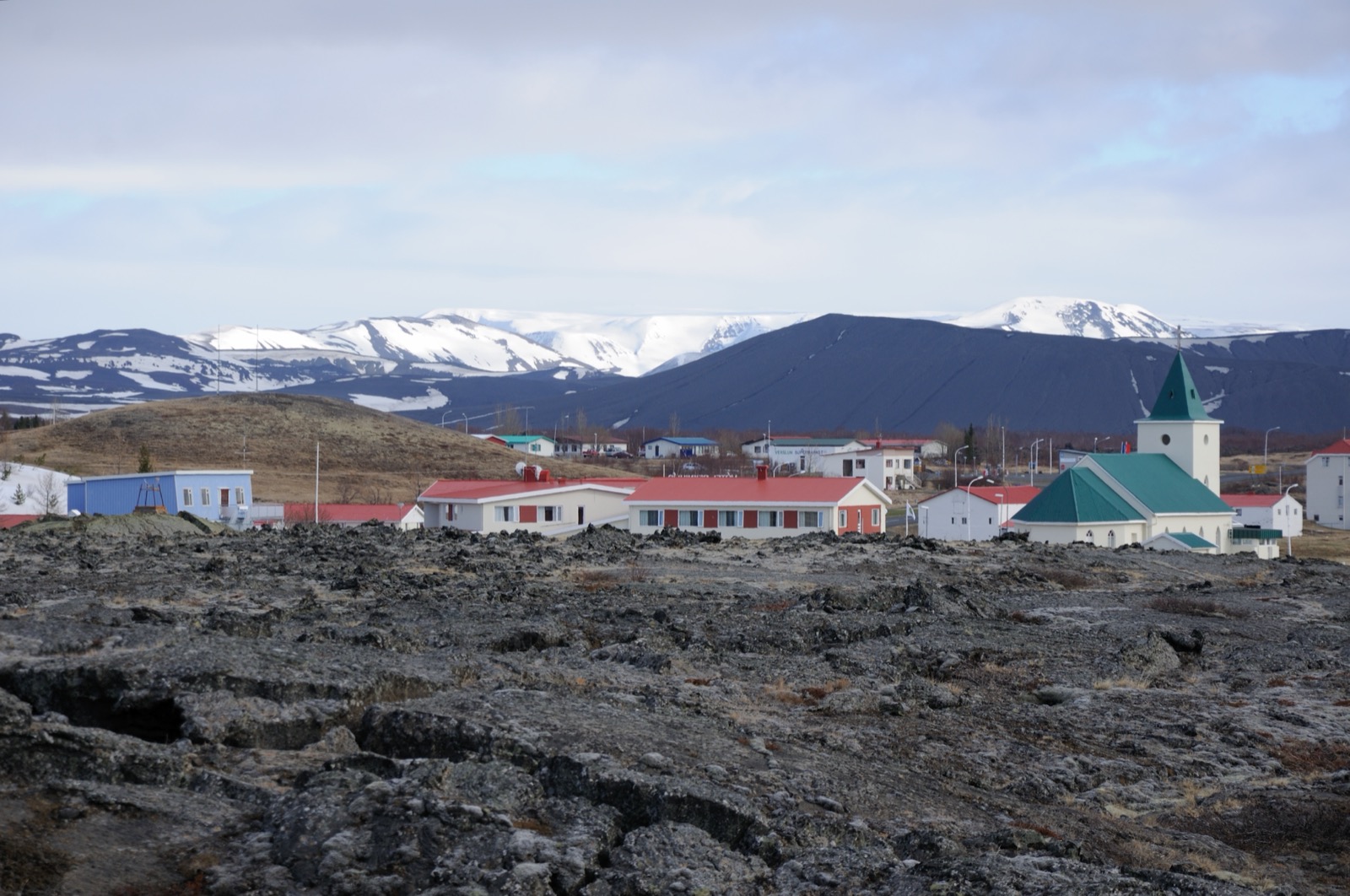
Dreki gives the Öskjuvatn day practical context, but travelers should still verify visitor details before relying on them.
Which nearby places make the best backup or pairing?
Pair Öskjuvatn with Askja and Víti first. If the highland approach is weak, replace the whole Askja idea with a stronger North Iceland day rather than trying to keep the lake as a late detour.
Choose Askja Caldera when you need the wider guide to roads, Dreki, Víti, Öskjuvatn, and volcanic context.
Choose Víti by Askja when the crater and safety question matter more than the lake view.
Choose Herðubreið when the highland drive is already realistic and you want a clear mountain landmark on the approach.
Choose Lake Mývatn when you want volcanic lake scenery with easier North Iceland routing.
Choose Dettifoss, Goðafoss, or Aldeyjarfoss when waterfall power and road simplicity matter more than remote lake scale.
For a normal north route, the Diamond Circle road trip is often easier to make work than an Askja push. For a dedicated interior route, Highlands road trip planning is the better next planning layer because the vehicle, road, weather, and backup decisions become the trip.
Use official sources before making the final Öskjuvatn decision. This page is planning guidance, not confirmation that roads, weather, facilities, access, or volcanic conditions suit your specific day.
Use for forecasts, warnings, and Askja-area volcanic information.
Common questions about Öskjuvatn
These are the questions that usually decide whether Öskjuvatn belongs in a real route rather than just on a saved map.
Is Öskjuvatn the same as Askja?
No. Öskjuvatn is the large lake inside Askja Caldera, while Askja is the wider volcanic area that also includes Víti and the surrounding highland landscape.
Is Öskjuvatn the same as Víti by Askja?
No. Öskjuvatn is the deep caldera lake; Víti by Askja is the smaller geothermal crater beside it. Most travelers see them as parts of the same Askja visit.
Can a normal rental car reach Öskjuvatn?
Do not plan on it. Independent access requires a suitable vehicle permitted for the relevant highland roads, plus official road, weather, safety, park, and volcanic checks.
Is Öskjuvatn a good winter stop?
Usually no for independent travelers. Treat it as a highland objective that depends on specialist access decisions, official information, and conditions rather than a normal seasonal sightseeing stop.
Can you swim in Öskjuvatn?
Do not treat Öskjuvatn as a casual swimming stop. The lake is cold, remote, and tied to exposed crater terrain, so follow official guidance and on-site signs.
Map
See where this stop sits
Use nearby places and useful bases before opening directions.
Region
North Iceland
Works well with
Highlands routes / Diamond Circle
Useful base
Akureyri
Interactive planning map for Öskjuvatn
Interactive map
Load the map when you need it
Place context and external map links remain available without loading it.
Routes and itineraries
Build the route around access
Compare road trips and itineraries that give this place a sensible position in the wider journey.