Móði is a young volcanic crater on Fimmvörðuháls in South Iceland, worth seeking out only when the high-pass hike, weather, transport, and group fitness already make sense safely.
Geology snapshot
Type
Young volcanic crater and high-pass hiking stop
Region
South Iceland, on Fimmvörðuháls between Eyjafjallajökull and Mýrdalsjökull
Route context
Part of the Fimmvörðuháls hiking route between Skógafoss and Þórsmörk
Time to allow
Build it into a long Fimmvörðuháls hiking day or overnight plan, not as a standalone stop
Best experience
Clear enough weather to see crater texture, new lava, snow patches, and glacier-framed highland terrain
In this guide
Móði: but only for the right trip
Yes, but only for the right trip. Móði is strongest when it becomes the volcanic highlight of a Fimmvörðuháls hiking plan; it is weak as an add-on to a normal South Coast sightseeing day.
The useful way to judge Móði is not by asking whether a young crater sounds interesting. Ask whether your day is already built around Fimmvörðuháls, with enough fitness, daylight, transport planning, and weather flexibility to make high-pass walking sensible.
Add Móði for fit hikers who already want the Fimmvörðuháls crossing from Skógafoss toward Þórsmörk, especially if they care about recent volcanic terrain. Skip it on a tight waterfall-and-beach day, for mixed-ability groups, or when the weather window is doing the planning for you.
How Móði fits different South Coast plans
Plan
Use Móði this way
Better decision
Crater-focused hike
Make the crater area a main reward inside a serious high-pass day.
Go only with good conditions, gear, fitness, and transport.
Balanced South Coast day
Do not force the crater between roadside stops.
Choose Skógafoss, Kvernufoss, or Sólheimajökull instead.
Uncertain weather day
Treat fog, wind, snow, and access uncertainty as the deciding factors.
Keep Móði optional and protect the wider route.
How Do You Reach Móði Without Turning the Day Into a Guess?
You reach Móði through the Fimmvörðuháls route, not by treating it like a quick roadside crater. Most travelers should solve the route first, then decide whether the crater deserves extra time.
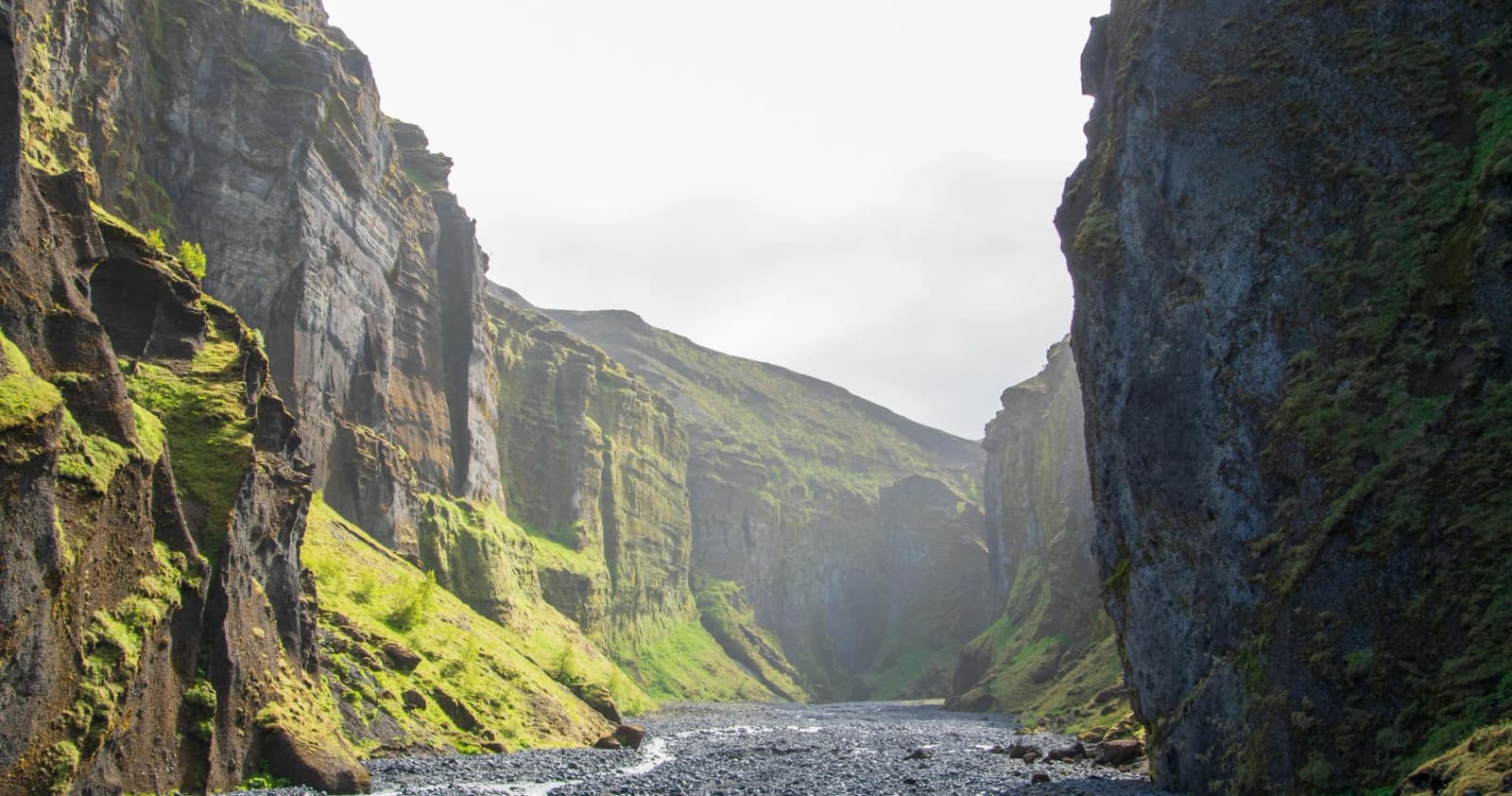
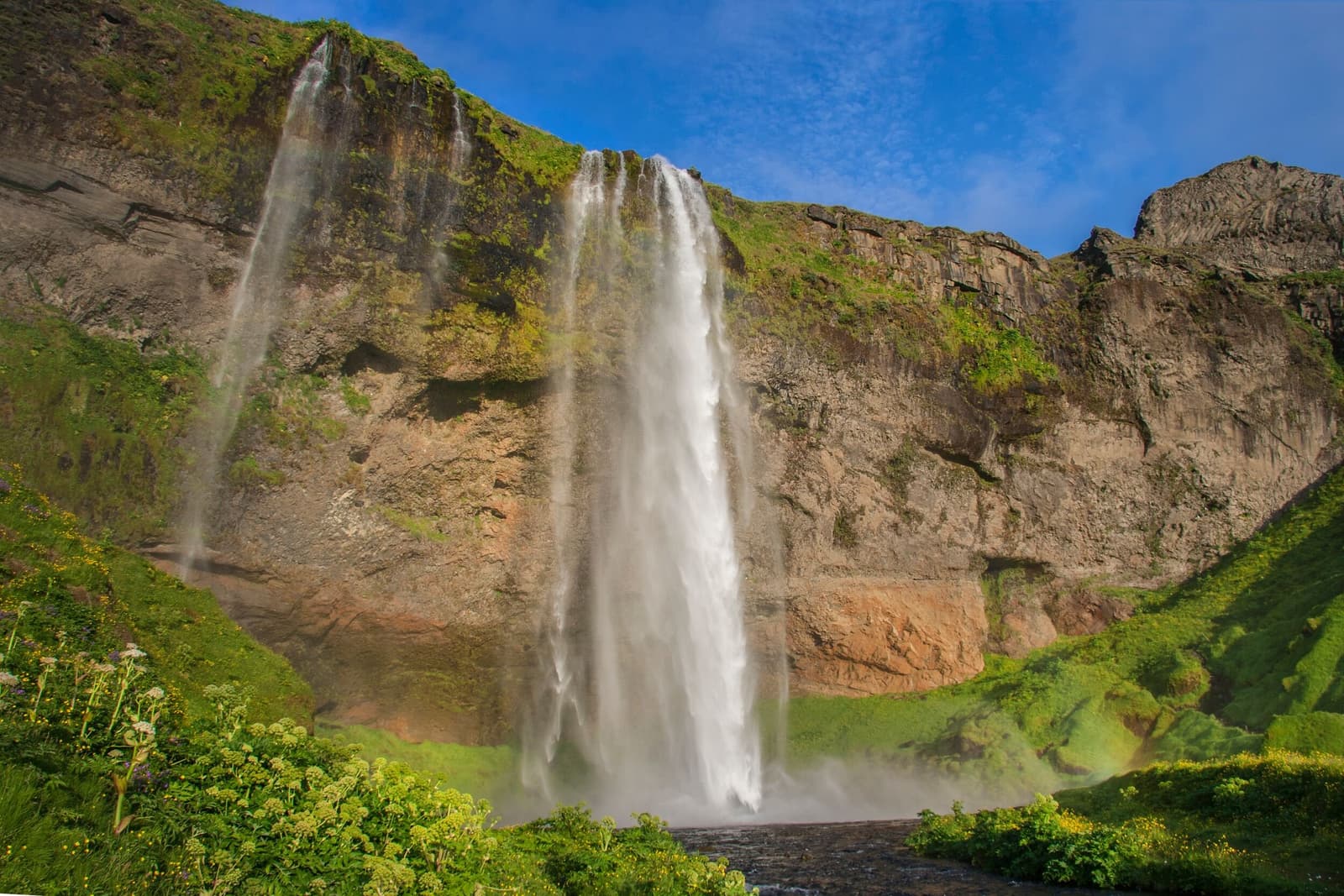
From the Skógafoss side, the route climbs from the waterfall area into the Skógá river section before the landscape opens into higher volcanic terrain. From the Þórsmörk side, the decision is more tied to Highland access, river-area transport, and the wider Þórsmörk plan.
For most visitors, Móði should sit inside a larger Fimmvörðuháls day rather than compete with Þórsmörk as a separate target. If the access problem starts to dominate the itinerary, the South Coast road trip will usually be stronger with easier stops and a cleaner driving shape.
The signpost shows why this is a route decision between places, not a loop beside a car park.
What Do You See Around the Crater?
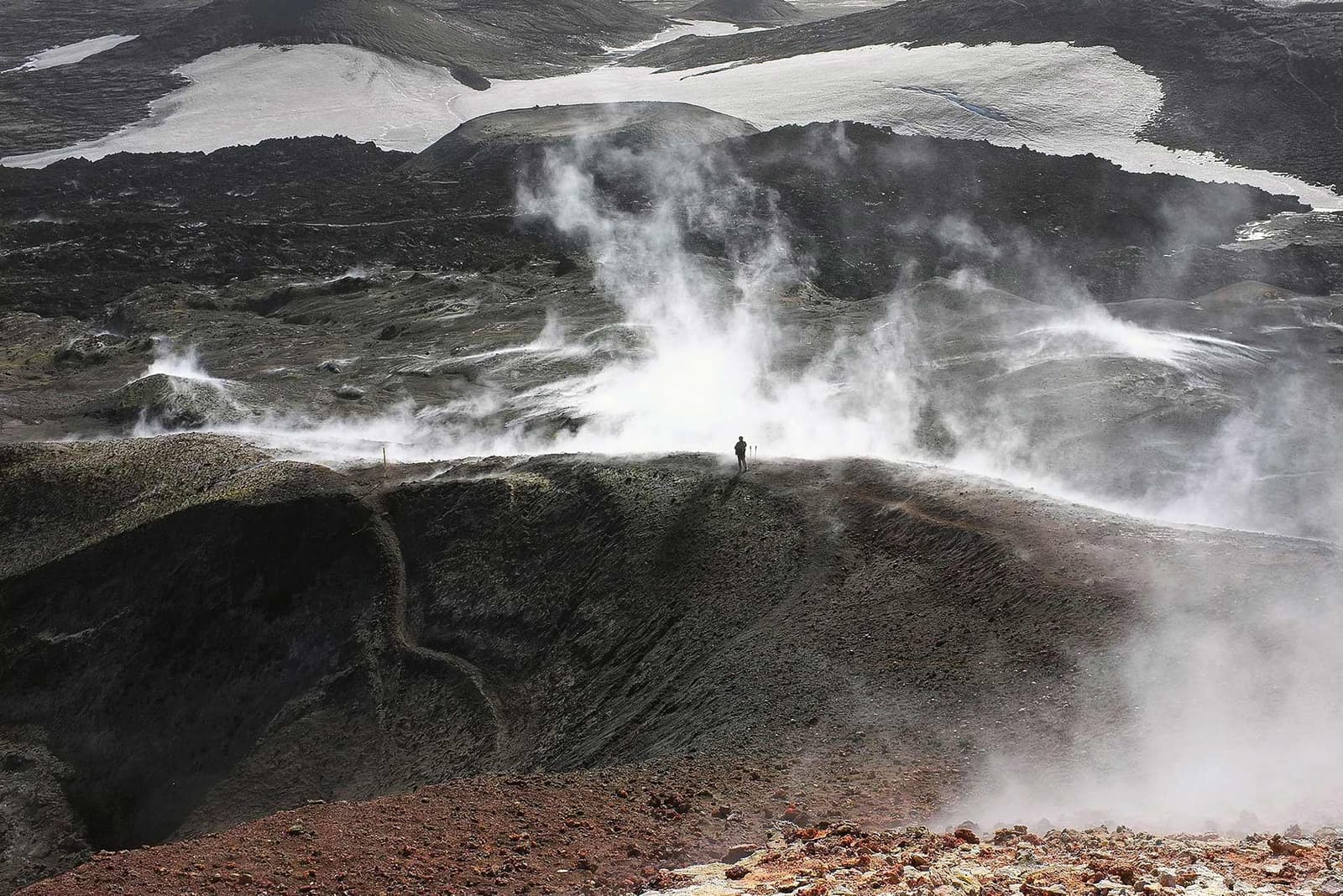
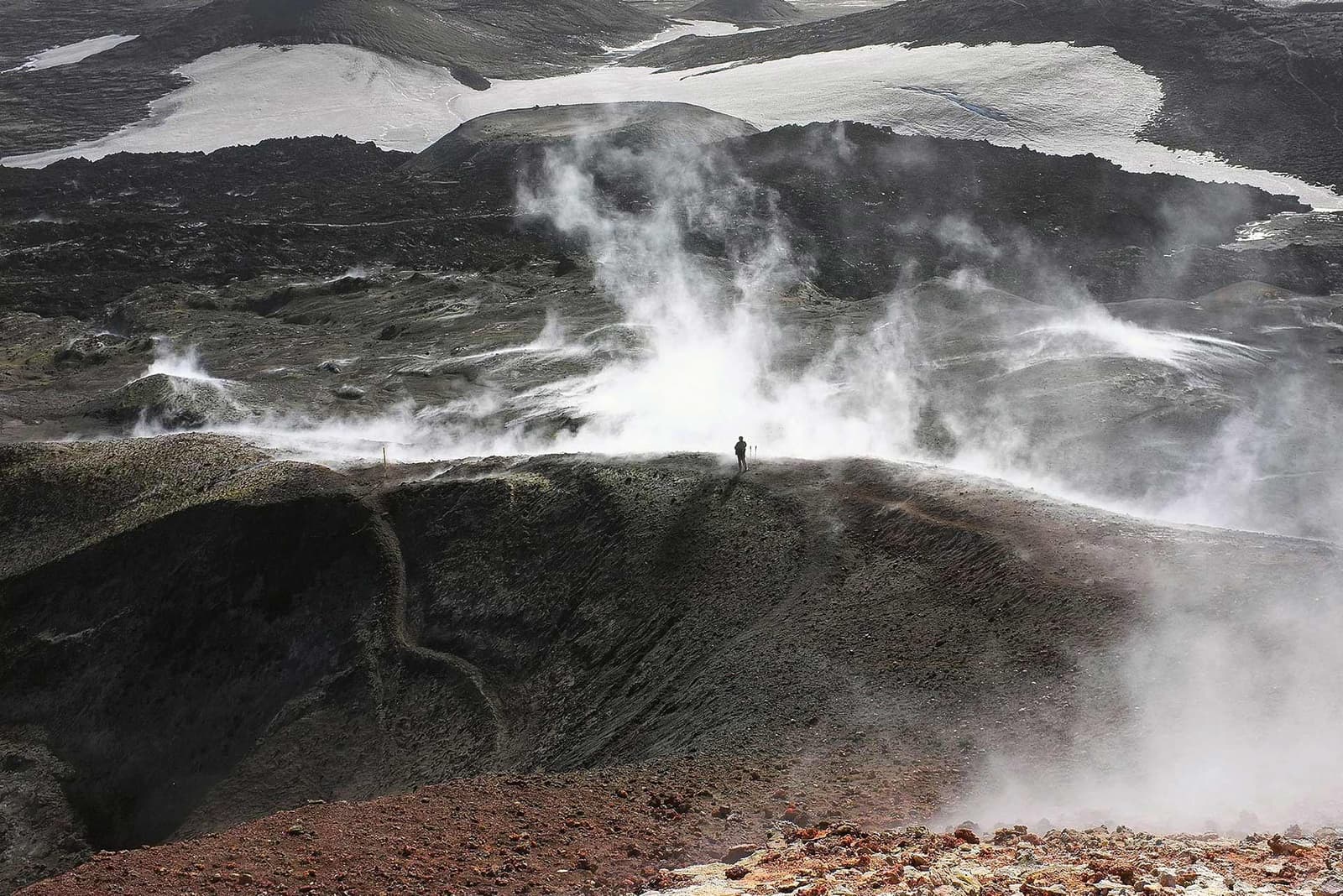
The appeal is the closeness of very young volcanic ground: red and black crater slopes, rough lava, snow patches, steam-touched terrain, and wide views between glacier systems when visibility allows.
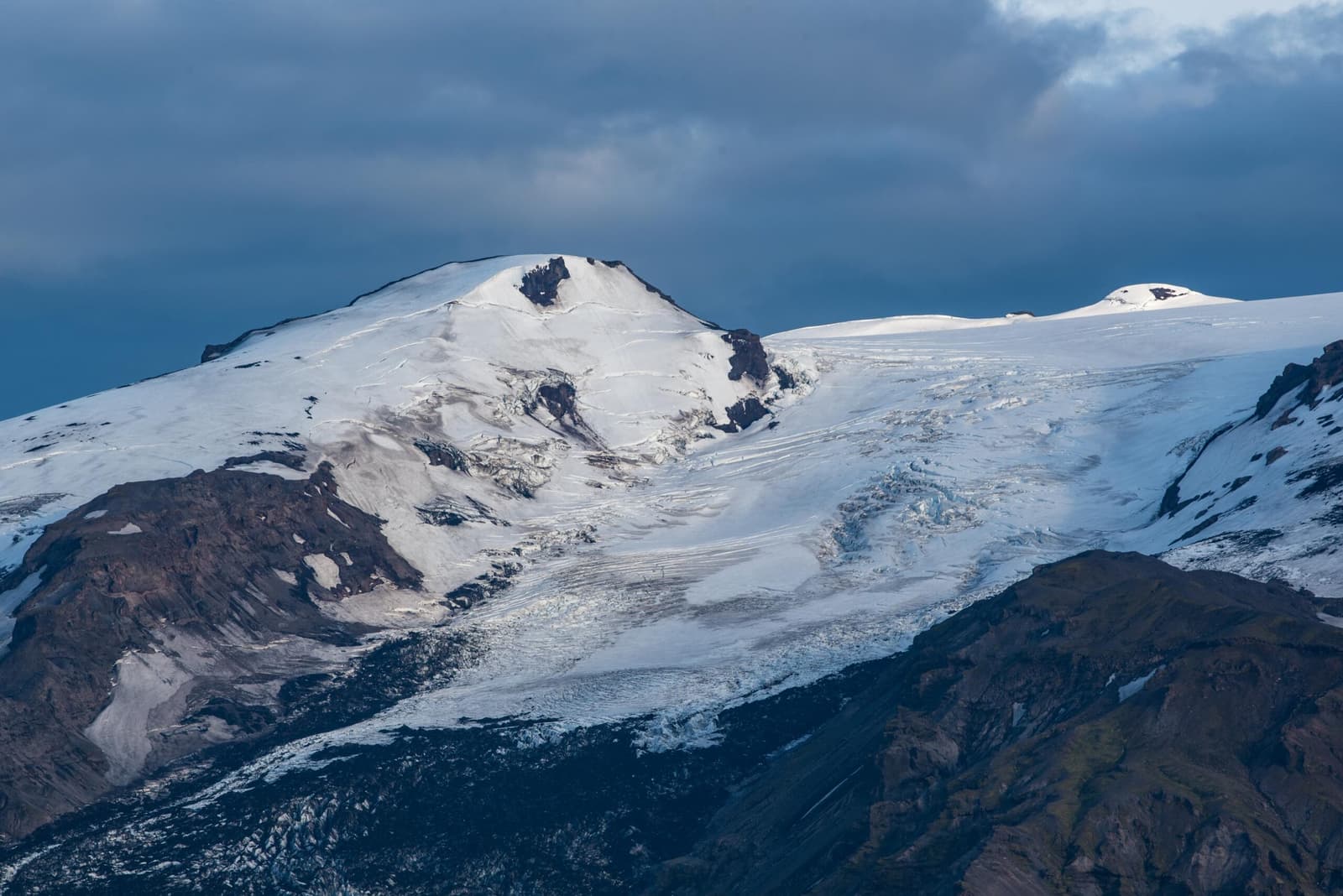
Móði belongs to the small crater landscape formed during the 2010 Eyjafjallajökull eruption sequence. The broader setting matters as much as the crater itself: Eyjafjallajökull sits to one side, Mýrdalsjökull to the other, and Gígjökull helps explain why this area feels more like mountain terrain than a simple viewpoint.
Expect rough volcanic texture rather than a manicured crater rim. The ground can be loose, wind can make the exposed sections feel harsher, and visibility can decide whether the crater feels dramatic or muted. That is part of the attraction, but it is also the reason this stop belongs to prepared hikers.
The crater area is the reason to slow down once the Fimmvörðuháls plan itself is realistic.The wider pass setting explains why Móði planning depends on highland weather, visibility, and snow conditions.
When Does Móði Improve a South Coast Plan?
Móði improves a South Coast plan when the hike is the point of the day. It weakens the plan when it steals time from easier places that better match the group.
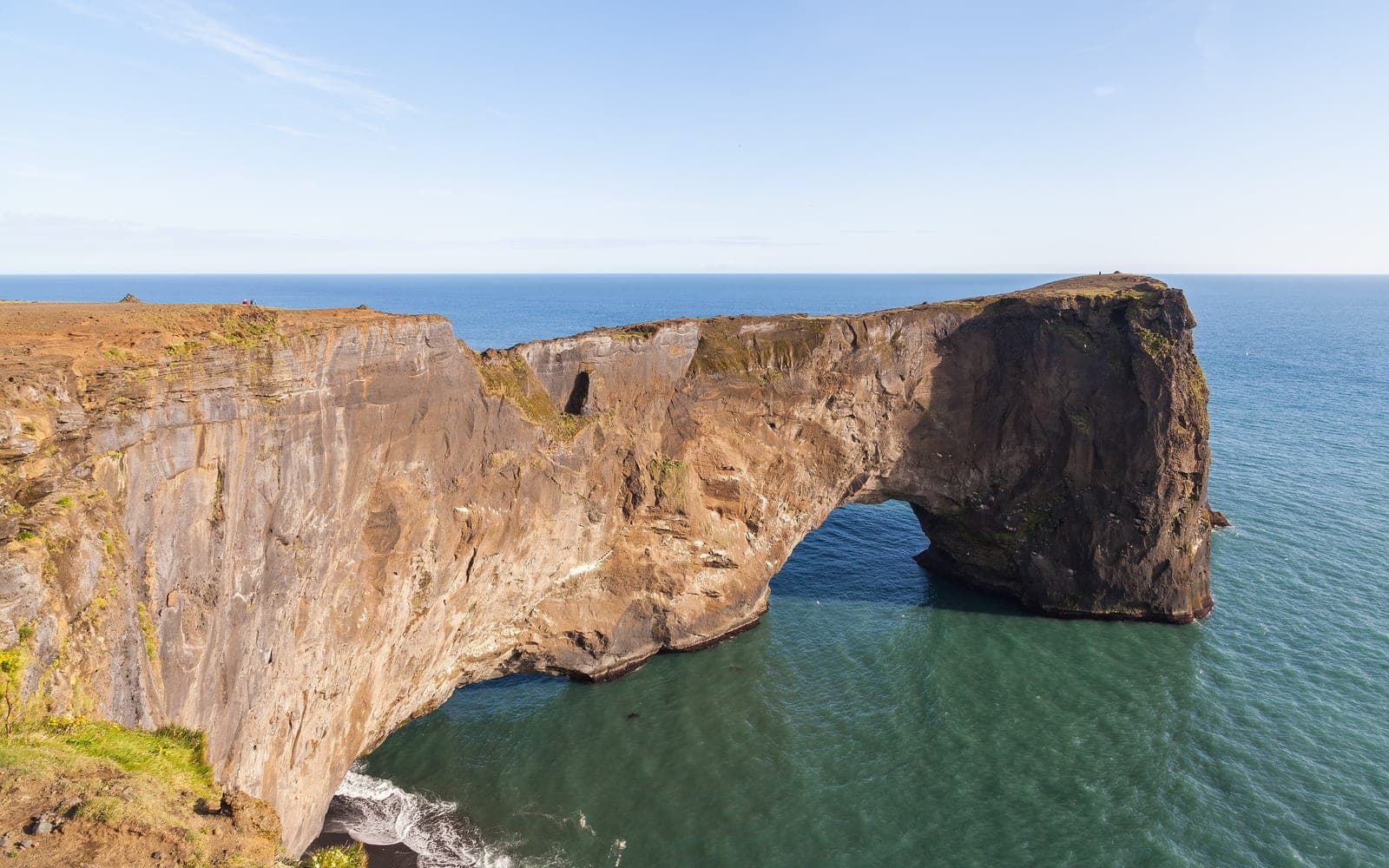
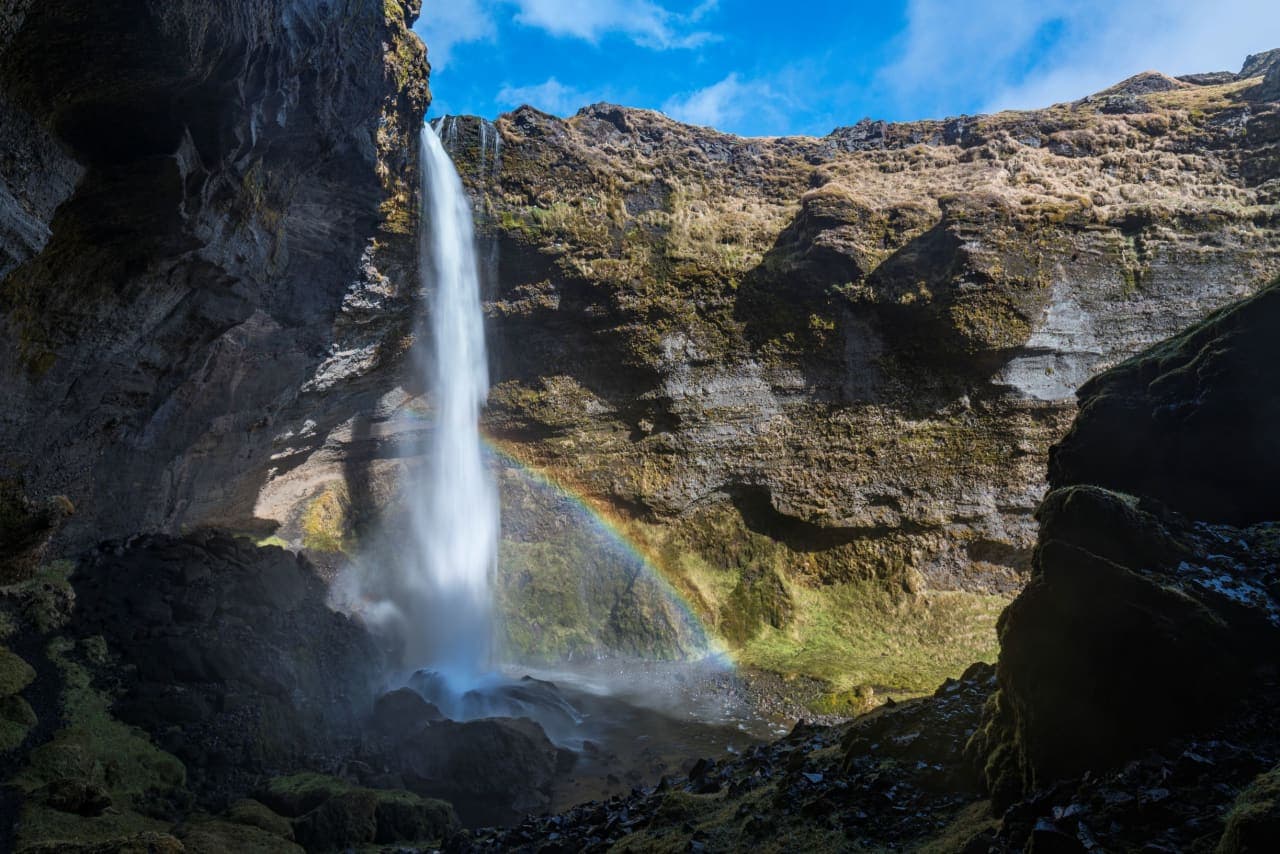
If your trip is built around waterfalls, beaches, and a steady drive, keep the day lower and easier. Seljalandsfoss, Kvernufoss, Sólheimajökull, and Dyrhólaey all fit a normal South Coast rhythm more naturally than a high-pass crater objective.
If your trip has already made room for a major hiking day, Móði gives the route a sharper volcanic story. It pairs naturally with Skógafoss at the start, the Fimmvörðuháls high pass, and a Þórsmörk-side plan if transport and conditions support that shape.
For a broader geography decision, use the South Iceland region guide to decide whether this part of the trip should be a hiking segment or a classic drive-and-stop segment.
The crater decision changes the whole day because the approach already asks for real walking time.
Móði: use this page as planning guidance, not live safety confirmation
Use this page as planning guidance, not live safety confirmation. The final decision should come from official trail, weather, safety, road, and operator information close to the day you travel.
Weather: check the Icelandic Meteorological Office before treating the high pass as realistic.
Travel safety: check SafeTravel and follow local warnings, closures, and emergency guidance.
Trail and huts: use FÍ or relevant operator information if your plan depends on huts, wardens, guided support, or route-specific trail guidance.
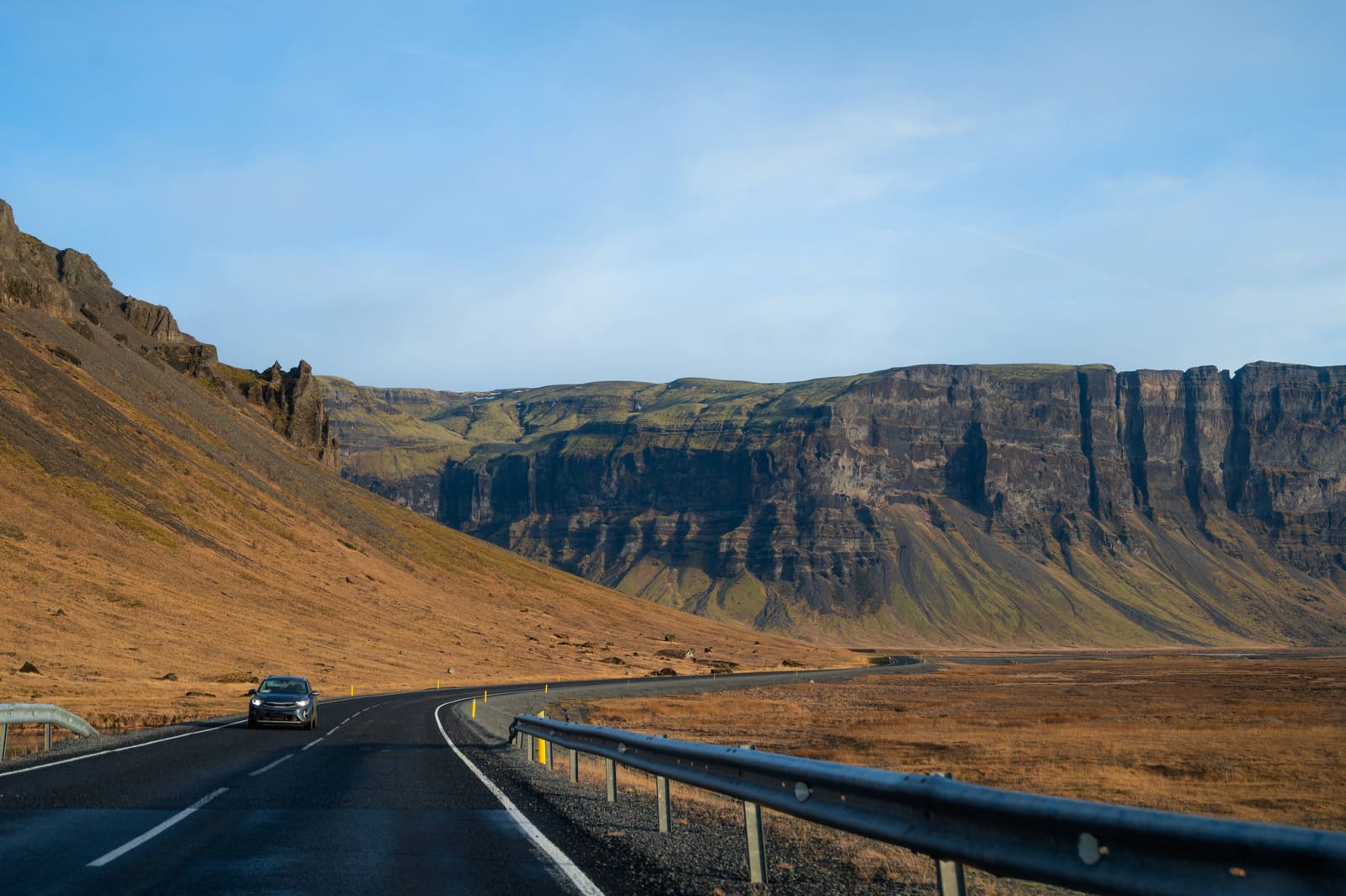
Road and access: check official road conditions before relying on South Coast or Þórsmörk-side travel.
Group fit: be honest about navigation confidence, wet-weather layers, rough ground, and how much margin the day has.
Road and access checks before building the crater into a driving day.
Móði FAQ
These questions matter because the crater is simple to admire only after the route decision has already been solved.
Can you visit Móði as a quick stop?
No, not in the normal roadside sense. Móði is best treated as part of the Fimmvörðuháls hiking route, so time, weather, transport, and fitness matter before the crater itself.
Is Móði different from Fimmvörðuháls?
Yes. Móði is a specific crater in the Fimmvörðuháls volcanic area, while Fimmvörðuháls is the broader high-pass route between Skógafoss and Þórsmörk.
Should first-time South Coast travelers add Móði?
Usually only if they actively want a serious hiking day. First-time travelers with limited time often get a better South Coast plan from easier stops around waterfalls, glacier viewpoints, and the Vík-area coast.
What official details should I verify?
Verify weather, travel safety, trail guidance, road conditions, and any hut or operator details before relying on the plan. Do not build the crater into a tight day without those checks.