Gígjökull is the rough outlet glacier descending from Eyjafjallajökull toward Þórsmörk; visit for volcanic-glacier scale and 2010 eruption context, but only when access, weather, vehicle, and safety checks support the detour.
Glacier facts
Type
Outlet glacier and volcanic-glacial landscape
Region
South Iceland, on the Þórsmörk side of Eyjafjallajökull
Route context
A high-friction South Coast side stop, not a normal Ring Road pull-off
Time to allow
20-45 minutes for viewpoint context; 1-2.5 hours for a deliberate approach when access is suitable
Best experience
Dark ash-marked ice, steep moraine walls, meltwater, and the 2010 eruption landscape
In this guide
Is Gígjökull worth the extra effort?
Yes, Gígjökull is worth it when you are already building a proper Þórsmörk-side plan and want to see Eyjafjallajökull's outlet glacier up close. It is weak as a forced extra on a packed South Coast day.
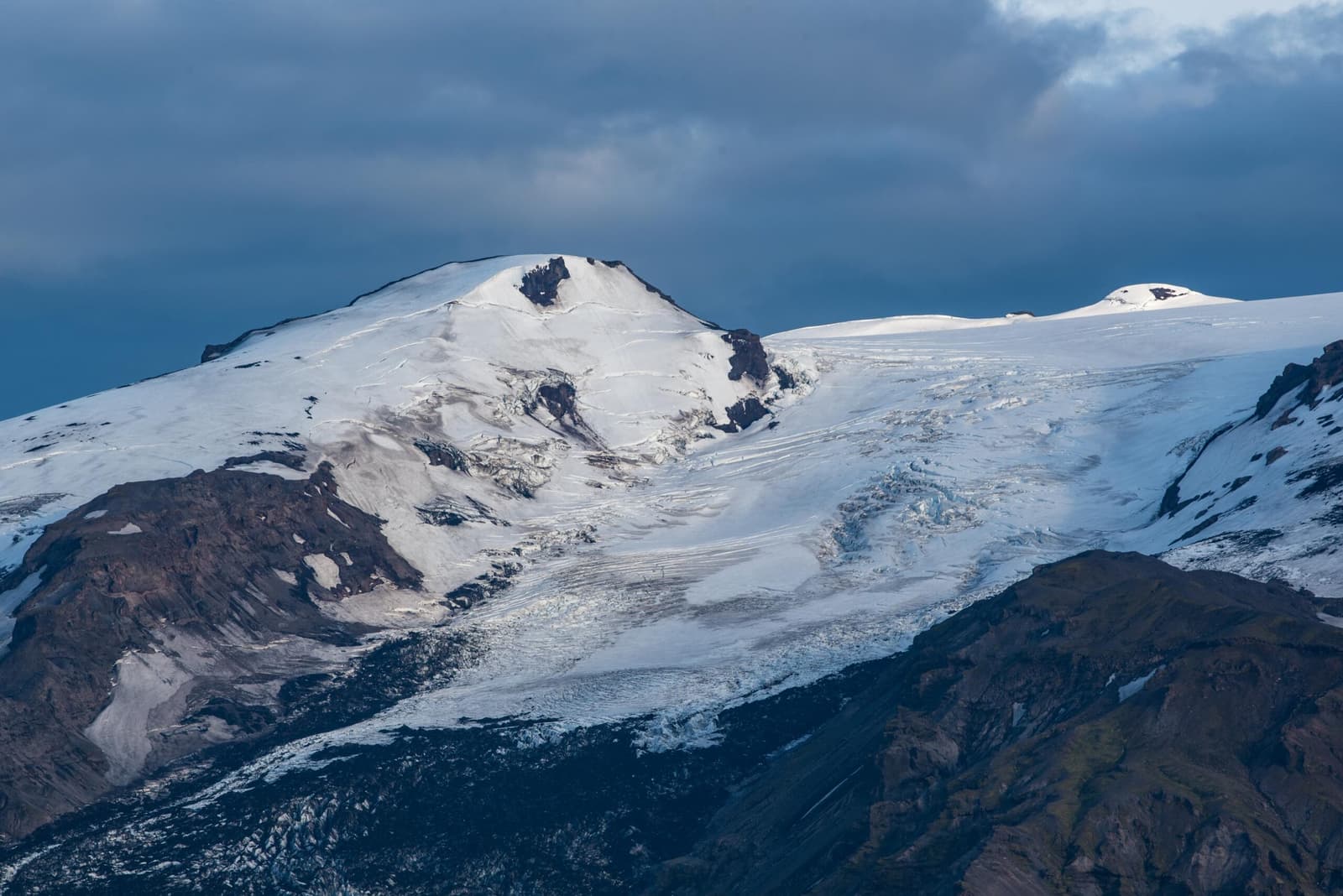
The appeal is not a polished viewpoint. Gígjökull feels raw: black-streaked ice drops between steep volcanic walls, meltwater cuts through the basin, and the 2010 Eyjafjallajökull eruption gives the landscape a clear story.
Go if your day already has the right vehicle, flexible timing, and a reason to be on the Þórsmörk side. Skip it if you are trying to connect Seljalandsfoss, Skógafoss, Dyrhólaey, and Reynisfjara in one clean first-trip route.
Add Gígjökull for prepared travelers who care about volcanoes, glaciers, and the rough landscape behind the South Coast. They would leave it out when the detour would steal time from easier, higher-certainty stops.
What makes access to Gígjökull different?
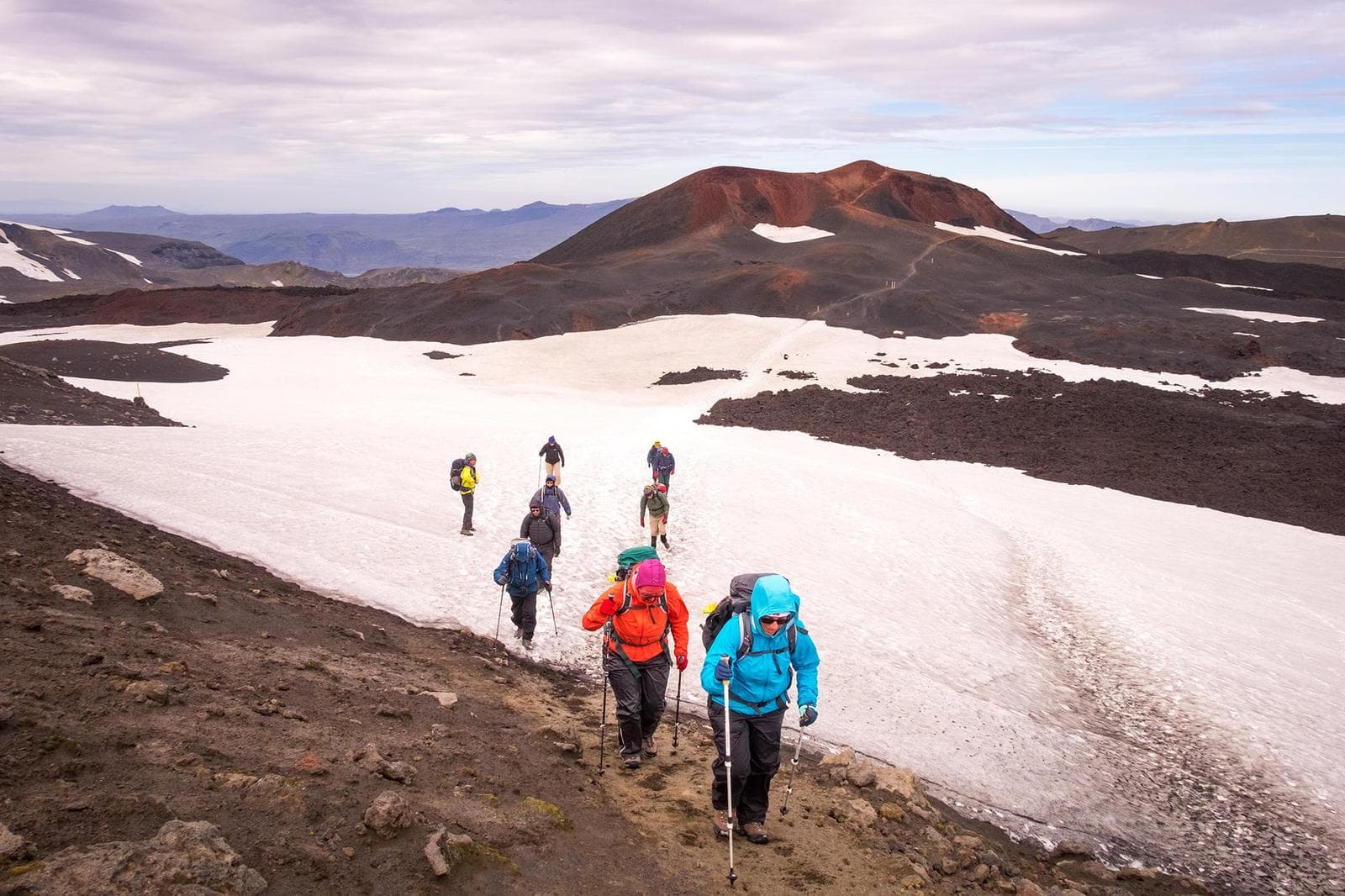
Access is the main decision. Gígjökull sits beyond ordinary South Coast sightseeing logic, so road conditions, river crossings, vehicle rules, weather, and glacier-edge safety matter more than the map distance.
This is not like pulling into a paved waterfall car park. The useful mental model is a Þórsmörk-side side trip: possible for the right plan, poor for casual improvisation, and easy to overestimate from a map.
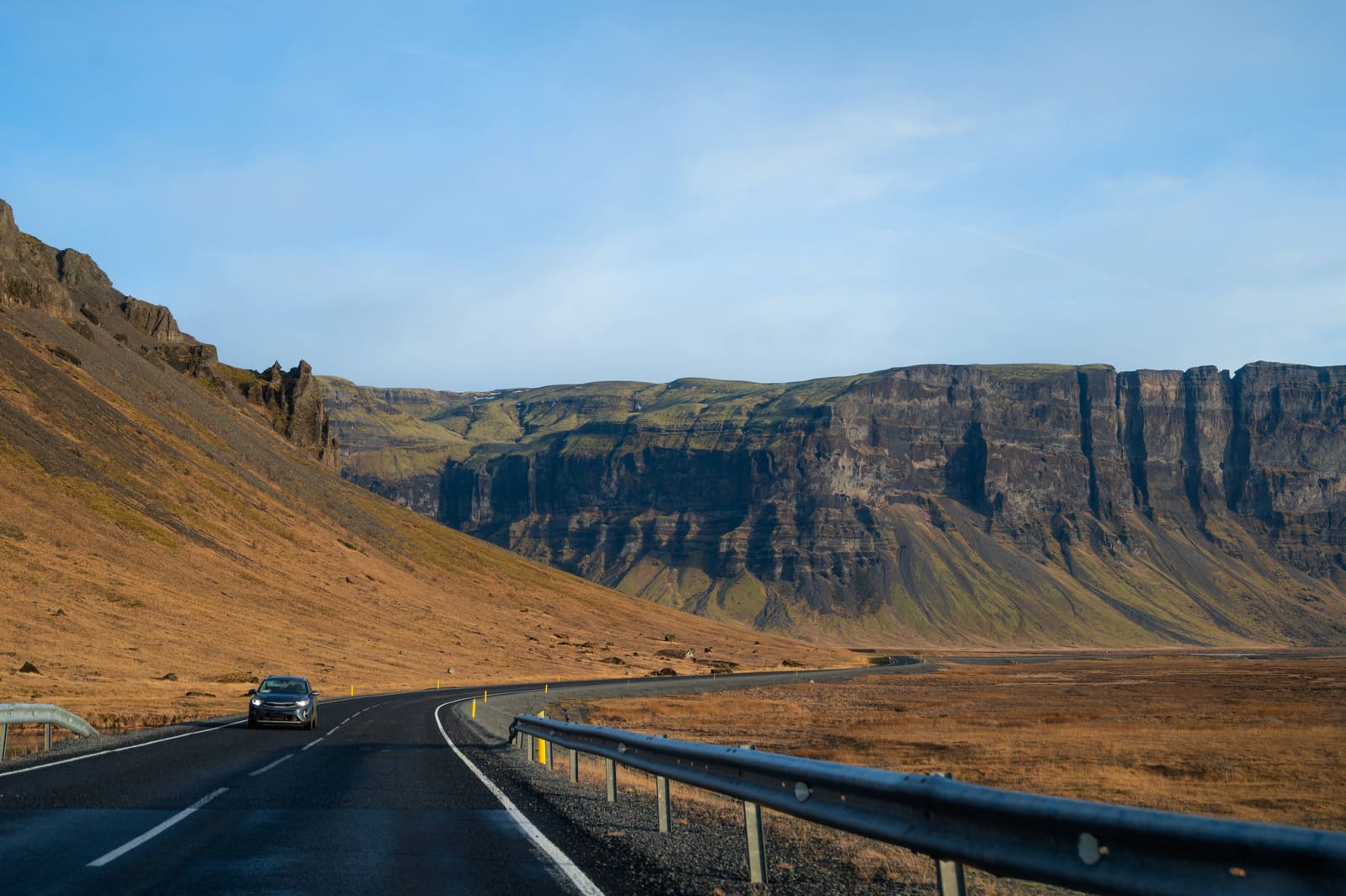
The approach can look modest at the start, but the road and glacier setting make this a higher-friction stop.
Treat the road decision separately from the walk. A marked approach or viewpoint does not make the drive suitable for every rental vehicle, and a clear road day does not make glacier ice safe to step onto.
What do you see at the glacier?
Expect a dark, steep, ash-marked outlet glacier rather than a bright blue ice postcard. The best part is the scale and the sense that the landscape is still being reshaped.
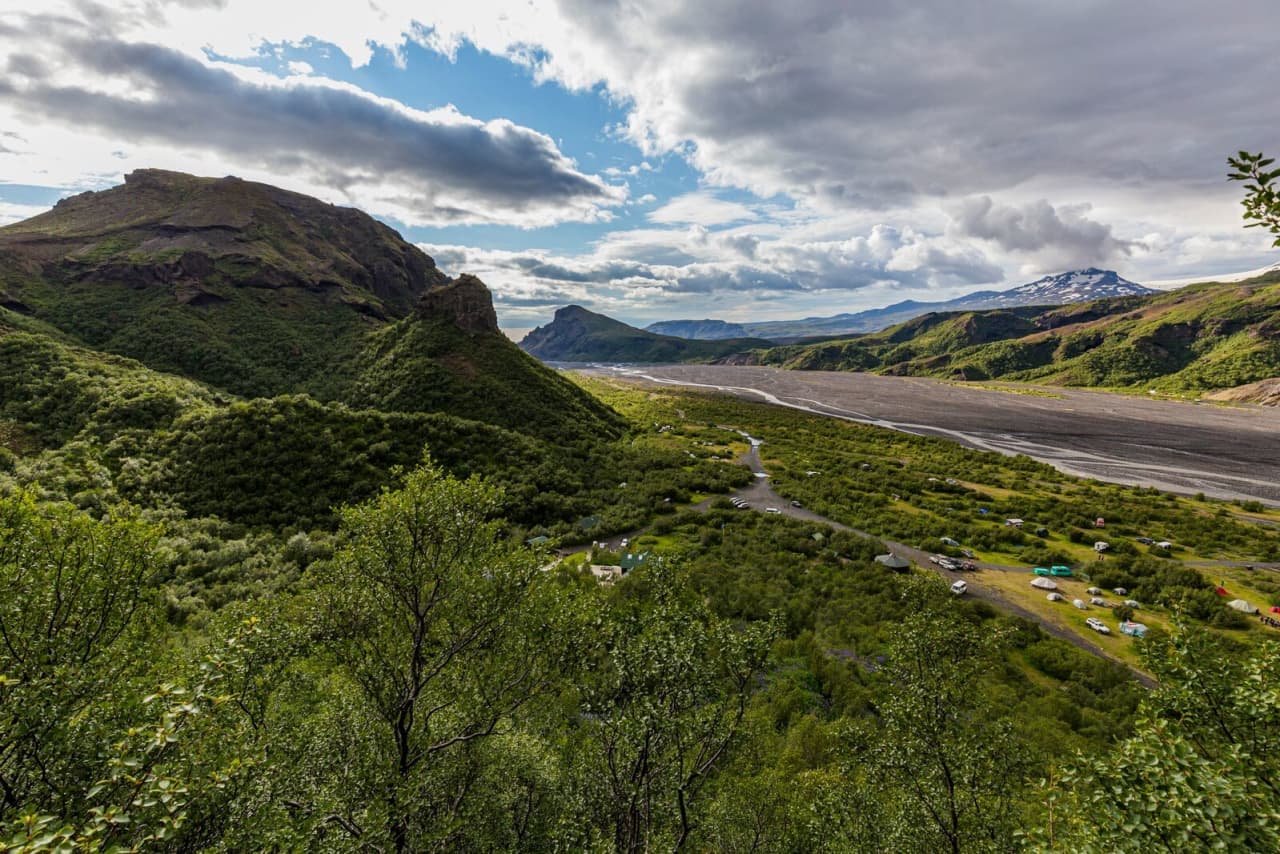
Gígjökull descends from Eyjafjallajökull through a rough basin of moraines, rock walls, meltwater, moss, and black volcanic debris. In clear weather the upper glacier helps you understand how the ice cap spills north toward Þórsmörk.
Scale is the main reward: even from a safe distance, the glacier front makes the valley feel active and unstable.
The Icelandic Meteorological Office records how meltwater flowed along Gígjökull during the 2010 eruption. That history is why the stop feels more meaningful than a random glacier view: you are looking at one of the visible channels of the eruption story.
The moraine basin explains why Gígjökull works best for travelers interested in landscape process, not only pretty views.
Allow 20-45 minutes if you are using Gígjökull as a viewpoint or route-context stop
Allow 20-45 minutes if you are using Gígjökull as a viewpoint or route-context stop. Give it 1-2.5 hours only when access, weather, and walking conditions make a deliberate approach sensible.
The mistake is making Gígjökull a fixed promise before the day proves it deserves that time. It works better as an optional, condition-led add-on to a South Coast or Þórsmörk plan.
How to size a Gígjökull visit
Visit version
Best for
What to check first
Quick view
Travelers who want outlet-glacier context without overloading the day
Weather visibility, road conditions, and whether the stop keeps the route realistic
Balanced approach
Prepared travelers with time for photos, moraine views, and a slower Þórsmörk-side rhythm
Vehicle permission, river crossings, trail conditions, and daylight
Slow specialist day
Guided, high-clearance, or glacier-focused plans
Guide judgement, glacier safety, road conditions, weather, and emergency margin
The long view is often enough if the day is already full; getting closer should earn its time.
If you are also visiting Seljalandsfoss, Skógafoss, or Kvernufoss, protect the day from becoming a string of rushed stops. Gígjökull is strongest when it adds a glacier-volcano chapter, not when it breaks the route.
Which nearby stops make Gígjökull make sense?
Gígjökull makes the most sense when it is tied to Eyjafjallajökull, Þórsmörk, or a slower South Coast day, not when it is bolted onto a waterfall-and-beach sprint.
Eyjafjallajökull is the natural context page because Gígjökull is one of the outlet glaciers that makes the volcano visible as ice, meltwater, and terrain. Þórsmörk matters because the access decision belongs to that side of the landscape.
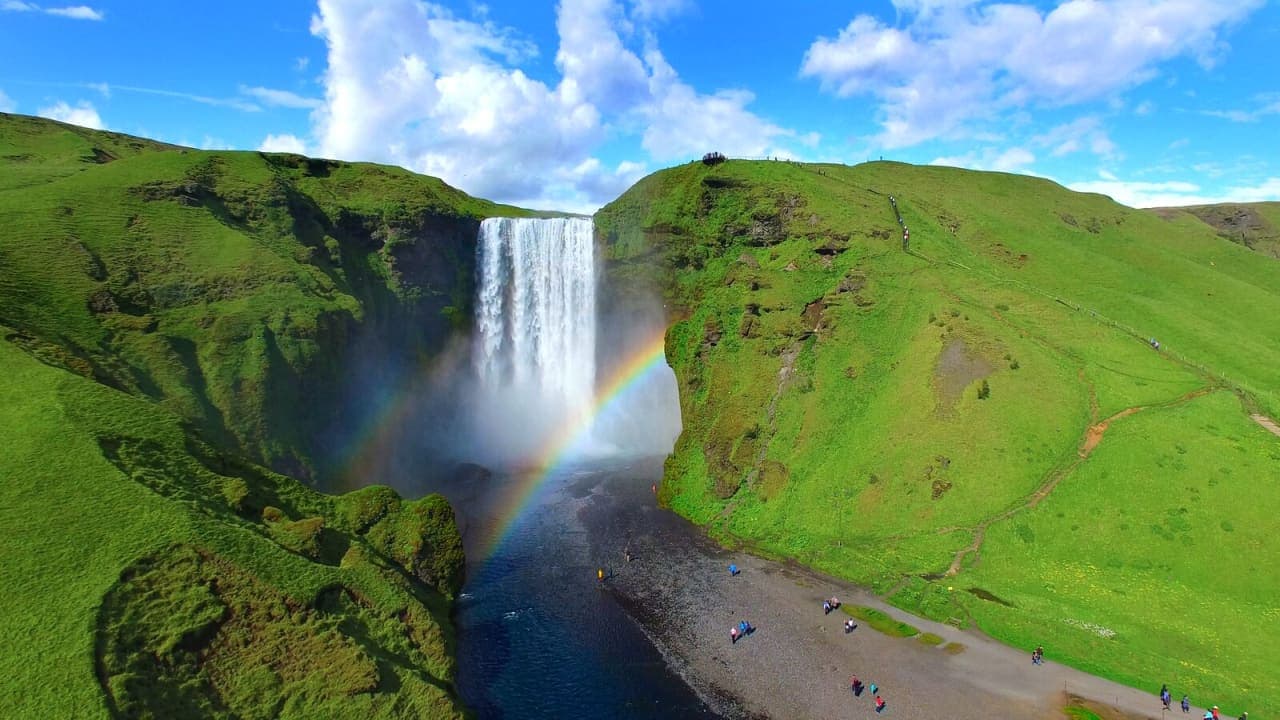
For a first-time South Coast route, compare Gígjökull against easier anchors. Seljalandsfoss and Skógafoss are more reliable high-value stops, while Dyrhólaey and Reynisfjara usually matter more if the day continues toward Vík.
Cloud, ash, and dark ice are part of the attraction; this is not a polished blue-glacier stop.
More specialized nearby ideas such as Stakkholtsgjá, Fimmvörðuháls, Þorvaldseyri, Seljavallalaug, and Nauthúsagil can strengthen a longer area plan, but they should not become automatic add-ons unless the vehicle, season, and time budget support them.
A wide view can be the right version of Gígjökull when the closer access decision is not sensible.
Use official road, weather, volcanic, and glacier-safety sources before turning Gígjökull from an idea into a drive or walk
Use official road, weather, volcanic, and glacier-safety sources before turning Gígjökull from an idea into a drive or walk.
Use this guide for planning, not live safety confirmation. Use Umferðin for road conditions, the Icelandic Meteorological Office for weather and volcanic information, and SafeTravel for glacier-safety guidance before committing to F-road, river, or glacier-edge decisions.
Vehicle rules matter too. If your rental terms, insurance, or driving experience do not fit F-road and river-crossing terrain, choose a safer South Coast plan and keep Gígjökull as context from Eyjafjallajökull or Þórsmörk planning instead.
South Iceland forecast, warnings, wind, precipitation, and visibility.
Gígjökull FAQ
The important questions are about access, safety, and whether the outlet glacier improves the day enough to justify the friction.
Can you visit Gígjökull without a guide?
You may be able to view or approach the area without a guide when road, vehicle, weather, and trail conditions support it, but glacier travel is not a casual self-guided activity. Use official safety guidance and local judgement before going beyond safe viewpoints.
Is Gígjökull on the normal South Coast route?
No, Gígjökull is not a normal paved-road South Coast stop. It belongs to a higher-friction Þórsmörk-side plan, so compare it carefully with easier stops such as Seljalandsfoss and Skógafoss.
How long does Gígjökull need?
Plan 20-45 minutes for viewpoint context, or 1-2.5 hours for a deliberate approach when conditions are suitable. Do not make the longer version fixed until access and weather checks support it.
Is Gígjökull safe for families?
It can be too high-friction for families who need predictable access and simple walking. If family comfort, vehicle suitability, or road confidence is uncertain, choose easier South Coast stops and keep Gígjökull as a landscape reference.