Magni is a young volcanic cone on the Fimmvörðuháls mountain route. SafeTravel advises against hiking that trail because of dangerous conditions, so choose another hike while the advisory applies. Recheck the official alert before reconsidering.
Access reality
Type
Volcanic cone, crater landscape, young lava field, and Fimmvörðuháls hiking objective
Region
South Iceland, on Fimmvörðuháls between Skógar and Þórsmörk
Route context
A mountain-route feature, not a normal Ring Road pull-off
Time to allow
Full-day hiking context for most visitors; shorter only within a guided or carefully planned Þórsmörk-side approach
Best experience
Seeing the 2010 crater terrain as part of the wider Fimmvörðuháls volcanic landscape
In this guide
Magni: but only if the Fimmvörðuháls route already makes sense for your trip
Yes, but only if the Fimmvörðuháls route already makes sense for your trip. Magni is a meaningful volcanic stop for hikers, not a quick crater detour from the South Coast.
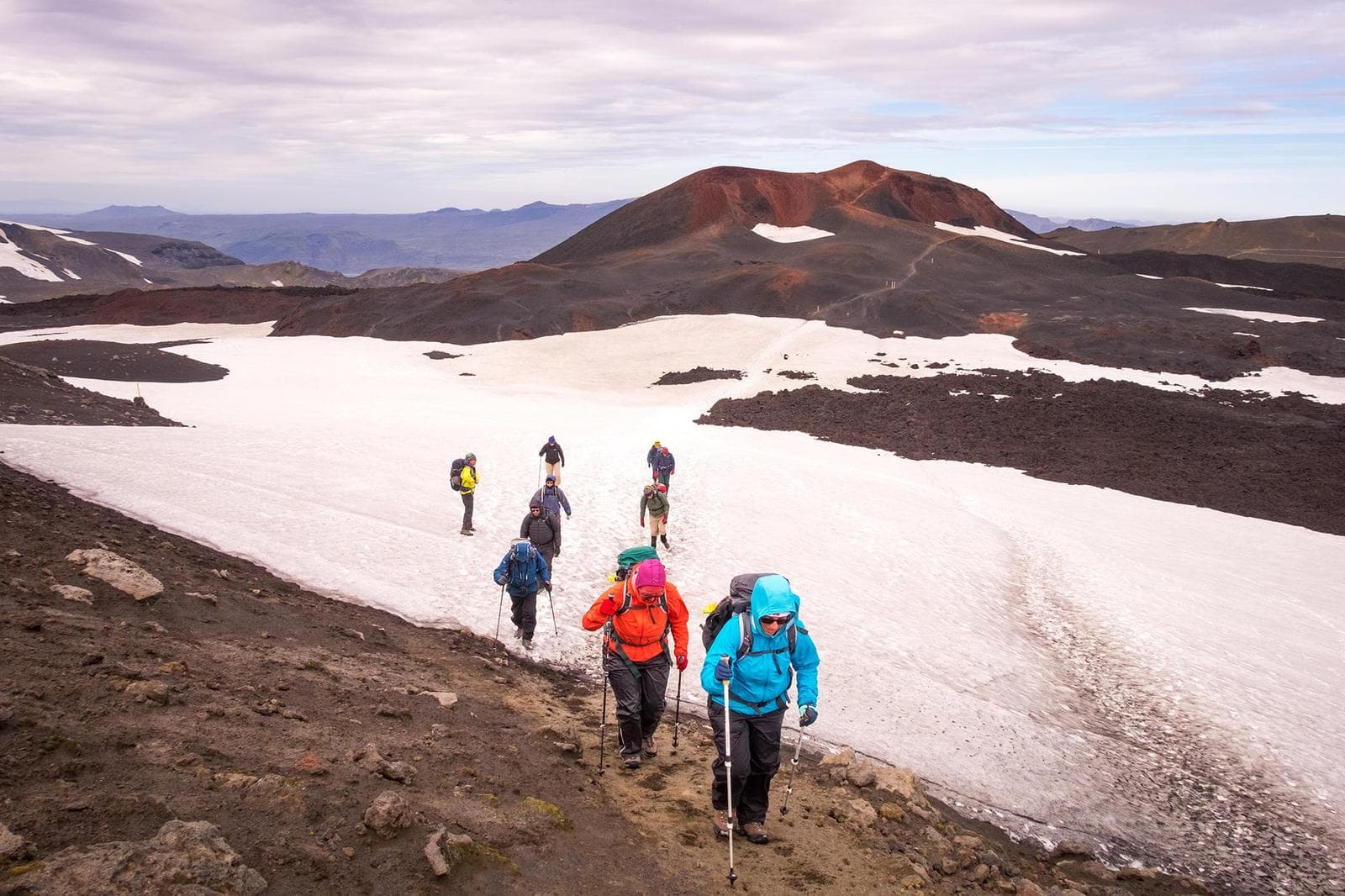
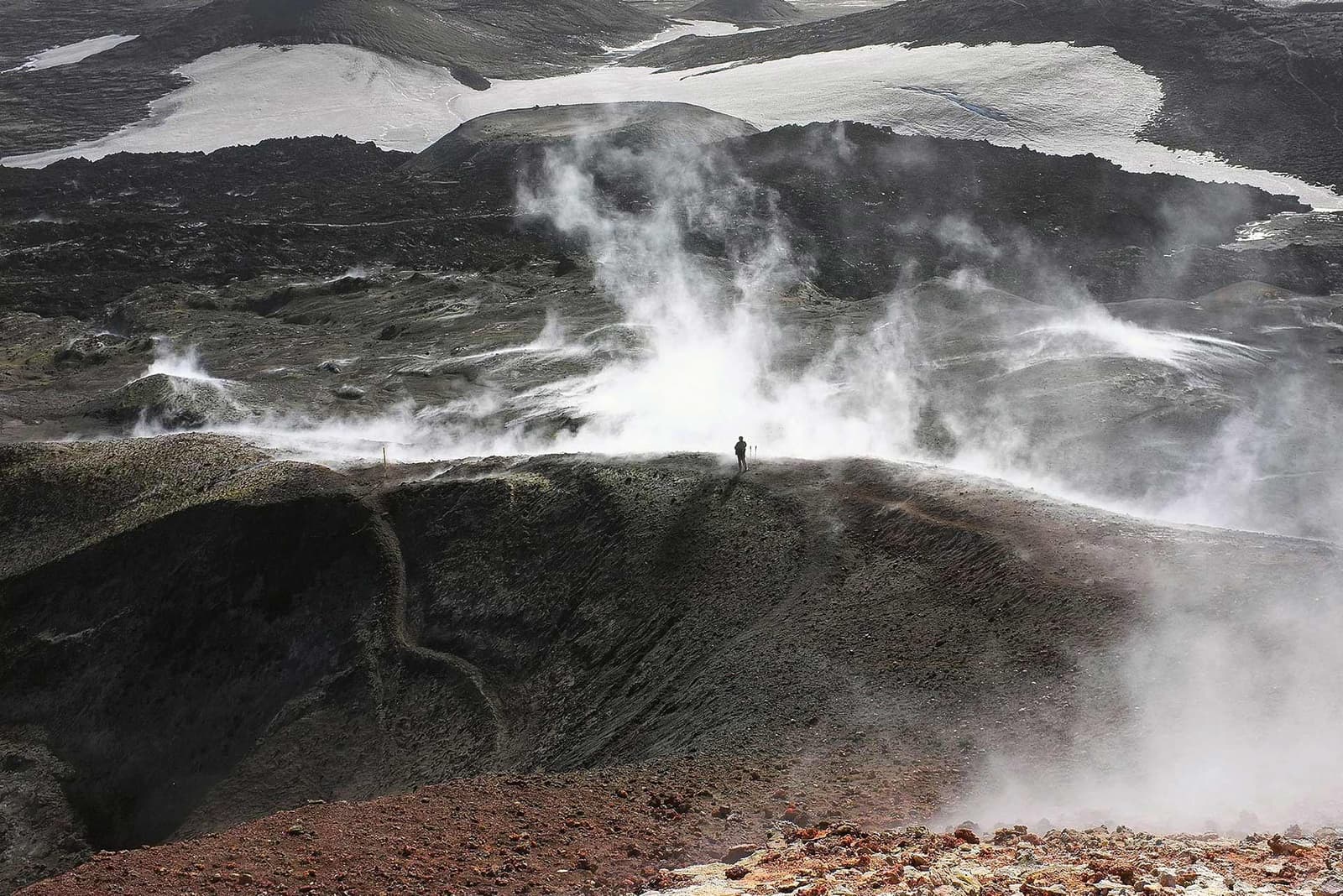
Magni is one of the young crater features created during the 2010 Eyjafjallajökull eruption, high on the mountain route between Skógafoss and Þórsmörk. The value is the volcanic context: black lava, red-brown crater slopes, snow-prone ground, and the feeling of standing inside a landscape that changed recently in geological terms.
Add Magni when the day is already built around Fimmvörðuháls, the group is fit, and there is enough margin for weather and transport checks. Skip it on a first South Coast sightseeing day that is really about Seljalandsfoss, Skógafoss, Reynisfjara, and the drive toward Vík.
Go if: the mountain route is the main event and the crater terrain is part of why you want the hike.
Skip if: you are looking for a short crater stop, easy return logistics, or a simple family walk.
Check before committing: official safety, weather, road, hut, route, and operator sources should decide whether the plan still works.
Photo guide
Magni in photos
The crater terrain sits inside a bigger mountain-pass commitment.
What is Magni on Fimmvörðuháls?
Magni is the scoria cone from the first fissure of the Fimmvörðuháls eruption. Its neighboring cone, Móði, is part of the same 2010 eruption landscape.
Katla Geopark describes the small Fimmvörðuháls eruption as creating the Goðahraun lava field and two cones: Magni from the first fissure and Móði from the other. That makes Magni most useful as a geological waypoint, not a standalone viewpoint.
For most travelers, the important question is not whether Magni is interesting. It is whether reaching the crater improves the whole day more than choosing a simpler South Coast plan around Skógafoss, Gígjökull, Eyjafjallajökull viewpoints, or Þórsmörk.
How do you reach Magni safely?
Reach Magni as part of a serious Fimmvörðuháls or Þórsmörk-side hiking plan. Do not treat it like a short pull-off from Route 1.
The usual planning frame is the Fimmvörðuháls route between Skógar and Þórsmörk. That means walking effort, mountain weather, snow patches, route finding, return logistics, and group pace matter more than the map distance.
The access decision is a route decision between places, not a loop beside the car.
If you are starting near Skógafoss, remember that the waterfall section is only the opening part of a much bigger mountain day. If you are approaching from Þórsmörk, the valley access and Highland-road reality need the same careful checks.
Which version of the visit fits your trip?
Choose the version by commitment level. Magni is strongest when it appears naturally in a mountain day, and weakest when it is forced into a normal sightseeing route.
Choose the right Magni plan
Plan
Best for
Main check
Full Fimmvörðuháls crossing
Experienced hikers making the route the main day.
Weather, transport, fitness, daylight, and route conditions.
Þórsmörk-side guided plan
Travelers already using Þórsmörk access and specialist local judgement.
Road access, operator advice, group pace, and forecast.
South Coast sightseeing day
Travelers prioritizing waterfalls, beaches, and easier stops.
Skip Magni and use Skógafoss or Eyjafjallajökull context instead.
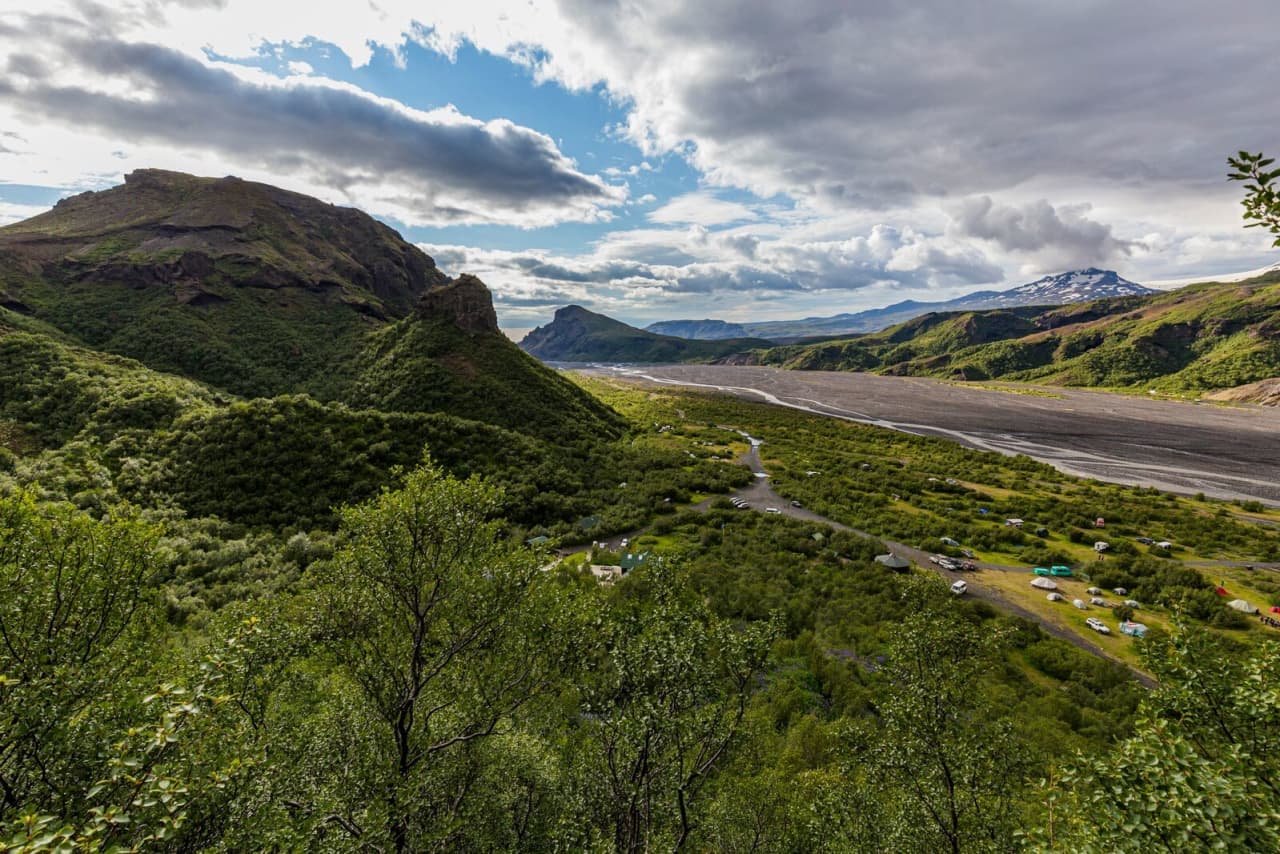
Hut and snowfield context is a reminder that Magni belongs to a mountain-route plan.
If you are unsure which version fits, start with the Fimmvörðuháls guide rather than trying to plan Magni in isolation. The broader route guide is the better place to judge whether the crater belongs in the day at all. SafeTravel’s current advisory against hiking Fimmvörðuháls, checked 5 September 2026, also matters when considering Magni through that route. Choose another plan while the advisory applies and recheck the official alert before reconsidering.
What nearby places pair with Magni?
The strongest pairings are places that explain the same landscape: Fimmvörðuháls, Þórsmörk, Skógafoss, Eyjafjallajökull, and Gígjökull.
Skógafoss matters because it anchors the Skógar side of the route. Þórsmörk matters because many crater-focused plans depend on the valley side. Eyjafjallajökull gives the eruption story, while Gígjökull shows the rough glacier-and-volcano landscape on the Þórsmörk side.
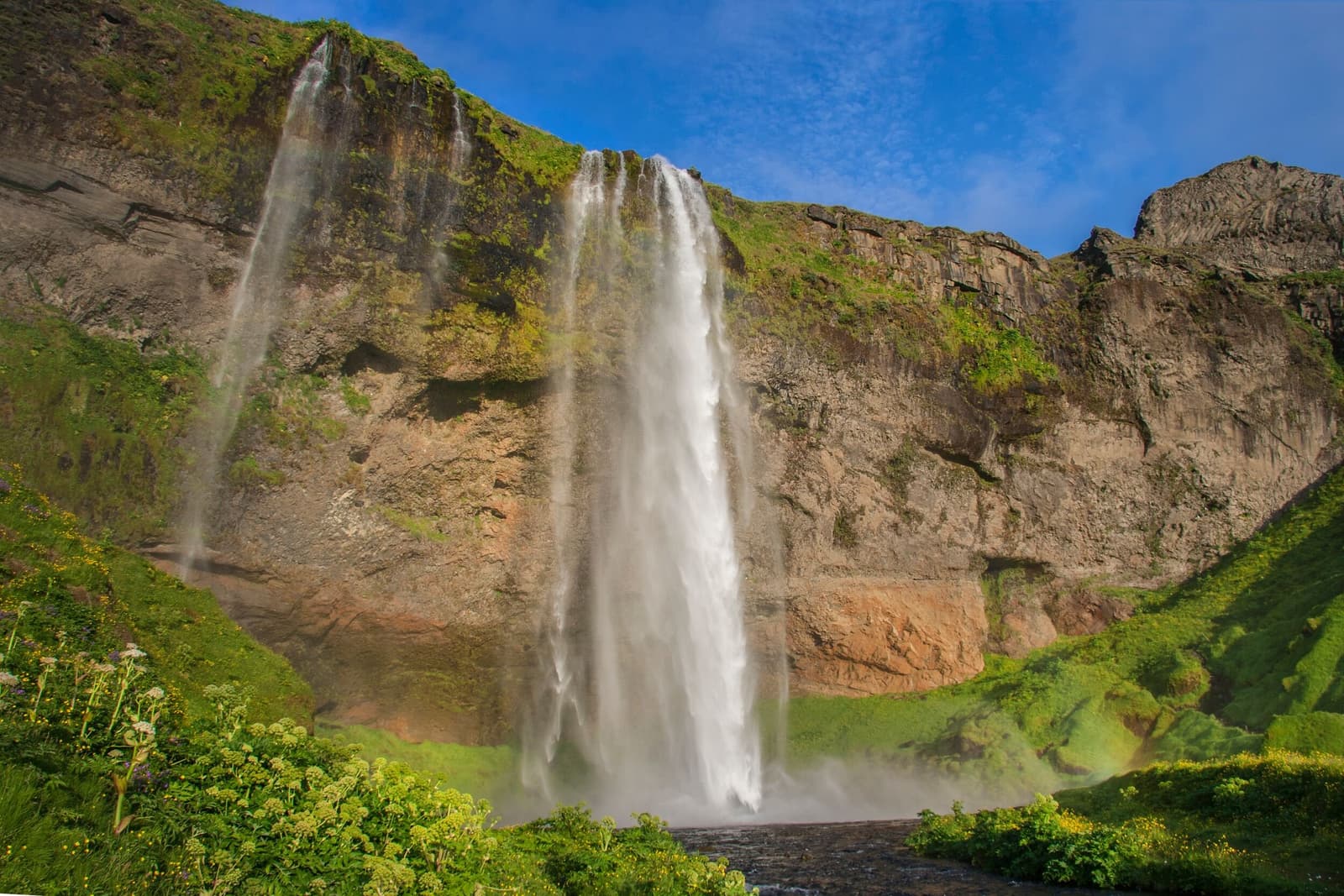
The Skógar approach can be rewarding even when the full crater plan is too much for the day.
For an easier South Coast day, keep Magni out of the schedule and use Seljalandsfoss, Kvernufoss, Skógafoss, and Vík-area coast stops instead. The South Coast road trip guide is the better place to decide how much active hiking the route can absorb.
For a slower regional plan, use the South Iceland guide to decide whether this part of the trip should be a hiking-focused extension or a classic waterfall-and-coast sequence.
Use official and operator sources before turning Magni from an idea into a fixed hiking target
Use official and operator sources before turning Magni from an idea into a fixed hiking target.
The page-level decision is simple: Magni is worthwhile when the mountain route is realistic. The practical decision belongs to official safety, weather, road, hut, route, and operator sources, especially if snow, wind, visibility, daylight, or transport could affect the day.
Use for route framing, guided-hike context, and practical access questions.
Magni FAQ
Most confusion comes from treating Magni as a small standalone stop rather than a crater on a bigger mountain route.
Can you visit Magni as a quick stop?
No, not in the normal South Coast sightseeing sense. Magni belongs to a Fimmvörðuháls or Þórsmörk-side hiking plan, so access, weather, time, and route checks matter.
Is Magni the same as Fimmvörðuháls?
No. Magni is a volcanic cone on the Fimmvörðuháls route, while Fimmvörðuháls is the larger mountain pass and hiking route between Skógar and Þórsmörk.
Is Magni worth targeting if I only have one South Coast day?
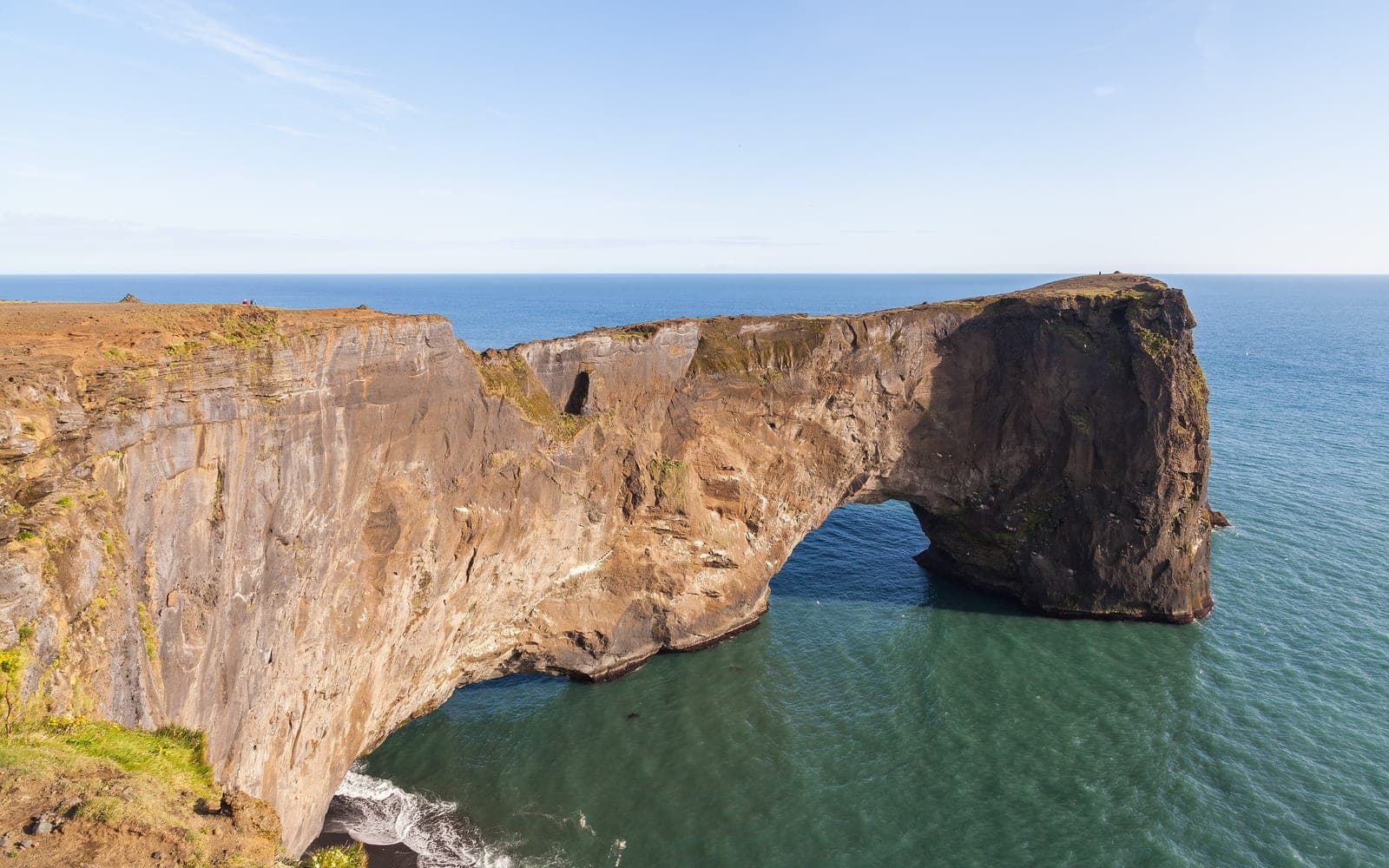
Usually no. A single classic South Coast day is normally better spent on easier stops such as Seljalandsfoss, Skógafoss, Kvernufoss, Dyrhólaey, or Reynisfjara.
What should decide whether I try to reach Magni?
The deciding factors are route choice, group fitness, forecast, snow, daylight, road access, transport, and official safety guidance. If those checks are weak, leave Magni out.