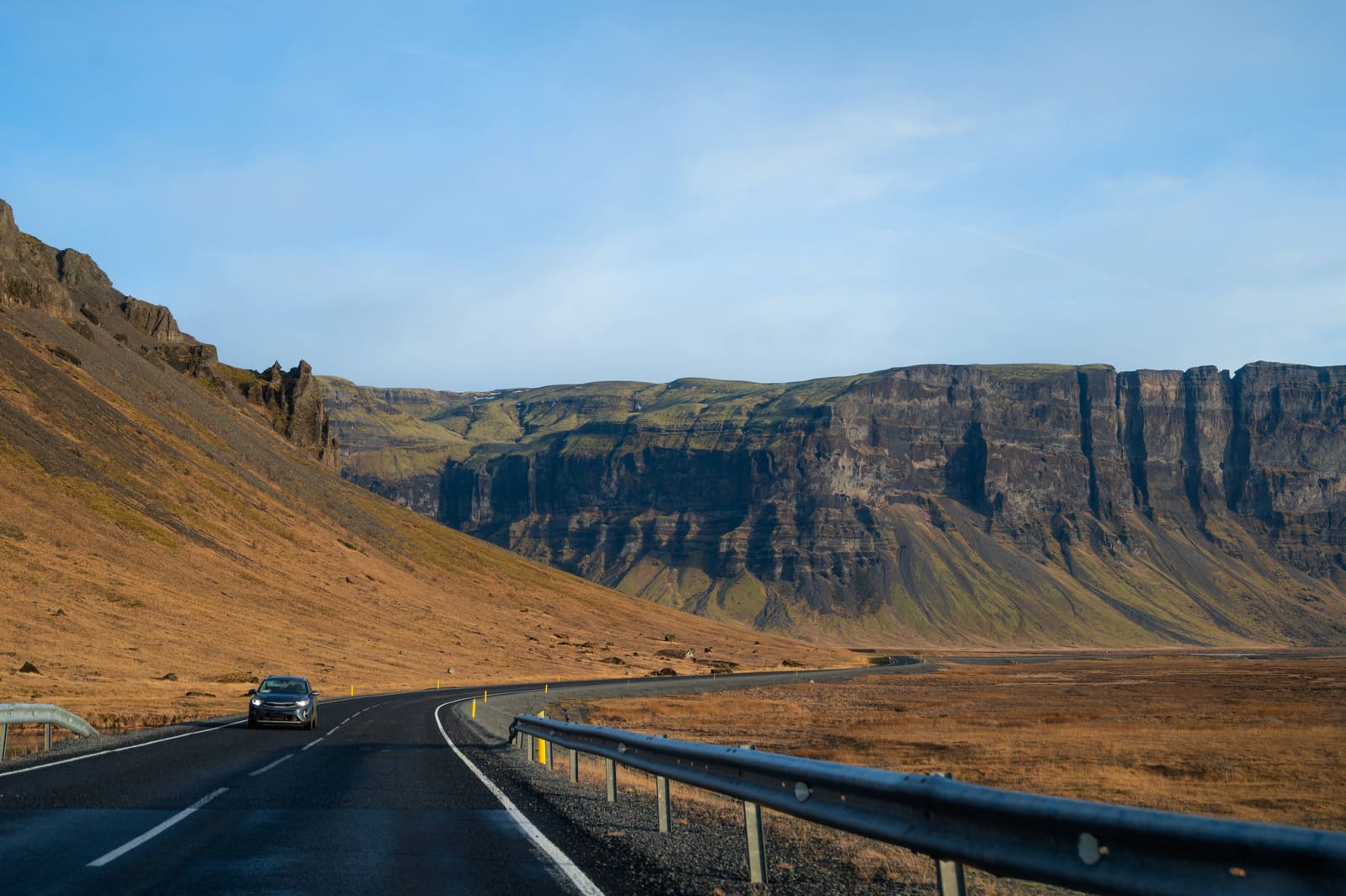
Town snapshot
- Type
- South Coast village and route base
- Region
- South Iceland in Katla Geopark
- Best for
- Overnights, coast pairings, and weather-flex pacing
- Time
- 45 minutes to overnight
- Nearby
- Reynisfjara, Dyrhólaey, and Reynisdrangar
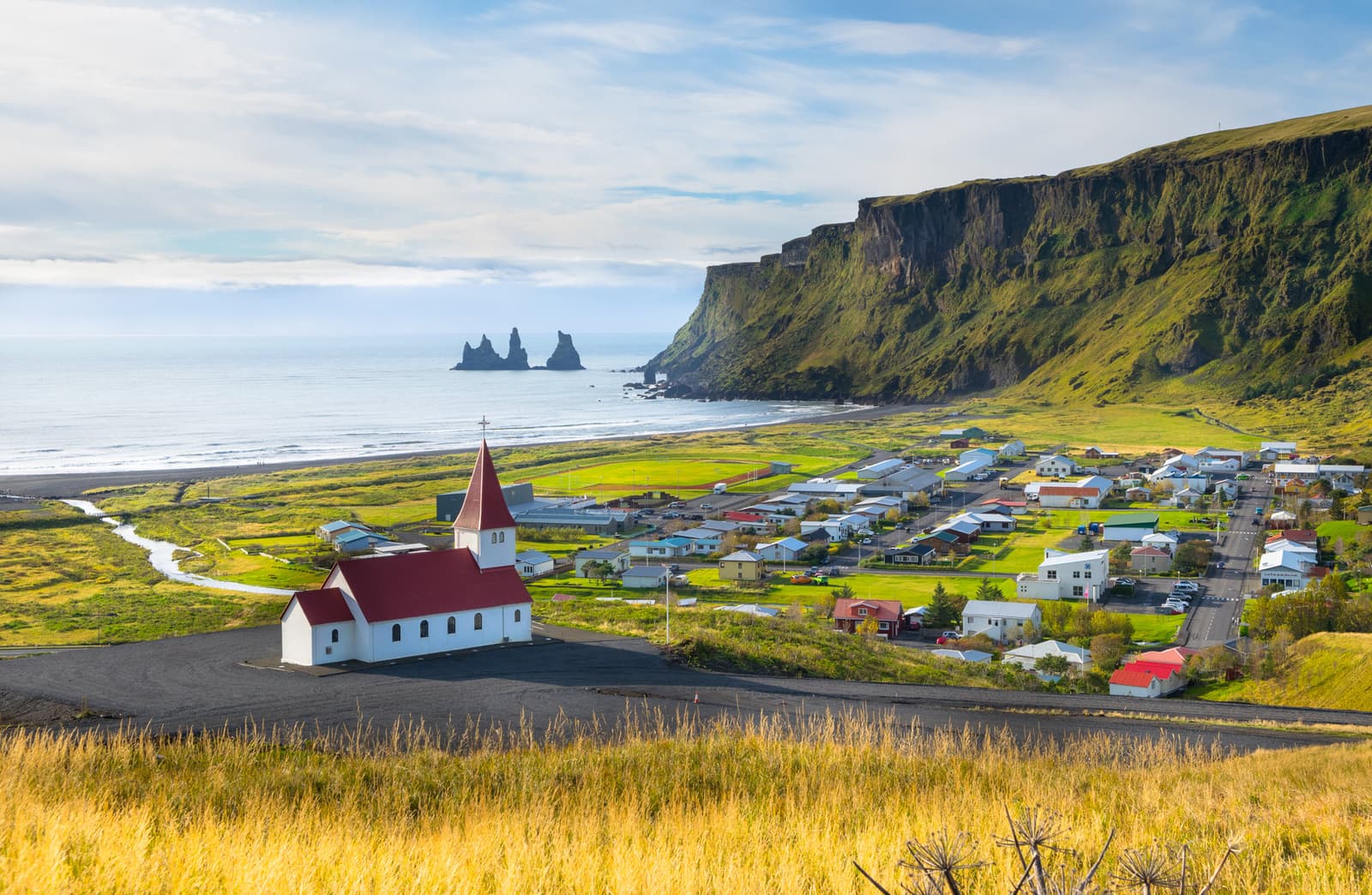
Vík helps South Coast travelers decide whether this small village should be a short pause, a weather-flex overnight base, or a more meaningful stop between black-sand coast highlights and longer eastbound driving.
Town snapshot
Vík is worth real time when the South Coast day needs an overnight hinge, a weather-flex town stop, or a calmer human-scale break between more dramatic landscapes.
That does not mean every traveler needs to stay here. If your route only has room for one more scenic stop and you will spend almost no time in town, places like Reynisfjara or Dyrhólaey usually deliver the clearer visual payoff.
Vík becomes more convincing when you treat it as part of the day rather than the place you sleep beside. The village can steady a long drive, absorb bad weather, and give the black-sand coast a real settlement context instead of turning the South Coast into a pure parking-lot sequence.
Photo guide
1 / 2
The mountain wall behind town helps explain why Vík feels so enclosed by landscape.
The first useful impression is not one museum or one lookout. It is the way the village sits between dark coast, open sea, steep slopes, and the white church above town.
The Vík í Mýrdal Church view from the hill is famous for a reason. It gives Vík a shape that many South Coast service stops do not have, especially when the weather is clear enough to read the village against the wider coastline and the Reynisdrangar area offshore.
The second thing that matters is scale. Vík is small enough to absorb on foot for a short while, but large enough to feel like a real South Coast base rather than just a fuel station beside Route 1. If you walk a little instead of only parking and leaving, the stop becomes much easier to judge honestly.
Vík works best as the hinge between the village itself and a selective nearby coast plan.
The cleanest pairing is usually Reynisfjara plus Dyrhólaey: one gives you beach-level drama and the other explains the wider shoreline from above. Reynisdrangar and Reynisfjall help that same coast read as one place instead of scattered labels.
If you are continuing east, Vík is also the point where pacing matters. This is where some travelers should stop trying to add everything in one day. Hjörleifshöfði or Sólheimajökull can be strong additions, but only if the drive still has enough margin. Þakgil Canyon is a separate seasonal-road and terrain commitment, not a quick extension of the village stop.
| Trip shape | When Vík helps | When it is weaker |
|---|---|---|
| Short South Coast push | You need a food stop, pause, or overnight before or after nearby coast stops | You will barely stop and only want one more dramatic landmark |
| Overnight near black-sand highlights | You want Reynisfjara and Dyrhólaey without backtracking late in the day | You are already staying farther east with better next-day route planning |
| Weather-flex day | You need a real village that can absorb changing coast conditions | The day is built around one fixed operator booking elsewhere |
Vík gets more interesting when you stop treating it as a sleeping place for nearby landmarks and notice how unusual its own coastal history is.
Visit South Iceland describes Vík as a seaside village with no harbour, yet one that still mattered as a trading post and coastal settlement. That harborless-coast reality is the key to understanding why the village feels different from other Icelandic fishing or port towns.
Brydebúð and the Katla Visitor Centre add the strongest secondary angle. The geology exhibition makes the glacier-and-volcano setting easier to read, while the Skaftfellingur and shipwreck story explains what movement and trade looked like along a rough coast where safe harbors were scarce.
This is not a reason to turn Vík into a full museum day. It is a reason to give the village a little more credit when weather, route pacing, or curiosity already make a town pause worthwhile.
The town itself is simple to use, but the surrounding coast is not something to plan on autopilot.
Use official road and weather sources before building a long South Coast day around Vík, especially if the plan continues toward glacier walks, exposed viewpoints, or a much longer eastbound stretch.
If Reynisfjara is part of the day, check official Black Beach safety guidance as well. The beach belongs to the Vík orbit, but the right decision can be to shorten, modify, or swap that stop if conditions or safety instructions change.
Use before long South Coast driving days.
Check wind, visibility, and warnings for the coast.
Use for Black Beach safety and general outdoor travel guidance.
By ThorPublished Updated
Map
Use nearby places and useful bases before opening directions.
Interactive planning map for Vík
Interactive map
Place context and external map links remain available without loading it.
Nearby places
Compare nearby places to decide whether to stop briefly, stay longer, or use the town as a base.
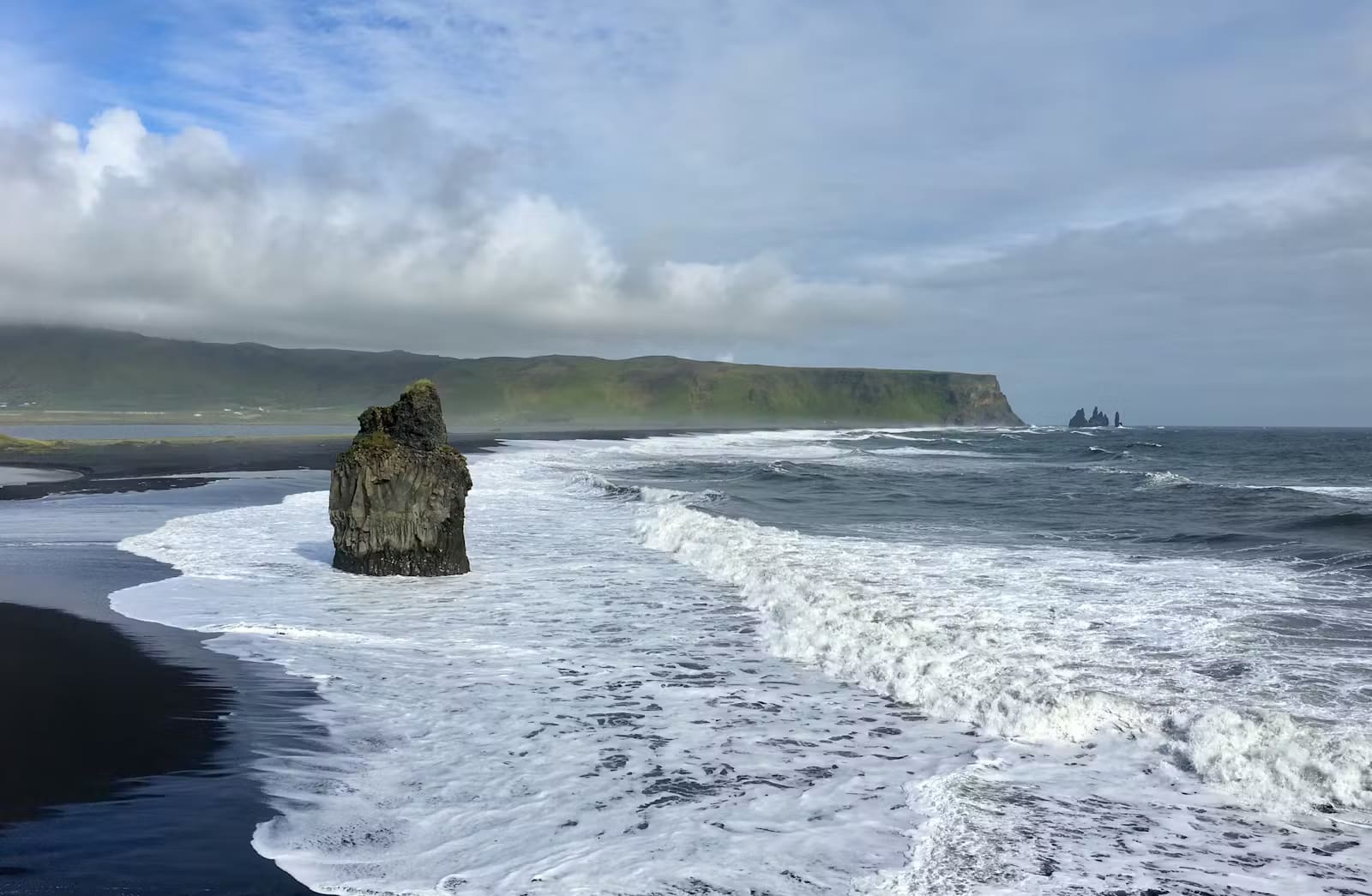
Iceland's Coasts helps travelers understand the island's shoreline as planning context, from black-sand beaches and fjords to harbors, ferries, cliffs, weather exposure, and the specific coastal stops worth choosing.
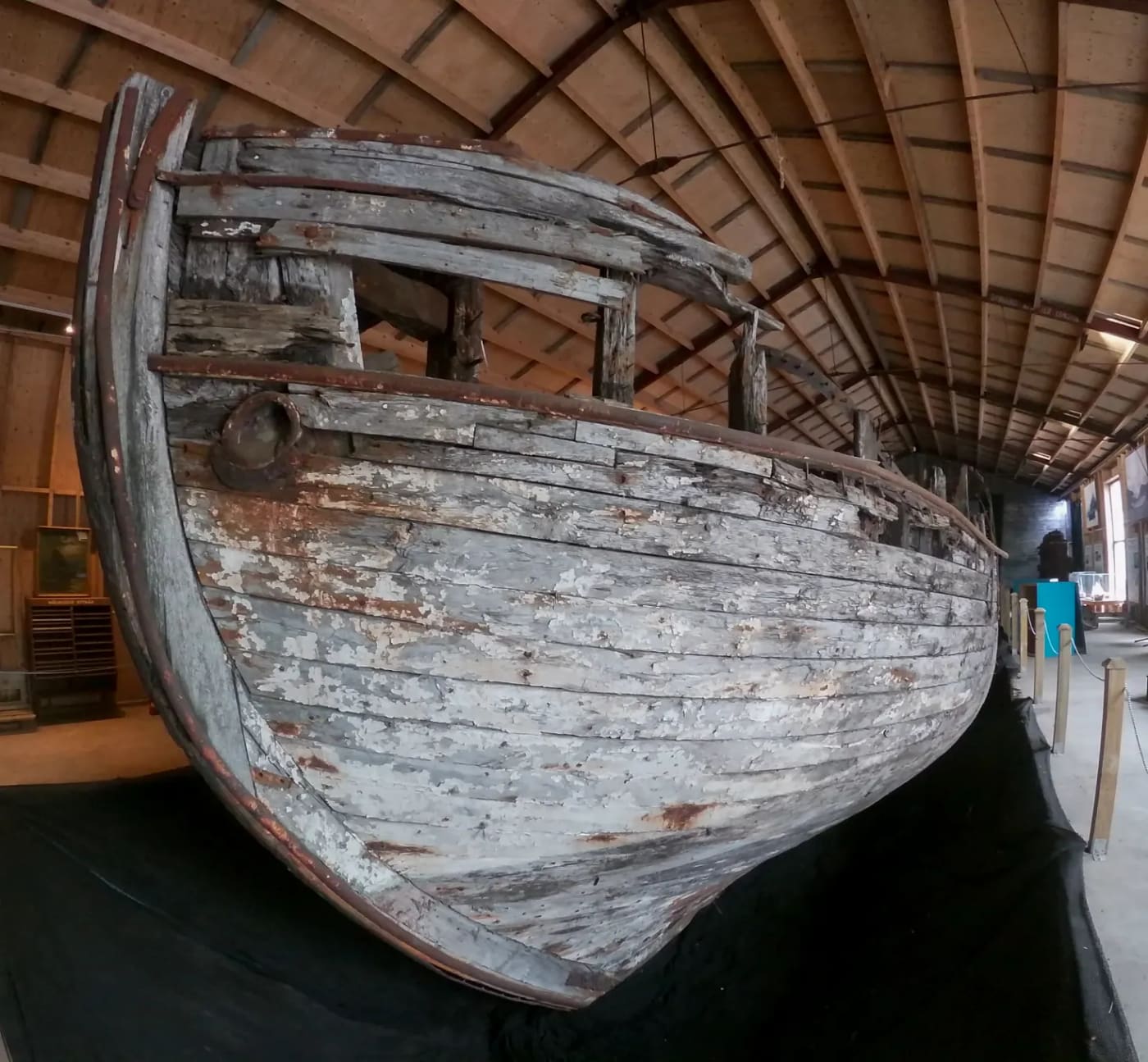
Skaftfellingur Museum helps Vík feel less like a service pause by explaining the harborless South Coast, the restored ship, and why maritime history still matters beside nearby black-sand landmarks.
Routes and itineraries
Compare road trips and itineraries that give this place a sensible position in the wider journey.
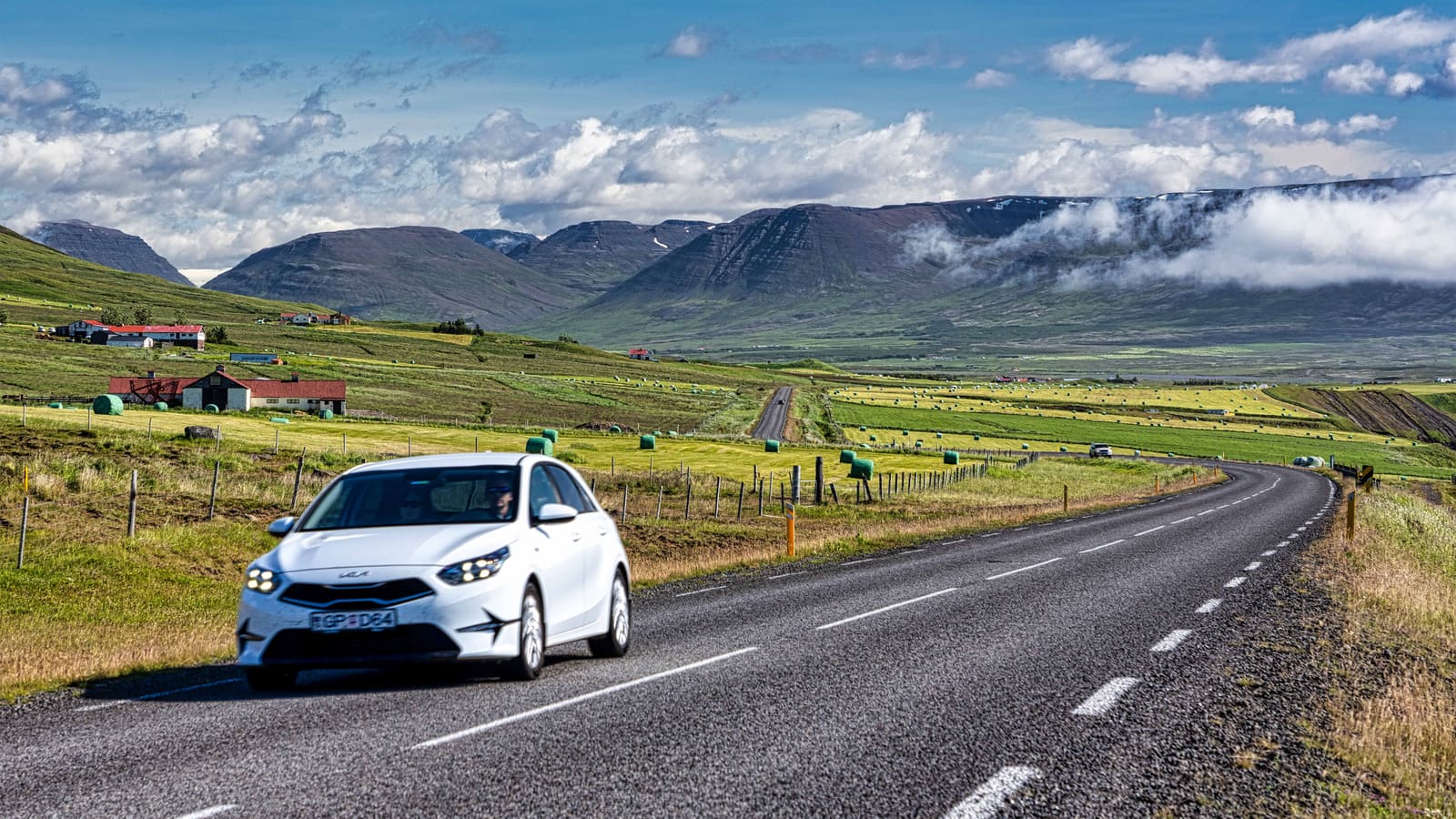
A feasibility-first guide to the full Iceland Ring Road: how many days it needs, where the overnight spine belongs, which transfers create pressure, and what to cut when the loop slips.
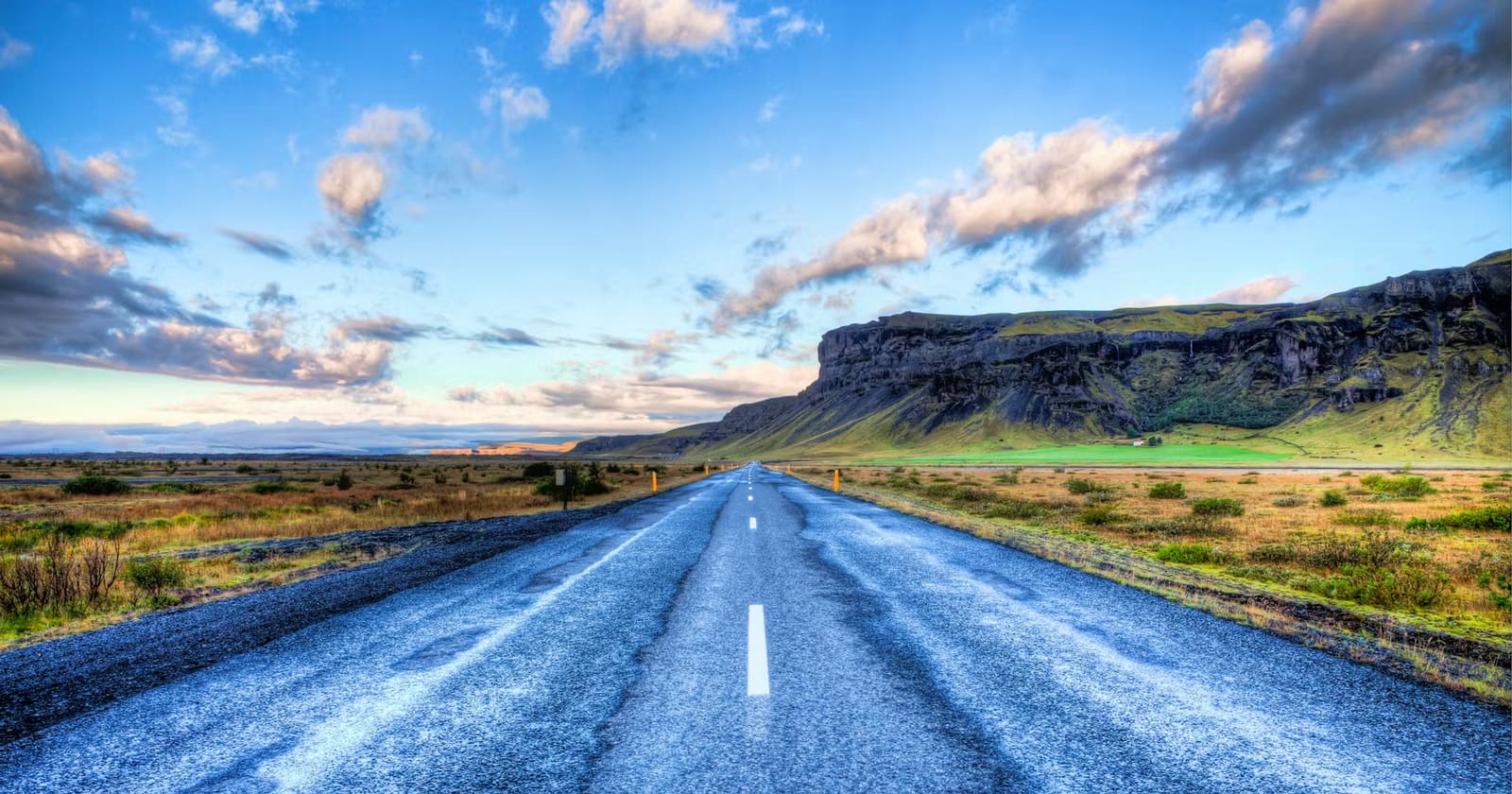
A route-choice guide for deciding whether your Iceland trip should become a full Ring Road loop or a slower South Coast route.
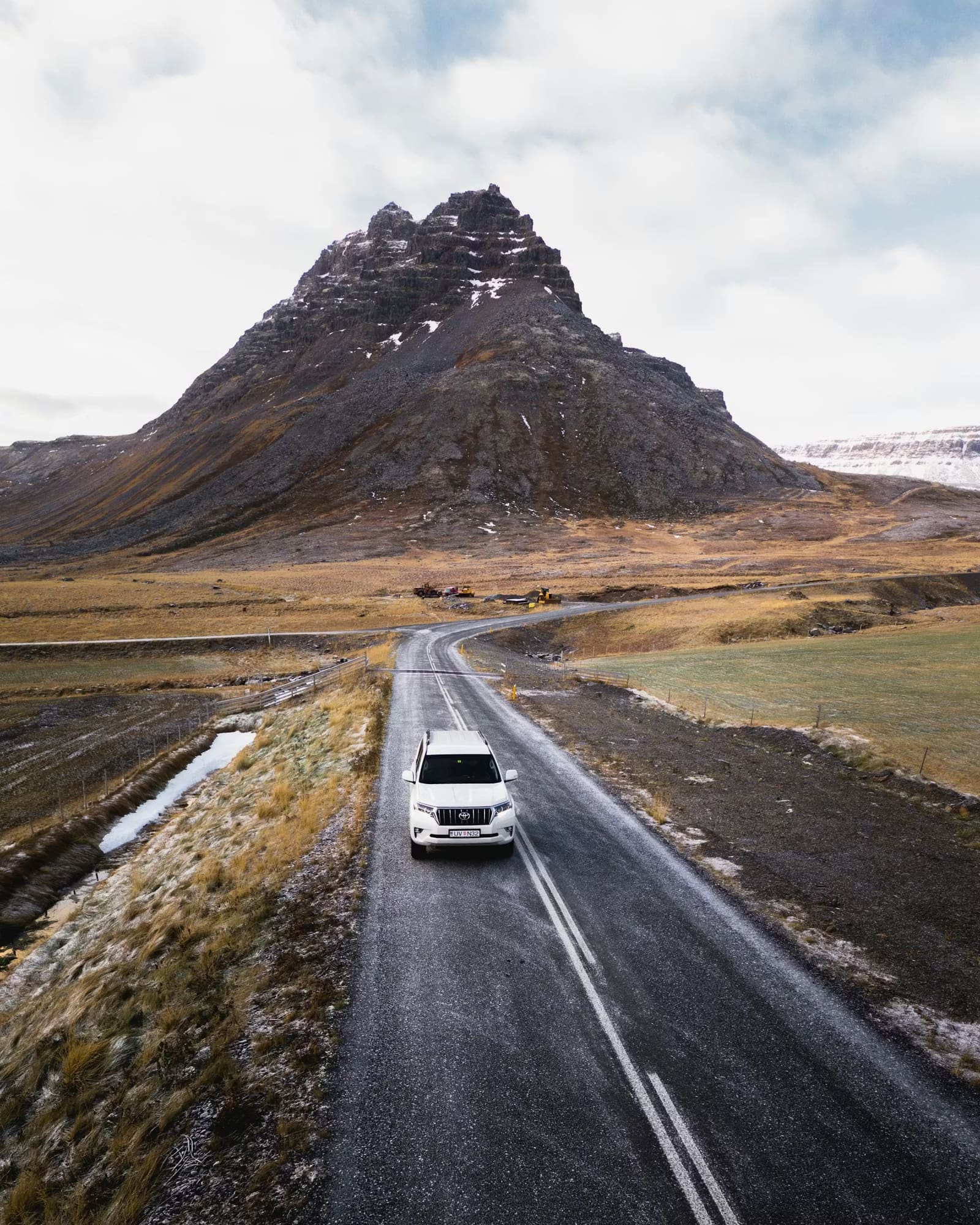
A winter route chooser for travelers deciding whether to self-drive, where to stay, and which Iceland road trip is realistic when conditions change.
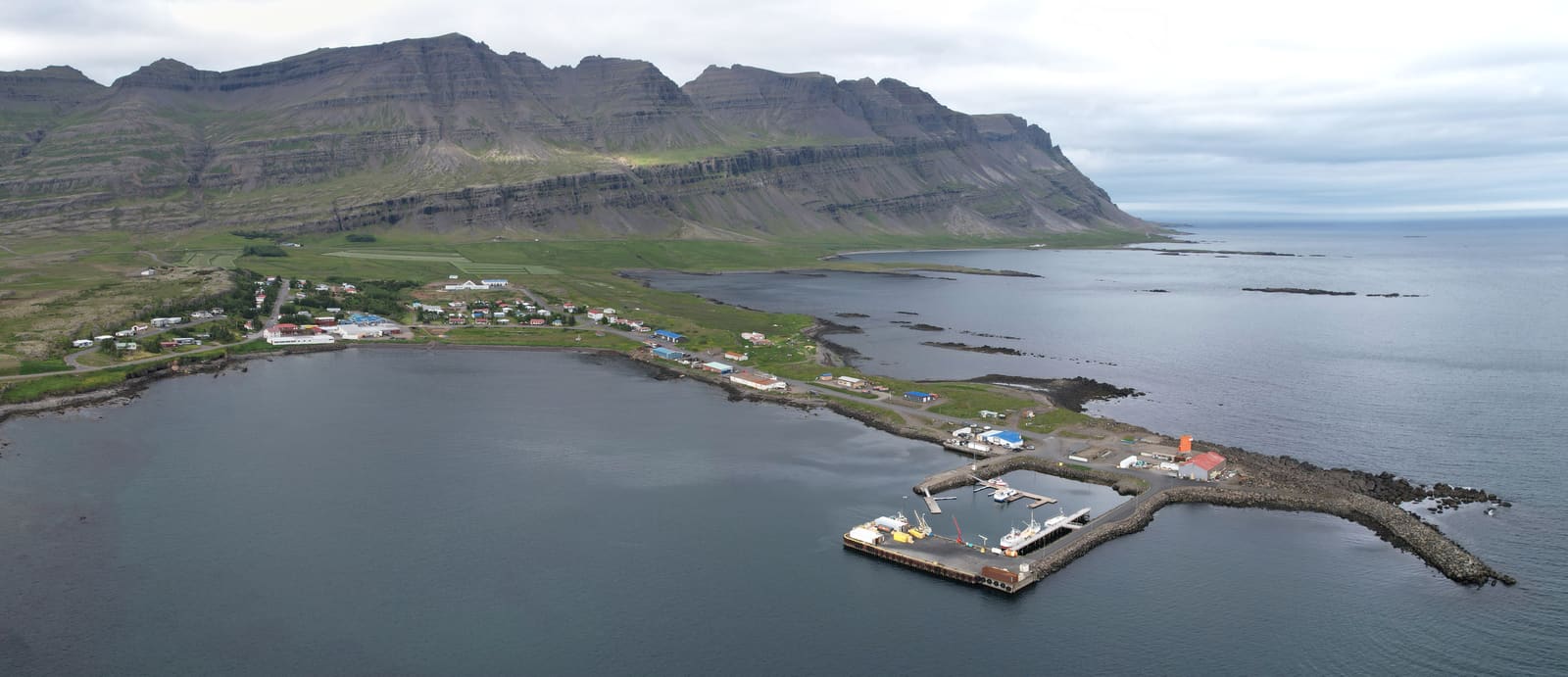
A realistic first Ring Road trip with ten calendar days, nine nights, and a clockwise route through North Iceland, the Eastfjords, glacier-lagoon country, the South Coast, and the Golden Circle—with the flight days kept honest.
Next step
Use the next page that helps turn this stop into a practical route decision.