Culture snapshot
- Type
- Maritime museum and cultural site
- Region
- Vík, on Iceland's South Coast
- Best for
- Local history during a Vík pause
- Time
- About 30 to 60 minutes
- Nearby
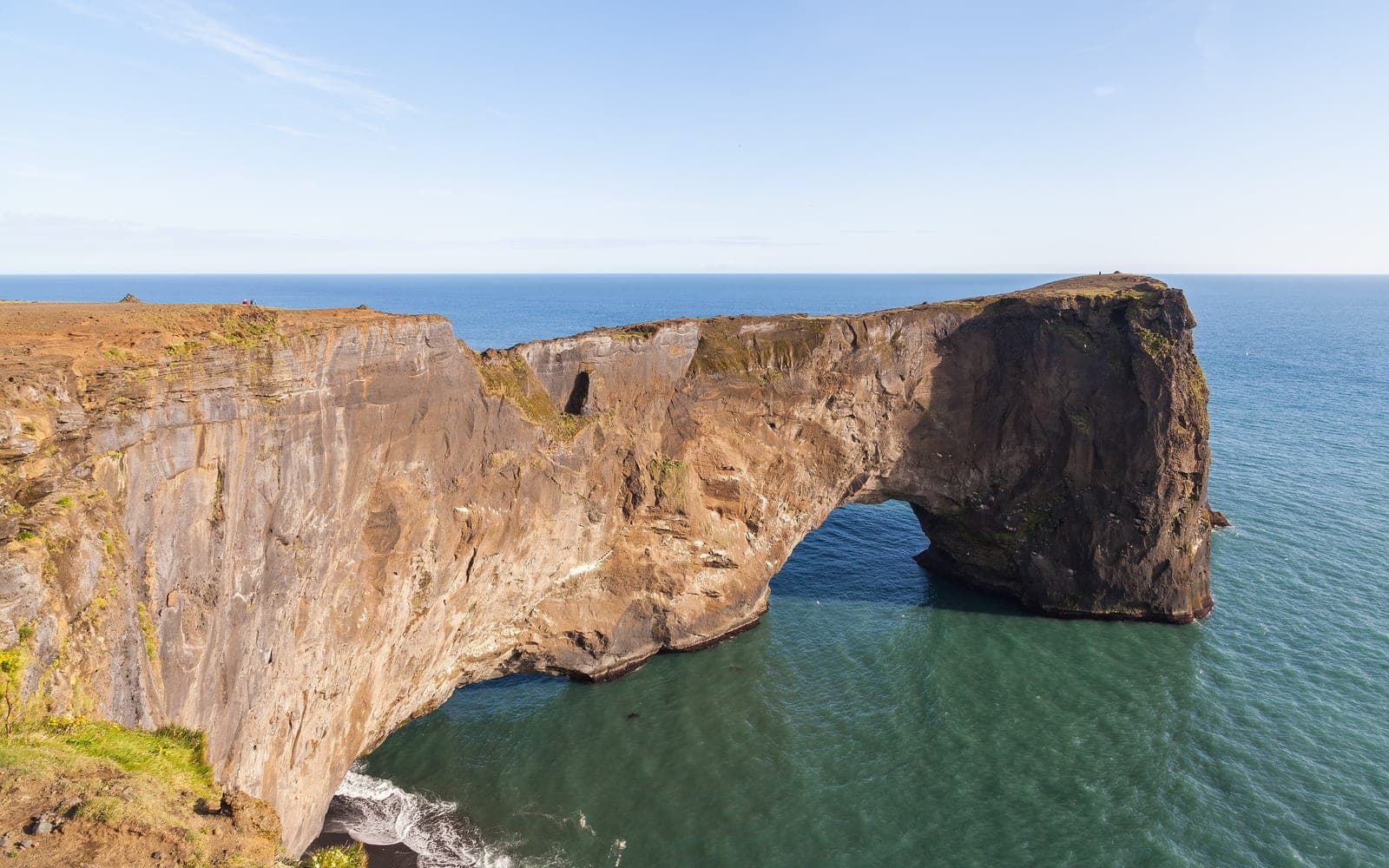
- Vík, Reynisfjara, Dyrhólaey, Reynisdrangar
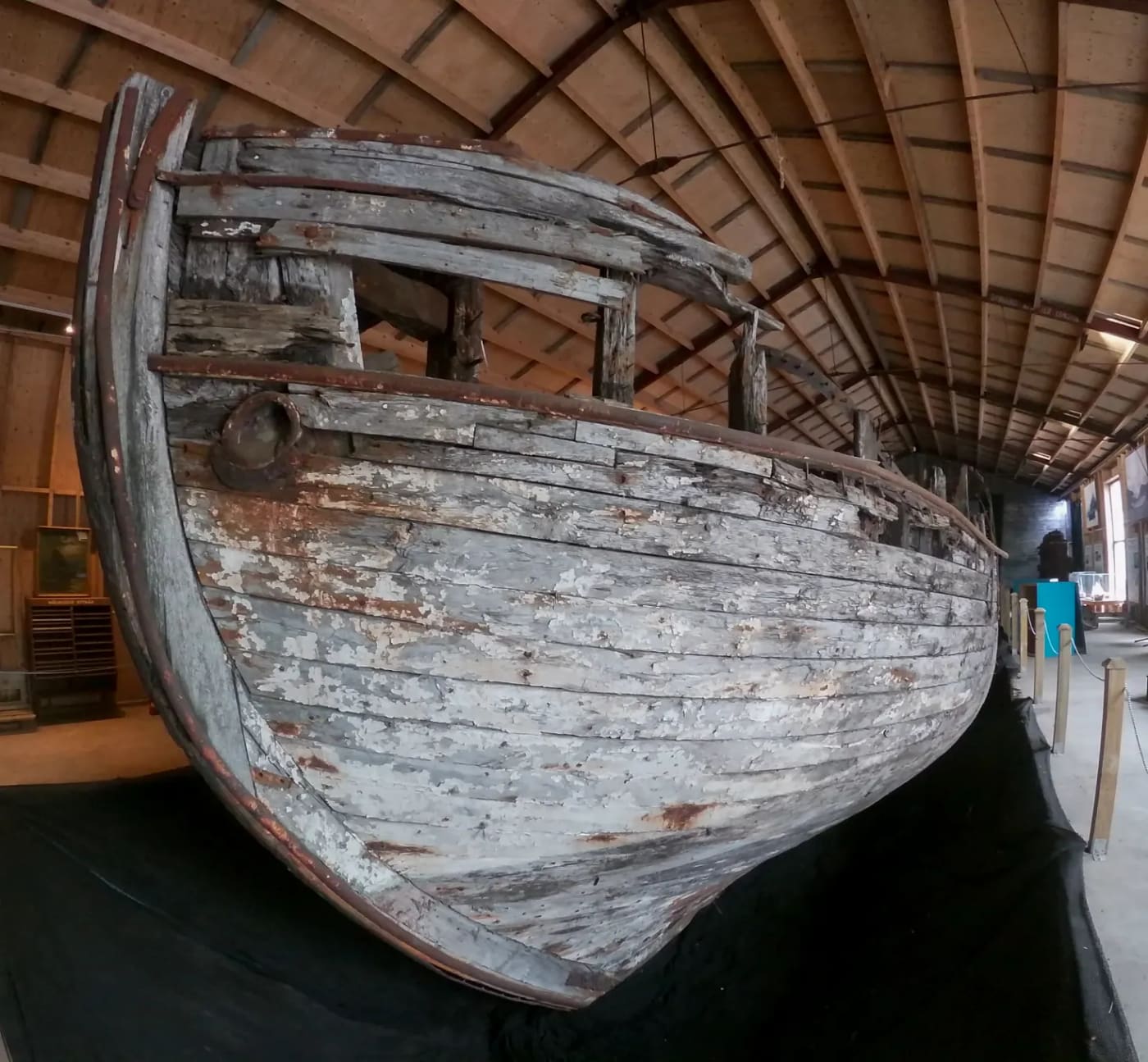
Skaftfellingur Museum helps Vík feel less like a service pause by explaining the harborless South Coast, the restored ship, and why maritime history still matters beside nearby black-sand landmarks.
Culture snapshot
Yes, when Vík is already part of the day and you want the coast to feel lived-in, not just scenic. It is easier to skip when the group only wants one more black-sand viewpoint.
Skaftfellingur Museum, also listed regionally as Hafnleysa Maritime Museum, is a compact maritime stop built around the preserved Skaftfellingur vessel. Its value is not scale; it is the way the ship, equipment, photos, and local story explain a difficult South Coast where people traded and traveled without a safe harbor.
That makes it a better fit for travelers already pausing in Vík than for someone trying to squeeze one more headline sight into a fast drive. If the choice is only this museum or Reynisfjara, most first-time scenery-focused visitors should choose the beach and keep the museum for a slower Vík stop.
Photo guide
The museum works best when the ship details make Vík's coast feel more human and specific.
The ship is the reason to enter. It turns the rough shoreline around Vík into a story about trade, danger, rescue, and practical survival.
Visit South Iceland describes Skaftfellingur as a vessel that moved people and goods along the coast from 1918 to 1939, later served in the Atlantic during World War II, and became known for helping rescue a crew from a sinking German submarine in 1942. The museum should not be treated as a full maritime-history day, but the vessel gives a clear, durable focus.
The exhibit details matter because the South Coast can otherwise feel like a run of dramatic outdoor labels. Old gear, ship parts, and historical images make the coast's working past visible without asking you to leave Vík for a long detour.
The most useful context is that Vík has maritime history without the easy harbor identity many coastal villages rely on.
Regional tourism sources explain that Vík's shallow, exposed shore made landing difficult, and that shipwrecks were part of the South Coast story. That is why a preserved vessel in town is more than a curiosity: it helps explain how people moved supplies, fish, and stories along a coast that did not make sea access simple.
This is also where the museum pairs naturally with the Katla Visitor Centre and the wider Vík culture walk idea. Together they give the village a geology-and-human-history layer before you return to Dyrhólaey, Reynisdrangar, or the road east.
Use the museum as a Vík-side context stop, then keep the outdoor plan selective.
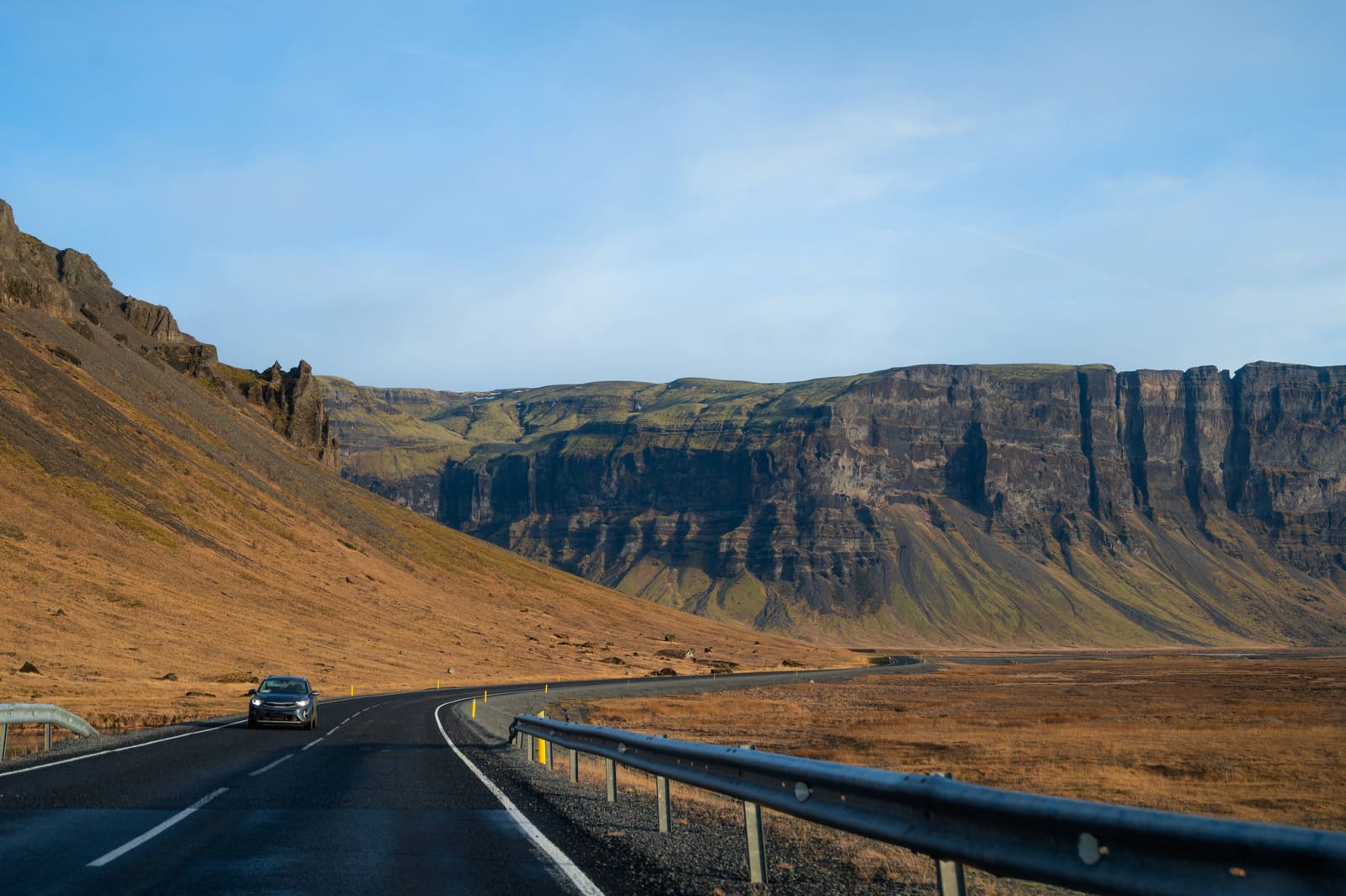
A balanced short plan is Vík, the museum, and one major coast stop. Reynisfjara gives the strongest beach-level drama, while Dyrhólaey gives the higher coast view. Adding both can work, but only if daylight, weather, and road timing leave enough margin.
If you are already sleeping in Vík, the museum can be the lower-pressure part of the day: a short indoor stop before a beach-safety-aware coast visit or after weather changes the outdoor order. If you are only passing through, keep it brief and avoid turning a simple pause into a crowded checklist.
| Trip shape | Museum fit | Better alternative |
|---|---|---|
| Overnight in Vík | Strong as a short local-history layer | None; use it if the story interests you |
| Fast South Coast day | Optional and easy to skip | Reynisfjara or Dyrhólaey |
| Weather-shifted plan | Useful if outdoor timing gets compressed | A shorter village walk if visitor details do not fit |
The decision is simple, but the details should not be guessed from old listings.
Use official or regional visitor information before relying on opening, admission, event, accessibility, or family-activity details. The safest public plan is to treat Skaftfellingur as a flexible Vík option, not as the fixed anchor of a South Coast day.
Also check weather and road conditions when the museum is part of a longer South Coast drive. The indoor stop may be easy, but nearby coast choices and eastbound timing are still exposed to wind, visibility, daylight, and beach-safety decisions.
Use for museum identity, visitor contact, and official detail checks.
Use for Vík visitor context and nearby cultural interpretation.
Use before building the stop into a longer South Coast drive.
Use before exposed coast stops around Vík.
By ThorPublished Updated
Map
Use nearby places and useful bases before opening directions.
Interactive planning map for Skaftfellingur Museum
Interactive map
Place context and external map links remain available without loading it.
Planning context
Open the region or practical guide that resolves the next planning decision.
Next step
Use the next page that helps turn this stop into a practical route decision.