Torfajökull is a remote volcanic and geothermal area in the South Iceland Highlands, worth planning when you want vivid rhyolite scenery, rough-road adventure, and enough flexibility for weather, access, and nearby Fjallabak stops.
Access reality
Type
Remote volcanic area, glacier, geothermal landscape, and rhyolite mountains
Region
South Iceland Highlands, north of Mýrdalsjökull and around the Fjallabak area
Route context
A deliberate Highlands detour, usually planned around F-road access and Landmannalaugar-area stops
Time to allow
Plan a half day to full day once driving, walking, weather, and nearby stops are included
Best experience
Clear summer conditions, open mountain-road access, and enough time to slow down
In this guide
Torfajökull is worth planning if you want the colorful
Yes, Torfajökull is worth planning if you want the colorful, geothermal, rough-edged side of the South Iceland Highlands and you can give the day enough flexibility. It is a weak choice for a tight first-trip route focused on easy paved stops.
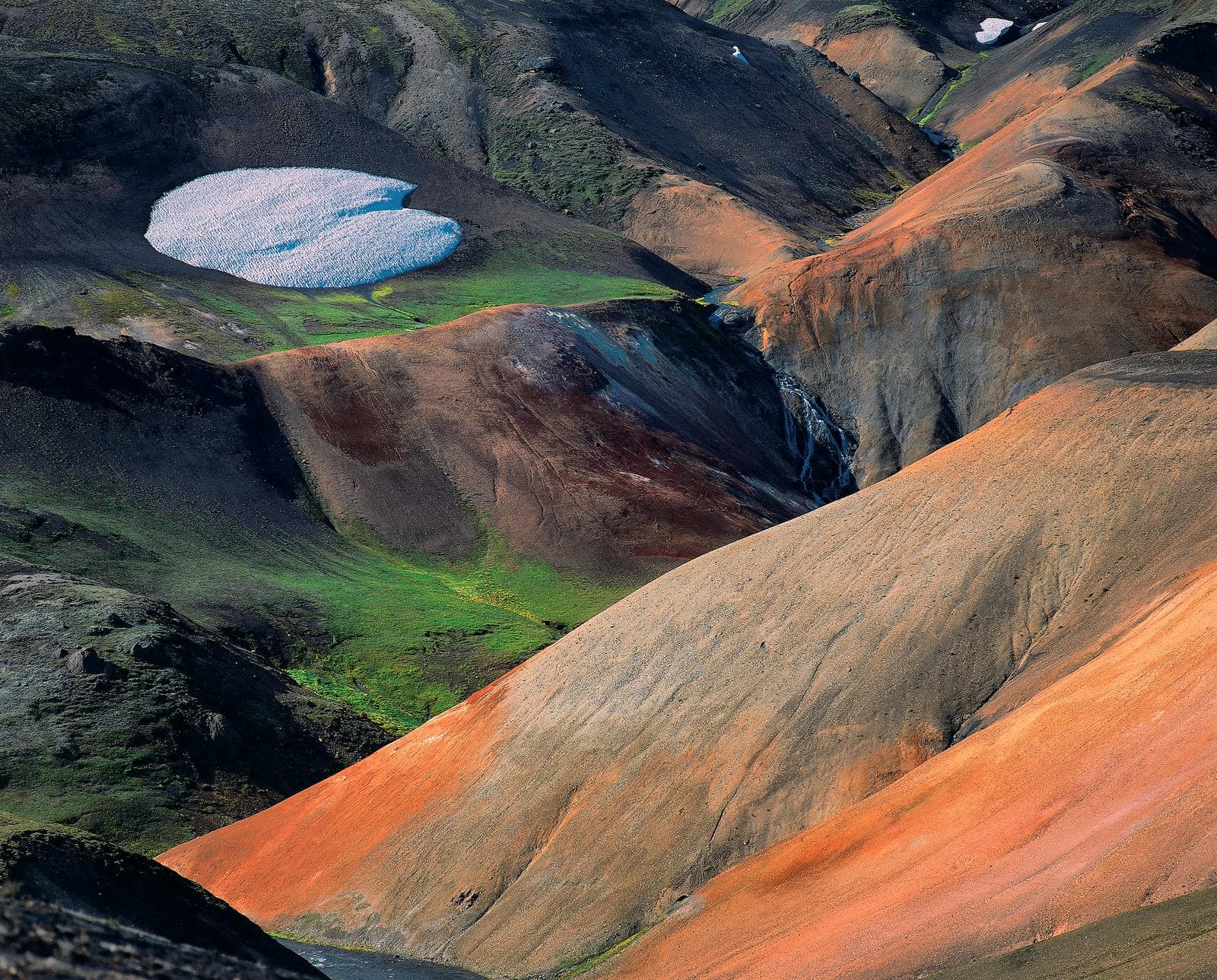
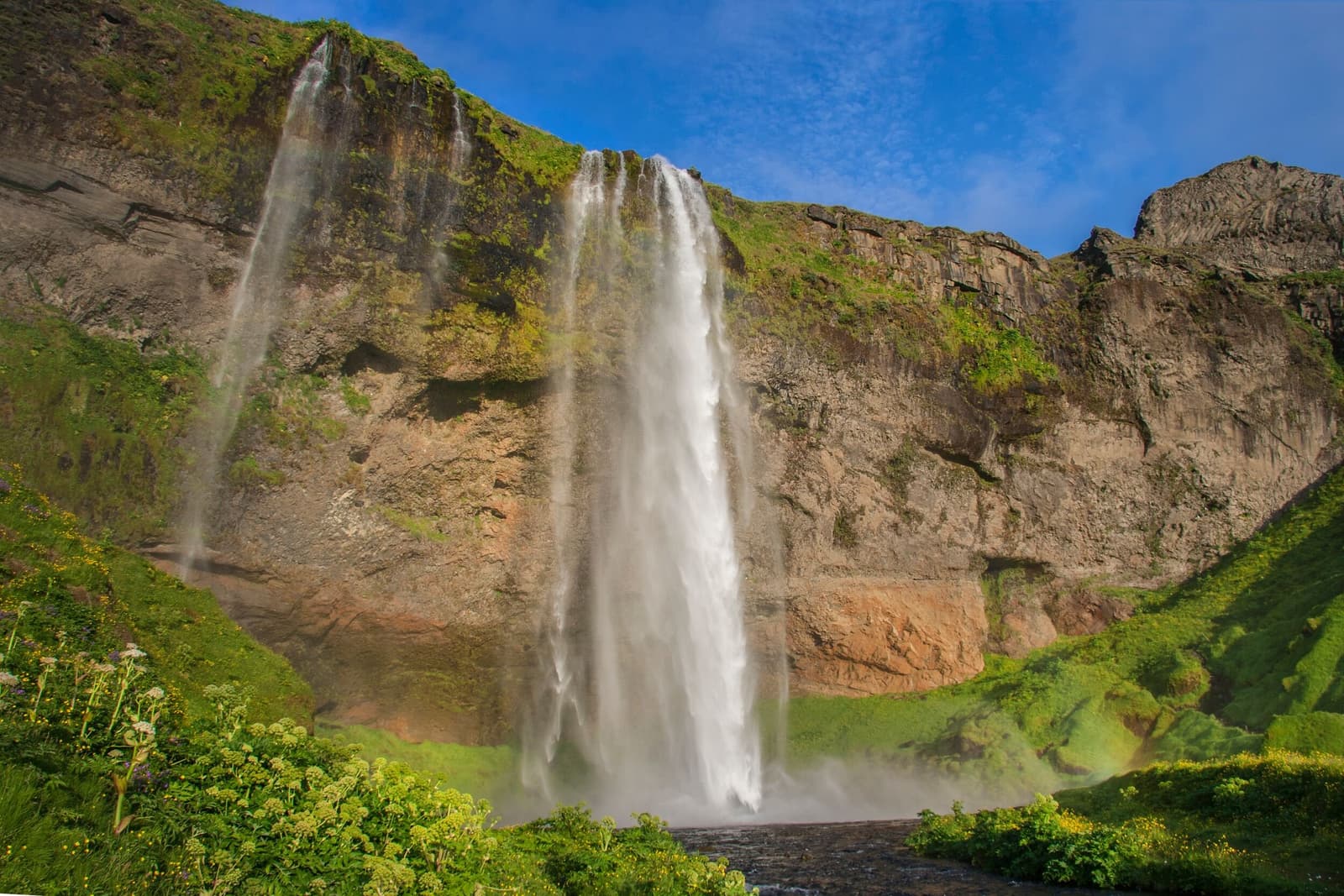
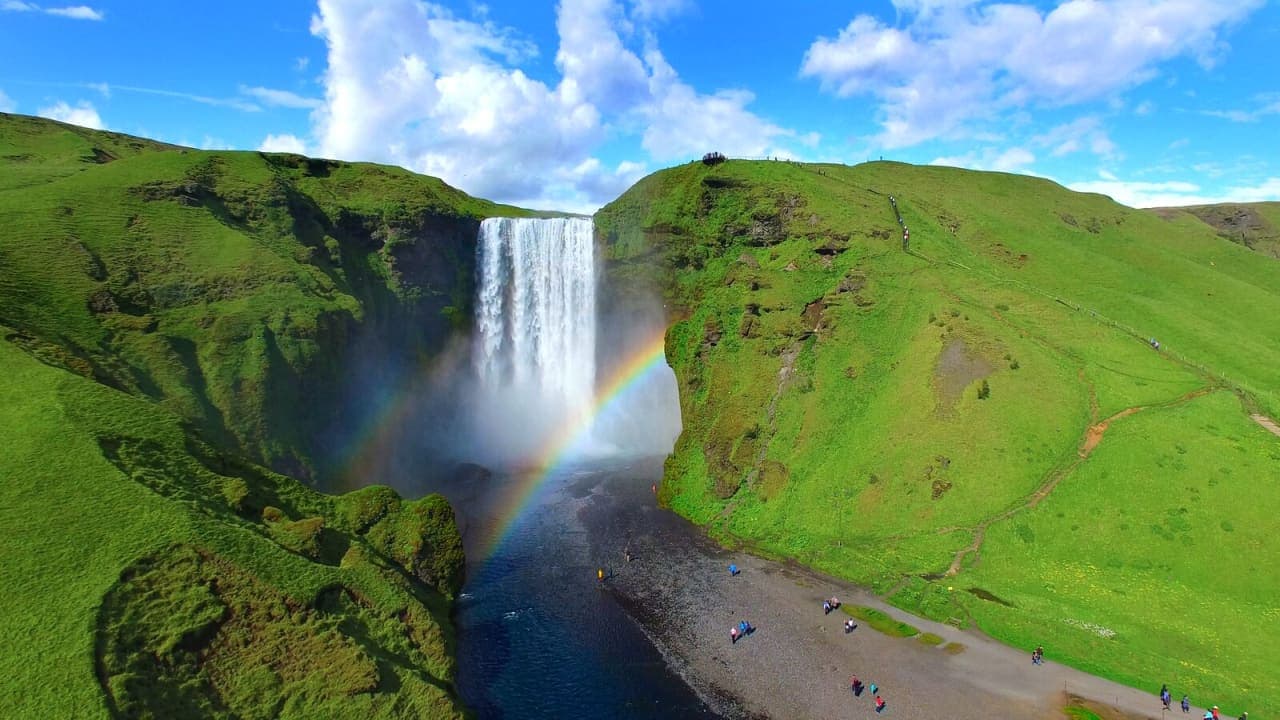
The value is not one single viewpoint. Torfajökull is a volcanic area where snow patches, orange and green rhyolite slopes, black ground, steam, and highland silence combine into a landscape that feels very different from the waterfall rhythm around Skógafoss and the lower South Coast.
Add it when the trip already has room for Fjallabak, Bláhnjúkur, Brennisteinsalda, or Strútslaug. Skip it when you would be borrowing time from safer anchors, because the approach, weather checks, and slow movement are part of the stop.
What does the Torfajökull area look and feel like?
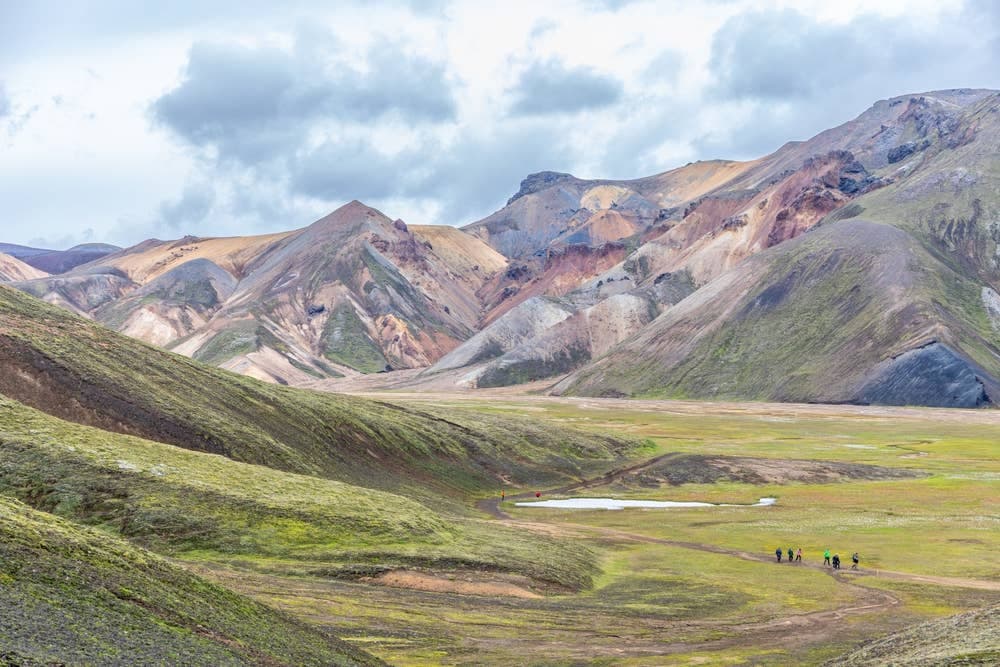
It feels open, mineral, and exposed: a broad volcanic system rather than a neat roadside sight. The most memorable views come from the contrast between pale glacier remnants, colored rhyolite hills, dark gullies, and geothermal ground.
On a clear day the area can look almost painted, with rust, gray, green, black, and snow sharing the same slope. In rough weather the same scene becomes harsher, with fewer visual cues and much less margin for casual exploring.
Snow patches and muted rhyolite slopes make Torfajökull feel more like a volcanic region than a single viewpoint.
Consider this stop for a repeat visitor who has already seen the classic South Coast, wants a stronger Highlands day, and is prepared to cut the plan if the checks are not favorable.
How should you handle access and safety checks?
Access is the main decision. Torfajökull sits in remote Highlands country, so road status, vehicle suitability, river and track conditions, weather, and protected-area rules matter more than normal drive-time estimates.
Use Umferðin for road status, SafeTravel for Highland driving guidance, the Icelandic Met Office for weather and warnings, and Environment Agency guidance for protected-area behavior. Treat those checks as part of the attraction, not as admin after the route is fixed.
Stay on marked roads and paths. The appeal of Torfajökull depends on fragile volcanic slopes, moss, hot ground, and protected wilderness, so shortcuts and off-road movement damage the thing people came to see.
Torfajökull: give it at least a half day when conditions are good
Give it at least a half day when conditions are good, and treat a fuller day as the better plan if you are pairing it with Landmannalaugar-area hiking or geothermal scenery.
Use the available time and conditions to decide how much of the area to attempt.
Plan
Best use
Watch for
Scenic Highlands look
A shorter visit when you already have access into Fjallabak
The drive may feel too costly if you only stop for a few photos
Landmannalaugar-area hiking pair
Bláhnjúkur or Brennisteinsalda when the weather supports walking
Exposed trails and changing visibility can reduce the safe plan
Slow volcanic landscape day
Torfajökull plus Ljotipollur, Dómadalur, or Strútslaug when route planning works
Too many rough-road stops can turn a strong day into a fragile one
The practical rule is simple: if you are counting minutes, Torfajökull is probably the wrong stop. If you can build the day around road checks, weather, slow driving, and one or two nearby goals, it becomes much more rewarding.
Pair Torfajökull with places that share the same Highlands logic instead of dragging it into a normal paved South Coast sequence
Pair Torfajökull with places that share the same Highlands logic instead of dragging it into a normal paved South Coast sequence. The strongest pairings are around Fjallabak and Landmannalaugar.
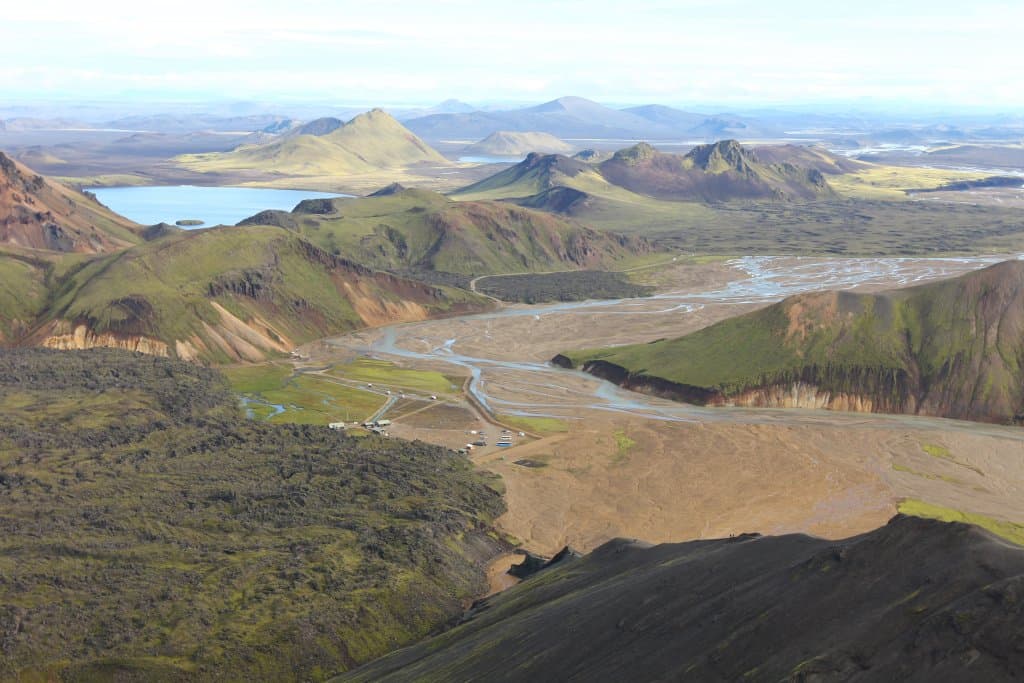
Bláhnjúkur is the sharper hiking contrast, with a clearer summit-style decision. Brennisteinsalda is the colorful geothermal mountain comparison. Ljotipollur and Frostastaðavatn help turn the area into a lake-and-crater day rather than a single volcanic stop.
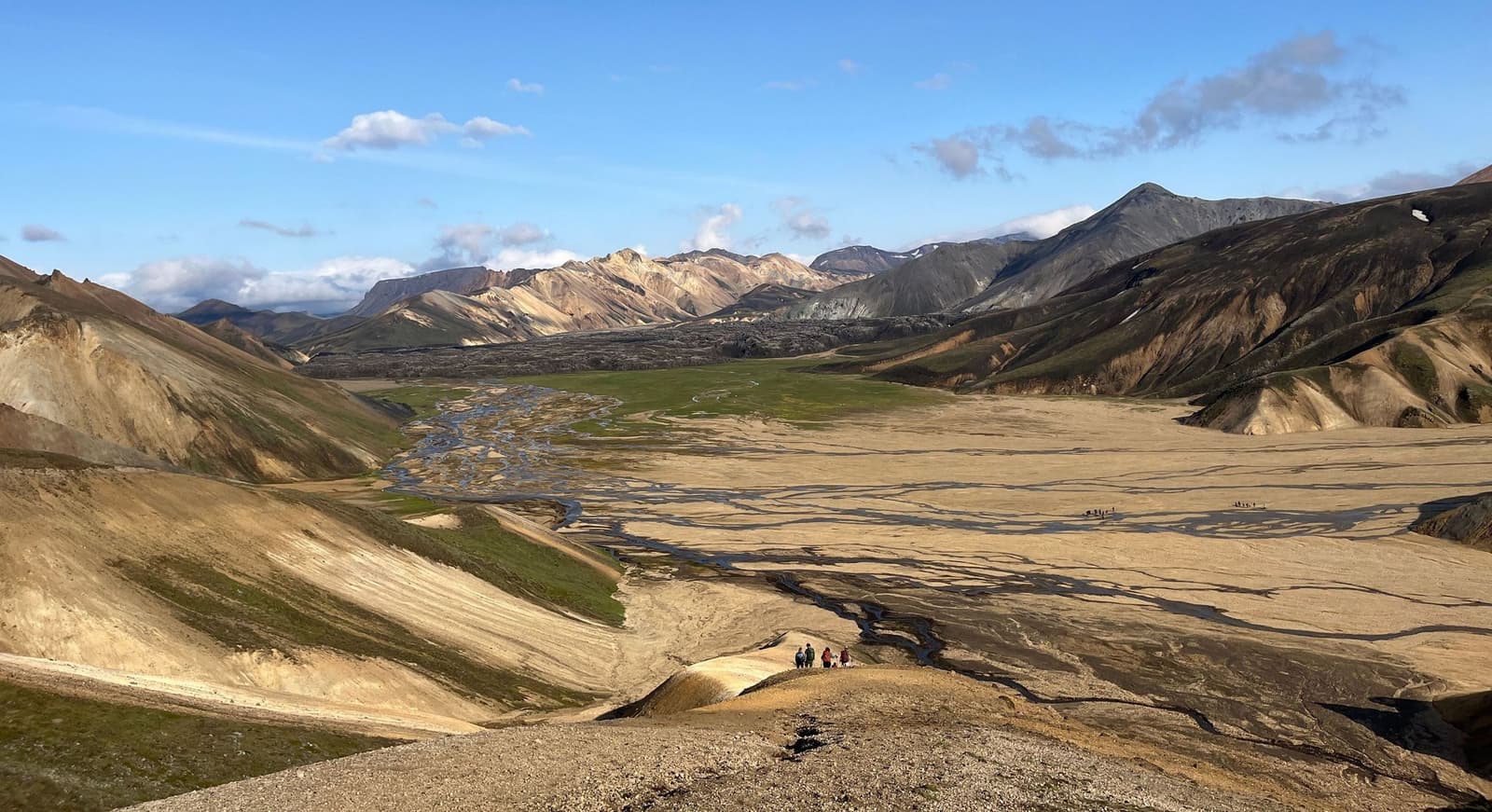
Aerial views show why Torfajökull works best as part of a wider Fjallabak plan.
Strútslaug makes sense only for travelers already comfortable with more remote Highlands planning. Skógafoss and Seljalandsfoss belong to a different kind of day; use them as easier backups or as lower-route anchors, not as proof that Torfajökull is a quick add-on.
Check the official road, weather, safety, and protected-area sources before making Torfajökull a fixed part of the route
Check the official road, weather, safety, and protected-area sources before making Torfajökull a fixed part of the route. The public page should guide the decision, while those sources handle changing details.
Is Torfajökull a good first-time Iceland stop?
Usually no. It is better for repeat visitors or Highlands-focused travelers because access, vehicle choice, weather, and time buffers matter more than they do at paved South Coast attractions.
Can you visit Torfajökull without a Highlands plan?
No, not realistically. Treat it as a remote Highlands area that needs road-status checks, suitable transport, weather awareness, and a clear backup.
Is Torfajökull the same as Landmannalaugar?
No. Torfajökull is the broader volcanic and geothermal area, while Landmannalaugar is one of the best-known visitor bases and hiking areas on its northern side.
What is the main reason to go?
Go for the combination of rhyolite color, geothermal terrain, glacier remnants, and remote volcanic scale, especially when you can pair it with nearby Fjallabak stops.