Is Þjórsá worth planning around?

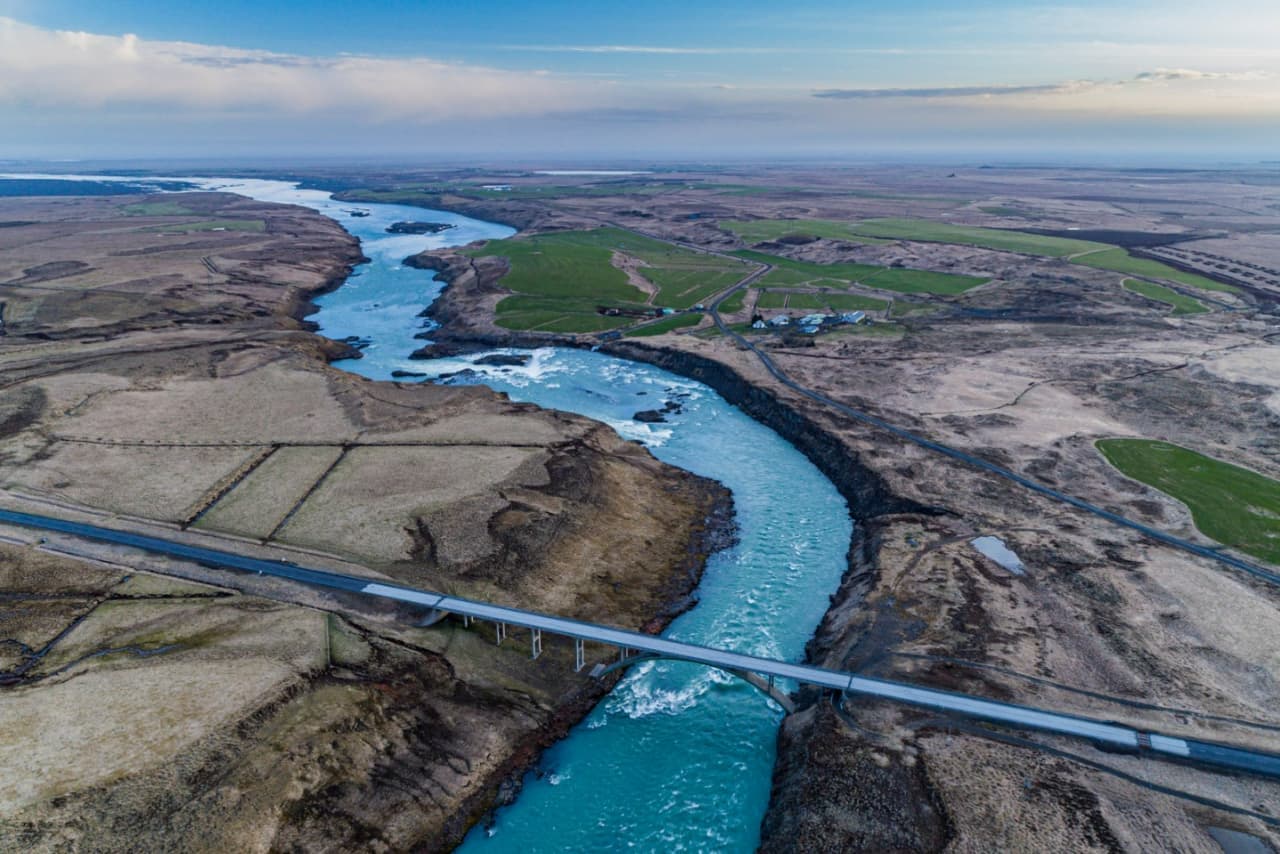
Yes, but only if you plan it as a river corridor with chosen stops. Þjórsá is not one neat roadside attraction where every traveler should pull in.

The value is scale and context. Þjórsá links highland water, lava country, hydropower landscapes, lower-river waterfalls, and the quieter edge of South Iceland. That can make a route feel more grounded, but it can also become vague if you do not choose a specific place to see it.

A local Iceland travel editor would add Þjórsá when a self-drive day already points toward Þjórsárdalur, Hjálparfoss, Háifoss, or a lower-river waterfall. They would skip it when the day still needs Gullfoss, Geysir, Kerið, and a clean return drive.

Worth the stop?

When this stop makes sense

Good match for

  • self-drive travelers choosing a concrete South Iceland river stop
  • travelers adding a quieter inland layer after the main Golden Circle sights
  • photographers comparing Urriðafoss, Þjófafoss, and Þjórsárdalur-style scenery
  • route planners who want context for waterfalls, lava fields, and Hekla views

Think twice if

  • travelers expecting one signed visitor site called Þjórsá
  • short first-trip days already full with every Golden Circle stop

Pair it with

South IcelandÞjórsárdalurHjálparfossHáifoss

Which Þjórsá stop should you choose?

Start with the stop that fits your day. Þjórsá becomes useful when it helps you choose between a quick lower-river view and a slower inland South Iceland plan.

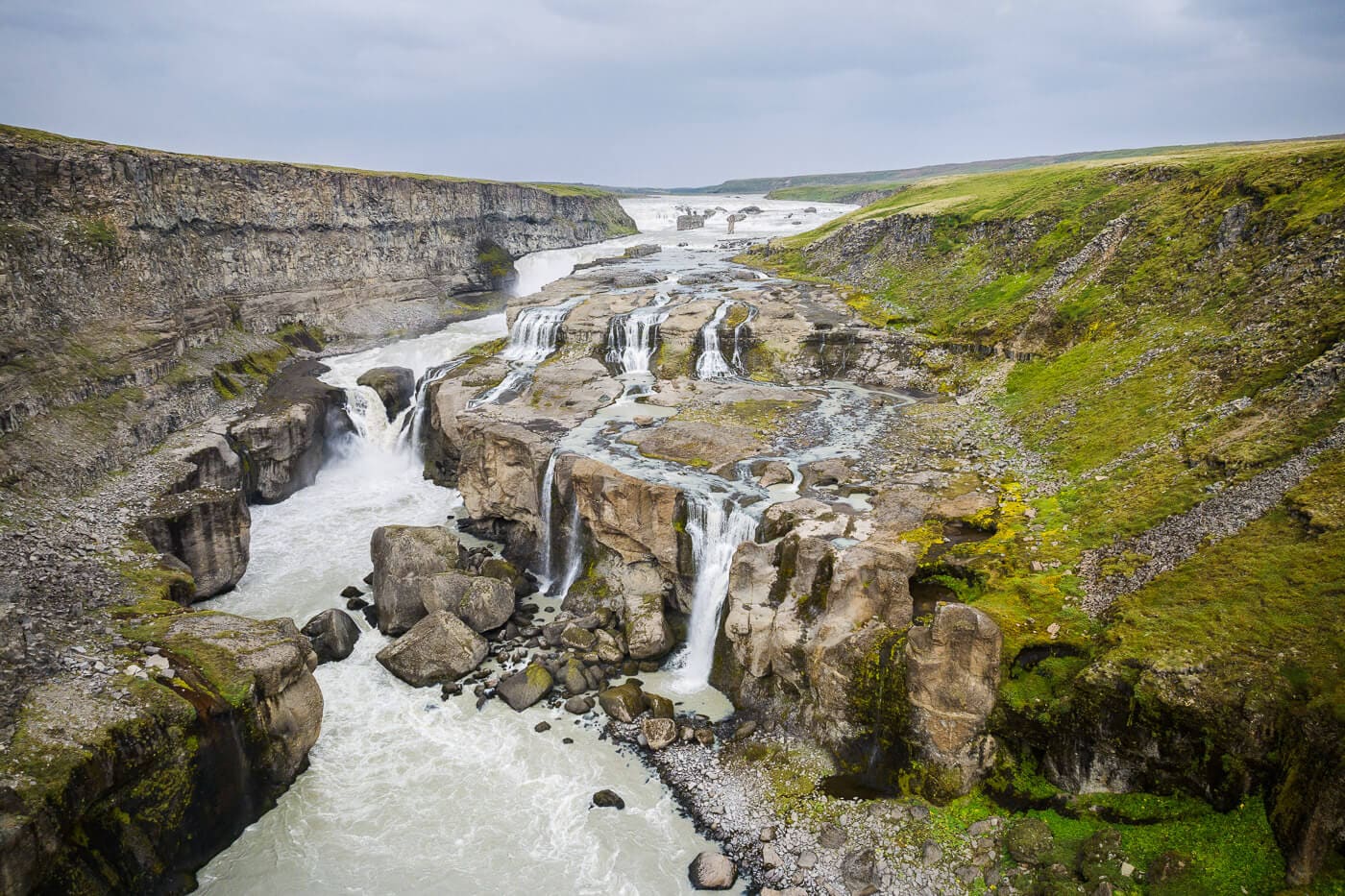
Urriðafoss is the clearest lower-river choice when you want Þjórsá to be a compact waterfall stop.

For a compact river-waterfall pause, look at Urriðafoss or Þjófafoss. For a slower valley day, compare the broader Þjórsárdalur area and then decide whether Hjálparfoss, Háifoss, or cultural stops near Stöng make the day stronger.

Choosing a Þjórsá-area stop
Stop choiceBest fitMain tradeoff
UrriðafossA compact lower-river waterfall pause near the south lowlandsGood for a short stop, weaker as a full destination
ÞjófafossA more remote-feeling river waterfall with Búrfell and lava-field contextFlow, road choice, and weather can change the payoff
HjálparfossA calmer basalt-and-pool waterfall in the Þjórsárdalur areaWorks best when the route already bends inland
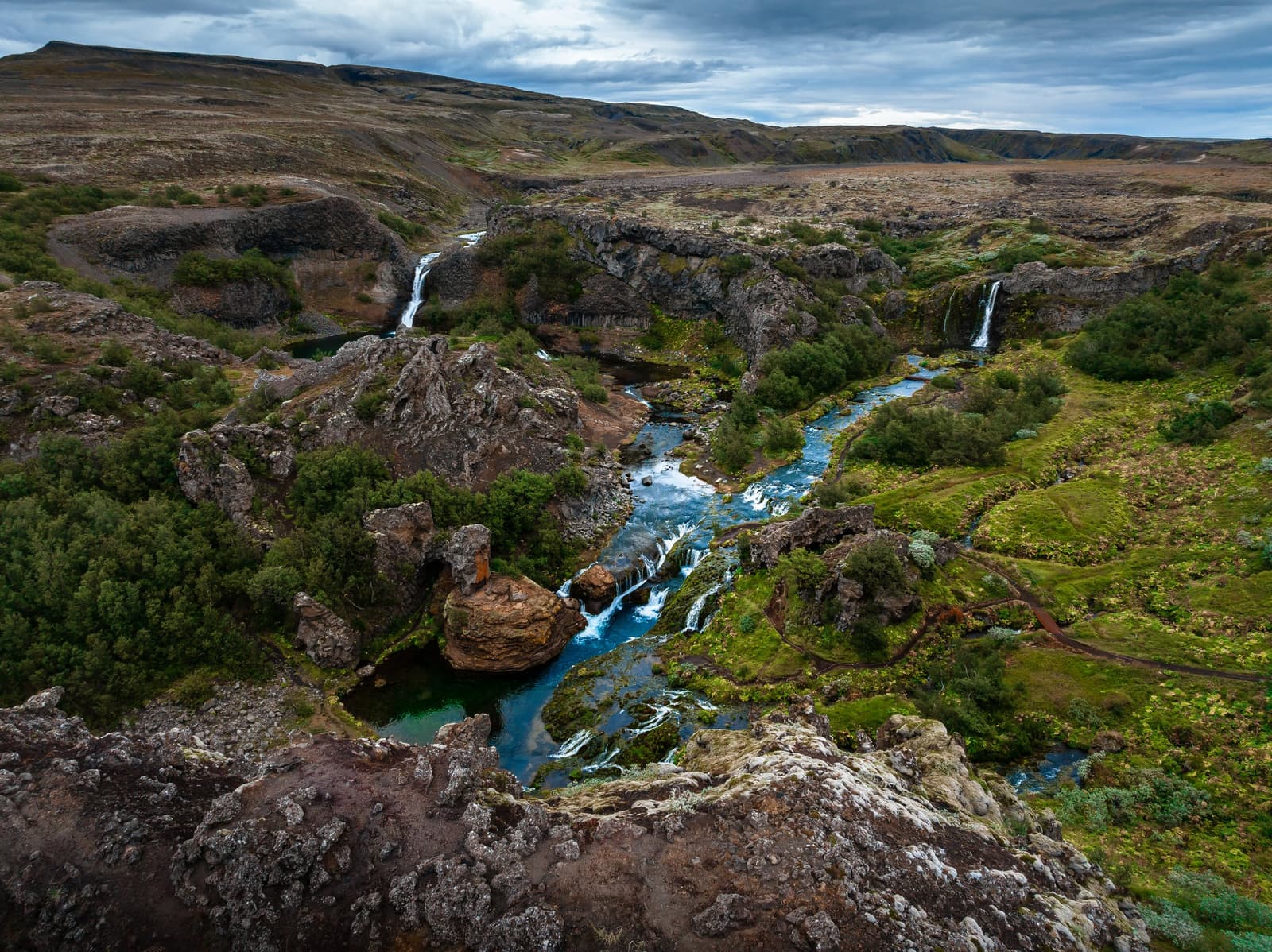
ÞjórsárdalurA slower valley cluster with waterfalls, Gjáin-style scenery, and historyNeeds more time than a single river viewpoint
Þjófafoss gives the river a wilder lava-and-water character than a simple roadside view.

How much time does a river stop need?

Plan a flexible range. A single Þjórsá viewpoint can be brief, but the river gets more useful when it anchors a reduced, more deliberate South Iceland day.

Allow 20-45 minutes when the stop is only a lower-river viewpoint or waterfall pause. Build in more time if you are using tracks, comparing sides of a waterfall, waiting for weather to clear, or adding photography stops.

For a half-day rhythm, pair the river with Þjórsárdalur or a small set of inland stops. That works better than adding Þjórsá on top of a full South Coast road trip or a tight 5-day Iceland itinerary pace.

  • Quick version: one lower-river stop, then keep the rest of the day simple.
  • Balanced version: choose Þjófafoss or Hjálparfoss and one nearby context stop.
  • Slow version: make Þjórsárdalur the main inland plan and let the river explain the landscape around it.

What changes the visit along Þjórsá?

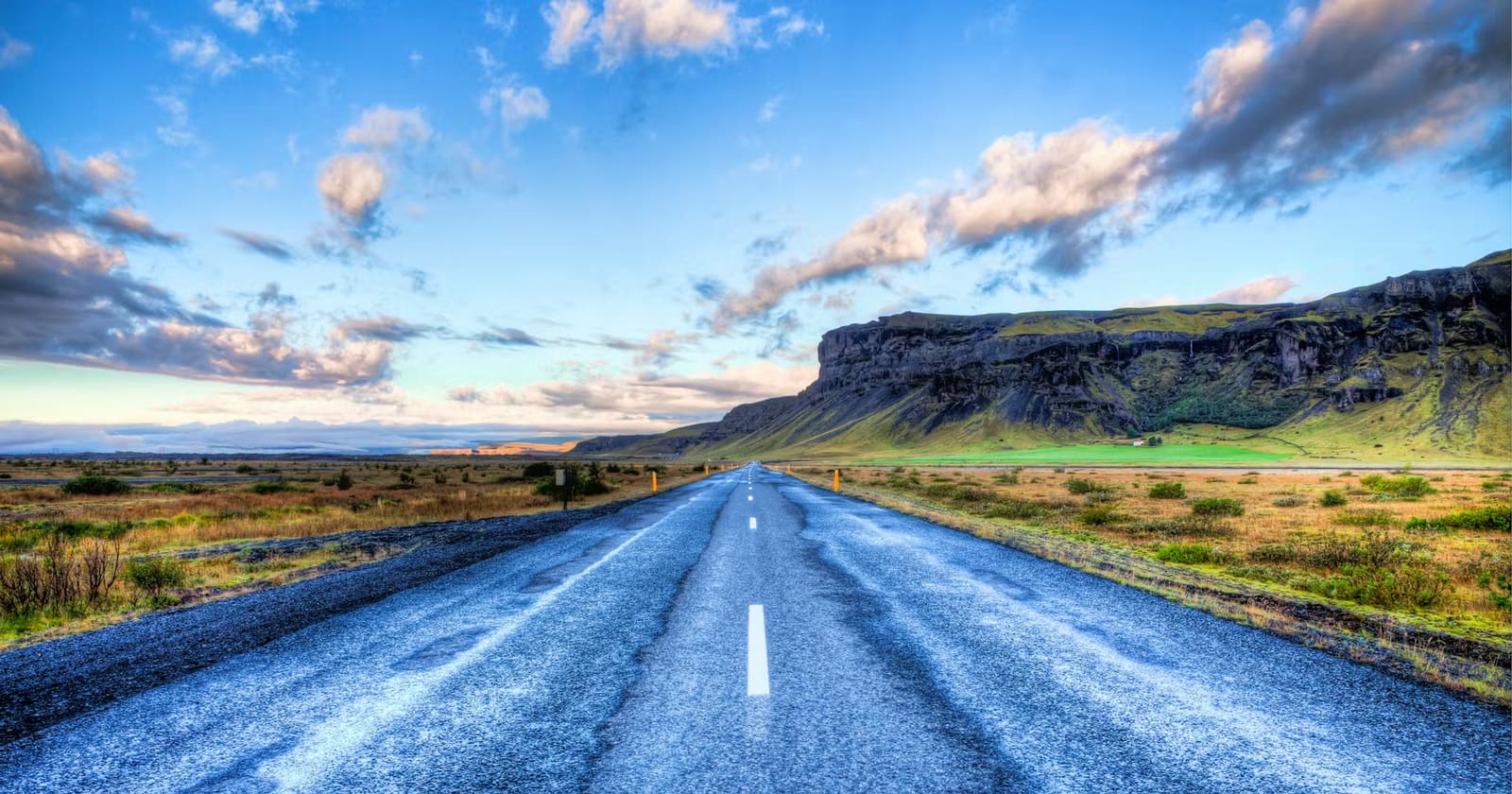
Road choice, wind, ice, river flow, wet ground, daylight, and waterfall-edge judgement can all change whether a Þjórsá stop is a good idea.

The same river stop can feel very different when snow, wind, or river conditions change the day.

The important check is not whether the river exists on the map. It is whether the exact stop, road, track, riverbank, and onward route still make sense for your vehicle, footwear, daylight, and weather window.

If winter driving guidance points toward a simpler route, let Þjórsá become background scenery instead of a fixed detour. The river adds value only when the practical checks still support the day.

How does Þjórsá pair with South Iceland routes?

Þjórsá pairs best with a reduced Golden Circle extension or a slower inland South Iceland day. It is less useful when it competes with every famous stop at once.

From the Golden Circle side, the river makes the most sense after you have decided how much space remains after Gullfoss, Geysir, and Kerið. If those stops already fill the day, keep Þjórsá optional.

From the South Iceland side, Þjórsá can add inland texture before or after Hekla views, Þjórsárdalur, and waterfall stops. Use the South Iceland region guide to decide whether this belongs in the main route or a quieter side day.

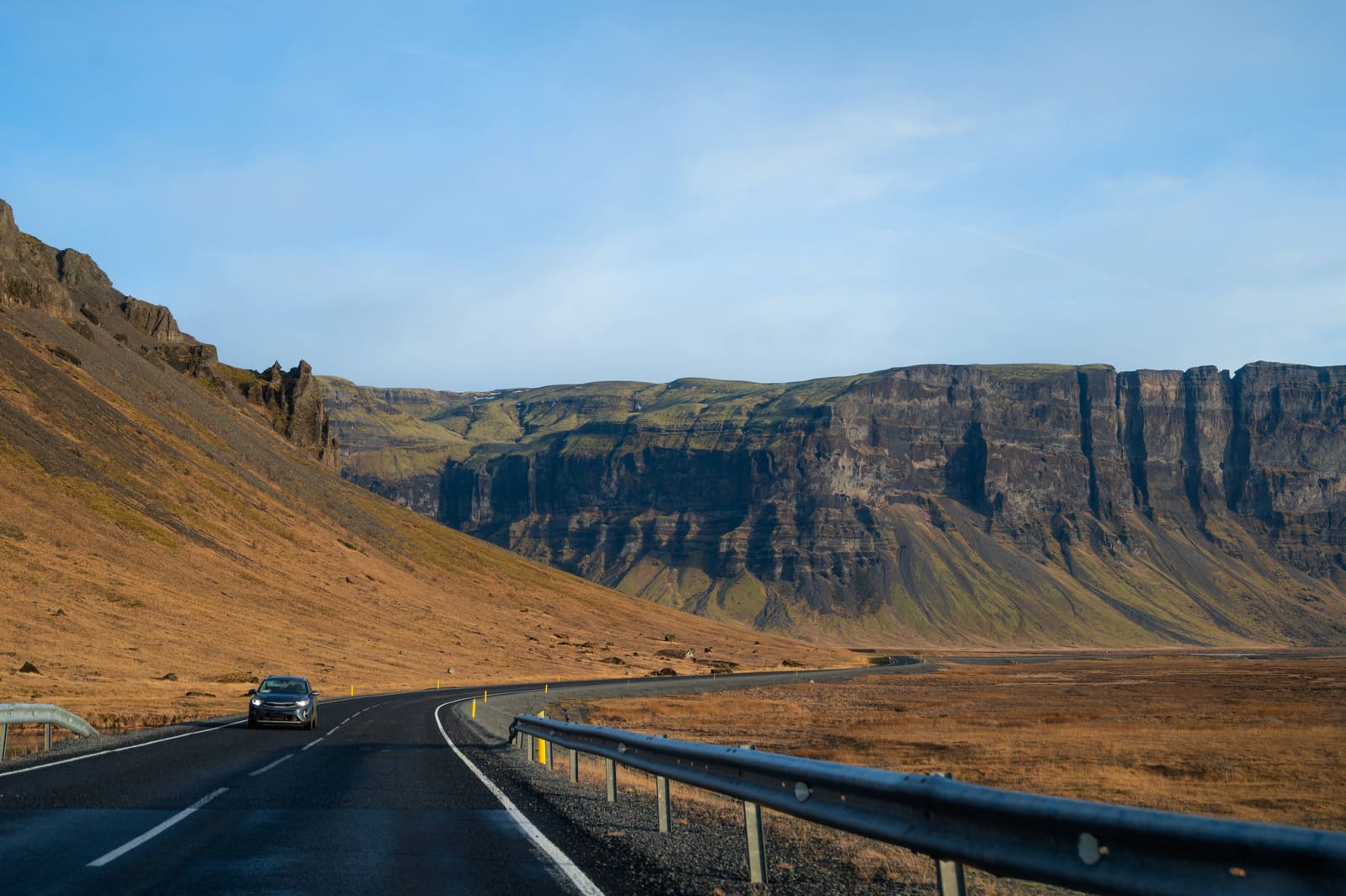
Hekla views and lava fields are part of why Þjórsá works better as route context than as a single isolated pin.

The cleanest plan is usually a small cluster: one river scene, one valley or waterfall stop, and enough margin to leave something out. That keeps Þjórsá useful instead of turning it into another loose name on the map.

Common questions about Þjórsá

These questions matter because Þjórsá is a broad river, not a conventional attraction with one entrance.

Is Þjórsá one attraction or a river corridor?

Þjórsá is best planned as a river corridor. Choose a specific stop such as Urriðafoss, Þjófafoss, Hjálparfoss, or Þjórsárdalur before adding it to the day.

Which Þjórsá stop is best for a short visit?

Urriðafoss or Þjófafoss usually make more sense for a short river-focused visit. Þjórsárdalur is better when you can slow the route down.

Is Þjórsá a good family stop?

Only if the exact stop, weather, paths, and riverbank conditions suit your group. Verify visitor details and keep children well away from fast water and waterfall edges.

Can I rely on facilities along Þjórsá?

No. Treat facilities as stop-specific and verify current visitor details with official or operator information before relying on them.

Official references for Þjórsá planning

Use these sources for factual context and live-condition decisions before making a river stop fixed in the route.

Useful official checks