Coast snapshot
- Type
- Protected wetland
- Region
- Near Dalvík
- Route fit
- Dalvík add-on
- Best for
- Slow birdwatching
- Check first
- Paths, birds, weather
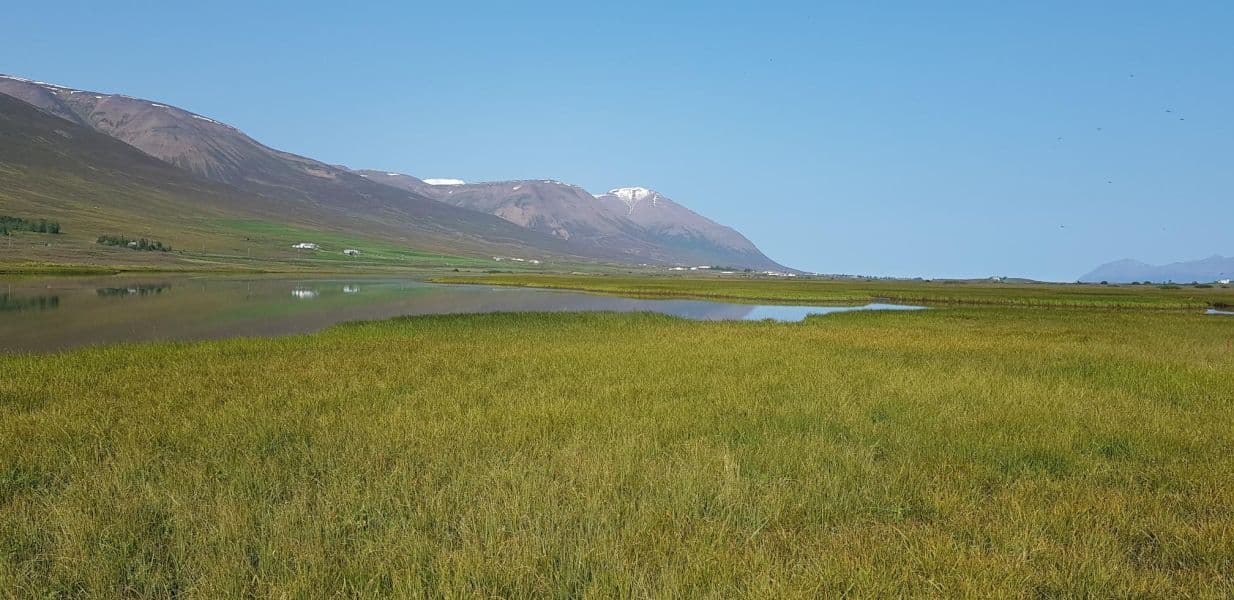
Svarfaðardalur is a protected wetland and mountain valley behind Dalvík in North Iceland, worth adding when birdwatching, quiet paths, and Arctic Coast Way pacing matter more than headline drama.
Coast snapshot
Yes, Svarfaðardalur is worth adding when you already have Dalvík or Tröllaskagi in the plan and want a quiet wetland stop. It is easier to skip when your North Iceland time is built only around headline sights.
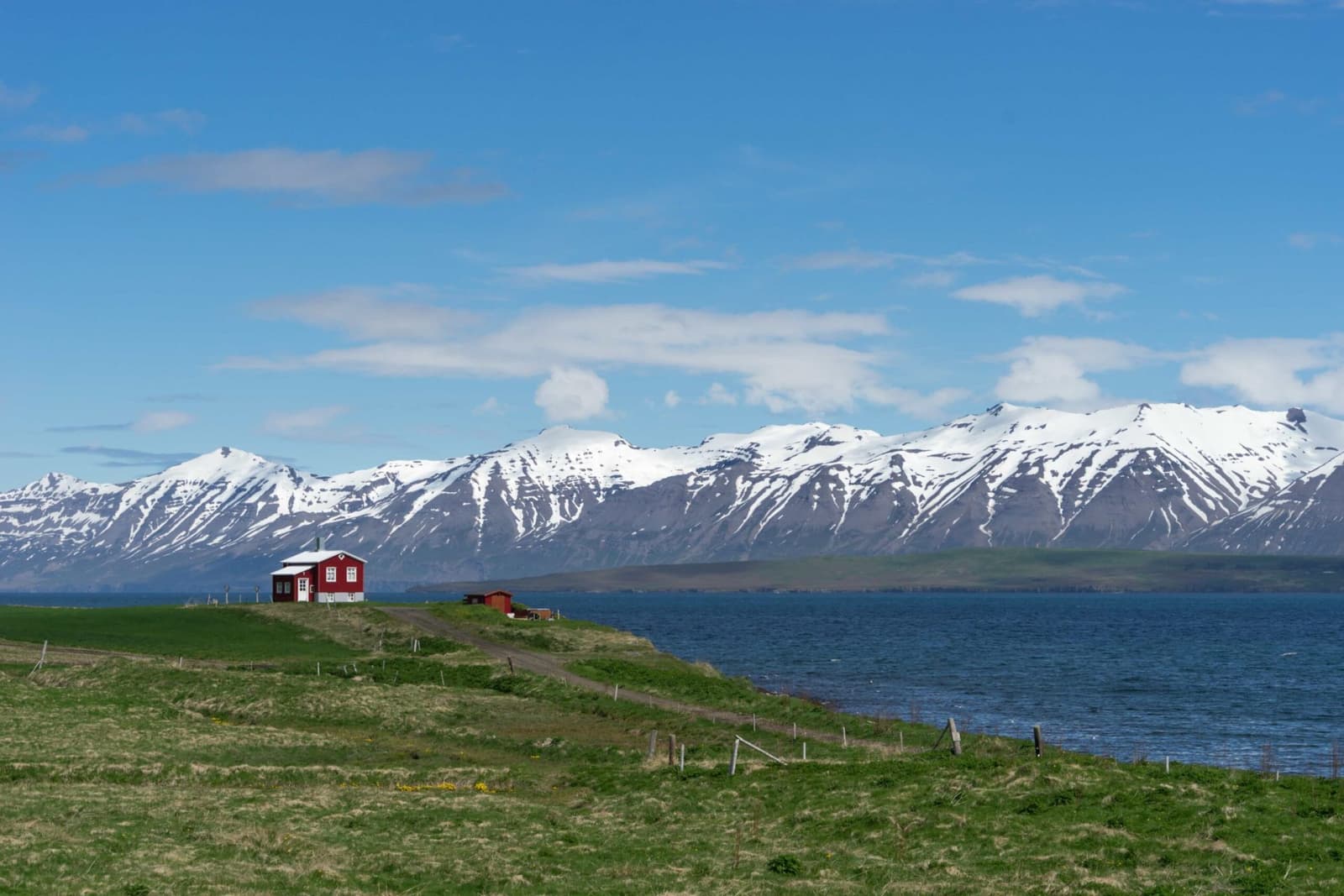
The appeal is subtle: wet grass, pools, the Svarfaðardalsá river, birds moving over the valley floor, and steep mountains closing the view behind the farms. It does not compete with Goðafoss, Mývatn, or Dettifoss on spectacle, and it should not be forced to.
Add Svarfaðardalur to a slower Dalvík day, a birdwatching-focused North Iceland route, or a Tröllaskagi loop that already has room to pause. Leave it out of a compressed first trip where every north-coast hour needs a stronger anchor.
Svarfaðardalur feels open, green, and lived-in: a protected wetland and farming valley where the scale comes from the Tröllaskagi mountains rather than one single viewpoint.
The lower valley is the important part for most visitors. Water, reeds, grassy banks, small ponds, and the changing line of the river make the landscape feel slower than the harbor at Dalvík or the road over Tröllaskagi.
This is a place to listen and scan rather than rush. Birdwatchers may focus on waterfowl, waders, gulls, and passerines; casual visitors may simply enjoy a softer North Iceland stop between harbor, valley, and mountain scenery.
Plan Svarfaðardalur as a flexible short stop unless birdwatching is a real goal. A simple pause can be brief; a patient walk or habitat scan needs more space in the day.
| Visit style | Time to allow | Best when |
|---|---|---|
| Quick valley pause | 30-45 minutes | You are near Dalvík and want a quiet wetland look without reshaping the day. |
| Short birding walk | 1-2 hours | You want to move slowly, scan ponds and river edges, and let the stop breathe. |
| Wider valley day | Half day or more | You are combining Dalvík, Svarfaðardalur, Tröllaskagi, and nearby North Iceland stops. |
The effort is usually low if you keep the plan close to the protected wetland areas and official visitor information. It changes quickly if you turn the valley into a mountain-hiking objective, because weather, route choice, daylight, and personal ability become the real planning limits.
Svarfaðardalur fits best as a Dalvík-side nature pause. It can strengthen a slower Arctic Coast Way day, but it should not steal time from stronger North Iceland anchors unless birding is a priority.
If you are already using Dalvík for harbor atmosphere, whale-watching context, or a quieter base, Svarfaðardalur adds the inland half of the same place story. Árskógssandur and Tröllaskagi can extend that rhythm, while Strýtur is a more specialist Eyjafjörður geology decision.
For a tight Ring Road plan, be honest. Svarfaðardalur is a good add-on when the north has breathing room; it is not the stop that should make you drop Goðafoss, Mývatn, or Dettifoss from a first-time itinerary.
Check official visitor information, protected-area guidance, road conditions, weather, and safety guidance before treating Svarfaðardalur as fixed in a tight day.
Protected wetlands are not the place for improvising around birds, soft ground, or unclear paths. Stay with marked routes and local guidance, especially around nesting areas, river edges, and wet ground.
If accessibility, step-free movement, bird hides, bridges, or local services matter to your group, verify those details with official visitor information before building the stop into a narrow route plan.
It is strongest for birdwatchers, but not only for them. The wetland, valley floor, river, and mountain backdrop also make it useful for travelers who want a quiet Dalvík-area nature stop.
Yes, it can work as a quick stop if you are already near Dalvík. It becomes more rewarding when you have enough time to walk slowly and watch the wetland rather than just arrive and leave.
Choose Dalvík if you want harbor-town context, services, or sea-based plans. Add Svarfaðardalur when you want the quieter inland wetland and valley side of the same area.
Only if your first trip already gives North Iceland enough time. On a compressed route, larger anchors such as Goðafoss, Mývatn, or Dettifoss usually deserve priority.
By ThorPublished Updated
Use these sources to verify protected-area details, local visitor information, road conditions, weather, and safety guidance before relying on the stop.
Protected-area identity and conservation context.
Regional birding context for Svarfaðardalur, Hrísahöfði, and Húsabakki.
Use before committing to weather-sensitive North Iceland driving.
Use for forecasts and warnings before exposed or condition-sensitive plans.
Use for conservative travel planning in changing Iceland conditions.
Map
Use nearby places and useful bases before opening directions.
Interactive planning map for Svarfaðardalur
Interactive map
Place context and external map links remain available without loading it.
Routes and itineraries
Compare road trips and itineraries that give this place a sensible position in the wider journey.
Planning context
Open the region or practical guide that resolves the next planning decision.
Next step
Use the next page that helps turn this stop into a practical route decision.