Geology snapshot
- Type
- Lava rift
- Region
- Lake Mývatn
- Route fit
- Small Mývatn add-on
- Time
- Short careful look
- Check first
- Signs, footing, weather
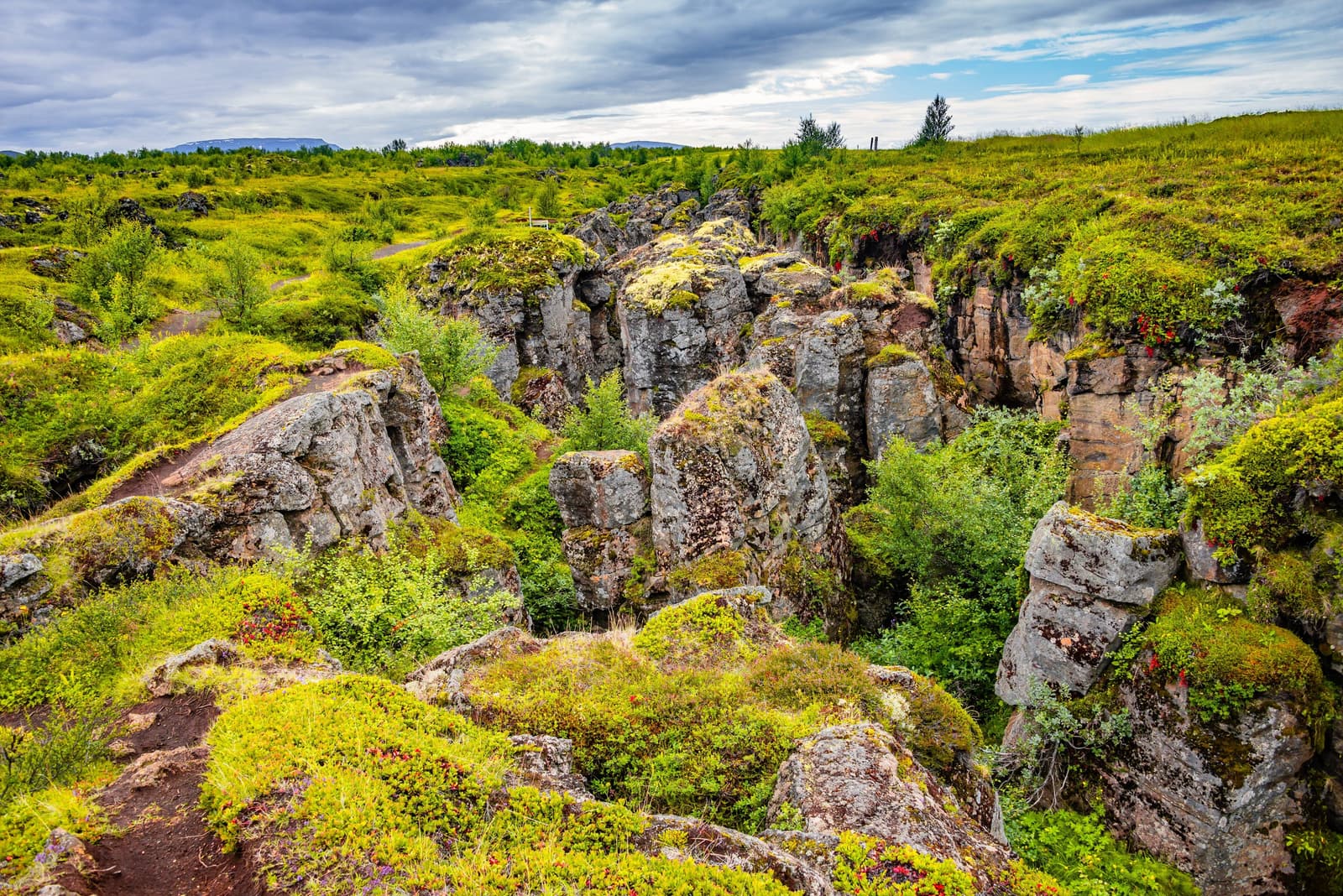
Stóragjá is a narrow lava rift and geothermal cave beside Reykjahlíð in the Lake Mývatn area, worth a short look when you want quiet volcanic texture, not a bathing stop or headline detour.
Geology snapshot
Stóragjá is a lava fissure beside Reykjahlíð. You can treat it as a small geological stop or use the regional walking route to connect it with Grjótagjá; neither choice implies permission to bathe.
The decision is simple: add Stóragjá for texture, not spectacle. The stop gives you mossy lava walls, a narrow rift, geothermal water below, and a more local-feeling pause beside Reykjahlíð. It is much smaller than Lake Mývatn, Dimmuborgir, Hverir Geothermal Area, or Dettifoss.
Visit Mývatn describes the walk between Stóragjá and Grjótagjá as about 30–40 minutes. That is a connecting leg, not an out-and-back allowance. Its longer Stóragjá–Grjótagjá–Hverfjall–Dimmuborgir walk takes about 2½–4 hours; plan the return or pickup separately and check the route and conditions locally.
Add Stóragjá for a repeat visitor, a photographer, or a self-driver already spending unhurried time around Mývatn. Leave it out of a tight first trip when Goðafoss, Grjótagjá, Dimmuborgir, or Dettifoss still needs room.
| Decision | Use this guidance |
|---|---|
| Go if | You are already in the Reykjahlíð or Lake Mývatn area and want a quiet lava-rift look. |
| Skip if | You want a managed soak, or the connecting walk does not fit the time and conditions. |
| Check first | Use official visitor information, safety guidance, road conditions, weather, and on-site signs before relying on the stop. |
Stóragjá feels rougher and quieter than the better-known Mývatn stops: more like peering into a crack in the lava than arriving at a managed attraction.
Expect a small-scale stop: dark lava, moss, low vegetation, uneven ground, and the sense of looking down into geothermal water rather than moving through a broad scenic area. That intimacy is the appeal, but it is also why the stop needs restraint.
If you have just seen Grjótagjá, Stóragjá may feel like a quieter sibling rather than a separate must-see. If you are building a slow Mývatn day, that difference can be worthwhile; if the day is crowded, it can feel redundant.
Fit Stóragjá around the bigger Mývatn decisions first. It works best as a small add-on after you already know whether the day belongs to lava walks, geothermal fields, bathing, or the wider Diamond Circle.
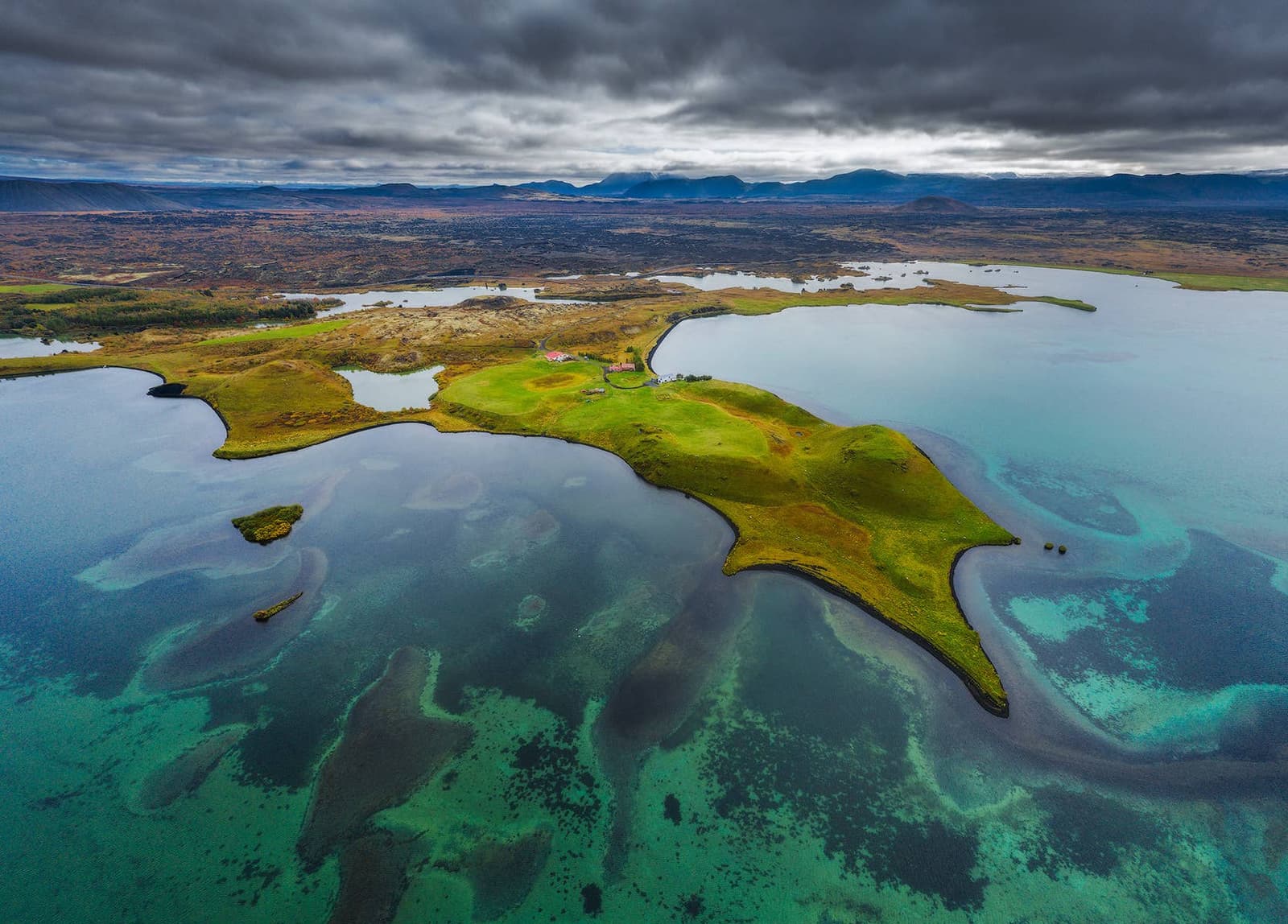
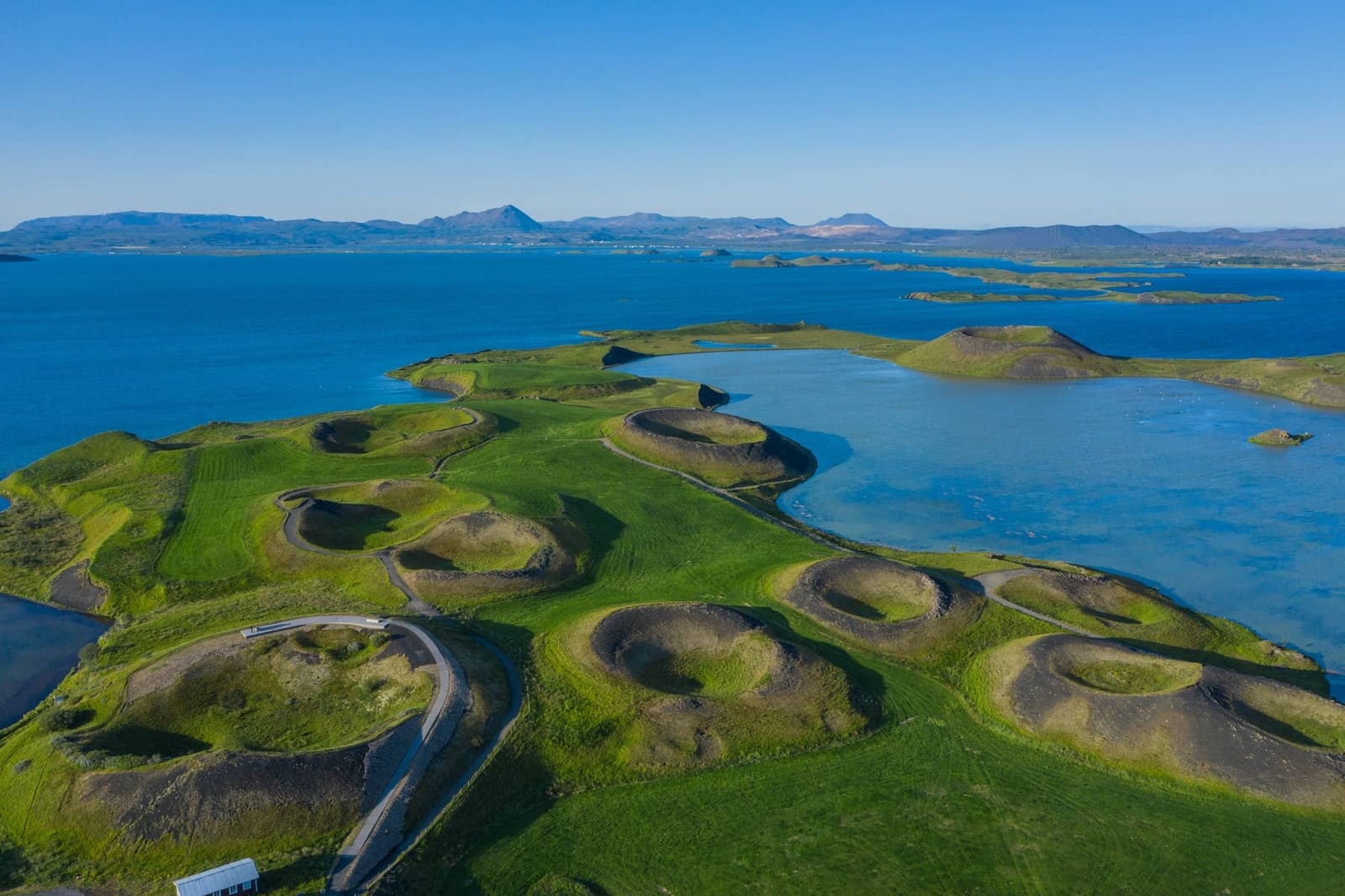
For a compact volcanic cluster, pair Stóragjá with Lake Mývatn, Grjótagjá, Dimmuborgir, and Hverir Geothermal Area. That gives the day a clear theme: cave water, lava formations, steam, and open lake scenery without turning one small rift into the anchor.
For a slower comfort-focused day, compare Stóragjá with Earth Lagoon Mývatn. The managed bathing stop solves a different traveler need, while Stóragjá is a short natural-site look that depends more on conditions, behaviour, and group comfort.
For a longer route, protect the bigger North Iceland anchors first. Goðafoss, Dettifoss, and the Diamond Circle Road Trip can all make a day stronger than adding one more small Mývatn pause.
Check the official sources that affect the decision, then let on-site signs and conditions decide how far the visit should go.
The main risk is not that Stóragjá takes a long time. The risk is treating a small, uneven, geothermal place as predictable. Use SafeTravel for safety guidance, Umferðin for road conditions, and the Icelandic Meteorological Office for weather before building the stop into a tight day.
The Lake Mývatn and Laxá area also has protected-area value. Stay on appropriate surfaces, avoid damaging moss or fragile formations, and keep the visit modest if official visitor information or on-site signs create doubt.
Use for outdoor travel conditions and safety guidance before small natural stops.
Use before relying on a North Iceland driving day.
Use for forecasts and warnings that affect exposed or rough stops.
Use for Mývatn and Laxá conservation context.
Use for the official Stóragjá, Grjótagjá, Hverfjall, and Dimmuborgir route context.
Choose by the experience you actually want. These places sit close together, but they solve different travel decisions.
| Choice | Best when | Main tradeoff |
|---|---|---|
| Stóragjá | You want a quiet, rough lava-rift look and can treat the stop as optional. | It is subtle and should not be planned as a soak. |
| Grjótagjá | You want the better-known cave-water view near Lake Mývatn. | It can feel busy or redundant if the day already has too many tiny stops. |
| Earth Lagoon Mývatn | You want managed geothermal bathing rather than a natural-site look. | It is a different kind of stop and needs official visitor details before planning. |
| Hverir Geothermal Area | You want steam, mud, sulfur color, and a stronger geothermal landscape. | It asks for more weather and surface awareness than a quick cave look. |
For most first-time visitors, Grjótagjá or Hverir will usually carry the Mývatn geothermal story more clearly. Stóragjá earns its place when the trip has already slowed down enough for a quieter, less obvious stop.
These answers keep the stop practical rather than overbuilt.
Do not plan Stóragjá as a bathing stop. Treat the geothermal water as something to observe, and follow official visitor information and on-site signs.
Most travelers should think in terms of a short stop. Add time only if footing, weather, daylight, and group comfort make a slower look worthwhile.
Usually no for first-time visitors. Grjótagjá is the clearer cave-water stop, while Stóragjá is quieter and more optional.
Only if the Mývatn day already has breathing room. On a compressed trip, Lake Mývatn, Dimmuborgir, Hverir, Goðafoss, or Dettifoss usually deserve priority.
By ThorPublished Updated
Map
Use nearby places and useful bases before opening directions.
Interactive planning map for Stóragjá
Interactive map
Place context and external map links remain available without loading it.
Routes and itineraries
Compare road trips and itineraries that give this place a sensible position in the wider journey.
Planning context
Open the region or practical guide that resolves the next planning decision.
Next step
Use the next page that helps turn this stop into a practical route decision.