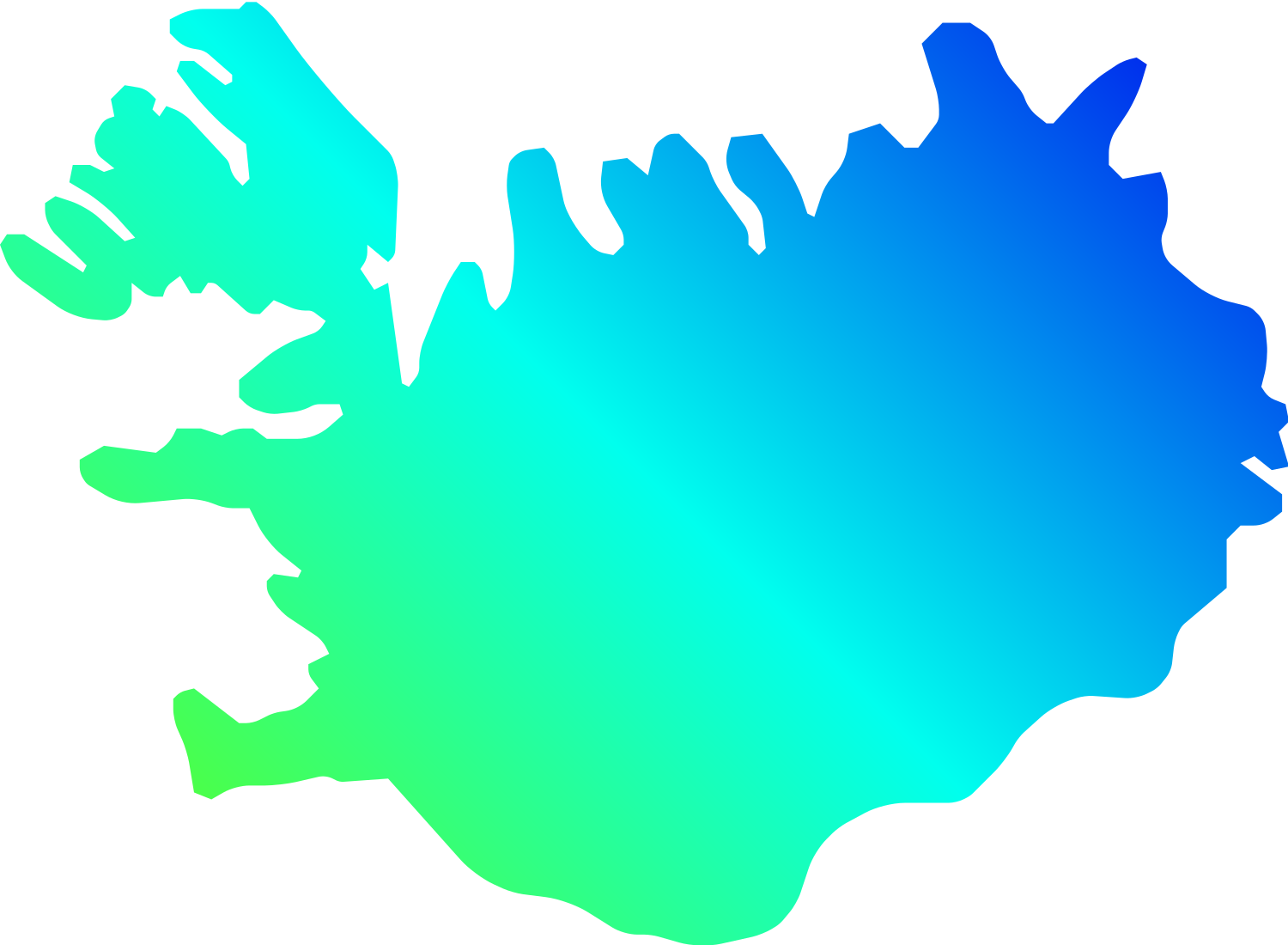
Öræfajökull is the glacier-covered volcano above Skaftafell in southeast Iceland, where travelers need to choose between scenic views, nearby outlet-glacier stops, or a serious guided mountain objective with official checks.
Glacier facts
Type
Glacier-covered volcano, mountain massif, and Vatnajökull outlet-glacier area
Region
Southeast Iceland, above Skaftafell and the Öræfi district
Route context
South Coast and Ring Road landmark, strongest when paired with Skaftafell or glacier-lagoon stops
Time to allow
A short scenic pause from below, a half day around Skaftafell, or a full guided mountain day
Best experience
Use the massif as southeast Iceland context unless a guided glacier or summit plan is the main goal
In this guide
Öræfajökull Glacier works best if southeast Iceland has enough space in your trip to slow down and understand the glacier-volcano landscape above Skaftafell
Yes, if southeast Iceland has enough space in your trip to slow down and understand the glacier-volcano landscape above Skaftafell. It is weaker as a rushed extra name on a packed South Coast checklist.
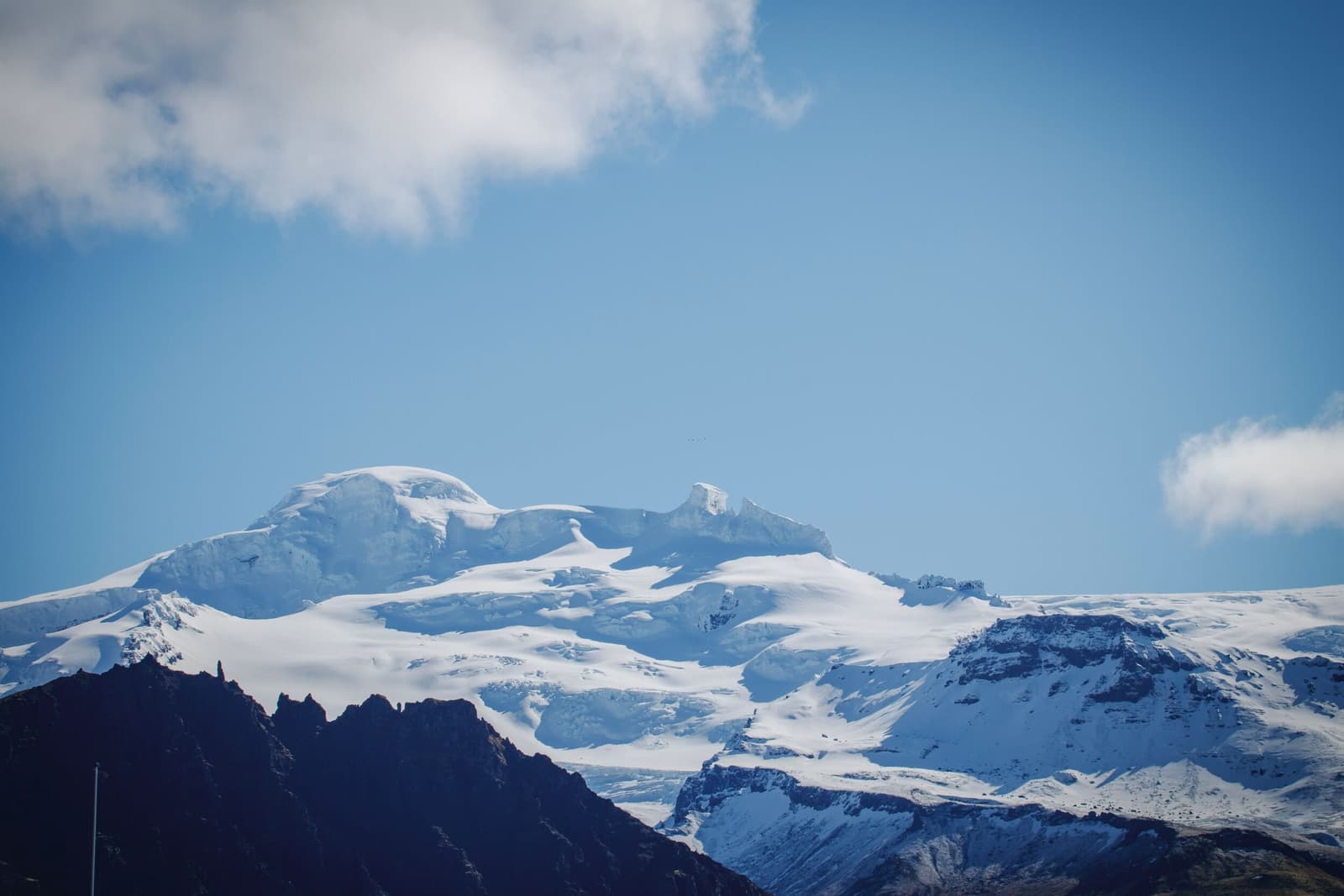
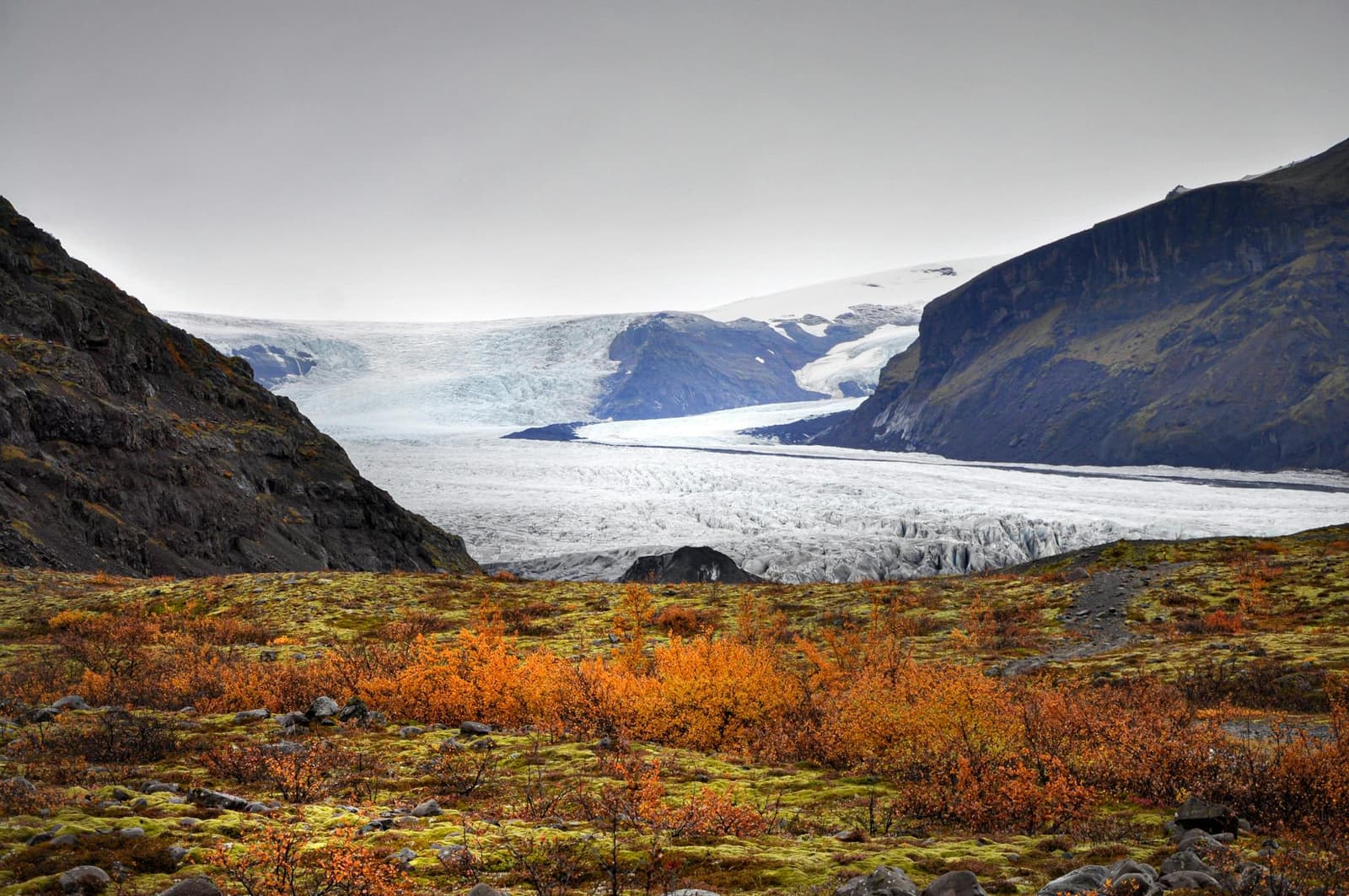
Öræfajökull is the ice-covered volcano and mountain mass that gives the Skaftafell area its scale. Many travelers experience it from below: a white dome, dark ridges, outlet glaciers, and changing cloud above the farms and sand plains of Öræfi.
Add Öræfajökull when the day is built around Skaftafell, Hvannadalshnúkur, or nearby glacier viewpoints. Skip it as a separate named stop if the route is already trying to hold Skógafoss, Reynisfjara, Jökulsárlón, and Diamond Beach in one breath.
Choose the Öræfajökull visit that fits the day.
Plan
Best fit
Main check
Scenic context
Travelers using Skaftafell or the Ring Road who want the mountain and ice cap to frame the southeast.
Visibility, drive time, and whether you have space to pause without weakening the day.
Glacier-area day
Visitors choosing marked walks, outlet-glacier viewpoints, or guided glacier experiences around Skaftafell.
Park information, weather, safety guidance, and operator details.
Summit objective
Strong, prepared travelers treating Hvannadalshnúkur or high glacier terrain as a main guided objective.
Guide judgement, equipment, weather, group stamina, and flexible timing.
Photo guide
Öræfajökull Glacier in photos
1 / 2
The glacier-volcano is a defining southeast Iceland landmark, even when it is not the day's main climb.
Which version of Öræfajökull fits your day?
Most trips should treat Öræfajökull as a landscape system, not one pin on the map. The practical choice is whether you need a view, a nearby glacier stop, or a serious guided mountain day.
For a low-friction version, make Skaftafell the anchor. You get trails, viewpoints, and a clear sense of how Öræfajökull rises above the South Coast without pretending that the ice cap itself is a casual walk.
High on Öræfajökull, the scale changes from scenic backdrop to a slow glacier environment.
If the goal is glacier texture rather than the whole massif, compare Falljökull, Virkisjökull, and Fjallsjökull before committing. Those pages help narrow the choice to an outlet glacier, a quieter glacier foreland, or a lagoon-side ice view.
What does Öræfajökull feel like on the South Coast?
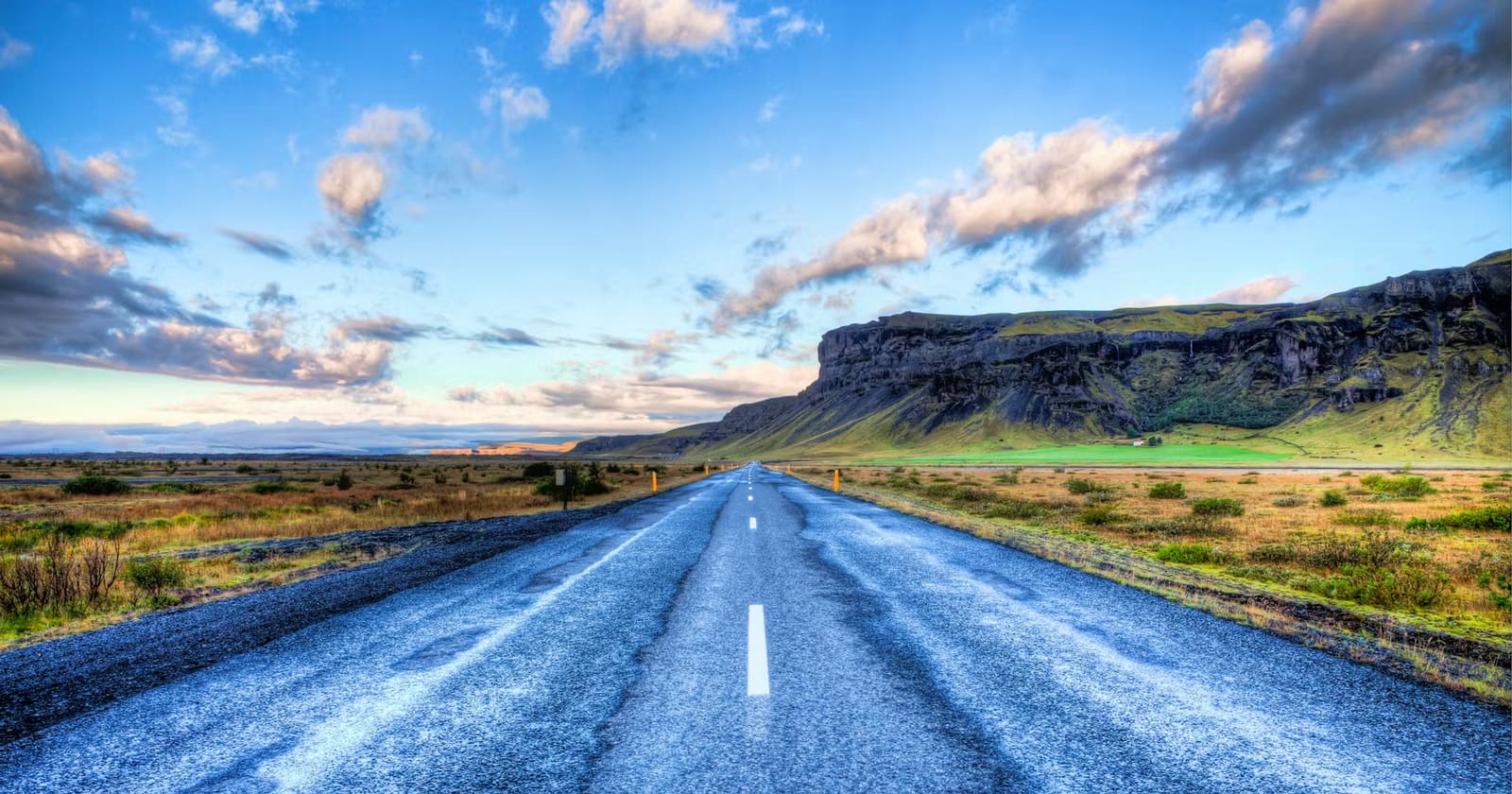
From below, Öræfajökull feels like a ceiling over southeast Iceland. The landscape is broader and more alpine than the earlier waterfall-and-beach stretch, with ice, volcanic ridges, cloud, and outlet glaciers shaping the view.
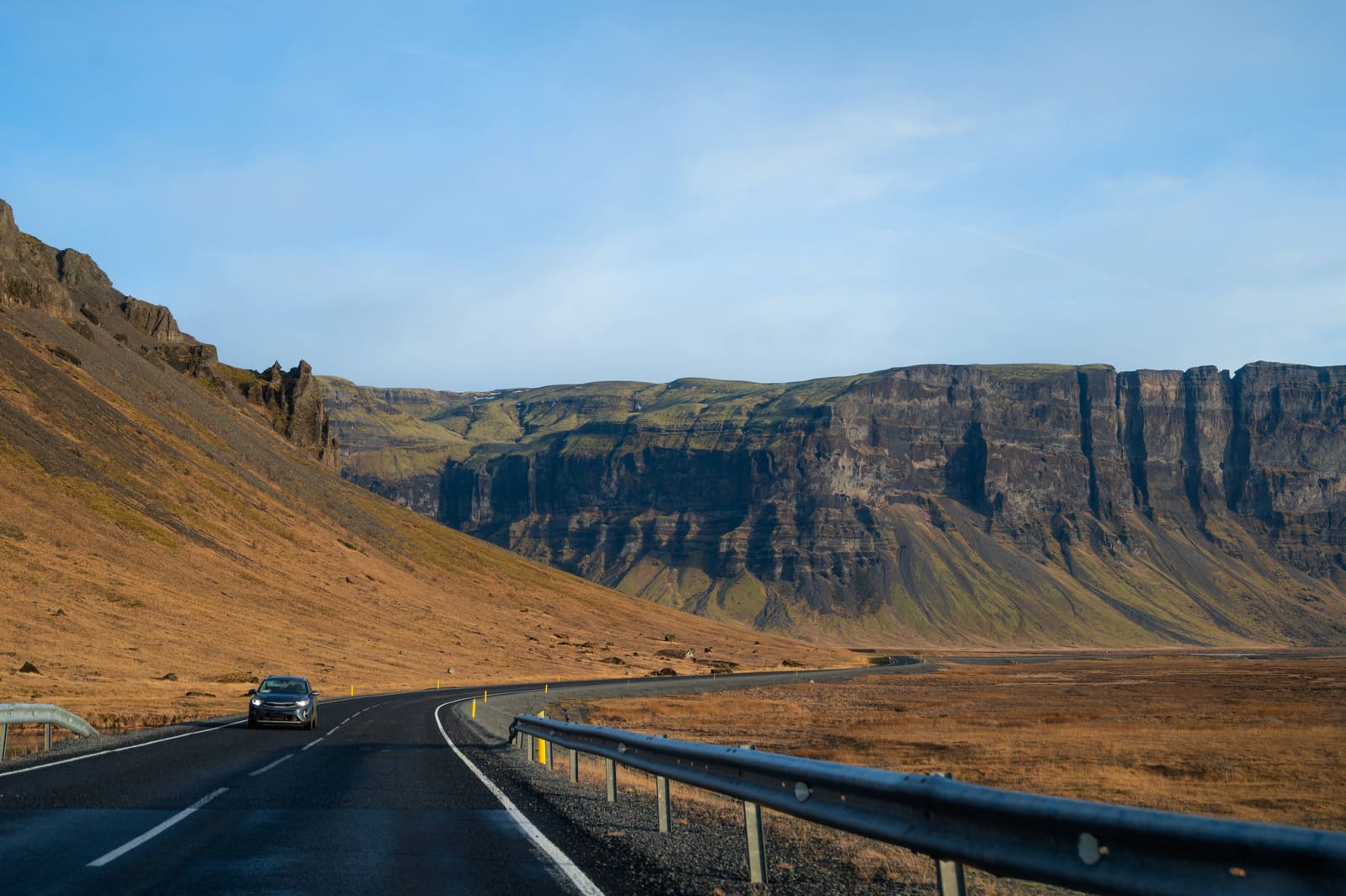
The strongest impression often comes before any formal stop. As the road approaches Skaftafell, the ice cap begins to dominate the horizon, while glacier tongues and black ridges make the area feel less like a string of attractions and more like one connected mountain system.
The ice terrain is part of the appeal, but it is also why glacier travel needs proper support.
The slow version pairs well with Fjallsárlón and Jökulsárlón because the lagoons show what the southeast glaciers do at the lowland edge. Diamond Beach then gives a different ending to the same ice story, with glacier fragments meeting black sand and surf.
What should you check before relying on a glacier or summit plan?
Use official and specialist sources before treating Öræfajökull as more than scenery. The checks are part of the attraction here because weather, road conditions, glacier terrain, and volcanic context can change what is sensible.
For a viewpoint-only day, the main questions are visibility, drive conditions, and whether the southeast stop sequence still has enough breathing room. For a glacier or summit day, the decision becomes stricter: guide advice, equipment, group ability, weather warnings, and park guidance should decide the plan.
Do not treat a clear-looking forecast in one town as proof that high ice conditions are suitable. Öræfajökull rises into its own weather, and the difference between a satisfying mountain objective and a poor plan can be visibility, wind, snow surface, road conditions, or turnaround judgement.
Check forecasts and warnings for weather-dependent glacier and mountain plans.
The best pairings depend on whether you want walking, close glacier texture, lagoon scenery, or a shorter scenic sequence
The best pairings depend on whether you want walking, close glacier texture, lagoon scenery, or a shorter scenic sequence. Öræfajökull gets easier to plan when it points you toward a more specific nearby stop.
From below, the glacier-volcano works as a landmark that ties nearby southeast stops together.
Nearby stops to compare before locking the day.
Nearby stop
Use it when
Tradeoff
Skaftafell
You want the most practical base for walks, views, and glacier-area context.
It can absorb more time than a quick photo pause.
Hvannadalshnúkur
You are considering Iceland's highest summit as a serious guided objective.
It changes the whole day rather than filling a spare hour.
Falljökull or Virkisjökull
You want closer outlet-glacier texture near the Öræfajökull system.
Conditions, access, and guide choices matter more than on simple viewpoints.
Fjallsárlón or Jökulsárlón
You want glacier scale with easier lagoon-side scenery.
They are more obvious stops, so they can pull time away from Skaftafell.
You want a short coastal finish after the glacier lagoons.
Surf and ice movement make the experience variable.
If you only have one southeast Iceland pause, Skaftafell is usually the cleanest way to make Öræfajökull useful. If the trip has more time, combine Skaftafell with Fjallsárlón, Jökulsárlón, and Diamond Beach, then decide whether Falljökull, Virkisjökull, or Fjallsjökull adds a distinct glacier experience.
How does it fit into a South Coast route?
Öræfajökull works best when it marks the point where the South Coast becomes southeast Iceland. It is a reason to slow down around Skaftafell, not a reason to overload the drive east.
On a South Coast Road Trip, Öræfajökull is strongest after the classic waterfall and black-sand beach sequence, when the day shifts toward glacier landscapes. On a Ring Road or South Coast choice, it can help justify going beyond Vík only if the trip has enough time for southeast Iceland to feel like more than a long out-and-back.
For shorter trips, the 5-Day Iceland Itinerary may be a better test than the attraction list itself: if the itinerary cannot comfortably reach Skaftafell and the glacier lagoons, Öræfajökull probably belongs on a longer plan. For wider prioritization, the South Iceland guide helps compare it against waterfalls, beaches, towns, and glacier stops.
Öræfajökull Glacier FAQ
These answers are meant to help with planning confidence, not replace official condition checks.
Can you visit Öræfajökull as a quick stop?
Yes, but the quick version is a scenic view or Skaftafell-area context, not a walk onto the ice cap. Use it as part of a southeast Iceland driving day if visibility and timing are on your side.
Is Öræfajökull the same as Hvannadalshnúkur?
No. Öræfajökull is the glacier-covered volcano and mountain system; Hvannadalshnúkur is Iceland's highest peak on its rim. Travelers planning a summit should use Hvannadalshnúkur-specific guidance and experienced local support.
Do you need a guide for Öræfajökull?
You do not need a guide to admire the massif from below or plan around Skaftafell, but glacier and summit plans should use experienced guidance, proper equipment, and official condition checks.
What should you pair with Öræfajökull?
Skaftafell is the most practical pairing, while Fjallsárlón, Jökulsárlón, and Diamond Beach make sense when the day is focused on southeast glacier scenery. Falljökull, Virkisjökull, and Fjallsjökull are better for closer outlet-glacier decisions.
Is Öræfajökull better in summer or winter?
It depends on the version of the visit. Summer can make daylight and walking plans easier, while winter can make the glacier landscape dramatic but more condition-sensitive; use official weather, road, safety, park, and operator sources before committing.