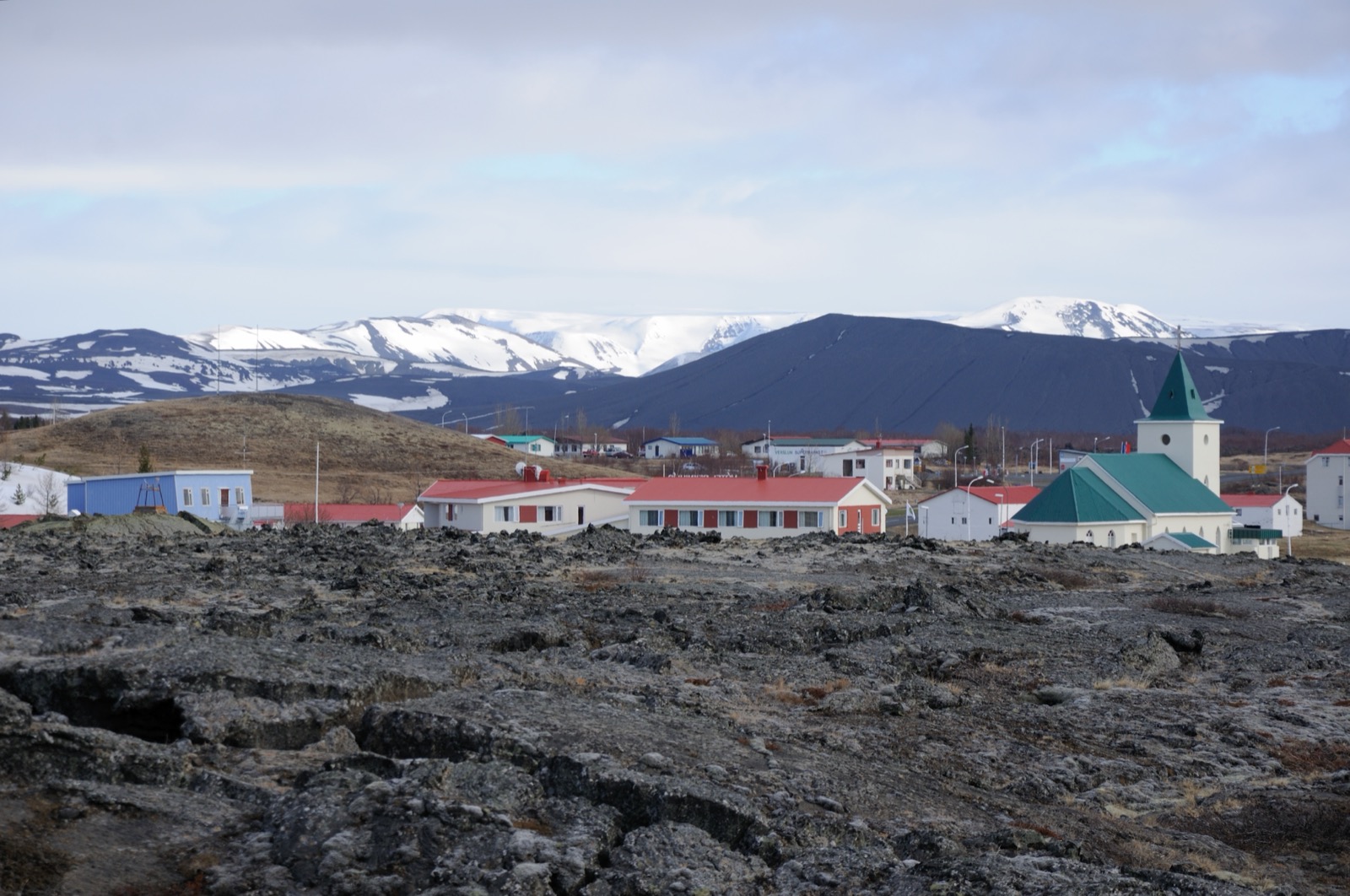
Hrossaborg is an explosion crater beside the northern end of F88, east of Mývatn. Its broken rim and dark volcanic plain make a striking short stop when the approach is suitable for your vehicle and conditions.
Access reality
Type
Explosion crater formed by magma interacting with water
Region
North Iceland, near the Route 1 and F88/Öskjuleið junction east of Mývatn
Access
Seasonal F-road approach; check road status and vehicle suitability
Time to allow
A flexible 20–45-minute sightseeing stop, excluding the approach; an estimate, not a timed walking route
On foot
Loose volcanic ground and exposed slopes; no verified step-free route
In this guide
Hrossaborg crater near Route 1
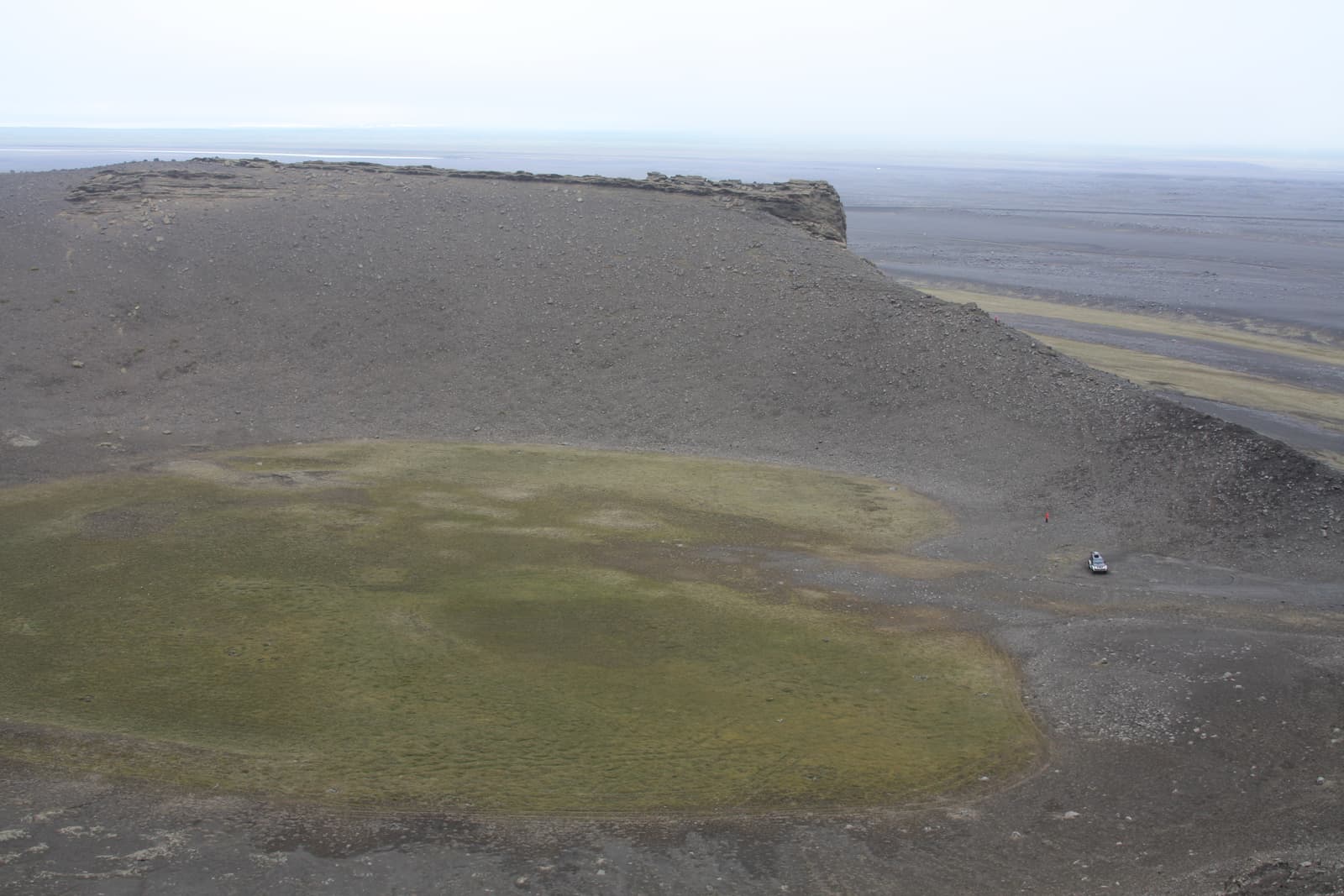
Hrossaborg sits near the northern end of F88, east of Mývatn. The crater rises above an open volcanic plain, with a gap in its eastern rim that reveals the interior.
It is an optional stop for a North Iceland journey, especially if you enjoy volcanic landforms. Give Mývatn and Dettifoss their own time first; Hrossaborg is easier to drop than to squeeze into an already full Ring Road day.
Photo guide
Hrossaborg in photos
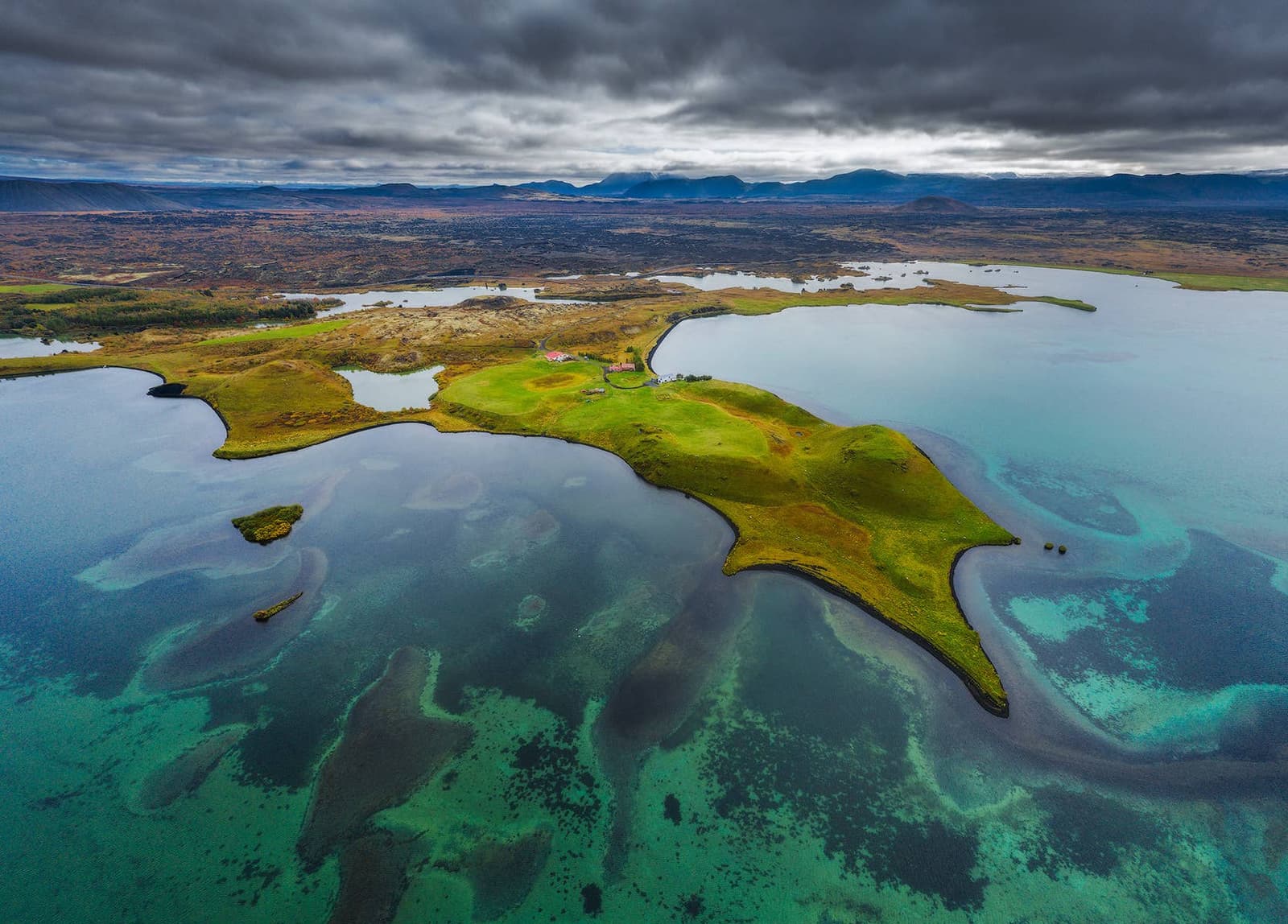
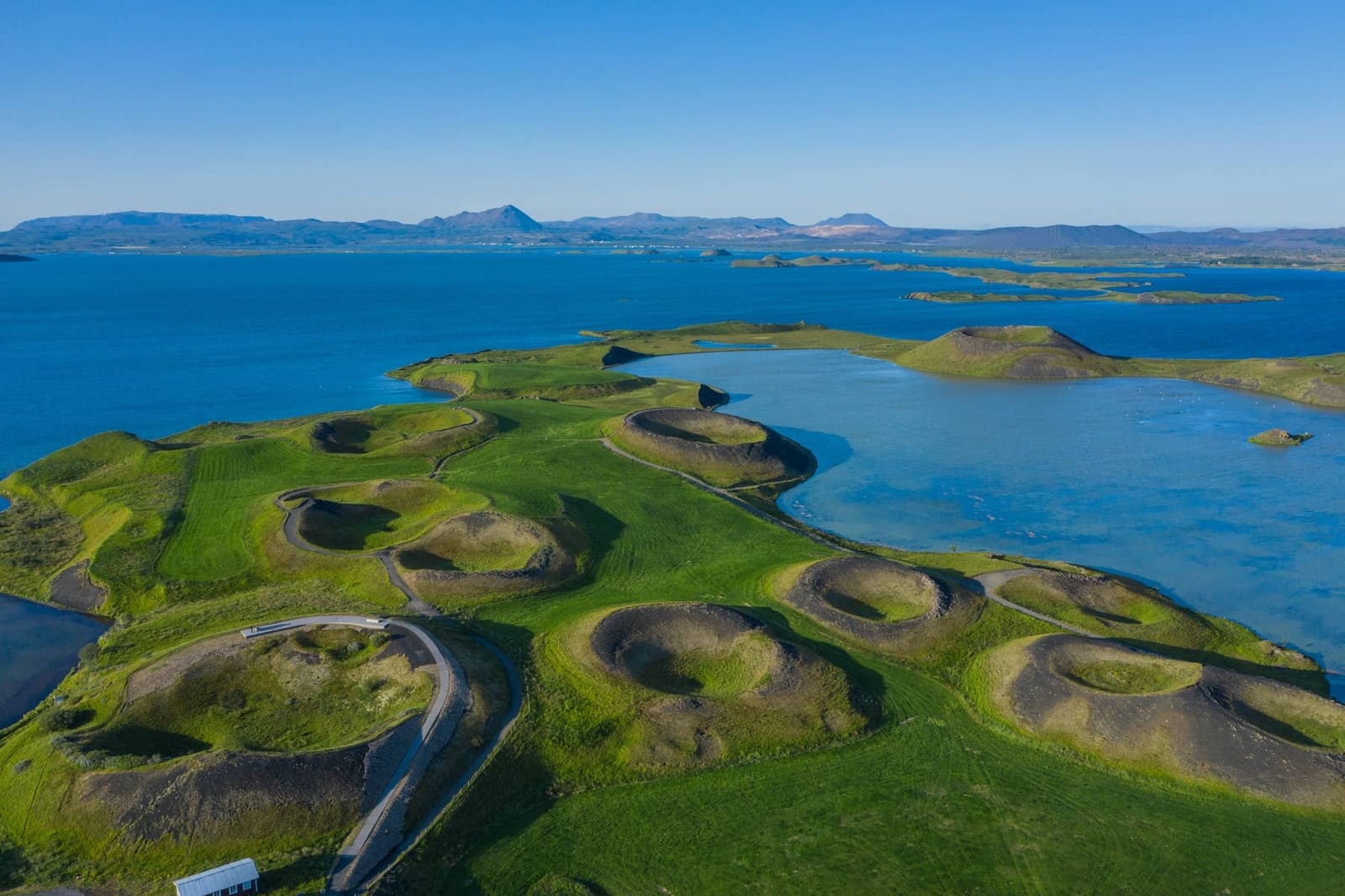
From above, Hrossaborg reads as a broken circular crater in a sparse volcanic plain.
How Hrossaborg formed
Hrossaborg formed in an explosive eruption involving magma and water. Geologists call this phreatomagmatic activity: water helps fragment erupting material, building a rim of volcanic debris.
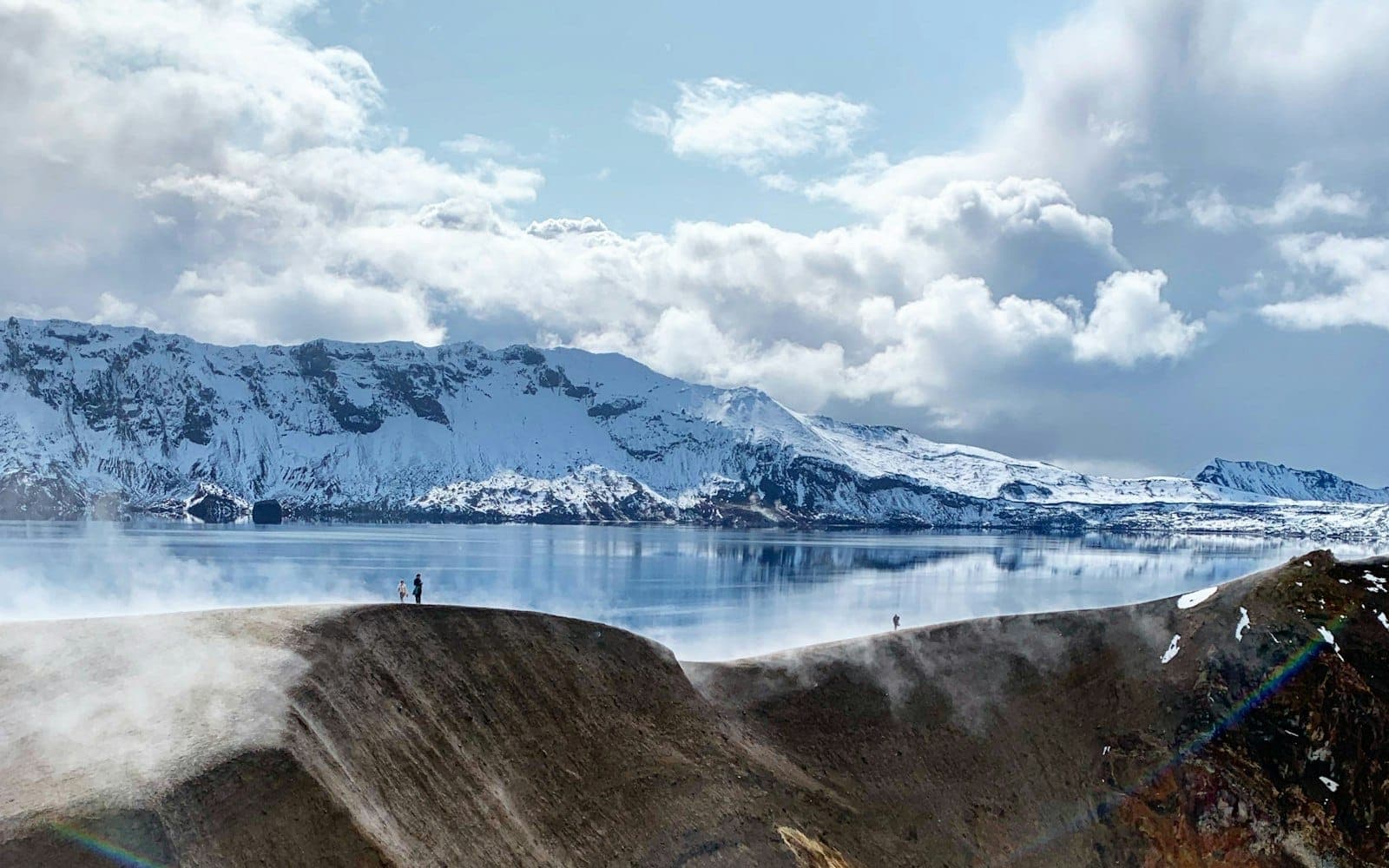
The Catalogue of Icelandic Volcanoes places the Hrossaborg–Einbúi eruption on the Askja fissure swarm, on the Jökulsá River floodplain, about 8,000 years ago. This explains the crater’s origin; it does not mean Hrossaborg is inside the distant Askja caldera.
The detail at Hrossaborg is subdued: moss, black gravel, mist, and the crater wall rather than a single dramatic viewpoint.
The broken rim, dark gravel and low vegetation are the details to look for. Hverfjall offers another crater comparison near Mývatn; choose between them according to your route rather than treating every crater as an essential stop.
See the Hrossaborg–Einbúi fissure in the explosive basaltic eruption history.
Walking and time at the crater
Allow roughly 20–45 minutes for a look and photographs if access and weather permit, plus the approach and return drive. This is a sightseeing allowance, not a measured trail time.
Stay on established ground and keep off fragile vegetation. Loose material on the crater slopes can make footing awkward, particularly in wind or poor visibility. There is no verified step-free route in this guide; travelers who need one should confirm a suitable approach before committing.
The stop is visually simple from a distance, but the empty setting is part of its appeal.
The map pin identifies the natural feature. It is not a verified parking space, trailhead or instruction to drive into the crater. Use local signs and a permitted stopping place rather than navigating blindly to the pin.
Mývatn, Dettifoss or the longer Askja journey
Hrossaborg can be a short detour from a North Iceland day. Continuing south toward Askja or Herðubreiðarlindir is a separate highland journey with different demands.
On a waterfall day, allow time for the chosen side of Dettifoss, Jökulsá á Fjöllum and Hafragilsfoss before adding this crater. Use the Diamond Circle road trip to compare those stops, and Highlands Road Trip Planning for the longer F-road option.
Where Hrossaborg fits in the day
Main plan
Possible role for Hrossaborg
Keep in mind
Mývatn base day
An optional crater stop east of the lake area
Leave time for the drive out and back
Dettifoss and canyon day
A volcanic stop if the road sequence works
Waterfall access roads and viewpoints need their own time
Askja or Herðubreiðarlindir
An early stop on a longer highland route
Assess the whole journey, including rivers and the return
F88 road and weather checks
Use Umferðin for road status and the Icelandic Meteorological Office for wind, visibility and precipitation before setting out. Do not assume that a summer visit date guarantees an open road.
SafeTravel explains that highland roads can be rough and that not every four-wheel-drive vehicle suits every F-road. Check your vehicle’s suitability for the actual route. For any longer journey with unbridged rivers, assess the crossings separately and turn back if unsure. Stay on roads; do not create a track around an obstacle.
If conditions rule out the detour, use Mývatn or another North Iceland stop instead. Winter driving in Iceland requires a different plan; this crater guide does not establish winter access.
Check the forecast for exposed stops and the return journey.
Hrossaborg FAQ
Can I visit Hrossaborg in a small car?
Do not assume a small car is suitable for the F88 approach. Check the road status and the vehicle requirements for your exact route before leaving Route 1.
Does the map show parking at Hrossaborg?
No. It marks the crater as a natural feature. Confirm a permitted stopping place and follow local signs; the pin is not a verified vehicle arrival point.
Can I continue from Hrossaborg to Askja?
Only with a plan for the full highland journey. The short crater detour does not establish the suitability of the remaining roads or river crossings.
Is Hrossaborg worth a separate day?
For most visitors it is a short optional stop. A Mývatn base day or Dettifoss visit can take priority when the detour would make the schedule rushed.