Jökulsá á Fjöllum is the glacial river behind Dettifoss and Jökulsárgljúfur in North Iceland, worth planning around when you want waterfall power, canyon scale, and a realistic Diamond Circle day.
Waterfall facts
Type
Glacial river, canyon corridor, waterfall system, and protected natural landscape
Region
North Iceland, flowing from the Vatnajökull area toward Öxarfjörður
Route context
Most useful as the landscape thread behind Dettifoss, Jökulsárgljúfur, Ásbyrgi, and the Diamond Circle
Time to allow
30-60 minutes for a Dettifoss-focused stop, half a day for a balanced canyon sequence, or longer for marked walks
Best experience
Use the river to connect waterfall power, canyon viewpoints, basalt formations, and North Iceland route decisions
In this guide
Is Jökulsá á Fjöllum worth planning around?
Yes, if you want the North Iceland river landscape behind Dettifoss to make sense. No, if your day only has room for one straightforward waterfall stop.
Jökulsá á Fjöllum is not a single viewpoint. It is the glacial river that powers Dettifoss, cuts through Jökulsárgljúfur, and gives the Diamond Circle one of its strongest natural threads. The payoff is context: waterfall force, canyon depth, flood-shaped rock, and a clearer reason to slow down between Mývatn and Ásbyrgi.
Add Jökulsá á Fjöllum when a North Iceland day already includes Dettifoss and has room for at least one canyon or basalt stop. Skip the wider river idea when the plan is a fast Ring Road transfer, when conditions make canyon access uncertain, or when Dettifoss alone gives enough value.
Choose the river version before adding more stops.
Version
Best use
Be careful with
Quick river stop
Use Dettifoss as the main view of Jökulsá á Fjöllum when time is tight.
Pretending you have seen the wider canyon.
Balanced canyon day
Pair Dettifoss with Jökulsárgljúfur, Hljóðaklettar, or Ásbyrgi and keep a realistic buffer.
Stacking every Mývatn and canyon stop into one day.
Slow river-corridor visit
Plan marked walks, varied viewpoints, and time for the landscape to change from waterfall to canyon to greener northern edges.
Treating longer walks as a casual backup plan.
What is Jökulsá á Fjöllum, exactly?
Jökulsá á Fjöllum is a powerful glacial river flowing north from the Vatnajökull area toward Öxarfjörður. For travelers, its most visible stretch is the canyon-and-waterfall system around Dettifoss and Jökulsárgljúfur.
The name matters because it explains why nearby places feel connected. Dettifoss is not just a standalone waterfall; it is one expression of the same river that carved the canyon, shaped flood paths, and runs past formations that make Hljóðaklettar and Ásbyrgi feel different from the Mývatn lava and geothermal stops nearby.
Official natural-history sources describe Jökulsá á Fjöllum as one of Iceland's longest rivers and a major catchment. For trip planning, the useful takeaway is simpler: this is big, silty, exposed water moving through rough volcanic country, not a gentle scenic stream.
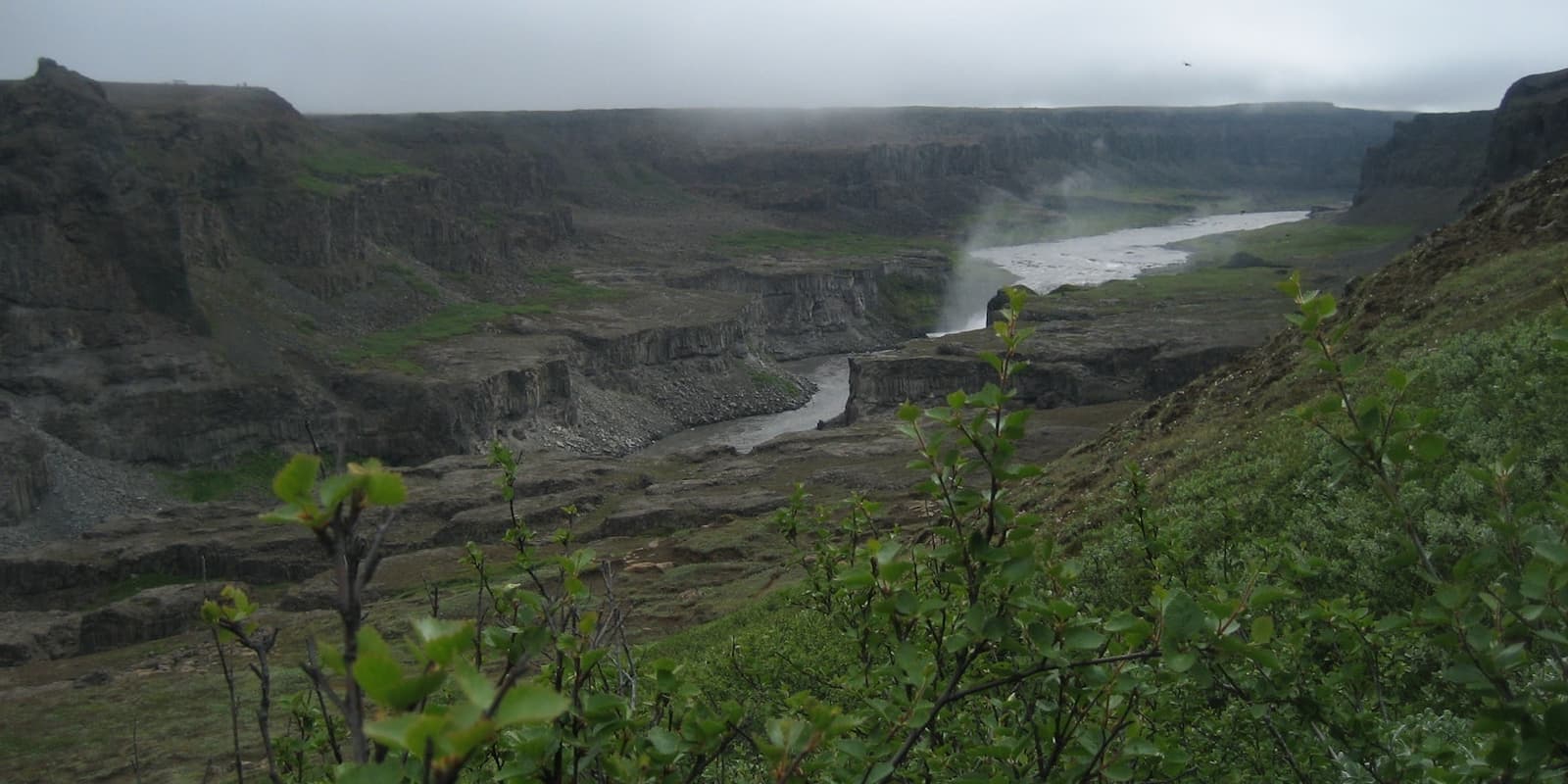
The river is easiest to understand where it reads as a corridor through Jökulsárgljúfur.
Which visit version fits your North Iceland day?
Most travelers should choose between a Dettifoss-focused visit and a wider canyon sequence before adding Lake Mývatn, Goðafoss, or Möðrudalur.
Go for the quick version if you mainly want to see the river's power at Dettifoss and keep moving.
Choose the balanced version if the day already belongs to the Diamond Circle and you can give the canyon real space.
Choose the slow version if marked walks, basalt formations, and changing river landscapes are the point of the day.
Skip the wider river-corridor plan if road, weather, daylight, or energy checks make the day too fragile.
The practical mistake is trying to make Jökulsá á Fjöllum, Dettifoss, Jökulsárgljúfur, Hljóðaklettar, Ásbyrgi, Mývatn, and Goðafoss all feel unrushed in one ordinary day. Pick the one or two stops that answer your trip's main question, then leave the rest as optional.
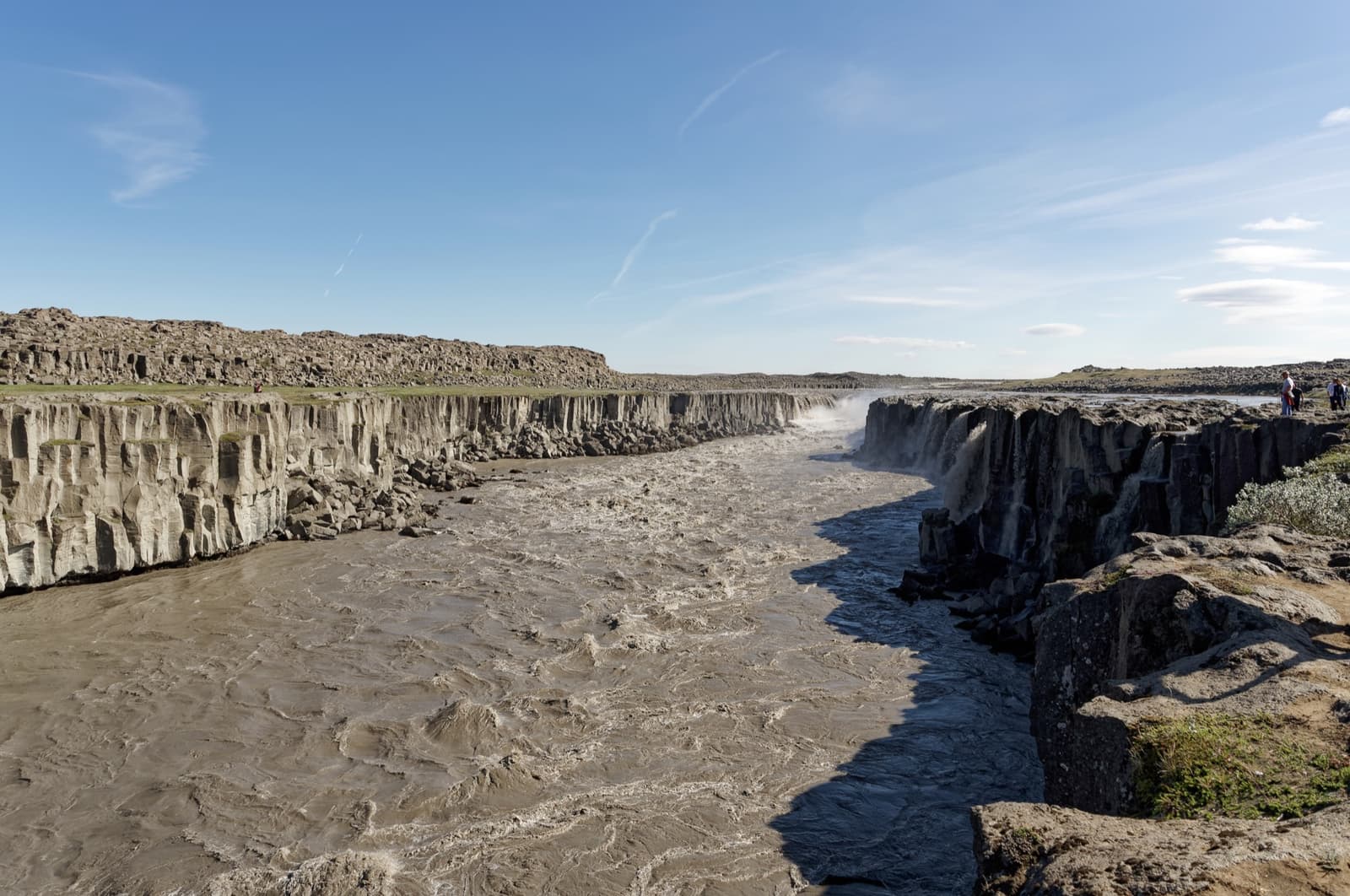
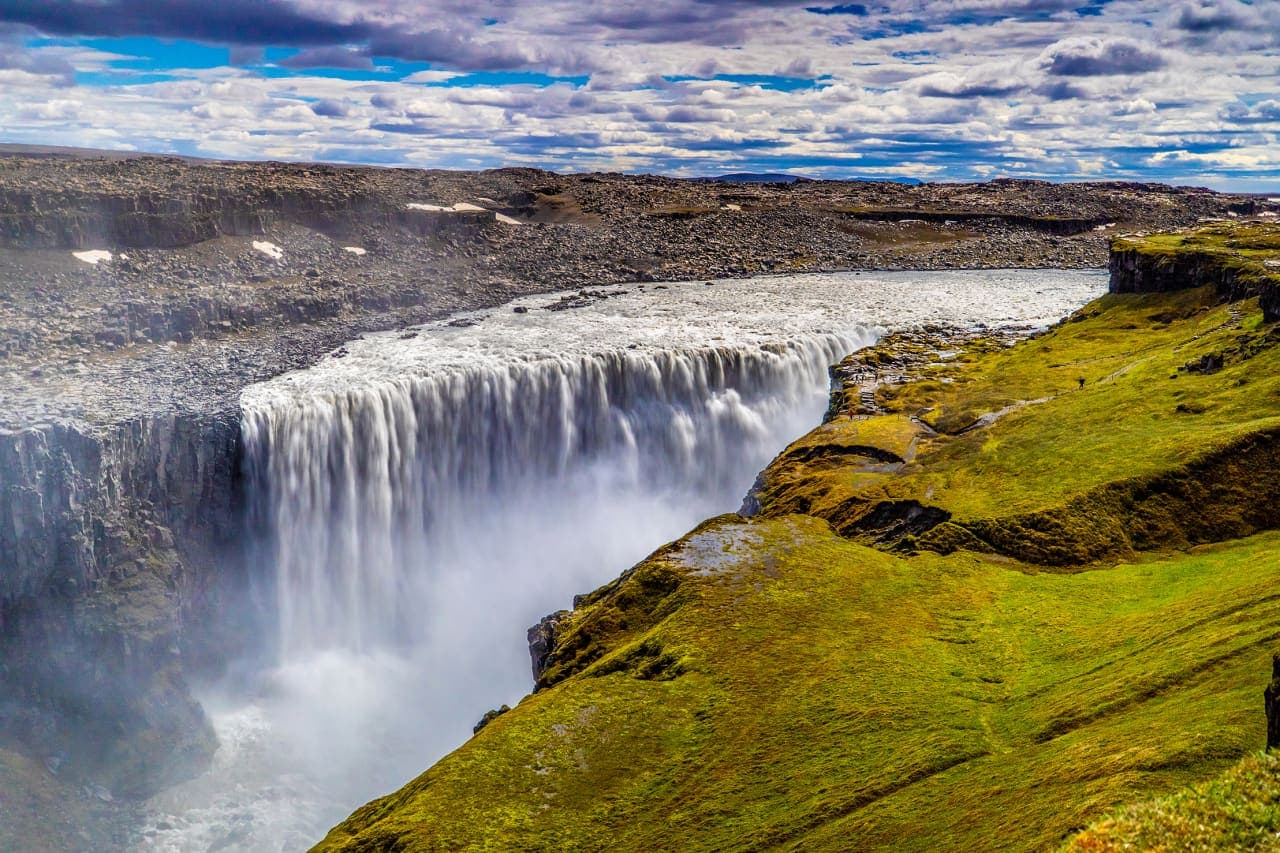
Dettifoss is the clearest quick-stop version of the Jökulsá á Fjöllum landscape.
What does the river landscape feel like?
Expect a raw North Iceland landscape: dark water, pale gravel, basalt walls, wind, mist near waterfalls, and long views that can feel empty until the canyon suddenly tightens.
This is not the polished softness of a small roadside waterfall. Around the river, the landscape often feels stripped back: gravel plains, low vegetation, black rock, red volcanic slopes, and a river that looks heavy because it carries glacial sediment.
That texture is the reason the wider area can reward slower travelers. Hljóðaklettar gives basalt structure, Ásbyrgi gives a greener horseshoe-shaped contrast, and Jökulsárgljúfur keeps the river visible as the force tying the stops together.
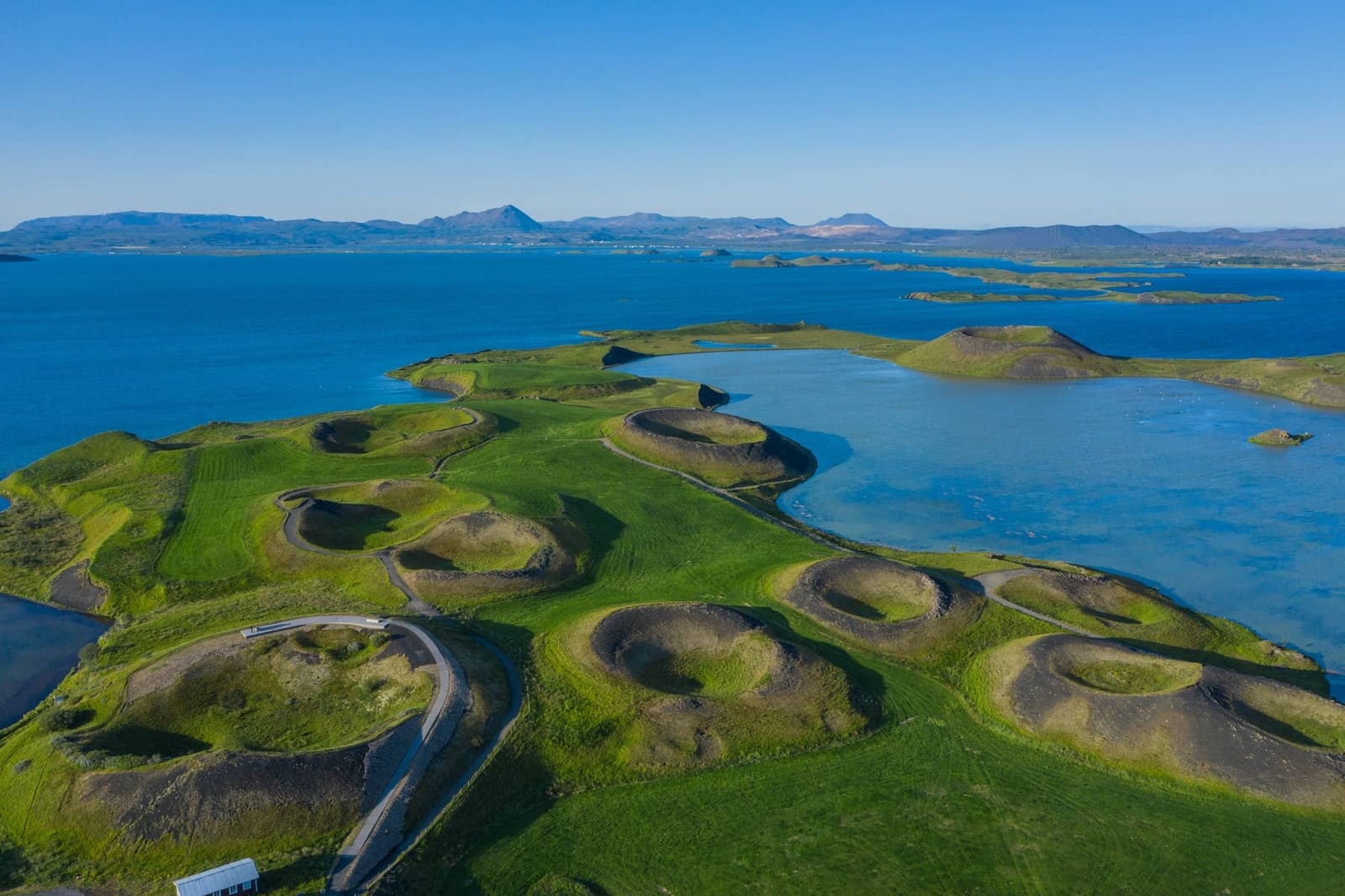
The river corridor is as much about volcanic texture as waterfall power.
Where does it fit with Dettifoss and the Diamond Circle?
Jökulsá á Fjöllum is most useful when it helps you build a North Iceland sequence, not when it becomes another isolated pin on the map.
If you are driving the Diamond Circle Road Trip, the river can be the reason to give the eastern side of the route more attention. Dettifoss gives scale, Jökulsárgljúfur gives the canyon story, and Ásbyrgi or Hljóðaklettar gives a different texture before you return toward Húsavík, Mývatn, or Akureyri.
If you are planning from the North Iceland region guide, use the river as a test of pace. It strengthens a route that already has time for the north. It weakens a short trip if it pushes every other stop into a rushed checklist.
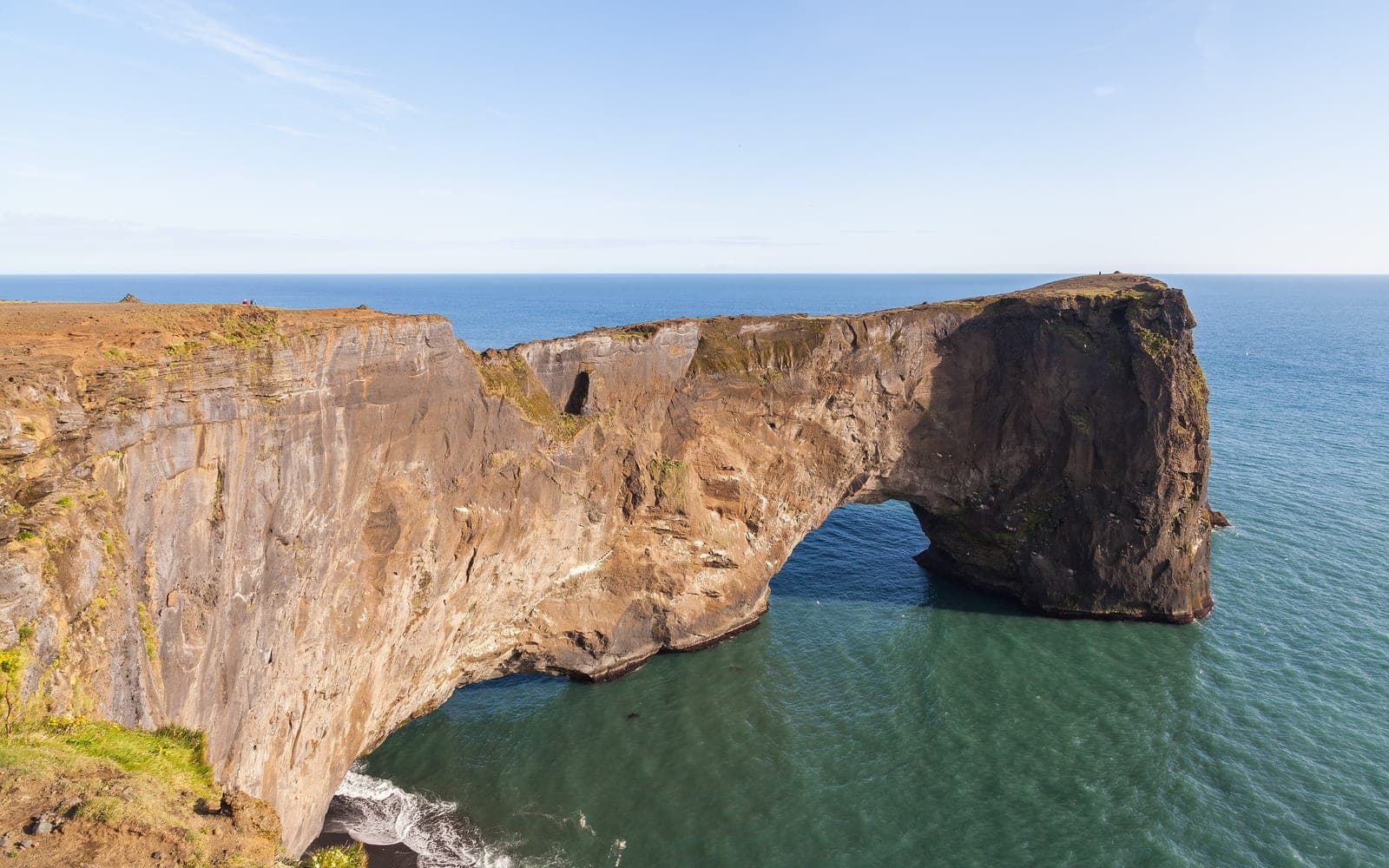
Hljóðaklettar is a good add-on when you want basalt texture instead of another waterfall view.
Jökulsá á Fjöllum: check official road, weather, safety, and national-park information before treating the river corridor as fixed in your route
Check official road, weather, safety, and national-park information before treating the river corridor as fixed in your route.
Road guidance: verify the roads you plan to use, especially if you are choosing between approaches near Dettifoss or wider canyon stops.
Weather guidance: exposed viewpoints and gravel surfaces can feel very different in wind, poor visibility, snow, thaw, or heavy rain.
Safety guidance: stay on marked routes near cliffs, river edges, waterfall viewpoints, and loose slopes.
Park guidance: use official visitor details for marked paths, protected-area rules, and any access instructions that affect your exact stop.
If your trip depends on a specific road approach, long walk, or tight sequence, check before you leave your base and again before you turn off the main route. If conditions look awkward, use Dettifoss as the simple version or move the wider canyon plan to a more flexible day.
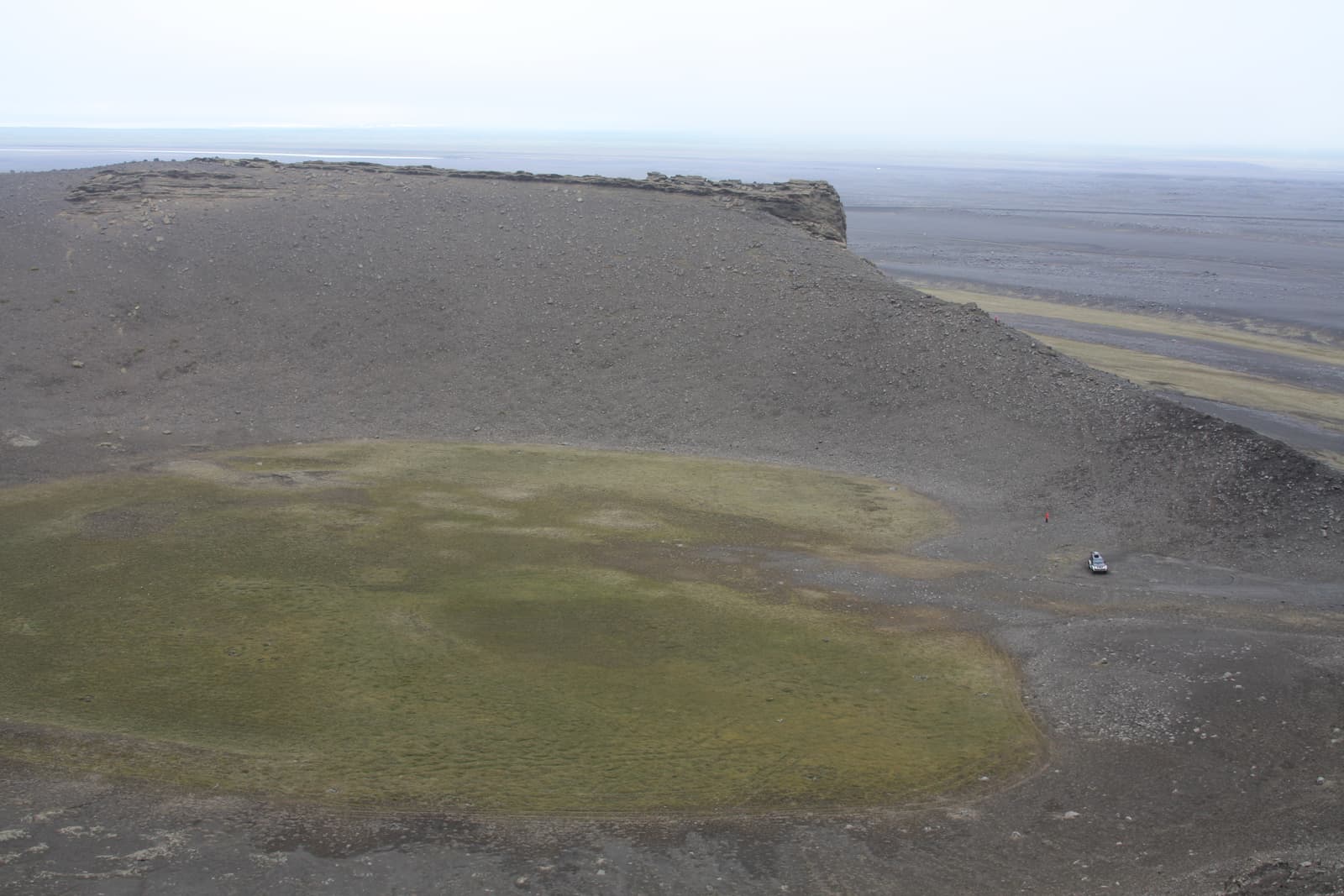
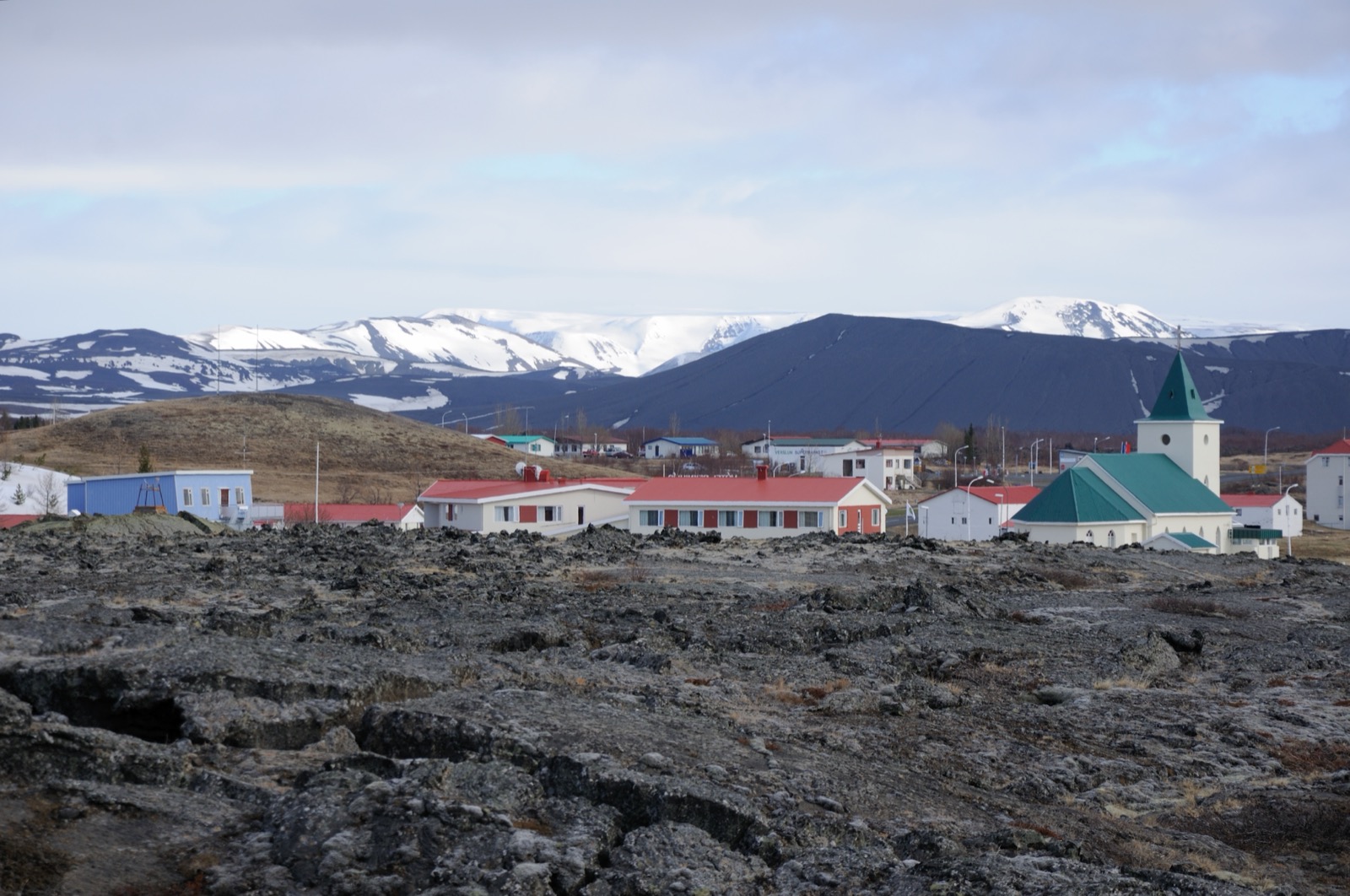
Ásbyrgi shows why the northern end of the river-canyon area can feel slower and more sheltered.
Use for travel-condition and safety checks before committing to the route.
Jökulsá á Fjöllum FAQ
These questions come up because the river is famous through its waterfalls, while the place name points to a wider landscape.
Is Jökulsá á Fjöllum the same as Dettifoss?
No. Dettifoss is one major waterfall on Jökulsá á Fjöllum, while the river also shapes the wider Jökulsárgljúfur canyon area and nearby waterfall sequence.
How much time should I allow for Jökulsá á Fjöllum?
Allow 30-60 minutes if you only want a Dettifoss-focused river stop, or half a day when you want to connect the river with Jökulsárgljúfur, Hljóðaklettar, or Ásbyrgi.
Is this a good winter stop?
It can be, but only if official road, weather, safety, and park guidance support the exact approach you want to use. Keep a simpler backup plan.
Should I visit the river if I am not going to Dettifoss?
Usually only if you are already planning Jökulsárgljúfur, Hljóðaklettar, Ásbyrgi, or a slower North Iceland route. Dettifoss is the clearest first river stop for most travelers.
Map
See where this stop sits
Use nearby places and useful bases before opening directions.
Region
North Iceland
Works well with
Diamond Circle / Ring Road
Useful base
Húsavík
Interactive planning map for Jökulsá á Fjöllum
Interactive map
Load the map when you need it
Place context and external map links remain available without loading it.
Nearby scenery
Compare nearby waterfalls and viewpoints
Use nearby stops to decide whether this waterfall is the main pause or part of a tighter cluster.