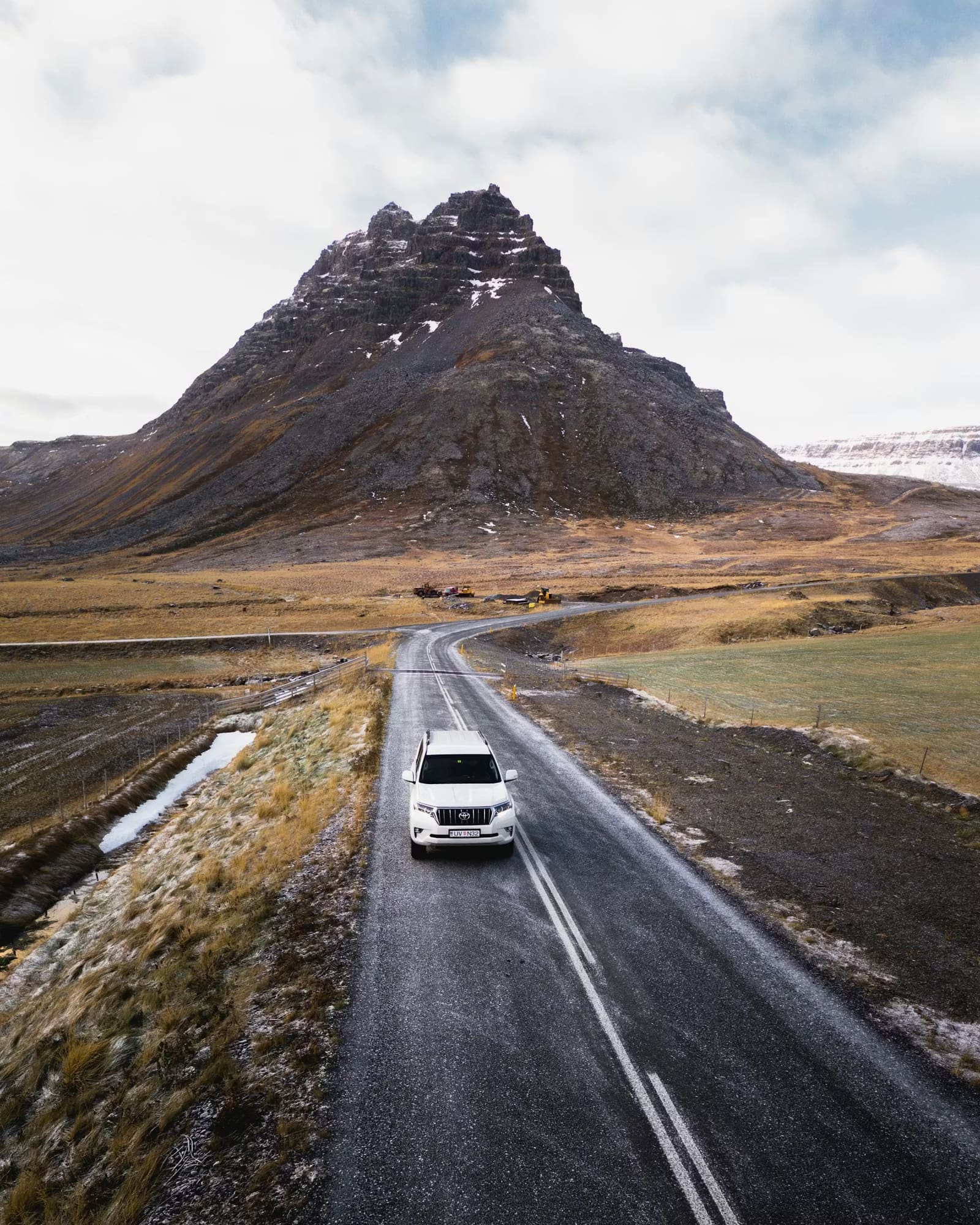
Pack waterproof outer layers, warm mid layers, wool or synthetic base layers, waterproof shoes, hat and gloves, swimwear, chargers, and small trip-specific extras. Do not pack for one forecast.
Core rule
Pack layers for wind, rain, and cold, even when the forecast looks mild.
Best outer layer
Waterproof and windproof jacket; add waterproof trousers for hikes, waterfalls, and bad weather.
Best base layer
Wool or synthetic. Avoid cotton for cold, wet, or active days.
Shoes
Waterproof walking shoes or boots with grip are more useful than dress shoes.
Decision summary
Core rule
Pack layers for wind, rain, and cold, even when the forecast looks mild.
Best outer layer
Waterproof and windproof jacket; add waterproof trousers for hikes, waterfalls, and bad weather.
Best base layer
Wool or synthetic. Avoid cotton for cold, wet, or active days.
In this guide
Pack for changes, not one forecast
Iceland packing is simple when you stop trying to guess one kind of weather.
The useful packing question is not "what is the weather in Iceland?" It is "what will I wear when wind, rain, cold, sun, and a long outdoor stop happen on the same trip?" Start with layers, then adjust for the best time to visit Iceland, your route, and the activities you have booked.
For most visitors, the right bag is not complicated. It has a waterproof outer layer, warm mid layer, wool or synthetic base layer, waterproof shoes, hat, gloves, swimwear, chargers, and a small day bag. Add specialist gear only when the plan needs it.
A small layer system beats a suitcase full of single-use outfits.
Simple Iceland clothing layers
Layer
Pack
Why it matters
Skip or limit
Outer shell
Waterproof and windproof jacket; waterproof trousers for hikes and heavy rain
Wind and rain make mild temperatures feel cold
Fashion coats that soak through
Mid layer
Fleece, wool, synthetic insulation, or light down
Adds warmth without replacing the shell
Bulky sweaters that dry slowly
Base layer
Wool or synthetic top and leggings when cold or active
Moves moisture away from skin
Cotton for cold, wet, or active days
Feet
Waterproof walking shoes or boots, wool or synthetic socks
Most famous stops still involve wet paths, gravel, spray, or mud
New untested boots and dress shoes
Small warmth
Hat, gloves, buff or scarf
Tiny items can rescue a windy viewpoint or boat tour
Assuming summer means warm hands
Wool and other warm layers are useful because Iceland weather changes faster than most wardrobes do.
Adjust the bag by season
The core layers stay similar. The balance changes.
Summer: keep the waterproof shell, add sunglasses and sleep help if bright nights bother you, and do not drop hat or gloves just because it is June.
May and September: pack like summer plus a stronger warm layer because shoulder-season days can swing quickly.
Winter: add warmer base layers, insulated gloves, warm hat, traction-aware footwear, and a plan for shorter daylight.
April and October: pack for mixed seasons rather than one clean category.
Northern lights trips: warmth matters more than camera extras because waiting outside is usually the hard part.
If your winter route includes rural driving, packing is only one part of the decision. Read the winter driving in Iceland guide before building the plan around long daily transfers.
Even city days can be wet and windy, so the same layer logic applies in Reykjavik.
Pack for the hardest day in your route
A light city break and a southeast glacier trip do not need the same bag.
For Reykjavik and guided day tours, keep luggage easy to move and make the day bag weatherproof.
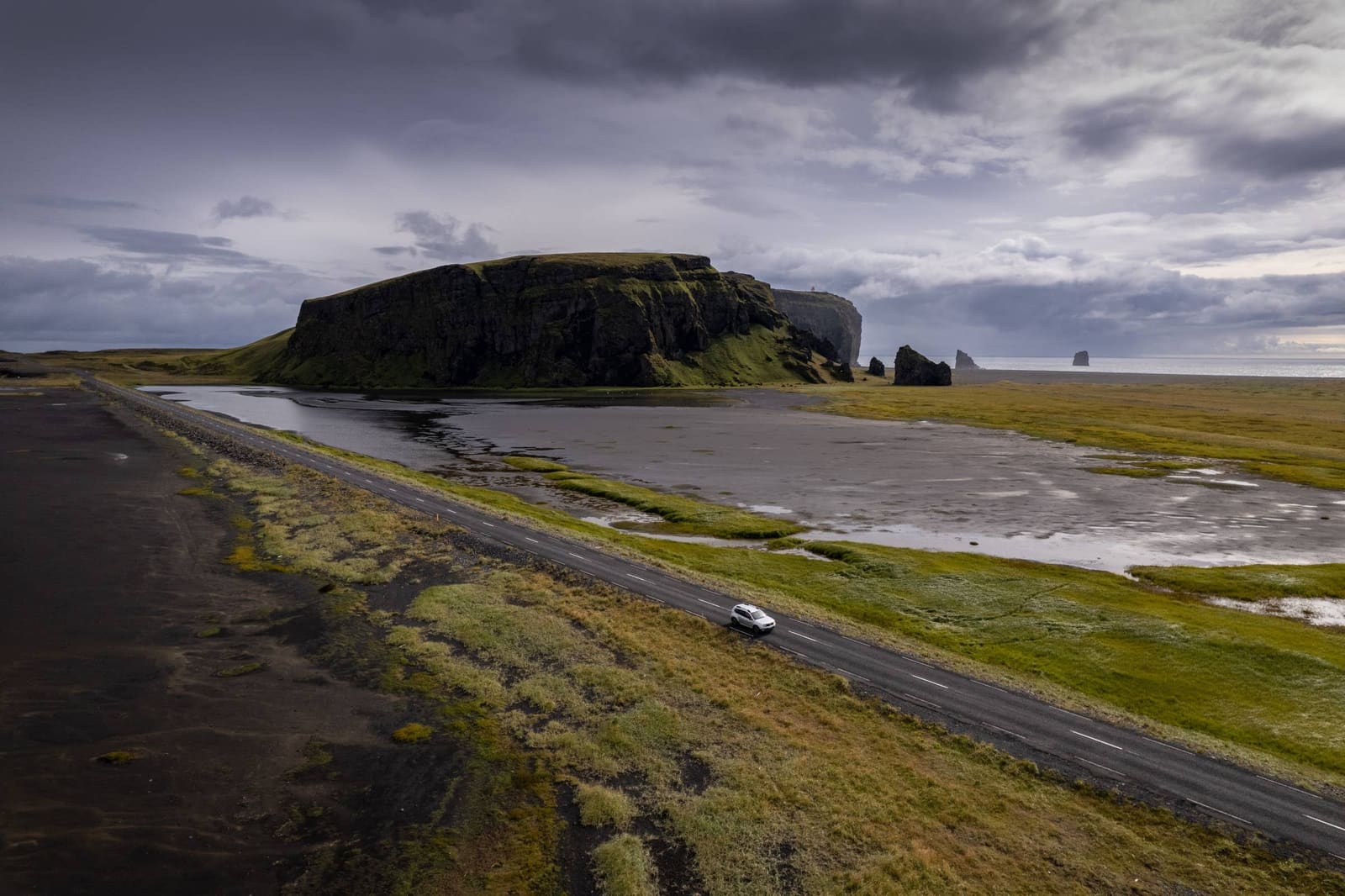
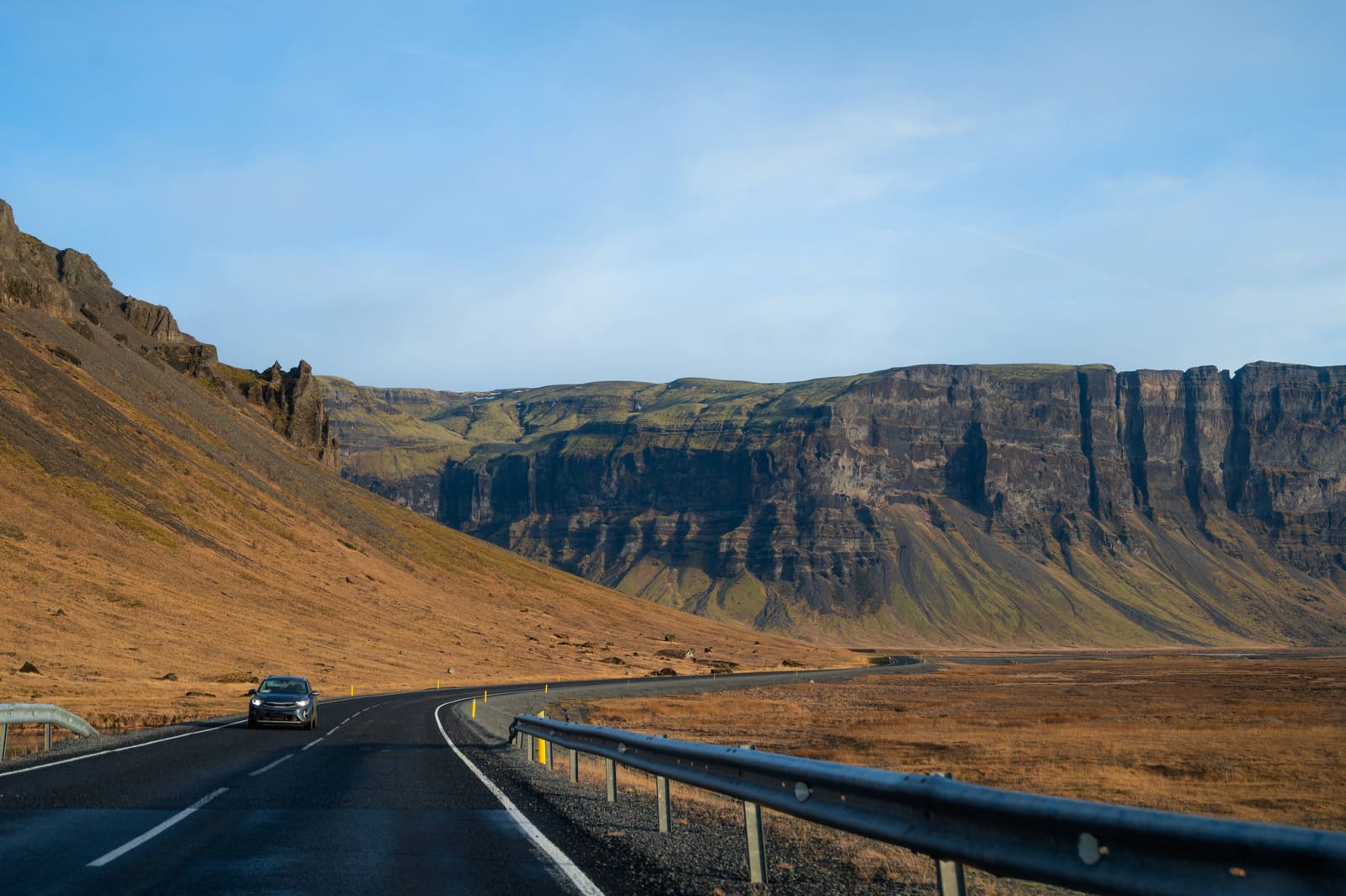
For a self-drive, pack a car-day layer within reach, not buried in the suitcase.
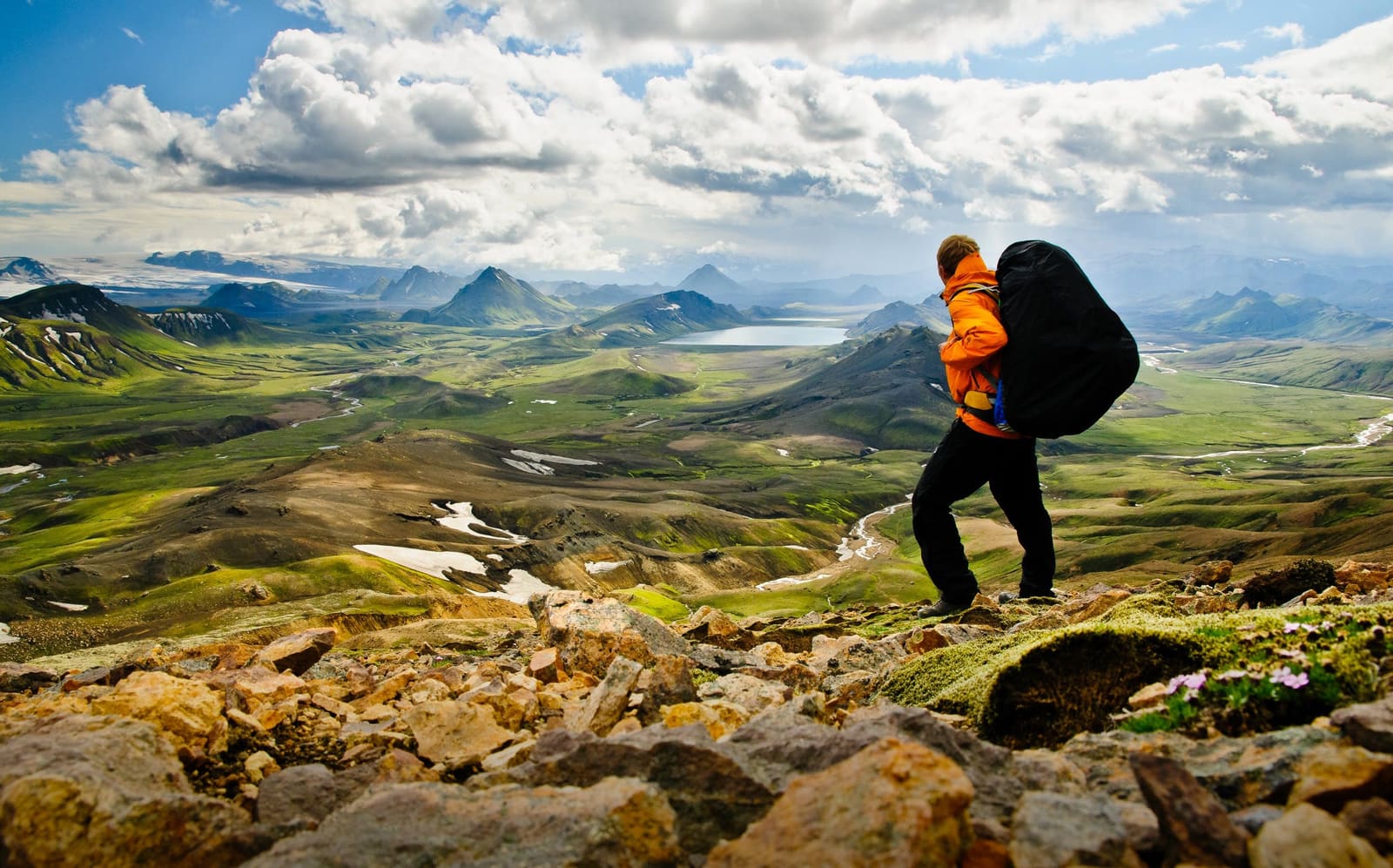
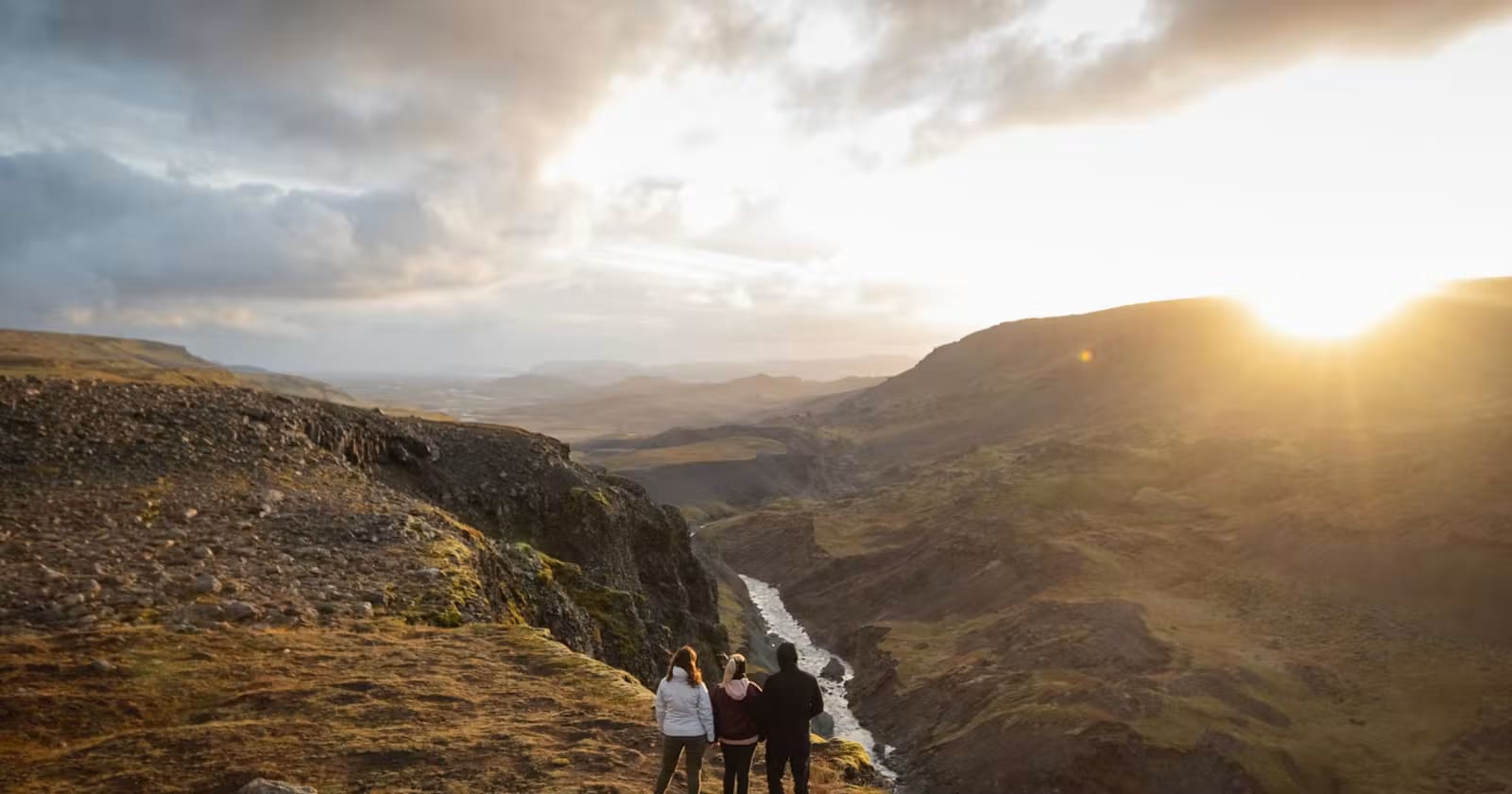
For hikes, bring proper shoes, rain gear, warm layers, water, snacks, offline navigation, and a charged phone.
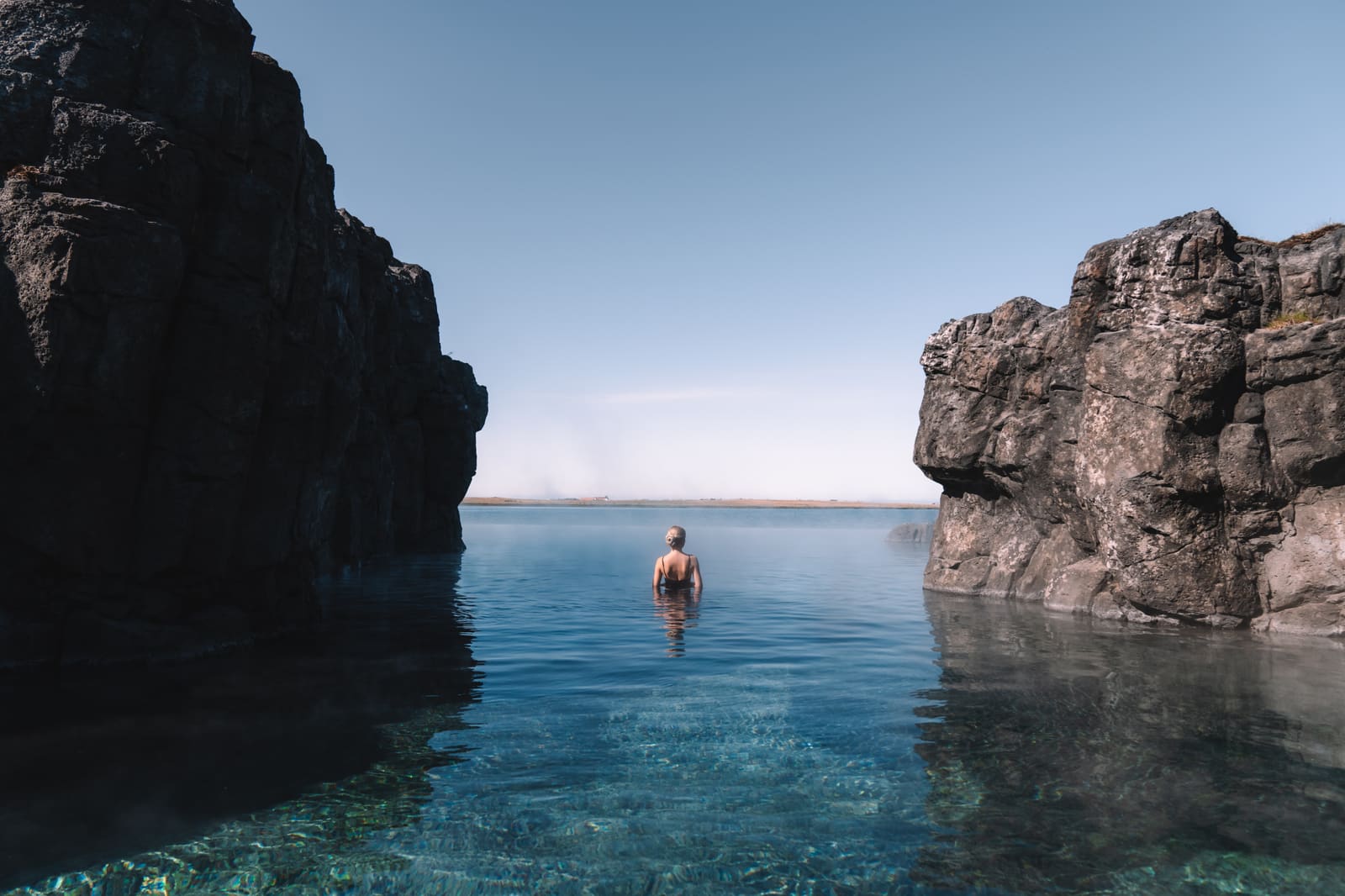
For hot springs and pools, pack swimwear and a simple dry bag or plastic bag for wet items.
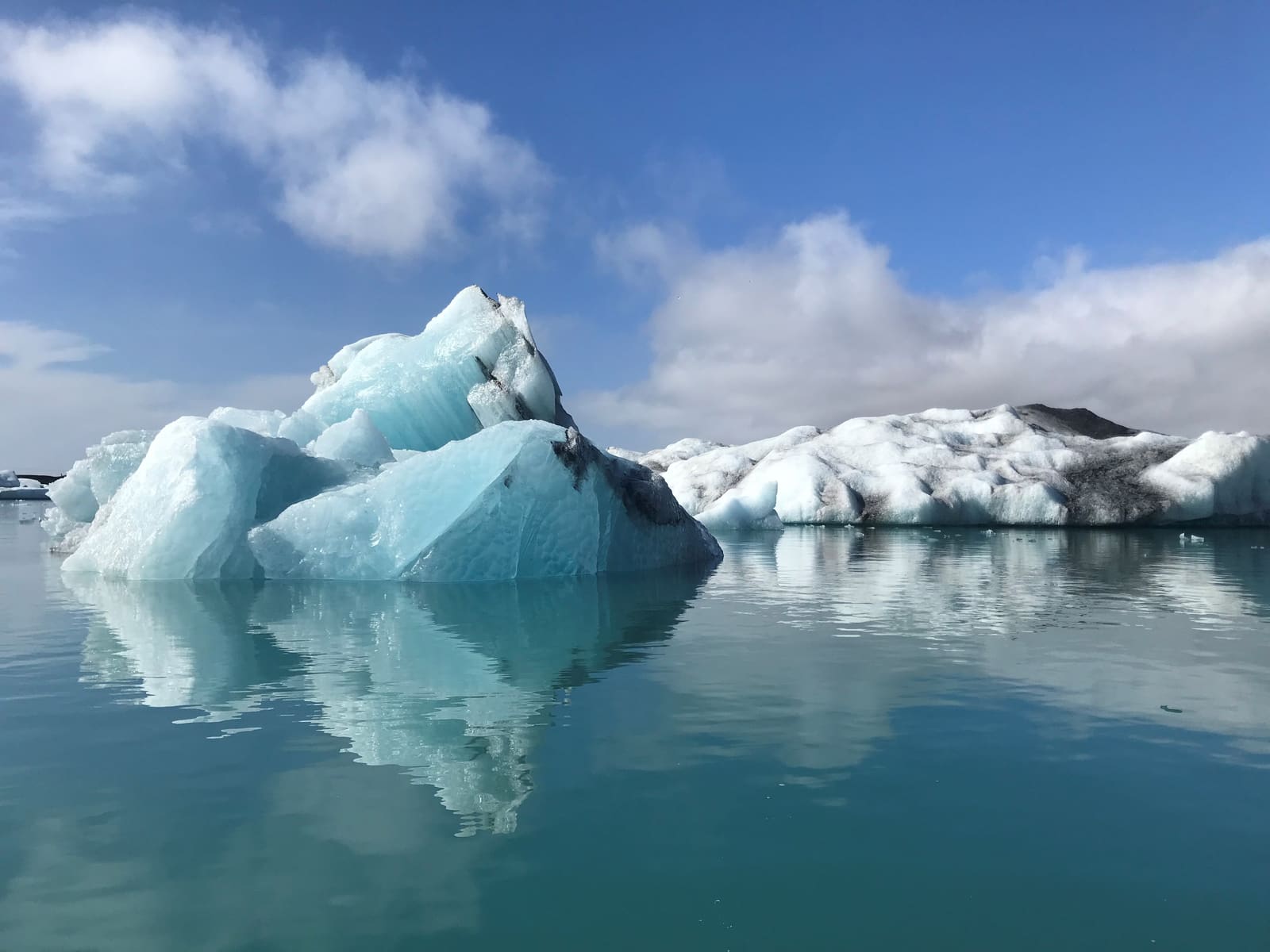
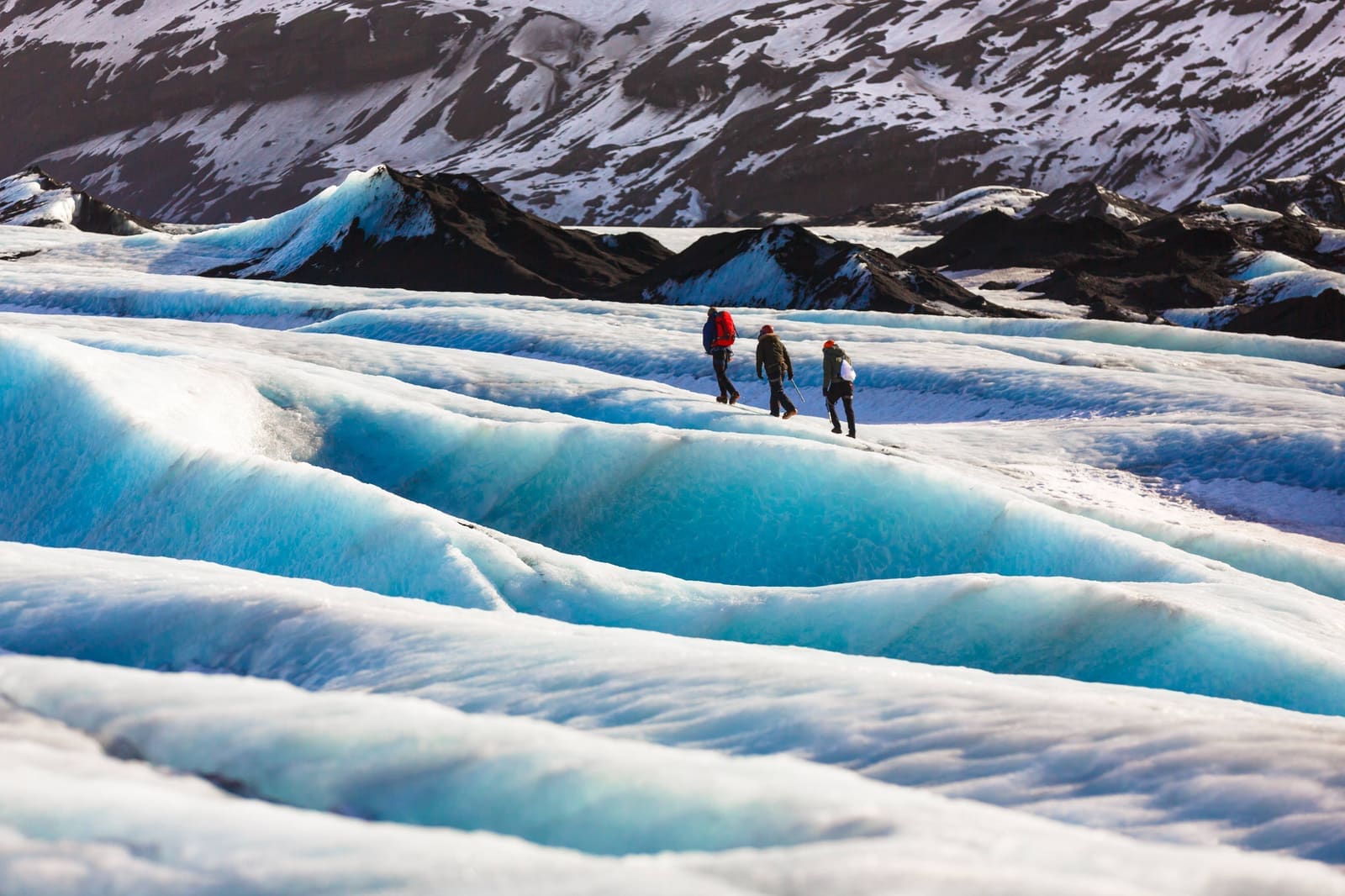
For glacier, ice cave, snowmobile, horse riding, whale watching, or boat tours, read the operator gear list before assuming your own gear is enough.
The harder the outdoor day, the more the packing list becomes a safety and comfort decision.
Useful extras that are easy to forget
Small items often matter more than extra outfits.
Swimwear for pools, hot springs, hotel spas, and spontaneous warm-water stops.
A small day bag that can hold layers, water, snacks, gloves, and camera or phone gear.
Power bank and charging cables, especially if you use your phone for photos, maps, and boarding passes.
Sunglasses and sunscreen in bright summer, snow, or glacier country.
A reusable water bottle; tap water is easy to rely on in most normal travel situations.
A compact dry bag, zip bag, or spare bag for wet swimwear, gloves, or socks.
Swimwear belongs in almost every Iceland bag, even when the trip is not built around lagoons.
What not to overpack
The goal is to be prepared, not to carry a second closet.
Do not bring many dress outfits unless your trip has specific dinners or events.
Do not bring heavy cotton layers for outdoor days.
Do not bring brand-new boots without walking in them first.
Do not pack specialist gear that your tour operator already provides.
Do not pack large amounts of food before checking Iceland customs rules.
Before packing snacks or other food, check Icelandic customs rules, especially for meat, dairy, and large amounts. Do not assume that food allowed on your flight is also allowed through customs.
Official customs guidance for food import limits and animal-product restrictions for travelers.
Packing for Iceland FAQ
Short answers for the packing decisions that cause the most second-guessing.
Do I need waterproof clothes for Iceland?
Yes. A waterproof and windproof outer layer is one of the most useful things to pack for Iceland in any season.
Can I wear jeans in Iceland?
Jeans are fine for city time and dry easy days. They are poor for cold, wet, windy, or active outdoor days because they dry slowly.
Do I need hiking boots for Iceland?
You need waterproof walking shoes or boots with good grip for most active trips. Technical boots depend on the hike or activity.
Should I pack swimwear for Iceland?
Yes. Pools, hot springs, lagoons, and hotel spas make swimwear useful on almost every trip.
What should I pack for Iceland in winter?
Pack the normal layer system with warmer base and mid layers, insulated hat and gloves, waterproof footwear, and enough flexibility for short daylight and bad weather.