Decision summary
- Fast answer
- Yes, but plan around bases, pickup points, schedules, and tours.
- Best base
- Reykjavik for most short and first-time no-car trips.
- No trains
- Iceland does not have a rail network for travelers.

Travel guide
Yes. Iceland without a car works best from Reykjavik with guided day tours, airport transfers, city buses, selected long-distance buses, ferries, and domestic flights. It works poorly when you expect full self-drive freedom.
Decision summary
Iceland without a car works when the overnight plan matches the transport network.
A no-car Iceland trip is not a self-drive route with the car removed. It is a base-led trip. Reykjavik works because airport transfers, city buses, tour pickup, restaurants, and bad-weather alternatives are concentrated there. Rural no-car plans need more checking before they become realistic.
If you are still deciding between renting and not renting, read driving in Iceland and winter driving in Iceland before you spend money. The right answer changes by season, confidence, route, and group style.
Good to know
Choose one of these patterns before looking at individual tours or timetables.
| Trip shape | Best base | Transport style | Best for |
|---|---|---|---|
| 2 to 3 days | Reykjavik | Airport transfer, city walking, one guided day tour | First taste, stopover, winter city break |
| 4 to 5 days | Reykjavik | Two or three guided day tours plus city time | Golden Circle, South Coast, hot springs, northern lights |
| 5 to 7 days | Reykjavik plus one careful add-on | Tour package, ferry, domestic flight, or fixed bus link | Travelers who accept schedule limits |
| North Iceland add-on | Akureyri or Myvatn area | Domestic flight plus local tours or transfers | Second trips or visitors avoiding a long drive |
| Remote rural route | Only if schedules prove it | Specific bus, ferry, or guided operator | Flexible travelers with backup days |
For most first trips, the best no-car move is a strong Reykjavik base, then one or two major guided days. Use where to stay in Iceland before booking a rural hotel that may not have the transport you expect.
Use each mode for the job it does well.
A tour is not only transport. Sometimes it is the thing that makes the day workable.
Use buses when the route is simple, the stop is urban, or the schedule clearly matches your accommodation. Use tours when the value is access, guiding, equipment, winter handling, pickup, or a full day that would be awkward to stitch together yourself.
Use them when they replace a hard drive, not when they add another fragile connection.
Domestic flights can make Akureyri, Egilsstadir, Isafjordur, or other regional starts feel closer, but you still need local transport, weather margin, and a reason to be there. A ferry can make a route elegant when the sailing is part of the plan, not an afterthought.
Check the airport codes before connecting flights. Reykjavík Airport (RKV), the main domestic hub, is separate from Keflavík International Airport (KEF). Allow for the ground transfer, baggage collection and the next airline’s check-in deadline; do not plan them as a same-terminal connection.
This is where the no-car plan should become more conservative, not more ambitious. If one missed connection breaks the trip, either add a buffer or simplify the route.
The wrong no-car plan is usually too spread out.
No-car travel usually reduces driving stress, but it adds schedule stress. Pack lighter with packing for Iceland, keep payment simple with money in Iceland, and build the route around fewer bases.
Official tourism-board overview of buses, guided bus tours, ferries, domestic flights, and the absence of trains.
Official bus timetables, route planner, fares, and service updates.
Official airport page for bus services between Keflavik Airport and Reykjavik.
The airport operator explains the connection between the separate Reykjavík and Keflavík airports; confirm current transfers and airline check-in requirements.
Use for current countryside bus route timetables and payment notes.
This is a simple starting point for many first-time visitors.
Short answers for the transport questions that usually decide the plan.
Yes, but it works best with Reykjavik as a base, guided day tours, selected buses, ferries, and domestic flights. It is not as flexible as self-driving.
No. Iceland does not have a train network for travelers.
Yes. Reykjavik is the easiest no-car base because airport transfers, city buses, tour pickup, restaurants, and indoor alternatives are concentrated there.
Yes, usually by guided day tour or a planned multi-day tour. Public transport is not a simple replacement for stopping at each famous sight.
Sometimes, but not always. You may save on rental car costs and insurance but spend more on guided tours, transfers, and central accommodation.
By ThorPublished
Destination context
Use region guides to apply this advice to the bases, distances, and conditions of a specific part of Iceland.
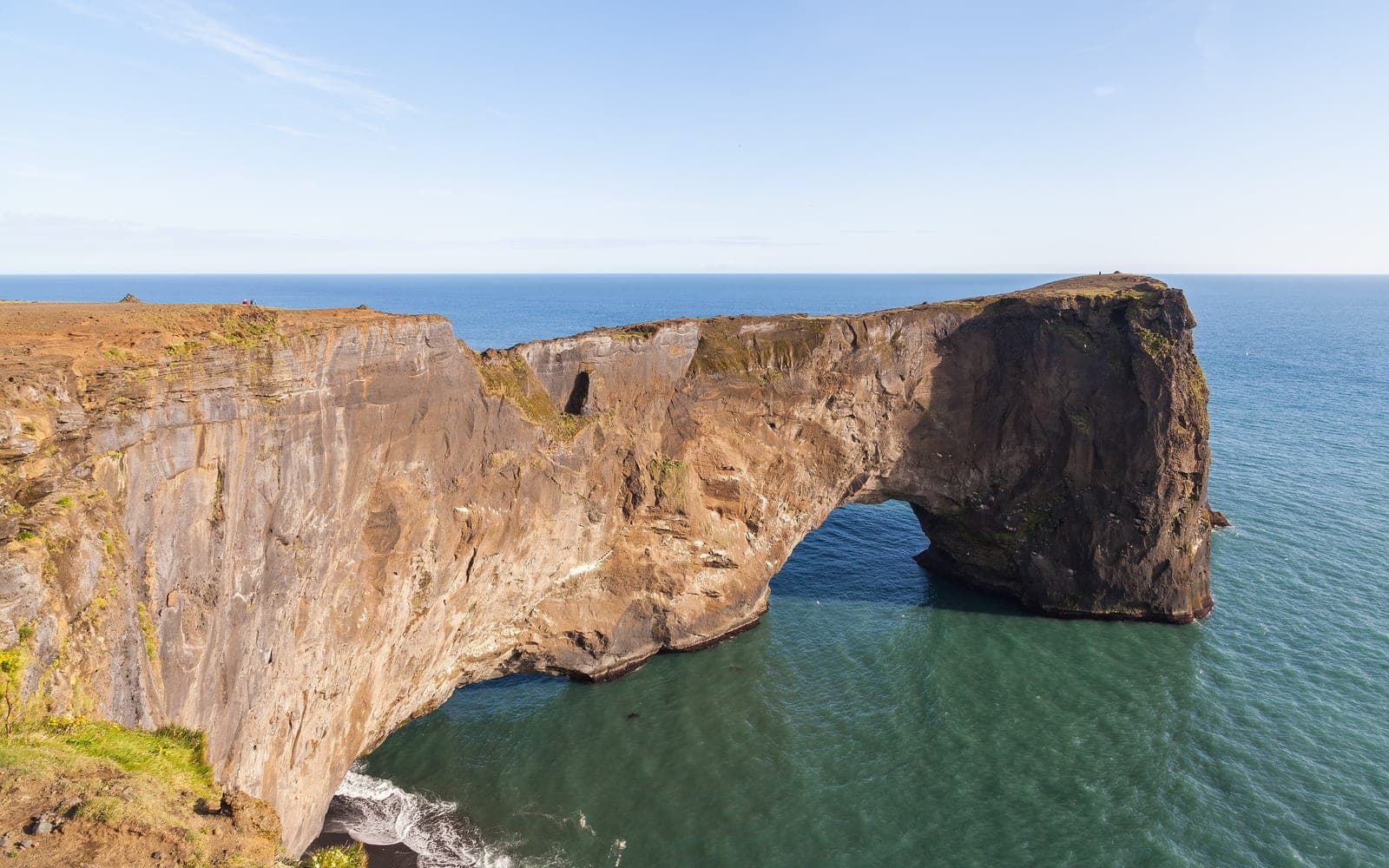
Build a first-trip route around waterfalls, black-sand coast and glacier country, but allow two to four days if Jökulsárlón is part of the plan.
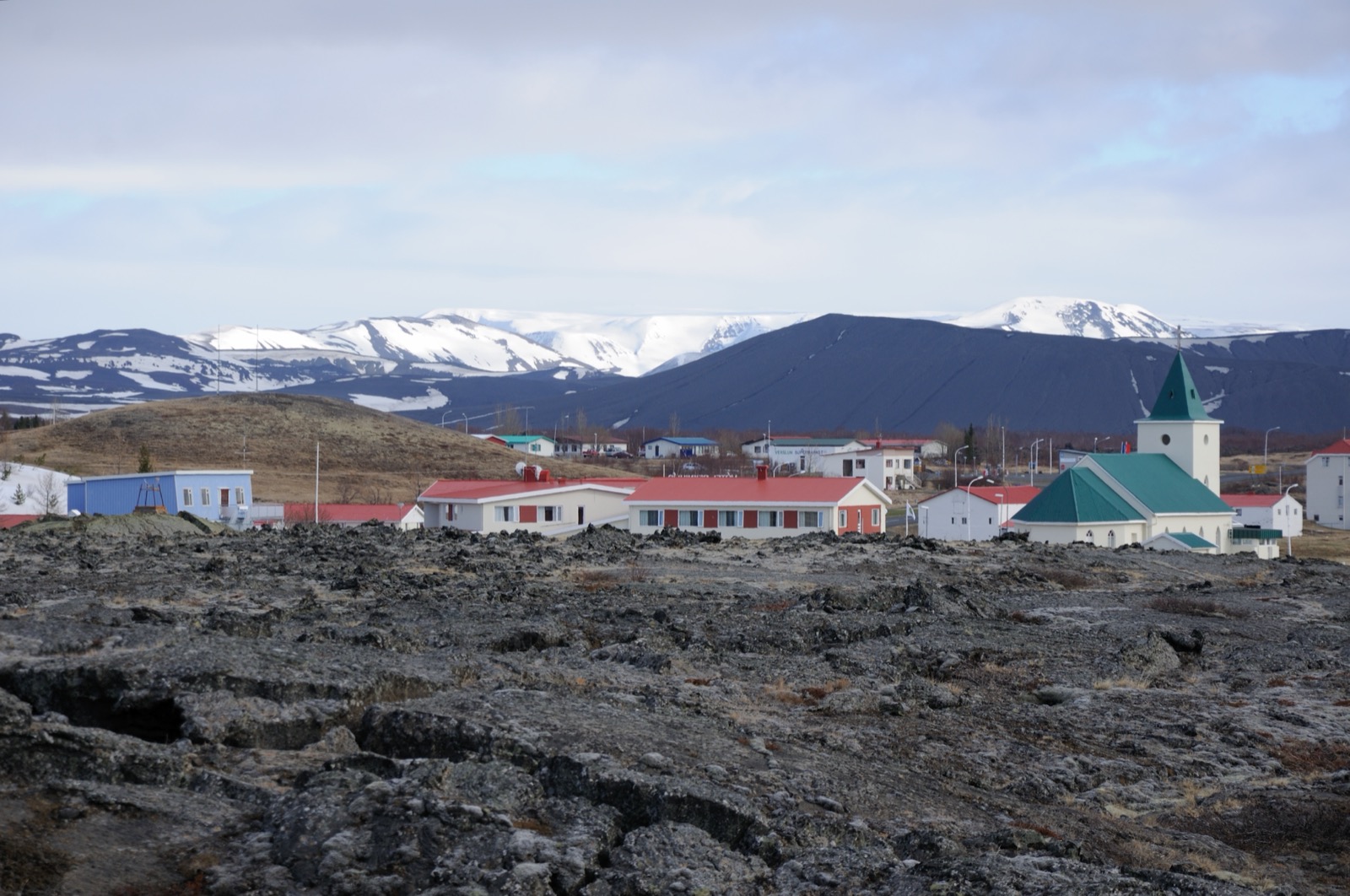
Choose North Iceland when you can spare several days for Akureyri, Mývatn, Húsavík, and canyon country; one rushed overnight barely reaches the region.
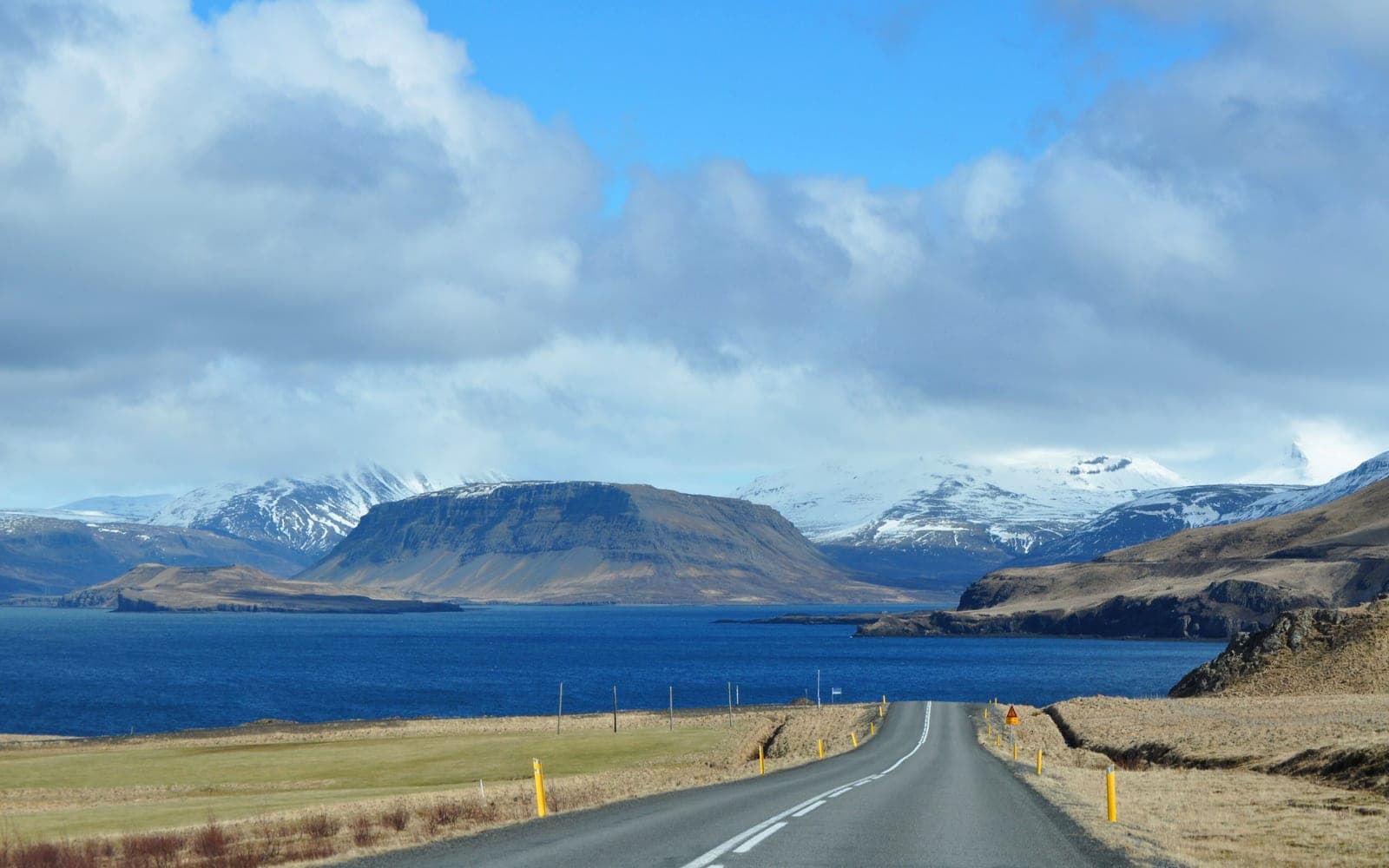
Choose West Iceland for a Borgarnes-based mix of waterfalls, geothermal stops, and caves; skip it if Snæfellsnes already fills your spare westbound day.
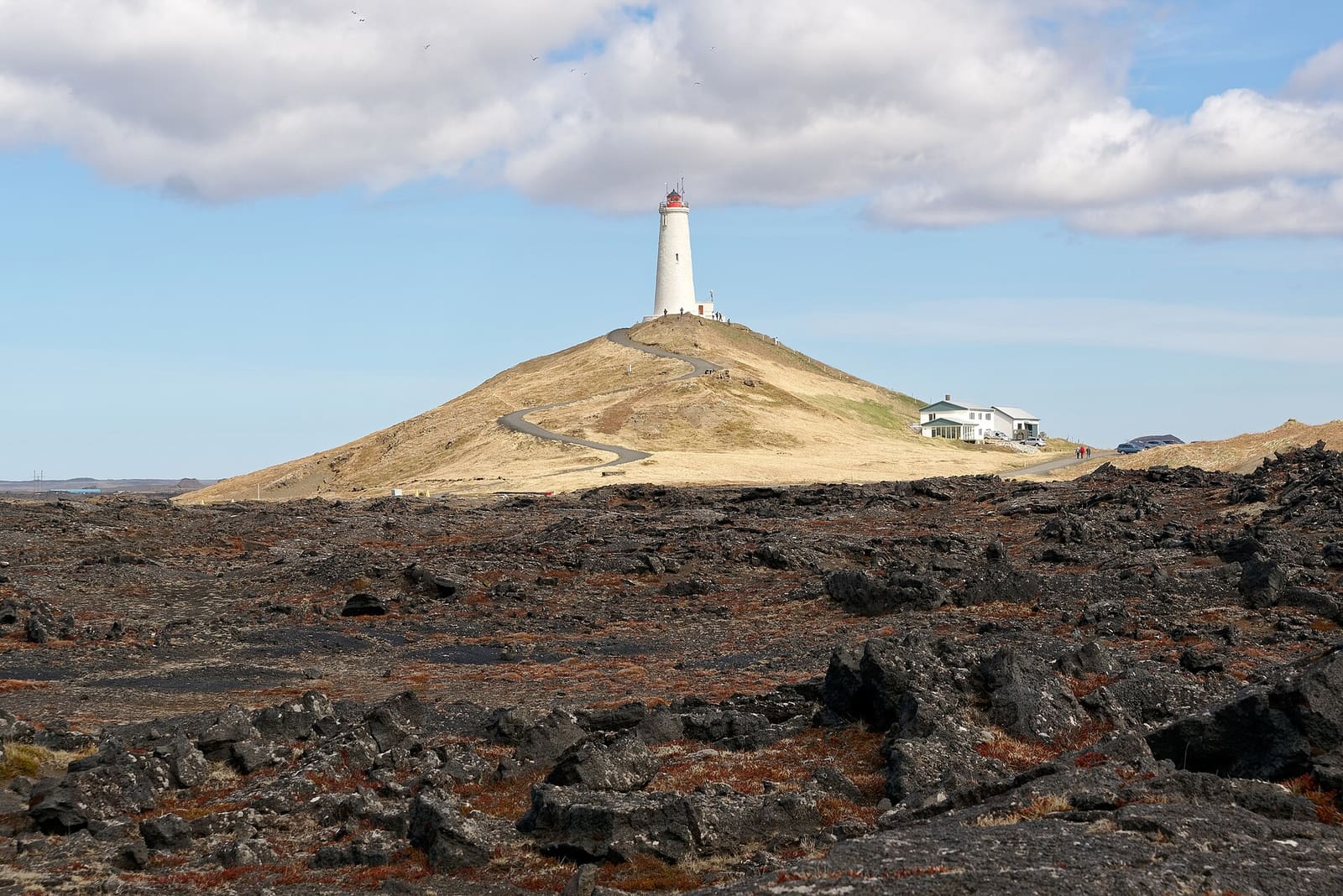
Use this volcanic peninsula for a careful half- or full-day route near KEF, but keep eruption sites, Grindavík and Blue Lagoon plans conditional.
Trip structure
Move into a concrete trip shape once the practical question is resolved.
Related guidance
Continue only to a guide that answers a distinct planning question.
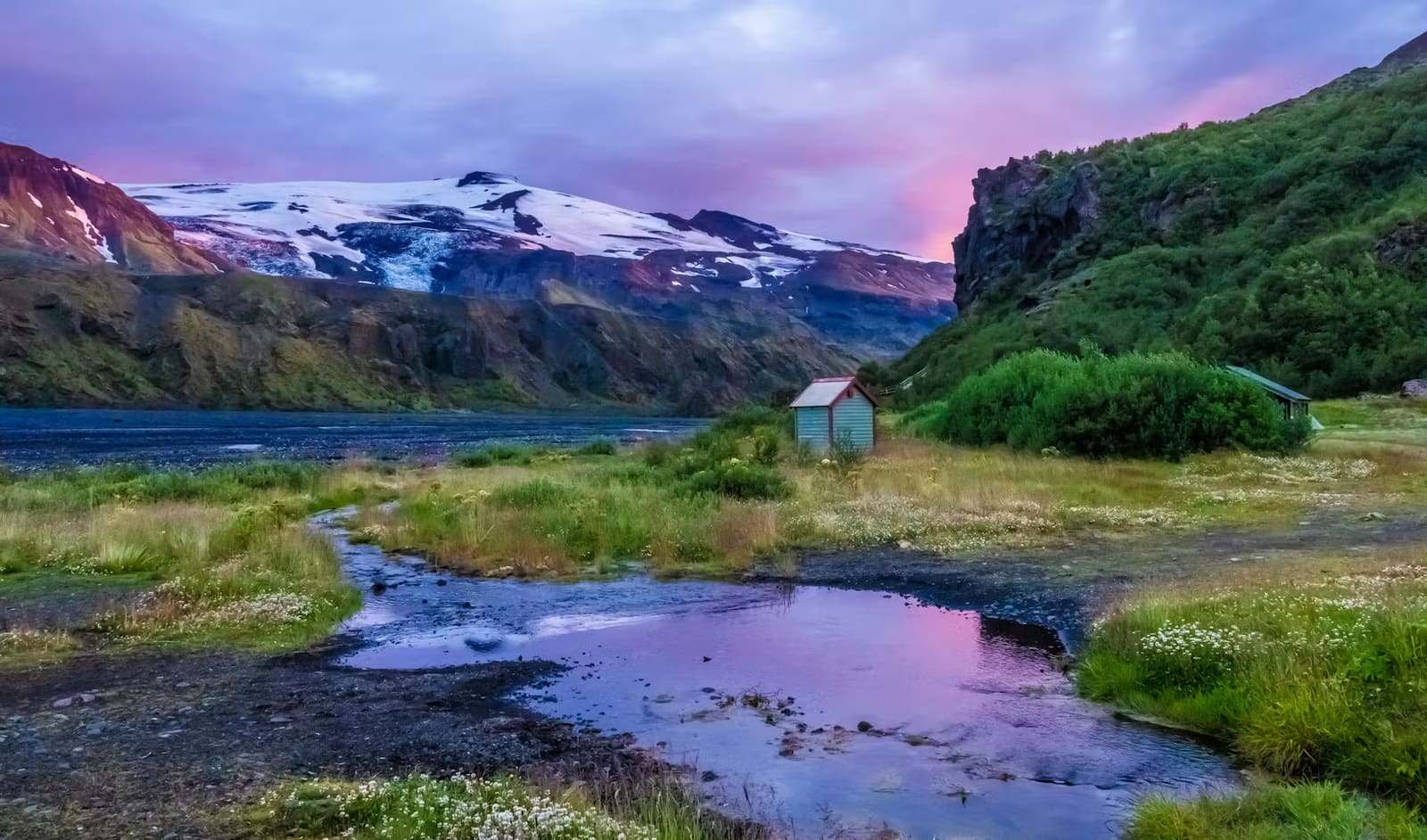
Choose when to visit Iceland by matching the month to the trip you want: easier summer driving, quieter shoulder months, northern lights, winter ice caves, or highland access.
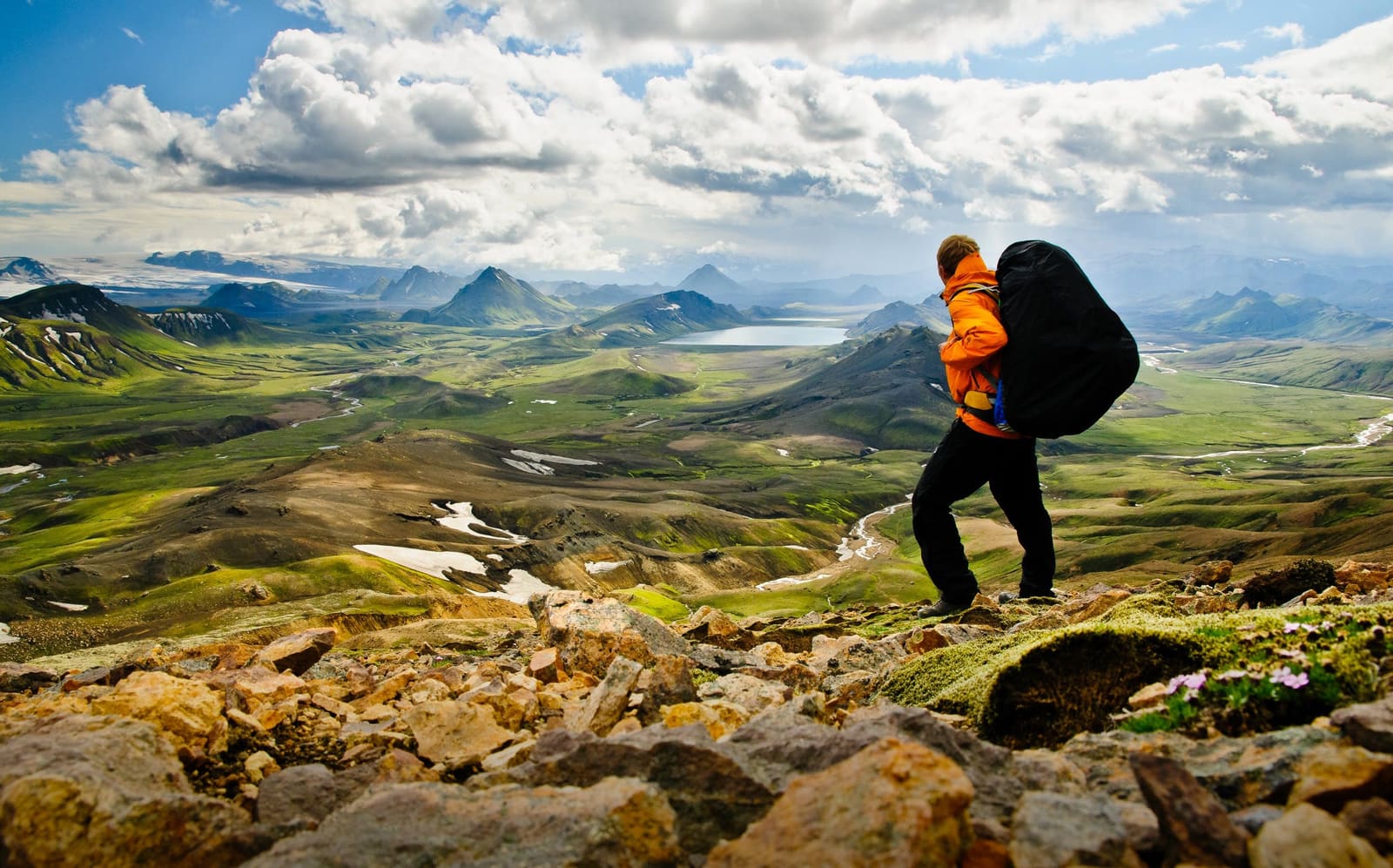
Pack for Iceland by building layers for wind, rain, cold, and the hardest day in your plan.

Money in Iceland is straightforward: use Icelandic krona, pay mostly by card, keep cash small, and know the tipping and VAT basics.
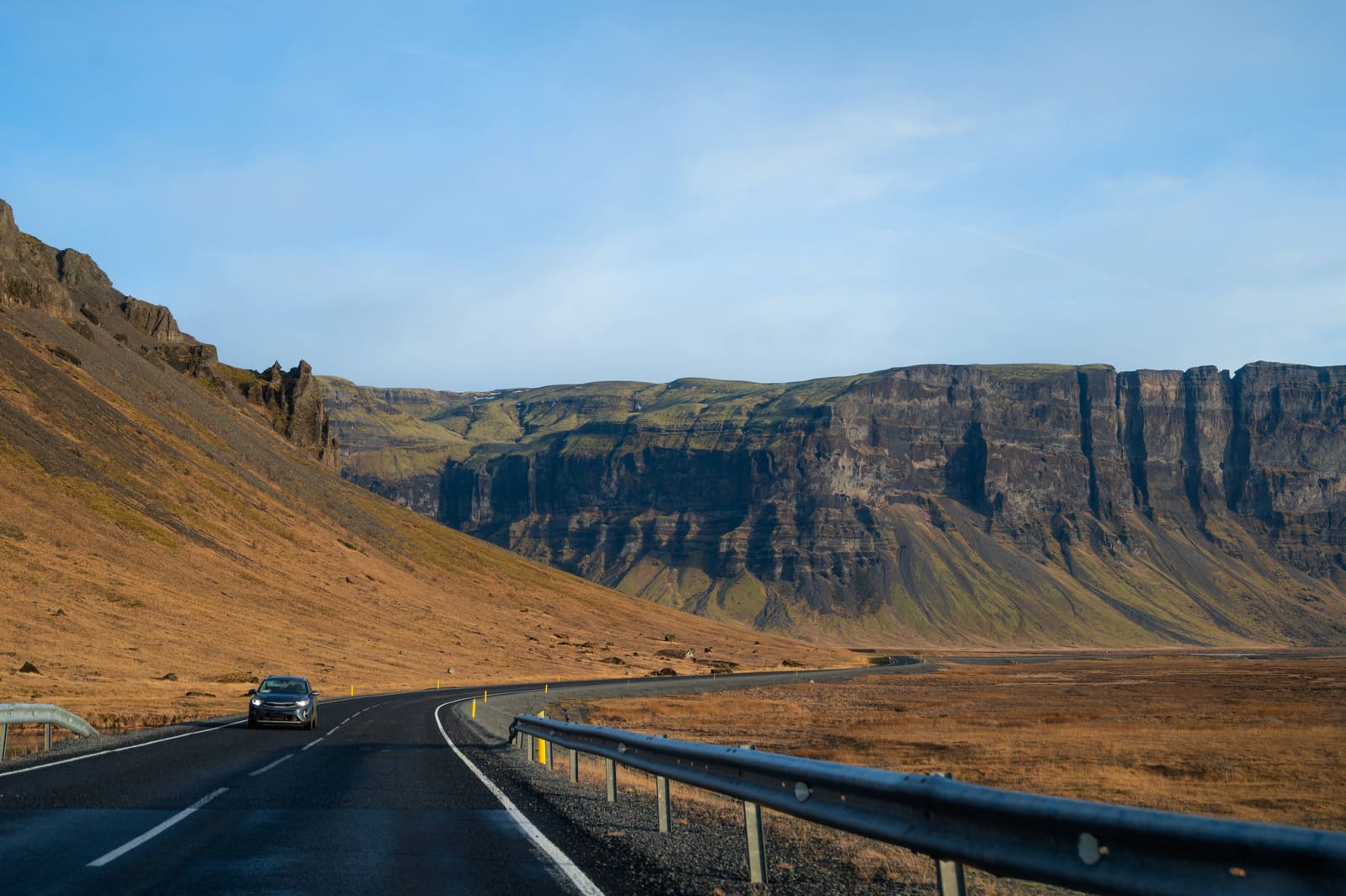
A practical guide to deciding whether to self-drive, matching routes and vehicles, and checking live conditions before every travel day.
Next transport choice
After deciding not to rent a car, choose a Reykjavik-based, tour-led, or flight-supported route instead of copying a self-drive plan.