Decision summary
- Currency
- Icelandic krona, usually written ISK or kr.
- Cards
- Credit and debit cards are widely used; know your PIN for some larger purchases.
- Cash
- Useful as a small backup, but most visitors should not carry large cash amounts.
Travel guide
Iceland uses the Icelandic krona. Cards are widely used, foreign currencies are rarely accepted, cash is usually only a small backup, and tipping is not expected in normal situations.
Decision summary
Money in Iceland is usually easier than visitors expect.
Iceland uses the Icelandic krona. Cards are widely used, contactless payments are common, and foreign currencies are rarely accepted. For most visitors, the simple setup is one or two cards, a known PIN, a small cash backup, and a clear idea of bank fees.
For the overall budget, use the Iceland trip budget worksheet to add accommodation, transport, food and activities for your actual dates. Read Iceland without a car if transfers and tours will be a major part of your spending.
Good to know
The local currency is the Icelandic krona.
The Icelandic currency is the krona, plural kronur. You will usually see it written as ISK or kr. Central Bank notes currently include 10,000, 5,000, 2,000, 1,000, and 500 kr denominations. Coins include 100, 50, 10, 5, and 1 kr.
Exchange rates move, so do not memorize a conversion from an old article. Use current bank or card-app rates before making large decisions.
Cards do most of the work, but a small backup can still be useful.
ATMs are available across Reykjavík and at Keflavík Airport if you need Icelandic króna. Check your own bank’s overseas withdrawal charges and any fee shown by the ATM before accepting the withdrawal.
Bring less than you think, but not necessarily none.
For most travelers, cash is a backup rather than the main way to pay. A small amount can lower stress for a remote bathroom fee, a tip you choose to give, a rural payment hiccup, or a backup when a card or app fails.
If you are camping, driving rural roads, or using small facilities, cash can be more useful than on a city break. Pair this page with camping in Iceland or driving in Iceland if those details apply.
Tipping is not expected, so do not build your budget around it.
In normal restaurants, cafes, bars, taxis, and tours, tipping is not expected in the way it is in some countries. If service is exceptional and you want to leave something extra, it is usually appreciated. But you should not feel that a standard tip is required.
Know the rules before you count a refund as savings.
Iceland has VAT on goods and services. Non-Iceland residents may be eligible for a tax-free refund on qualifying goods that are exported from Iceland, but only when the purchase, form, receipt, goods, and validation process all meet the rules.
These habits prevent most avoidable payment stress.
Official source for the Icelandic krona, valid note denominations, and coin denominations.
Reference exchange-rate source; useful for context, not as a guaranteed retail transaction rate.
Current local tourism guidance on cards, contactless payments, foreign currency, PINs, and tipping.
Official VAT context, including standard and reduced VAT rates.
Official guidance for tax-free eligibility, minimum receipt amount, forms, receipts, goods, and export validation.
By ThorPublished
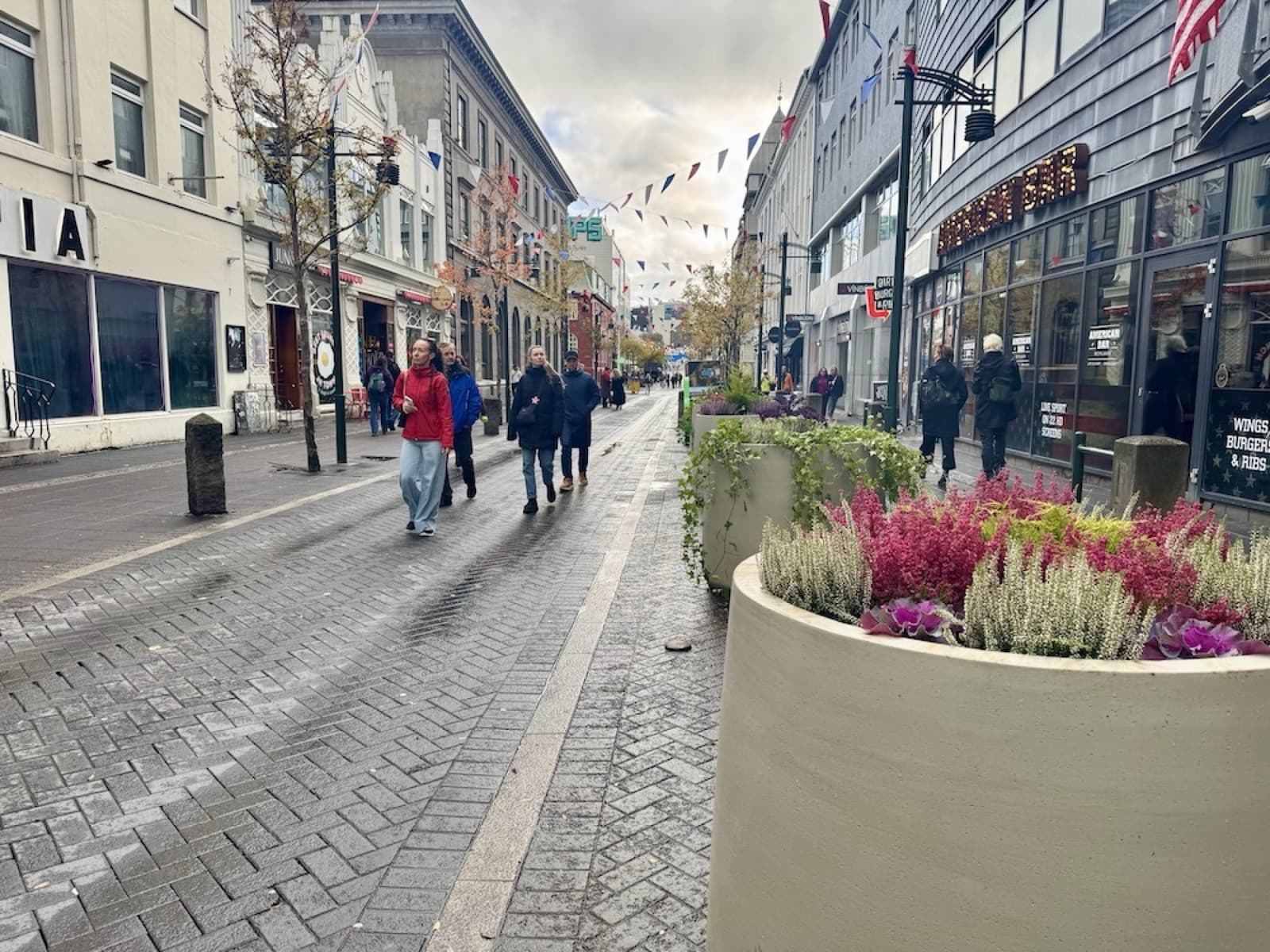
The Austurstræti photograph by Jóhann Heiðar Árnason and the Tryggvagata photograph by Vincent van Zeijst are used under CC BY-SA 3.0. Both are resized and compressed for this guide.
Resized and compressed for this guide.
Resized and compressed for this guide.
Short answers for common currency, card, cash, and tipping questions.
Iceland uses the Icelandic krona, usually written ISK or kr.
Foreign currencies are rarely accepted for normal purchases. Use Icelandic krona or pay by card.
Most visitors do not need much cash. A small backup can be useful, but cards handle most normal payments.
Yes, credit and debit cards are widely used. Know your PIN, especially for some larger purchases or unattended machines.
Tipping is not expected in normal situations. You can leave something extra for exceptional service if you want to.
Destination context
Use region guides to apply this advice to the bases, distances, and conditions of a specific part of Iceland.
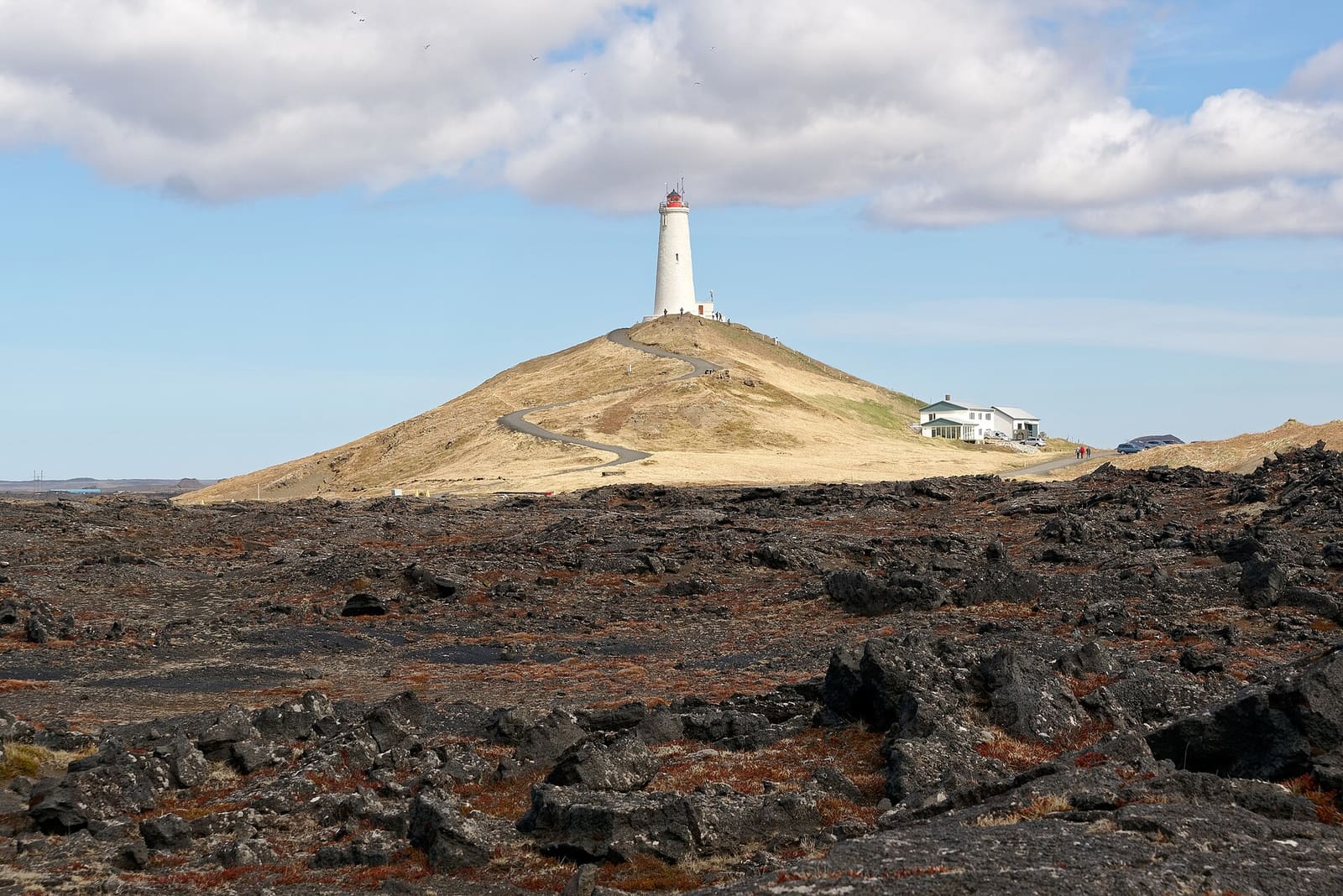
Use this volcanic peninsula for a careful half- or full-day route near KEF, but keep eruption sites, Grindavík and Blue Lagoon plans conditional.
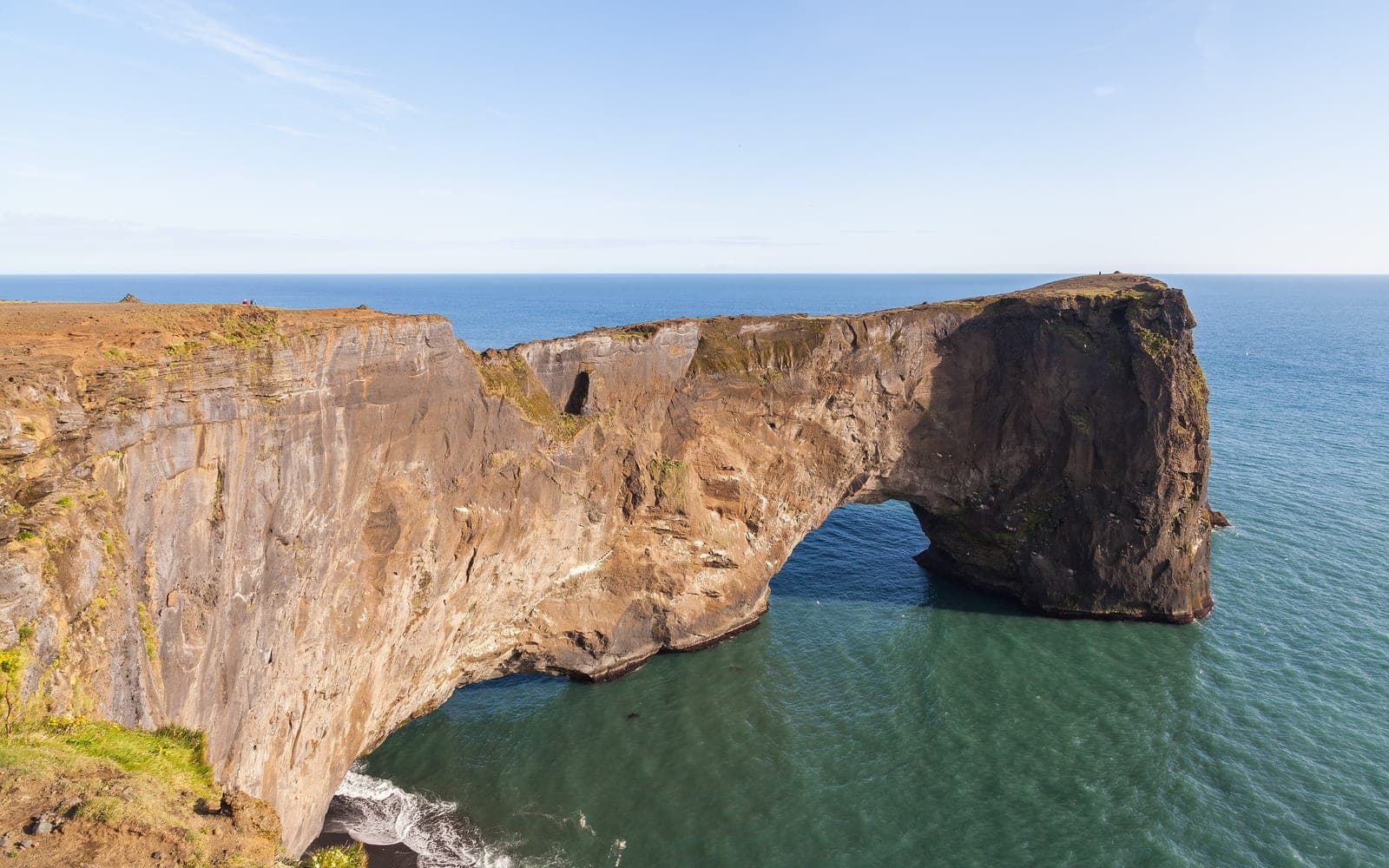
Build a first-trip route around waterfalls, black-sand coast and glacier country, but allow two to four days if Jökulsárlón is part of the plan.
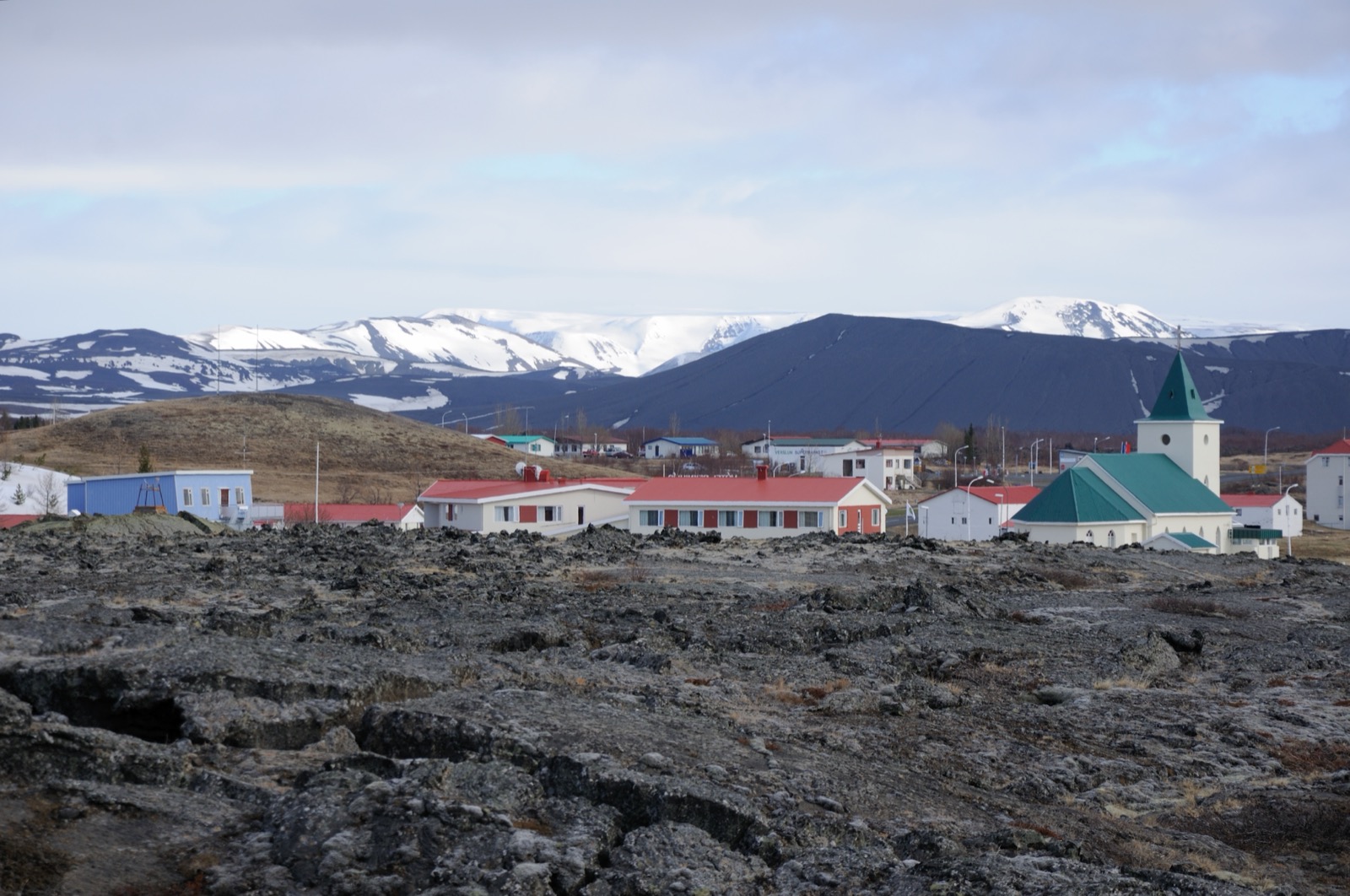
Choose North Iceland when you can spare several days for Akureyri, Mývatn, Húsavík, and canyon country; one rushed overnight barely reaches the region.
Trip structure
Move into a concrete trip shape once the practical question is resolved.
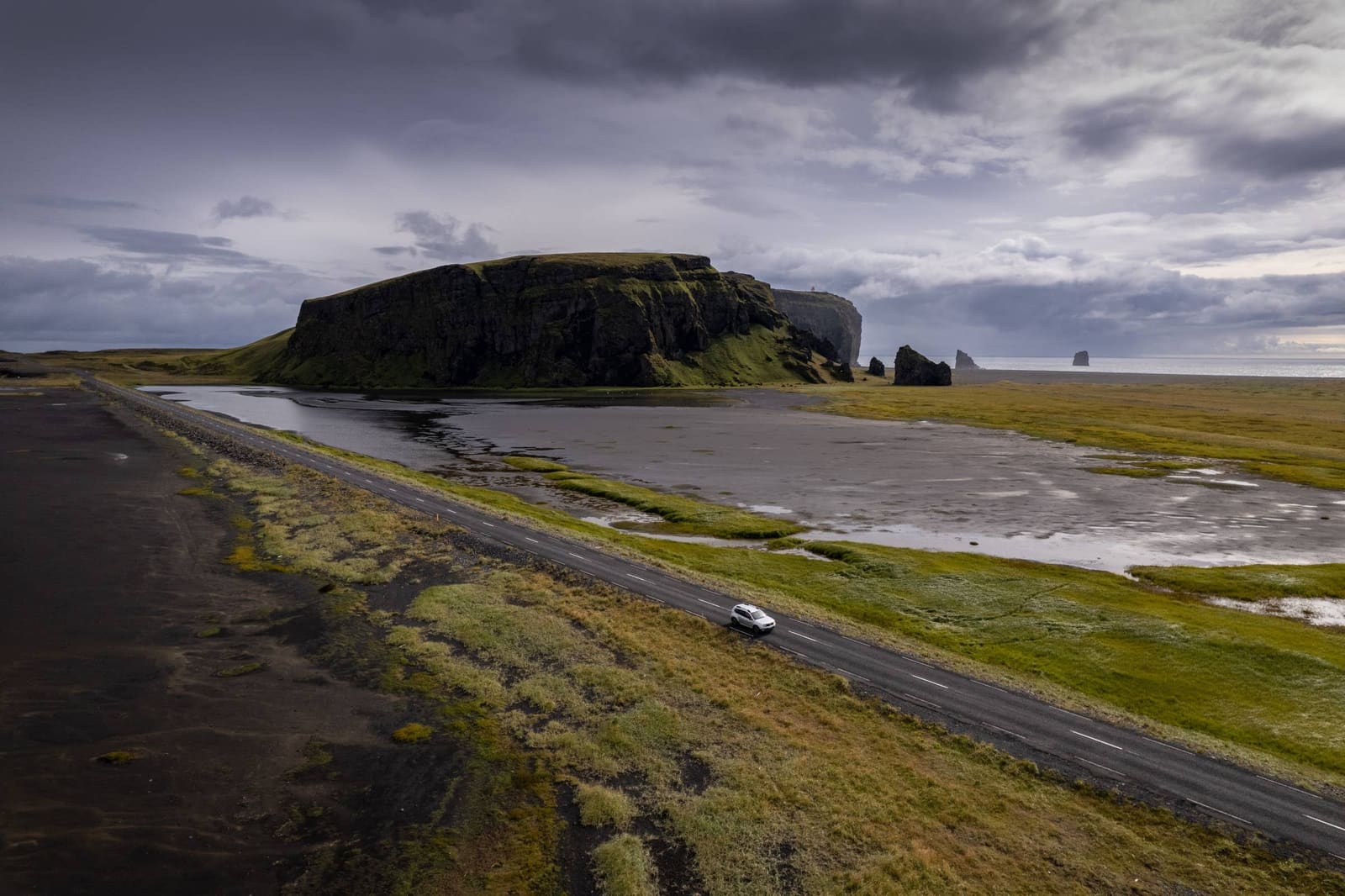
A realistic first-trip route through Reykjavík, the Golden Circle, and the South Coast, built for five calendar days without turning the final day into a race to the airport.
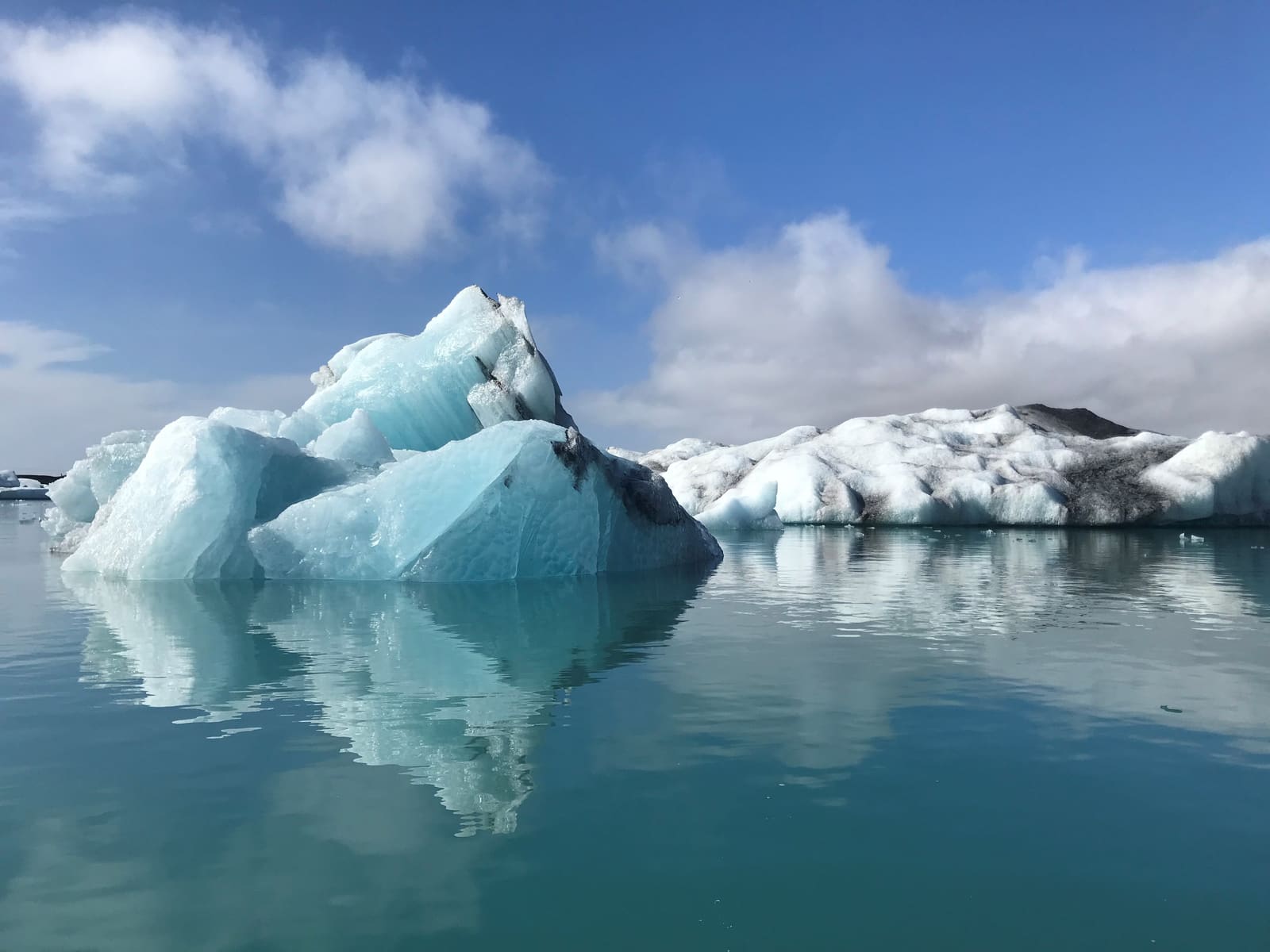
A realistic one-week route for a first Iceland trip, moving from Reykjavík through the Golden Circle and South Coast to Skaftafell and Jökulsárlón before returning west with a full night left before departure.
Related guidance
Continue only to a guide that answers a distinct planning question.
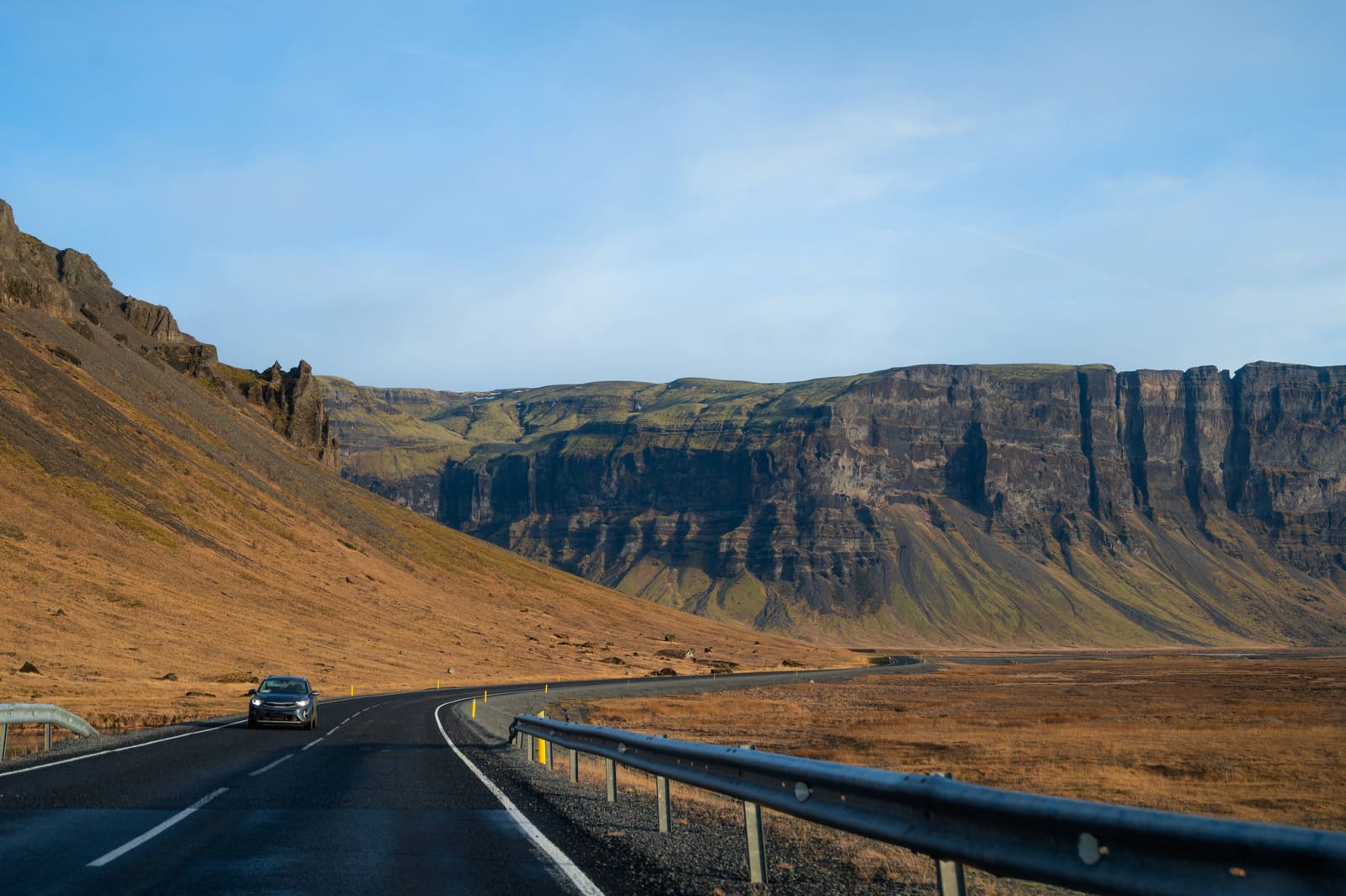
A practical guide to deciding whether to self-drive, matching routes and vehicles, and checking live conditions before every travel day.
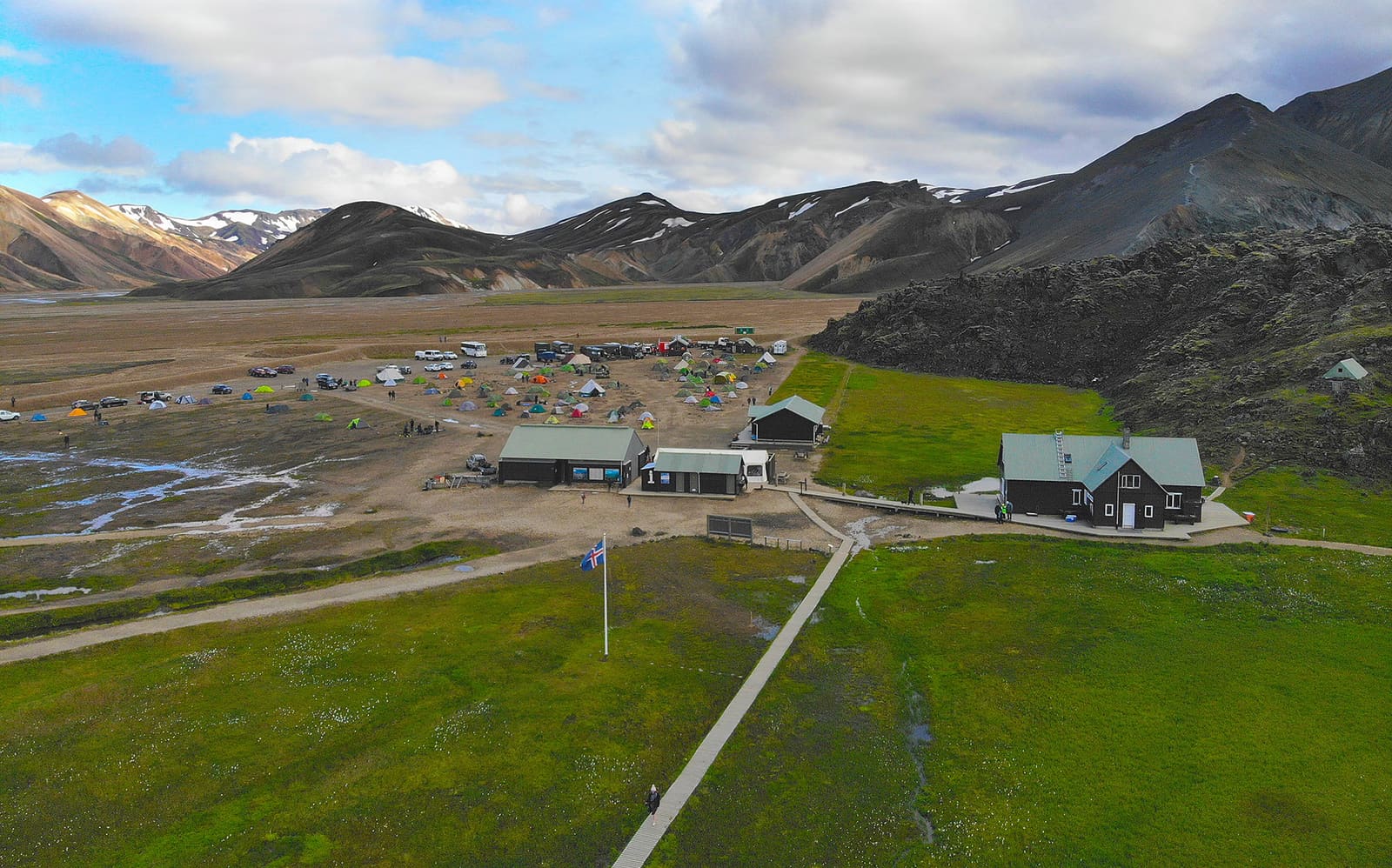
Camping in Iceland works best when campsites, legal overnight rules, weather, route distance, and facilities are planned before the trip is fixed.
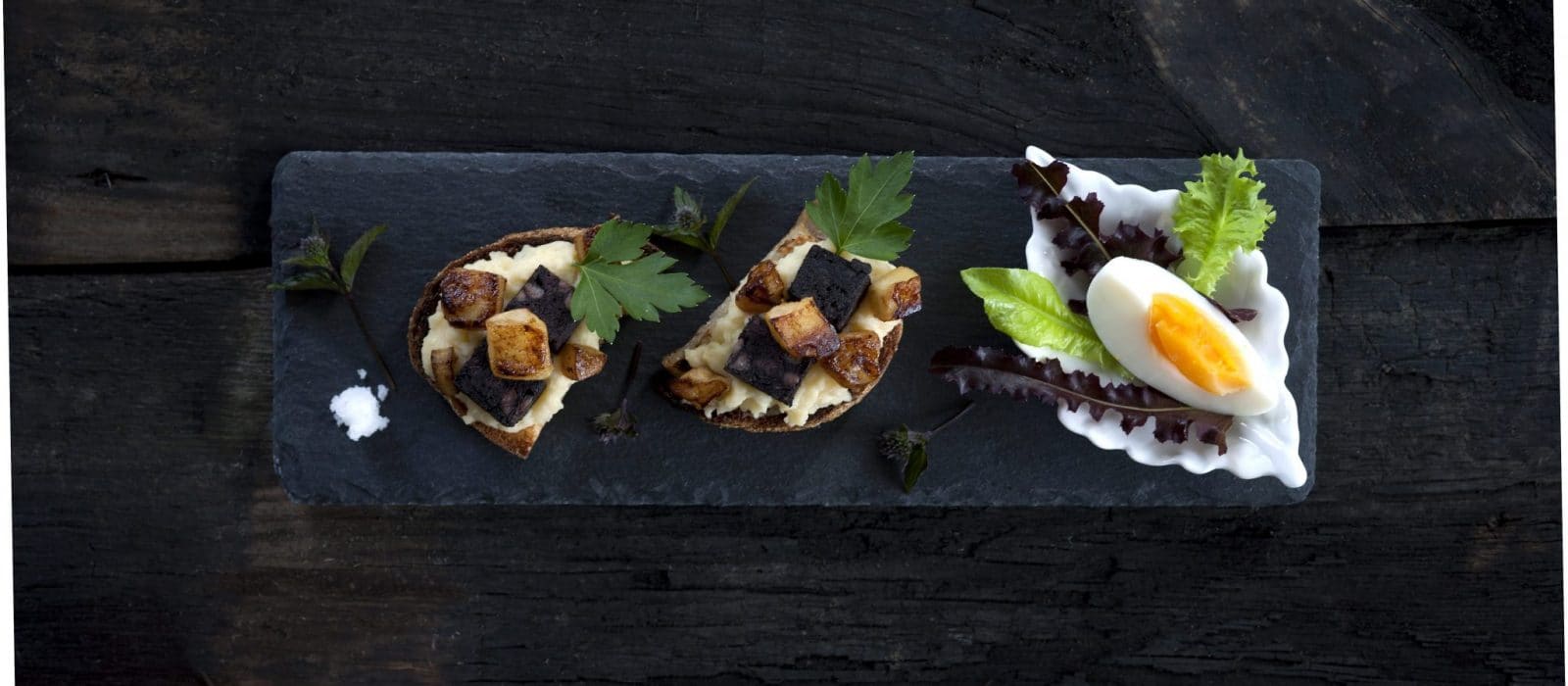
Icelandic food can shape the day in several very different ways: a Reykjavík food walk, self-guided food hall stop, bakery break, greenhouse meal, seafood lunch, or simple casual plan that does not distort the route.
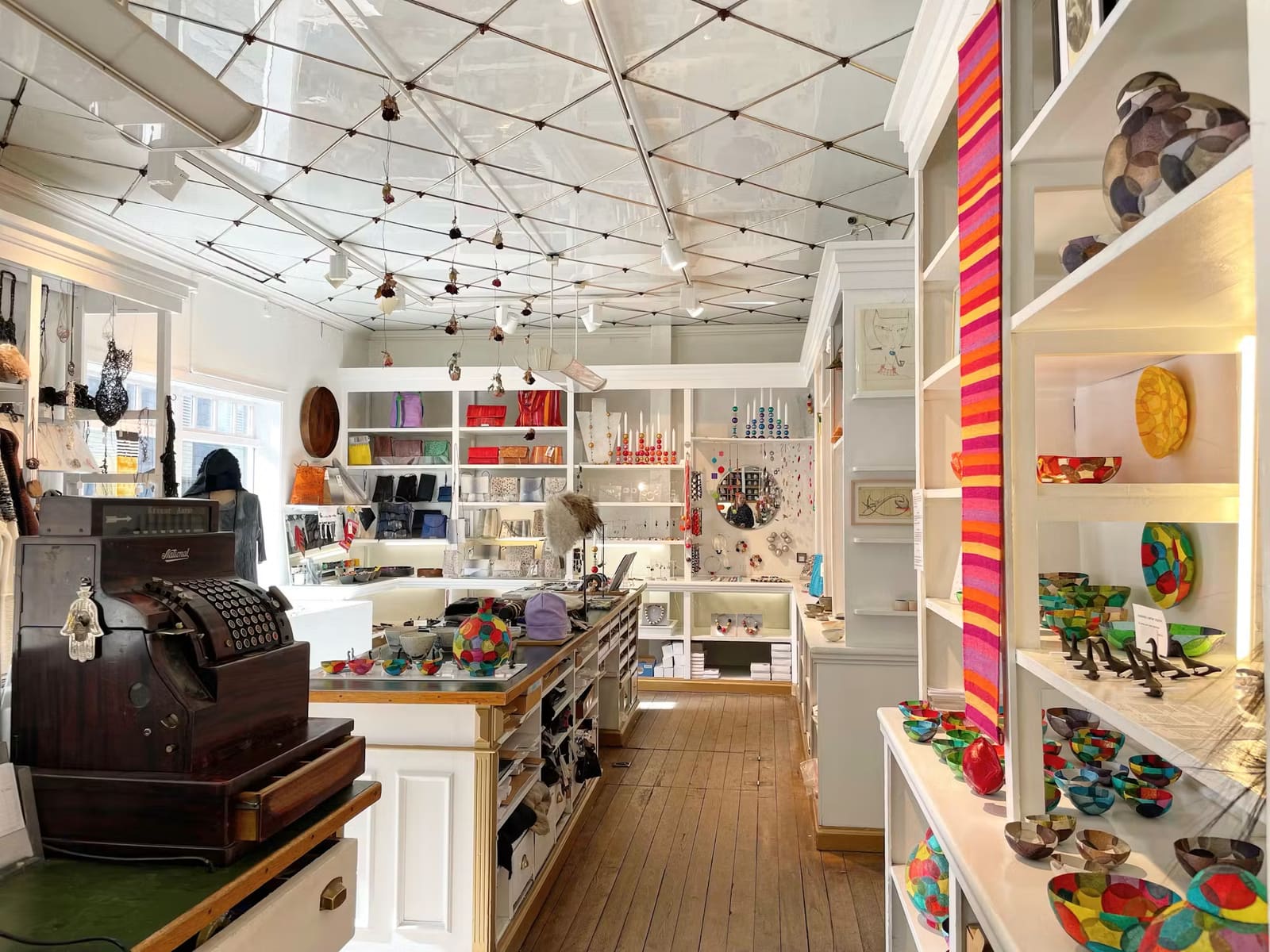
A good Icelandic souvenir is something you will still use, read, wear, share, or enjoy at home—and whose Icelandic connection you can explain. Compare wool, craft, design, books, food, and playful gifts by origin evidence, named maker, budget, luggage space, and the journey home.
Next money choice
Trip length, overnight stops and transport choices have more effect on the total budget than carrying extra cash.