Is Árbær Open Air Museum worth leaving central Reykjavík for?

Yes, if you want Reykjavík to feel older, more local, and more lived-in than a central landmark walk. Árbær Open Air Museum is strongest when cultural context matters more than speed.

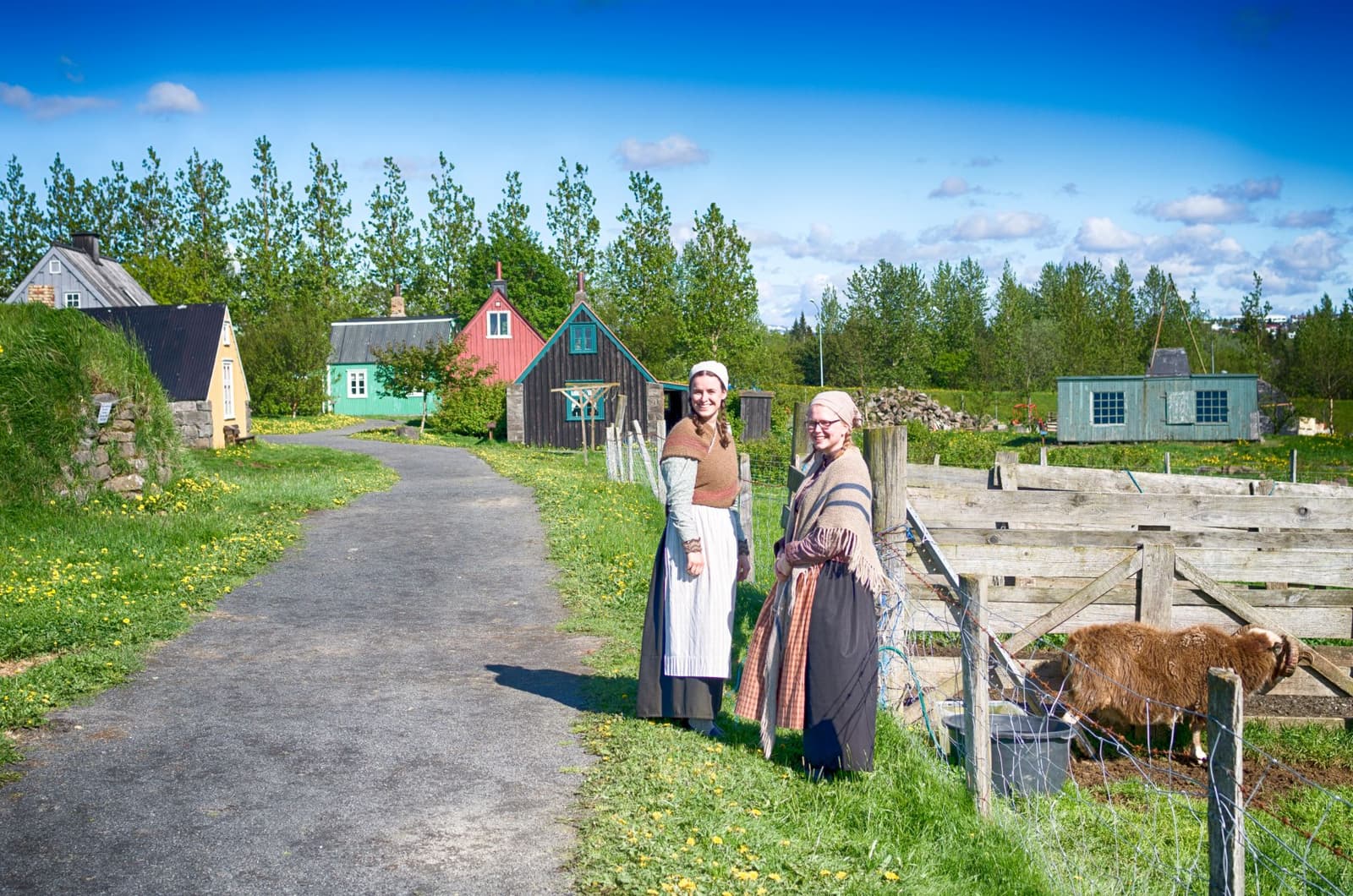
The museum is a small historic village rather than a single building. You move between turf houses, timber houses, workshops, domestic rooms, and exhibition spaces that show how Reykjavík life changed from farm settlement into capital-city life.

A local Iceland travel editor would add Árbæjarsafn when a Reykjavík day needs depth, children need room to move, or the trip has too many pure scenery stops. They would skip it when the city window is only long enough for Hallgrímskirkja, a waterfront walk, and a meal.

The tradeoff is location. Árbæjarsafn is not as instantly central as Hallgrímskirkja or Sun Voyager, so it works best when you intentionally give the museum a role: family culture stop, rainy-day backup, east-side Reykjavík pairing, or a gentler arrival-day plan.

Worth the stop?

When this stop makes sense

Good match for

  • families who want culture without a formal indoor-only museum
  • Reykjavík visitors interested in old houses and daily life
  • travelers who need a slower city stop
  • museum-minded arrival or departure days

Think twice if

  • travelers with only a very short downtown walk
  • visitors who want one famous skyline landmark

Pair it with

ReykjavikPerlanHallgrímskirkjaSun Voyager

What does the museum feel like once you are inside?

Expect an outdoor village rhythm: paths between old houses, furnished rooms, turf details, small exhibitions, and staff interpretation that can make the stop feel more alive than a standard display hall.

The strongest part of the visit is scale. Instead of reading about old Reykjavík in one room, you see houses arranged like a small settlement, with a town square, farm context, and village-like corners. That makes the place easier for children and restless travelers than a purely artifact-heavy museum.

Árbæjarsafn works best when you want Reykjavík’s older daily life to feel physical, not just explained.
The museum is most memorable as a walk through a reconstructed Reykjavík village, not as a single indoor exhibition.

Look for the contrast between turf, timber, household interiors, workshops, and city houses that were moved from central Reykjavík. The value is not only nostalgia; it helps explain why later Icelandic towns, churches, farms, and museums around the country look the way they do.

  • Go for historic buildings if you want a concrete sense of older Reykjavík.
  • Go for family pacing if your group needs space between indoor rooms.
  • Go for context if later turf houses, rural museums, or small-town stops are part of the trip.

How much time and effort should you allow?

Most travelers should protect enough time for a slow loop rather than treating Árbæjarsafn as a quick photo stop. The visit is easy to understand but weaker when rushed.

Árbær Open Air Museum visit choices
Visit styleChoose it whenTime to protect
Focused lookYou want the site’s main idea without entering every houseAbout 1.5 hours
Balanced museum visitYou want houses, exhibitions, photos, and a calmer paceAbout 2-2.5 hours
Slow family or culture stopChildren, weather breaks, interpretation, or events may shape the paceCloser to 3 hours

The main effort is not distance; it is attention and weather. Because much of the experience is outdoors, wind, rain, cold, children’s energy, and historic-building thresholds can change how comfortable the stop feels.

If the day is unstable, keep Árbæjarsafn flexible alongside Reykjavík activities or rainy-day ideas. If the day is clear and your group likes culture, give it enough space to be a real museum visit rather than a detour.

Which Reykjavík stops pair best with Árbæjarsafn?

Pair Árbæjarsafn by mood. It can become a culture day, a family day, an east-side nature loop, or a practical backup when central outdoor plans lose appeal.

For a culture-and-landmark day, pair Árbæjarsafn with Hallgrímskirkja or Perlan. Hallgrímskirkja gives you the central landmark; Perlan gives you nature interpretation and city views. Árbæjarsafn then adds older Reykjavík life and historic buildings.

For a softer east-side day, use Elliðaá or Lake Elliðavatn as the nature contrast. That pairing is better for travelers who already have downtown time elsewhere and want Reykjavík to feel less like only shops, restaurants, and central sights.

The site’s history is part of the appeal; it is a Reykjavík memory-place as much as a visitor attraction.

What should you check before going?

Check official visitor information before making the museum fixed, especially if tickets, guided interpretation, events, services, weather comfort, or step-free details affect your plan.

This is exactly the kind of attraction where fragile details can matter. Events, guided interpretation, admission details, visitor services, and access notes can change the practical value of the stop for a specific day.

If you are choosing Árbæjarsafn because of children, limited mobility, bad weather, or a specific event, verify the official details before building the rest of the Reykjavík day around it. If those details are not central, treat the museum as a flexible culture stop.

Official checks before visiting

When should you choose a different Reykjavík stop?

Choose a different stop when your Reykjavík time is extremely short, your group wants a famous central landmark, or the weather makes outdoor museum walking feel like the wrong kind of effort.

Hallgrímskirkja is the cleaner choice for a short central landmark. Sun Voyager is simpler for a waterfront walk and photos. Perlan is stronger when you want indoor interpretation, views, and a more polished exhibit rhythm.

Árbæjarsafn is also skippable if your itinerary already includes several heritage museums or turf-house stops outside the capital. In that case, keep Reykjavík lighter and use the saved time for food, harbor walking, or a broader 5-day Iceland itinerary decision.

Season and weather can change the feel of Árbæjarsafn, so use official details and the day’s conditions before locking it in.

Árbær Open Air Museum FAQ

These questions decide whether the museum should be a fixed Reykjavík stop or a flexible backup.

Is Árbær Open Air Museum good for families?

Yes, it can be a strong family stop because the museum spreads history across outdoor paths, houses, and living-history interpretation. Check official visitor information first if children’s events, services, or access details are important to your plan.

How long should I spend at Árbær Open Air Museum?

Plan about 1.5-3 hours, depending on how many buildings you enter and how slowly your group moves. A rushed visit weakens the stop because the museum works through atmosphere and detail.

Can I pair Árbæjarsafn with central Reykjavík sights?

Yes, but pair it deliberately. Hallgrímskirkja or Perlan makes the most practical contrast, while Sun Voyager works better if your day still needs a simple waterfront walk.

Should I visit Árbæjarsafn in bad weather?

Only if outdoor museum walking still sounds comfortable for your group. Because weather affects the experience, compare it with indoor Reykjavík options before making the stop fixed.