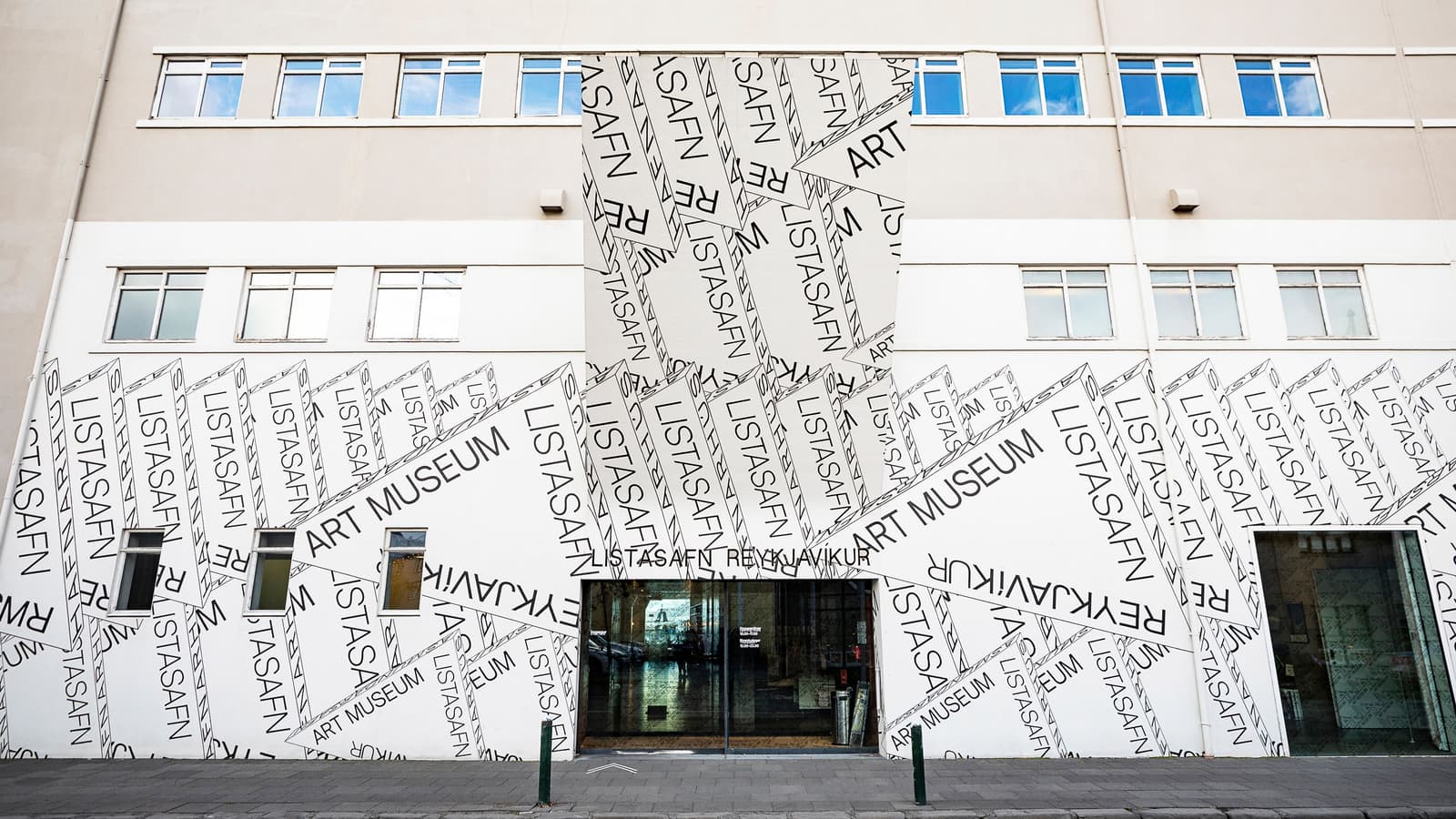
Is Reykjavík Art Museum Hafnarhús worth visiting?

Yes, Hafnarhús is worth visiting if you want contemporary art, an indoor Reykjavík stop, or a stronger sense of the city beyond viewpoints and shopping streets. It is less essential if your Reykjavík time is short and art is not part of the trip.

The useful decision is not whether Hafnarhús is famous enough. It is whether your city day needs a focused cultural stop that still fits naturally between the Old Harbour, downtown streets, Sun Voyager, and Aðalstræti and Settlement Exhibition.

For travelers who like modern art, the museum can be one of the better Reykjavík indoor choices because it mixes rotating exhibitions, Erró works, and the reused harbour warehouse itself. For travelers who mostly want churches, skyline views, or geology, Hallgrímskirkja or Perlan may be the stronger first choice.

Worth the stop?

When this stop makes sense

Good match for

  • contemporary art travelers
  • rainy-day Reykjavík plans
  • short-break city days
  • architecture-aware visitors

Think twice if

  • travelers who only want classic landscape stops
  • visitors with no interest in contemporary or experimental art

Pair it with

ReykjavikSun VoyagerAðalstræti and Settlement ExhibitionHallgrímskirkja

What makes Hafnarhús different from a normal art stop?

Hafnarhús feels tied to its site. The building began as a harbour office and warehouse, then became the Reykjavík Art Museum's most central contemporary-art venue after renovation.

That history matters because the visit is partly architectural. The white exterior, old industrial bones, internal courtyard, raw surfaces, and harbour-facing position give the museum a different mood from a neutral gallery box.

Hafnarhús works best as both a contemporary-art stop and a harbour-building visit.

The official museum history places Hafnarhús by the earliest harbour area of Reykjavík and describes a renovation that kept the old building visible while opening it for exhibitions. That makes the stop especially useful if you like seeing how the city has reused working waterfront spaces.

What will you actually see inside?

Expect changing contemporary exhibitions rather than one fixed greatest-hits route. Hafnarhús is strongest when you are open to video, installation, pop-art references, conceptual work, and shows that may feel different from room to room.

The museum states that Hafnarhús focuses on progressive art by Icelandic and international contemporary artists. It is also the Reykjavík Art Museum location most closely associated with Erró, whose works are a recurring anchor for the site.

The courtyard and Erró connection are part of the museum's identity, not just background details.

Do not expect every gallery to land equally for every visitor. Some shows may be playful and immediate; others may ask for slower reading and more patience. That variability is the point, and it is why checking the exhibition program is more useful than relying on a generic museum ranking.

How long should you give it on a Reykjavík day?

Most travelers should think in flexible ranges. A focused visit can be compact, while art-focused visitors may want more time if the exhibitions are dense or if they plan to read wall text closely.

If Hafnarhús is one stop in a wider city walk, plan it as a 40-90 minute pause rather than a half-day commitment. That leaves room for the harbour, nearby cafés, Sun Voyager, or the Settlement Exhibition without turning the day into an indoor checklist.

The local editorial judgement is simple: add Hafnarhús when you already have a Reykjavík day, are curious about contemporary art, or need a reliable indoor cultural stop. Skip it when your only city slot is a quick skyline walk and the exhibitions do not interest you.

How does it pair with the Old Harbour and downtown?

Hafnarhús is easiest when it stays part of a compact walking cluster. Its location near the old harbour makes it more practical than museums that require a separate cross-town movement.

A clean sequence is to combine Hafnarhús with the Old Harbour edge, Aðalstræti and Settlement Exhibition, and a downtown food or coffee break. If the day still has energy, continue toward Sun Voyager for the waterfront contrast.

For a broader Reykjavík day, put Hallgrímskirkja in the same plan only if you want the church-and-skyline layer as well as contemporary art. Add Perlan when you want a bigger indoor attraction and city-view comparison, not because it is geographically next door.

Good pairings around Hafnarhús
PairingWhy it works
Aðalstræti and Settlement ExhibitionKeeps the day historical and walkable in the old core.
Sun VoyagerAdds waterfront air and a quick sculpture contrast after indoor art.
HallgrímskirkjaWorks when you want a classic Reykjavík landmark after the museum.
PerlanBetter as a separate indoor-viewpoint comparison if weather or families shape the day.

When should you choose Hafnarhús over another Reykjavík museum?

Choose Hafnarhús when contemporary art and central location matter more than a broad national-history narrative. It is the art-forward, downtown option in a city with several strong museum choices.

  • Choose Hafnarhús for contemporary exhibitions, Erró, and a compact harbour-side stop.
  • Choose Aðalstræti and Settlement Exhibition if your main interest is early Reykjavík history.
  • Choose Perlan if families, geology exhibits, weather shelter, and a viewpoint are more important.
  • Choose Hallgrímskirkja if architecture and a landmark exterior matter more than galleries.

This is also a good second-visit Reykjavík stop. First-time visitors often default to the church, waterfront, and a city walk; Hafnarhús becomes more valuable when you want the capital to feel like a living cultural city rather than just the start and end point of a road trip.

What should you check before you go?

Check official visitor information before treating Hafnarhús as a fixed part of a tight day. Museum value is especially sensitive to exhibitions, events, admission setup, group rules, and access needs.

Use the museum site first for exhibition details and practical visitor information. Use the Reykjavík city page or Visit Reykjavík page as supporting checks for address, contact information, and official tourism context.

If step-free access, sensory conditions, family needs, strollers, bags, or group visits matter, verify the official visitor details directly with the museum before building the stop into a narrow gap between booked plans.

Hafnarhús FAQ

These questions help decide whether the museum should be a quick indoor stop, a deeper art visit, or something to save for another Reykjavík day.

Is Hafnarhús good for travelers who do not usually visit art museums?

Sometimes, but only if they are open to contemporary work and changing exhibitions. The building and harbour setting help, but the main value is still the art.

How much time should I allow for Reykjavík Art Museum Hafnarhús?

Allow about 40-90 minutes for most visits. Use the shorter end for a focused city-day stop and the longer end if exhibitions, video works, or wall text matter to you.

Can Hafnarhús work as a bad-weather stop in Reykjavík?

Yes, Hafnarhús works well as a weather-flexible indoor stop. Check official visitor details first if you are relying on it between fixed plans.

What should I pair with Hafnarhús nearby?

Pair it with Aðalstræti and Settlement Exhibition, the Old Harbour, Sun Voyager, or a downtown walk. Hallgrímskirkja and Perlan fit better when you want a broader Reykjavík day.

Official visitor references

Use these sources for official visitor details, exhibition context, address checks, and the museum history behind the harbour building.

Official visitor information