Experience fit
- Best atmosphere
- Advent and 23 December
- Quietest dates
- 24–26 December
- Secure first
- Essential meal or event
- New Year style
- Bonfires, then neighbourhood fireworks
- Final check
- Openings, transport, weather, roads
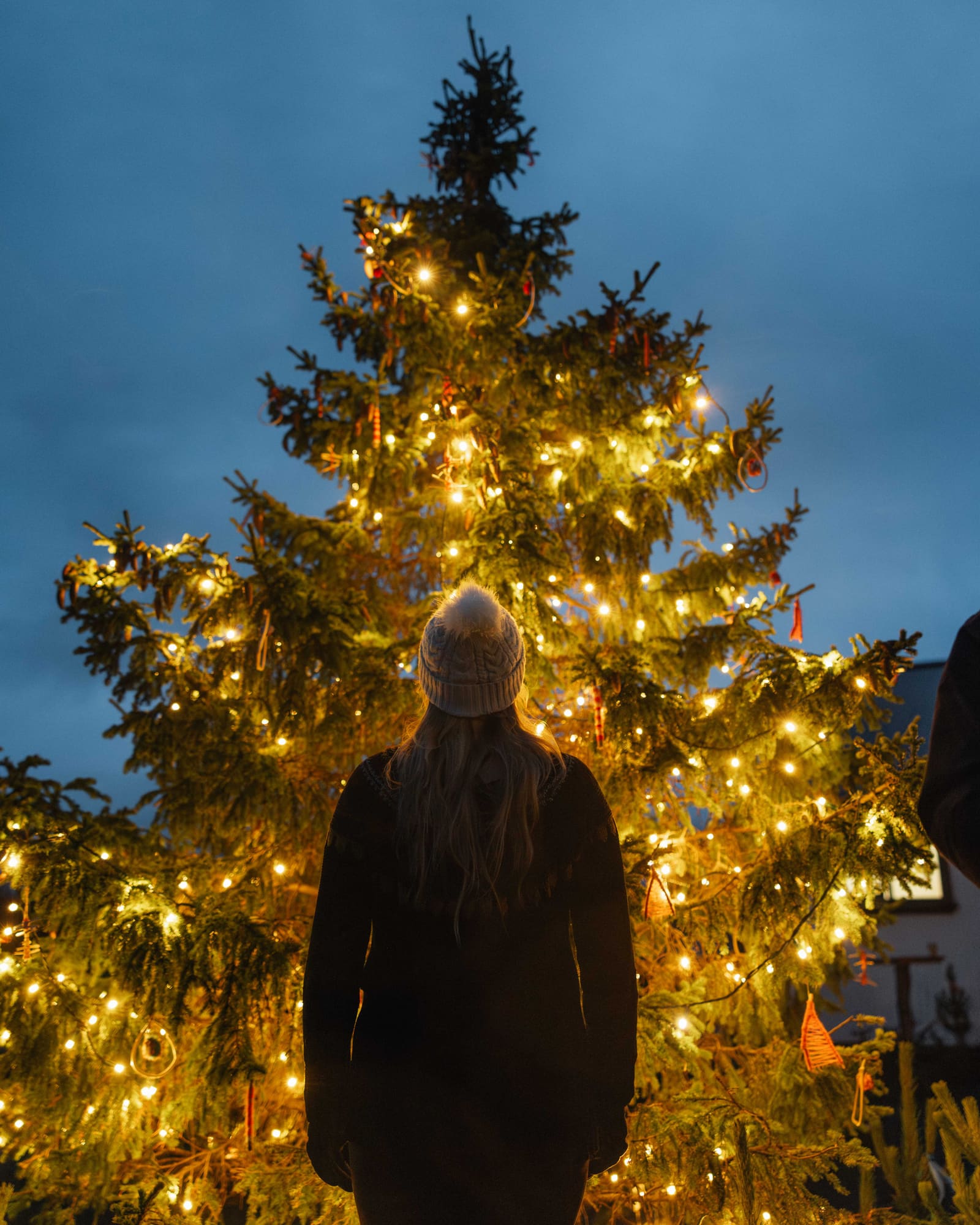
Christmas in Iceland changes from bright Advent streets and the annual book season to quiet family holidays and neighbourhood fireworks. Match the experience to your exact dates, reserve the meal or event that matters, and use confirmed 2026 opening hours without assuming every venue or bus follows the same schedule.
Experience fit
Reykjavík can glow with shop windows, street lights, warm drinks, and families out browsing, then turn strikingly quiet for Christmas before the whole skyline flashes on New Year’s Eve. Those contrasts are the appeal. They also mean that a trip beginning on 22 December feels very different from one beginning on the 27th.
The date on your boarding pass should lead the plan. Advent gives you the broadest choice of public events and city atmosphere. The evening of 23 December can still feel lively outdoors, while 24 and 25 December reward travelers who have secured one good meal or activity and are happy to let the streets grow quiet.
New Year’s Eve brings another reversal: neighbourhood bonfires may shape the early evening, and midnight belongs to fireworks launched across the city, with no single official show. The clearest recommendation is to choose Advent or 23 December for public atmosphere, Christmas for an intentionally slow stay, and New Year only when a loud, late outdoor night suits the group. The broader winter activities guide is better for choosing snow, ice, bathing, and nature experiences outside the holiday itself.
Photo guide
1 / 8
Market huts and a lit tree gather visitors around a compact town square.
Good to know
A date-by-date plan keeps the holiday from becoming a guessing game. Use this table to choose the character you want, then replace every general pattern with direct confirmations for your own year and location.
| Travel date | Public mood and openings | Celebration style | Secure or recheck |
|---|---|---|---|
| Advent to 22 December | Broadest seasonal choice; programmes still vary | Lights, markets, concerts, food, folklore | Reserve a fixed event or meal after its direct page publishes dates |
| 23 December | Lively city evening; individual closing patterns vary | Street walk, browsing, food, local traditions | Secure dinner first and recheck every venue you need |
| 24–26 December | Quiet, with selective services and holiday transport | One confirmed meal or outing, then a slow day | Book the essential promise before travel and confirm it directly |
| 27–30 December | More choice returns on different schedules | City sights, winter outing, pool, culture | Confirm one main outing and keep the rest flexible |
| 31 December | A compressed daytime followed by changing evening plans | Dinner, bonfire if confirmed, citywide fireworks | Reserve the fixed booking early; recheck city, weather, and transport notices |
| 1 January | A quiet morning with selective openings | Late start, walk, warm water, simple meal | Confirm food and any indoor activity before relying on them |
| 6 January | Ordinary services may resume; local Þrettándinn events vary | A local end-of-Christmas tradition if announced | Use the municipality’s programme rather than assuming an event |
The table is a starting point, not an opening list. Reykjavík has the strongest visitor-information surface, but smaller towns can have their own traditions and thinner services. Keep the celebration close to your base when a bus, winter road, or single venue is carrying the whole plan.
Advent is the easiest window for travelers who want Reykjavík to feel openly festive. Lights stretch across downtown streets, new books fill shop windows, and the programme includes markets, concerts, workshops, and family events. The pleasure comes from combining one confirmed event with room to wander.
One compact area is enough. In central Reykjavík, Laugavegur, Austurstræti, Lækjargata, and the old centre can hold a lights-and-food evening without transport between stops. Visit Reykjavík lists the Hjartartorg Christmas market, Christmas Creatures, and Hafnarfjörður Christmas Village among seasonal ideas. Its December page does not identify a programme year, so treat those listings as ideas and confirm 2026 dates directly with the organizer before arranging a visit.
Icelandic Yule folklore gives the season another layer. References to the thirteen Yule Lads appear in stories, lights, and family events, while the Christmas Cat adds a darker comic edge to city decorations. For a regional version, a seasonal programme around Dimmuborgir may turn the lava field into a family folklore setting; Akureyri Christmas House is a year-round place with a narrower attraction guide of its own. The wider cultural experiences guide helps when books, museums, stories, food, or craft matter more than the holiday calendar.
The evening before Christmas Eve is a natural choice for travelers who want street life without committing to a formal event. People are finishing errands, meeting for food, and moving through decorated central streets before the quieter family holiday begins.
Keep the route close enough to shorten in rough weather. The lit Christmas Cat near Lækjargata, the old centre, Laugavegur, and Austurstræti can form one walk, but the sculpture’s placement and every business opening still need a live check. The public atmosphere matters more than completing a shopping list.
Christmas Eve, Christmas Day, and Boxing Day are easiest to enjoy when you stop treating them like ordinary sightseeing days. Choose one meal, ticket, hosted activity, or hotel arrangement that is directly confirmed, then build a short outdoor plan around it.
A quiet walk through decorated streets can be satisfying precisely because the city has slowed down. This is also when a self-contained hotel plan can be more useful than a long drive: winter weather, selective food options, and holiday transport can turn a distant reservation into unnecessary pressure. If children need movement or a weather-proof backup, choose from family-friendly activities only after checking the exact date with the venue.
From 27 to 30 December, city life and visitor activities begin to return on different schedules. This can be the most forgiving part of a holiday trip: the Christmas lights remain, while you have more room to add museums, warm water, winter scenery, or a day tour.
Do not assume that every service restarts together. Confirm one museum, pool, tour, or meal, then keep the walk and second stop flexible. For example, a walk around Austurvöllur and Hallgrímskirkja can fill the light, while a café or early meal stays optional.
A regional trip can work in this window when the destination is worth the winter journey. Check live conditions immediately before leaving and keep the celebration near Reykjavík when the route is uncertain. The Reykjavík activities guide has lower-driving alternatives for a city-based day.
Reykjavík does not gather everyone around one choreographed midnight display. Fireworks rise from neighbourhoods in every direction, so the city itself becomes the viewing area. Earlier in the evening, municipal bonfires may offer a warmer, more communal gathering if the latest city notice says they will proceed.
Treat the bonfire and midnight as two separate decisions. Reykjavík had not published its 2026 bonfire list when this guide was checked on 11 September, and last year’s addresses and times are not a timetable for this year. A bonfire needs a location confirmed for your date, conditions that allow it to go ahead, and a practical way there and back. Follow the municipality’s rules at the site; personal fireworks and flares were prohibited at the 2025 bonfires.
For midnight, choose a safe place you can reach without chasing a famous viewpoint. A broad skyline near your accommodation can be more useful than crossing the city through closures and crowds. Hallgrímskirkja is a visible anchor in many photographs, not a promise of the easiest or safest place for every group.
The midnight fireworks are loud, smoky, crowded, and weather-exposed. That is exhilarating for some travelers and a poor match for others. Young children, people sensitive to smoke, anyone who dislikes sudden noise, and travelers with limited mobility may enjoy the night more from indoors.
Smoke can hang over the city, and the same weather that changes visibility can affect bonfires and walking conditions. An indoor window view, an earlier meal, a short neighbourhood look, or a deliberately quiet midnight still belongs to the holiday. You do not need to stand in the thickest crowd to understand the scale of Reykjavík’s New Year.
Gather the live holiday details in one pass. Confirm the fixed booking first, then check the services and conditions that connect it. Old event pages can explain a tradition, but they cannot prove that a venue, route, market, or bonfire will operate for your stay.
Use direct venue pages for meals, tickets, pools, museums, and tours. Use official city and national pages for the season around them. Strætó had not published its Christmas 2026–27 service notice when this guide was checked on 11 September; the previous holiday timetable ended most capital-area service around 15:00 on 24 and 31 December, which is a warning to check rather than a schedule to reuse. A countryside drive needs the same-day road and weather picture, even when the route looked straightforward when you booked it; the practical winter driving guide explains the wider preparation.
Use the city’s current December hub for announced markets, installations, and event links, then confirm the individual event before going.
Read the national destination guide for the publishing history and modern meaning of Jólabókaflóð.
Check the city’s 2026 table for the exact pool and holiday date before setting out.
Confirm the museum’s Christmas closures and its reduced Boxing Day opening directly.
Wait for the 2026–27 holiday notice and check the exact last journey; the previous year’s timetable is not valid for this trip.
Use the national safety service for live travel conditions and official trip-planning guidance.
Check the road state immediately before any holiday drive.
Use the regional forecast before outdoor plans, fireworks viewing, or a winter journey.
The final choice is simple: pick Advent or 23 December for the widest public atmosphere, make Christmas deliberately quiet around one dependable promise, and choose New Year’s Eve for the collective spectacle only when a loud, smoky, late outdoor night suits the people traveling with you.
By ThorPublished Updated
Regions
See which part of Iceland is most convenient for this experience and what else you can visit nearby.
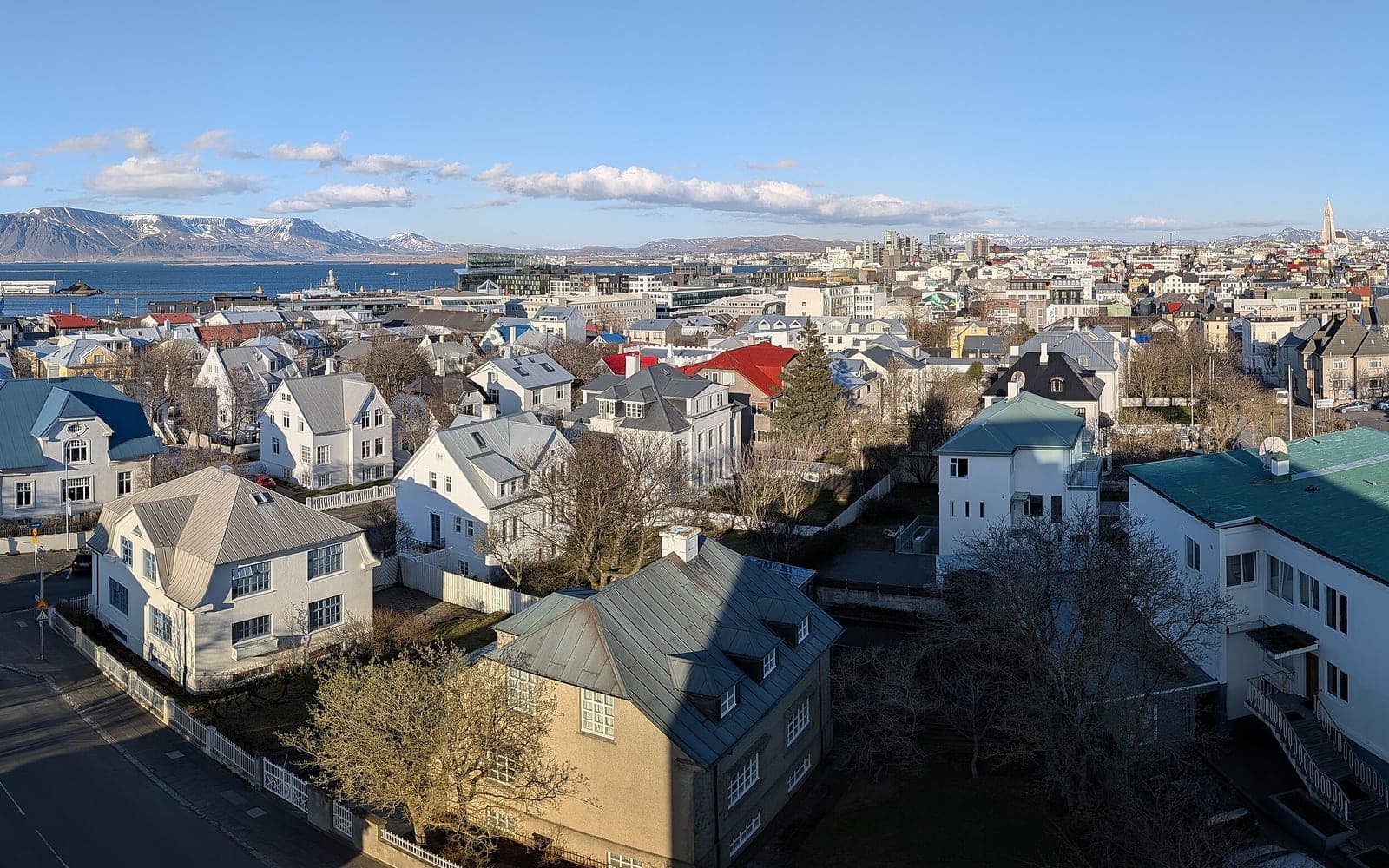
Choose Reykjavík for one or two car-free city days, a short break or a weather buffer—not as the default base for every long day trip.
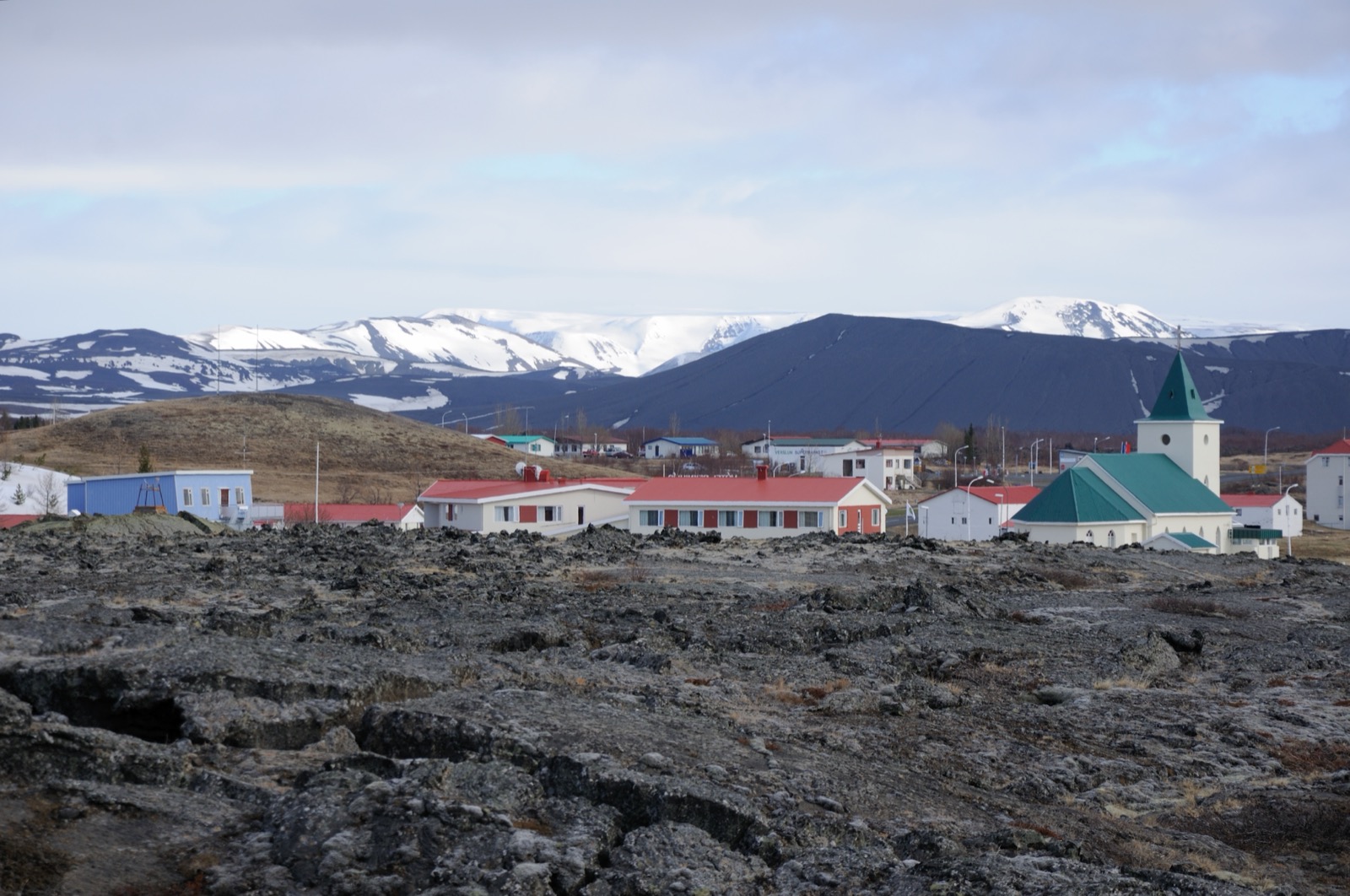
Choose North Iceland when you can spare several days for Akureyri, Mývatn, Húsavík, and canyon country; one rushed overnight barely reaches the region.
More things to do
See other activities that may suit the same day, season, or part of Iceland.
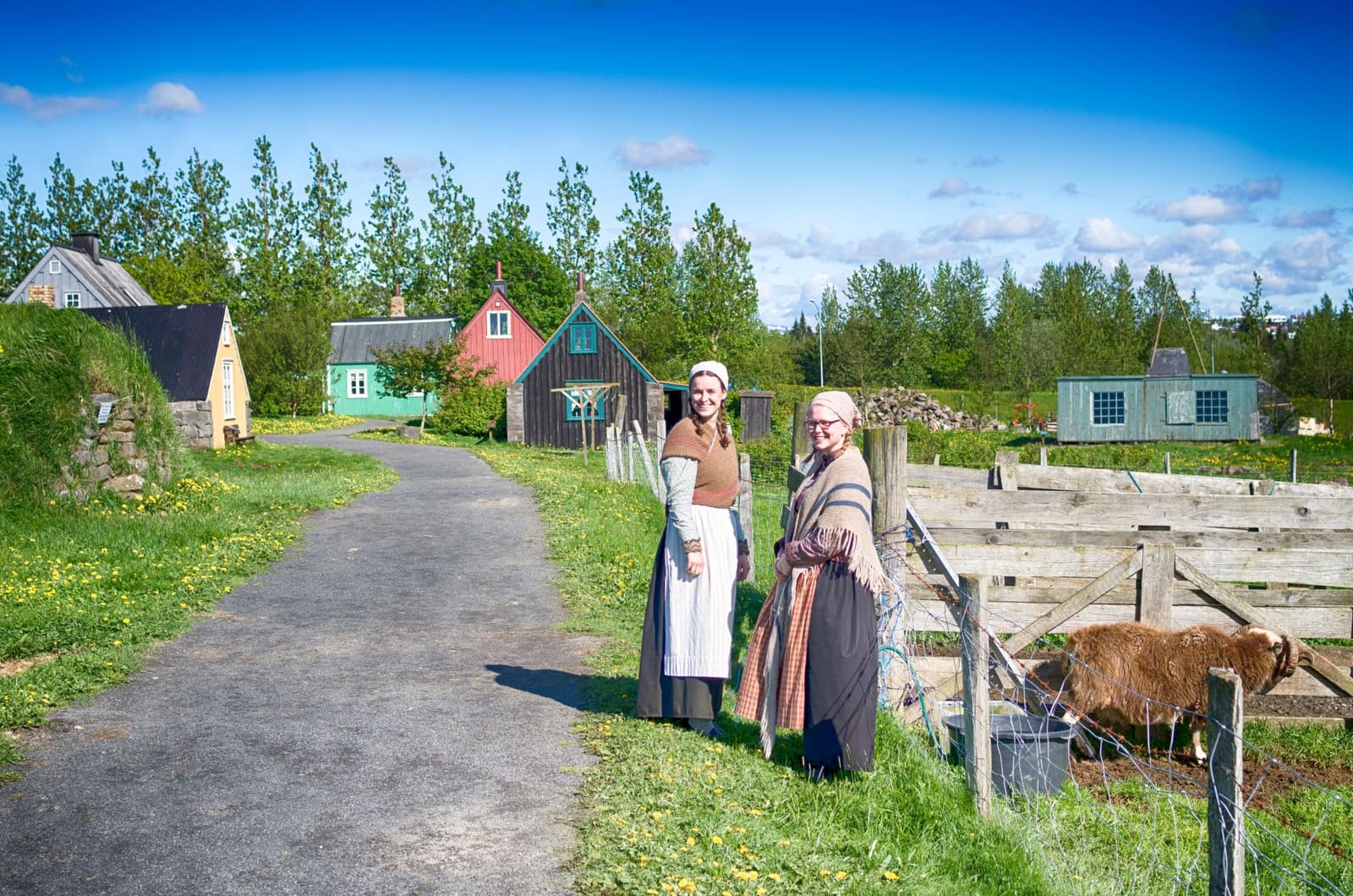
Icelandic culture becomes easier to choose when you start with a verb: look at objects, listen to a story, taste with a host, make something, join everyday life, or talk after a performance. Pick the level of participation first, then match the setting and the people in your group.
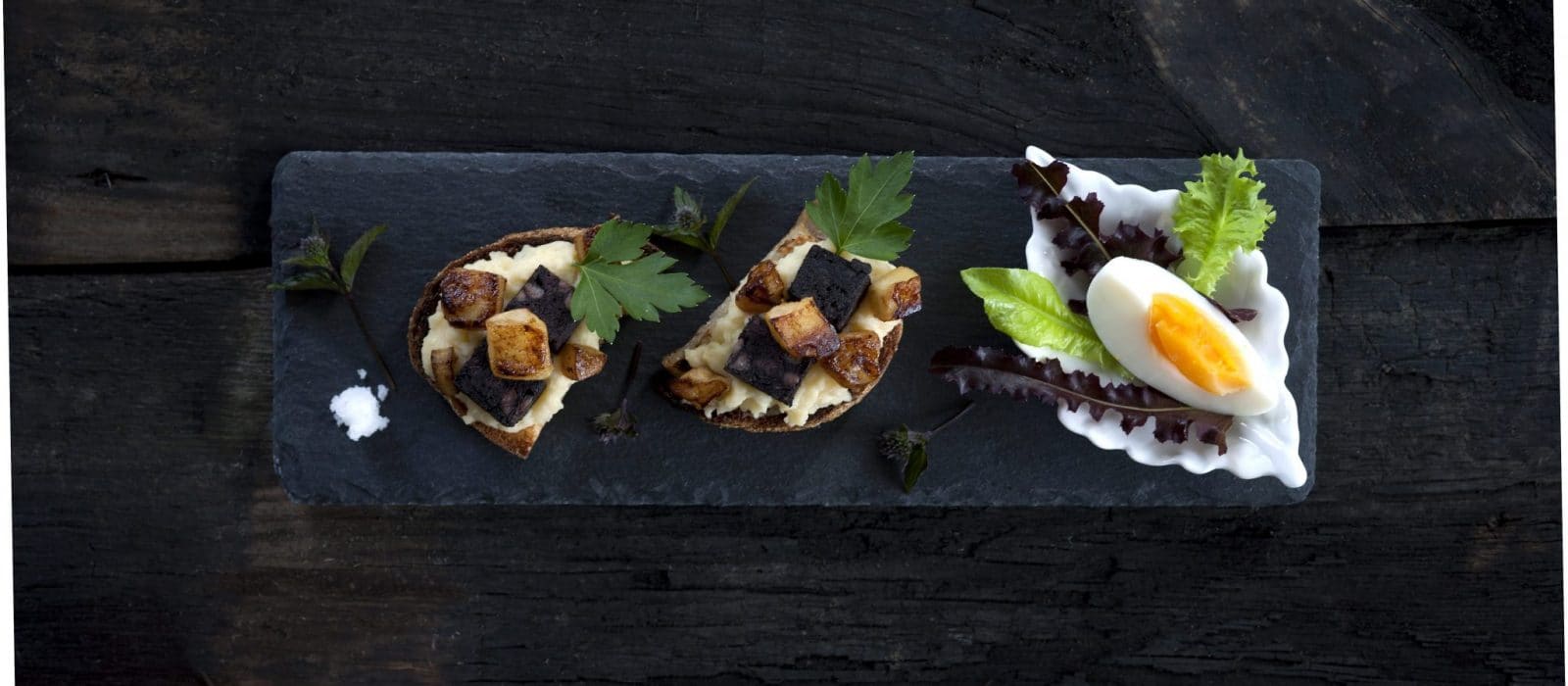
Icelandic food can shape the day in several very different ways: a Reykjavík food walk, self-guided food hall stop, bakery break, greenhouse meal, seafood lunch, or simple casual plan that does not distort the route.
Travel advice
Read more about driving, weather, safety, and other details that may affect your trip.
Keep the rest of winter flexible
Move from the holiday date to the wider winter day, the Reykjavík base, or a family alternative.