Lækjargata, often searched as Laekjargata Reykjavik, is a central Reykjavík street linking Tjörnin, Lækjartorg, and old downtown houses; it is worth a short look when it strengthens a city walk, not as a standalone detour.
City stop snapshot
Type
Central Reykjavík street and historic city-walk landmark
Region
Reykjavík city center
Time to allow
10-20 minutes as a walk-through, or 45-90 minutes when folded into nearby squares, parks, and landmarks
Best experience
Walk it as part of a Tjörnin, Lækjartorg, Austurvöllur, and old-town loop
Access reality
Easy city-center walking, but construction, events, traffic changes, and winter pavements can affect the experience
In this guide
Lækjargata works best if you are already moving through central Reykjavík
Yes, if you are already moving through central Reykjavík. Lækjargata, often searched as Laekjargata Reykjavik, is most useful as a short, textured link between Tjörnin, Lækjartorg, old downtown houses, and nearby public spaces; it is weak as a dedicated detour.
The right way to use Lækjargata is to let it sharpen a Reykjavík city walk. It gives you a line through older streets, civic spaces, small green pockets, and the everyday traffic of the capital, without asking for much time or effort.
Add Lækjargata when a traveler is already walking between Tjörnin, Lækjartorg, Austurvöllur, and nearby landmarks. Skip it as a named stop when the traveler has one short city window and still has not seen Hallgrímskirkja, the harbor, or a museum they genuinely care about.
What should you look for on Lækjargata?
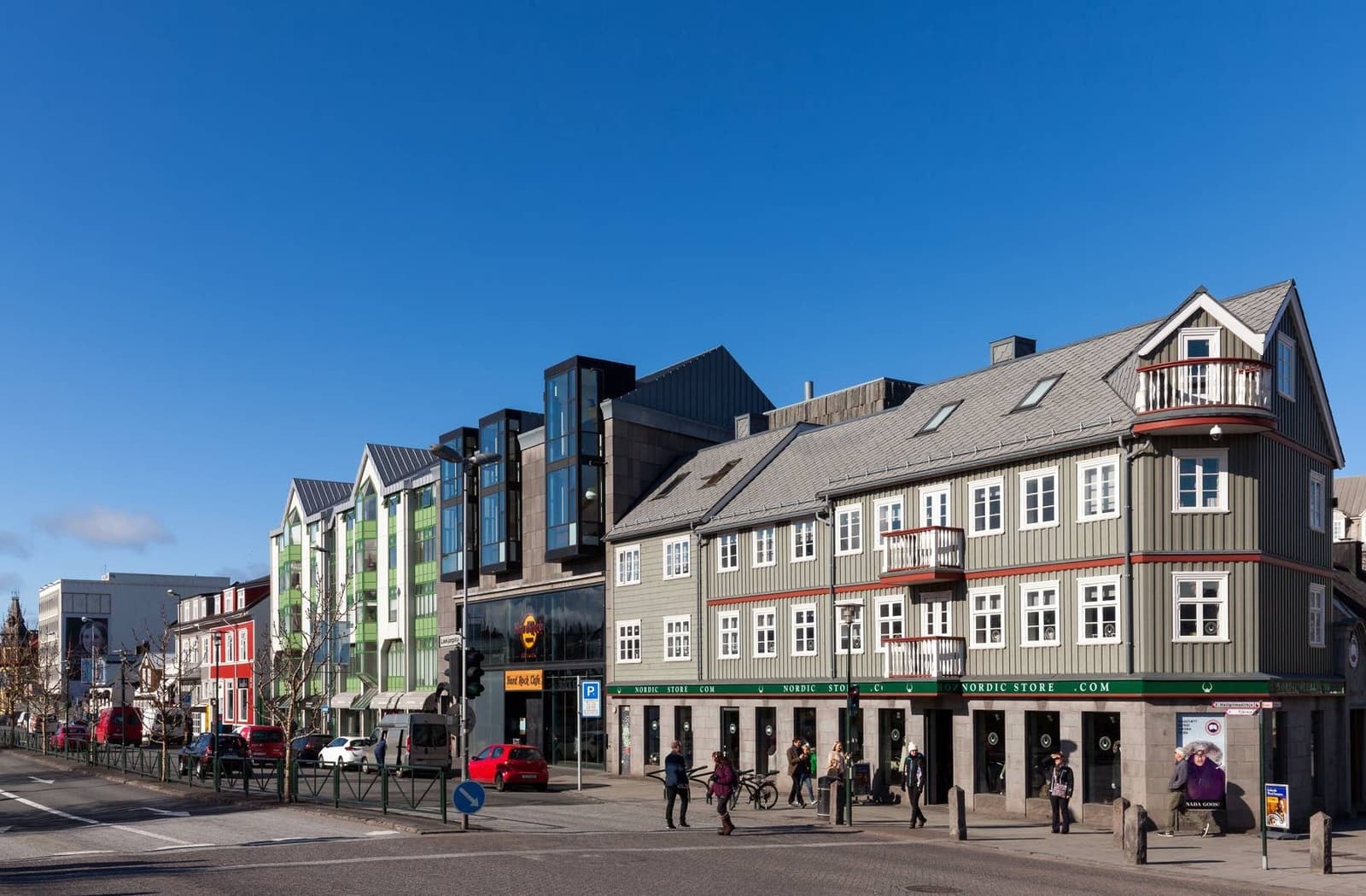
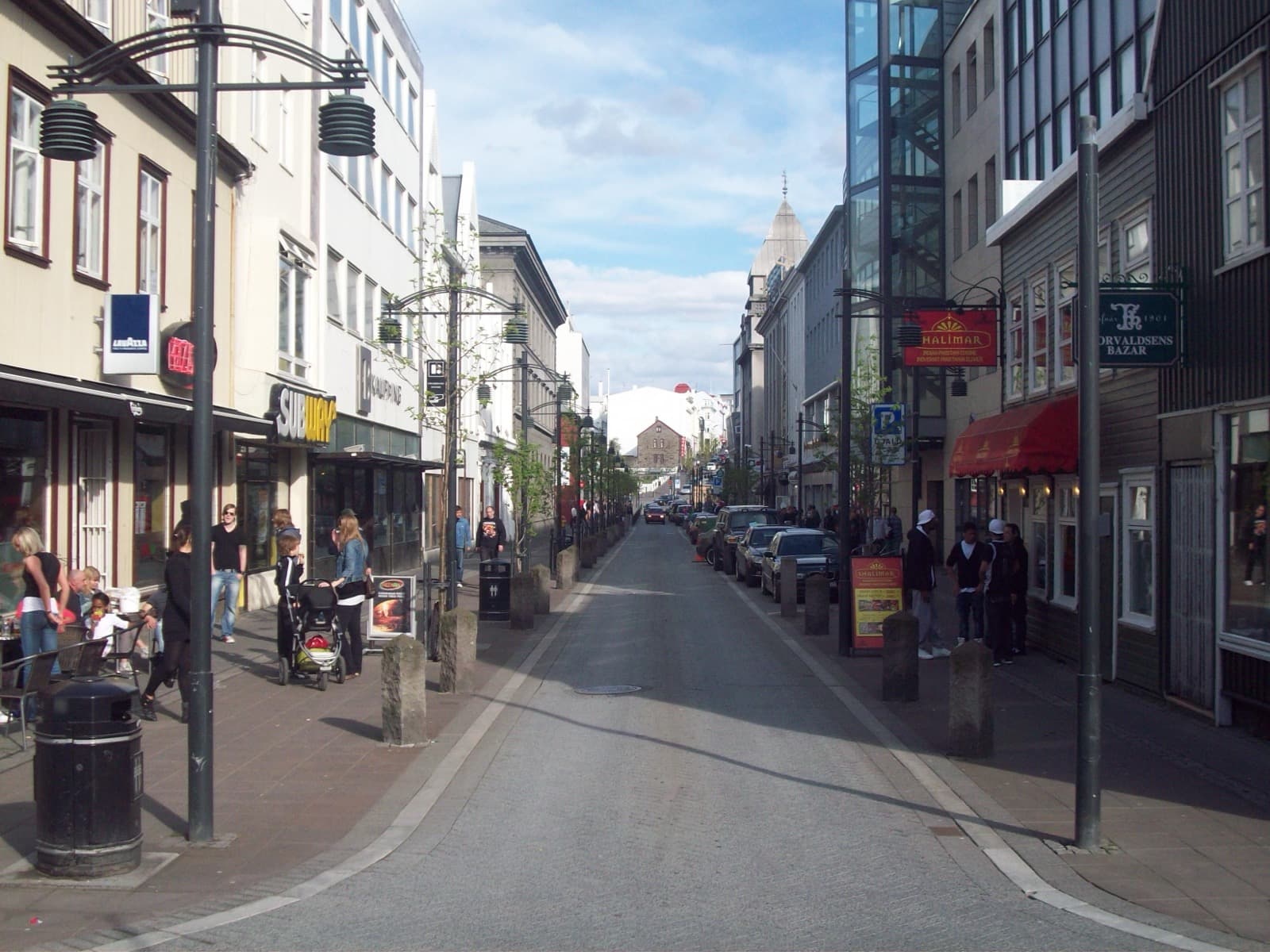
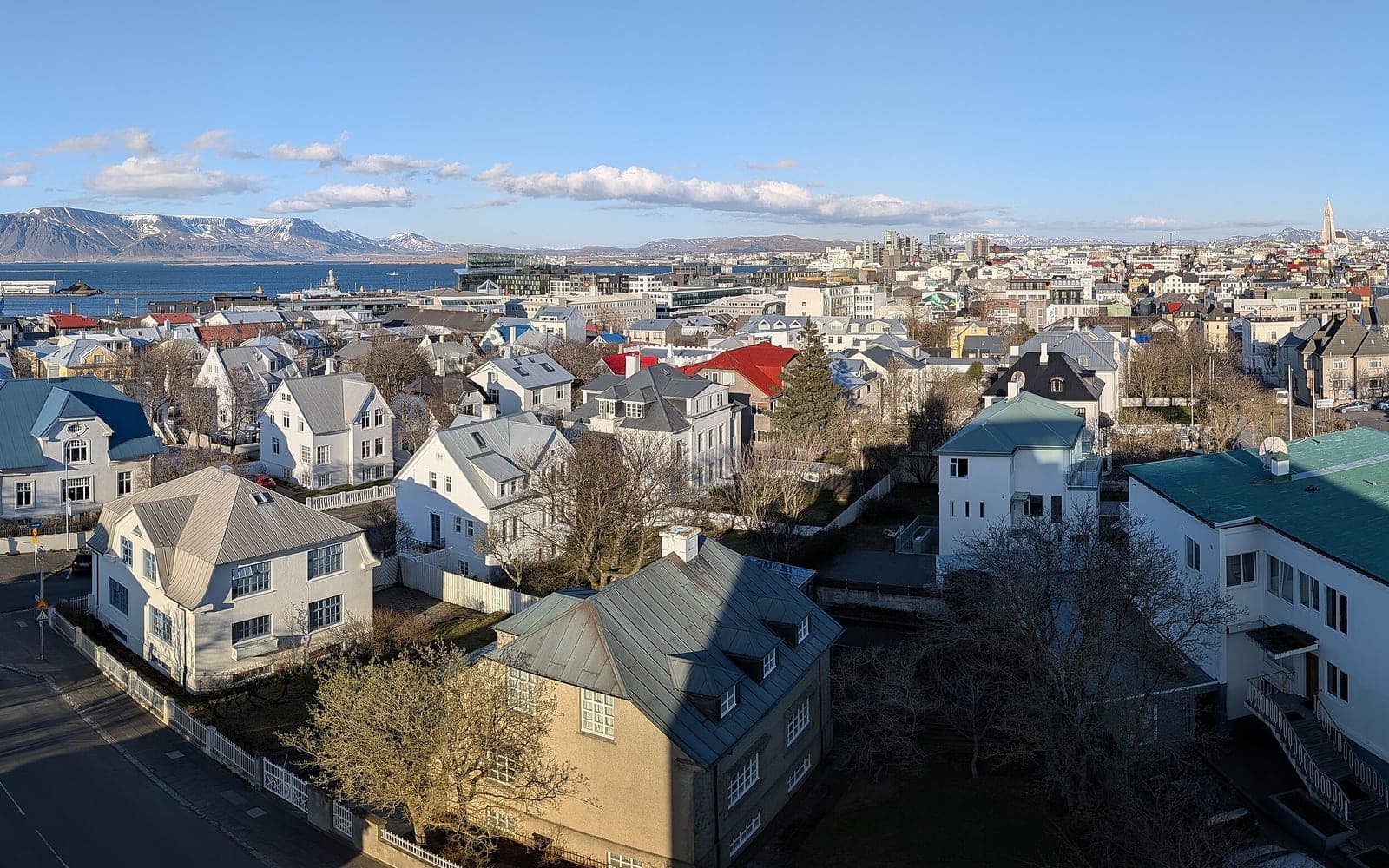
Look for the mix: older timber houses, newer downtown buildings, small public spaces, and the hidden memory of Lækurinn, the stream that once ran from Tjörnin toward the sea.
The street's value is not one single viewpoint. It is the way Reykjavík layers itself in a short distance: the Tjörnin edge, civic buildings, preserved-looking facades, modern infill, small parks, and the movement between the old core and newer harbor-side development.
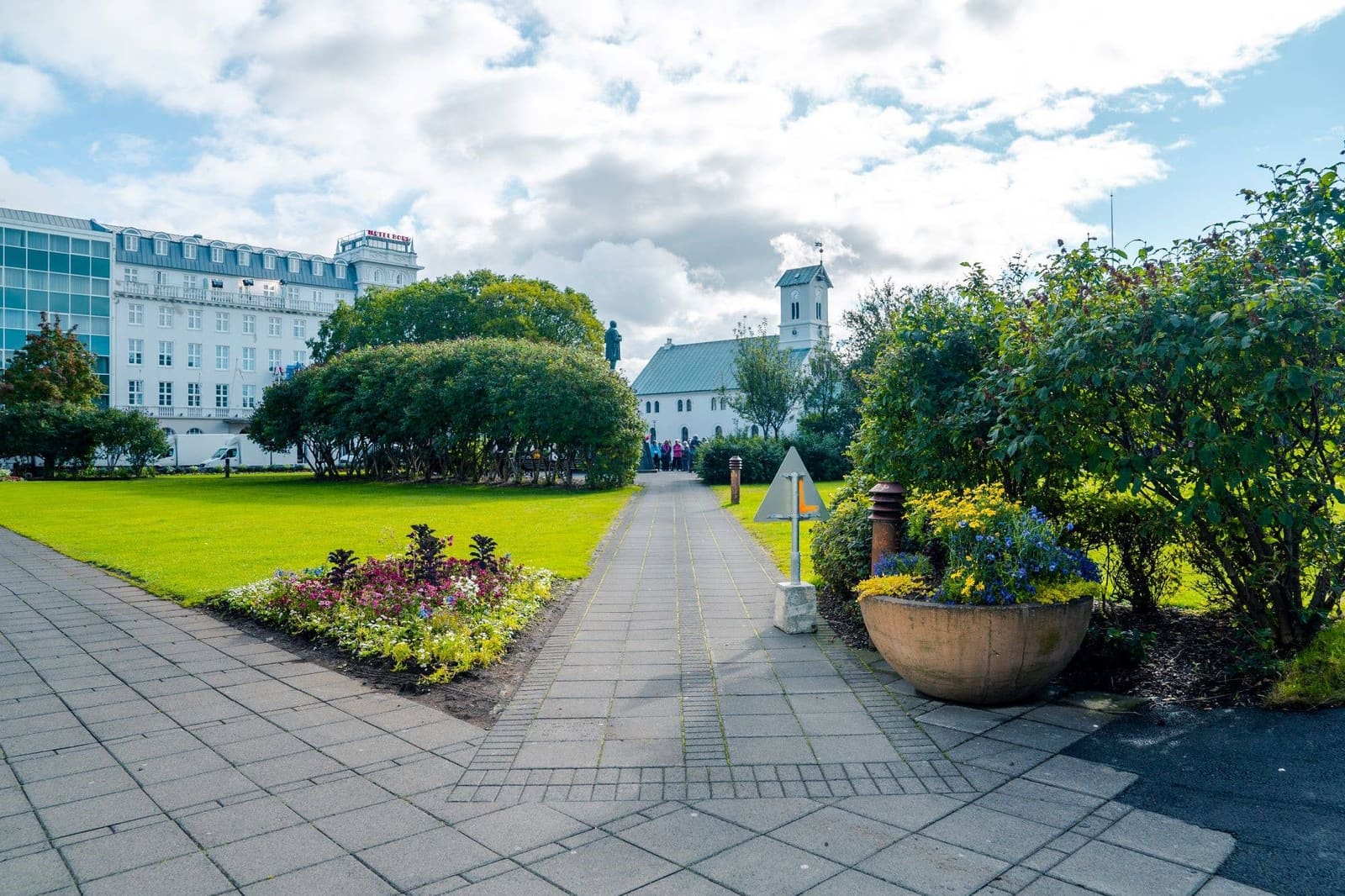
Bakarabrekkan, by Bankastræti and Lækjargata, is a good place to pause because it makes the east side of the street feel less like a traffic corridor and more like a civic edge. Nearby Mæðragarðurinn adds a quieter public-space note near the Tjörnin side.
Bakarabrekkan turns part of the Lækjargata edge into a small pause point rather than only a street crossing.
Most travelers should keep Lækjargata light
Most travelers should keep Lækjargata light. The useful choice is whether you want a quick walk-through, a balanced old-town loop, or a slower city morning with nearby stops.
Choose the version that matches your Reykjavík time.
Version
Time
What it includes
Best fit
Quick look
10-20 minutes
Walk the street section, notice the old/new building mix, continue toward Tjörnin or Lækjartorg.
Arrival day, weather gap, or a light city wander.
Balanced loop
45-60 minutes
Add Tjörnin, Bakarabrekkan, Mæðragarðurinn, Austurvöllur, and nearby central streets.
Travelers who want city texture without a full museum stop.
Slow city version
60-90 minutes
Pair the street with a stronger landmark, viewpoint, or museum before continuing downtown.
A relaxed Reykjavík morning before wider Iceland plans.
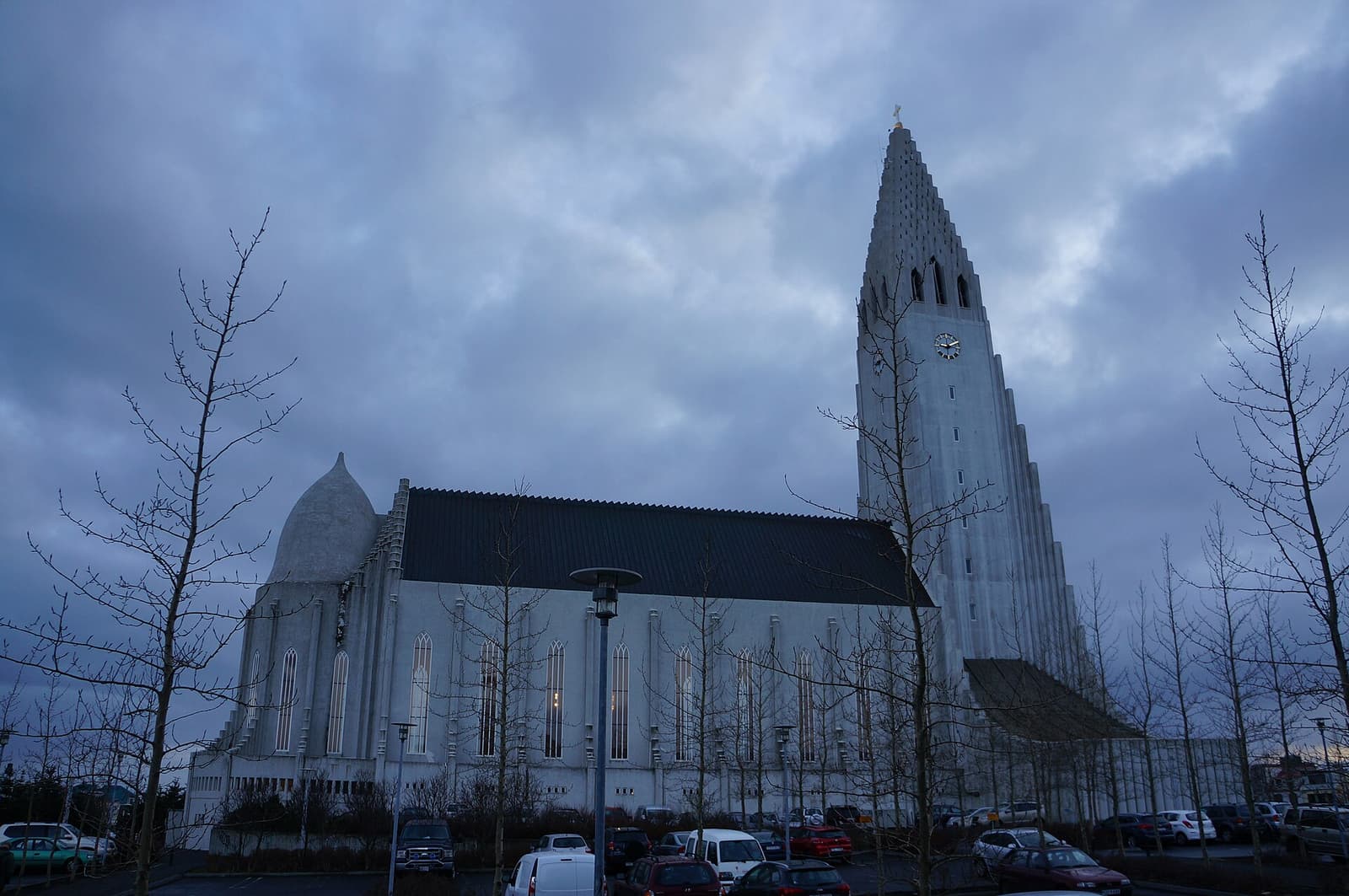
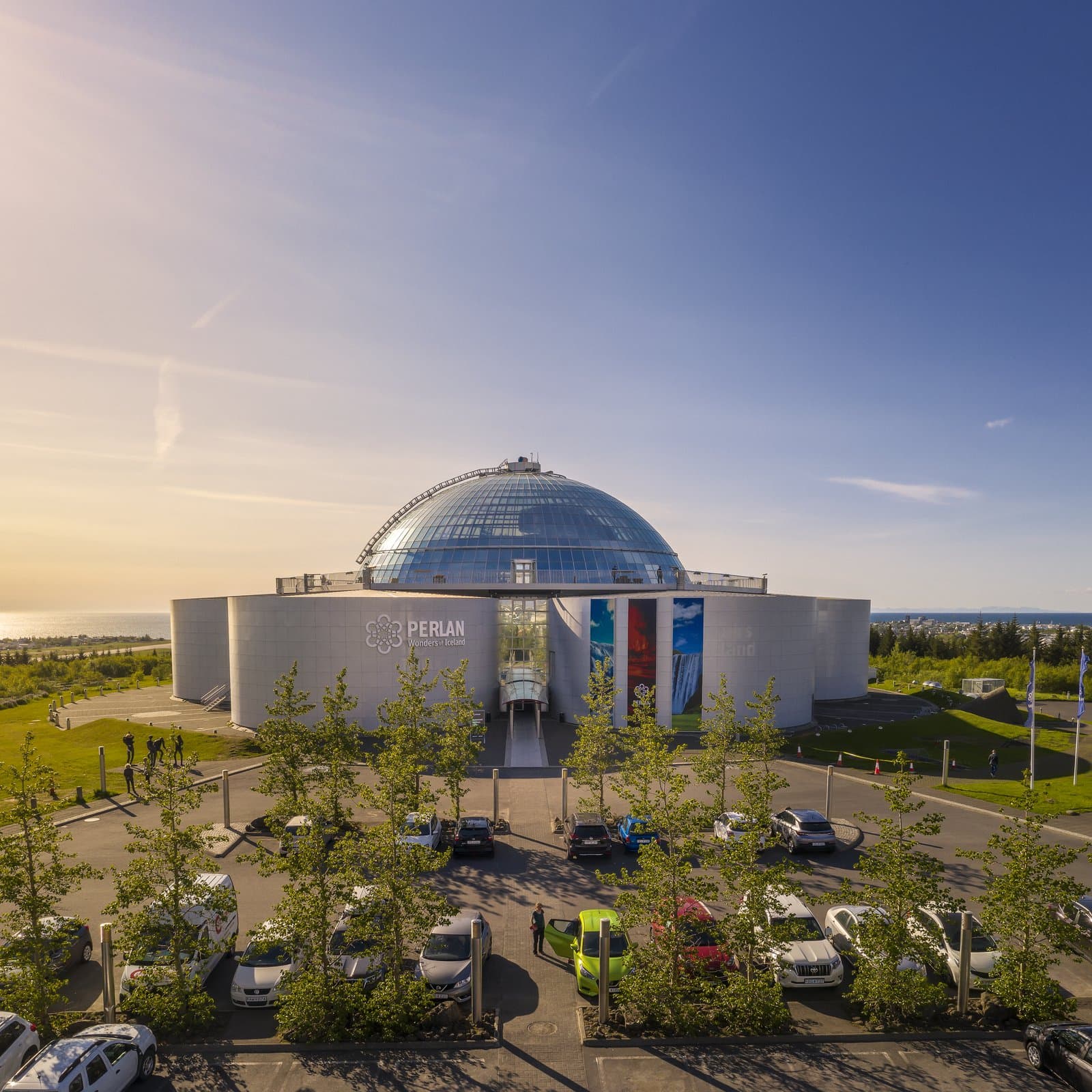
If you want a clearer landmark payoff, compare this with Hallgrímskirkja for architecture and tower views, or with Perlan for a structured indoor attraction and a broader view over Reykjavík.
Lækjargata works best when you read it as a connector through old and newer downtown Reykjavík.
Lækjargata becomes more useful when it helps you connect stronger Reykjavík stops instead of standing alone on the plan
Lækjargata becomes more useful when it helps you connect stronger Reykjavík stops instead of standing alone on the plan.
Use Hallgrímskirkja when you want the clearest city landmark and a more obvious visual payoff.
Use Perlan when bad weather or short daylight makes an indoor attraction and viewpoint more practical.
Use Sun Voyager if your walk is pulling toward the waterfront and you want a simple sculptural stop.
Use The Icelandic Punk Museum or the Icelandic Phallological Museum if your downtown time is better spent on a compact, quirky indoor visit.
Use the Reykjavík region guide when the real question is how much of the trip should stay in the capital.
For many visitors, the best version is a central loop rather than a checklist: Tjörnin, Lækjargata, Lækjartorg, Austurvöllur, then either up toward Hallgrímskirkja or out toward the waterfront.
Small spaces along Lækjargata change the feel of a city walk, especially when winter light and pavements slow the pace.Seasonal displays and events can make the area more memorable, but they should not be treated as fixed trip details.
What should you check before using Lækjargata as an access line?
For a casual walk, not much. For a tight plan, mobility-sensitive day, event day, or vehicle movement through the center, use official Reykjavík City information before relying on a specific street setup.
Downtown Reykjavík can change around construction, public events, traffic management, weather, and winter pavement conditions. Treat Lækjargata as easy city walking in principle, but do not build a tight arrival, pickup, or accessibility plan around an unchecked assumption.
If weather is poor, shorten the walk and shift the weight toward indoor stops. If the city center is busy, use the street as one flexible line through the area rather than the only way your Reykjavík day can work.
Use when vehicle access, pickup points, events, or central traffic rules matter.
Lækjargata FAQ
These questions decide whether Lækjargata deserves a named place in your Reykjavík plan or simply becomes part of the walk.
Is Lækjargata a major Reykjavík attraction?
No, Lækjargata is better understood as a useful historic street and walking connector. It is worth noticing in the city center, but stronger landmarks should lead a very short Reykjavík visit.
How long do you need on Lækjargata?
Most travelers need 10-20 minutes unless they are folding it into a broader central Reykjavík loop. Add more time only if you are pairing it with Tjörnin, Austurvöllur, nearby museums, or a landmark walk.
Is Lækjargata good in winter?
Yes, as a short city walk, but winter light, wind, and pavement conditions matter. Keep the plan flexible and move indoors if the street stops being pleasant.
What should you pair with Lækjargata?
Pair it with Tjörnin, Lækjartorg, Austurvöllur, Hallgrímskirkja, Perlan, Sun Voyager, or a compact downtown museum depending on your walking direction and weather.
Is Laekjargata the same street as Lækjargata?
Yes. Laekjargata is the common ASCII spelling for Lækjargata. Both refer to the central Reykjavík street between Tjörnin, Lækjartorg, and nearby downtown landmarks.