Experience fit
- Main choice
- Amphibian, Zodiac, or kayak
- Shortest ride
- Usually the amphibian
- Most active
- Guided kayak
- Child rule
- Varies by exact product
- Weather rule
- Recheck on the day
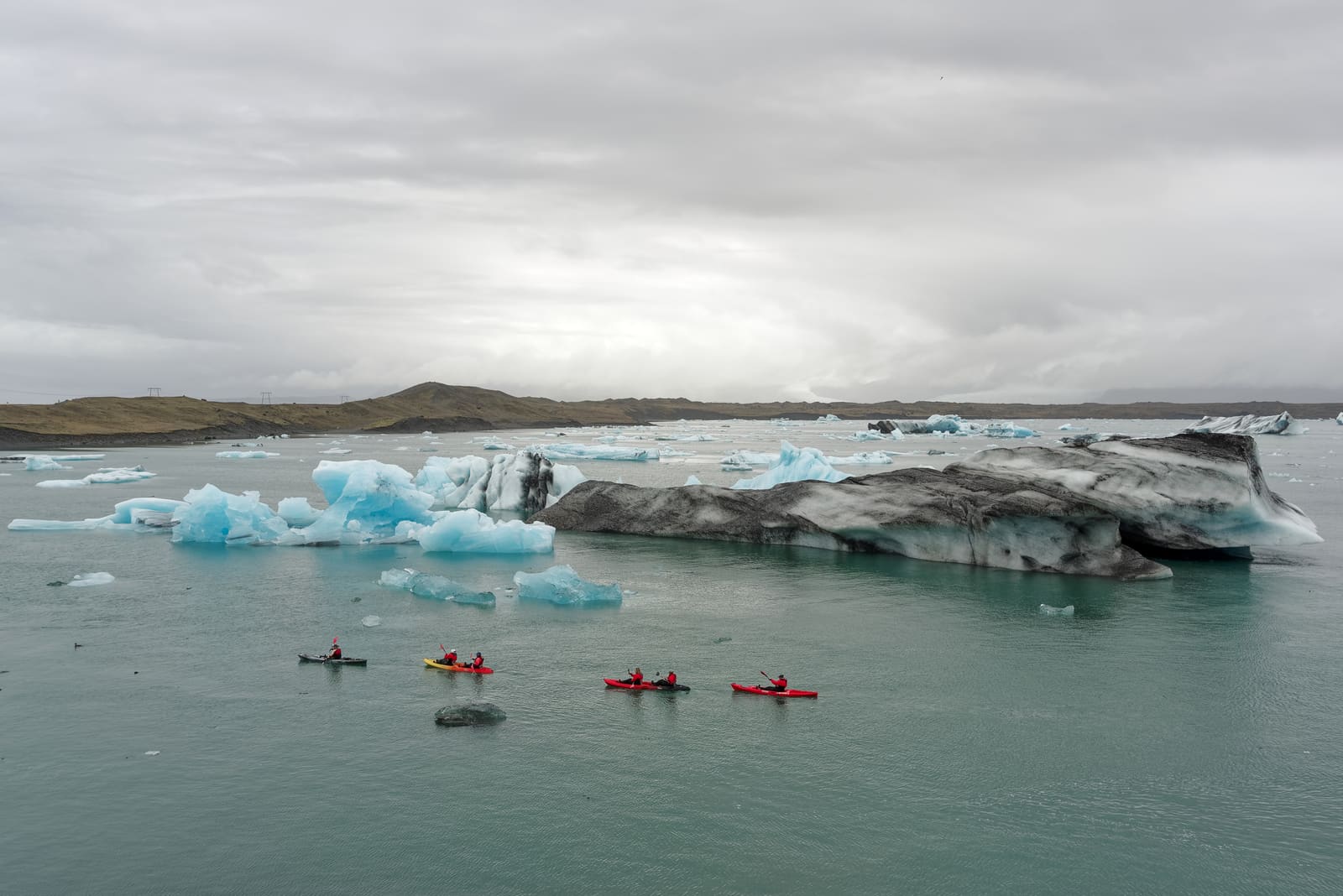
A glacier-lagoon outing is not one standard boat ride. Choose between a larger amphibian boat, a smaller Zodiac, and a guided kayak by looking at the lagoon, route, cold exposure, participant rules, and how much of the South Coast day the activity can honestly take.
Experience fit
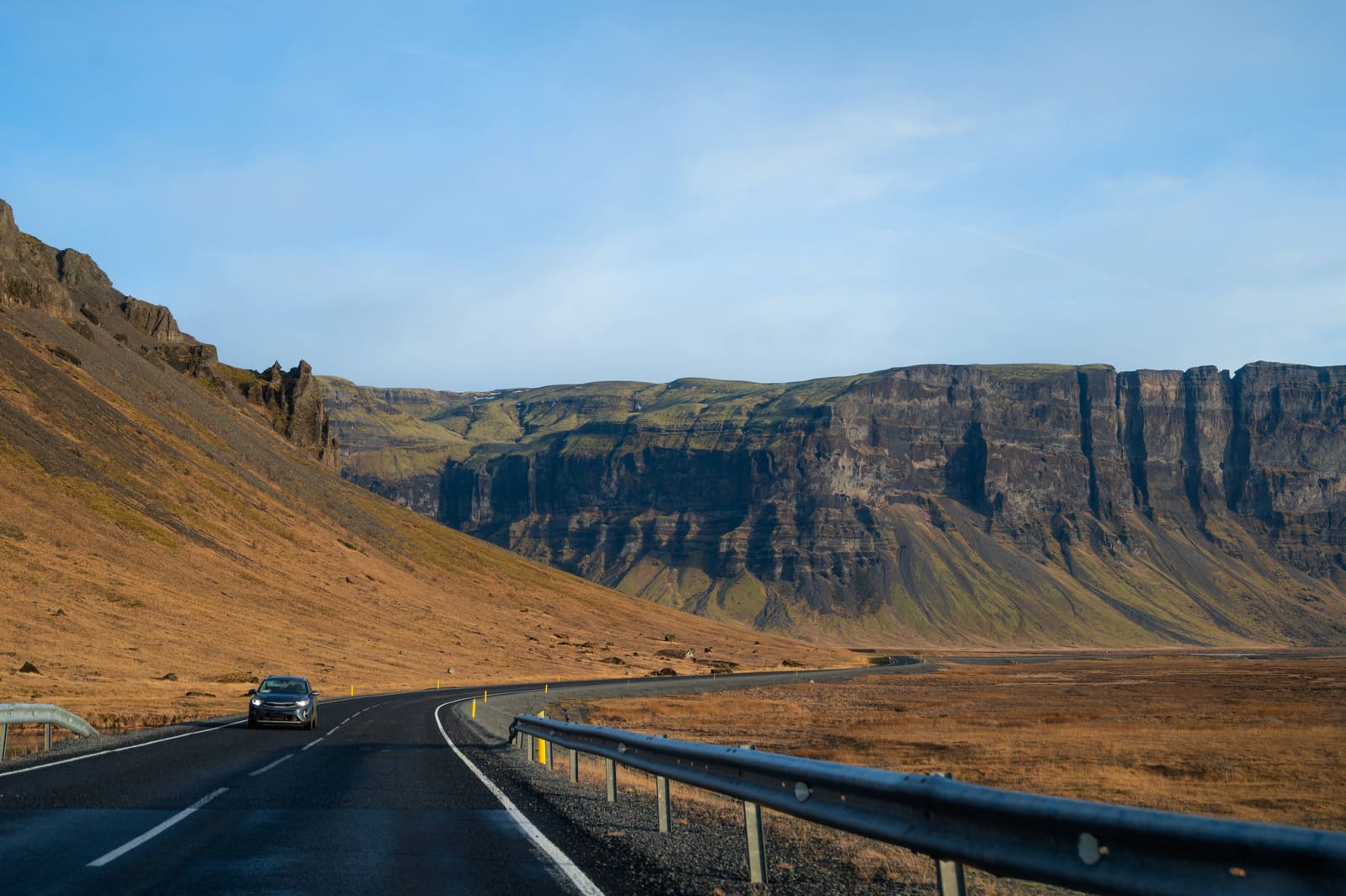
Jökulsárlón sits beside Route 1, but that does not make a glacier-lagoon boat tour a light addition to every Iceland trip. The useful question is not whether the photographs look worth it. It is whether the eastward drive, check-in, equipment, water time, and shoreline visit fit the same day without turning the return into a race.
Treat the lagoon as part of glacier country, not as a day trip label. It fits naturally between an overnight near Skaftafell and Höfn, or within a slower South Coast road trip. It is a weak reason to drive from Reykjavík and back in one day, especially when the group also expects waterfalls, Vík, and black-sand beaches.
That distinction gives the day a safe fallback. If wind changes the outing, a child misses a product threshold, or the road has already used the available margin, keep the lagoon and Diamond Beach and remove the boat—not the overnight or the sensible driving cutoff.
Photo guide
1 / 7
A Zodiac crosses the open lagoon below the glacier, trading the amphibian's larger format for a smaller, more exposed boat.
Good to know
The three formats solve different problems. The larger amphibian is the easiest sightseeing ride to understand; a Zodiac gives more time and range in a smaller open boat; a kayak turns the lagoon into a guided paddling activity. None is automatically the premium choice for every group.
Choose by the least flexible traveler. A mixed-age group may value the simpler boarding and shorter ride of an amphibian. A small group that accepts more cold and motion may prefer a Zodiac. Stronger, older participants who want an active role may find the kayak worth the equipment and instruction time.
| Format | What it feels like | Group and effort | Time pressure | Main limit |
|---|---|---|---|---|
| Amphibian boat | Larger guided sightseeing ride | Lowest activity demand of the three | Shortest water portion | Less range and a larger group format |
| Zodiac | Small open boat, lower to the water | More exposed; exact child rules matter | Longer ride plus equipment and check-in | Cold, motion, boarding, and weather |
| Guided kayak | Paddling at water level | Active, small-group, higher age threshold | Instruction, drysuit, and paddle time | Effort, cold water, and participant fit |
This is a format matrix, not a national rulebook. Age, height, clothing, mobility, and cancellation terms belong to the exact direct product. Recheck them for the travel date instead of carrying a limit from one lagoon or operator to another.
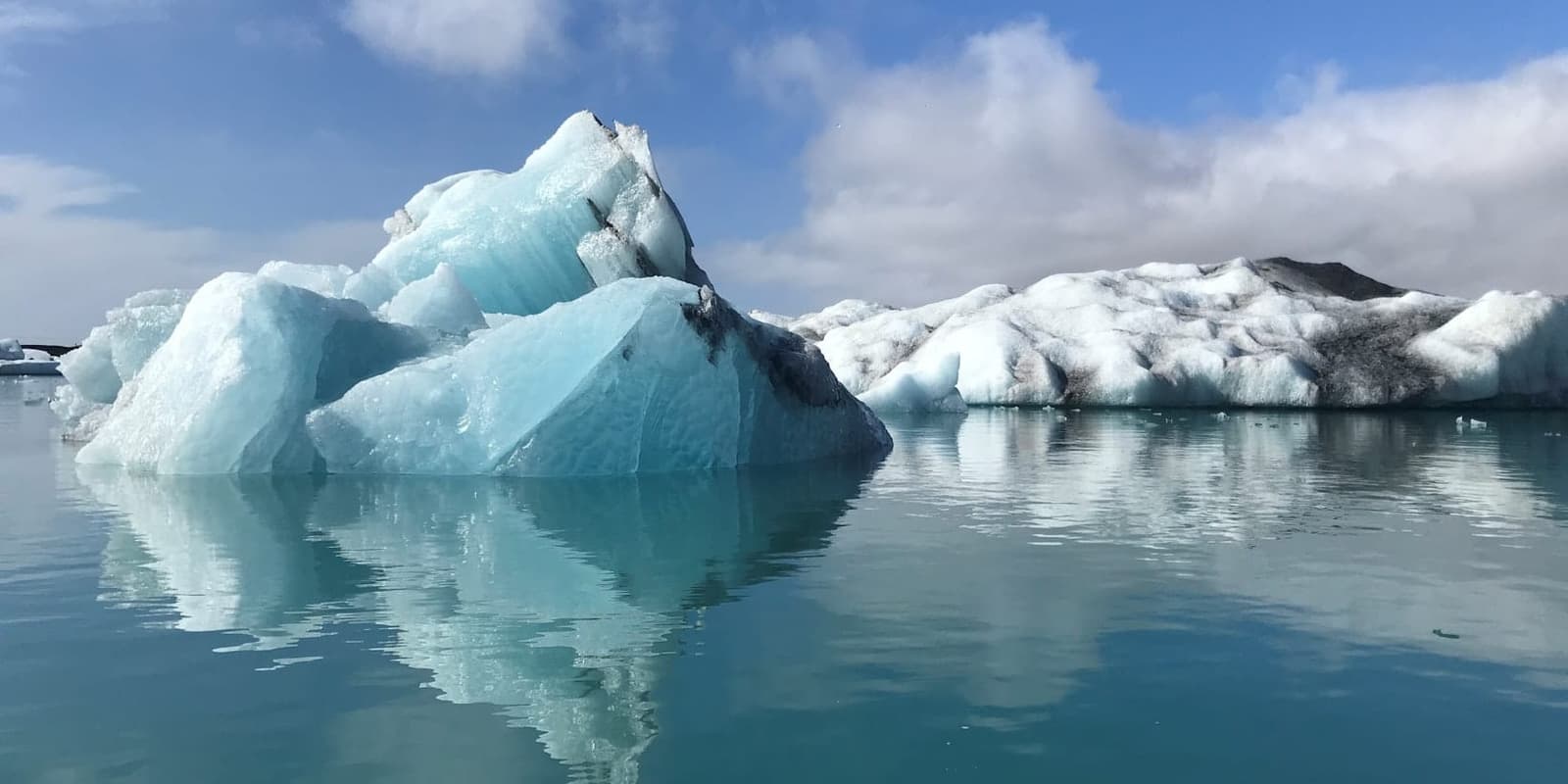
Jökulsárlón is the practical starting point when the group has not yet agreed on one water format. The same lagoon supports a larger amphibian ride, a smaller Zodiac, and a guided kayak, while the Route 1 setting keeps the shoreline available to everyone else.
The amphibian makes sense when the boat should remain one compact part of a larger stop. Its guided ride is shorter than the Jökulsárlón Zodiac and involves a larger vessel. That can suit a multigenerational group that wants water-level context without making equipment, exposure, or an active format the center of the day.
The Zodiac is a more involved choice. The direct product describes a longer ride that covers more of the lagoon, with flotation equipment and a specific age-or-height threshold. The trade is straightforward: more range and a smaller boat in exchange for more exposure, stricter participant fit, and a larger block of schedule.
Fjallsárlón lies west of Jökulsárlón, but its boat outing should be chosen on its own terms. The trip uses a small Zodiac and includes a gravel approach to the boarding point, so the experience begins before the motor starts.
That approach matters for small children, sore knees, balance, footwear, and anyone assuming that a roadside lagoon means step-free boarding. Its minimum age is lower than the Jökulsárlón Zodiac threshold, but age alone does not settle whether the walk, open boat, and cold conditions suit a person.
Fjallsárlón is especially useful when its exact boat, participant rule, and approach fit better. It is not a guaranteed quieter substitute or a shortcut around weather. Both lagoons sit in exposed glacier country, and each direct operator controls its own safe operating decision.
A guided kayak is not a more intimate Zodiac. You dress for cold water, learn the equipment, share responsibility for moving the craft, and spend the outing at a paddler's pace. The Jökulsárlón kayak outing uses double kayaks and supplies drysuits and safety gear.
That makes kayak the clearest choice for active travelers who want the water activity itself to be memorable. It is a poor compromise for a group with uncertain shoulders, a dislike of tight equipment, or a teenager below the direct minimum age. A guide manages the route and safety system, but does not turn paddling into passive sightseeing.
Heinabergslón offers another guided glacier-kayak setting, reached from a different base and a gravel access road. It can suit a traveler deliberately building the day around paddling. It should not be treated as an effortless add-on or a winter access assumption; check the road and direct activity operation first.
A listed operating season tells you when a product may run; it does not promise a calm lagoon or a comfortable boarding. Wind, cold, gravel, steps, and the operator's access rules all affect which format feels right.
Build the itinerary around a date range, then check the exact product. Spring and autumn deserve more spare time because daylight, road conditions, and colder exposure can compound a changed departure. In peak summer, check-in and a crowded route often create more pressure; darkness is less limiting.
The right weather question is not only whether it will rain. Ask about wind, what clothing is supplied, what remains your responsibility, and how the provider communicates changes. Then read the Icelandic Met Office forecast close to departure; a forecast saved days earlier is not enough.
All three formats bring you close to cold water, and the practical barriers differ. An amphibian can still involve steps and exposed seating. A Zodiac adds flotation clothing, small-boat boarding, and more wind. A kayak adds drysuit fit, instruction, and repeated upper-body movement.
Ask specific questions instead of using the word accessible. How far is the walk from check-in? Is it gravel, a ramp, or steps? Can a traveler board without a handrail? Is there somewhere warm to wait? Will the supplied suit fit over the layers a person needs? The answer can change with the exact vessel and water level.
If those questions produce awkward answers, choose the larger boat or remain on shore. The better experience is the one the whole group can enter, finish, and recover from without turning the next drive into a problem.
Once the group agrees on lagoon and format, four different outings make the remaining tradeoffs concrete.
Compare vessel, effort, participant threshold, and approach, then recheck the exact outing before booking.
Jökulsárlón Glacier Lagoon Boat Tours
Best forGroups wanting a shorter guided ride on a larger vessel at Jökulsárlón.
Keep in mindThe larger group format has a shorter ride and less lagoon coverage than the Jökulsárlón Zodiac.
Check firstConfirm current participant, boarding, and weather-change rules.
Jökulsárlón Glacier Lagoon Boat Tours
Best forTravelers who want a smaller boat and more time covering Jökulsárlón.
Keep in mindMore exposed than the amphibian and subject to a direct age-or-height rule.
Check firstConfirm current threshold, check-in, clothing, and weather terms.
Fjallsárlón
Best forTravelers choosing a small Zodiac at Fjallsárlón with a lower direct minimum age.
Keep in mindThe approach includes a gravel walk and the boat remains an exposed small-vessel format.
Check firstConfirm walking, mobility, child, clothing, and weather requirements.
Glacier Guides
Best forActive older participants who want guided paddling, not a passenger ride.
Keep in mindDrysuit fitting, instruction, effort, and an age 14 minimum make it a deliberate activity block.
Check firstConfirm age, pairing, fitness, clothing, and weather-change rules.
The water activity becomes easier to judge once the overnight bases are fixed. From the west, Skaftafell can anchor the previous night or an earlier glacier stop. From the east, Höfn gives the day a clear finish without forcing a return across the whole South Coast.
Choose one booked water activity and leave the rest of glacier country flexible. Jökulsárlón can absorb shoreline time and connect naturally with Diamond Beach. Fjallsárlón can be a separate short stop. Vatnajökull and Skaftafell deserve time of their own; do not add them as extra pins after the lagoon.
A cancellation should shorten the activity layer, not trigger frantic replacement booking. Walk the public viewpoints, watch the ice change position, take the beach only when conditions and local guidance support it, and continue to the planned base. That is a complete glacier-country day.
The last useful check is narrow and current: exact product rules, area weather, and the road. Old screenshots and general Iceland advice cannot tell you whether today's vessel, access, or departure still fits.
Open the official park page for place context, the direct operator for the booked format, the Met Office for the forecast, and the road authority for the route. If any one of those weakens the plan, use the shoreline version and keep the uncertainty explicit.
Place, access, and national-park context.
Current Zodiac and amphibian details.
Current participant, approach, and operating details.
Use close to departure for South-East Iceland weather.
Check Route 1 and any gravel access before leaving.
By ThorPublished
Where to do it
Open the exact lagoon, compare other glacier formats, or check the route before turning one water activity into the whole day.
Regions
See which part of Iceland is most convenient for this experience and what else you can visit nearby.
More things to do
See other activities that may suit the same day, season, or part of Iceland.
Travel advice
Read more about driving, weather, safety, and other details that may affect your trip.
Next lagoon decision
The next useful page depends on whether you need place detail, a broader glacier activity, or help fitting the stop into a realistic South Coast driving day.