Experience fit
- Easiest start
- Reykjavík paths or city tour
- Trail upgrade
- Guided full-suspension e-MTB
- Road reality
- Wind, traffic, and sparse help
- Final check
- Surface, forecast, bike, backup
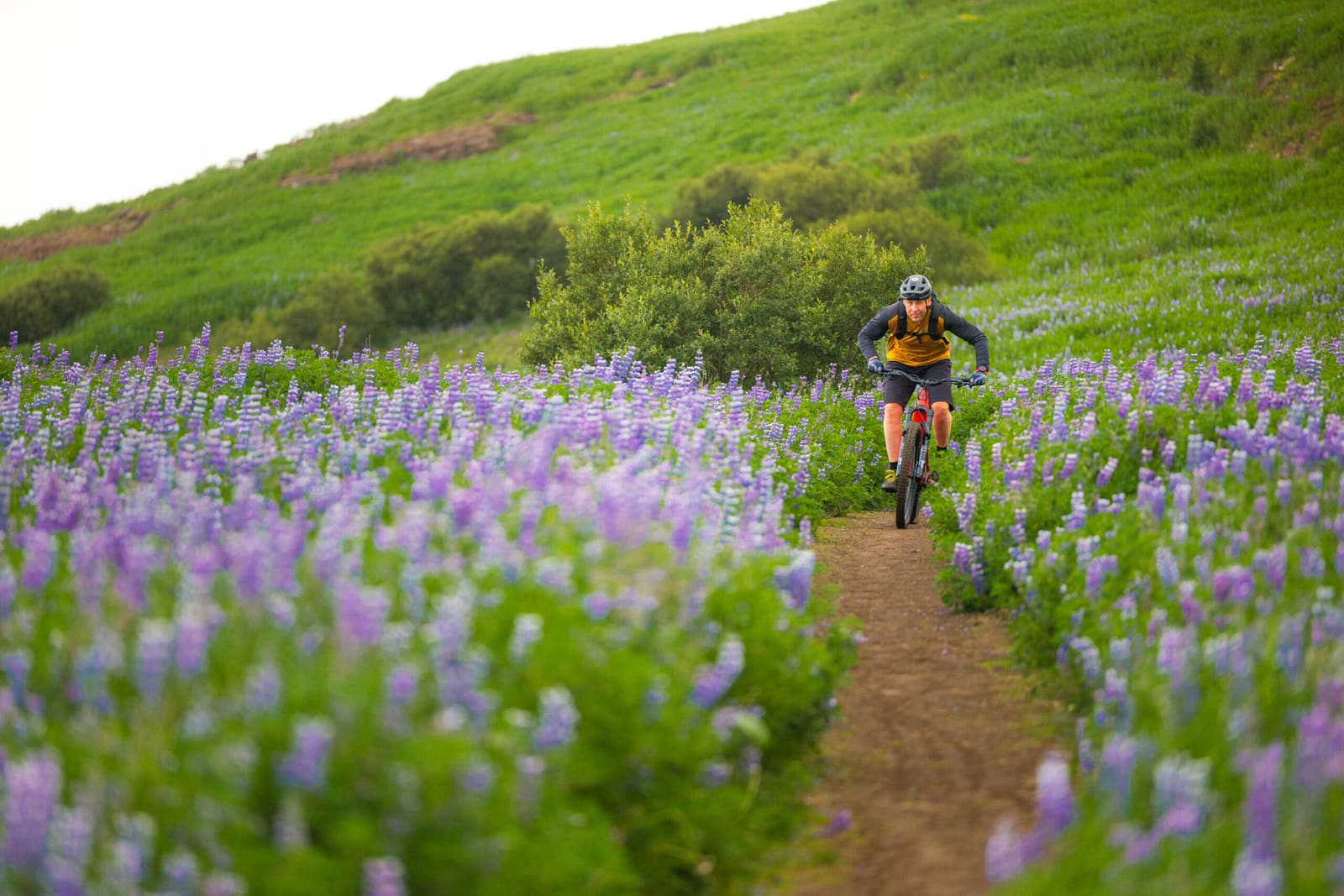
Cycling in Iceland can be a gentle roll beside Reykjavík's waterfront, an electric-mountain-bike ride through lava and forest, or a serious journey on exposed rural roads. Match the bike to the surface and your handling confidence first, then decide how much guiding and backup you want.
Experience fit
A bicycle slows the landscape just enough. You hear the tires change note as pavement becomes gravel, feel sea air along Reykjavík's waterfront, and notice the shape of a lava field before it becomes another window view.
That closeness is the real appeal. A city ride can connect harbors, neighborhoods, lakes, and paths without feeling like a workout. A mountain-bike ride brings the ground into the experience: loose stone, roots, moss-edged lava, short climbs, and the small decisions that keep the bike moving.
For most first-time visitors, the best choice is either a Reykjavík path ride or a guided e-MTB outing. Both deliver the feeling of moving through Iceland under your own power while keeping route finding, bike choice, and backup manageable. An independent rural road day asks much more of you.
Photo guide
1 / 7
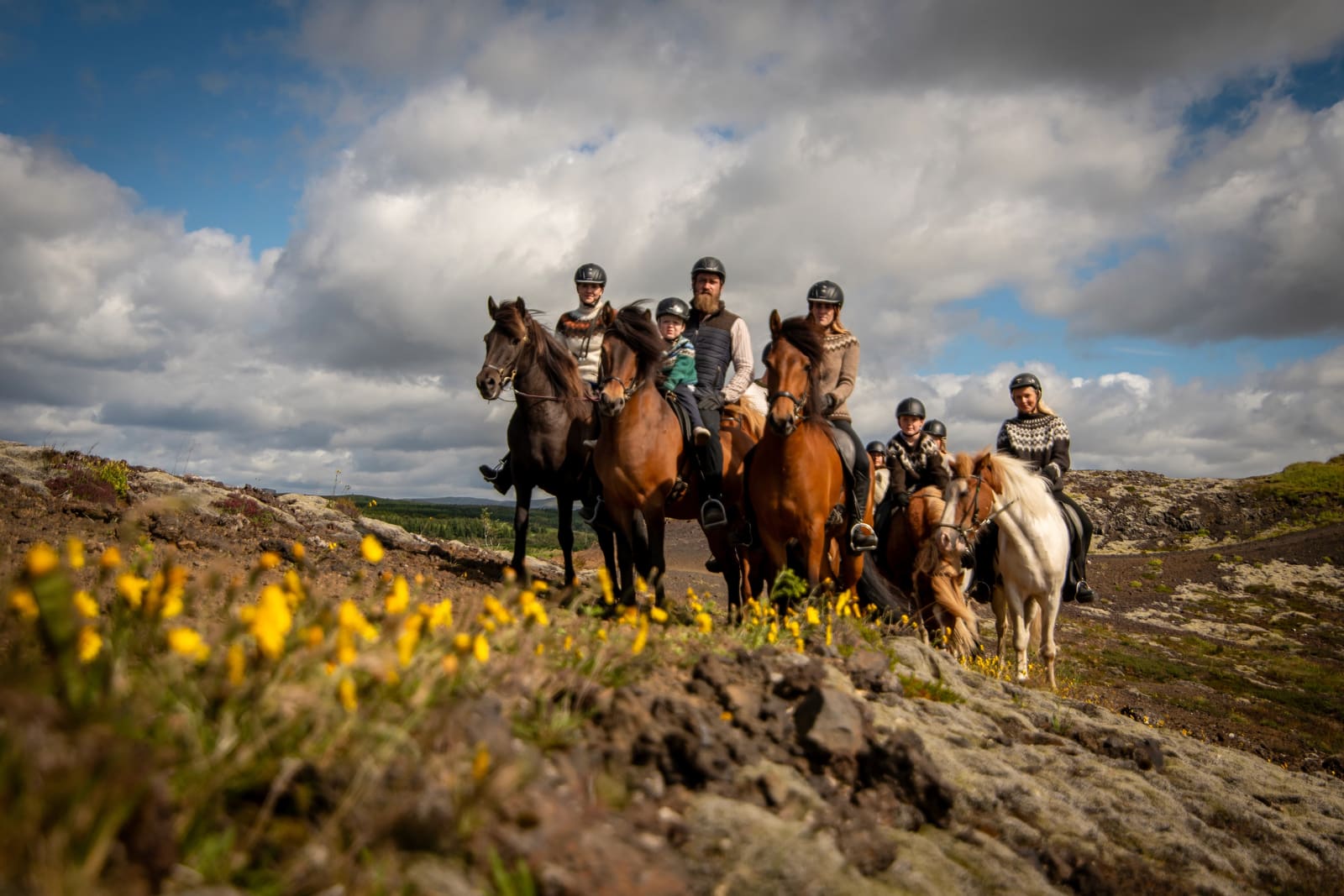
Loose rock asks for braking and line choice even when an electric motor makes the climb easier.
Good to know
Choose the surface before the view. A bicycle that feels easy on a city path can feel nervous on loose gravel, and electric assistance cannot turn a steep, rocky trail into a smooth one.
| Format | Typical ground | Support | Weather exposure | Good first question |
|---|---|---|---|---|
| City bike or hybrid | Paved streets and mixed-use paths | Rental or city guide | Wind and rain; easy to shorten | Am I comfortable around pedestrians and junctions? |
| Guided e-MTB | Gravel, forest, lava, and singletrack | Guide, fitted bike, and helmet | Exposed sections; route can change | Can I brake and balance on loose ground? |
| Gravel or road bike | Rural pavement and gravel roads | Rental-only or unsupported | High wind and traffic exposure | What is my safe shorter alternative? |
| Supported multi-day ride | Mixed roads and remote sections | Guide, luggage, vehicle, or repair support | Still high; support reduces consequences | What backup is included when conditions change? |
The matrix is a starting point, not a difficulty guarantee. Your handling, the exact surface, gusts, traffic, and the group's confidence can move the same ride into a different category. Ask about those concrete details instead of accepting a broad label such as easy or all levels.
Reykjavík is the easiest place to try cycling without turning the whole holiday into a bike trip. The city publishes a network of walking and cycling routes, and a ride can be shortened when wind, rain, or tired legs arrive sooner than expected.
A guided city ride suits visitors who want stories and landmarks without watching a map at every junction. An independent rental gives more freedom, but you still need to understand mixed-use paths: pedestrians have priority, and a path beside the road does not remove every crossing or blind corner.
The waterfront toward Grótta, the green space around Elliðaárdalur, and the wider city path network show why the capital works well on two wheels. For a fuller day beyond cycling, compare the options in the Reykjavík activities guide.
Electric assistance can make a climb friendlier and keep riders of different fitness closer together. It does not choose a line through loose rock, control speed on a descent, or decide when a wet root is too slippery.
This is why the exact trail matters more than the motor. Bike Company's advanced ride near Reykjavík uses full-suspension e-MTBs on technical lava and forest trails and requires good mountain-bike skills. Katlatrack's Reynisfjall ride from Vík also needs fitness and confident handling. Choose a city or path ride if your group is still learning to steer and brake reliably.
A guide earns the fee by choosing terrain, fitting the bike, setting the pace, reading the group, and changing the route when conditions make the original plan unhelpful. If the group only wants an easy scenic roll, a city e-bike is usually a better match than a mountain bike with an easy-sounding label.
Outside the capital, an appealing line on the map can include fast traffic, little shoulder, long gaps between help, steep hills, gravel, and a headwind that turns the return leg into the hardest part of the day.
Visit Iceland presents Ring Road and Highlands cycling as challenging journeys, not casual sightseeing loops. Cycling Iceland adds the practical reasons: exposed wind, narrow roads, sparse services, weatherproof clothing, low gearing, lights, tools, and spare parts. That is a different undertaking from renting a bike for an afternoon.
Independent road or gravel riding can be deeply rewarding for experienced touring cyclists. It should begin with a route plan, a shorter fallback, realistic repair ability, and a clear decision about when to stop. A multi-day journey also needs separate route sequencing, transport, accommodation, and repair planning.
If volcanic ground is the attraction but traffic and repairs are not, hiking often gives the cleaner experience. If you want rough terrain with a guide and no pedaling, compare ATV and buggy tours without pretending the two activities feel the same.
Katlatrack's ride from Vík climbs onto Reynisfjall, where electric assistance meets steeper mountain ground and broad coastal views. The base is convenient for a South Coast stay, but the ride still asks more than a city path.
This format makes sense for an active rider who wants the mountain to be the main outing, not a quick add-on between sightseeing stops. The guide and e-MTB reduce route-finding and climbing strain; neither removes the need to brake confidently, balance on uneven ground, and dress for exposed weather.
Choose it for the terrain as much as the view. A traveler based in Reykjavík who wants a gentler introduction will usually have a better match closer to the capital, while a confident rider already staying in Vík can make Reynisfjall the focus of the day.
These choices are useful because they do not ask the same thing from the rider. Compare the ground, equipment, base, and handling boundary, then confirm the product details directly.
Start with the terrain you want under the tires, then decide whether your group needs a relaxed city pace or a trail guide.
Reykjavik Bike Tours
Best forVisitors who want a guided Reykjavík overview on streets and waterfront paths with a city bike or e-bike.
Keep in mindIt is a sightseeing ride, not a mountain-bike lesson or a substitute for an independent touring plan.
Check firstConfirm the bike choice, child equipment, meeting details, and the route used for your group.
Bike Company
Best forExperienced mountain bikers who want a guided ride on technical lava and forest trails near Reykjavík.
Keep in mindThis advanced ride needs confident handling and fitness; electric assistance does not make the technical terrain suitable for beginners.
Check firstConfirm the skill requirement, bike fit, meeting point, and route conditions with the operator.
Katlatrack
Best forActive riders based in Vík who want a climb and mountain trail with electric assistance and a guide.
Keep in mindThe motor helps with pedaling, but the steeper terrain still needs fitness, braking, and confident handling.
Check firstConfirm the participant boundary, bike fit, expected terrain, and weather-dependent route details.
A pleasant forecast is only the start. The route, clothing, bike, group, and backup still need to make sense when the wind strengthens or the surface is wetter than expected.
Keep windproof and waterproof layers close enough to put on before the group gets cold. On an unsupported ride, carry only repair tools you know how to use, but carry enough to deal with the likely puncture or loose fitting.
Four questions recur because the answer changes with the trail, weather, rider, and provider. Use the official sources for road, weather, safety, and path rules, then ask the operator about the exact bike and route.
Before a rural ride, open Umferðin for road and road-weather information and the Icelandic Met Office for the forecast and warnings. SafeTravel is the right place for travel alerts and remote travel plans. Reykjavík City and Ísland.is explain the rules that shape road and mixed-path riding.
Read the road, path, pedestrian-priority, helmet, and device rules before riding independently.
Use the city's cycling information and route maps for a capital-area ride.
Check live road conditions and road-weather observations before rural cycling.
Check the regional forecast and active weather warnings close to departure.
Review alerts and use the travel-plan tools for remote outings.
Use the specialist guidance for touring equipment, roads, wind, transport, and remoteness.
A compact path or guided city ride can suit a beginner who is comfortable steering, braking, crossing junctions, and sharing space with pedestrians. Wind and rain can still make an easy route feel harder.
It depends on the exact trail. Some guided rides ask only for basic cycling skills, while steeper or rockier routes need confident braking and balance. Electric assistance reduces pedaling effort but does not remove the handling.
Experienced touring cyclists can, but the route needs more than a rental. Check traffic exposure, wind, road surface, distance between help, repairs, clothing, food, and a shorter fallback before leaving.
Each provider sets its own boundary and may change the route or cancel in stronger conditions. Check the direct product terms and the official forecast close to departure.
By ThorPublished Updated
Where to do it
Compare Reykjavík activities, hiking, self-drive stops, or motorized terrain when a bike is not the right answer.
Regions
See which part of Iceland is most convenient for this experience and what else you can visit nearby.
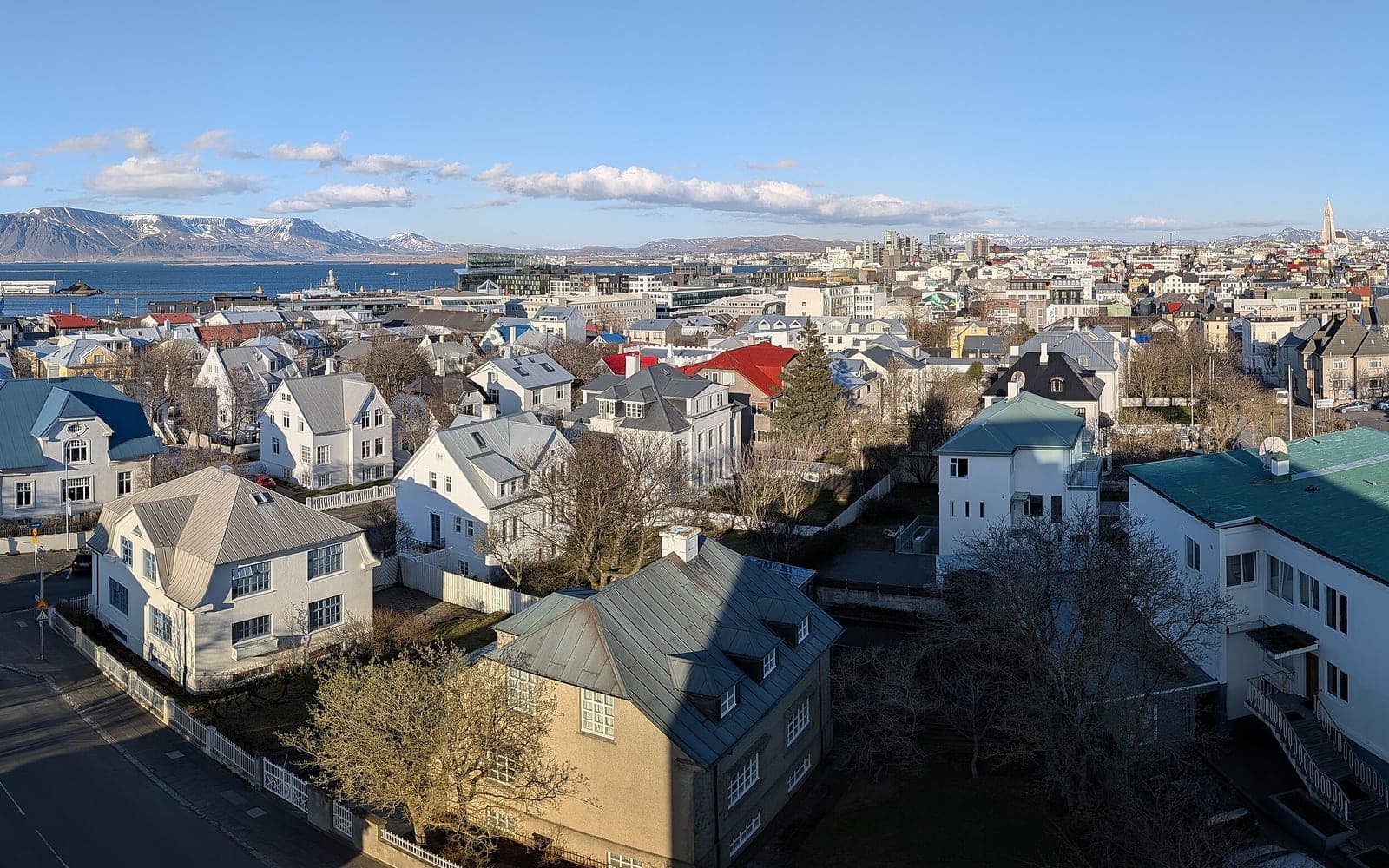
Choose Reykjavík for one or two car-free city days, a short break or a weather buffer—not as the default base for every long day trip.
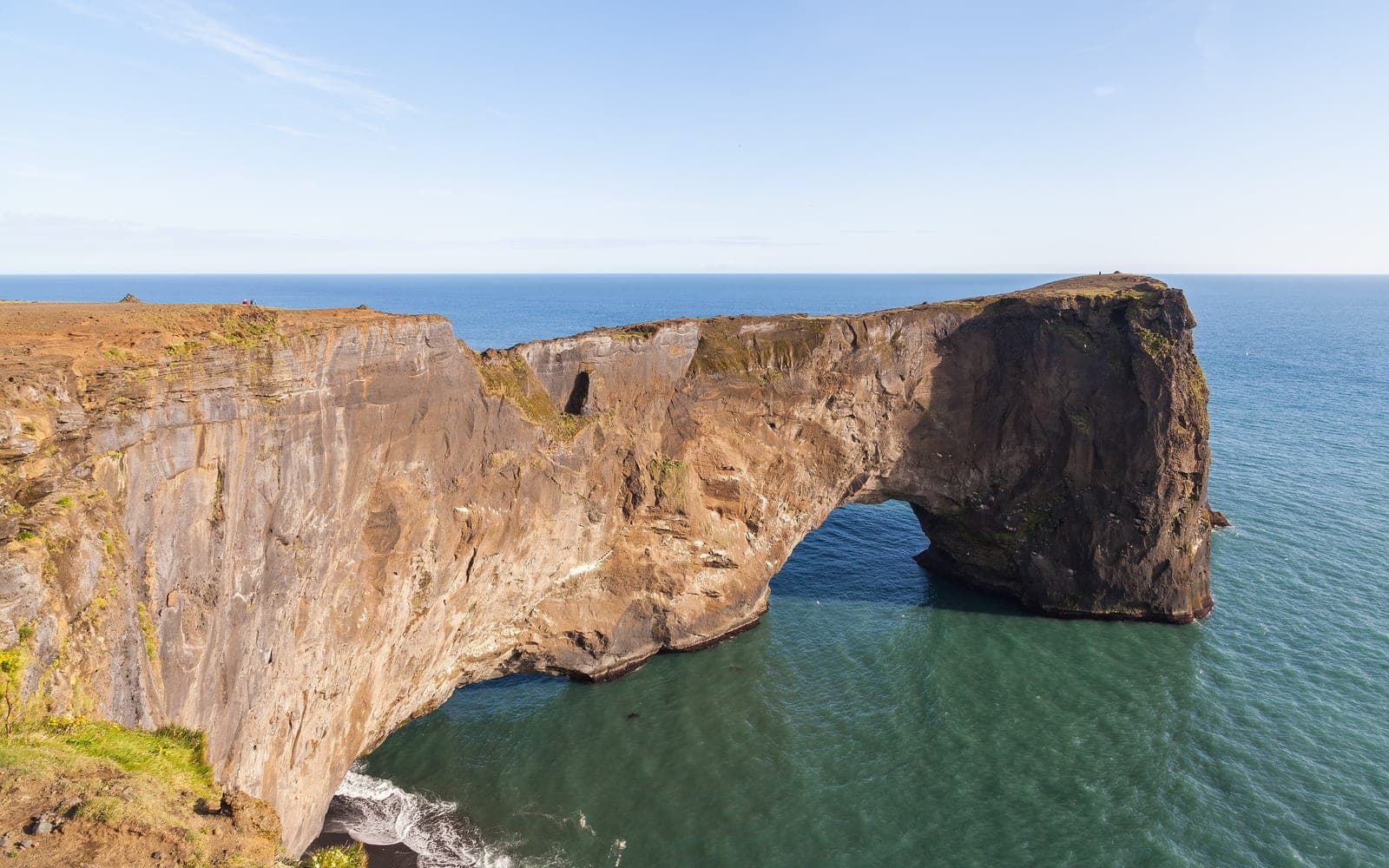
Build a first-trip route around waterfalls, black-sand coast and glacier country, but allow two to four days if Jökulsárlón is part of the plan.
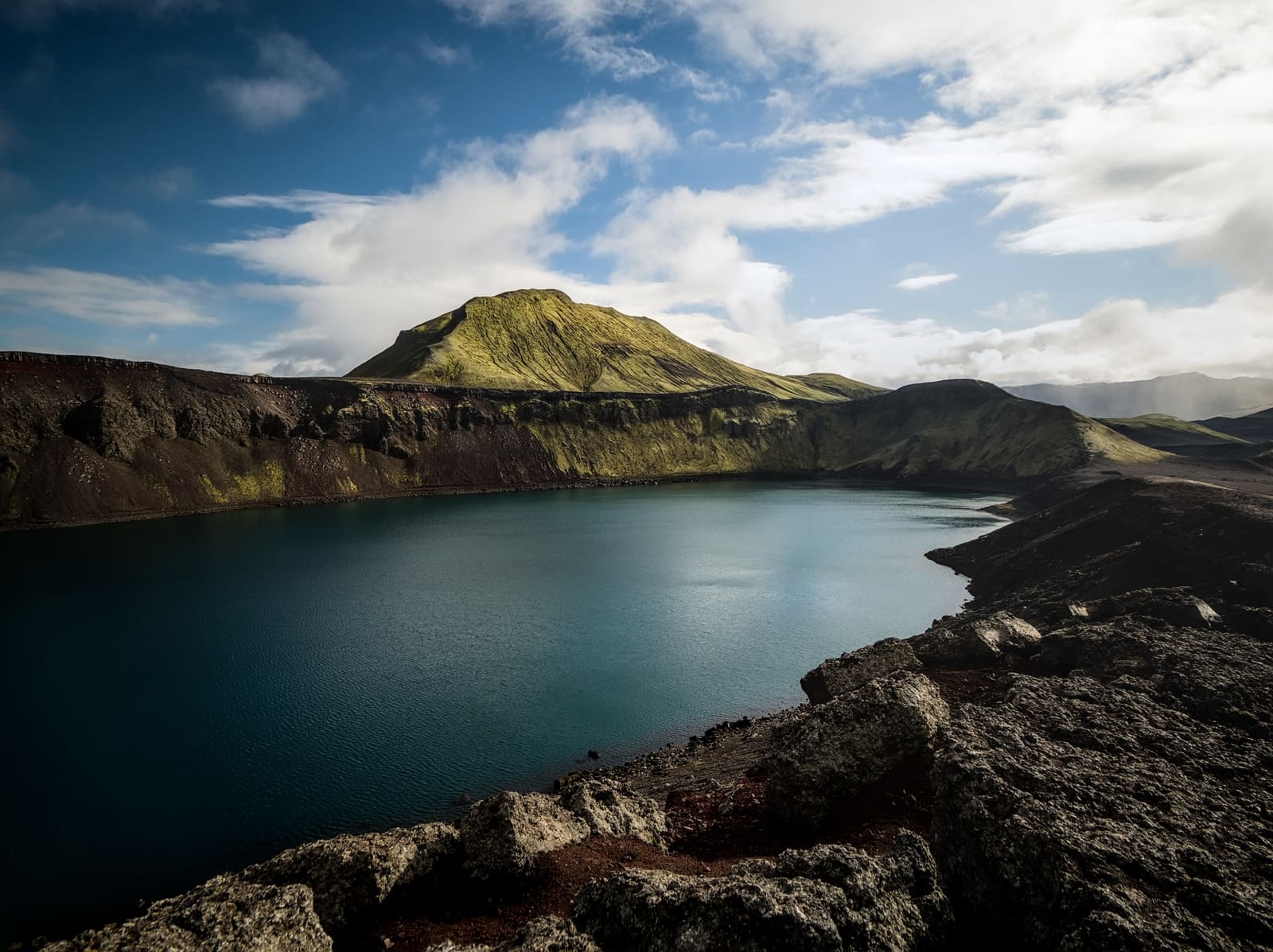
A seasonal interior choice for flexible travelers who can select one corridor, match transport to that route, and replace the plan when access or weather changes.
More things to do
See other activities that may suit the same day, season, or part of Iceland.
Choose the next movement
Follow the city, trail, or self-drive choice that better matches the weather and confidence in your group.