Area snapshot
- Type
- Regional planning context
- Region
- Greater Reykjavík, southwest Iceland
- Role
- Base, arrival area, and city cluster
- Best for
- City days and short nearby stops
- Access
- Car, bus, taxi, tours, and walking
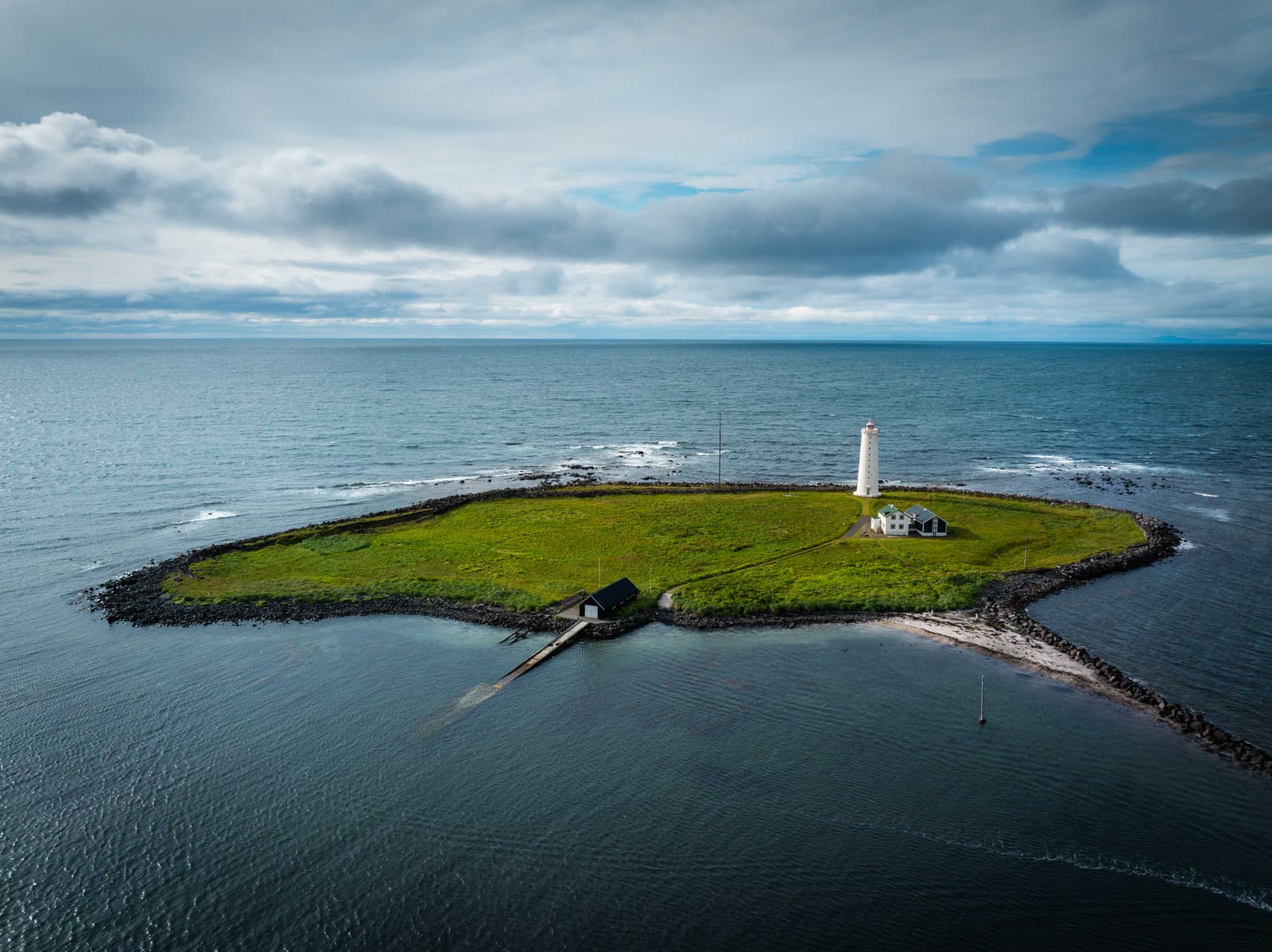
The Capital Region page helps travelers understand greater Reykjavík as a practical base, arrival area, city-stay cluster, and short-stop zone rather than a single attraction to tick off.
Area snapshot
The Capital Region is the greater Reykjavík area, so it is best understood as trip context rather than a single place to sightsee.
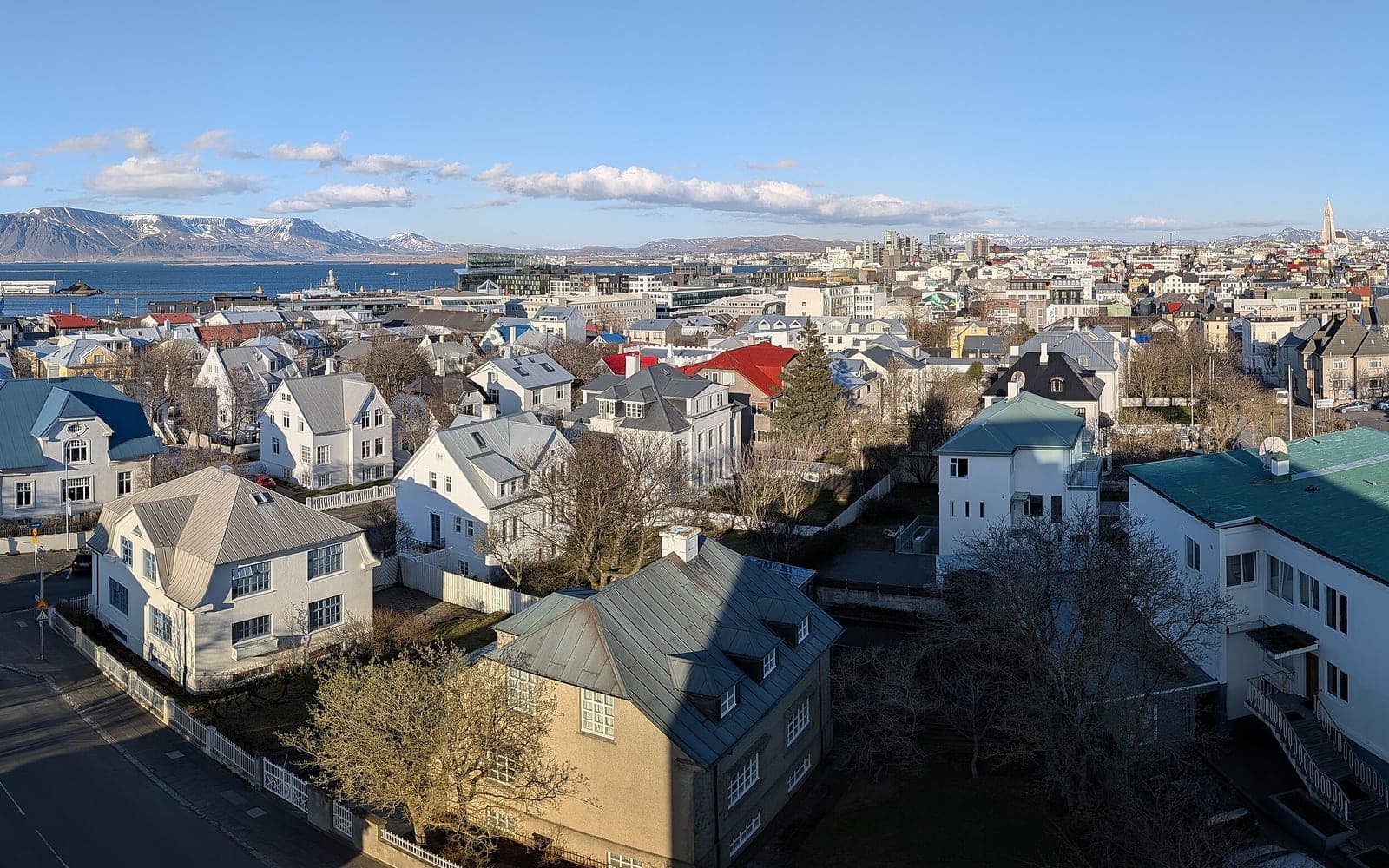
For most visitors, the Capital Region is where Iceland becomes practical: arrival logistics, first hotel nights, Reykjavík walks, restaurants, pools, museums, local buses, tour departures, and easy side stops all overlap here.
That does not make it a must-see attraction by itself. It is worth attention because you are likely to use it. If you want a specific experience, choose a real stop such as Reykjavík Harbour, Seltjarnarnes, Kópavogur, or Hafnarfjörður.
Reykjavík is the anchor, but the useful travel area spreads into surrounding municipalities, waterfronts, valleys, hills, and local service districts.
Visit Reykjavík frames the area through city districts and nearby municipalities, including central Reykjavík, Kópavogur, Hafnarfjörður, Garðabær, Mosfellsbær, Seltjarnarnes, Old Harbour and Grandi, Laugardalur, Elliðaárdalur, Esja and Kjalarnes, and other edge-of-city places. That variety is the point: the Capital Region works because many low-friction options sit close together.
A good capital-area day might be a museum and harbor walk, a pool and food stop, a sheltered garden in Laugardalur, or a short coastal detour to Grótta. It usually should not compete with the Golden Circle, South Coast, Snæfellsnes, or a full highland day unless your trip is deliberately Reykjavík-based.
The Capital Region is where many Iceland plans start, pause, recover from weather, or connect between transport systems.
Travelers often use the region before or after Keflavík flights, between day tours, on no-car city days, or when winter weather makes longer drives less appealing. Strætó, taxis, tour buses, airport transfers, walking routes, and car rentals can all matter, but they do not work as one unified visitor system.
This is also where flexible planning pays off. A windy afternoon may push you toward indoor culture; a clear evening may make the Seltjarnarnes coast more appealing; a tired arrival day may be better spent near the hotel than chasing a distant landmark.
The best way to use the Capital Region is to choose a small number of concrete stops that match your day.
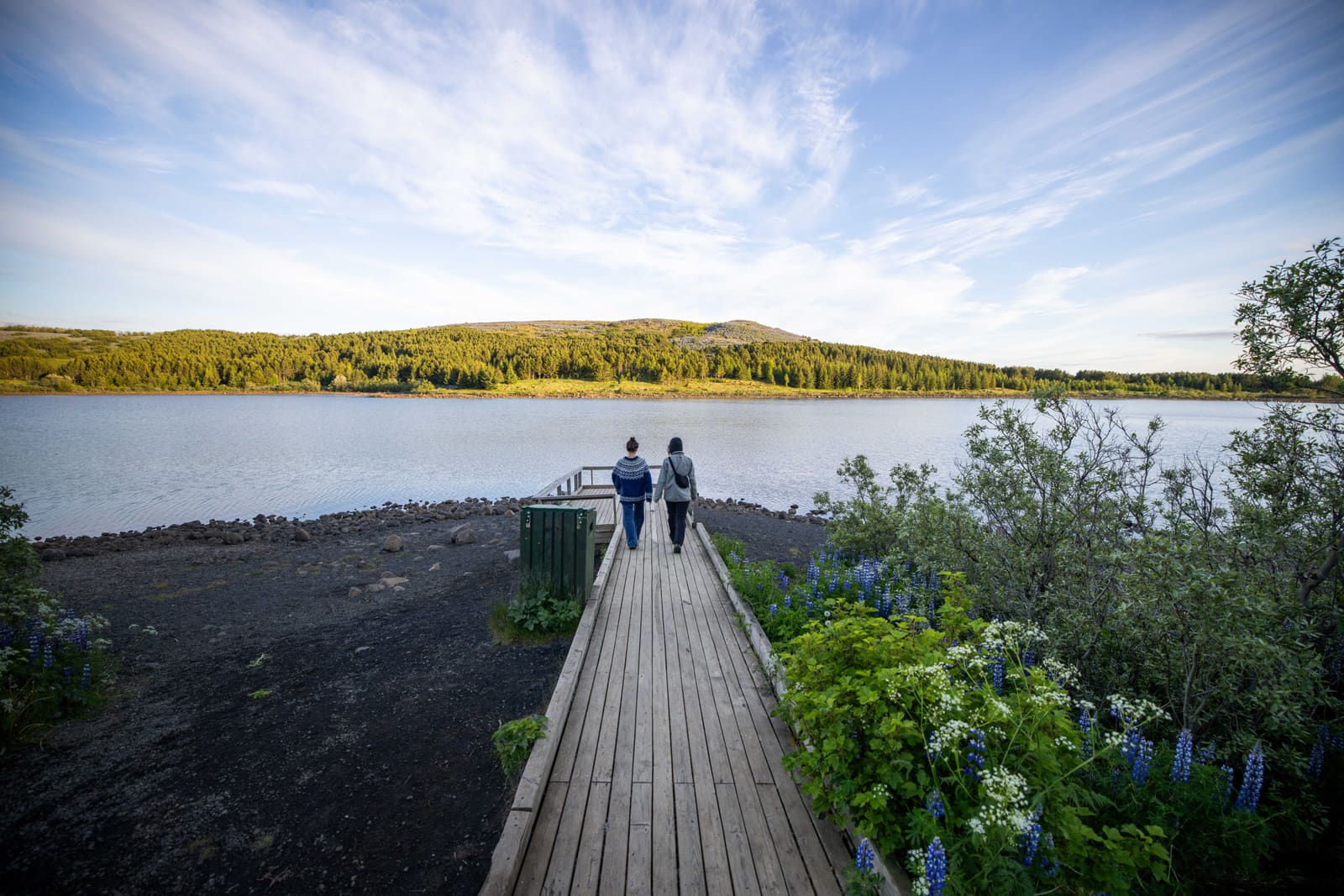
For classic Reykjavík orientation, start with Hallgrímskirkja, the old center, the harbor, or a museum cluster. For coastal air, compare Seltjarnarnes and Grótta. For a softer local pause south of the city, look at Kópavogur, Hafnarfjörður, Heiðmörk, or Hvaleyrarvatn.
If your trip is short, the Capital Region should usually support the main route instead of swallowing it. Keep one or two flexible Reykjavík-area blocks, then spend your stronger weather and daylight windows on the bigger landscapes you came to see.
The fragile details in the Capital Region are practical, so verify them close to the day you travel.
Use Visit Reykjavík for current visitor-area context, Strætó for bus routing and payment information, individual venues for opening and facility details, and SafeTravel plus road and weather services for outdoor or driving decisions. Conditions, access, maintenance, events, staffing, and operator instructions can change.
That caution is not a reason to avoid the area. It is the reason the Capital Region works well as a flexible base: you can switch between city culture, food, pools, coast, short nature, and rest time without turning every plan change into a long drive.
Official city-area information supports the Capital Region identity, municipality context, and visitor areas around Reykjavík.
National tourism information supports Reykjavík as a natural starting point and links Visit Reykjavík as the official destination office.
Official visitor information supports Strætó's public-transport role in the greater Reykjavík area and the need to check current route details.
SafeTravel supports caution around Icelandic weather and road conditions, including urban-edge and day-trip planning.
By ThorPublished Updated
Map
Use nearby places and useful bases before opening directions.
Interactive planning map for Capital Region
Interactive map
Place context and external map links remain available without loading it.
Planning context
Open the region or practical guide that resolves the next planning decision.
Wider route
Use broader place relationships for route comparison; they are not presented as immediate nearby stops.
Next step
Use the next page that helps turn this stop into a practical route decision.