Experience fit
- Access test
- What terrain does it add?
- Cabin question
- Actual vehicle and seat rows
- Pickup move
- Start nearer the rough road
- Live limits
- Route, rivers, snow, weather
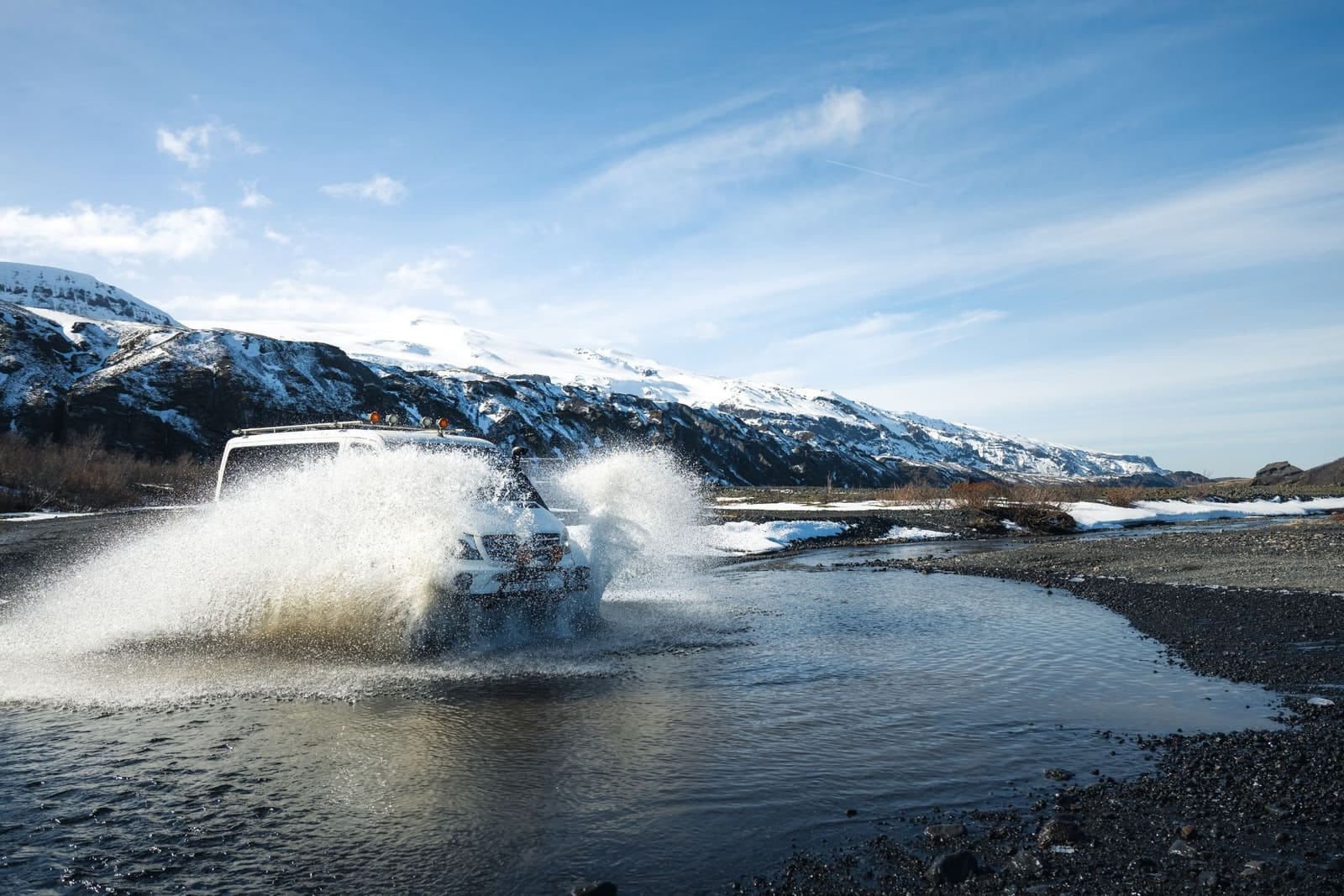
Super Jeep tours are guide-driven modified-4x4 days, but the label covers very different outings. Some reach rough river roads or snow approaches; others add a terrain segment to classic sightseeing. Choose what the vehicle adds, then compare shared or private seating, pickup point, and time outside.
Experience fit
After a rough approach, the engine settles and the doors open onto a much larger landscape. That arrival is the pleasure of a good Super Jeep day: the guide and modified 4x4 have done real work on the way to somewhere the group wants to explore.
The label covers more than one kind of outing. On some tours, rough tracks, river roads, deep snow, or a glacier approach are central. On others, the vehicle adds one adventurous extension to familiar sights. Both can be enjoyable, but the first question is what the vehicle changes on the route you are considering.
Start with the landscape you want to reach and the time you want outside. Then compare the cabin, pickup point, and pace. Oversized tires make a strong photograph; they do not, by themselves, prove that the day reaches somewhere different.
Photo guide
1 / 7
Deep snow is a real access difference; the same vehicle may add far less on an ordinary sightseeing road.
Good to know
SafeTravel distinguishes between Highlands roads that some ordinary 4x4s can use, routes needing a larger four-wheel-drive vehicle, and conditions where a modified vehicle may be appropriate. The useful promise is therefore route-specific, not a universal claim that every F-road needs a Super Jeep.
Look for one of three clear jobs. A modified vehicle may handle a rough river road into Þórsmörk, work through snow on a seasonal approach, or add a Highlands or glacier-edge segment to a conventional sightseeing loop. A tour page should make that contribution understandable without asking you to admire the vehicle specification first.
This page chooses the passenger experience. If you are deciding whether to drive an F-road yourself, which rental vehicle is suitable, or how to approach a ford, move to Highlands road-trip planning. That is a different and more technical choice.
Once the route has earned the vehicle, compare the shape of the whole outing. The same label can describe a shared regional departure, a Reykjavík sightseeing day with a rough-road extension, a private Highlands vehicle, or a shorter snow-focused ride.
Use the four columns together. A powerful vehicle does not erase a long pickup, and a private cabin does not guarantee a better route. The strongest match gives you useful terrain, a passenger setup you can live with, and a meeting point that does not swallow the part of the day you came for.
| Trip shape | What the vehicle adds | Passenger trade-off | Pickup logic |
|---|---|---|---|
| Regional shared Highlands day | Guide and modified vehicle handle the rough approach where the route needs them | Shared cabin and group pace; ask about seats, steps, and time outside | Meet closer to the terrain and arrange your own travel to the base |
| Reykjavík shared sightseeing plus terrain | Adds a rough-track, snow, or glacier-area segment to familiar sights | Convenient start, but paved-road time may be a large part of the day | Hotel pickup is simple when you prefer not to position a car |
| Private terrain-led day | Keeps the route and stops centered on one group's interests | More control over pace; vehicle assignment and current access still matter | Pickup area may be flexible, but a distant start still adds road time |
| Short or seasonal snow outing | Concentrates the experience on snow or rough driving near the base | The vehicle may be the main attraction, with less destination time | A regional base can keep the outing compact |
For a first Super Jeep experience, the regional shared day is the clearest expression of the format when its route genuinely needs the vehicle. A Reykjavík extension is easier to add to a city stay. Private makes most sense when pace, stops, mobility, or a small group's priorities are important enough to justify paying for the whole vehicle.
Reykjavík pickup is convenient, especially without a rental car. It can also put a long stretch of ordinary road on both sides of the terrain you actually want. A regional meeting point changes that balance.
Use a simple order. First choose the terrain. Then find the practical regional base. Only after that decide whether hotel pickup saves enough effort to be worth the longer transfer.
A regional start is especially attractive when the group is already driving the Ring Road or staying in South or North Iceland. Reykjavík pickup remains sensible when nobody wants to manage another meeting point, the classic sights are part of the appeal, or the modified segment is an addition rather than the whole purpose.
The cabin can make the approach exciting, but the memory may come from a short walk, a quiet viewpoint, a canyon edge, or warm water after the rough track. Read the outdoor plan as closely as the route map.
Some Þórsmörk tours offer flexible short walks while allowing someone to stay nearer the vehicle. A Landmannalaugar product may leave a choice between walking and bathing. A Golden Circle and Langjökull combination divides attention between famous stops and the modified-vehicle extension. These are different pleasures even when all three use a Super Jeep.
Ask how often the group normally gets out, what the longest walk might be, whether rough ground or water is involved, and what happens when conditions change the planned stop. Also ask about food and toilets on a long remote day. A route can look excellent on a map and still be a poor match for someone who needs frequent facilities or dislikes hours in a moving vehicle.
These four guided options use the vehicle for different work. Compare the base, terrain, cabin model, and outdoor plan before opening the direct page for current details.
One starts near Þórsmörk, one adds terrain to a Reykjavík sightseeing day, one gives a private group control in the southern Highlands, and one begins in North Iceland.
Midgard Adventure
Best forTravelers already in South Iceland who want a shared river-road approach and flexible short stops in Þórsmörk.
Keep in mindThe group meets in Hvolsvöllur and shares the vehicle and pace; transport from Reykjavík is a separate decision.
Check firstConfirm the assigned vehicle, passenger count, boarding help, route, walking choices, food plan, and current conditions directly.
Superjeep.is
Best forA Reykjavík stay that wants classic Golden Circle sights and a Langjökull-area terrain extension in one guided day.
Keep in mindThe modified segment is only one part of a long sightseeing route, so it may not satisfy travelers seeking a terrain-led day.
Check firstConfirm pickup coverage, assigned vehicle, passenger layout, current route, terrain segment, walking, and any optional activity directly.
Mountain Taxi
Best forPrivate groups choosing their pace, walks, and bathing time around Landmannalaugar and Hekla.
Keep in mindPrivate control cannot guarantee a particular track, stop, or shorter transfer from the chosen pickup area.
Check firstConfirm the vehicle, seating, pickup, viable route, walking or bathing plan, food, toilets, and fallback.
IceAk
Best forTravelers based in Akureyri who want a small private Highlands day with river fords, bathing, and broad viewpoints.
Keep in mindIt is a full remote route for a small vehicle group, so supplies, cabin comfort, and current river and road conditions matter.
Check firstConfirm current operation, departure base, assigned vehicle, seat arrangement, route, bathing stop, food, facilities, and weather directly.
A Super Jeep can be built for rough tracks, snow, glacier approaches, or river roads. It is not permission to roam across open ground.
Iceland's environmental authority says motorized off-road driving is generally forbidden and explains why tracks can last for decades in fragile volcanic soil. Marketing sometimes uses “off-road” for driving that feels wild from the passenger seat. The responsible version still follows legal routes and current access restrictions.
This is a good question for the guide, not an accusation: which road or marked track is planned, and how do current conditions change it? A clear answer is more useful than any promise that the vehicle can “go anywhere.”
Official guidance on rough roads, river crossings, changing conditions, and different vehicle needs.
The environmental authority explains the general prohibition and limited exceptions.
Why fragile ground, seasonal restrictions, and marked routes matter.
The durable choice is the kind of terrain, cabin, pickup, and outdoor time you want. The final answer depends on the assigned vehicle and the conditions close to departure.
Ask for the expected vehicle, passenger count, seat rows, step height, luggage plan, child-seat arrangement, and boarding help. Then ask how much walking or bathing is planned, what clothing and food to bring, where toilets may be available, and what the guide does when the preferred route is not sensible.
The clearest Super Jeep choice is a route where the modified vehicle and guide make the approach possible or more sensible, while the time outside still feels worth the cabin time. When that equation is vague, ask more questions or choose a simpler day.
Use the official road map close to departure; it does not replace the operator's route decision.
Check the relevant region and any current warnings before the outing.
By ThorPublished
Regions
See which part of Iceland is most convenient for this experience and what else you can visit nearby.
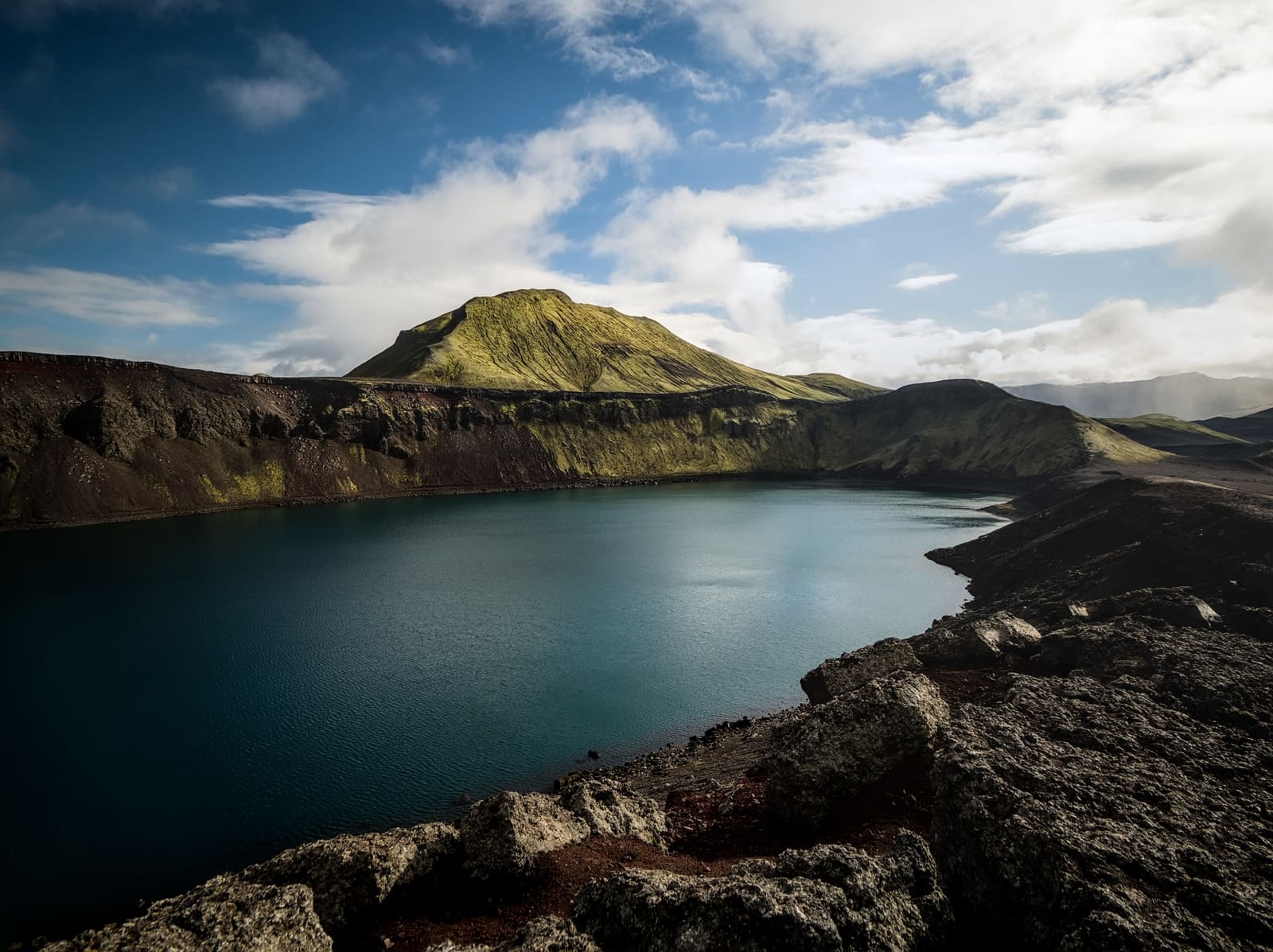
A seasonal interior choice for flexible travelers who can select one corridor, match transport to that route, and replace the plan when access or weather changes.
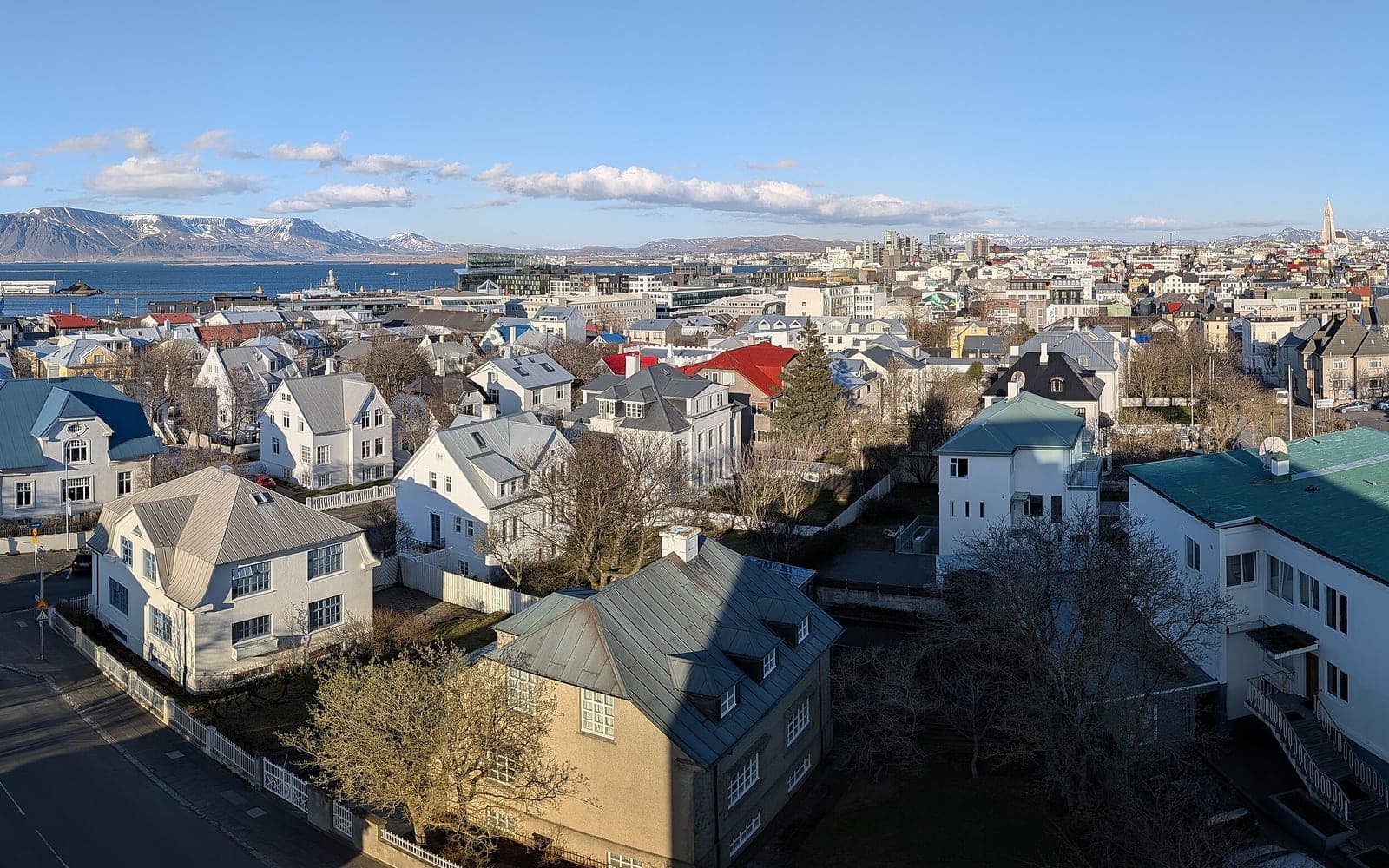
Choose Reykjavík for one or two car-free city days, a short break or a weather buffer—not as the default base for every long day trip.
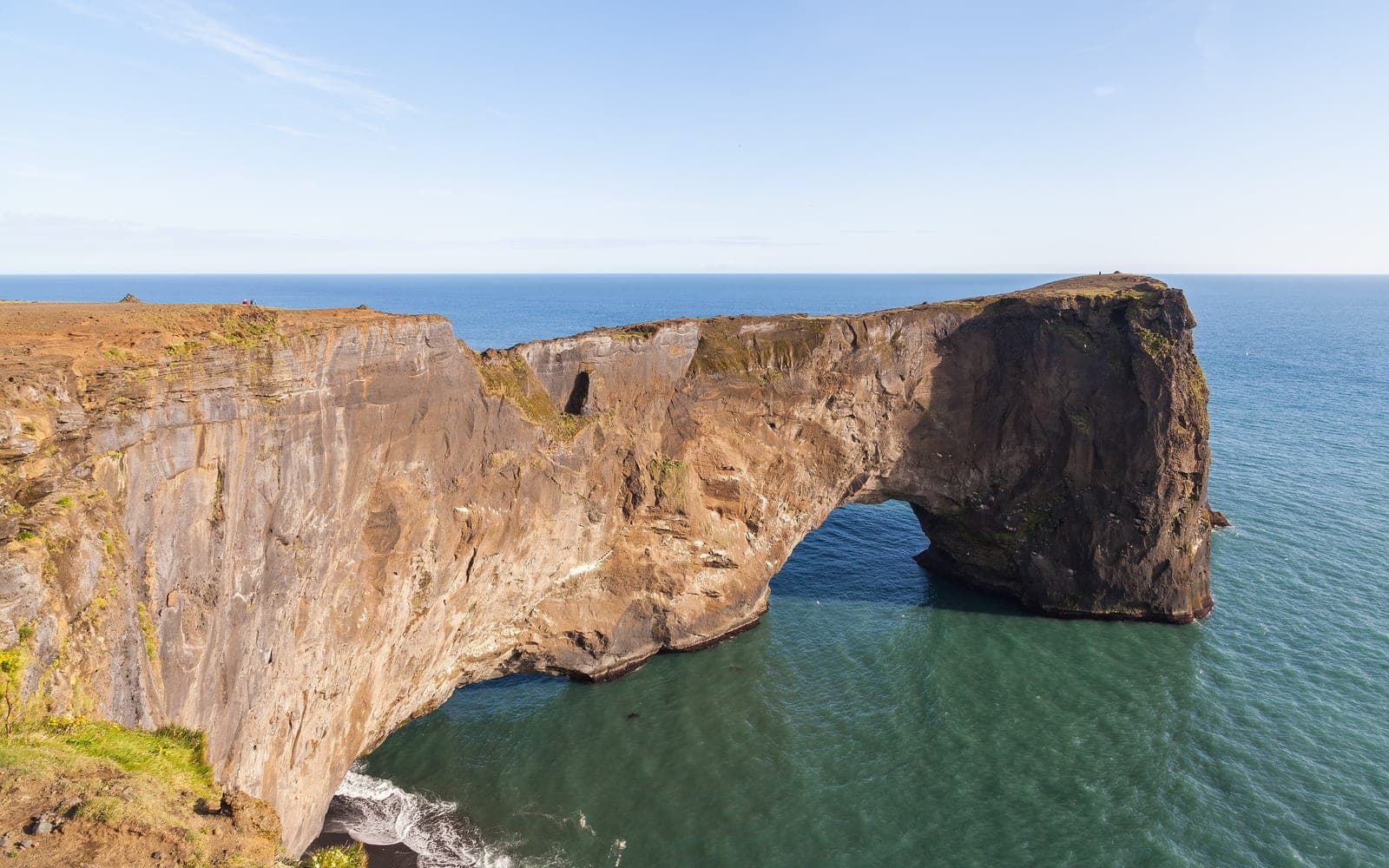
Build a first-trip route around waterfalls, black-sand coast and glacier country, but allow two to four days if Jökulsárlón is part of the plan.
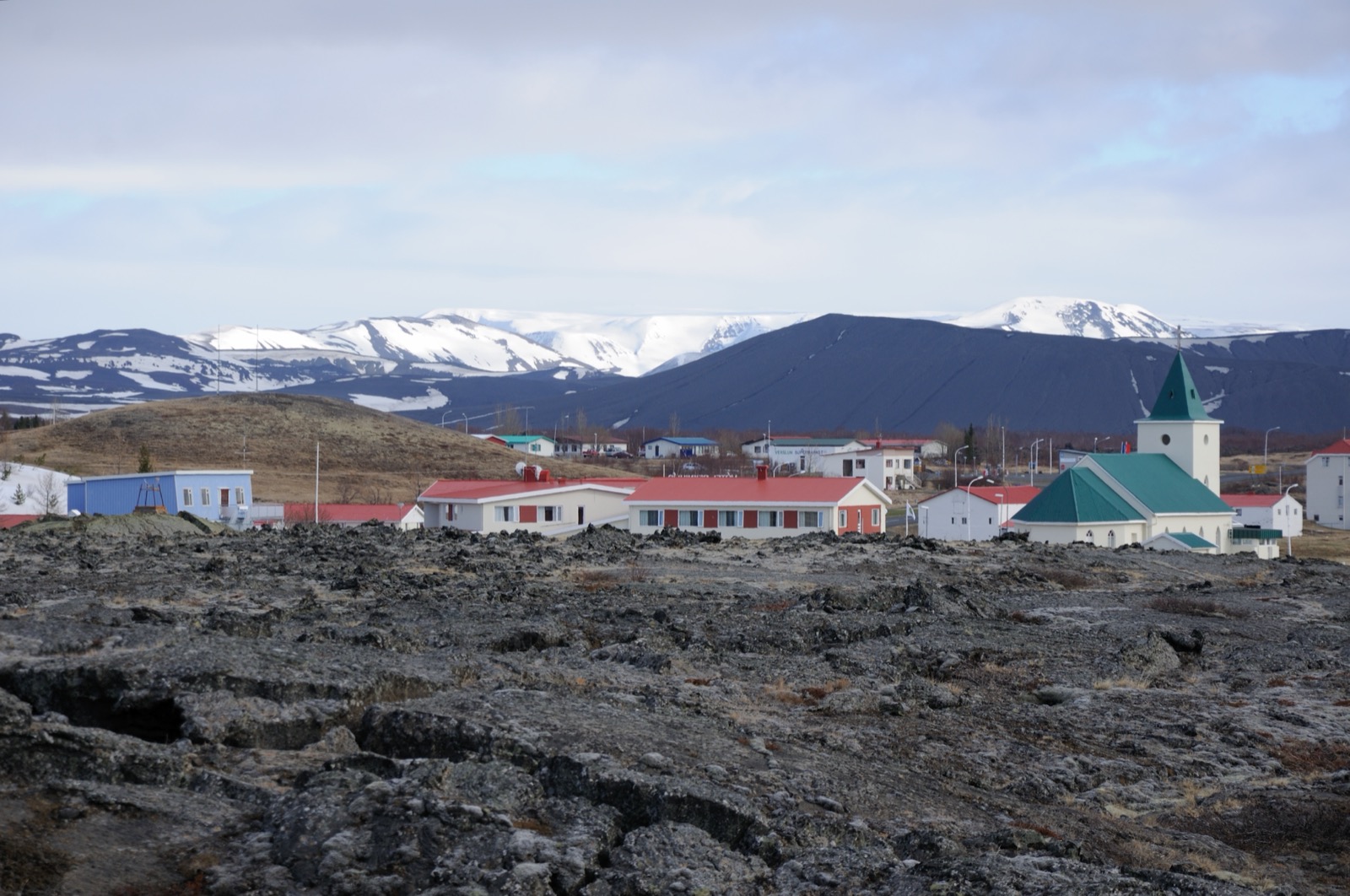
Choose North Iceland when you can spare several days for Akureyri, Mývatn, Húsavík, and canyon country; one rushed overnight barely reaches the region.
More things to do
See other activities that may suit the same day, season, or part of Iceland.
Travel advice
Read more about driving, weather, safety, and other details that may affect your trip.
Next terrain decision
Move into Highlands road planning, a drive-yourself ATV or buggy, or a wider Reykjavík day-trip choice.