Is Tjörnes worth adding to a North Iceland route?

Yes, Tjörnes is worth adding when you have a slower North Iceland day and want the coast between Húsavík and Ásbyrgi to feel like part of the trip, not just a connector road.

The peninsula gives the Diamond Circle a quieter edge: cliffs with nesting birds, fossil-bearing layers, sea views, beaches, boulders, and small roadside pauses that feel different from the bigger canyon and geothermal stops inland. It is strongest for travelers who enjoy reading a landscape slowly.

The tradeoff is that Tjörnes is not a single high-impact attraction like Ásbyrgi, Dettifoss, or Mývatn. If your day is already packed, those larger anchors should usually come first. If you have breathing room after Húsavík, Tjörnes can make the north coast feel more complete.

Worth the stop?

When this stop makes sense

Good match for

  • North Iceland self-drive travelers with a flexible day
  • birdwatchers visiting in the brighter summer season
  • geology-minded travelers interested in fossil-bearing coastal layers
  • photographers who prefer quiet coastal viewpoints over crowded icons

Think twice if

  • rushed first-time routes that need to prioritize Ásbyrgi, Dettifoss, or Mývatn
  • travelers expecting a staffed visitor attraction with one obvious viewpoint

Pair it with

North IcelandÁsbyrgi CanyonHljóðaklettarDettifoss

What kind of place is Tjörnes?

Tjörnes is a peninsula rather than a single viewpoint, so the visit works best when you expect a coastal drive with a few careful stops.

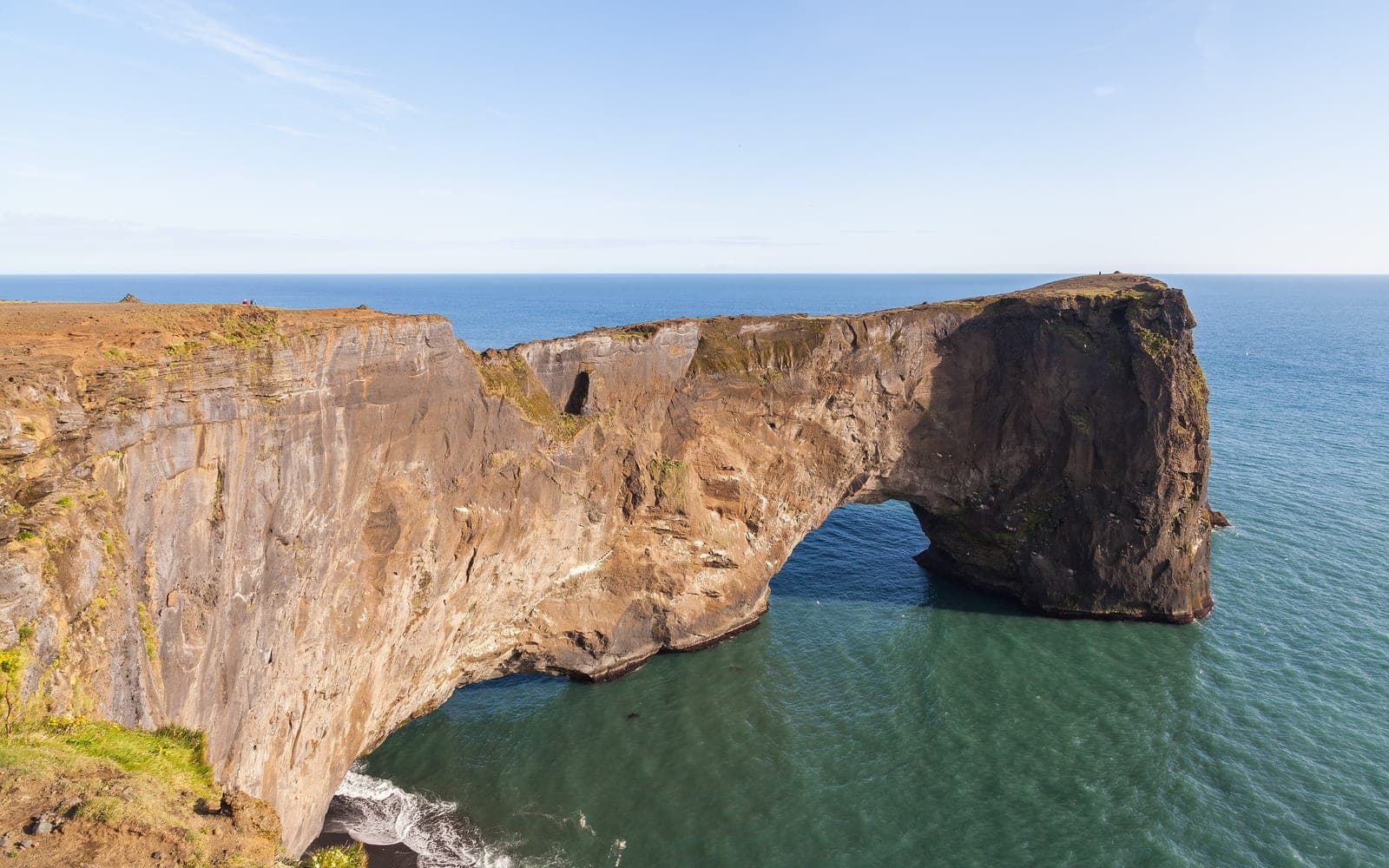
The name usually points to the land north of Húsavík, where the road follows an exposed coast toward Öxarfjörður and the canyon landscapes around Ásbyrgi. The appeal comes from layers: seabird cliffs, fossil and sediment formations, rocky beaches, open sea, and a sense of being on the outer edge of the North Iceland route.

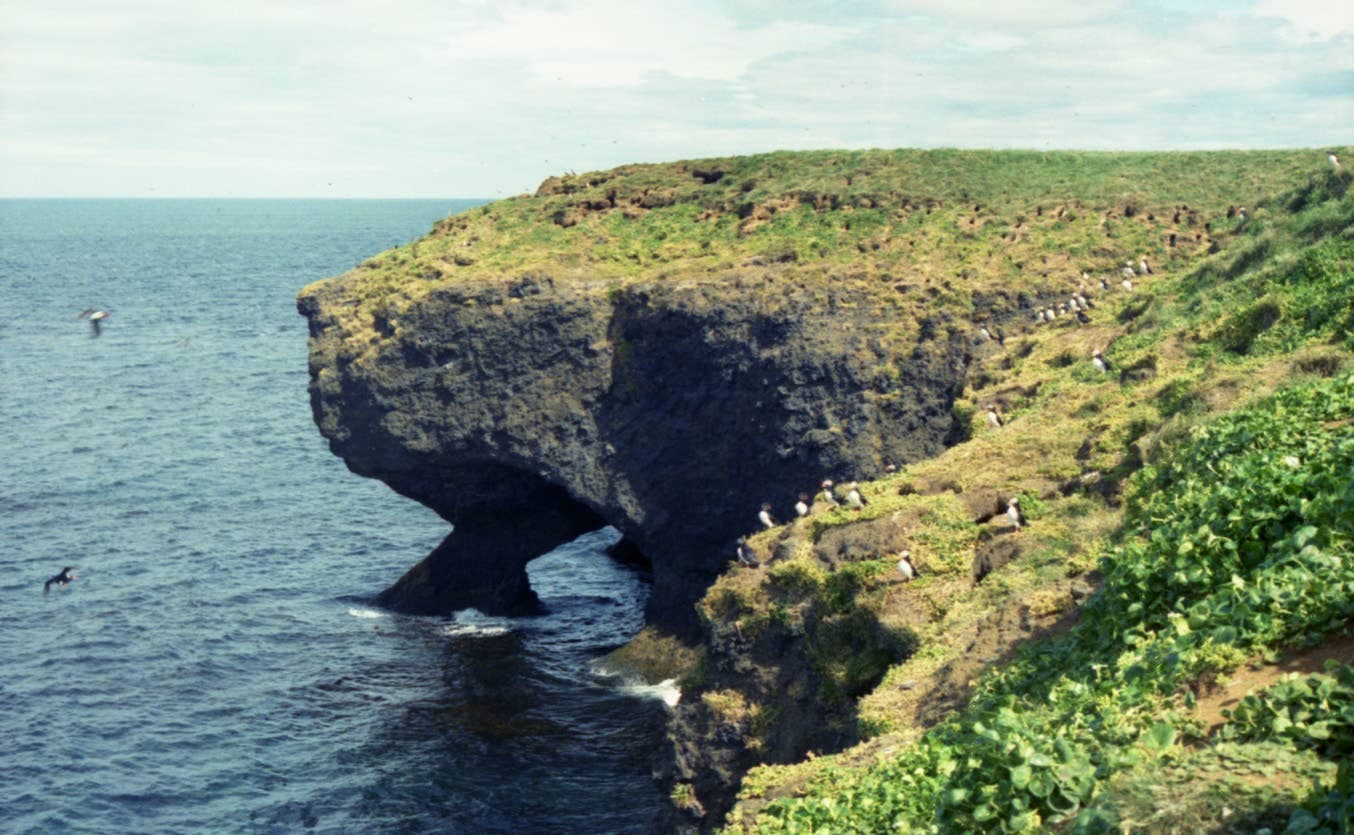
Tjörnes is most memorable when the coast, cliffs, and birdlife are part of the same slow stop.

That also means it rewards restraint. Choose a few safe places to pause instead of treating every pullout or slope as an access point. The fossil beds and nesting areas are part of the reason to visit, but they are also the reason to move carefully.

What do you actually see on the peninsula?

Expect a quieter mix of coastal scenery, seabirds, fossil-bearing rock, and odd shoreline details rather than one choreographed attraction experience.

  • Cliffs and sea views that make the Húsavík-to-Ásbyrgi drive feel more coastal.
  • Birdlife in summer, including puffins and other seabirds where conditions and season line up.
  • Fossil-bearing layers and sediment textures that explain why geology-minded travelers notice Tjörnes.
  • Rocky beaches, boulders, and small roadside details that suit a slow photo stop.
  • Open views toward Öxarfjörður and the wider North Iceland coast when visibility is good.
Summer birdlife is one reason Tjörnes works better as a slow seasonal detour than a rushed drive-through.

The strongest visit is usually not about checking off one famous feature. It is about letting the coast change the pace of the day before you turn inland toward Ásbyrgi, Hljóðaklettar, or Dettifoss.

How much time should you allow for Tjörnes?

Allow about 45 minutes to 2 hours if Tjörnes is a side layer in the day. Give it more only if birdwatching, geology, or photography is a main interest.

Simple timing choices for Tjörnes
PlanTimeUse it when
Drive-through glance30-45 minutesYou want coastal context but need to protect time for Ásbyrgi or Dettifoss.
Normal scenic detour1-2 hoursYou want a few safe pauses for cliffs, birds, and shoreline details.
Slow summer visit2 hours or moreBirdwatching, fossil context, photography, or soft evening light is part of the reason for going.

In summer, the extra daylight makes Tjörnes easier to justify. In winter or rough weather, the same detour can feel thin if visibility is poor and the road surface is tiring. Check conditions first, then decide whether the coast is worth the time that day.

How should Tjörnes fit with Húsavík, Ásbyrgi, and Mývatn?

The cleanest use is Húsavík plus Tjörnes plus Ásbyrgi. Add Dettifoss, Hljóðaklettar, or Mývatn only after the day still looks realistic.

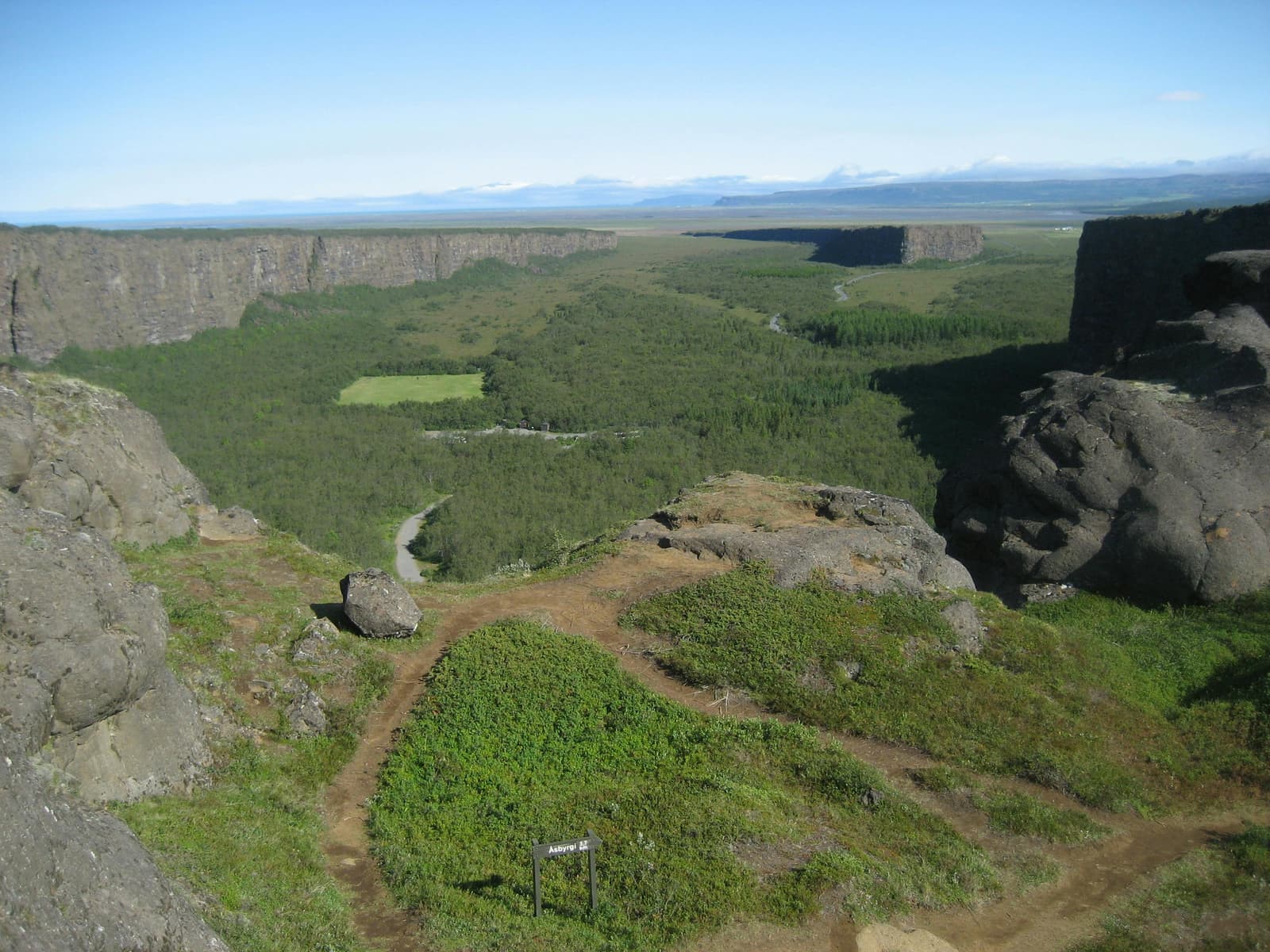
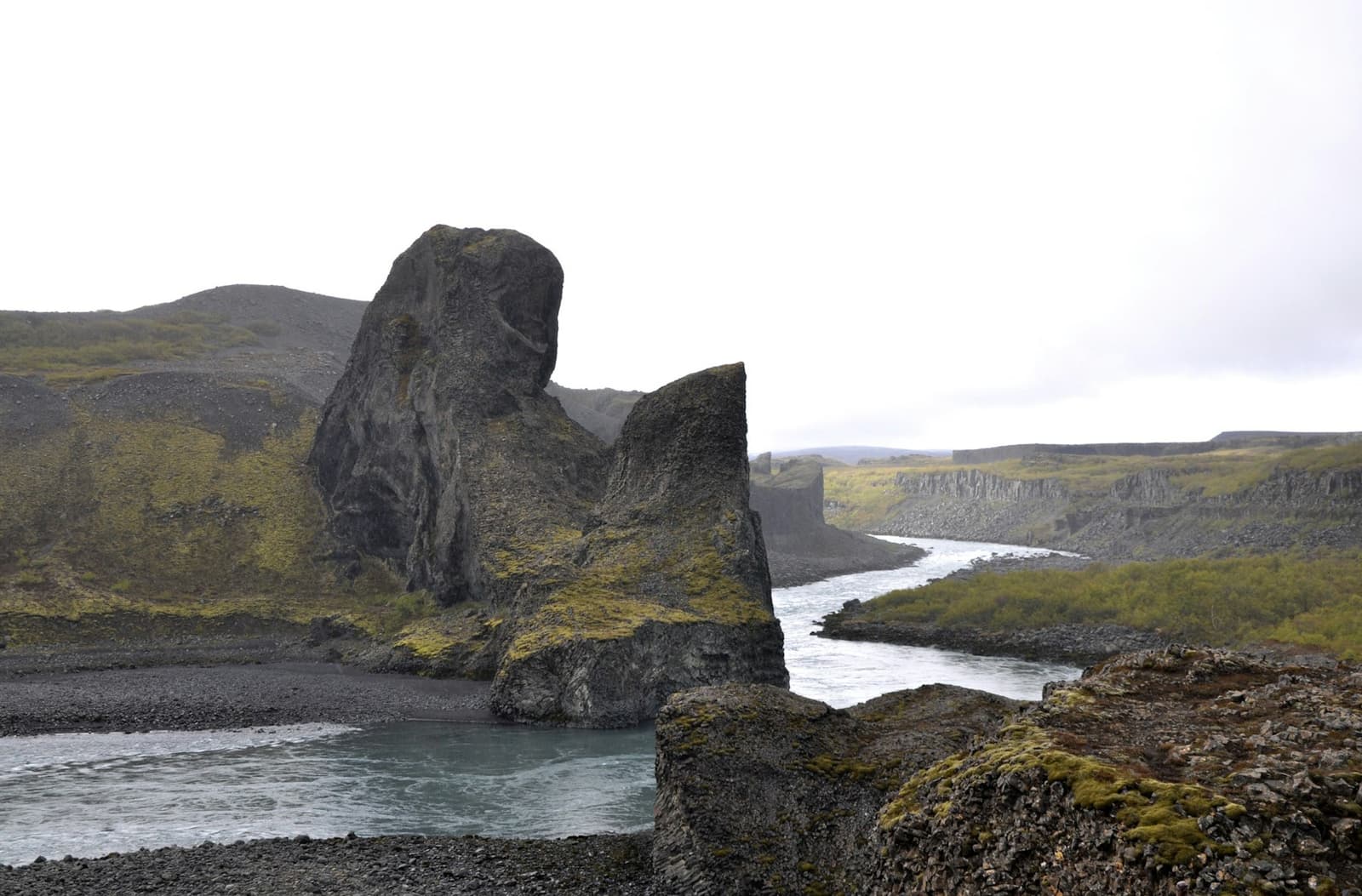
If you are starting from Húsavík, Tjörnes gives the drive north a purpose before the route reaches Ásbyrgi. From there, you can decide whether the day should stay in Jökulsárgljúfur with Hljóðaklettar and Dettifoss, or turn back toward Mývatn, Dimmuborgir, and Hverir.

The mistake is stacking every North Iceland highlight into one long chain. Tjörnes is worth including when it deepens the route; it is weaker when it steals time from the canyon, waterfall, or geothermal stop you cared about more.

Small shoreline details are part of the Tjörnes rhythm, especially on a slower north-coast day.

What should you check before driving the peninsula?

Check road and weather conditions first, then treat cliffs, fossil beds, and bird areas as sensitive landscapes rather than open playgrounds.

Tjörnes is exposed to coastal wind, fog, rain, snow, and changing visibility. That matters because the stop is only valuable if you can drive calmly and see the coast. Use official road and weather sources before committing, especially outside summer.

The fossil layers are a reason to slow down, but the page should not send travelers scrambling over unstable slopes or collecting material. Look, photograph, and keep the landscape intact. The same caution applies around birds: stay back from nesting areas and avoid stressing wildlife for a closer photo.

Official and current checks

Common questions about Tjörnes

Tjörnes creates a few real planning questions because its value depends on season, pace, and expectations.

Can you see puffins on Tjörnes?

Yes, Tjörnes can be a good summer birdwatching area, but puffin sightings depend on season, weather, time of day, and staying a respectful distance from nesting cliffs.

Is Tjörnes worth visiting in winter?

Sometimes, but winter reduces the strongest reasons to go. Short daylight, wind, road conditions, and visibility can make the coastal detour less rewarding than Ásbyrgi, Dettifoss, or Mývatn-area stops.

Can visitors collect fossils at Tjörnes?

No, you should not treat Tjörnes as a fossil-collecting stop. The useful visitor approach is to observe and photograph geological layers without disturbing the site.

Is Tjörnes a good family stop?

It can be good for families who are comfortable with short, careful outdoor pauses, but it is weaker for groups that need facilities, barriers, or one simple managed viewpoint.