Is Ögmundarhraun worth adding to a Reykjanes day?

Yes, Ögmundarhraun is worth adding when your Reykjanes day has room for a rough lava-field stop with Húshólmi history nearby. It is weaker as a rushed extra between timed plans.

Ögmundarhraun sits on the south side of the Reykjanes Peninsula, where moss-covered lava spreads between low volcanic ridges, the Krýsuvík area, and the coast near Selatangar. It does not behave like a single famous viewpoint. The reward is the texture of the landscape and the sense that older settlement traces, rough lava, and coastal travel all overlap here.

A local Iceland travel editor would add Ögmundarhraun for self-drive travelers who already plan to move between Kleifarvatn, Grænavatn, and Selatangar. The same editor would skip it when Blue Lagoon timing, airport logistics, western Reykjanes stops, or poor visibility already make the day tight.

The best public value of this stop is choice. If the south-Reykjanes drive is flowing well, Ögmundarhraun adds a quieter volcanic layer. If the weather, road guidance, or group energy is working against you, the stop is easy to leave for another trip.
Worth the stop?

When this stop makes sense

Good match for

  • self-drive travelers exploring the quieter south side of Reykjanes
  • visitors who like mossy lava, rough geology, and settlement-history context
  • travelers pairing Krýsuvík-area stops with Selatangar or the coast
  • repeat visitors who want a less polished Reykjanes landscape than the Blue Lagoon

Think twice if

  • travelers who need a simple paved-viewpoint day from start to finish
  • tight plans already built around Blue Lagoon timing or airport logistics

Pair it with

Reykjanes PeninsulaSelatangarKleifarvatnGrænavatn

What does the lava field feel like when you stop?

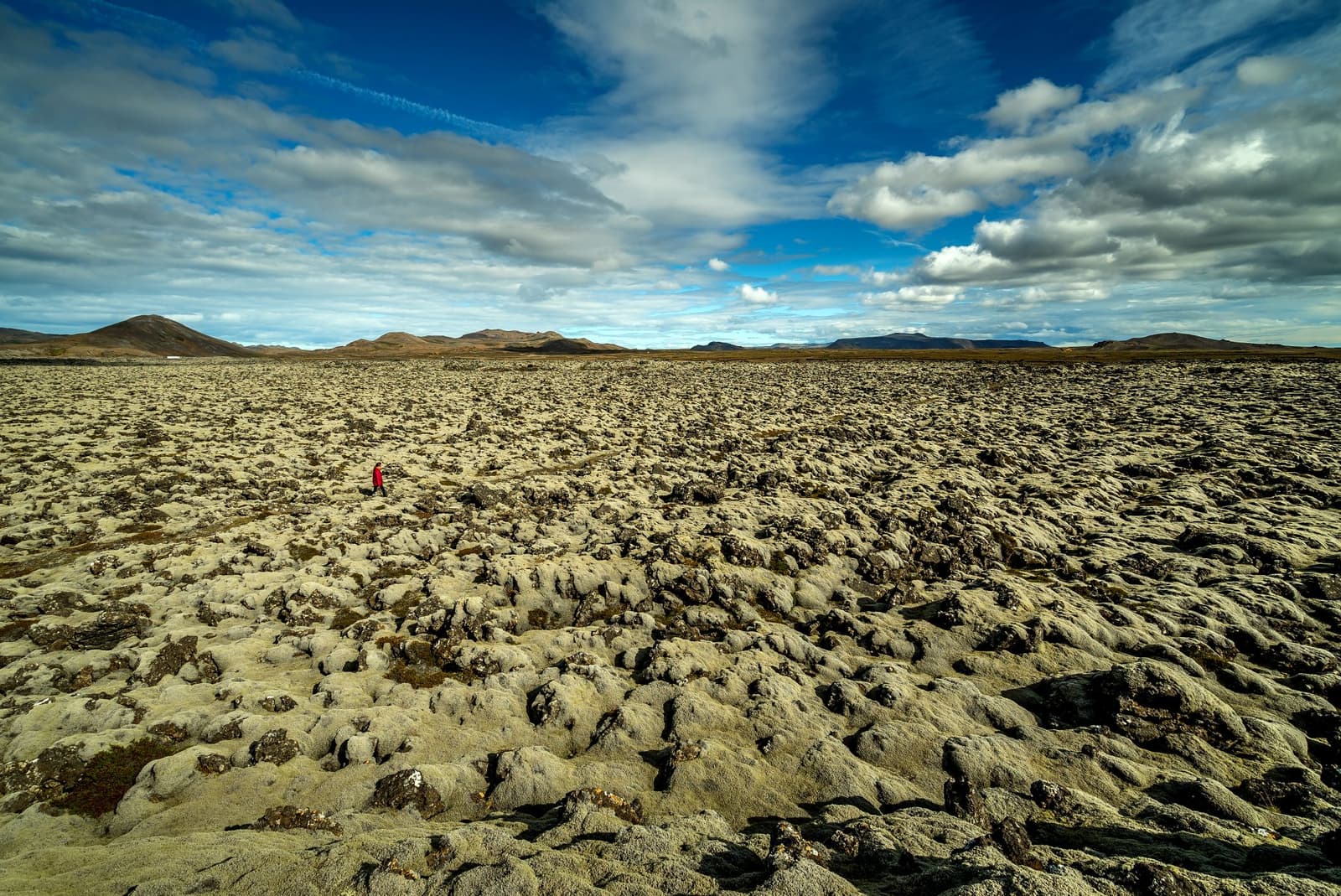
Ögmundarhraun feels broad, uneven, and quiet: pale moss lies over dark broken lava, with low Reykjanes ridges making the place feel wider than a roadside pull-off.

The moss makes the lava look soft from a distance, but the surface is rough and fragile up close.

From a distance, the moss can make the lava look soft and almost padded. Up close, it is a sharper landscape of broken rock, cracks, and uneven footing. That contrast is the point of the visit: the field looks gentle until you begin reading the surface.

Keep the stop light-footed. Stay with obvious paths or durable surfaces, avoid stepping on delicate moss, and treat old ruins or story-linked places as things to observe rather than handle. Ögmundarhraun is strongest when it feels like a place you pass through carefully, not terrain to conquer.

If your trip already includes Eldvörp, Gunnuhver, or Fagradalsfjall-style volcanic scenery, Ögmundarhraun may feel more subtle. If you are building a quieter Krýsuvík-side loop, it gives the day a rougher and more historic texture than a simple lake or spa stop.

How do Húshólmi, the coast, and Selatangar fit together?

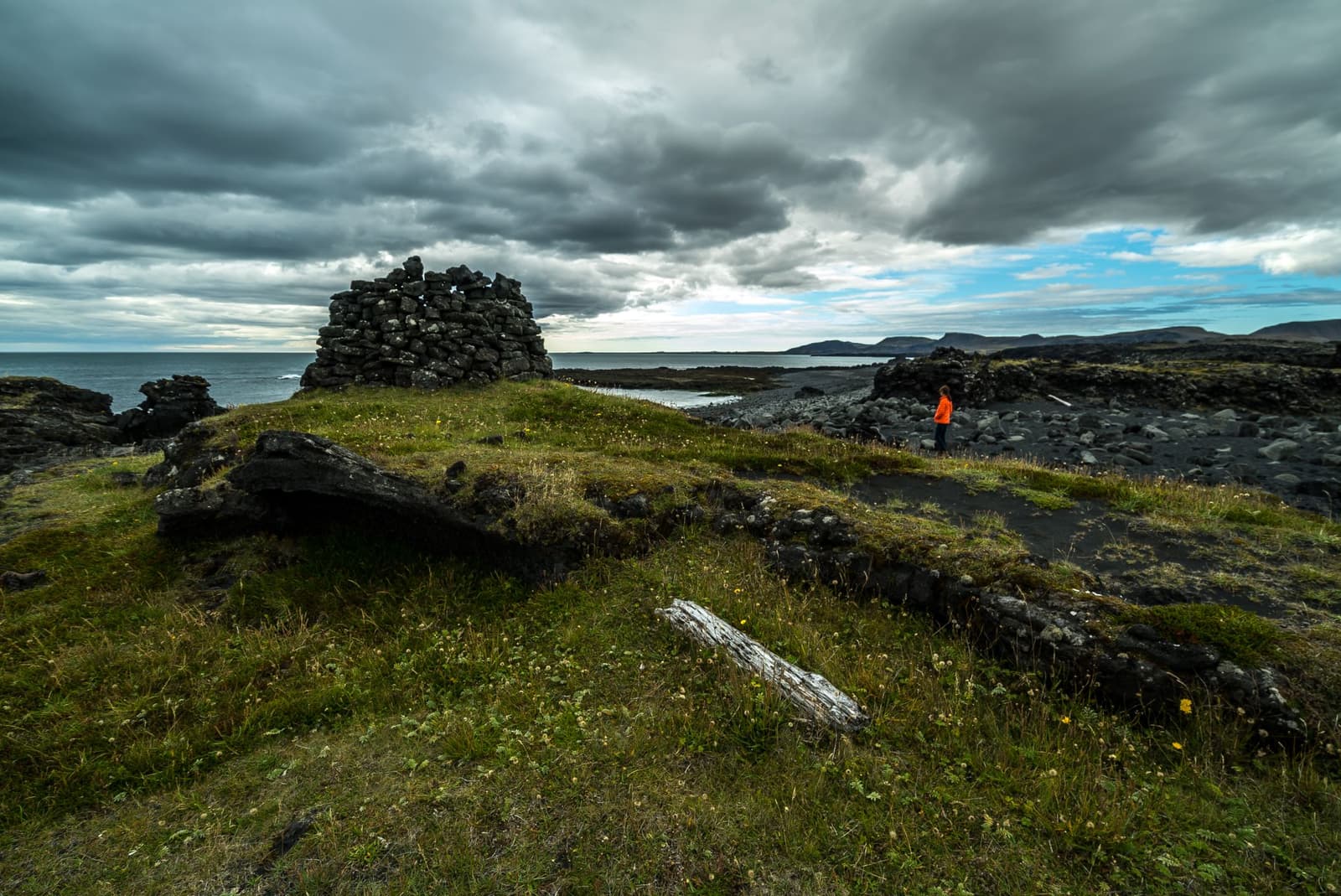
The reason Ögmundarhraun matters is not only the lava. It also frames Húshólmi, coastal lava, and the abandoned fishing-station landscape around Selatangar.

The wider story of Ögmundarhraun is easier to read where the lava, shore, and older settlement traces meet.

Official and specialist sources describe Húshólmi as a clearing or island-like area in the lava where older settlement remains are part of the landscape story. That makes Ögmundarhraun different from a purely scenic lava field: the visit points toward how eruptions, farming, fishing, and routes across Reykjanes have collided over time.

Selatangar is the easiest public pairing when you want that historic edge to continue. It gives the day a coastal ruin and fishing-station contrast instead of making Ögmundarhraun stand alone as a mossy lava view.

Do not overbuild the day around every named point in the lava. Choose one emphasis: a short scenic look, a Húshólmi-focused walk if conditions and guidance support it, or a wider south-coast Reykjanes sequence with Selatangar.

How much time and effort should you allow?

Ögmundarhraun can be a quick scenic pause, but it is more useful when you leave enough margin for slow driving, careful footing, and a decision to turn the stop shorter.

Ways to use Ögmundarhraun in a Reykjanes plan
PlanBest useMain tradeoff
Short lava-field pauseUse it when you are already passing through south Reykjanes and want a quick sense of the landscape.You may leave before Húshólmi or the coastal story becomes clear.
Lava and history stopAdd time to understand Húshólmi context and move carefully around rough lava edges.Footing, weather, and group patience matter more.
Wider south-coast pairingPair Ögmundarhraun with Selatangar when you want the day to feel historic as well as volcanic.It competes with easier western Reykjanes stops if the day is short.

The effort is not only about distance. Wind, rain, visibility, rough lava, and road guidance can all change how sensible the stop feels. Treat Ögmundarhraun as flexible until you have checked the day properly.

What should you pair with Ögmundarhraun nearby?

Ögmundarhraun works best when it has a clear job in a Reykjanes sequence. Pair it east toward lakes, west toward geothermal coast, or south toward historic ruins.

For an east-side feel, pair it with Kleifarvatn and Grænavatn. That gives you lake, crater, ridge, and lava-field contrast without turning the day into a long museum of stops.

For history and coast, pair it with Selatangar. This is the most natural match if the attraction you care about is not only geology but how people lived and moved around the rough south side of Reykjanes.

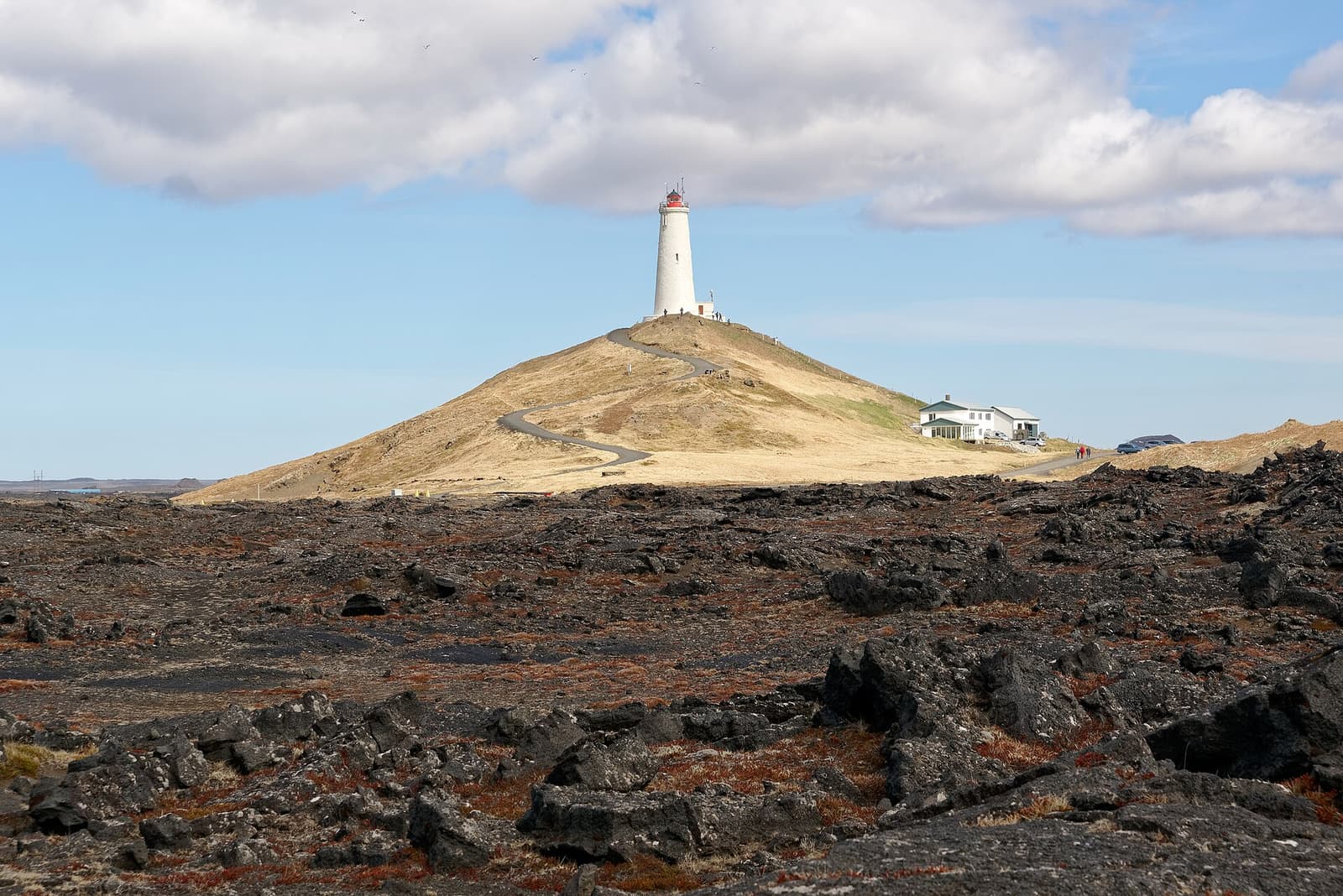
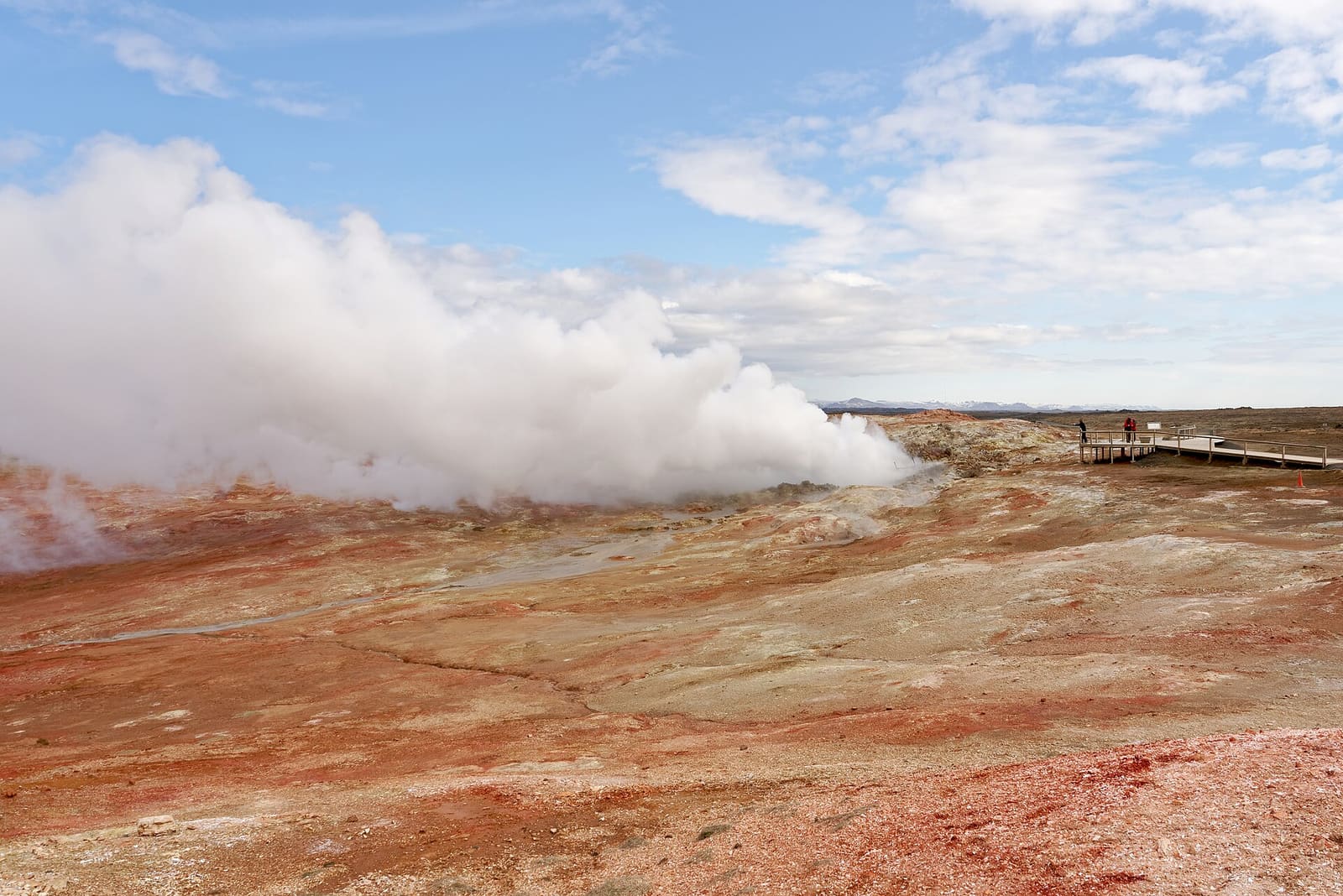
For a higher-contrast first or last day, compare it against Blue Lagoon timing, Gunnuhver steam, and Reykjanesviti Lighthouse. Those stops are more obvious to many first-time visitors, while Ögmundarhraun is better when you want the route to feel quieter and less polished.

If you are unsure where it belongs, start with the Reykjanes Peninsula Road Trip and decide whether the south-side lava field improves the day or simply adds another decision.

What should you check before relying on the stop?

Check official visitor, road, weather, and safety sources before treating Ögmundarhraun as a fixed part of a Reykjanes day.

Reykjanes is an active, weather-exposed peninsula. Durable planning matters more than memorizing a fixed rule. Before you go, verify road conditions, travel alerts, weather warnings, and any local visitor guidance that affects south-side Reykjanes access.

Official and specialist checks

Common questions about Ögmundarhraun

These answers are for planning confidence, not for replacing on-site signs or official visitor guidance.

Is Ögmundarhraun a must-see Reykjanes stop?

No, it is best treated as a flexible lava-field stop rather than a must-see icon. Add it when you want rough volcanic texture and Húshólmi context; skip it when easier Reykjanes stops already fill the day.

Can you visit Ögmundarhraun as a short stop?

Yes, a short look can work if you are already passing through south Reykjanes. The place becomes more meaningful when you have time to understand the lava, Húshólmi, and Selatangar context.

Is Ögmundarhraun good for families?

It can be, if the group is comfortable with a simple roadside landscape stop and careful footing. It is weaker for families that need predictable surfaces, quick services, or a single obvious viewpoint.

Should I pair Ögmundarhraun with Selatangar or Kleifarvatn?

Choose Selatangar if you want coastal history, and choose Kleifarvatn if you want an easier lake-and-lava scenic sequence. Doing both can work only when the Reykjanes day has enough margin.